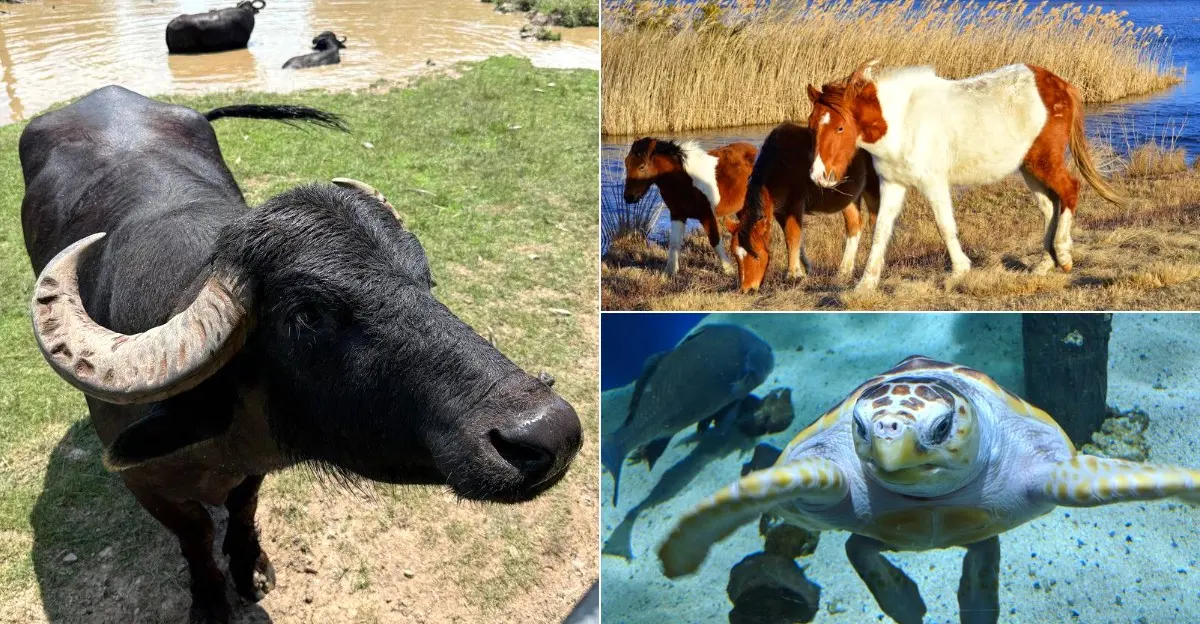
Virginia has a knack for surprising you with animal encounters you didn’t plan on loving.
Some are classic zoos with winding paths and shaded picnic spots, while others are quiet rescue centers built around a single cause.
A few sit tucked into small towns you might otherwise drive right past.
Others anchor a coastal boardwalk or a busy college city, drawing crowds without ever feeling crowded.
Wild ponies, rescued raptors, and playful primates all have a place somewhere on this list.
We tracked down ten spots stretching from the mountains to the Eastern Shore that turned out to be far more fun than we expected.
Grab the kids, bring your curiosity, and get ready to stay longer than you planned.
1. Virginia Zoo in Norfolk, Norfolk city
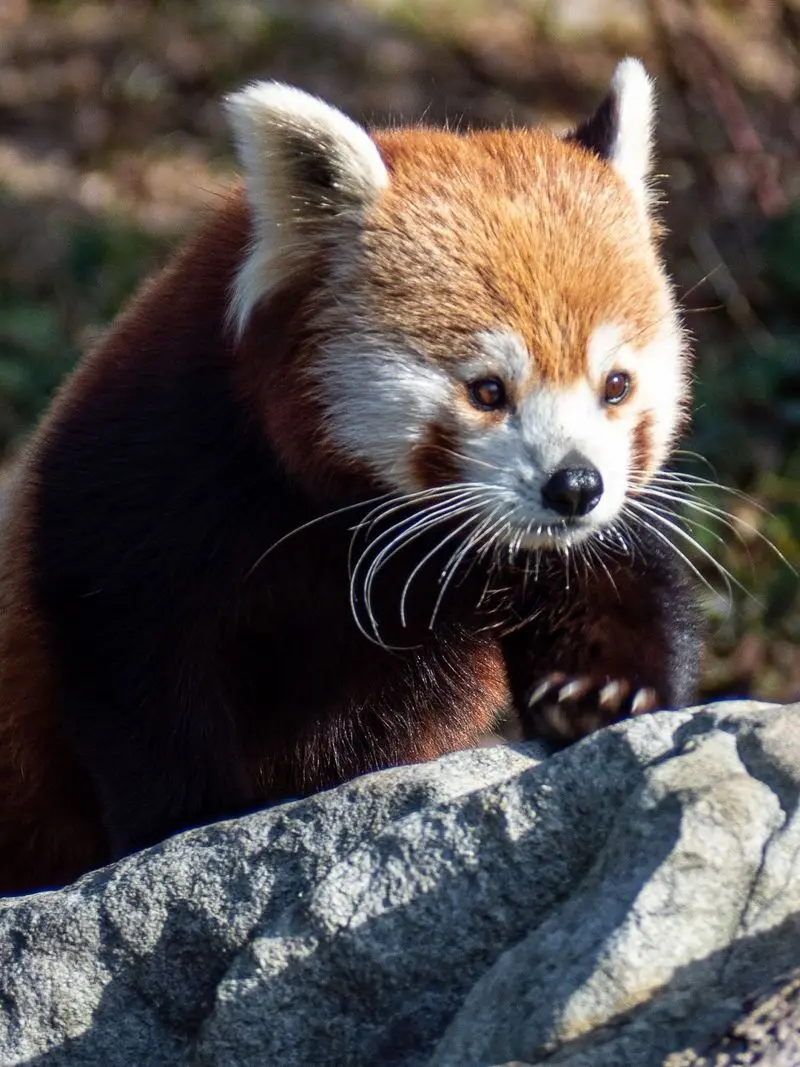
Leafy paths, surprise animal sounds, and shady corners make a city zoo feel like a small adventure.
At the Virginia Zoo in Norfolk, the fun starts before you even reach the biggest habitats.
Kids can follow winding trails past red pandas, giraffes, tigers, reptiles, and birds, with enough signs to learn without feeling stuck in school.
The zoo is easy to enjoy at a slow pace, which helps families with younger children or mixed ages.
Bring water, comfortable shoes, and a stroller if little legs get tired.
The Asia Trail is a favorite because it feels like a journey through different forests and animal homes.
There are play spaces, snack stops, and plenty of benches for breaks.
We liked that the grounds felt relaxed, not rushed or confusing.
Animal talks and keeper chats can make a regular visit feel special, so check the daily schedule when you arrive.
Parking is usually simple, but weekends can get busy.
For the best experience, visit early in the day when many animals are more active and the walkways are cooler.
It is a strong pick for families wanting nature, learning, and easy fun in one Norfolk stop.
2. Mill Mountain Zoo in Roanoke, Roanoke city
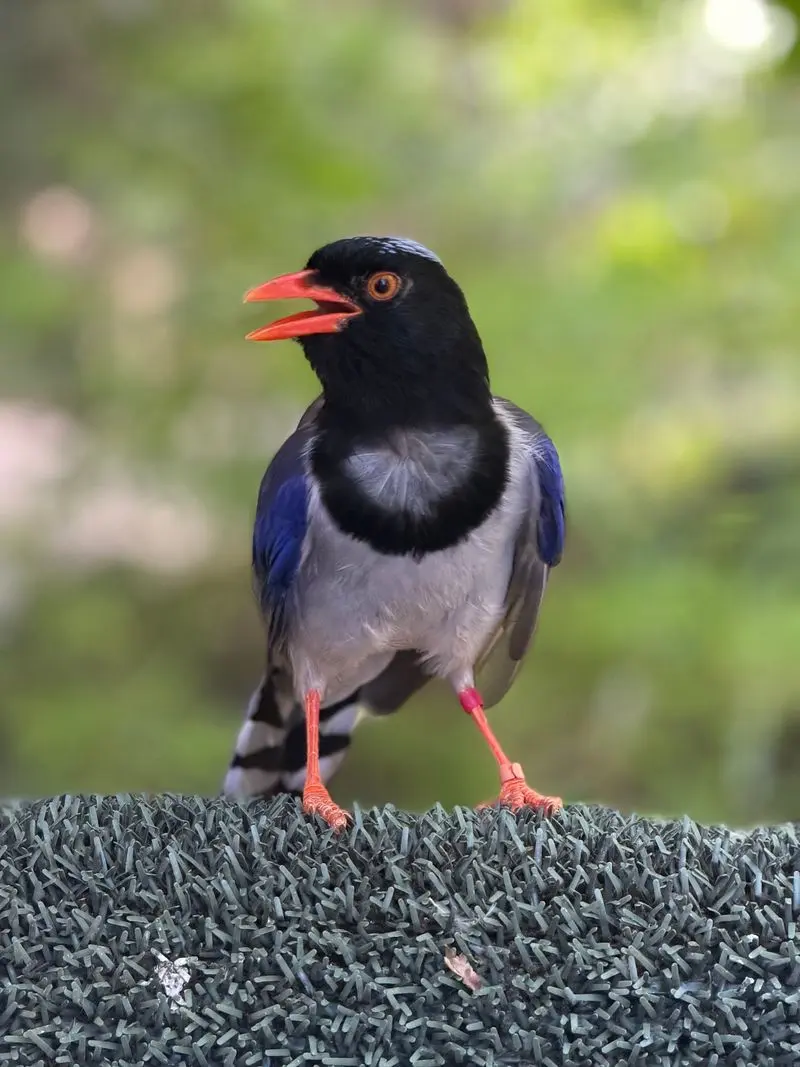
High above Roanoke, a smaller zoo proves that size is not the only thing that makes a visit memorable.
Mill Mountain Zoo has a cozy, old-fashioned feel, with wooded paths and mountain air adding to the charm.
Because the grounds are not huge, families can see the animals without feeling worn out.
You may spot red wolves, otters, snow leopards, reptiles, birds, and other species that fit well into a quiet, thoughtful setting.
The zoo works especially well as part of a bigger Mill Mountain outing.
After visiting the animals, many people stop by the famous Roanoke Star or enjoy nearby overlooks.
That mix of wildlife and scenery makes the trip feel bigger than a normal zoo visit.
Bring a light jacket if the weather is cool, since the mountain breeze can surprise you.
Paths are manageable, but comfortable shoes still help.
Keeper programs and educational signs explain conservation in a simple way.
Children often enjoy being able to move from one exhibit to the next without long walks.
Adults may appreciate the slower pace and pretty setting.
For an easy half-day plan, pair the zoo with a picnic, photos at the Star, and a relaxed drive through Roanoke.
3. NOVA Wild in Reston, Fairfax County
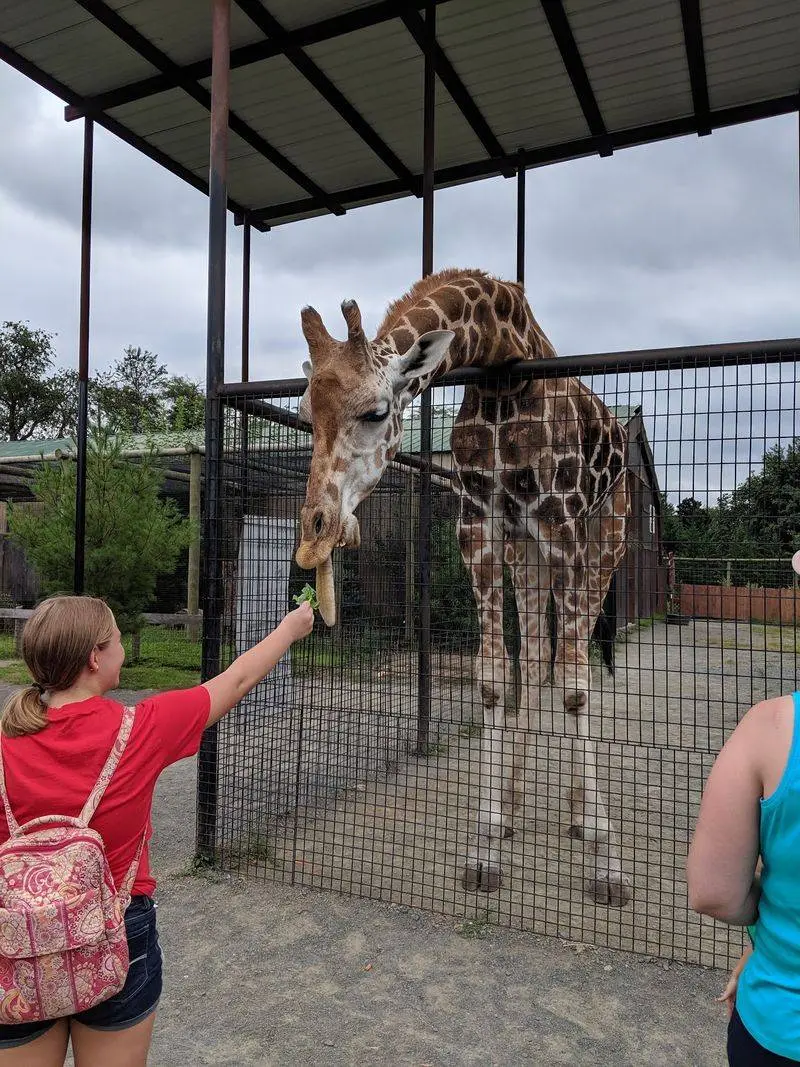
A car window can become the best seat in the house when curious animals wander close enough to make everyone laugh.
NOVA Wild in Reston brings a playful safari-style experience to busy Northern Virginia.
Part of the fun is the drive-through section, where animals may stroll near your vehicle and turn a simple ride into a story your family retells later.
There are also walk-around areas, animal encounters, and seasonal events that add extra variety.
Expect a more hands-on, energetic visit than a traditional quiet zoo.
Follow all staff directions, keep food rules in mind, and remind kids to stay calm when animals come close.
Photos are fun here, but safety comes first.
Weekday visits can feel less crowded, while special events may need advance planning.
Because the attraction is near many suburbs, it works well for a quick adventure without a long road trip.
Check ticket details before you go, since experiences and hours can change by season.
The best part is the surprise factor.
You never know which animal will become the star of the day.
For families who want animal time with a little silliness, NOVA Wild delivers more smiles than expected and keeps kids fully awake on the ride home.
4. Luray Zoo in Luray, Page County
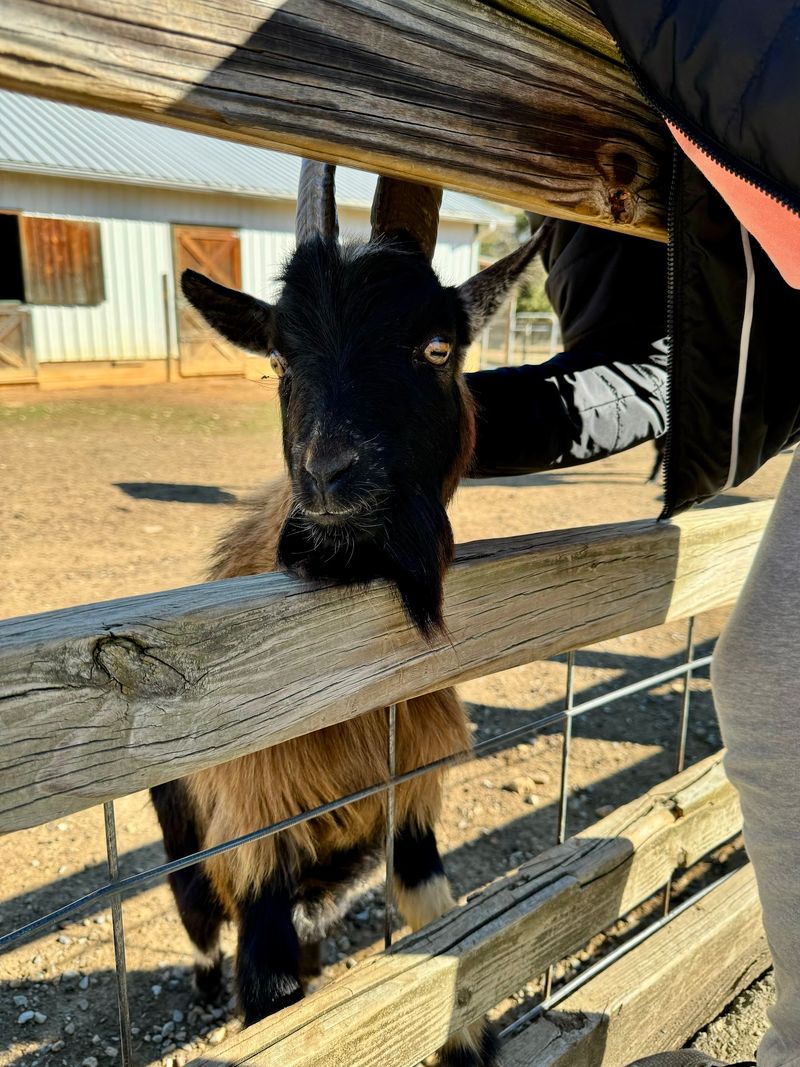
Not every animal attraction feels polished and shiny, and that is part of what makes this one interesting.
Luray Zoo in Luray is a rescue zoo with a personal, homegrown style that stands out from larger places.
Many animals here have stories connected to rescue, rehoming, or special care.
That background gives the visit a different meaning, especially for kids learning that animals are not toys or decorations.
The zoo is known for reptiles, including snakes and alligators, but visitors may also see mammals, birds, and other creatures.
Families heading to Luray Caverns can easily add this stop to the same day.
Plan for a slower, curious visit rather than a fancy theme-park outing.
Read the signs, ask respectful questions, and give children time to notice details.
Some areas may feel simple, but the animal variety keeps things engaging.
Wear comfortable shoes and check the weather, since parts of the experience are outdoors.
Animal lovers who enjoy rescue stories may find this stop more meaningful than expected.
The best approach is to arrive with an open mind.
Luray Zoo offers a chance to talk about responsibility, second chances, and why wild animals need proper homes and expert care.
5. Virginia Living Museum in Newport News, Newport News city
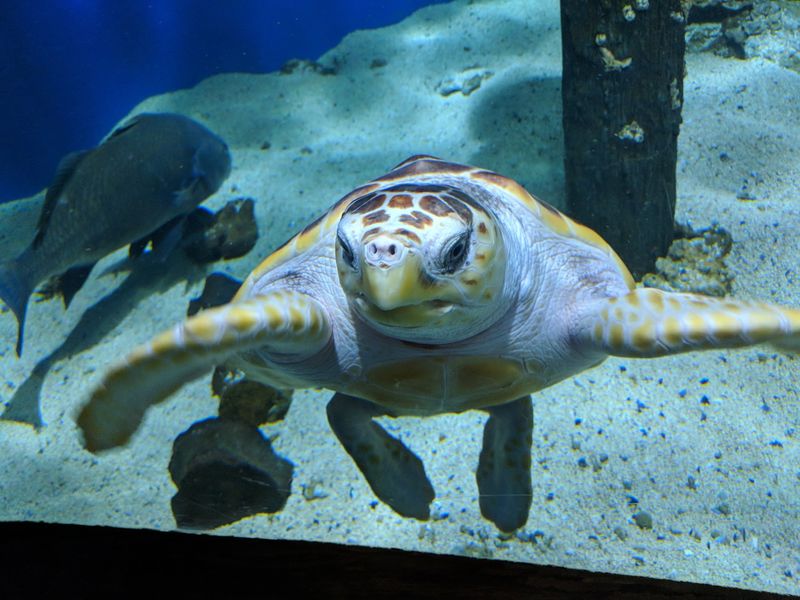
Part museum, part zoo, and part nature walk, this place feels like three field trips rolled into one.
The Virginia Living Museum in Newport News focuses on animals and habitats found in Virginia.
That makes the exhibits feel close to home, even when you are staring at otters, turtles, fish, frogs, or birds of prey.
Indoor galleries are helpful on rainy or hot days, while outdoor boardwalks let visitors stretch their legs.
Families can move from aquarium tanks to forest habitats without needing to drive anywhere else.
The museum does a strong job explaining how rivers, mountains, wetlands, and coastal areas connect.
Kids often enjoy seeing animals they might have heard about but never noticed in the wild.
Adults may like that the learning feels useful, not overwhelming.
Check the schedule for planetarium shows, feedings, or special programs before your visit.
Those extras can turn a good outing into a full day.
Bring snacks or plan lunch nearby, especially if you want to explore slowly.
The boardwalk is a pleasant highlight, so save time for it.
For visitors who want animals, science, and local nature in one clean, organized stop, the Virginia Living Museum is surprisingly rich and easy to recommend.
6. Metro Richmond Zoo in Moseley, Chesterfield County
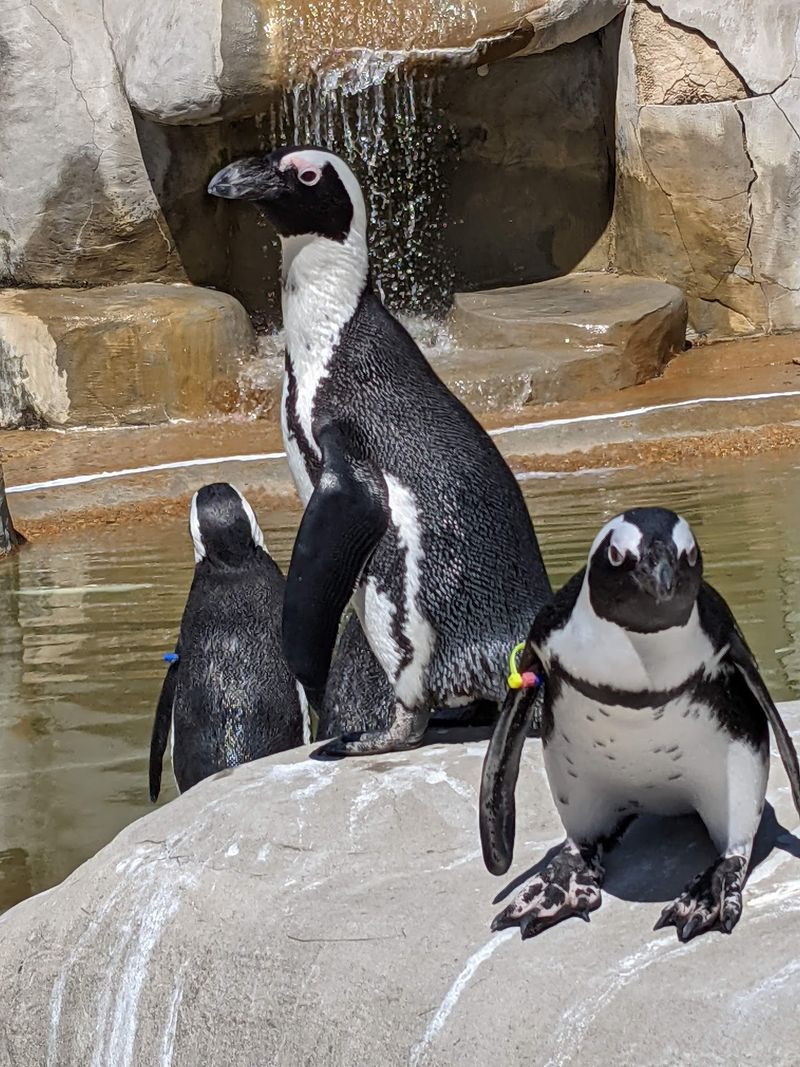
Some places win you over because there is simply more to see than you planned for.
Metro Richmond Zoo in Moseley is one of those stops, with a wide mix of animals spread across open grounds.
Giraffes often become the big crowd favorite, especially during feeding opportunities when available.
Penguins, cheetahs, monkeys, rhinos, kangaroos, and many birds add to the sense that every turn brings something new.
The zoo feels especially good for families who want a classic animal outing with lots of variety.
It is smart to arrive early, since popular areas can draw lines on busy days.
Bring sunscreen, water, and shoes made for walking.
Strollers are useful for younger children because the grounds take time to cover.
One thing visitors often remember is how close some viewing areas feel while still keeping safe barriers.
That helps children notice animal size, movement, and behavior in a real way.
Check the zoo calendar for seasonal events, animal encounters, and ride options.
Those extras can affect your schedule and budget.
For a relaxed plan, choose a few must-see animals first, then wander.
Metro Richmond Zoo rewards curious visitors who are willing to slow down and enjoy each habitat.
7. Virginia Aquarium and Marine Science Center in Virginia Beach, Virginia Beach city
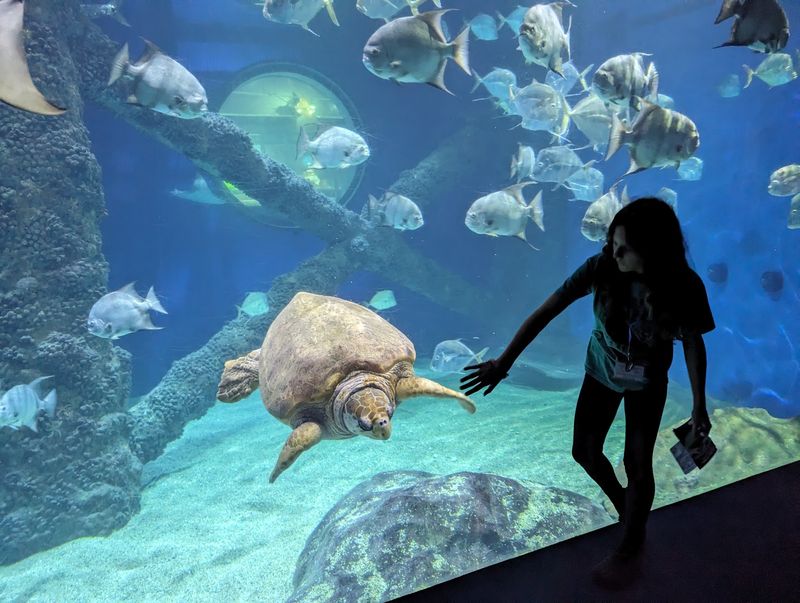
Blue light from giant tanks has a way of making even chatty kids pause for a minute.
The Virginia Aquarium and Marine Science Center in Virginia Beach blends ocean wonder with smart, hands-on learning.
Visitors can see sharks, rays, sea turtles, fish, jellyfish, and other marine life in displays that feel bright and easy to follow.
The exhibits explain coastal habitats, deep water, and conservation without making the visit feel too serious.
Touch tanks and interactive areas help children connect with the science instead of just looking through glass.
Plan extra time if your group likes reading signs or watching animals move slowly through large tanks.
The aquarium is also a great choice when beach weather turns rainy, windy, or too hot.
Buying tickets ahead can save stress during vacation season.
Parking and crowds may be easier earlier in the day.
Comfortable shoes still matter because there is plenty to explore.
Many families pair the aquarium with the oceanfront, a nature trail, or a boat trip when available.
That makes the day feel connected to the real coastal world outside.
For anyone visiting Virginia Beach, this stop adds meaning to the waves, sand, and wildlife just beyond the boardwalk.
8. Blue Ridge Wildlife Center in Boyce, Clarke County
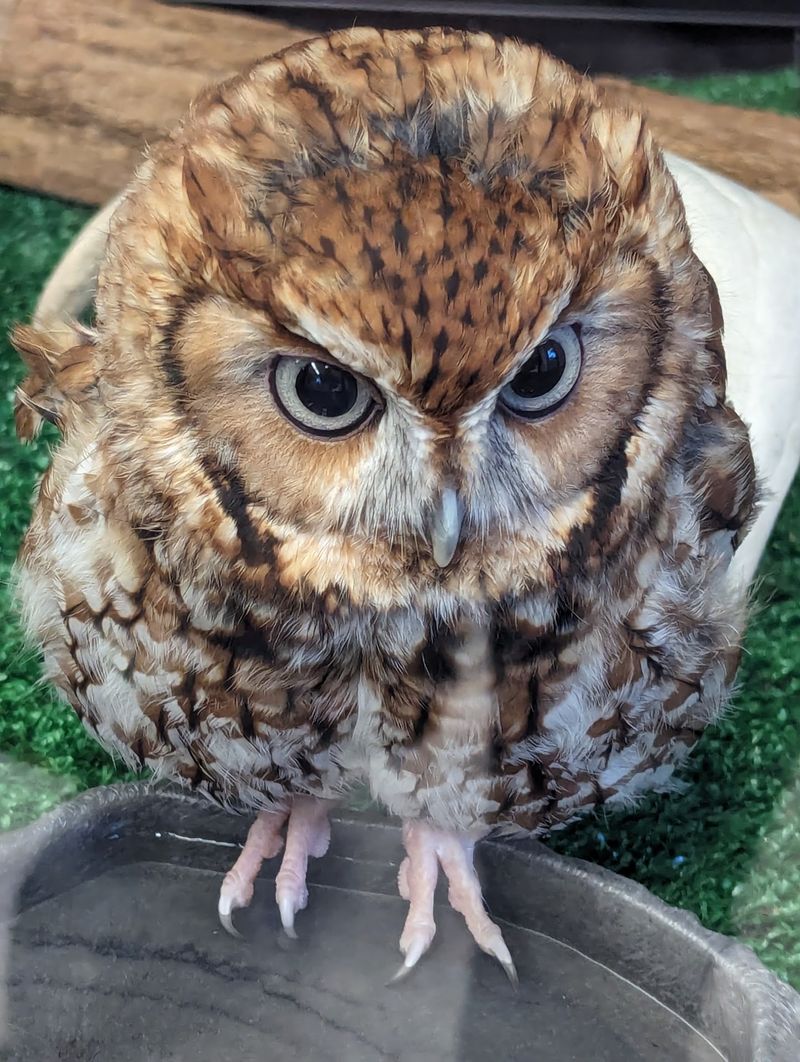
Quiet respect fills the air when people realize the animals here are not performers, but patients, survivors, and teachers.
Blue Ridge Wildlife Center in Boyce is different from a normal zoo because its main work is wildlife rehabilitation.
The center treats injured, sick, and orphaned native animals, then releases many back to the wild when possible.
Public programs and education events help visitors understand that mission.
You might learn about owls, hawks, turtles, snakes, opossums, or other Virginia wildlife, depending on the program.
This is a thoughtful stop for families with kids who care about animals and ask big questions.
Instead of rushing from exhibit to exhibit, expect a calmer experience built around learning.
Check the center’s event schedule before going, since regular public access may depend on programs or appointments.
Donations and respectful behavior matter here because the staff focuses on animal care.
Remind children that wild animals should not be handled at home.
If they find an injured animal, an adult should contact a licensed rehabilitator.
The most powerful part is seeing how local wildlife needs help from careful humans.
Blue Ridge Wildlife Center turns a visit into a lesson about kindness, science, and giving animals the best chance to return home.
9. Fort Chiswell Animal Park in Max Meadows, Wythe County
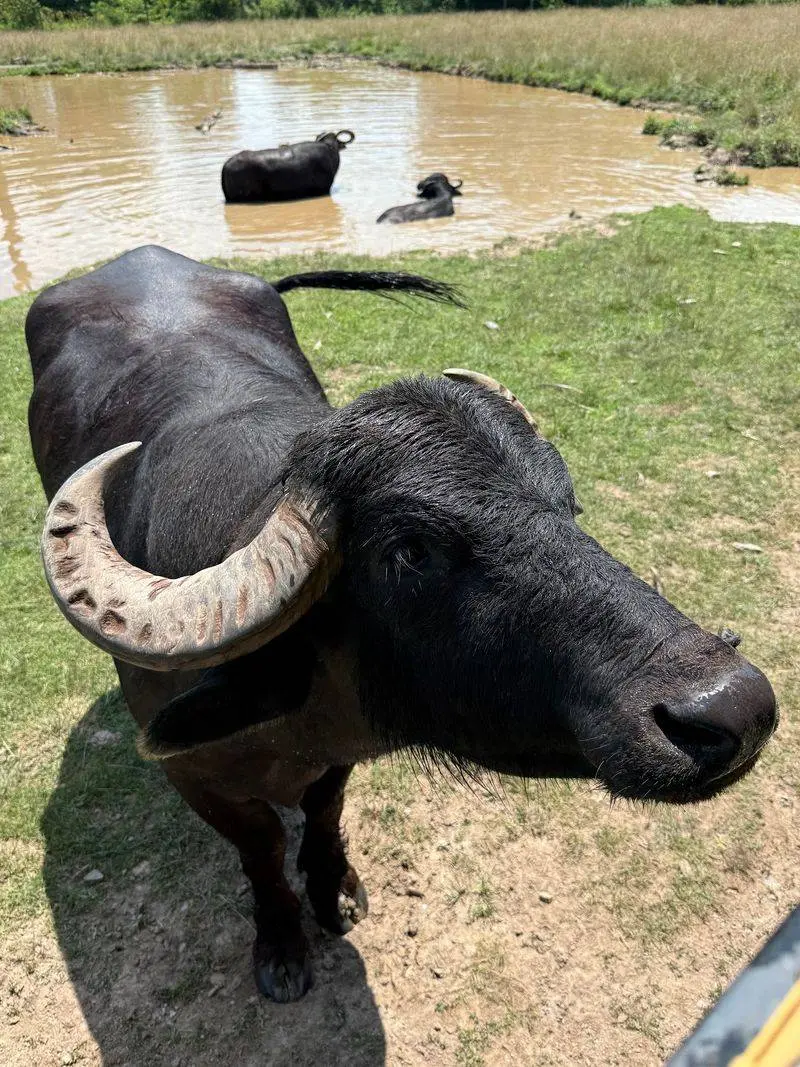
Laughter comes easily when a long-necked visitor leans toward a wagon and everyone suddenly forgets their phones.
Fort Chiswell Animal Park in Max Meadows offers a country-style animal adventure with a guided safari ride as the main draw.
The park has featured animals such as camels, zebras, bison, deer, ostriches, and other species that feel exciting to see outside a standard zoo path.
Because staff guide the safari experience, visitors can learn fun facts while staying safe.
The setting in Wythe County adds wide views and a relaxed road-trip feeling.
It is a handy stop for families traveling along Interstate 81 or exploring southwest Virginia.
Wear clothes that can handle dust, weather, and a little animal-feed excitement.
Check hours before leaving home because seasonal schedules can change.
Younger kids may love the close animal moments, but remind them to listen carefully and keep hands where staff say they are safe.
Bring a camera with a strap, since surprises happen fast.
The park works best for visitors who enjoy a casual, outdoorsy outing rather than a polished museum-style visit.
Fort Chiswell Animal Park feels cheerful, slightly goofy, and very memorable, especially when an animal steals the show.
10. Chincoteague National Wildlife Refuge in Chincoteague, Accomack County
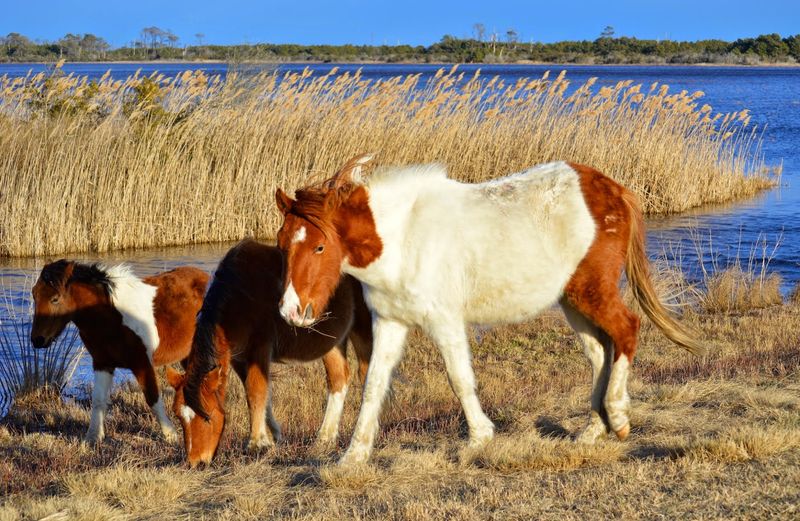
Salt air, marsh grass, and the chance of spotting wild ponies make this refuge feel almost storybook.
Chincoteague National Wildlife Refuge in Chincoteague is not a zoo, which is exactly why it feels so special.
Animals live in a protected coastal habitat, and visitors watch from trails, roads, overlooks, and beach areas.
The famous Chincoteague ponies are a major reason people come, but birds, deer, turtles, crabs, and other wildlife also make the day exciting.
Bring binoculars if you have them, because many sightings happen at a respectful distance.
That distance keeps both people and animals safer.
The refuge is excellent for patient families who enjoy nature, photography, biking, or quiet walks.
Mosquito spray, sunscreen, and water are must-haves in warm months.
Arriving early or later in the day can improve wildlife viewing and make the light beautiful.
Stop by visitor information areas for maps, rules, and current tips.
Never feed or approach ponies, even if they look calm.
The real joy comes from seeing animals act naturally in their own space.
For travelers who want a peaceful coastal adventure, Chincoteague National Wildlife Refuge offers wonder that feels earned, quiet, and unforgettable.