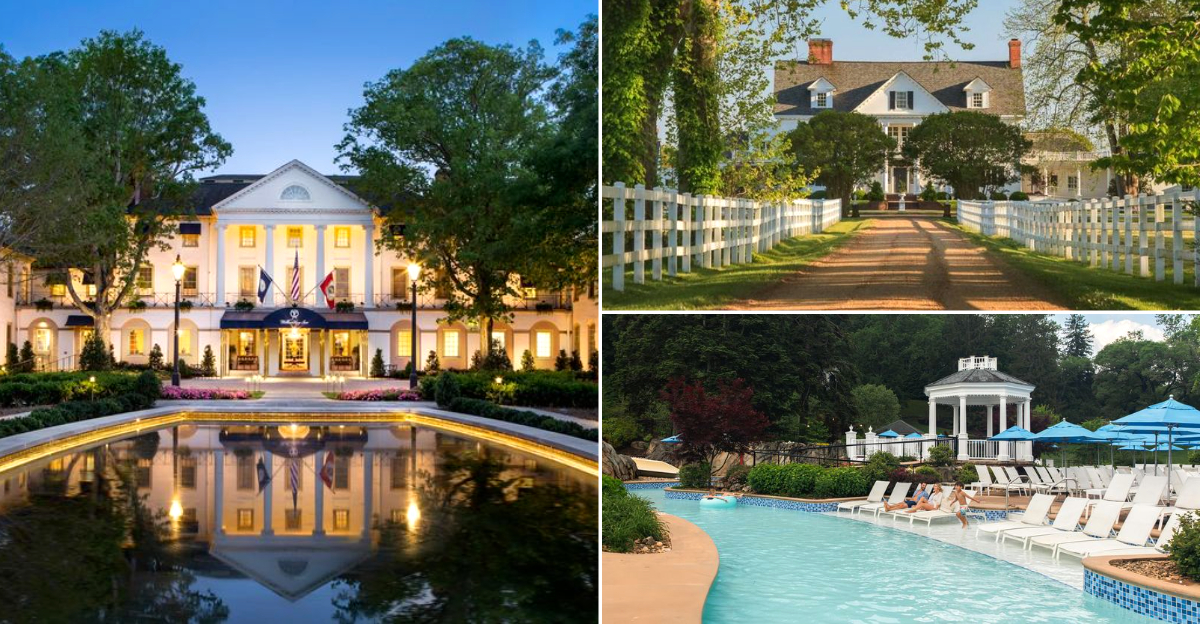
Virginia is one of those rare places where history doesn’t just live in museums, it sleeps in the same beds where presidents and pioneers once rested.
Across the state’s rolling hills, coastal inlets, and mountain valleys, a collection of remarkable historic hotels stands as living proof of the stories that shaped America.
These aren’t just places to spend the night; they’re immersive experiences wrapped in candlelit dining rooms, creaking hardwood floors, and architecture that has stood for centuries.
Traveling through Virginia with an eye for history turns an ordinary trip into something genuinely memorable and deeply meaningful.
This guide introduces ten of the most extraordinary historic hotels in the state, each one worthy of a place on your travel list.
1. The Inn at Little Washington, Washington, Rappahannock
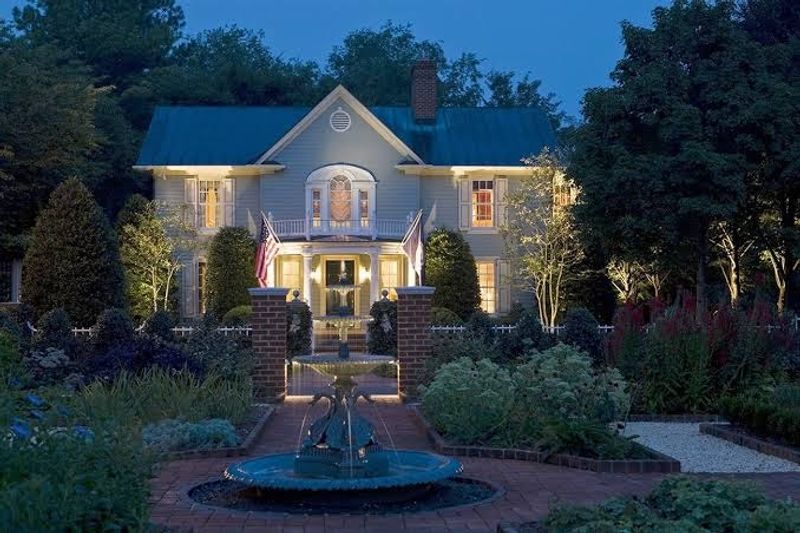
Few places feel as if they were designed to slow time, inviting you into candlelight, quiet lanes, and polished old-world charm.
That mood settles in almost immediately at The Inn at Little Washington, tucked into the tiny village of Washington in Rappahannock County.
Although the property is best known today for exceptional dining, its appeal runs deeper than a celebrated restaurant.
You are staying in a community founded in the late eighteenth century, where the surrounding Piedmont landscape still feels wonderfully preserved.
The inn itself blends Federal-style grace, romantic interiors, and carefully layered antiques that make each room feel rooted in Virginia heritage.
Instead of flashy historic reenactment, the experience feels intimate, as though local history quietly surrounds every staircase, garden path, and drawing room.
Spend time exploring the village, then return for service that feels ceremonial in the best possible way.
The Blue Ridge foothills nearby add another dimension, connecting your stay to the region’s agricultural and political past.
I love how easily this property balances luxury with a genuine sense of place, never letting one overwhelm the other.
If you want history presented with elegance rather than museum ropes, this is one of Virginia’s most transporting stays.
2. Boar’s Head Resort, Charlottesville, Albemarle
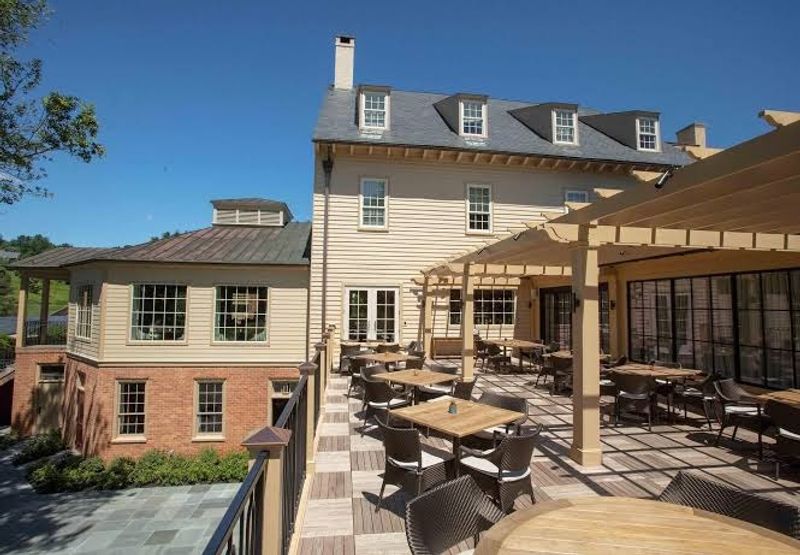
Rolling lawns, brick architecture, and a polished country-estate atmosphere give this property a distinctly Virginia sense of welcome.
That feeling comes alive at Boar’s Head Resort in Charlottesville, Albemarle County, where history and landscape work beautifully together.
The resort traces its identity to an eighteenth-century tavern name and to a setting surrounded by one of America’s richest historic regions.
Because it sits so close to Thomas Jefferson’s Monticello and the University of Virginia, the stay naturally connects you with early American ideas and architecture.
The property itself does not feel frozen in time, but it draws from the area’s colonial and Jeffersonian heritage in a way that feels thoughtful.
Traditional design, green spaces, and classic hospitality make it easy to imagine the slower rhythms of Virginia’s past.
I think this is part of the appeal for you if you like history that unfolds through context rather than pure age.
You are not only booking a room, but placing yourself in Albemarle County’s broader story of education, agriculture, and political legacy.
After a day exploring Charlottesville’s historic sites, returning here feels calm, balanced, and pleasingly rooted in place.
Boar’s Head offers an approachable gateway into central Virginia history.
3. The Inn at Meander Plantation, Locust Dale, Madison
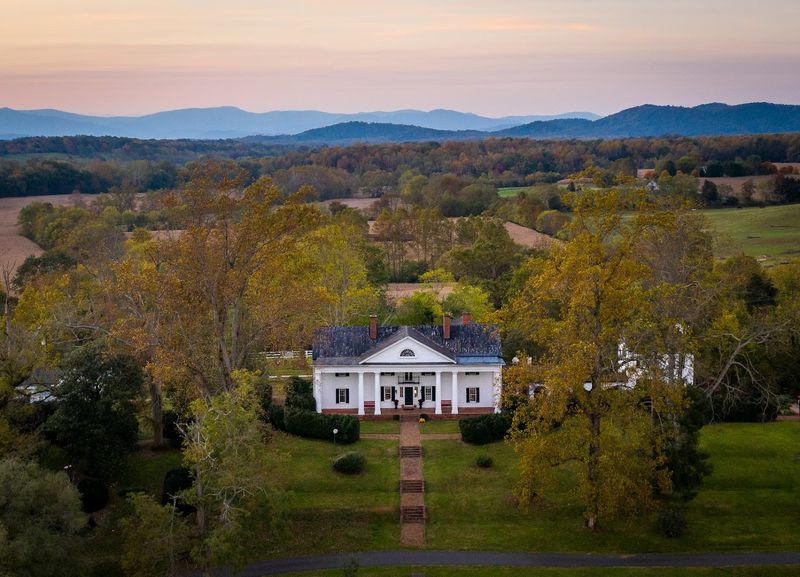
Quiet fields, towering trees, and the hush of rural Virginia create the kind of arrival that feels instantly reflective.
At The Inn at Meander Plantation in Locust Dale, Madison County, that atmosphere is tied to a property with roots in the eighteenth century.
The estate has witnessed colonial ambition, plantation life, and the upheaval that shaped Virginia across generations.
Staying here brings you close to a more layered version of history, one that includes beauty, privilege, labor, and the changing meanings of land.
The manor’s traditional architecture and pastoral setting make it visually captivating, but the real value is how strongly the site suggests continuity with the past.
You can imagine horses arriving, political conversations unfolding, and family histories accumulating across decades of Virginia life.
Its location near the Blue Ridge adds scenic appeal, yet the inn feels most memorable when you let the silence do some storytelling.
I appreciate that this is not a flashy heritage experience, but a place where atmosphere carries enormous historical weight.
For travelers drawn to countryside estates, the property offers both romance and an opportunity to think more deeply about regional history.
If you want your hotel stay to feel contemplative as well as charming, this one stands apart beautifully.
4. The Tides Inn, Irvington, Lancaster
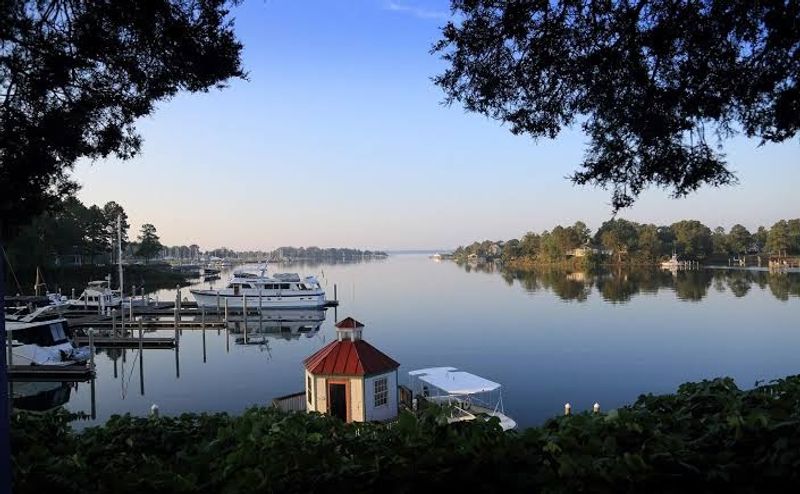
Salt air, marsh light, and wide Chesapeake views make this stay feel connected to an older coastal Virginia world.
That connection defines The Tides Inn in Irvington, Lancaster County, where hospitality is shaped by the traditions of the Northern Neck.
While the inn itself is a twentieth-century landmark, its setting reaches into much deeper maritime and colonial history.
This region helped form Virginia’s Tidewater identity through trade, fishing, agriculture, and waterways that served as early transportation corridors.
When you stay here, you are stepping into that broader story, one written by creeks, boats, and communities shaped by the Chesapeake Bay.
The property embraces the water rather than simply facing it, so the landscape becomes part of the historic experience.
I find that especially compelling because coastal history often feels more alive when you can see how geography determined daily life.
Elegant accommodations, sailing culture, and a relaxed pace make the inn comfortable, but the real charm comes from its regional authenticity.
Nearby towns and museums deepen the story, helping you understand how Lancaster County fits into Virginia’s long coastal legacy.
5. Hotel Roanoke, Roanoke, Roanoke City
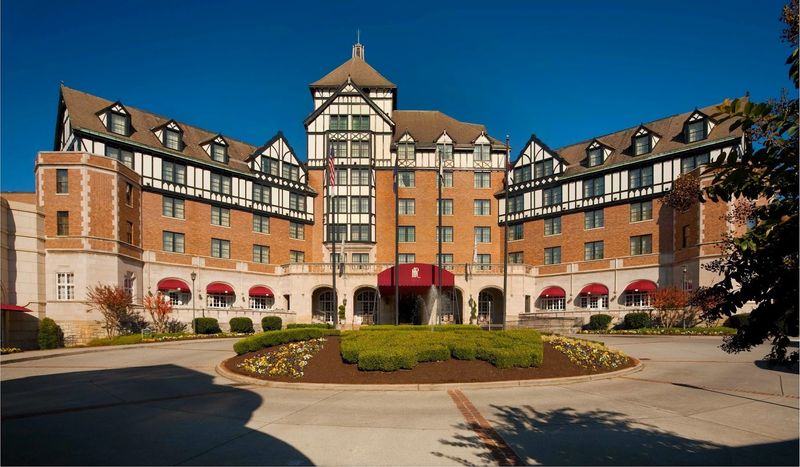
Railroad romance lingers in the air here, where red brick grandeur meets a city built on movement and industry.
Hotel Roanoke in Roanoke City opened in 1882, and it remains one of Virginia’s clearest links to the golden age of rail travel.
Originally developed by the Norfolk and Western Railway, the hotel helped establish Roanoke as an important transportation and commercial hub.
That origin story gives the property unusual energy, because it was not simply a place to sleep, but part of the machinery of urban growth.
The Tudor-inspired architecture, grand public spaces, and hilltop presence still feel dramatic today, especially when you approach from downtown.
You can almost picture travelers arriving with trunks, schedules, and expectations shaped by a rapidly modernizing America.
I like how the hotel lets you experience history through infrastructure, not just elegance.
Its story is about railroads, entrepreneurship, and the emergence of southwestern Virginia as a connected regional center.
Modern updates keep the stay comfortable, but the building’s historic personality remains the main draw.
Hotel Roanoke offers one of the state’s strongest and most vivid examples.
6. The Martha Washington Hotel and Spa, Abingdon, Washington County
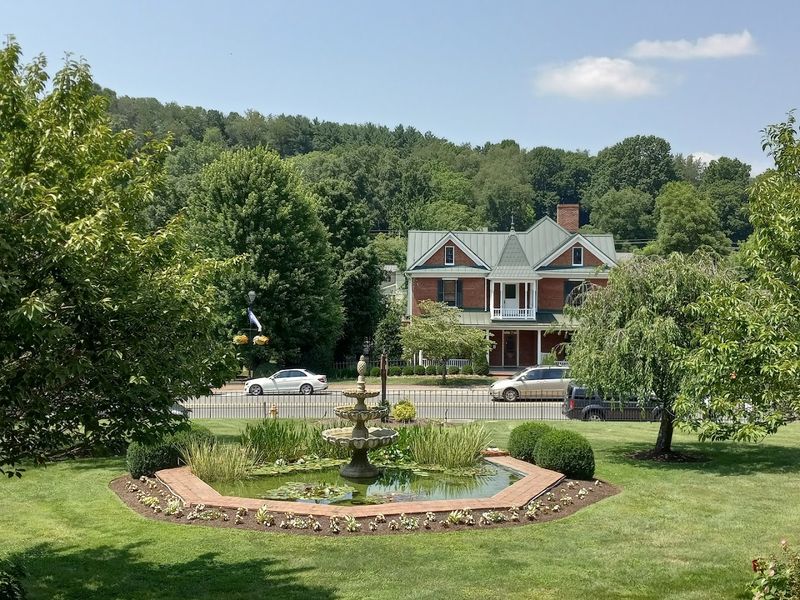
Refined brickwork, mountain-town warmth, and a strong sense of local pride make this hotel memorable before you even step inside.
In Abingdon, Washington County, The Martha Washington Hotel and Spa began life in 1832 as a private residence before becoming a hotel later in the nineteenth century.
That layered evolution gives the property a more personal historical texture than many grand resorts can offer.
Its story is closely tied to southwest Virginia’s social life, changing travel patterns, and the endurance of a small town with deep cultural roots.
Walking through the hotel, you sense that it has adapted gracefully rather than chasing trends that erase its character.
The architecture and interiors reflect that balance, preserving heritage while still welcoming modern travelers who want comfort without blandness.
I think you feel Abingdon itself more clearly by staying here, especially if you spend time on nearby historic streets.
The town’s connection to Appalachian culture, early settlement, and regional arts makes the hotel a gateway to more than one historical narrative.
It is elegant, yes, but also approachable in a way that encourages you to linger and look closer.
For a stay that mixes small-town charm with real historical continuity, this is one of Virginia’s most satisfying choices.
7. The Homestead Resort, Hot Springs, Bath
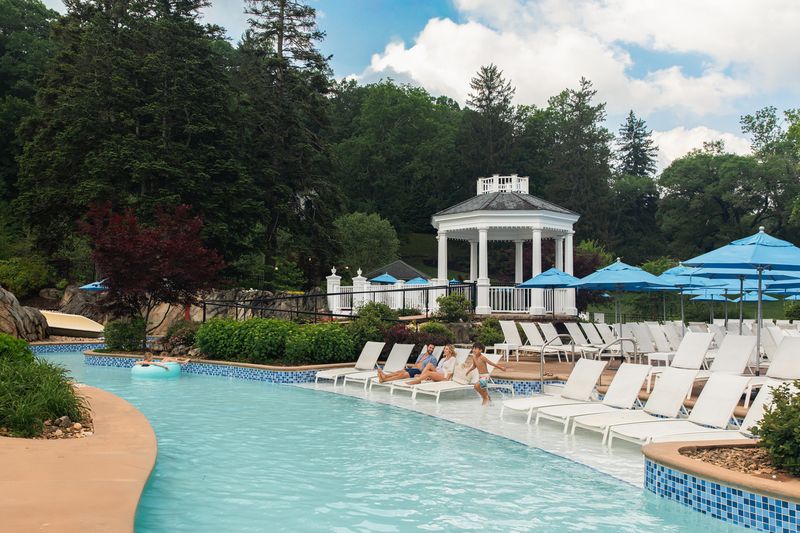
Mountain air, immense lawns, and a sense of old American grandeur make this destination feel larger than an ordinary resort stay.
In Hot Springs, Bath County, The Homestead Resort carries a history that reaches back to 1766, long before modern tourism took shape.
Generations of visitors came for the mineral springs, and that wellness tradition still shapes the atmosphere today.
Walking the grounds, you can feel how the property evolved alongside the nation itself, welcoming presidents, social elites, and travelers seeking restoration.
The architecture, broad verandas, and formal interiors create a Gilded Age mood, yet the story begins in colonial Virginia.
That long arc of history is what makes the resort especially compelling, because it reflects changing ideas about leisure, health, and status in America.
There is also something memorable about seeing natural beauty play such a central role in the historical narrative.
The Allegheny setting is not backdrop alone, but part of why people have gathered here for centuries.
You can enjoy modern comforts while still sensing the rhythm of an earlier era, especially in the public spaces.
For travelers who want a classic Virginia escape with real historical weight, this landmark easily earns its reputation.
8. Williamsburg Inn, Williamsburg, James City
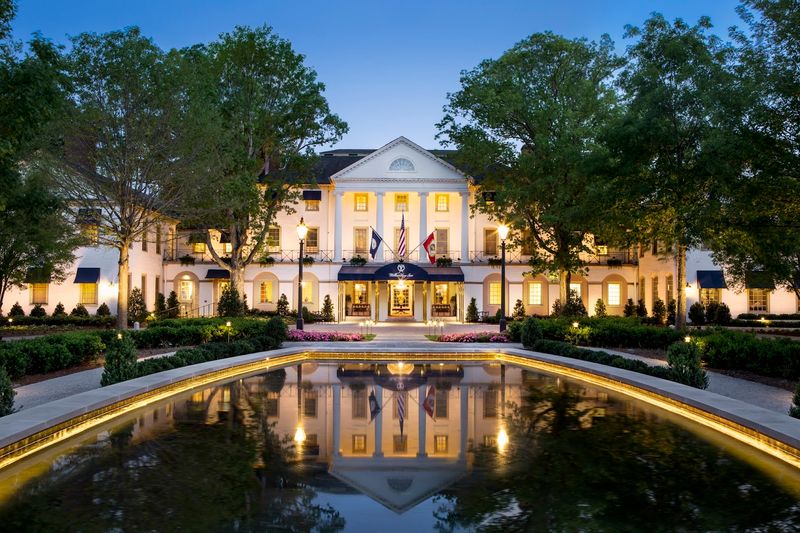
Polished symmetry, formal gardens, and old American refinement give this hotel an atmosphere that feels carefully staged for history lovers.
That is fitting, because Williamsburg Inn in Williamsburg, James City County, was created as part of John D. Rockefeller Jr.’s restoration vision for Colonial Williamsburg.
Few hotels in Virginia are so intentionally linked to the interpretation of the nation’s early story.
From here, you are steps away from one of America’s most immersive historic districts, where streets, trade buildings, and public spaces recreate eighteenth-century life.
The inn itself reflects that idealized colonial elegance, though with the kind of comfort and polish modern travelers understandably expect.
What makes it special is not age alone, but purpose.
This property was designed to support a monumental preservation effort, which means your stay becomes part of a larger cultural project.
I find that especially powerful because you can move seamlessly between curated history outdoors and understated luxury indoors.
After exploring taverns, government buildings, and preserved homes, returning here feels like extending the historical mood rather than leaving it behind.
Should you want a hotel that connects directly to how America remembers its colonial origins, Williamsburg Inn is hard to top.
9. The Jefferson Hotel, Richmond, Richmond City
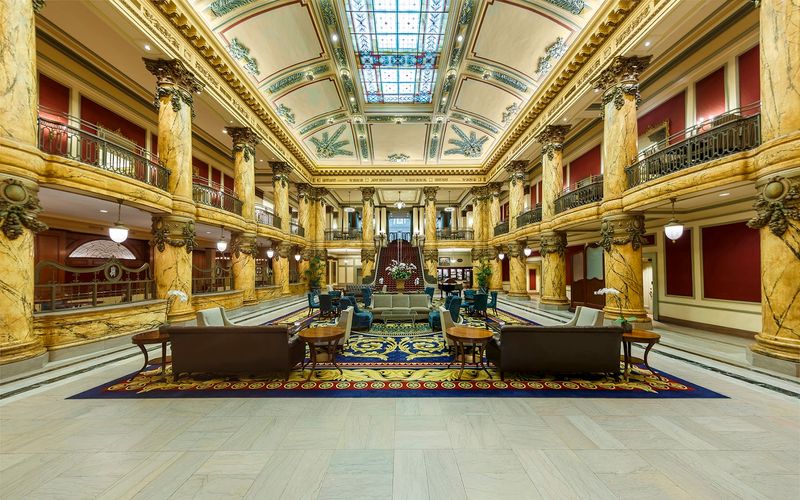
Marble, chandeliers, and a sweeping sense of ceremony make this one of those rare hotels that feels theatrical in the best way.
The Jefferson Hotel in Richmond City opened in 1895, and its Beaux-Arts grandeur still announces ambition, wealth, and civic confidence.
Named for Thomas Jefferson, the property reflects a period when hotels were designed as public statements as much as private accommodations.
Its famous lobby, monumental staircase, and richly detailed interiors show how Gilded Age luxury translated into architecture with lasting symbolic power.
Yet the hotel also belongs specifically to Richmond, a city layered with Revolutionary, Civil War, and postwar industrial history.
When you stay here, you are placed in the capital of Virginia’s long political and cultural story, with that context enriching everything.
I love how the building feels unapologetically grand while still functioning as a gateway to the city outside its doors.
Nearby historic districts, museums, and government sites make it easy to build an itinerary around the hotel.
Even if you come mainly for elegance, the historical atmosphere is impossible to miss.
The Jefferson remains one of Virginia’s most iconic and rewarding places to book.
10. The Inn at Warner Hall, Gloucester, Gloucester
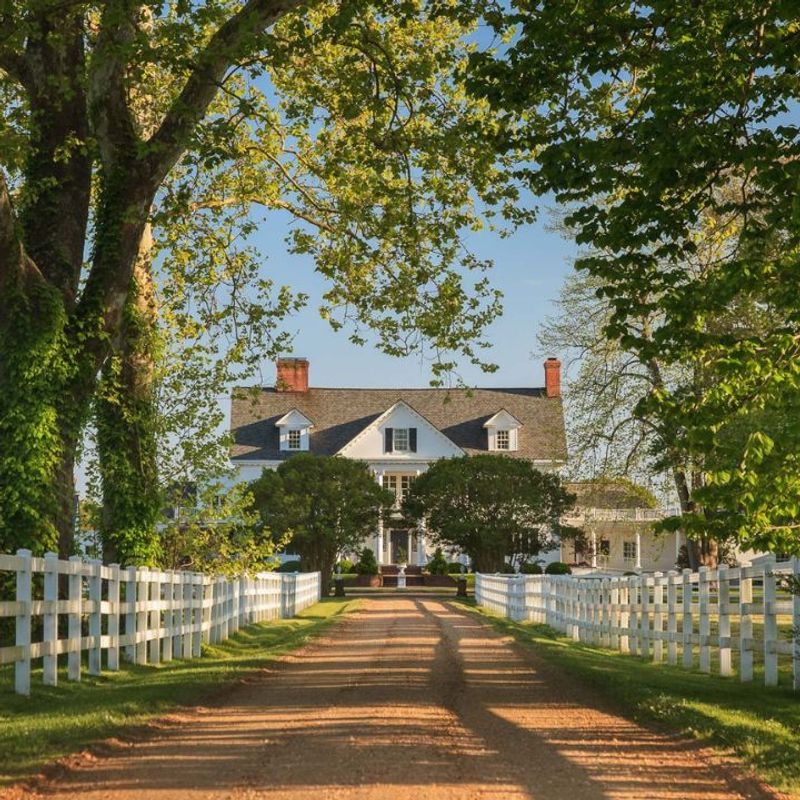
River country quiet, centuries-old land, and a manor-house silhouette make this stay feel deeply tied to Virginia’s earliest chapters.
The Inn at Warner Hall in Gloucester, Gloucester County, stands on an estate associated with the Warner family, whose history reaches back to the seventeenth century.
That lineage alone gives the property remarkable depth, linking it to colonial settlement and some of the most influential networks in early Virginia.
The present house dates later than the original family tenure, but the site itself carries the emotional power of long continuity.
You feel that in the approach, in the fields, and in the quiet formality that still defines the property.
Rather than offering history as spectacle, the inn lets landscape and ancestry do much of the work.
I think that restraint is part of its charm, especially if you prefer reflective places over busier heritage destinations.
Gloucester’s location in Virginia’s Tidewater region adds more context, connecting the estate to waterways, colonial agriculture, and political life.
A stay here encourages slower exploration, whether through nearby historic sites or simply by absorbing the atmosphere from the porch.
Warner Hall truly delivers something genuinely distinctive.