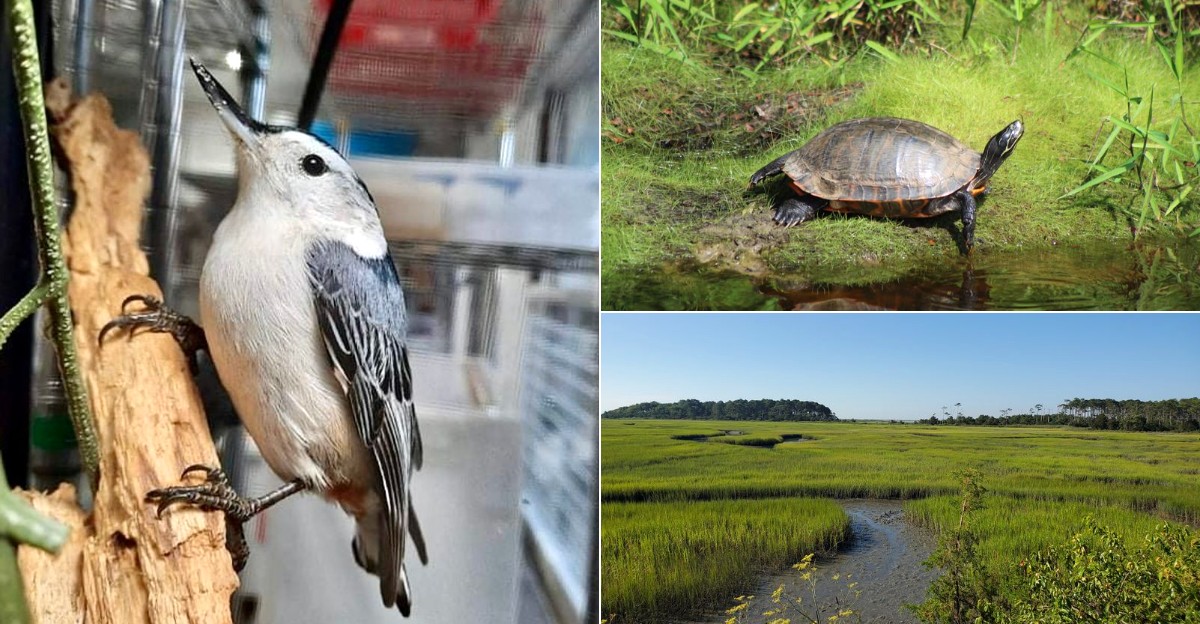
Virginia’s landscape stretches from mountain ridges to marshy coastline, and its wildlife sanctuaries reflect that same range.
Some centers specialize in nursing injured eagles and owls back to health before releasing them into the wild.
Many of these sanctuaries rely on volunteers and donations, so every visit plays a small part in their mission.
Whether you’re drawn to soaring raptors or quiet marshland trails, there’s a stop on this list that will surprise you.
Pack your curiosity, because Virginia’s wildlife sanctuaries have a way of turning a simple outing into something memorable.
1. A Hospital For Wild Neighbors – Wildlife Center of Virginia in Waynesboro, independent city
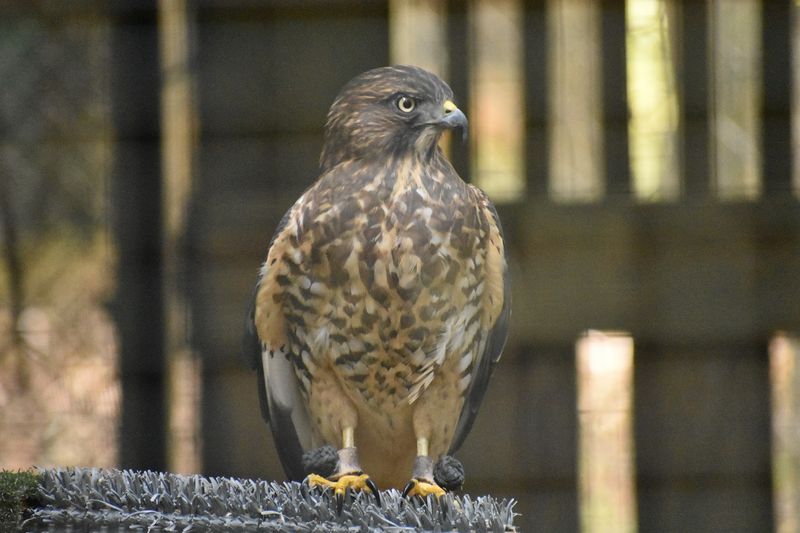
Behind quiet doors near the Blue Ridge, injured hawks, turtles, foxes, and owls get a second chance. The Wildlife Center of Virginia in Waynesboro is not a petting zoo, but its work feels just as moving. Staff and trained volunteers treat native animals, teach visitors, and explain how simple choices can protect wildlife.
Public programs often feature non-releasable ambassador animals, so check the schedule before you go. You may meet an owl that cannot fly well enough to survive outside or hear how a box turtle recovered after a road accident. Because patients need calm, tours focus on learning rather than close contact.
Families should bring curious questions, not snacks for animals. The center is especially good for kids who love science, medicine, or animal rescue stories. Before visiting, review current program rules, since hours and access can change with animal care needs. A donation is a thoughtful way to support food, medicine, and emergency treatment. Afterward, nearby Waynesboro trails make a nice place to practice spotting wild animals from a respectful distance.
2. Small Patients, Big Comebacks – Blue Ridge Wildlife Center in Boyce, Clarke County
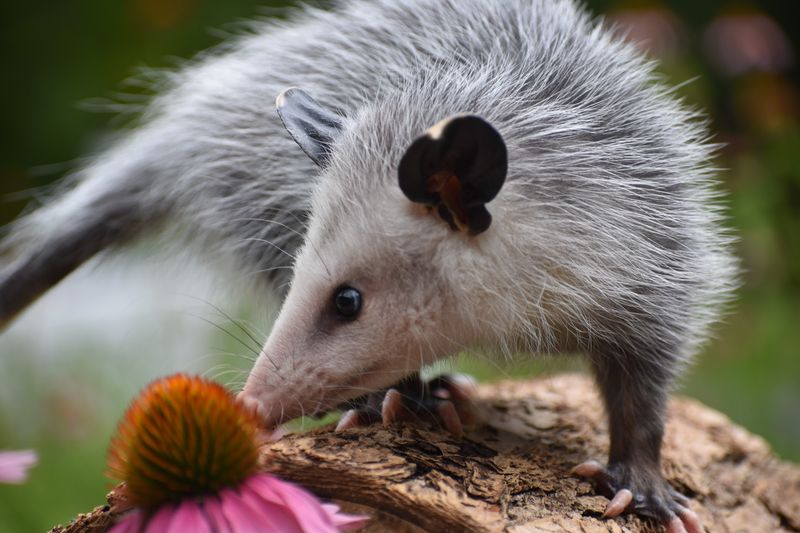
A tiny bird with a broken wing can change how you see an entire forest. At Blue Ridge Wildlife Center in Boyce, the team cares for native animals from northern Virginia and the Shenandoah Valley. Their patients may include rabbits, opossums, songbirds, snakes, squirrels, raptors, and other wild neighbors.
Visitor experiences usually center on education programs, open-house events, and wildlife talks rather than wandering through treatment rooms. That setup protects recovering animals while still giving guests a close look at the challenges they face. You can learn what to do if you find a baby animal, why glue traps are dangerous, and how window strikes hurt birds.
This sanctuary is a smart stop for people who want practical advice they can use at home. Bring a notebook if you have young naturalists, because the rescue stories often spark excellent questions. Check event dates before driving to Clarke County, since daily public access may be limited. Even if you only attend one program, you will leave knowing that backyards, roadsides, and farms are all part of Virginia wildlife habitat.
3. Wild Ponies And Ocean Winds – Chincoteague National Wildlife Refuge in Chincoteague, Accomack County
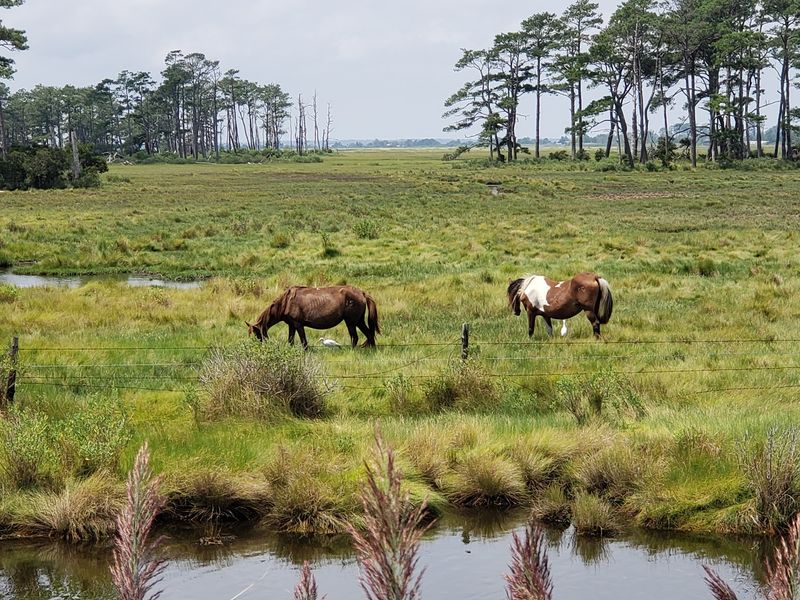
Salt air, calling gulls, and pony tracks in the sand make this refuge feel almost storybook. Chincoteague National Wildlife Refuge in Chincoteague protects barrier island beaches, marshes, forests, and dunes on Virginia’s Eastern Shore. Many visitors hope to see the famous wild ponies, but the birdlife is just as exciting.
Bring binoculars for egrets, herons, snow geese, ospreys, and shorebirds feeding along the water. The wildlife drive, trails, beach access, and views near Assateague Lighthouse give you several ways to explore. Stay on marked paths and keep a safe distance from ponies, because they are wild animals, not photo props.
Summer can be busy, so mornings often feel calmer and cooler. Bug spray, water, sunscreen, and patience will make the day smoother. Cycling is a fun way to cover more ground without rushing past the small details. Look for tracks, feathers, crab holes, and changing tides as part of the adventure. Before you visit, check refuge alerts for beach closures, nesting protections, or weather updates. A quiet moment on the marsh can become the best animal encounter of the trip.
4. Marsh Trails Beside The Atlantic – Back Bay National Wildlife Refuge in Virginia Beach, independent city
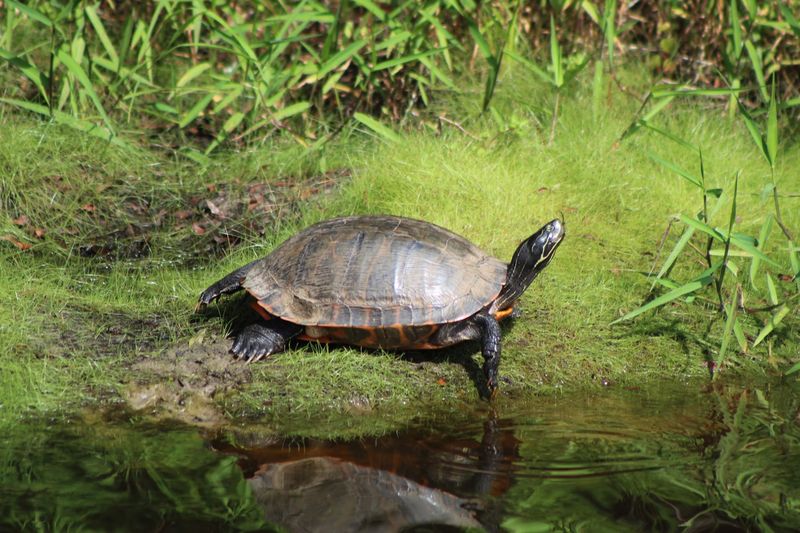
Just beyond the busy beach scene, a quieter world of reeds, water, and wings waits. Back Bay National Wildlife Refuge in Virginia Beach protects freshwater marshes, maritime forest, dunes, beach, and open water. It is a strong choice for visitors who want nature without traveling far from the city.
During migration seasons, ducks, geese, swans, and songbirds can fill the refuge with movement and sound. Trails and boardwalks make it easier to scan the marsh, while the beach side offers a totally different view. Keep your eyes low too, because turtles, frogs, insects, and tracks in the sand can be easy to miss.
Plan around the weather, since coastal wind and sun can surprise you. Bring water, insect repellent, and binoculars, especially if you want to identify birds across the water. Some areas have seasonal limits to protect nesting animals, so read signs carefully and follow ranger guidance. Kids often enjoy turning the visit into a wildlife checklist. The best reward may be a silent pause on the boardwalk, watching ripples move through grass while birds lift from the bay.
5. Mystery In The Cypress Shadows – Great Dismal Swamp National Wildlife Refuge in Suffolk, independent city
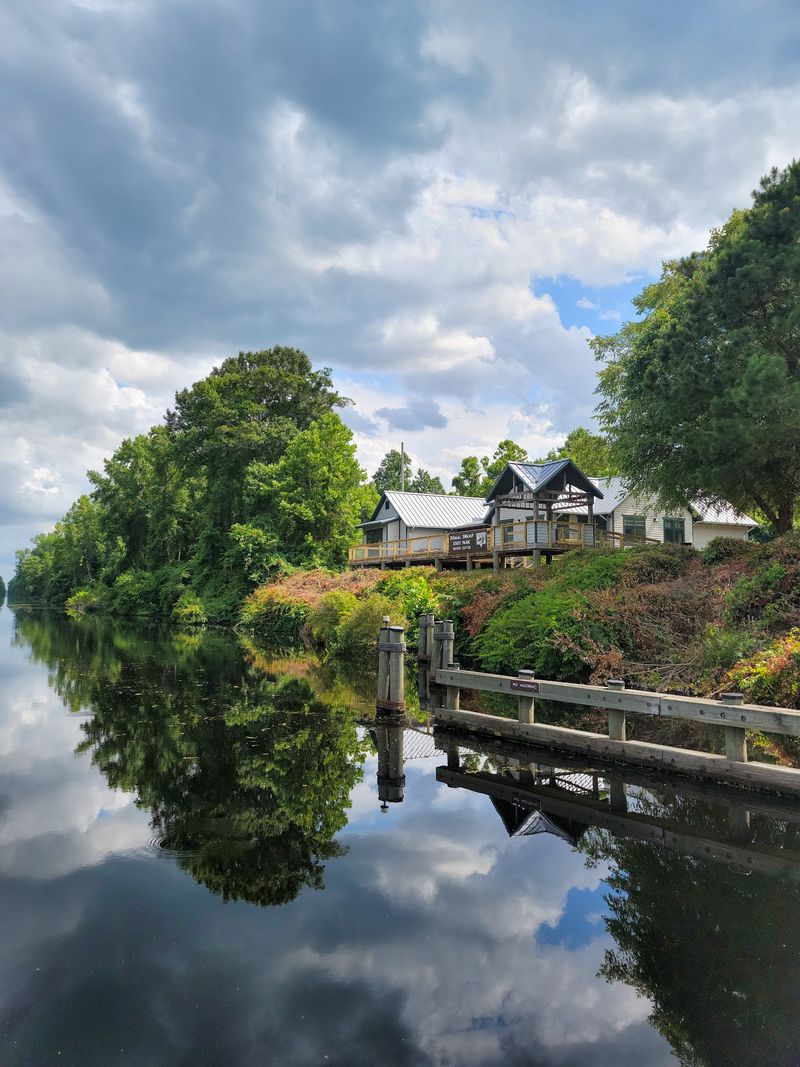
Dark water, tall cypress trees, and quiet paths give this refuge a wonderfully mysterious mood. Great Dismal Swamp National Wildlife Refuge in Suffolk is far more beautiful than its gloomy name suggests. The refuge protects a rare swamp ecosystem with forests, canals, wetlands, and the famous Lake Drummond.
Wildlife watchers may spot warblers, woodpeckers, barred owls, deer, butterflies, turtles, and sometimes signs of black bears. Many animals stay hidden, so listening is just as important as looking. The Washington Ditch area is a popular starting point, and bicycles can help visitors reach Lake Drummond more comfortably.
Wear sturdy shoes and expect insects during warm months. Long sleeves, water, and a map are smart choices because the swamp can feel remote quickly. History adds another layer here, since the landscape once offered shelter to people seeking freedom from slavery. Move slowly, speak softly, and let the place reveal itself. A rustle in the leaves or a flash of color in the canopy can be more thrilling than a crowded exhibit. For patient visitors, this sanctuary offers a deep, unforgettable sense of wild Virginia.
6. River Country For Eagles – Rappahannock River Valley National Wildlife Refuge in Warsaw, Richmond County
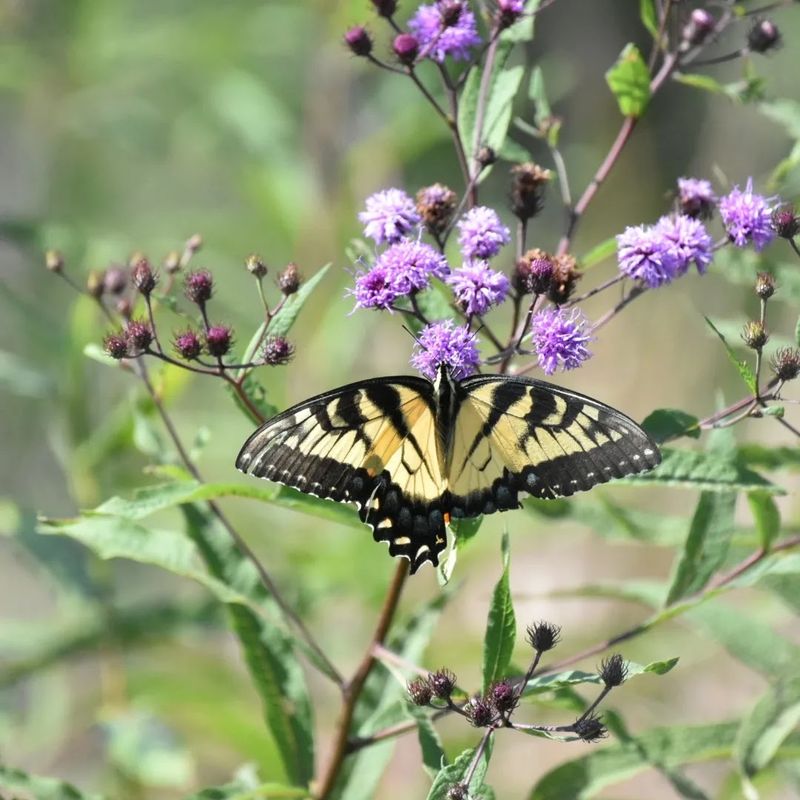
Wide river bends and open skies make this refuge feel made for watching eagles soar. Rappahannock River Valley National Wildlife Refuge in Warsaw protects important land along one of Virginia’s great tidal rivers. Its mix of forests, wetlands, fields, and shoreline supports birds, mammals, reptiles, and many small creatures.
Bald eagles are a major highlight, especially near water where fish and quiet nesting spots are close by. Depending on the season, visitors may also see waterfowl, songbirds, wild turkeys, deer, butterflies, and turtles. Several refuge units have trails or access points, so check maps before choosing where to explore.
This is a place for slow travel rather than a quick attraction stop. Pack binoculars, comfortable shoes, and a field guide if you like naming what you see. Because some areas protect sensitive habitats, gates, trails, and hunting schedules can affect access. Look online for current information before leaving home. The refuge is also a good reminder that farms, woods, and rivers can work together for conservation. A quiet walk here may reward you with an eagle above the treeline or the sudden splash of an animal slipping into the reeds.
7. Quiet Banks Of The James – James River National Wildlife Refuge in Prince George, Prince George County
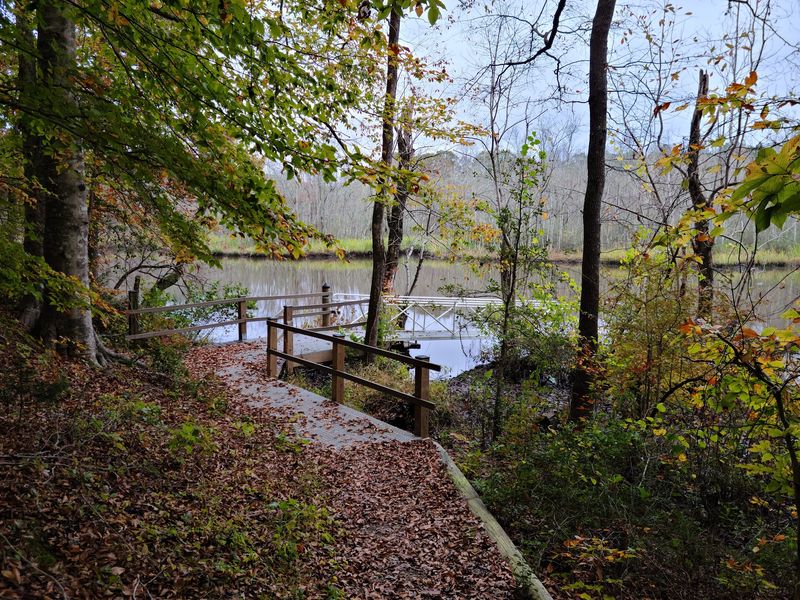
Some places do their best work by staying peaceful, protected, and a little out of the spotlight. James River National Wildlife Refuge in Prince George was created especially to help protect bald eagle habitat along the tidal James River. That focused mission makes it a meaningful stop for people who care about conservation success stories.
Public access can be limited, so this refuge is best researched before you go. Nearby viewpoints, scheduled programs, or approved access opportunities may be the safest ways to appreciate its wildlife value. The surrounding river corridor supports eagles, ospreys, herons, waterfowl, fish, turtles, and forest animals.
Think of the visit as a lesson in giving wildlife enough space to thrive. Bring binoculars if you explore nearby public river areas, and never approach nests or restricted zones. Spring and early summer can be sensitive times for nesting birds, so obey all signs. The story here is hopeful, because bald eagles rebounded after years of serious decline. Even without a close encounter, knowing that protected trees and marshes help young eagles grow is powerful. For travelers who enjoy quieter, purpose-driven wildlife sites, this refuge shows how patience and protection can shape an entire river landscape.
8. Migration Magic At The Bay Mouth – Eastern Shore of Virginia National Wildlife Refuge in Kiptopeke, Northampton County
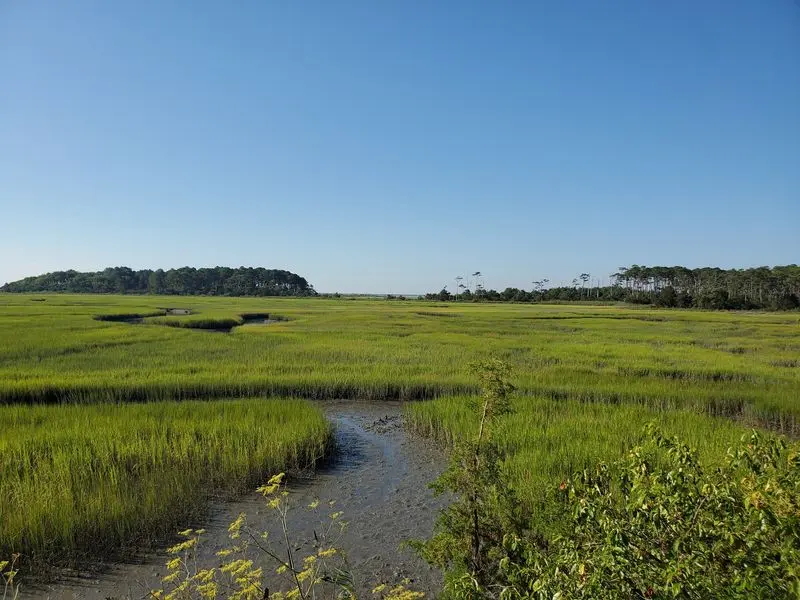
At the narrow tip of the Eastern Shore, animals seem to gather like travelers at a busy station. Eastern Shore of Virginia National Wildlife Refuge in Kiptopeke sits near the mouth of the Chesapeake Bay, a key migration route. Birds, butterflies, and bats pass through as they follow land and water south or north.
Fall can be especially exciting, with hawks overhead and monarch butterflies drifting through coastal plants. Trails, overlooks, and interpretive signs help visitors understand why this small area matters so much. You might also see songbirds, deer, rabbits, reptiles, and shorebirds using the refuge’s woods, fields, and wetlands.
Bring binoculars and plan extra time for the visitor center if it is open. Wind can be strong near the bay, so dress in layers even on mild days. Nearby Kiptopeke State Park can pair well with the refuge for a longer nature outing. Stay on trails, since coastal habitats can be fragile and nesting or resting animals need room. The fun here comes from timing and surprise. One minute the sky looks empty, and the next it may hold a stream of wings moving with the season.
9. Bald Eagles Near The Potomac – Elizabeth Hartwell Mason Neck National Wildlife Refuge in Lorton, Fairfax County
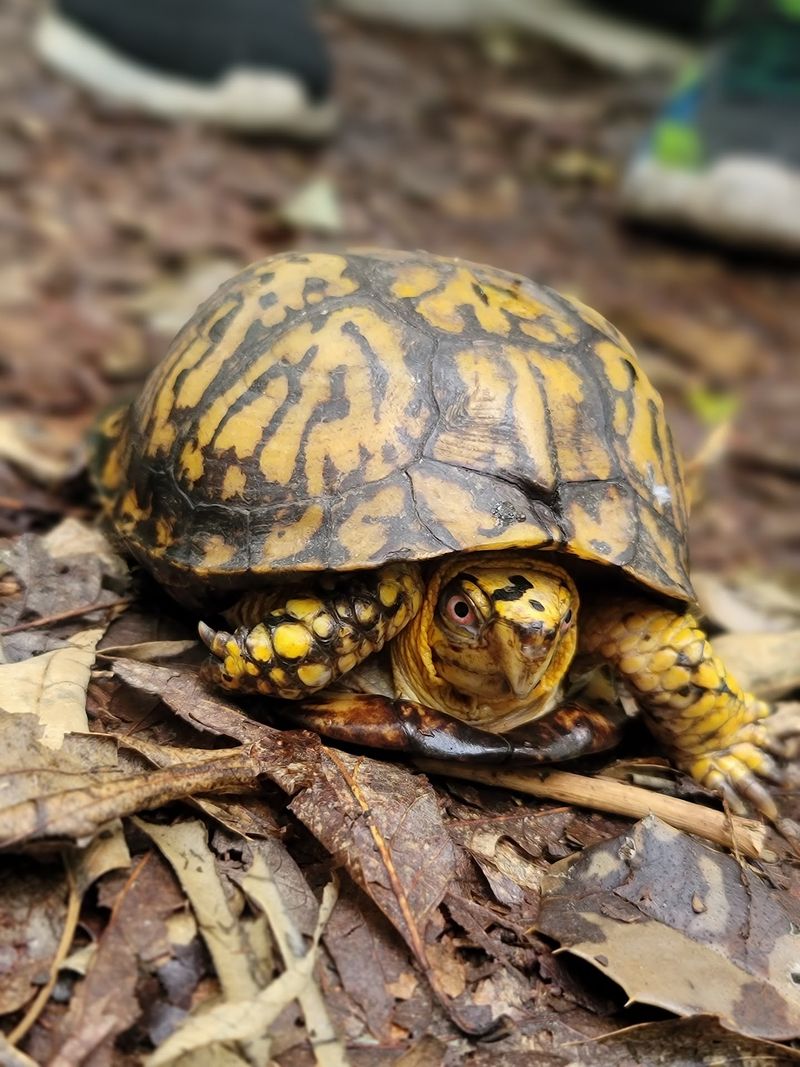
It feels surprising to find such strong eagle habitat so close to northern Virginia’s busy suburbs. Elizabeth Hartwell Mason Neck National Wildlife Refuge in Lorton protects forest and marsh along the Potomac River. The refuge was established to support bald eagles, and it remains a special place to watch river wildlife.
Trails nearby offer chances to look for eagles, ospreys, herons, woodpeckers, deer, turtles, and migrating songbirds. The Great Marsh Trail is especially approachable for many visitors, with boardwalk sections and broad wetland views. Pairing the refuge with Mason Neck State Park can make a full day of birding, hiking, and picnicking.
For the best sightings, arrive early and keep voices low. Binoculars help you enjoy birds without getting too close, which is better for both you and the animals. Read posted rules carefully, because protected areas may have limits that change by season. This refuge is a wonderful pick for families around Washington, DC, who want a real nature break without a long road trip. A shadow crossing the marsh might become your first eagle sighting, and that moment can stick with you for years.
10. Rescue Stories In The Roanoke Valley – Southwest Virginia Wildlife Center of Roanoke in Roanoke, independent city
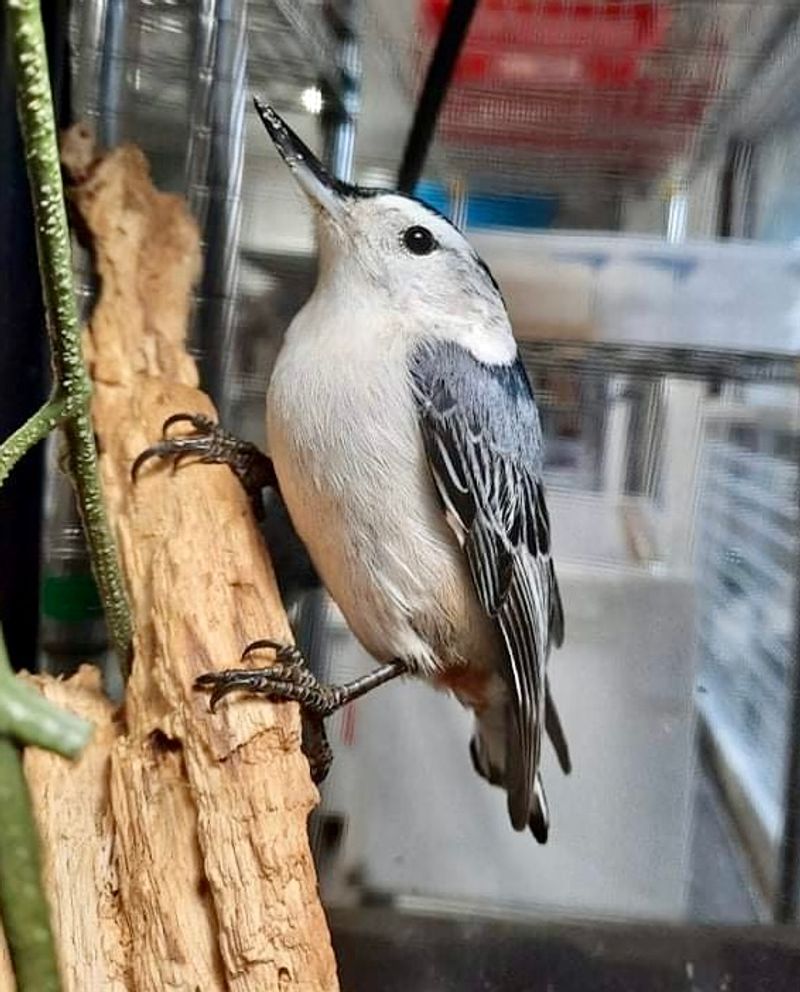
A rescued opossum, a stunned songbird, or a young squirrel can teach a whole room to care more deeply. Southwest Virginia Wildlife Center of Roanoke helps injured and orphaned native animals from the region. Its work connects city neighborhoods, mountain roads, and backyards to the larger story of wildlife survival.
Like most rehabilitation centers, the focus is medical care and release, not hands-on entertainment. Public learning may happen through programs, events, ambassador animals, and online updates, depending on schedules and animal needs. Visitors can learn when to call experts, why not to feed wild babies, and how pets affect wildlife.
This center is a practical choice for Roanoke families, teachers, and anyone who has ever wondered what to do after finding an injured animal. Check ahead before visiting, because public hours and tour options may vary. Donations, wish-list supplies, and volunteer support can make a real difference. After a program, take the lesson outside by noticing birds, insects, and tracks in your own neighborhood. The most memorable encounter may be understanding that wild animals are not here for us to hold. They are neighbors worth protecting, and this center helps give them another chance.