Remember when a Northwoods getaway meant empty boat launches, quiet main streets, and knowing half the people at the local diner? For many longtime residents, those days feel a little farther away with each passing year.
The Wisconsin Northwoods still has the towering pines, sparkling lakes, and postcard-worthy scenery that made people fall in love with it in the first place.
Yet beneath the surface, many communities have changed in ways that are impossible to ignore.
Vacation homes have multiplied. Summer crowds arrive earlier and stay longer.
Local businesses have adapted to a new wave of visitors, while rising property prices have made it harder for some families to stay rooted where they’ve lived for generations.
Ask around, and you’ll hear plenty of stories about roads that used to be quiet, resorts that used to be family-run, and towns that once felt hidden from the rest of the world. These are ten Wisconsin Northwoods towns that locals say just don’t feel the same anymore.
Minocqua
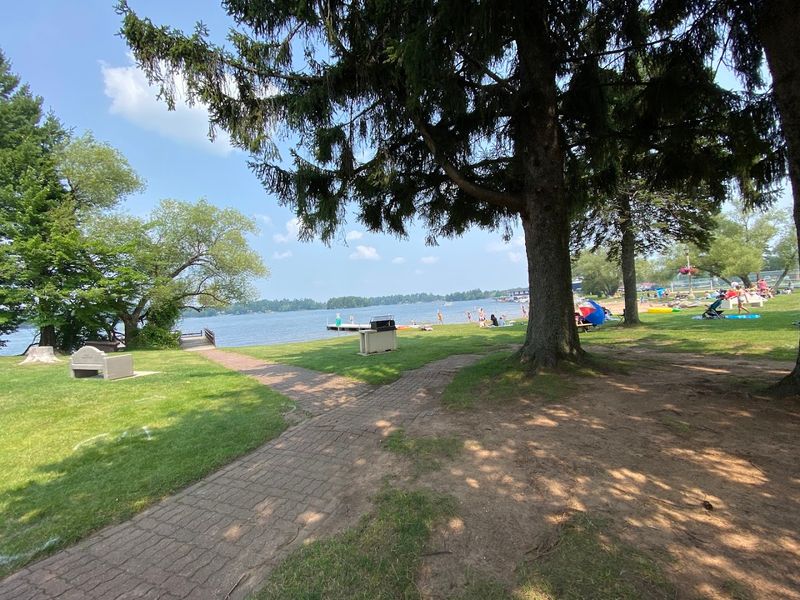
Nicknamed the unofficial capital of the Northwoods, Minocqua has become one of Wisconsin’s busiest vacation spots. What used to be a relaxed lakeside getaway now buzzes with activity year-round.
Visitors flock here for water sports, shopping, and dining experiences that simply didn’t exist decades ago.
Traffic clogs the main roads during peak season, something older residents never imagined they’d see. New vacation rentals pop up regularly, changing neighborhood dynamics.
The tourism boom has brought jobs and economic growth, but it’s also brought crowds that make locals feel like outsiders in their own hometown.
Many longtime residents remember when you could recognize almost everyone at the grocery store. Today’s Minocqua feels more like a resort destination than a close community.
The charm remains, but the intimate small-town feeling has faded as development continues spreading along the lakeshores.
Property values have skyrocketed, making it harder for local families to stay. Still, the natural beauty that made Minocqua special endures even as everything around it transforms.
Eagle River
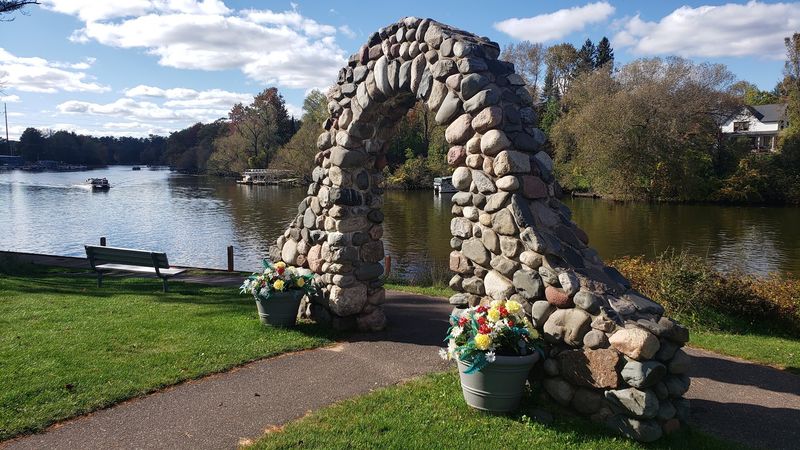
Snowmobile culture runs deep in Eagle River, where the roar of engines once signaled winter fun for a tight community. The famous chain of lakes attracted fishing enthusiasts who kept things peaceful during warmer months.
Back then, everyone knew the seasonal rhythm of this Northwoods town.
Second homes have multiplied dramatically over recent years. Wealthy visitors from Milwaukee and Chicago purchase properties, spending only weeks or months here annually.
This leaves neighborhoods eerily quiet at times, yet overcrowded during holidays when everyone arrives at once.
The growth has changed local businesses too. Upscale restaurants and boutiques have replaced some old-school diners and bait shops.
While progress brings benefits, older residents miss the days when Eagle River catered to locals first and tourists second.
Year-round residents increasingly struggle to find affordable housing as property becomes investment opportunities. The community spirit hasn’t vanished entirely, but it’s harder to maintain when so many neighbors are only temporary.
Eagle River still offers beautiful scenery, though it requires effort to find the authentic small-town vibe underneath all the development.
Hayward
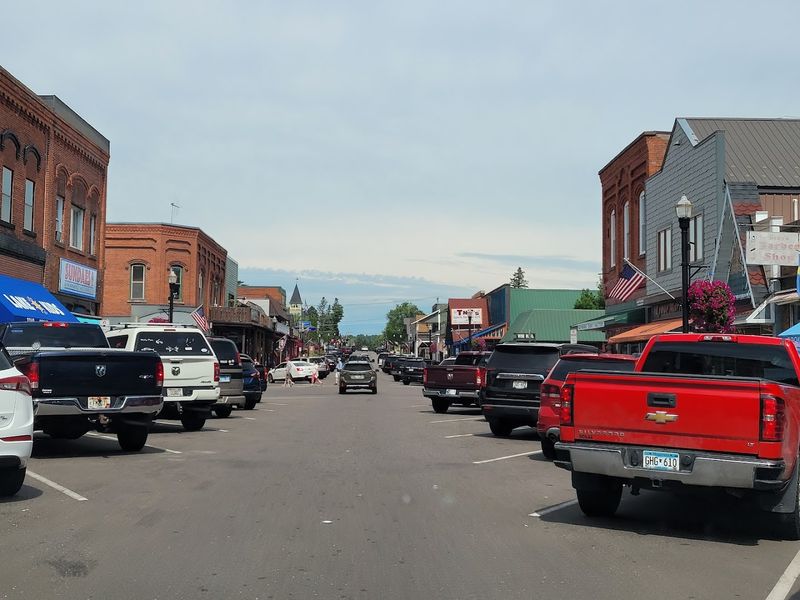
Logging trucks and fishing boats once defined Hayward’s character. This hardworking town made its living from the forests and waters surrounding it.
Families knew each other through church, school, and shared industries that kept everyone connected to the land.
Tourism changed everything gradually, then suddenly. The Lumberjack World Championships and famous musky fishing put Hayward on maps across the country.
Visitors began arriving year-round instead of just summer weekends, bringing money but also altering the town’s peaceful pace.
Downtown now caters heavily to tourists with gift shops and trendy eateries. What used to be practical stores serving local needs have transformed into attractions.
Longtime residents appreciate the economic boost but sometimes feel like their hometown has become a theme park version of itself.
Traffic congestion during events frustrates people who remember empty streets. Housing costs have climbed as vacation rentals multiply throughout the area.
Hayward remains beautiful and vibrant, just different from the quiet logging community older generations recall with nostalgia and occasional sadness.
Boulder Junction
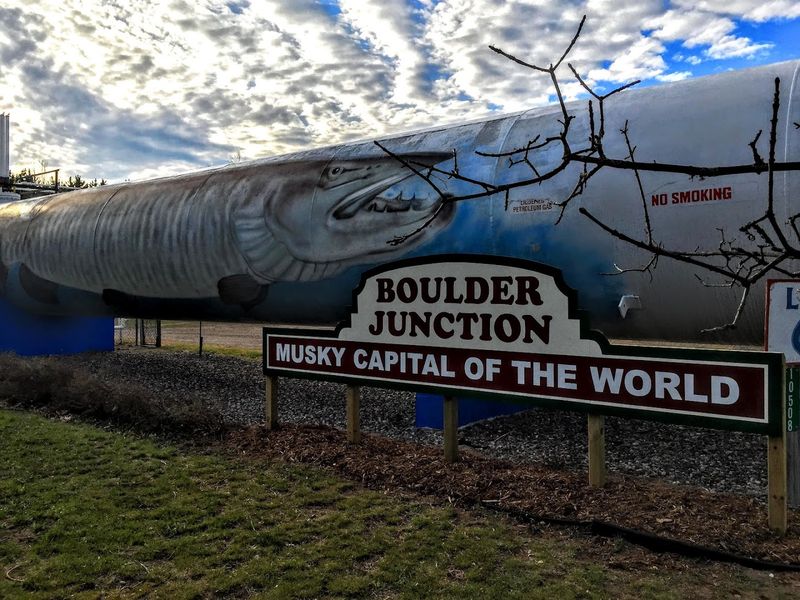
“Musky Capital of the World” declares the sign welcoming visitors to Boulder Junction. For decades, this title meant something simple—a quiet place where serious anglers pursued legendary fish.
The town embraced its seasonal nature, practically hibernating once fishing season ended each fall.
Recent efforts to extend tourist seasons have succeeded perhaps too well. Year-round activities now keep visitors coming during months that used to belong exclusively to locals.
Snowshoeing events, winter festivals, and cross-country ski trails bring vitality but also crowds to previously peaceful winter streets.
Property development has accelerated noticeably. New cabin communities and upgraded resorts dot the landscape where modest fishing camps once stood alone.
These improvements attract wealthier tourists while pricing out some traditional visitors and local workers seeking affordable housing.
Many residents support growth that brings stability to local businesses. Others worry Boulder Junction is losing its identity as a fishing-focused retreat.
The balance between welcoming economic opportunity and preserving small-town character grows harder to maintain as popularity increases steadily year after year.
Rhinelander
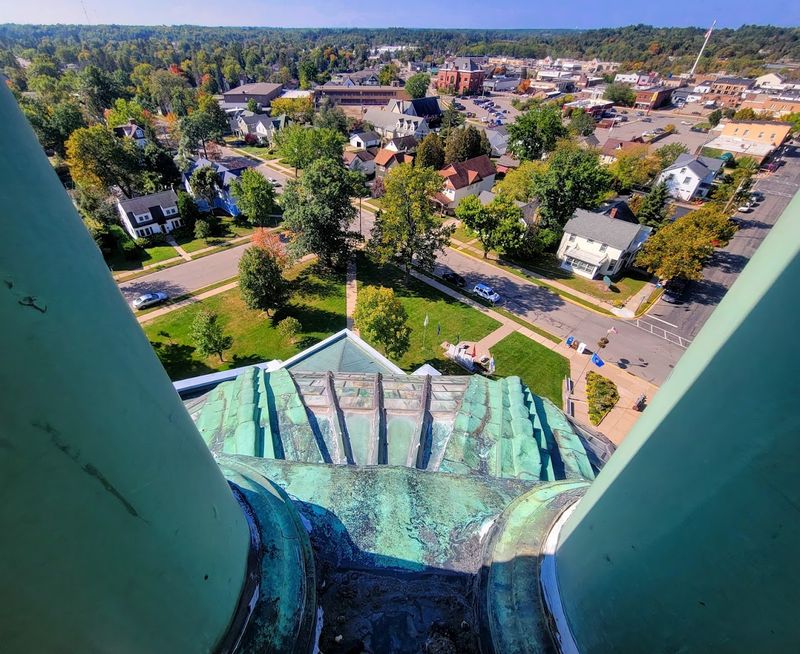
As the Northwoods’ largest city, Rhinelander has always been different from tiny neighboring towns. Timber mills and manufacturing plants once provided steady jobs for generations of families.
Downtown bustled with shoppers supporting locally-owned stores that served practical daily needs rather than tourist desires.
Economic shifts hit Rhinelander particularly hard as industries evolved or disappeared. The downtown that older residents remember—full of department stores, diners, and community gathering spots—has transformed dramatically.
Empty storefronts sometimes outnumber thriving businesses, creating a sense of decline rather than progress.
Tourism helps fill economic gaps left by manufacturing losses. However, Rhinelander struggles to define itself clearly as either a tourism destination or a working-class city.
This identity crisis leaves some residents feeling disconnected from both the past they remember and the future being built.
New developments bring hope, including efforts to revitalize downtown with restaurants and entertainment venues. Still, longtime locals notice their city lacks the cohesive community feeling it once had.
Population changes and economic uncertainty have created a Rhinelander that feels unfamiliar despite familiar streets and buildings.
Tomahawk
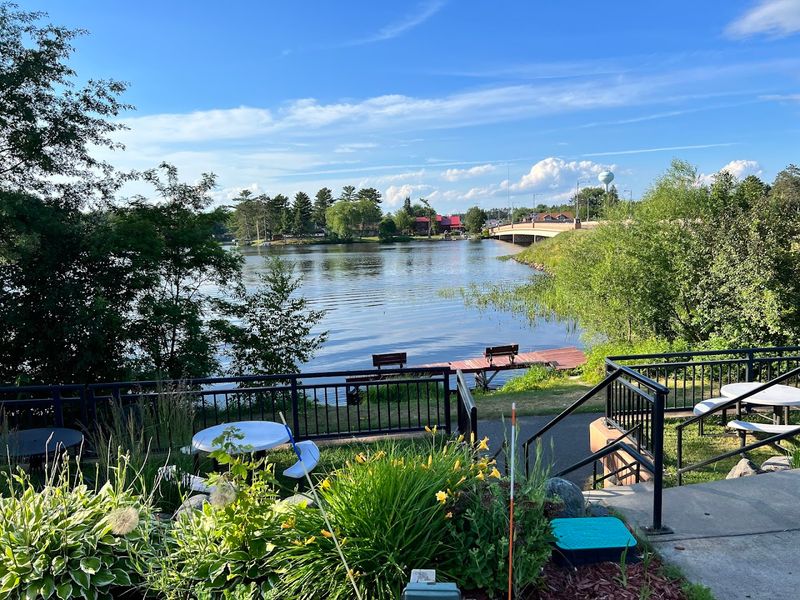
Massive logs once floated down the Wisconsin River through Tomahawk, defining the town’s purpose and pride. The logging industry built this community, and that heritage remains visible in historic buildings and old photographs.
Residents took pride in honest work connected directly to the surrounding forests.
Logging’s decline forced Tomahawk to reinvent itself gradually. Recreation and tourism filled the economic void, bringing new businesses and seasonal visitors.
While necessary for survival, this transformation changed what it meant to be from Tomahawk—no longer a worker in the woods but perhaps a service employee catering to tourists.
Development patterns have shifted noticeably. Vacation homes line the riverbanks where working-class families once lived in modest houses.
Upscale restaurants attract visitors while longtime local hangouts struggle to compete or simply close their doors permanently.
Increased connectivity to regional tourism networks benefits businesses but makes Tomahawk feel less isolated and special. Many residents welcome prosperity yet miss the quieter river town where neighbors shared common backgrounds and purposes.
Progress often requires sacrifice, and Tomahawk’s sacrifice was its distinctive working-class logging identity.
Manitowish Waters
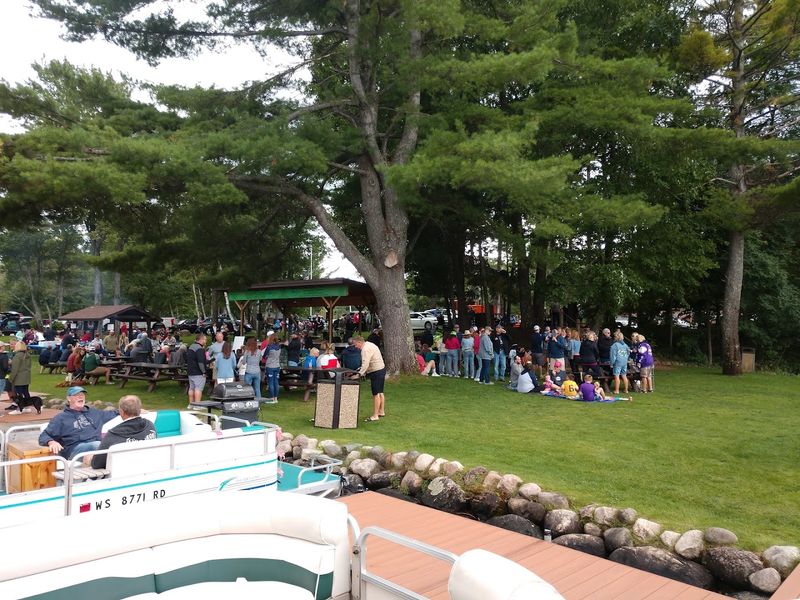
Crystal-clear lakes connected by narrow channels make Manitowish Waters absolutely stunning. This natural beauty attracted modest vacation cabins for generations, where middle-class families spent simple summers fishing and swimming.
The area maintained an egalitarian atmosphere where everyone enjoyed nature without pretension or competition.
Wealth has transformed Manitowish Waters noticeably. Vacation homes now resemble mansions with private docks and manicured lawns.
Property values have exploded, pushing out longtime seasonal residents who can no longer afford taxes or purchase prices. What was once accessible to ordinary families now caters increasingly to the affluent.
Year-round residents watch their community become a playground for part-time residents. Local businesses must navigate between serving wealthy visitors and maintaining affordability for permanent neighbors.
This balancing act grows more difficult as economic disparities widen.
The lakes remain beautiful, but the community feeling has changed dramatically. Fewer families return year after year to the same modest cabins, building memories across generations.
Instead, properties change hands frequently, bringing strangers who have no connection to Manitowish Waters’ history or character beyond scenic views and property investment potential.
St. Germain
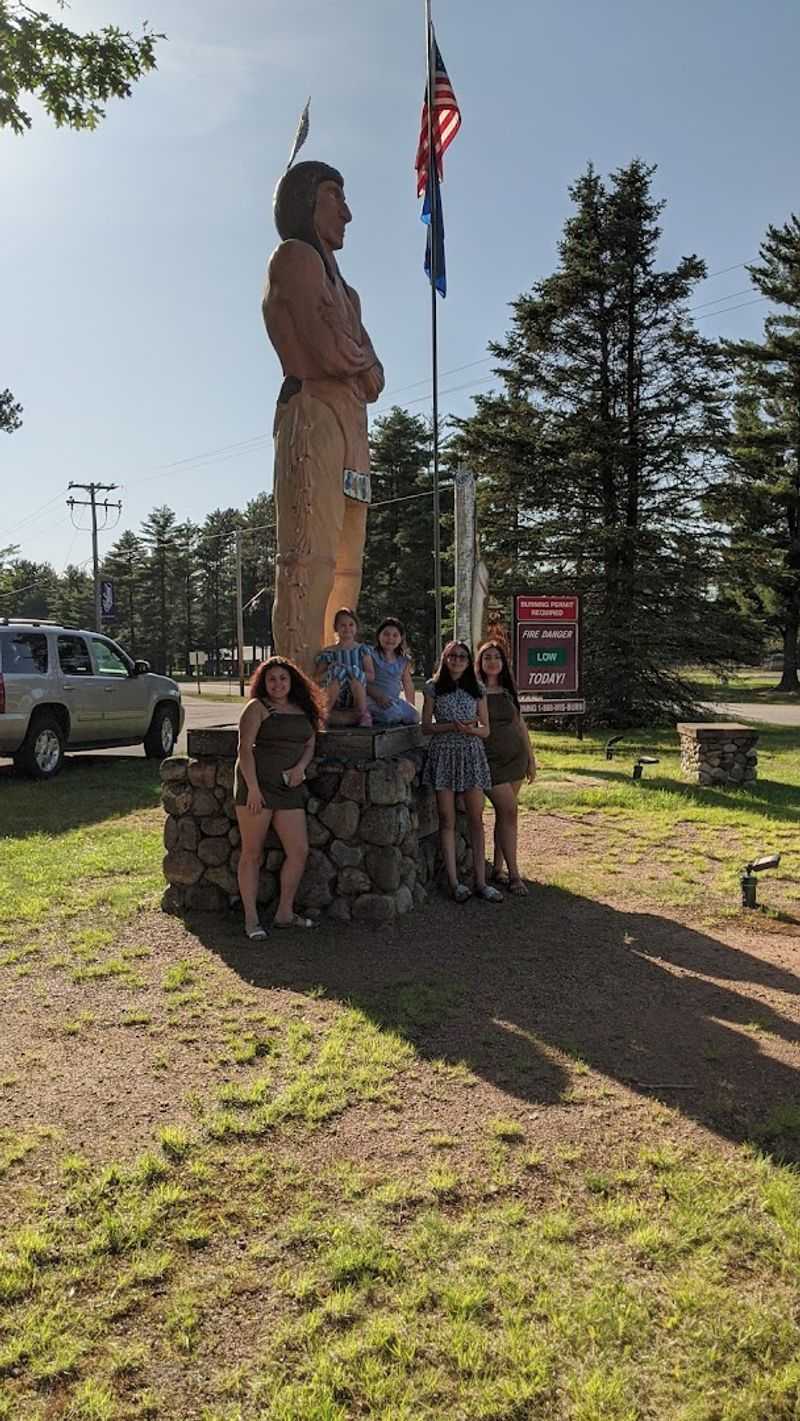
Family resorts once lined St. Germain’s lakes, offering affordable vacations where kids caught their first fish and parents relaxed completely. These establishments provided simple pleasures—boat rentals, fish fries, and evening campfires where families mingled easily.
Everyone dressed casually and enjoyed the same basic amenities without fuss or formality.
Travel habits have evolved dramatically, changing what visitors expect and how businesses respond. Many traditional resorts have closed or transformed into upscale rental properties.
The casual, communal atmosphere has given way to more private, luxury-focused experiences that cost considerably more than previous generations paid.
Peak season congestion now frustrates residents who remember empty roads. Boat traffic on popular lakes has increased to levels that diminish the peaceful experience people sought here originally.
Finding quiet spots requires traveling farther from town, something locals never needed to do before.
Property development continues spreading along every available shoreline. While St. Germain remains attractive, it’s lost much of the secluded, relaxed feeling that made it special.
Older visitors returning after years away often express disappointment that their beloved vacation spot feels crowded and commercialized compared to cherished memories.
Spooner
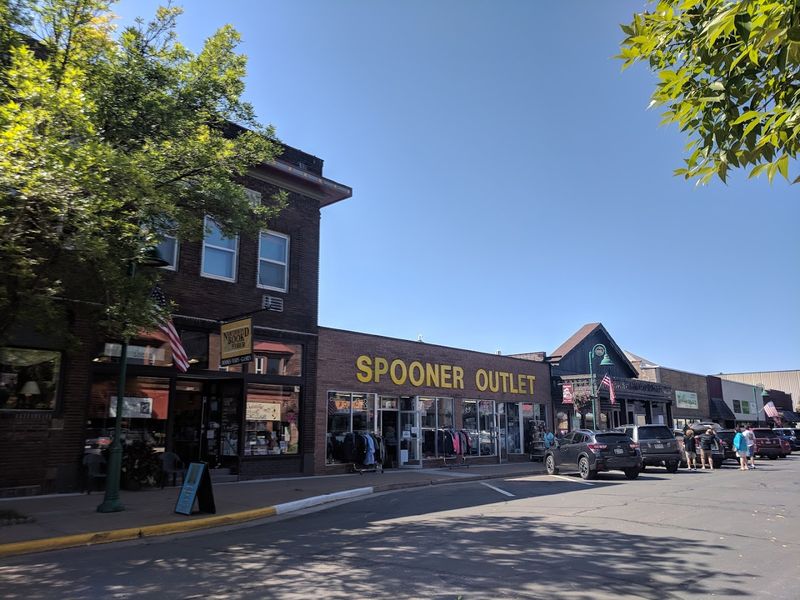
Railroad tracks and agricultural fields shaped Spooner’s identity for generations. This practical town served farmers and workers without pretending to be anything fancy.
Community festivals celebrated harvest and heritage rather than attracting outsiders, keeping things simple and locally focused throughout most of its history.
Arts and culture initiatives have brought surprising changes recently. New galleries, performance spaces, and festivals attract visitors who previously had no reason to stop in Spooner.
While many residents appreciate the investment and attention, others feel confused about their town’s new identity that seems borrowed rather than organic.
Tourism opportunities have replaced some traditional businesses and industries. This shift brings economic benefits but also questions about authenticity and direction.
Is Spooner genuinely becoming an arts community, or is it simply rebranding itself to attract tourist dollars?
Longtime residents notice younger people leaving while newcomers arrive with different values and expectations. This population turnover changes everything from local politics to social dynamics.
Spooner remains recognizable physically, but the community’s character and purpose feel fundamentally different. Progress requires adaptation, though not everyone believes these particular changes serve Spooner’s best interests long-term.
Woodruff
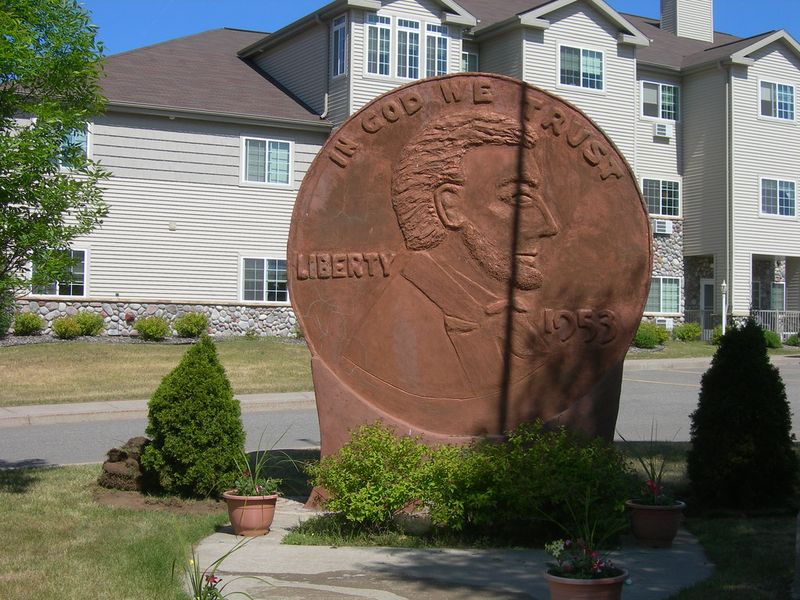
Sitting right next to Minocqua means Woodruff never had much chance to remain unchanged. The two towns share highways, economies, and increasingly similar development patterns.
What once made Woodruff distinct—its quieter streets and more residential character—has faded as Minocqua’s growth spills across borders both literally and culturally.
Commercial expansion has accelerated dramatically. Chain stores and tourist-oriented businesses now dominate areas that housed local shops and services.
Residents who preferred Woodruff specifically because it wasn’t Minocqua find fewer differences between the communities each passing year.
Traffic flows constantly through town as visitors navigate between attractions. This formerly peaceful community now experiences the same congestion and parking challenges affecting its famous neighbor.
Being a bedroom community for Minocqua workers and a tourist overflow location has redefined Woodruff’s purpose entirely.
Demographics have shifted as property values rise and seasonal residents increase. The small-town Northwoods character residents cherished is disappearing beneath suburban-style development and tourism infrastructure.
Woodruff’s identity crisis deepens as it becomes less a distinct community and more an extension of Minocqua’s tourist economy and growing pains combined into one indistinguishable whole.