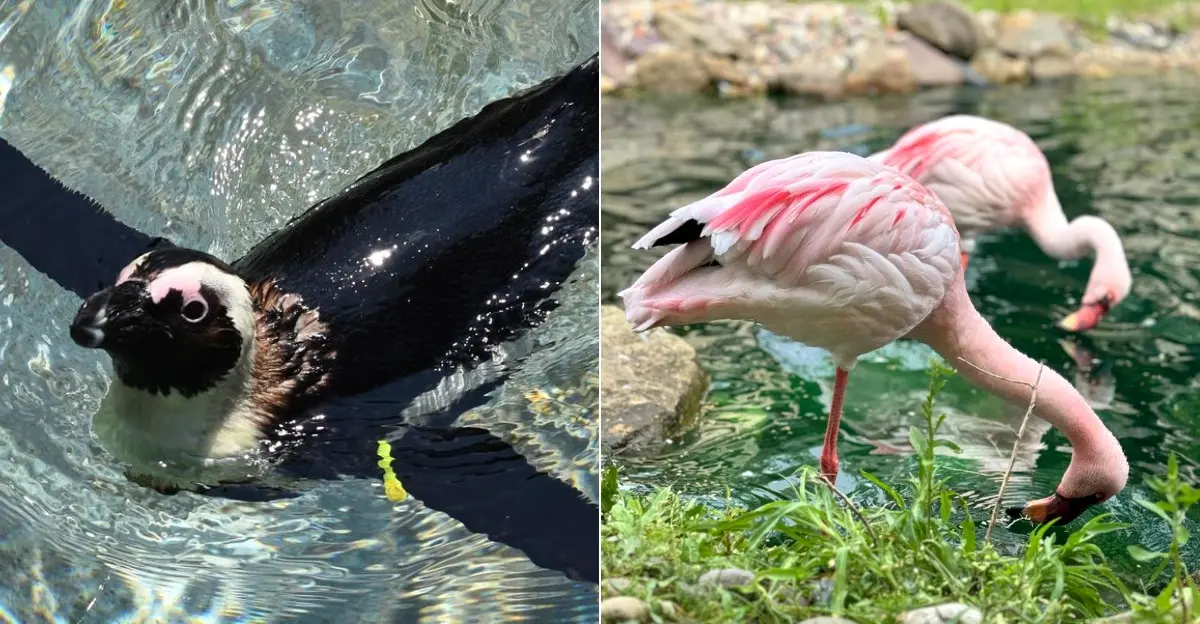
Wisconsin isn’t the first place most people think of for a safari, but that’s part of the fun.
Across the state, drive-through parks and hands-on ranches let giraffes, zebras, camels, and bison wander right up to your window.
Some of these spots put you behind the wheel, while others hand you a feed bucket and let you walk among the animals.
A few even focus on Wisconsin’s own wild residents, from timber wolves to elk, viewed from just a few feet away.
We visited ten of these experiences to see which ones actually deliver on that up-close feeling.
Here are ten Wisconsin safari experiences that made a regular day out feel extraordinary.
1. Safari Lake Geneva in Lake Geneva, Walworth County,
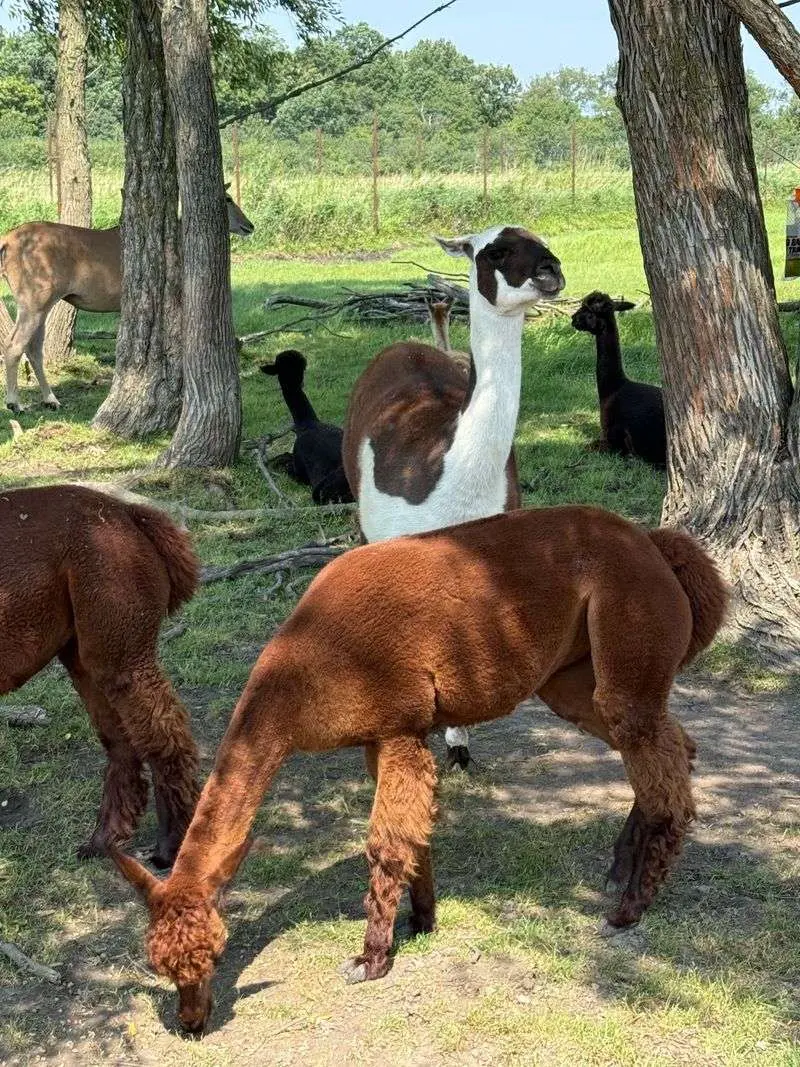
The first surprise comes when a tall giraffe leans near the car window and suddenly the farm fields feel like another world.
Safari Lake Geneva in Lake Geneva, Walworth County, turns a simple drive into a slow, cheerful animal parade.
Guests stay in their own vehicles while following a guided route through open spaces with animals such as giraffes, zebras, antelope, ostriches, and camels.
That setup is helpful for families with younger kids, grandparents, or anyone who likes a relaxed pace.
Keep windows and doors managed exactly as staff instruct, because safety matters for both people and animals.
Arrive early if you want cooler weather, better animal movement, and less waiting.
Bring water, a camera, and patience, since some of the best moments happen when traffic pauses and animals wander close.
The experience feels special because it mixes Wisconsin scenery with creatures many visitors only expect to see in books or documentaries.
Before going, check the official schedule, ticket rules, and seasonal dates.
A weekday visit can feel quieter, while weekends bring more energy and excitement for everyone.
2. Wildwood Wildlife Park and Safari in Minocqua, Oneida County,
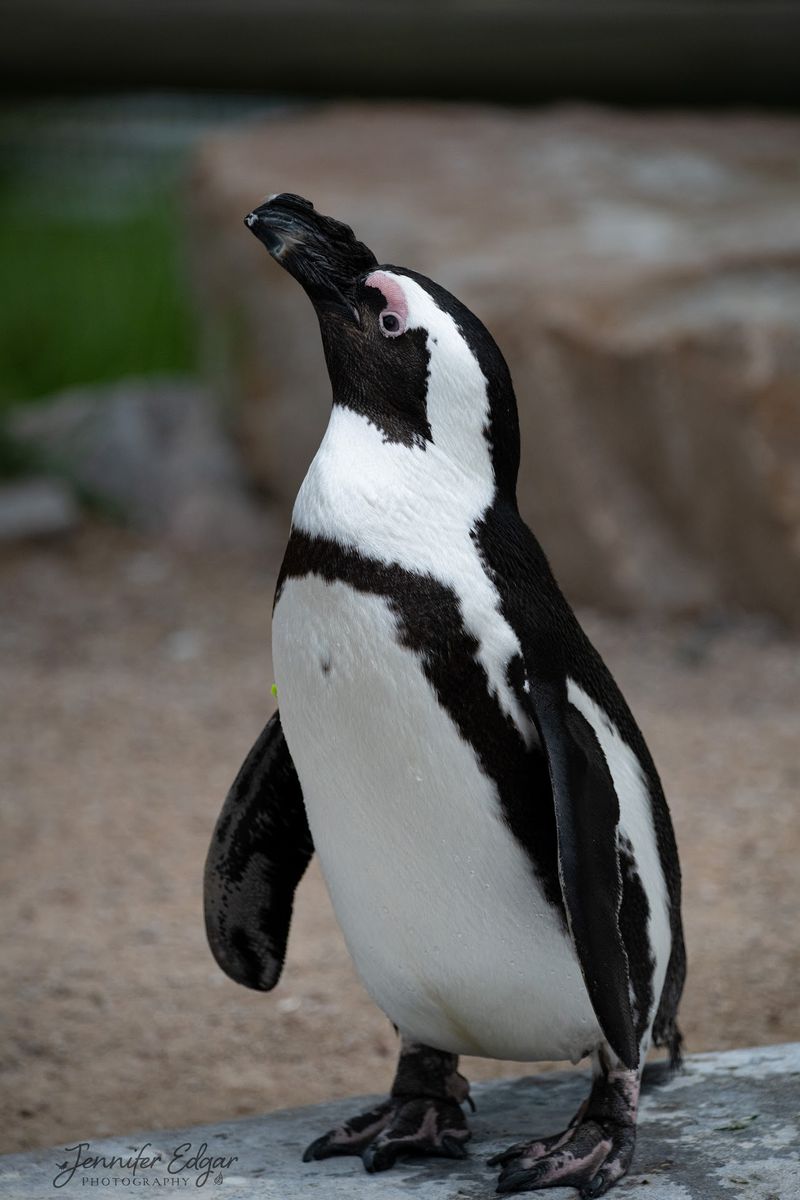
Pine trees, lake-country air, and the sound of excited kids make this Northwoods stop feel like a vacation memory in progress.
Wildwood Wildlife Park and Safari in Minocqua, Oneida County, blends a zoo visit with a walkable safari-style adventure.
The park is known for a wide variety of animals, including deer, lemurs, big cats, birds, reptiles, and farm favorites.
Families often enjoy feeding areas where approved food lets visitors connect with certain animals in a safe, supervised way.
Read every sign before feeding, because different animals have different diets and rules.
Comfortable shoes are a smart choice, since there is plenty to explore across paths, exhibits, and interactive spaces.
You may want to plan several hours instead of rushing through, especially if children like to stop and watch animal behavior.
A small backpack with sunscreen, wipes, and water can make the day smoother.
The setting gives the visit a cozy Wisconsin feel, not a huge-city zoo mood.
That mix of woods, animals, and hands-on learning makes an ordinary Minocqua outing feel surprisingly full.
3. Backroads Safari in Boyceville, Dunn County,
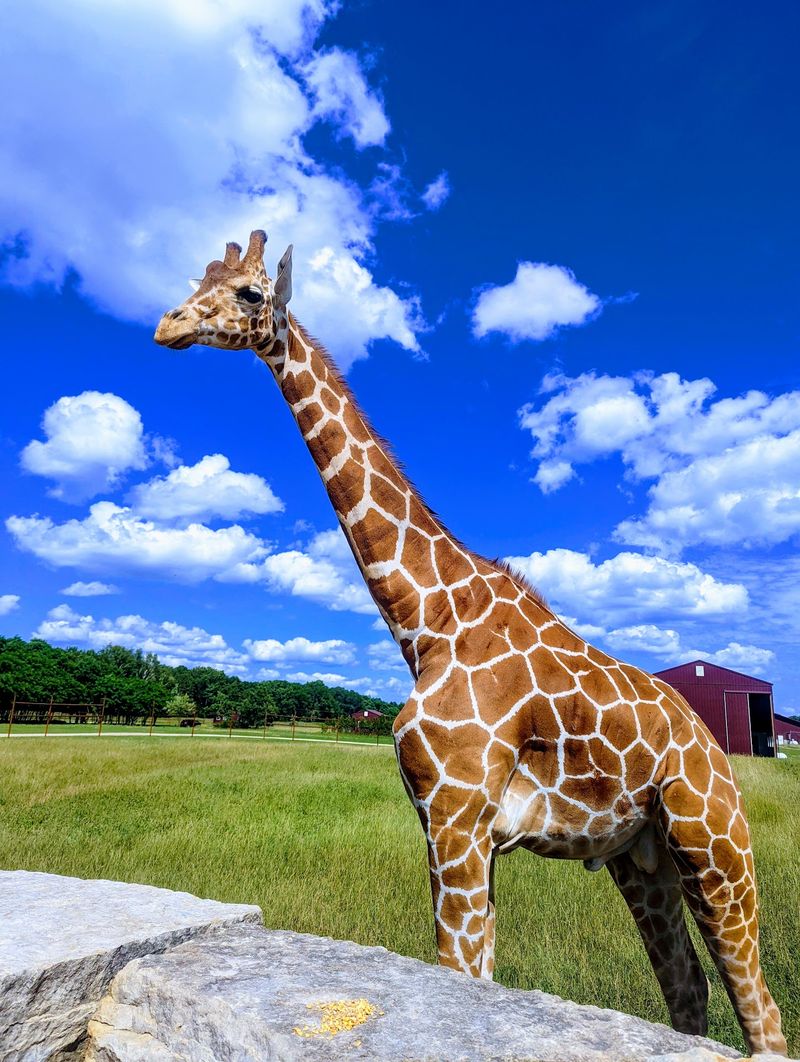
Gravel roads and wide skies set the mood before the animals even appear.
Backroads Safari in Boyceville, Dunn County, has the kind of country charm that makes visitors slow down and notice every fence line, pasture, and curious face.
Smaller safari-style stops can feel more personal than giant attractions, so check ahead for tour times, rules, and reservation needs.
Expect a farm-based wildlife experience where the pace may depend on weather, animal comfort, and staff guidance.
That slower rhythm is part of the fun, especially for families who want a break from screens and busy schedules.
Bring closed-toe shoes, dress for country conditions, and be ready for dust or mud after rain.
Kids can learn that animals are not props, but living creatures with habits, moods, and space needs.
Ask polite questions if staff offer a tour, because local caretakers often share the best stories.
The big reward is the feeling of discovering something tucked away from the main highway.
For visitors who enjoy simple adventures, this Dunn County outing can turn a normal afternoon into a fresh memory.
4. Shamba Safari in Neshkoro, Marquette County,
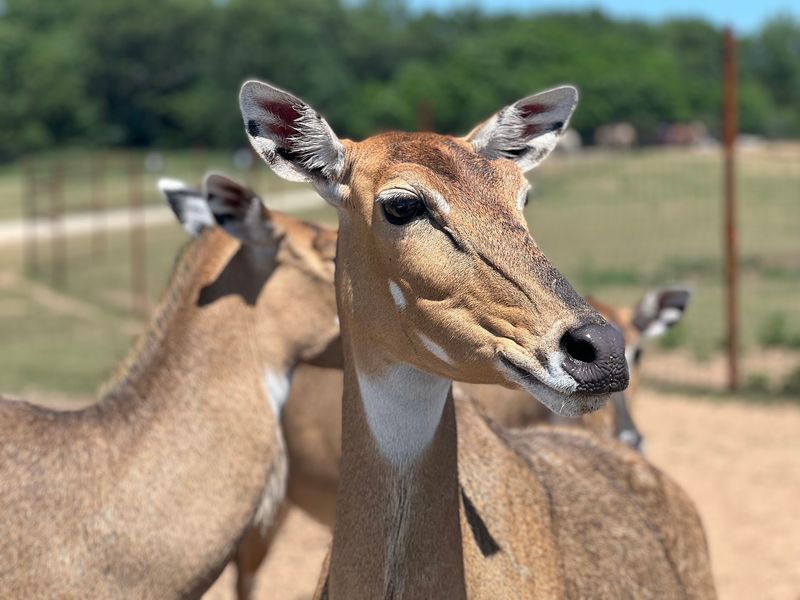
A quiet stretch of central Wisconsin can quickly feel bigger when striped, horned, and shaggy animals come into view.
Shamba Safari in Neshkoro, Marquette County, offers a friendly countryside setting where animal watching feels relaxed and approachable.
The name gives the visit a fun sense of travel, yet the experience stays rooted in farm fields and small-town Wisconsin.
Visitors should confirm open dates, tour style, and feeding rules before leaving home, because seasonal attractions can change schedules.
A quick call or website check helps prevent disappointment and makes planning easier.
This kind of outing works well for curious kids who like animals but may feel overwhelmed by large crowds.
Adults can enjoy it too, especially when the pace allows time for photos and simple conversation.
Use zoom instead of leaning too close, and remind children to keep fingers away from fences unless staff say otherwise.
Pack bug spray during warm months and choose clothes that can handle outdoor smells and dust.
The joy here is not fancy staging, but the chance to meet unusual animals in a calm rural place.
5. Rigden Ranch in Franksville, Racine County,
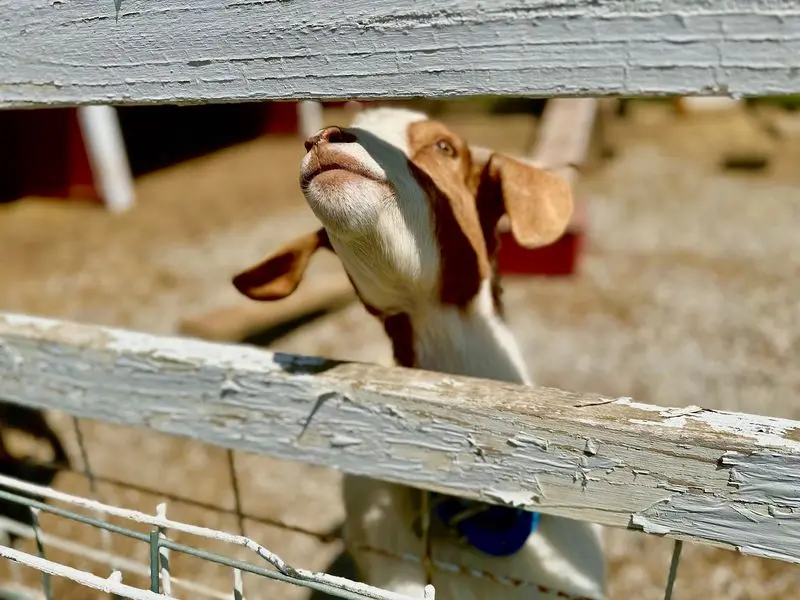
Some adventures begin with the smell of hay, the creak of a gate, and a child whispering, look over there.
Rigden Ranch in Franksville, Racine County, brings visitors into a ranch setting where animals and country life shape the day.
Because ranch experiences can vary, plan ahead by checking current offerings, visitor rules, and whether appointments are required.
Small ranches often focus on respectful animal contact, learning, and a slower style of fun than loud amusement spots.
That makes them appealing for families who want a quieter outing close to southeastern Wisconsin communities.
Wear sturdy shoes and clothing suited for barns, paths, or uneven ground.
If feeding or touching animals is allowed, follow staff directions closely and use calm movements.
Children can practice patience, kindness, and observation while noticing how each animal reacts differently.
A ranch visit also gives adults a chance to talk with kids about chores, care, and responsibility.
Instead of just seeing animals for a few seconds, visitors may leave with a better sense of daily ranch work.
That down-to-earth feeling is what makes the stop memorable.
6. Timbavati Wildlife Park in Wisconsin Dells, Sauk County,
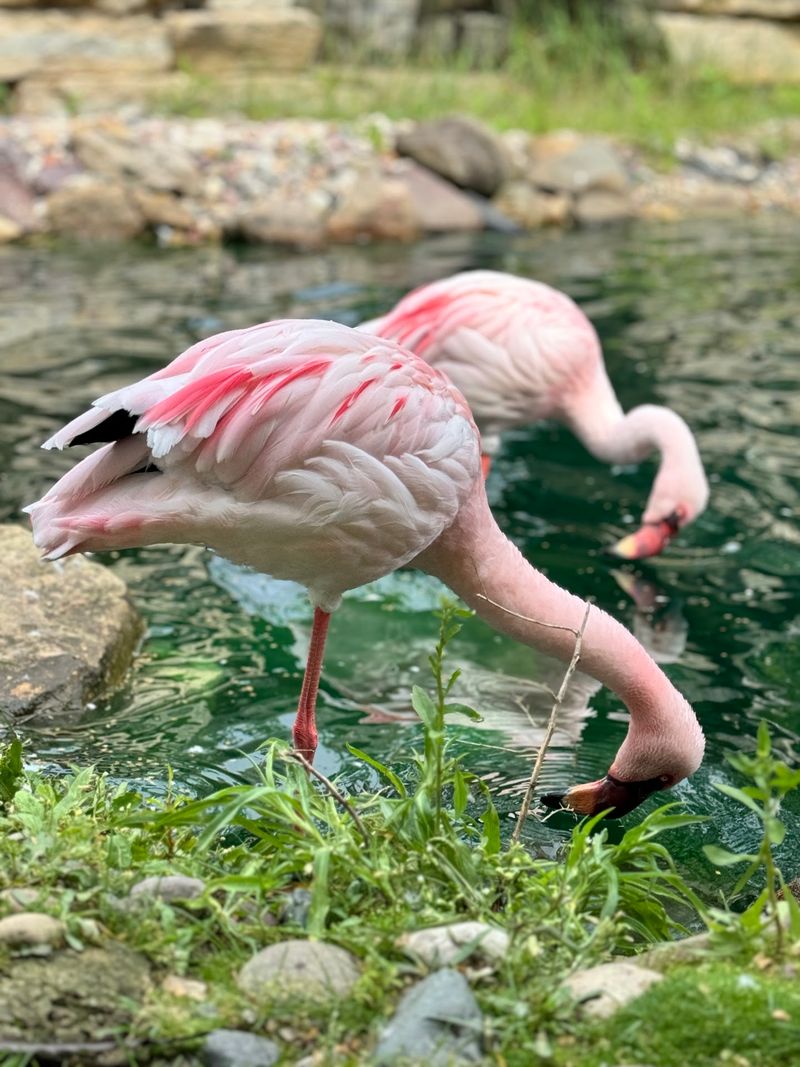
After waterparks and mini golf, a giraffe encounter can make the Wisconsin Dells feel even more surprising.
Timbavati Wildlife Park in Wisconsin Dells, Sauk County, adds animal adventure to one of the state’s busiest vacation areas.
The park features many species, often including giraffes, zebras, kangaroos, birds, reptiles, and other eye-catching animals.
Depending on the season and ticket options, visitors may find feeding opportunities, train rides, or keeper-style programs.
Check the day’s schedule when you arrive, because timing can shape what you see.
This is a smart choice for families who want a break from water and noise without losing the fun vacation feeling.
Start earlier in the day during summer, since animals and people both handle heat better before afternoon.
Bring sunscreen, comfortable shoes, and a plan for younger children who may need snack stops.
The best visits happen when families slow down at each habitat instead of racing from one animal to the next.
Watch ears, tails, walking patterns, and feeding habits.
Those small details turn a busy Dells day into a real learning adventure.
7. Back In Time Bison Ranch in Stevens Point, Portage County,
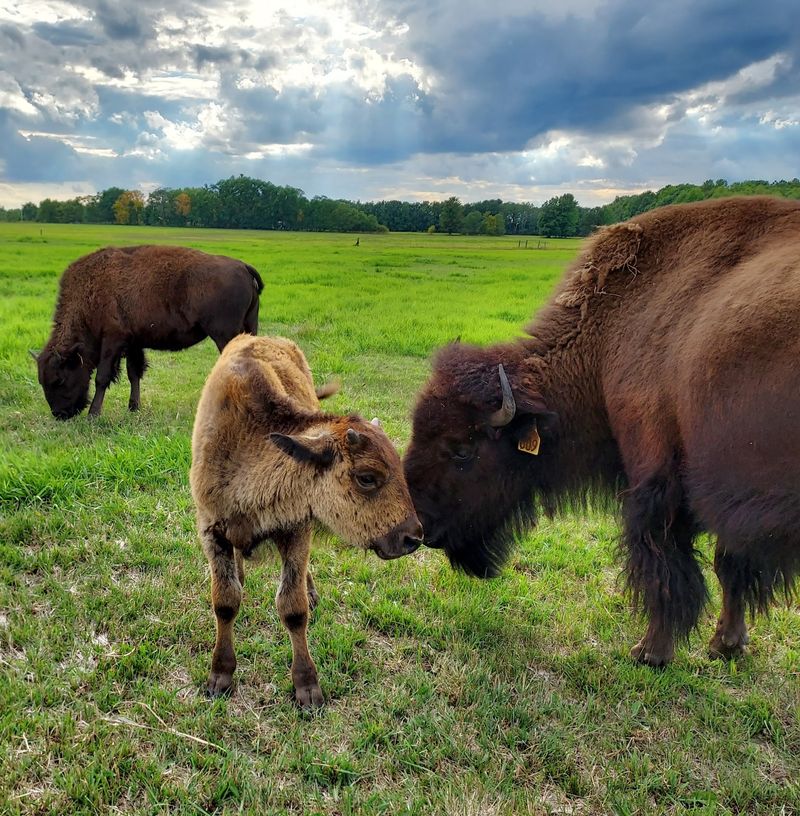
A bison standing still can look like a piece of living history.
Back In Time Bison Ranch in Stevens Point, Portage County, gives visitors a close look at an animal deeply tied to North America’s past.
Bison are powerful, heavy, and faster than many people expect, so a guided ranch experience is the right way to observe them.
Visitors should never treat them like petting-zoo animals, even when they seem calm.
Follow every boundary, vehicle rule, or tour instruction given by the ranch.
The visit can spark great conversations about prairie ecosystems, conservation, Native American history, and how bison nearly disappeared from the continent.
Kids often remember the size of the animals first, then start asking bigger questions about land and wildlife.
That makes the stop both exciting and meaningful.
Bring binoculars if you have them, because herd behavior is fascinating from a safe distance.
Cooler parts of the day may offer better viewing, especially in warmer months.
For families used to seeing dairy cows along Wisconsin roads, watching bison graze can feel bold, ancient, and unforgettable.
8. MacKenzie Center in Poynette, Columbia County,
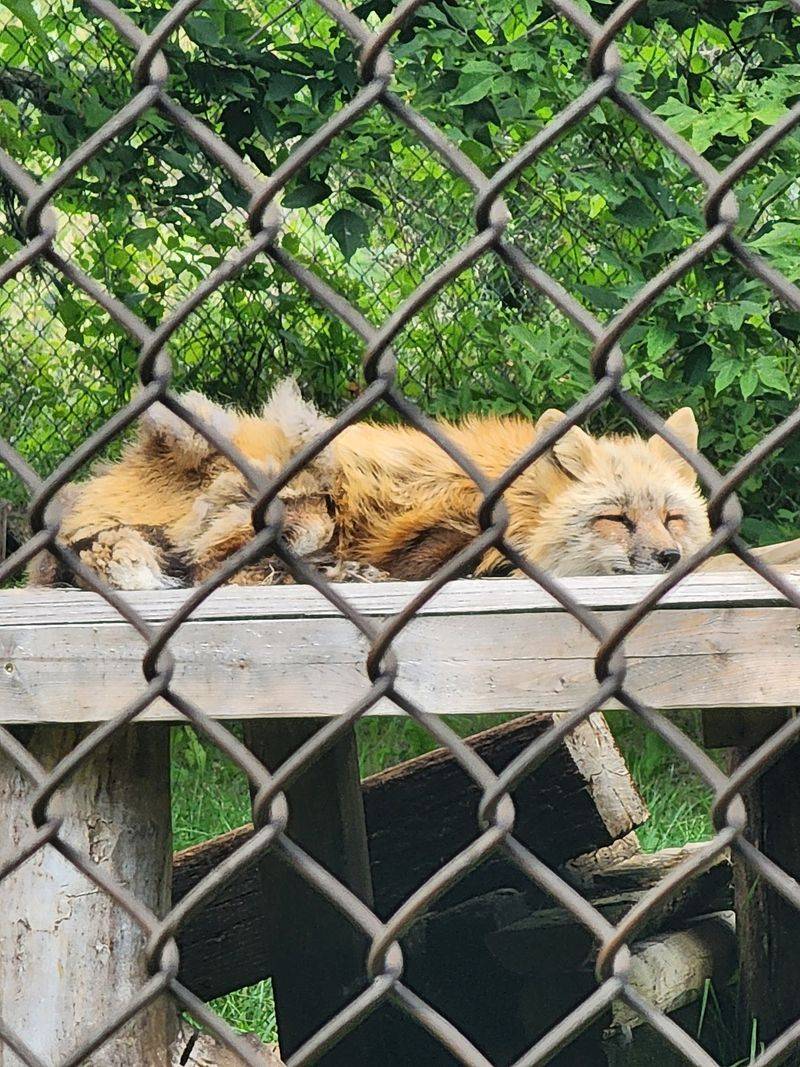
Not every safari needs exotic animals to feel extraordinary.
MacKenzie Center in Poynette, Columbia County, offers a Wisconsin wildlife experience built around education, native species, and quiet time outdoors.
The center has long been known for conservation learning, trails, and animal exhibits that help visitors understand local habitats.
Instead of rushing toward flashy moments, families can look closely at animals connected to Wisconsin’s forests, fields, and wetlands.
That makes the trip especially useful for school-age kids studying nature or state history.
Plan for walking, reading signs, and spending time in a peaceful setting.
A notebook or phone camera can help children record tracks, feathers, tree names, or favorite animals.
Teachers, scout groups, and homeschool families may find the stop especially practical.
Check current hours and program options before visiting, because outdoor education centers may adjust access by season or event.
Pack water, bug spray, and layers if the weather is changing.
The magic here is gentle but lasting, as visitors leave knowing more about the wildlife that shares their own backyard.
9. NEW Zoo and Adventure Park in Suamico, Brown County,
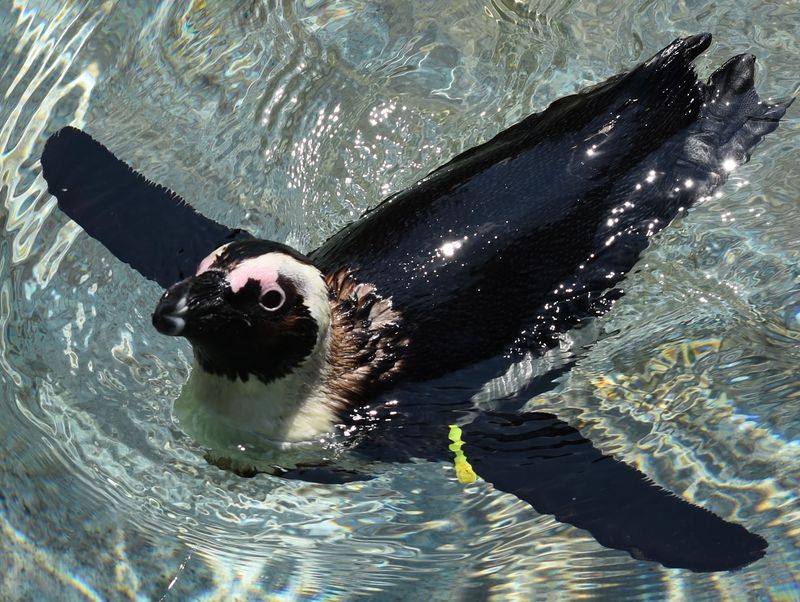
One minute you are watching animals, and the next you may be thinking about climbing, zip lines, or forest trails.
NEW Zoo and Adventure Park in Suamico, Brown County, stands out because it pairs wildlife viewing with active outdoor fun.
The zoo includes a wide range of animals, from familiar favorites to species that spark big reactions from kids.
Its setting near Green Bay gives visitors a wooded, natural feel without being far from city conveniences.
Families can combine animal exhibits with the adventure park when schedules, ages, and comfort levels fit.
Good planning matters here because the zoo and adventure activities may have separate costs, height rules, or seasonal hours.
Check details before promising a zip line or climbing activity to children.
For a smoother day, decide whether animals or adventure will be the main focus.
Wear comfortable shoes and give yourself time for breaks, especially if visiting with mixed ages.
Younger kids may love the animals most, while older kids may crave the challenge course.
That variety makes this Brown County stop feel like two outings in one.
10. Wisconsin Big Cat Rescue and Educational Center in Rock Springs, Sauk County,
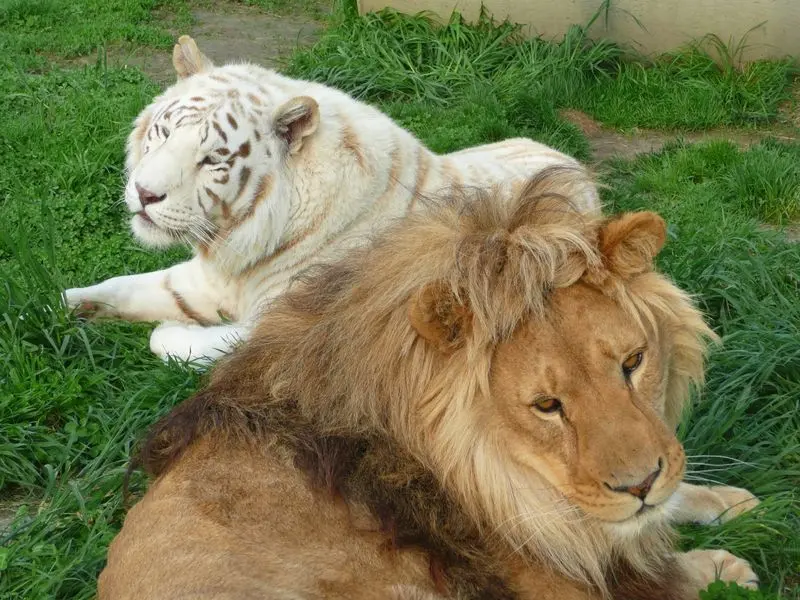
A lion’s low rumble can change the whole feeling of a quiet Wisconsin afternoon.
Wisconsin Big Cat Rescue and Educational Center in Rock Springs, Sauk County, focuses on rescued big cats and the lessons their stories can teach.
This is not a circus-style stop, and that is part of its value.
Visitors come to see animals such as lions, tigers, and other large cats in a place centered on care, safety, and education.
The experience can help families understand why wild animals do not belong as pets.
Expect strong fencing, clear rules, and reminders to respect distance.
Bring questions, but also bring a calm attitude, because these animals deserve a peaceful environment.
Children may be amazed by their size, but adults can guide the conversation toward rescue, responsibility, and animal welfare.
Before visiting, confirm public hours, tour options, and any donation or admission details.
A camera with zoom is useful, while loud voices and tapping should be avoided.
The visit feels extraordinary because it combines awe with compassion, leaving people with more than just a photo.