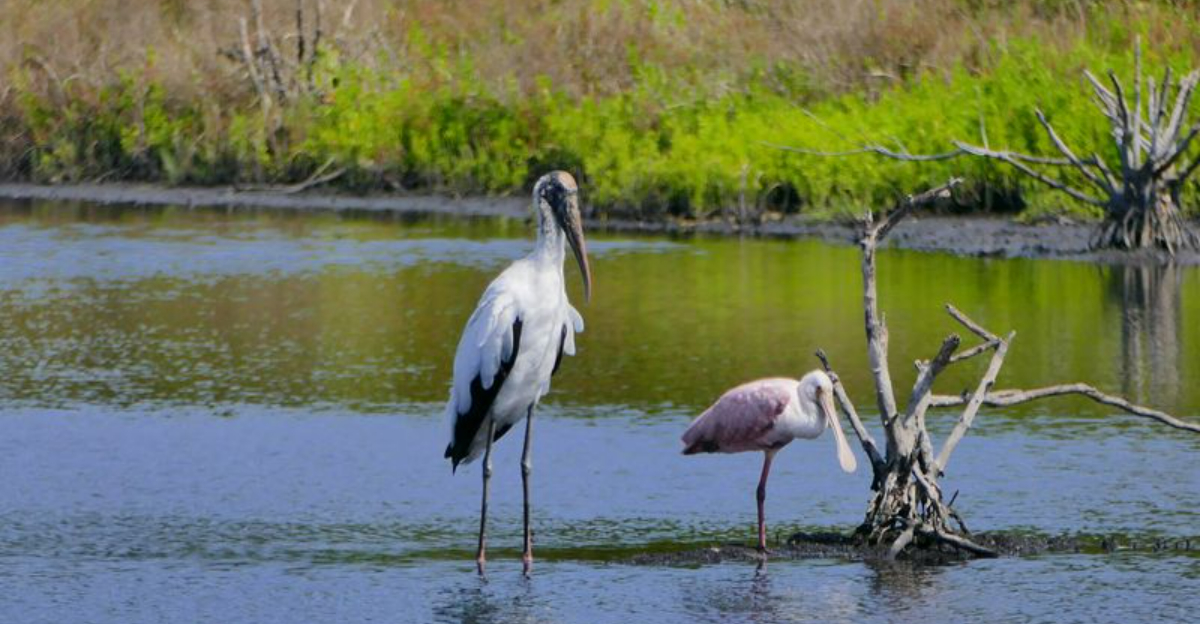
May is one of those sweet spots in Florida when the heat rises, the wetlands stay lively, and every trail seems to rustle, splash, or call out from the reeds. If you want bird activity, gators, marsh drama, and the kind of wildlife moments that make you stop mid-step, this is your month.
These Florida nature trails mix iconic hotspots with a few pleasantly odd corners, from shell mounds reached by kayak to canopy views above the trees. Bring binoculars, patience, and shoes you do not mind getting dusty or damp, because the best sightings rarely happen from a distance.
Loop Road Trail (Everglades/Big Cypress)
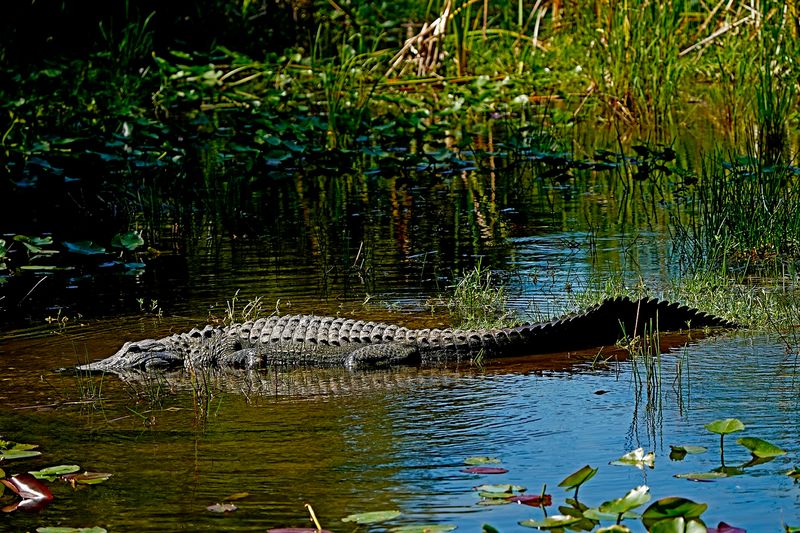
If you want a May wildlife route that feels half safari, half slow-motion treasure hunt, Loop Road Trail is hard to beat. This 24-mile unpaved drive rolls through cypress swamps, slash pine, and sawgrass, where every culvert seems to hide something alive.
In late dry season, water concentrates wildlife, so alligators and wading birds often gather in plain view.
I would treat this road like a moving observation blind rather than a drive with a destination. Pull over often, scan the edges, and look for otters, turtles, deer, and maybe even a flash of something rarer deeper in the preserve.
The first paved miles ease you in, but the gravel stretch delivers the real atmosphere.
For an unconventional bonus, pair the drive with the short Tree Snail Hammock Trail and look closely at the vegetation. May still offers strong wildlife action before summer flooding changes the experience, and that timing makes the whole route feel especially alive.
Shark Valley Trail (Everglades National Park)
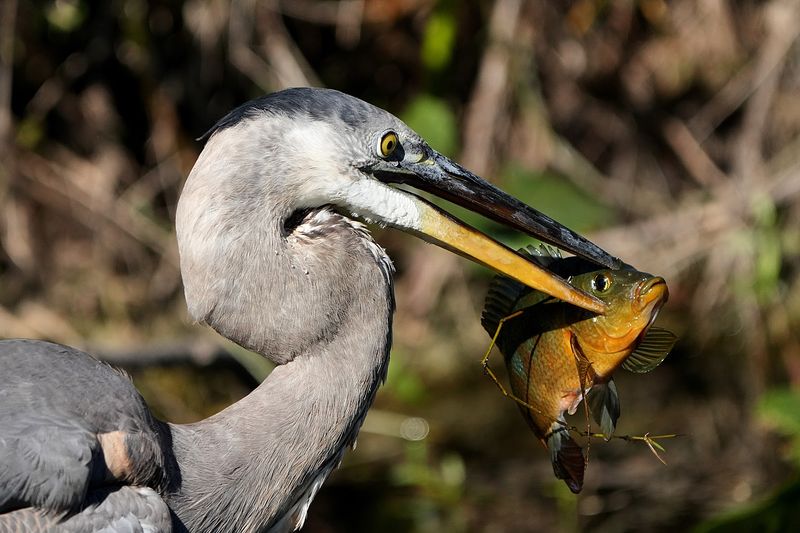
Shark Valley Trail is the kind of place where you can feel spoiled by wildlife before you even reach the halfway point. The 15-mile paved loop gives you a front-row seat to Everglades life, and in May the bird activity can be excellent.
Alligators, turtles, anhingas, ibises, herons, and spoonbills can all turn an ordinary ride or walk into a running list of sightings.
I like that you can shape the day to your energy level. Hike a section, bike the full loop, or use the tram if you want to save your focus for scanning marshes instead of managing miles.
The famous observation tower at the midpoint changes the perspective completely, opening up broad views of rookeries and shimmering sawgrass.
This trail also works for people who love obvious wildlife and subtle details. One minute you are watching a massive alligator, and the next you are noticing baby turtles, nesting behavior, or a snail kite crossing the marsh.
Lake Apopka Wildlife Drive (Central Florida)
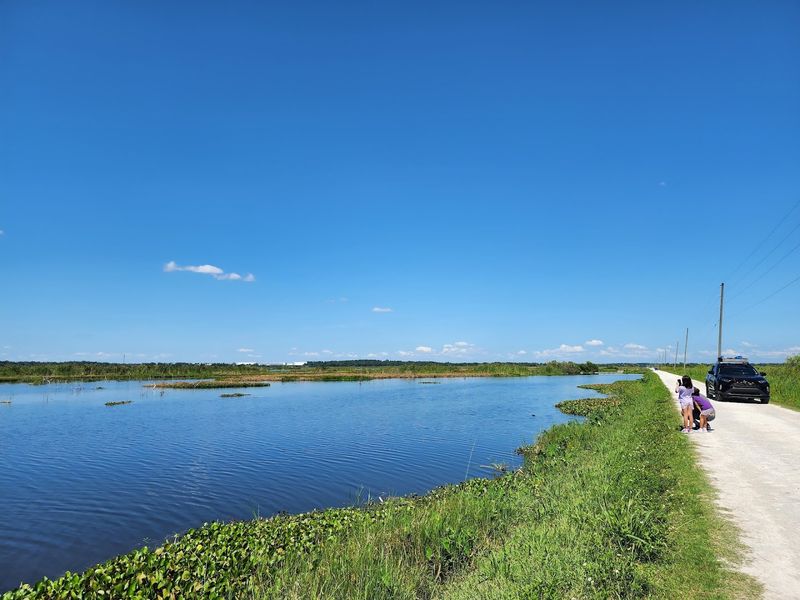
Lake Apopka Wildlife Drive is one of those places where the sheer number of birds can make you lose track of what you have already seen. This 11-mile one-way route through restored wetlands is famous for heavy wildlife concentration, and May can be especially fun.
You might spot ospreys with fish, ibises, swallows, gallinules with chicks, and more all before the road starts to feel familiar.
The other headline act, of course, is alligators. Sightings are common enough that you almost start treating them like mile markers, except then one huge individual reminds you to pay full attention again.
Because you are moving slowly by car, it is easy to turn the drive into a rolling hide for photography and careful birding.
What makes this place especially satisfying is the variety packed into a manageable outing. One stop can hold blackbirds, another rails, another spoonbills, and somewhere along the route you may catch a bobcat, otter, or raccoon adding surprise to the checklist.
Myakka Canopy Walkway (Myakka River State Park)
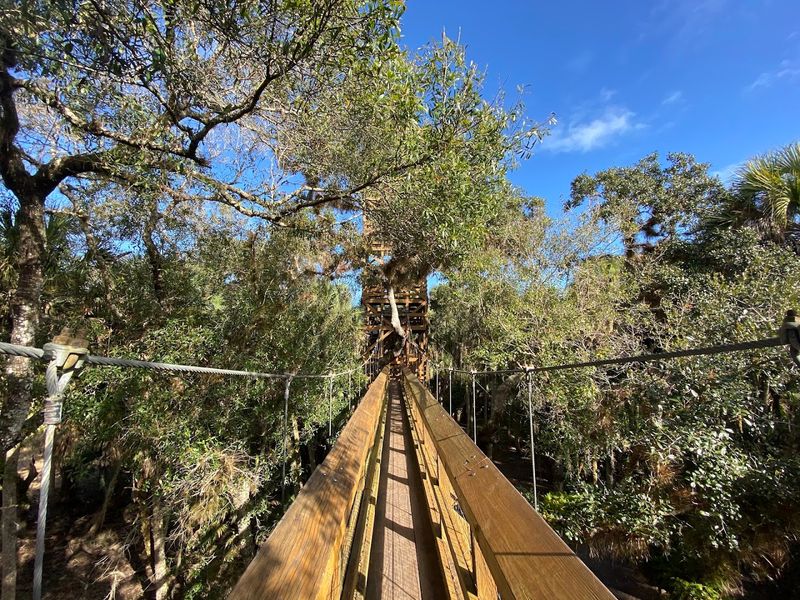
Myakka Canopy Walkway gives you a wildlife view that feels wonderfully unfair, as if someone handed you a backstage pass above the forest. The suspended bridge and tall tower lift you over the foliage, letting you scan treetops, prairies, wetlands, and distant river country in one sweep.
In May, the warm build-up season keeps birdlife active, so the overhead perspective becomes especially rewarding.
I like this spot because it is not just about one flashy structure. The walkway is the dramatic opener, but nearby hiking trails deepen the experience through pine flatwoods, hammocks, marshes, and river basin habitats.
That mix means your day can include osprey, wood storks, cranes, herons, egrets, and maybe a gopher tortoise or alligator if you keep exploring.
There is also something satisfying about alternating scales here. One moment you are looking across broad landscapes from the tower, and the next you are down at trail level noticing insects, tracks, and rustling understory.
That contrast makes Myakka feel fuller than a quick scenic stop.
Robinson Nature Preserve (Bradenton)
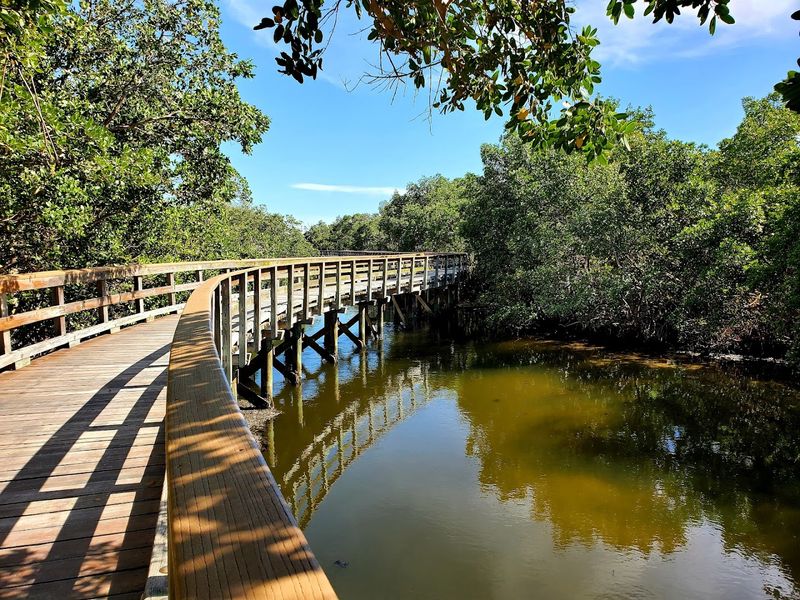
Robinson Nature Preserve is a great pick if you want a May outing with a softer coastal rhythm instead of full-on swamp intensity. Its boardwalks and trails weave through mangroves and wetland edges, where birds seem to appear in layers rather than all at once.
The observation tower adds just enough elevation to help you read the landscape and pick out movement in the channels.
I find preserves like this especially enjoyable when you want a slower, more attentive kind of birding. You are not chasing one marquee animal so much as letting the habitat gradually reveal herons, egrets, shorebirds, and whatever else is using the tides and shallows.
Every turn feels like a fresh angle rather than a repeat.
There is also something pleasantly unconventional about pairing coastal scenery with serious wildlife watching so close to Bradenton. It feels accessible without losing that wild edge.
Go early if you can, pause often on the boardwalks, and let the sounds of water and mangroves shape the pace of your walk.
Ten Thousand Islands Trails (Everglades)
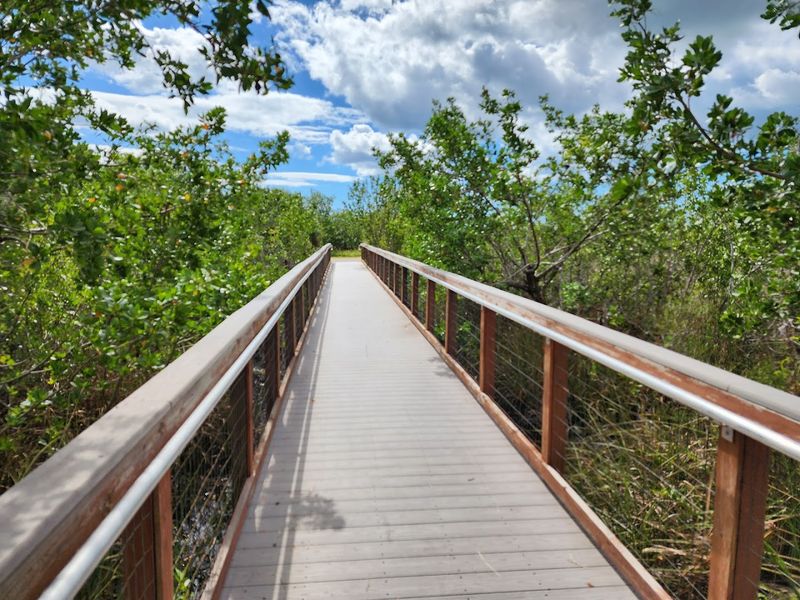
The Ten Thousand Islands region has a way of making Florida feel bigger, wilder, and more secretive than most visitors expect. In May, the coastal mangroves can be full of nesting activity, and that means herons, egrets, and spoonbills may turn a quiet scan into a color-and-motion spectacle.
Even when the birds are still, the setting itself feels alive with tides, roots, and hidden channels.
I think this area works best when you lean into its sense of remoteness. Whether you are walking a trail segment, pausing at overlooks, or connecting the outing with paddling nearby, you are stepping into a habitat built for patience and observation.
Birds do not always announce themselves here, but when they do, the reward feels earned.
This is also one of the more atmospheric options on the list. Instead of one obvious landmark, you get a whole coastal world of mangrove silhouettes, shifting light, and nesting behavior.
In May, that combination can feel less like a hike and more like entering a living estuary theater.
Merritt Island National Wildlife Refuge (East Coast)
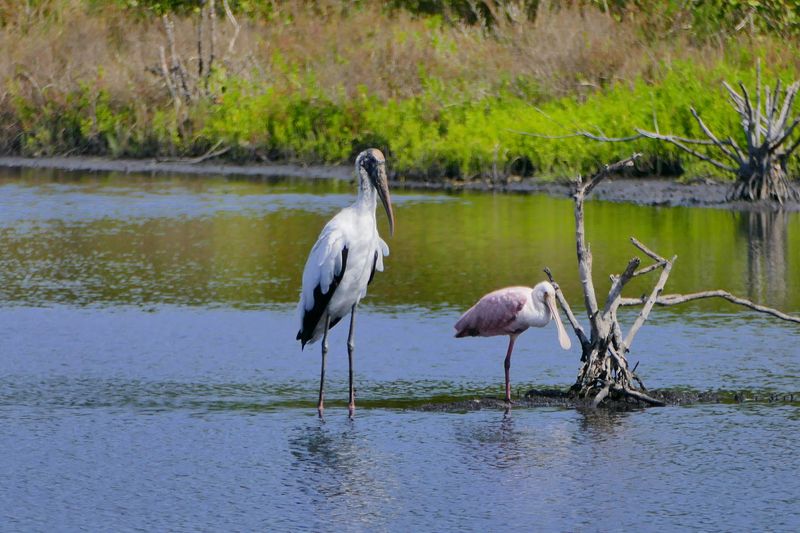
Merritt Island National Wildlife Refuge is one of those places where a casual outing can quickly become a full day of stopping, scanning, and saying, just one more pullout. Spring carries strong wildlife appeal here, and May still offers excellent chances to see roseate spoonbills, wood storks, and even manatees depending on conditions.
That mix alone makes the refuge feel like a crossover episode between birding and marine life watching.
I like Merritt Island because it gives you variety without feeling chaotic. Wetlands, impoundments, edges, and open views create a landscape where you can shift from looking for elegant waders to checking the water for larger movement.
The experience rewards both beginners who want obvious sightings and dedicated birders who enjoy sorting through species.
There is also an addictive sense of possibility here. Every road bend and platform suggests something could be feeding, gliding, or surfacing just beyond the reeds.
In May, that anticipation pairs perfectly with the refuge’s reputation for memorable spring wildlife encounters.
Paynes Prairie Preserve State Park (Gainesville)
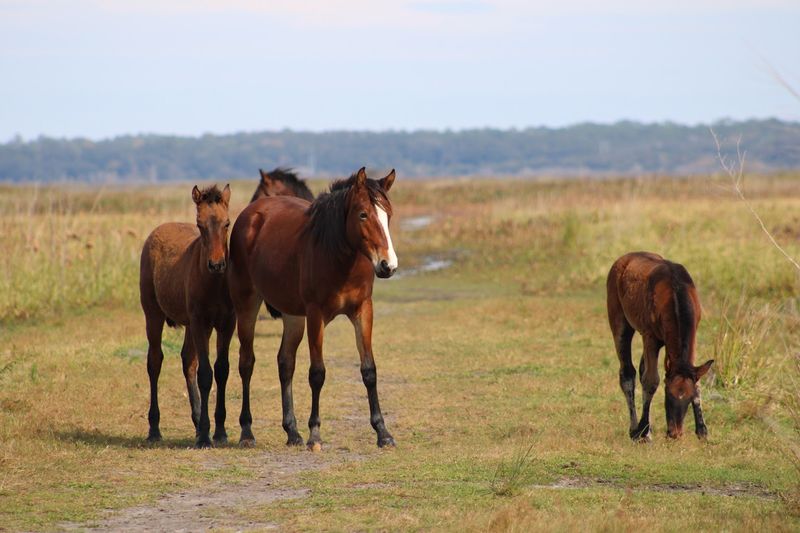
Paynes Prairie feels almost surreal the first time you see it, because Florida suddenly opens into a landscape that looks part savanna, part wetland, and part giant wildlife stage. In May, the preserve can reward you with birds, alligators, and the unforgettable possibility of spotting wild horses or bison in the same outing.
That kind of range gives the park a wonderfully unpredictable energy.
The La Chua Trail is the classic choice if you want strong alligator and wading bird action. Boardwalk sections bring you close to the marsh, where herons, egrets, and other wetland life can make every stop feel busy.
If you want a broader prairie feel, Bolen Bluff offers viewing opportunities that better suit scanning for larger mammals.
I appreciate how this park keeps changing its mood depending on where you stand. One section feels intimate and marshy, another immense and windswept.
That variety makes Paynes Prairie perfect for people who want more than a simple bird walk and do not mind a little wild unpredictability.
Tibet-Butler Preserve (Orlando)
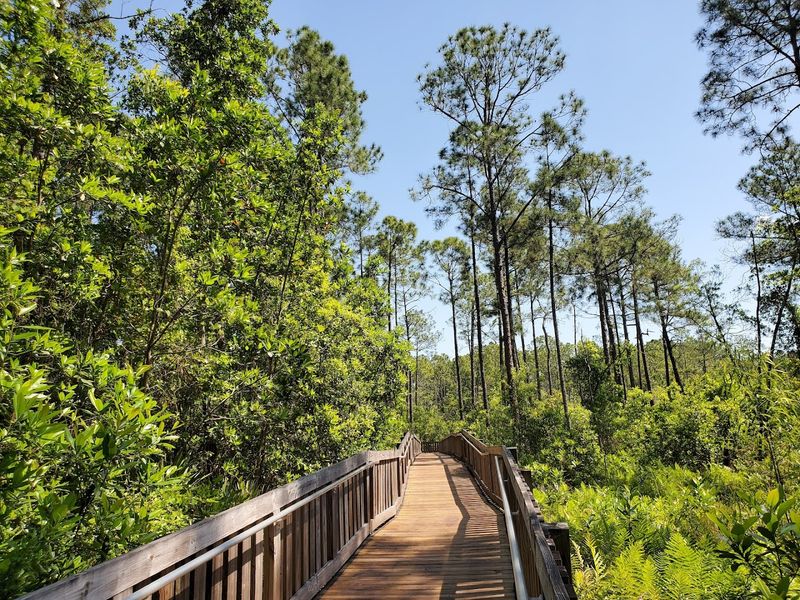
Tibet-Butler Preserve is a smart choice if you want real wildlife habitat near Orlando without committing to an epic drive. The preserve packs several ecosystems into a relatively compact area, including marsh, bay swamp, cypress, flatwoods, and lakeside boardwalk views.
In May, that variety can translate into a satisfying run of aquatic birds, with ibises, anhingas, herons, and ospreys all worth watching.
I especially like the preserve for its layered experience. One trail feels shaded and enclosed, another opens onto water where movement is easier to pick out, and the overlooks give you a chance to pause instead of rushing from one habitat to the next.
Swallow-tailed kites may even slice overhead in spring and early summer, which always upgrades the day.
Just be realistic about the season. Trails can be muddy, mosquitoes can be enthusiastic, and that is part of the tradeoff for active habitat.
Bring repellent, slow down on the boardwalks, and let the preserve work on you gradually.
Cedar Point Trail (East Florida)
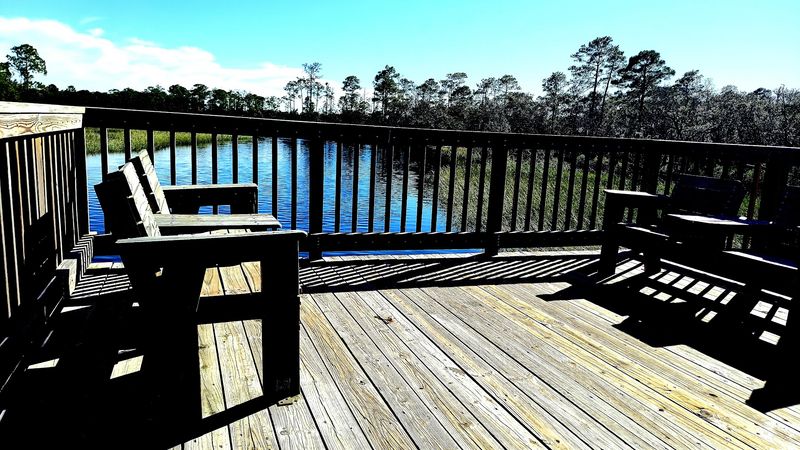
Cedar Point Trail is one of the most quietly exciting places to walk in May if migration still has your attention. The preserve crosses maritime hammock, salt marsh, wetlands, and flatwoods, so the habitat changes keep your eyes active even before the birds do.
Because early May can still bring migrant energy, the trail has a reputation for rewarding patient birdwatchers and photographers.
I love spots like this because they do not rely on one oversized attraction. Instead, the thrill comes from transition zones, those edges where warblers, shorebirds, marsh species, and other travelers can turn up when you least expect them.
The variety of backgrounds also makes the walk feel visually rich, from shaded green tunnel to bright open marsh.
For an extra dose of weird and wonderful coastal Florida, nearby natural beach areas may offer seasonal horseshoe crab activity in spring and summer. That means your birding walk can unexpectedly gain a prehistoric side plot.
In May, Cedar Point feels subtle at first, then strangely unforgettable by the end.
Corkscrew Swamp Sanctuary Boardwalk (Naples)
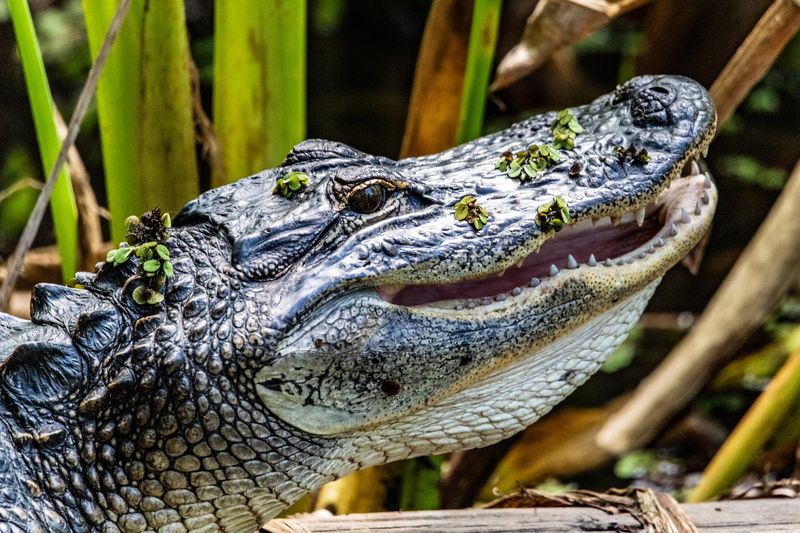
If you want a May trail that feels quiet at first and then suddenly alive, Corkscrew Swamp Sanctuary Boardwalk delivers. This 2.25-mile walk passes marsh, pond cypress, and an unforgettable old-growth bald cypress forest, with birds and reptiles close to the path.
Late spring often means wood storks, herons, anhingas, and alligators sharing the same stretch of water.
What makes it stand out is how much wildlife you can watch without a long hike. You might spot a barred owl in the shade, turtles below, or nesting season overhead.
If you like a trail where patience pays off quickly, this one belongs on May list.