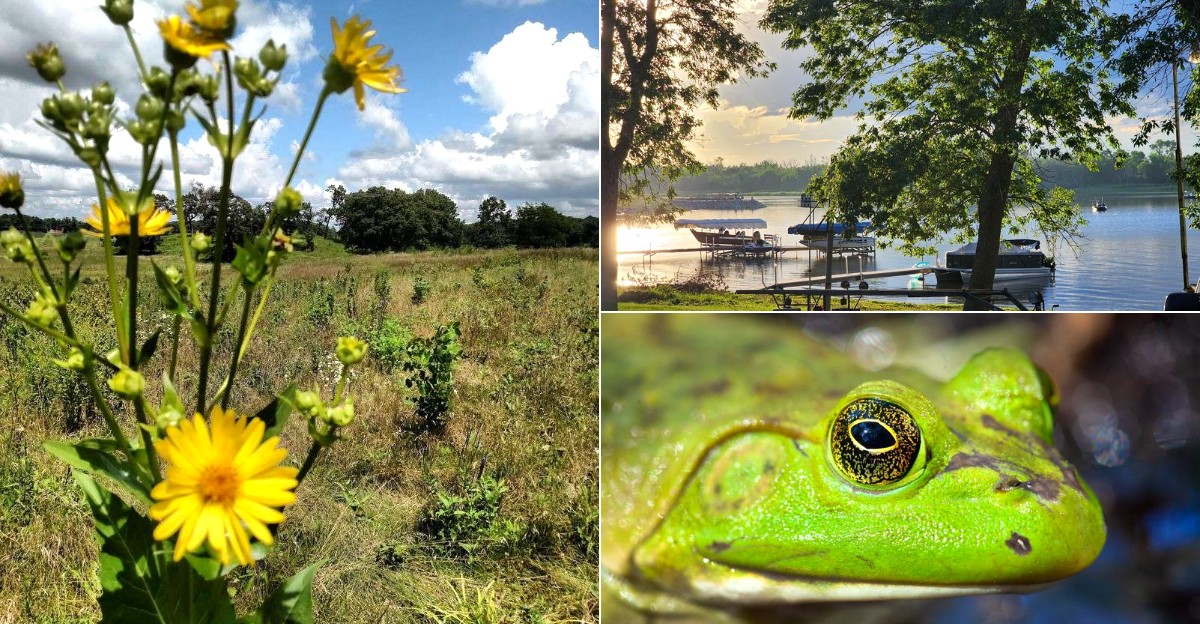
Iowa’s wildlife sanctuaries offer more than just a trail through the trees.
Many of these spots were built around a single idea: let people see wildlife the way researchers and rangers do.
Think observation towers rising above wetlands, boardwalks that carry you into a fen, and overlooks perched above a bison herd.
Each sanctuary in this list gives you a slightly different vantage point on the state’s wild side.
Some are tucked into the Loess Hills, while others sit along the Mississippi River or deep in a county park system.
Here are eleven Iowa wildlife sanctuaries that let you see wildlife from a different perspective.
1. Hitchcock Nature Center in Honey Creek, Pottawattamie County,
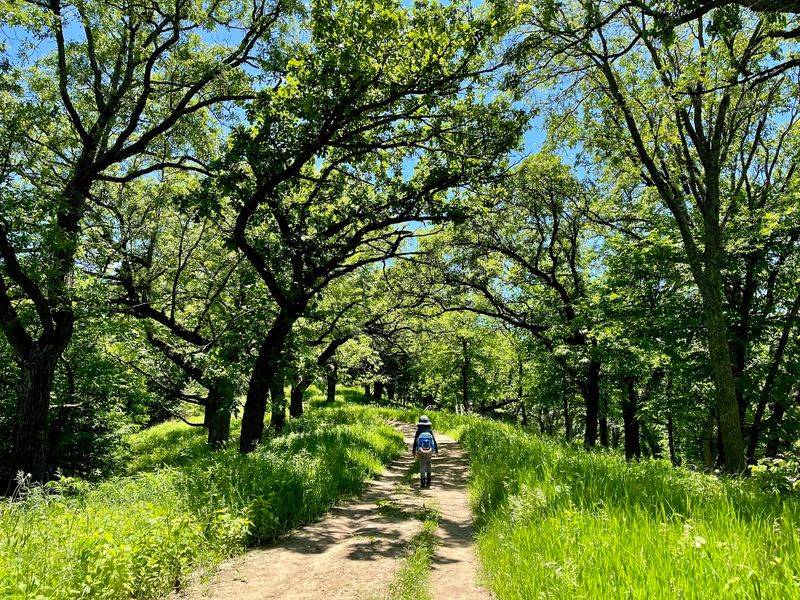
High above the Missouri River valley, the wind can make the hills feel alive.From the overlooks at Hitchcock Nature Center, near Honey Creek in Pottawattamie County, visitors get a wide view of the Loess Hills, a rare landform made from wind-blown soil.
That height changes how you watch wildlife because birds often pass at eye level instead of far overhead.
Fall is a favorite season here, especially for hawk watching.Raptors ride warm air along the ridges, and volunteers sometimes count thousands during migration.
Bring binoculars, scan slowly, and look for broad wings, sharp tails, or circling groups called kettles.
Trails also lead through oak woods, prairie pockets, and quiet ravines where deer, turkeys, woodpeckers, and songbirds appear.Early morning gives you cooler air and better animal activity, while sunset paints the hills gold.
Stay on marked paths because the slopes can erode easily, and ticks are common in tall grass.A visitor center can help families learn what they are seeing before they hike.
For a bigger experience, try camping overnight and listening for owls after dark.Few Iowa places make wildlife watching feel so connected to sky, land, and weather.
2. Kellerton Bird Conservation Area in Kellerton, Ringgold County,
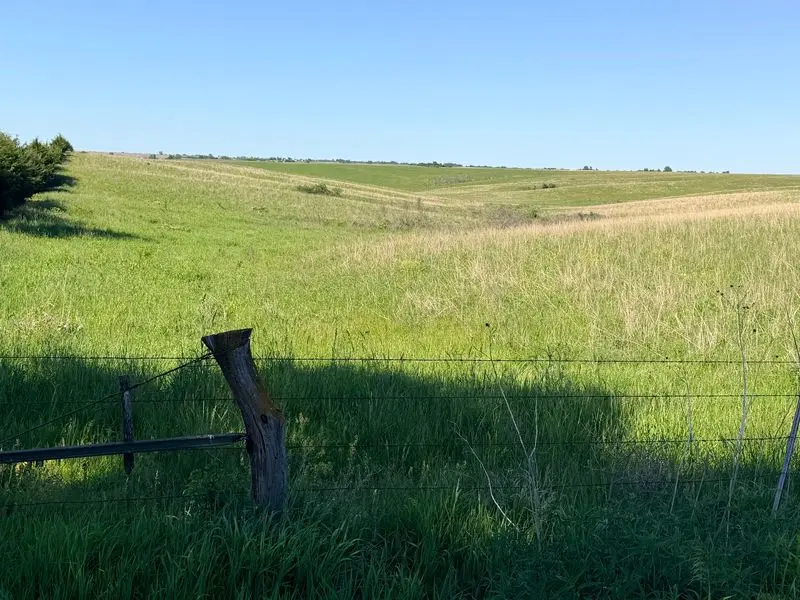
A meadow can look empty until one song rises, then another answers from the grass.Kellerton Bird Conservation Area, around Kellerton in Ringgold County, rewards patient visitors who listen as carefully as they look.
This southern Iowa landscape protects open habitat that many grassland birds need for nesting, feeding, and hiding from predators.
Spring and early summer bring some of the best action.Bobolinks, meadowlarks, dickcissels, sparrows, and northern harriers may be seen above the fields or perched on fence posts.
Because many birds nest on the ground, walking only where allowed helps keep eggs and chicks safe.
A good plan is to arrive soon after sunrise, when songs carry across the prairie and heat shimmer has not blurred your view.Use a field guide or birding app, but keep sound playback limited so birds are not stressed.
Scan low, since grassland wildlife often pops up for only a second before dropping back into cover.You may also spot butterflies, dragonflies, rabbits, or deer near field edges.
The area reminds visitors that wildlife watching is not always about big animals.Sometimes the most exciting moment is a tiny bird balancing on a waving stem, turning plain grass into a stage.
3. Green Island Wetlands in Green Island, Jackson County,
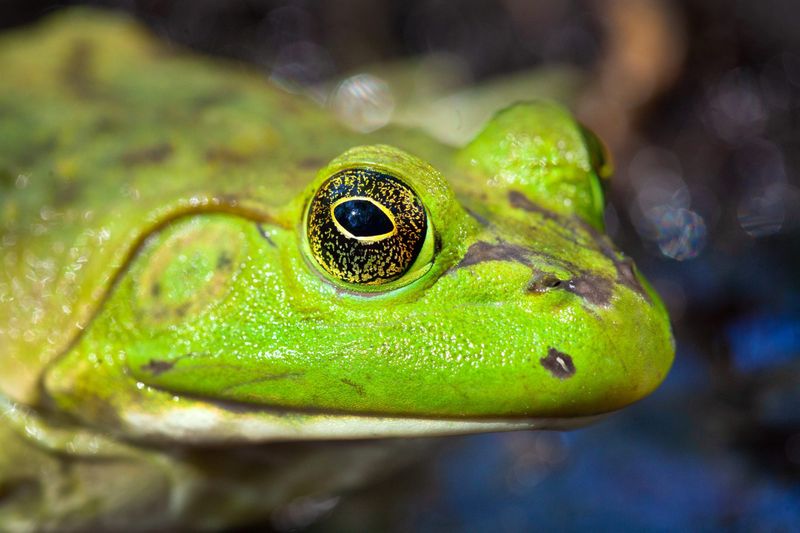
Mist over shallow water can turn a morning drive into a slow wildlife parade.Green Island Wetlands, near Green Island in Jackson County, sits close to the Mississippi River and offers marshes, pools, and river-bottom habitat that attract many species.
Instead of climbing a ridge or hiking deep woods, you often watch from roads and pull-offs, which makes the place friendly for patient observers.
Waterfowl are the big draw, especially during migration.Ducks, geese, pelicans, herons, egrets, shorebirds, and bald eagles may use the wetlands as a resting and feeding stop.
Changing water levels mean the view can be different each visit, so check local conditions before you go.
Bring binoculars or a spotting scope because birds may be far across open water.Move slowly, keep voices low, and never block roads while watching.
Bug spray is useful in warm months, and waterproof shoes help if you explore allowed areas after rain.Photographers love the mix of sky reflections, cattails, and birds lifting from the water.
Families can make a simple game of counting shapes, long legs, curved bills, wide wings, and bright patches.Green Island shows wildlife from a watery angle, where every ripple may be a clue.
4. Cardinal Marsh Wildlife Management Area in Ossian, Winneshiek County,
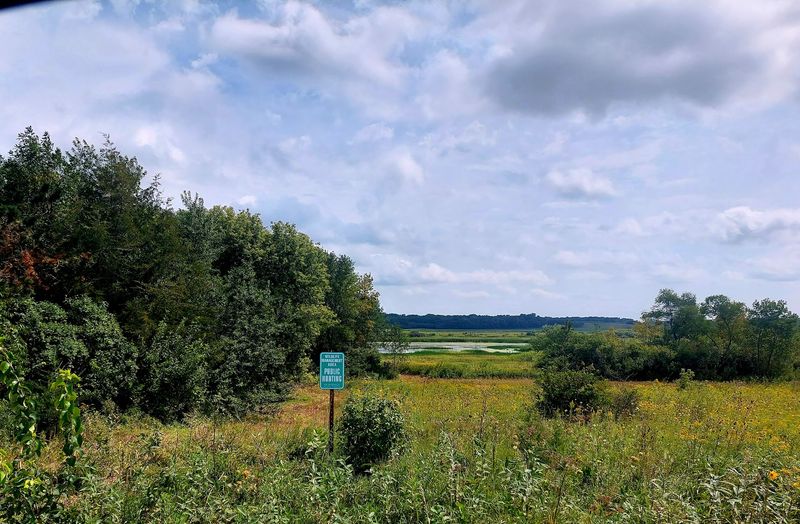
Some places ask you to slow down before they share their secrets.Cardinal Marsh Wildlife Management Area, near Ossian in Winneshiek County, spreads across wetlands, wet meadows, and grassland in northeast Iowa.
The mix of water and open ground creates a strong home for birds that need marsh edges, hidden nests, and quiet feeding spots.
Sandhill cranes are a special reason many people visit.Their tall bodies, red crowns, and rattling calls can make the marsh feel almost prehistoric.
Ducks, rails, bitterns, swallows, and red-winged blackbirds also use the area, while deer and small mammals move through nearby cover.
Viewing is often best from roadsides or designated access points, especially at dawn and dusk.Wetlands can be fragile, so avoid trampling soft ground or pushing into thick cattails.
A spotting scope helps because many birds stay distant for safety.In spring, listen for frogs and hidden marsh birds calling from places you cannot see.
In fall, watch for birds gathering before cold weather pushes them south.The area has working wildlife management goals, including habitat protection and hunting seasons, so wear bright colors during those times and check regulations.
Cardinal Marsh teaches that mystery is part of wildlife watching, and not every animal needs to step into the open.
5. Otter Creek Marsh Wildlife Management Area in Chelsea, Tama County,
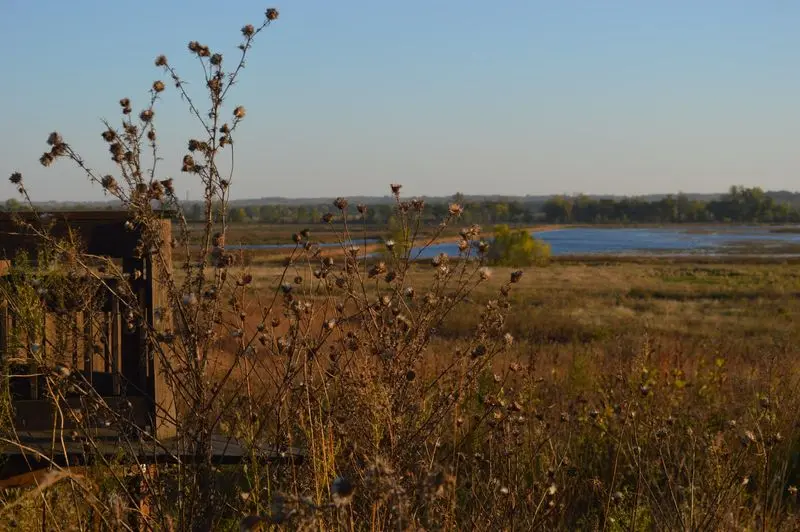
A rustle in the cattails might be a muskrat, a marsh wren, or just the breeze playing tricks.Otter Creek Marsh Wildlife Management Area, near Chelsea in Tama County, gives visitors a close look at wetland life in central Iowa.
Its marshes, pools, and surrounding uplands support birds, mammals, amphibians, insects, and plants that depend on water.
The area is known for good birding through much of the year.Waterfowl, herons, blackbirds, rails, and shorebirds may appear, depending on season and water depth.
Watch muddy edges for tracks, because animals often leave better evidence than quick sightings.
Visitors should bring binoculars, water, sun protection, and insect repellent.Some access points may be rough after rain, so sturdy shoes are a smart choice.
Early morning is quieter, while evening can bring soft light and more movement around the marsh.
Because this is a wildlife management area, hunting can occur in season.Check current rules, wear blaze orange when needed, and respect other users.
Children may enjoy sitting still for five minutes and listing every sound they hear, from buzzing insects to splashing water.Otter Creek Marsh proves that a wetland is not just a pond with weeds.
It is a busy neighborhood, with life tucked into every channel, stem, and muddy bank.
6. Sweet Marsh Wildlife Management Area in Tripoli, Bremer County,
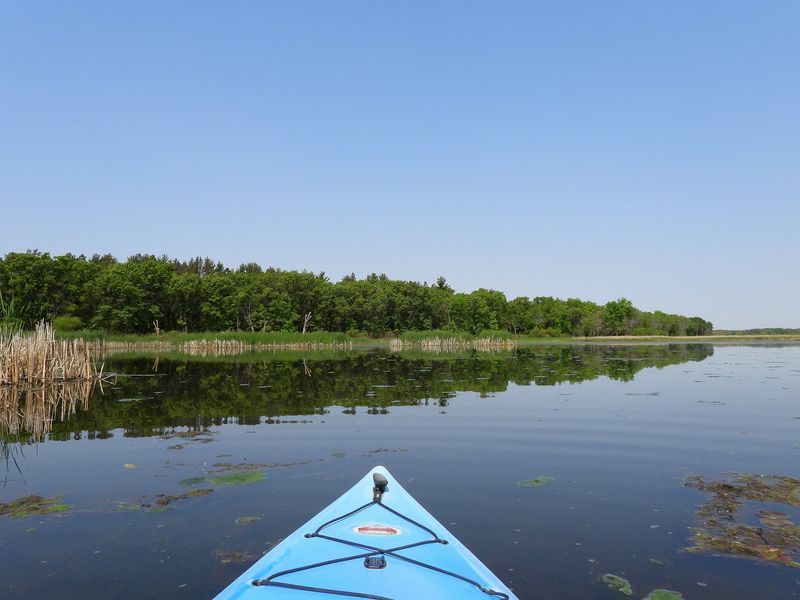
Paddles dipping into quiet water can reveal a side of Iowa many road trips miss.Sweet Marsh Wildlife Management Area, near Tripoli in Bremer County, is a wetland complex where open water, marsh plants, and nearby grasslands create excellent wildlife habitat.
For visitors who enjoy canoes or kayaks, viewing animals from the water can feel calm, careful, and exciting.
Ducks, geese, herons, egrets, bitterns, and songbirds use the marsh during different seasons.Muskrats may swim across channels, turtles may sun on logs, and frogs can fill warm evenings with sound.
Move slowly if paddling, because sudden splashes or loud voices can push wildlife away.
Land-based visitors can still enjoy the area from access points and trails where available.Bring binoculars, a dry bag for gear, and a map so you understand the layout before exploring.
Wind can make open water harder to handle, so beginners should choose calm days.
Spring migration and early summer nesting season are especially lively.Fall brings cooler air, changing colors, and groups of waterfowl moving through.
As with other Iowa wildlife areas, hunting seasons are part of the calendar, so check rules before visiting.Sweet Marsh stands out because it lets you meet wildlife at water level, where cattails tower and reflections double the sky.
7. Broken Kettle Grasslands Preserve in Plymouth County,
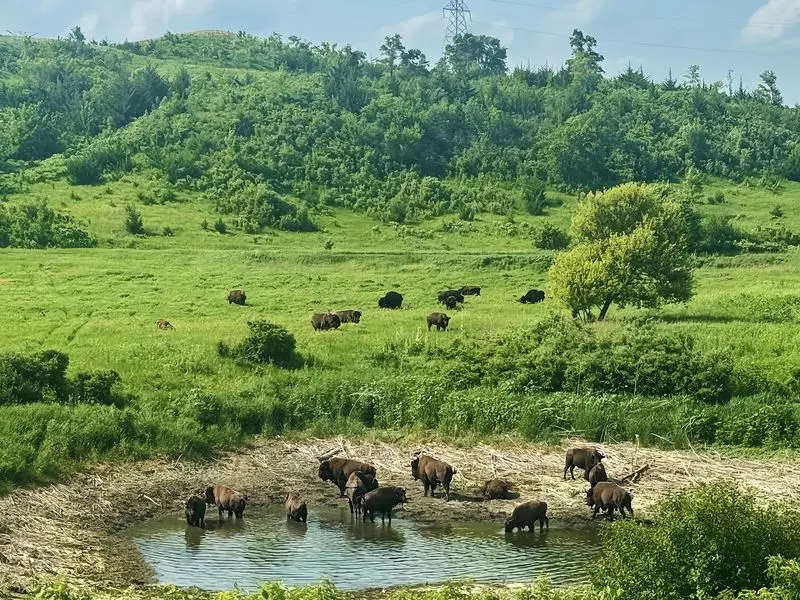
Rolling prairie under a huge sky can make you feel tiny in the best possible way.Broken Kettle Grasslands Preserve in Plymouth County protects one of Iowa’s largest remaining native prairie landscapes.
Managed by The Nature Conservancy, it is especially known for a conservation bison herd that helps shape the grassland through grazing.
Bison are powerful animals, so viewing them requires distance and respect.Use binoculars, stay behind fences or on allowed routes, and never approach for a photo.
Their grazing creates varied grass heights, which can help birds, insects, and plants find the conditions they need.
Birders may look for grasshopper sparrows, dickcissels, meadowlarks, northern harriers, and other prairie species.Wildflowers brighten the hills in warmer months, while butterflies and bees work across the blooms.
Because shade can be limited, bring water, sunscreen, a hat, and sturdy shoes.
The preserve also offers a lesson in Iowa history.Before farms and towns covered much of the state, tallgrass and mixed prairie supported huge webs of life.
Broken Kettle lets visitors imagine that older landscape while seeing modern conservation in action.Go quietly, keep pets away unless rules clearly allow them, and watch how wind moves across the grass.
Here, wildlife is not hidden in trees or marshes.It stands out against space, distance, and open light.
8. Browns Lake in Woodbine, Monona County,
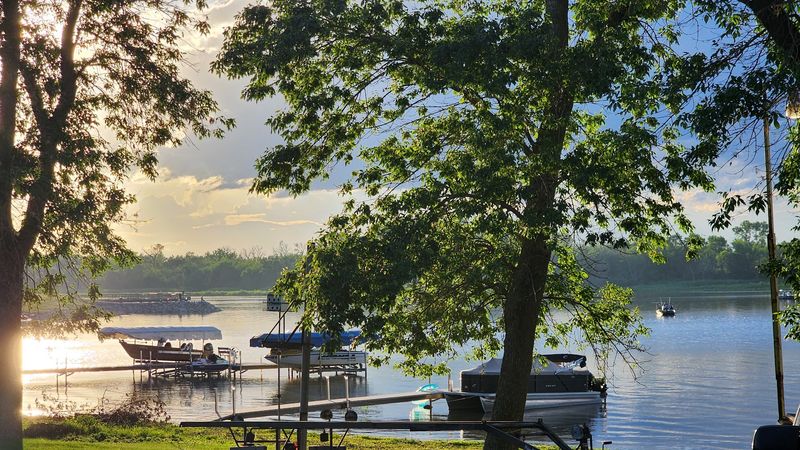
A lake visit can be more than fishing lines, picnic tables, and skipping stones.Browns Lake, near Woodbine in Monona County, offers a relaxed setting where visitors can watch wildlife along water, shore, and nearby habitat.
The pace feels friendly for families because you can pause, look, snack, and look again without rushing down a long trail.
Water attracts animals through every season.Ducks and geese may rest on the surface, swallows may skim for insects, and turtles may climb onto sunny logs.
At quieter times, deer or raccoons might appear near wooded edges, especially early or late in the day.
Bring binoculars even if you plan to stay close to your car or picnic spot.A simple pair can turn distant dots into grebes, gulls, herons, or diving ducks.
Children can practice comparing beak shapes, swimming styles, and footprints in soft mud.
Respect nesting birds by keeping space along shorelines and controlling noise.Pack out trash, including fishing line, because it can injure birds and turtles.
Wind direction matters, too, since sheltered coves often hold calmer water and more visible wildlife.Browns Lake gives a different perspective by blending recreation with observation.
You may come for a peaceful afternoon and leave remembering one perfect wingbeat over the water.
9. Ciha Fen Preserve in Johnson County,
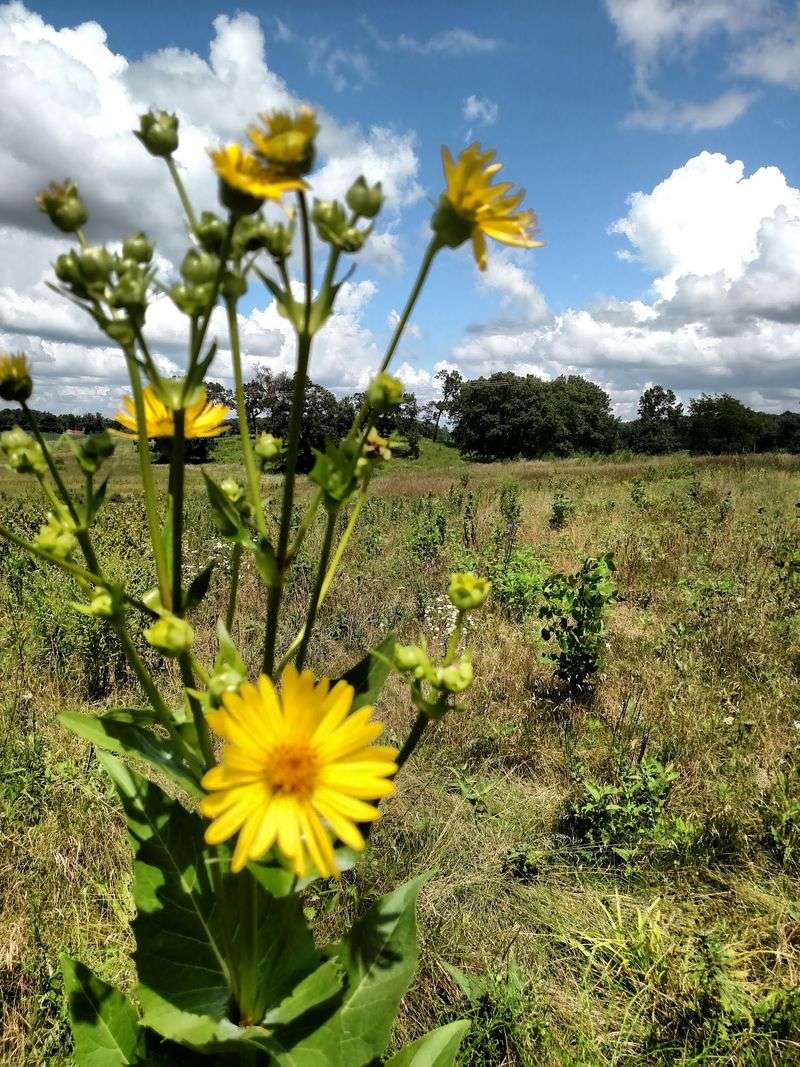
Not every wetland is loud, wide, or full of open water.Ciha Fen Preserve in Johnson County protects a rare type of spring-fed wetland called a fen, where cool groundwater shapes the soil, plants, and wildlife.
It asks visitors to notice small things, such as sedges, tiny flowers, butterflies, and the slow movement of water through the ground.
Fens are special because their water chemistry supports plants that may not grow in ordinary marshes.That plant variety can attract insects, amphibians, birds, and other small animals tied to careful habitat balance.
Step lightly and follow posted guidance, since fragile soils and rare plants can be harmed by careless wandering.
A visit here works best with a curious mindset instead of a checklist.Bring a hand lens, camera, or plant guide if rules allow close study from safe spots.
Waterproof footwear may help near damp areas, but staying on approved paths is still the most important choice.
Quiet visitors may hear sparrows, frogs, buzzing pollinators, or leaves shifting in the breeze.The preserve is also a good place to talk with kids about groundwater, because the habitat depends on water they cannot fully see.
Ciha Fen gives wildlife watching a close-up perspective, proving that tiny habitats can hold big conservation value.
10. Mines of Spain State Recreation Area in Dubuque, Dubuque County,
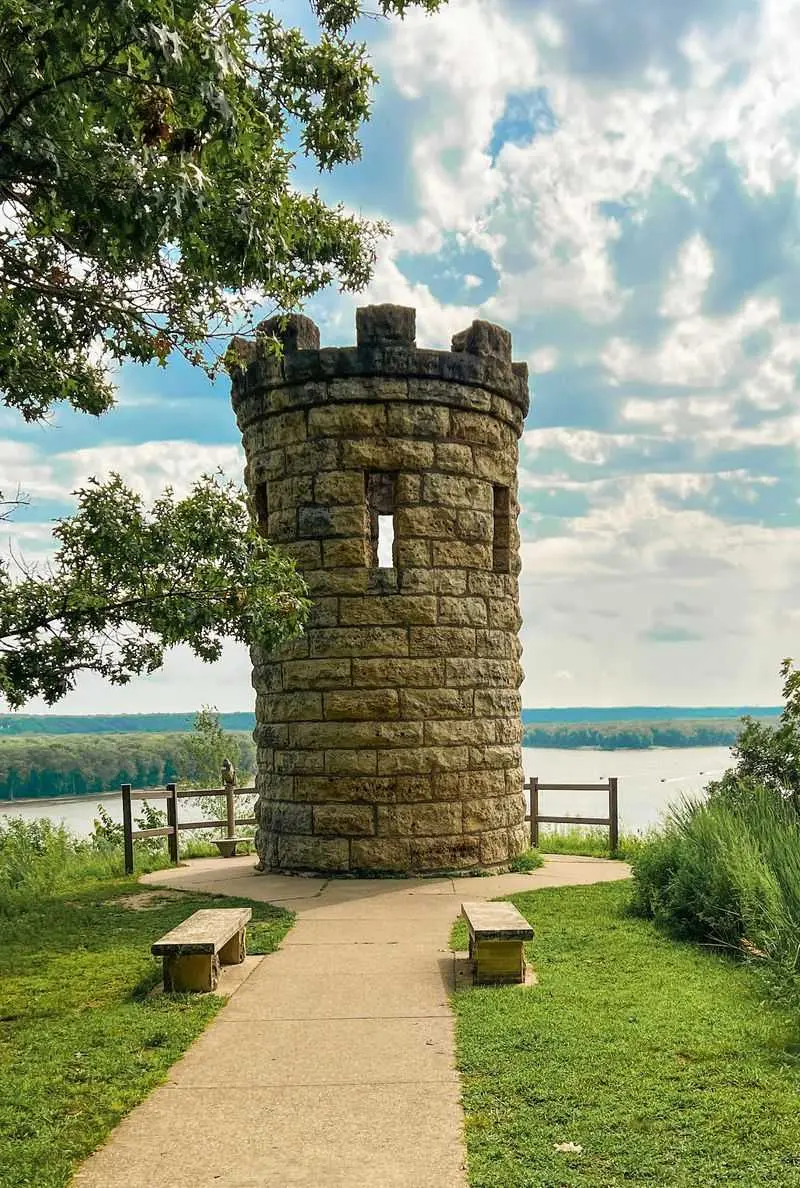
Bluffs above the Mississippi River make every bird call seem to echo longer.Mines of Spain State Recreation Area in Dubuque, Dubuque County, combines forest, prairie, wetlands, cliffs, and river views in one impressive place.
That variety means wildlife can be watched from shaded trails, open overlooks, and edges where habitats meet.
The Julien Dubuque Monument area gives a sweeping view of the river corridor.Bald eagles, vultures, hawks, gulls, and migrating birds may pass through the sky, while wooded paths hold woodpeckers, warblers, squirrels, and deer.
Spring brings wildflowers, and fall adds bright leaves that make animal movement easier to notice.
Wear comfortable shoes because trails can climb, turn rocky, or become slick after rain.Carry water, stay behind railings near overlooks, and give snakes or other wildlife plenty of space.
A visitor center can add background about natural history and the area’s long human story.
The site is named for early lead mining and is also connected with Native history and Mississippi River travel.That mix of culture and nature gives each hike extra meaning.
Try stopping often instead of treating the trail like exercise only.Mines of Spain shows wildlife from a layered perspective, where cliffs, trees, river, and history all share the same view.
11. Rice Lake Wildlife Management Area in Leland, Worth County,
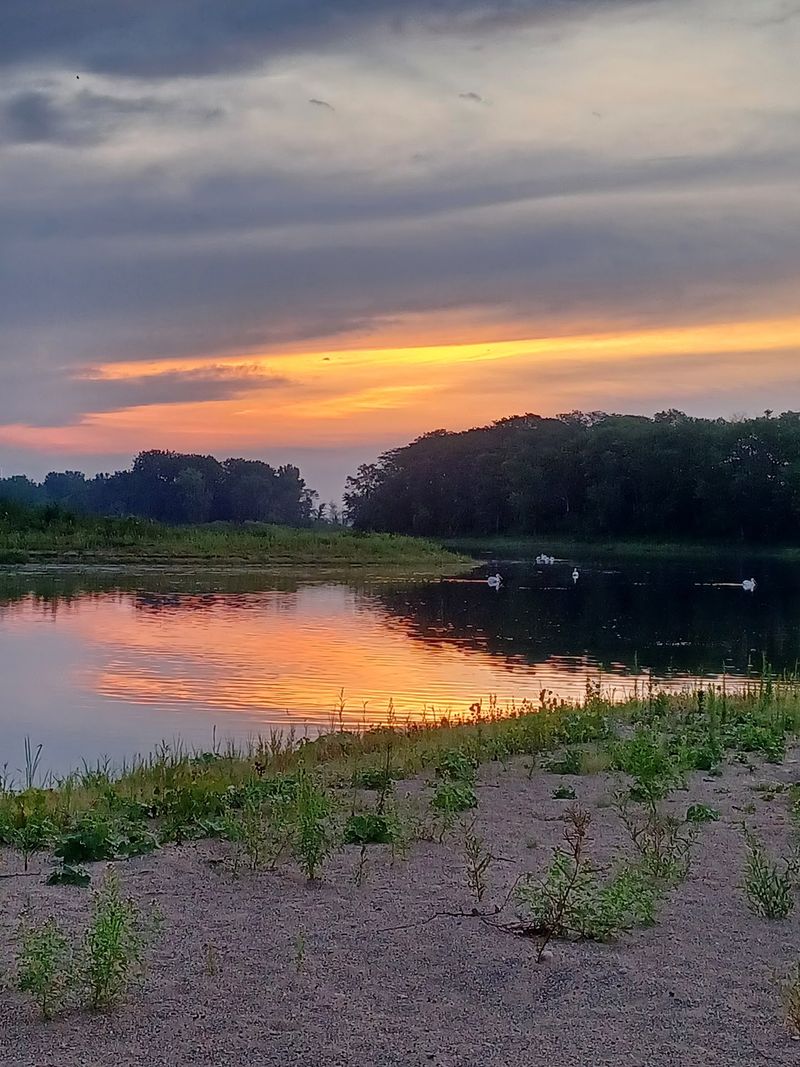
On a windy day, the water at Rice Lake can flash silver while birds stitch patterns across the sky.Rice Lake Wildlife Management Area, near Leland in Worth County, centers on a shallow lake and surrounding marsh habitat in northern Iowa.
Shallow water is valuable because it can provide food for dabbling ducks, shorebirds, wading birds, and many small aquatic creatures.
Migration seasons are especially rewarding here.Ducks, geese, pelicans, gulls, herons, and shorebirds may stop to rest and feed before continuing their journeys.
Because bird numbers can change quickly, repeat visits often feel like opening a new book each time.
Bring a spotting scope if you have one, since open water can make wildlife seem closer than it really is.Windproof clothing helps in spring and fall, and insect repellent is useful in summer.
Stay on public access routes and avoid disturbing birds gathered in large flocks.
Wildlife management areas may allow hunting during certain seasons, so review current rules and wear bright clothing when appropriate.Sunrise can be beautiful, with birds calling before the day gets busy.
Sunset is also strong, especially when silhouettes move across the lake.Rice Lake gives visitors a northern wetland perspective, where distance, weather, and moving flocks remind you that Iowa is part of a much larger migration map.