The Blue Ridge Mountains aren’t just becoming expensive—they’re slipping out of reach for the people who have always called them home.
Once quiet towns where families could build a life without financial pressure are now turning into expensive getaways.
Remote workers arrive chasing mountain views, retirees compete for scenic homes, and vacation buyers snap up property like it’s rare art. Prices climb fast, wages don’t.
Teachers, nurses, and local workers feel the squeeze every single month.
What used to be “affordable mountain living” now feels like a moving target. Entire communities are being reshaped, and many longtime residents are being pushed to the edges of the very places they helped build.
Asheville
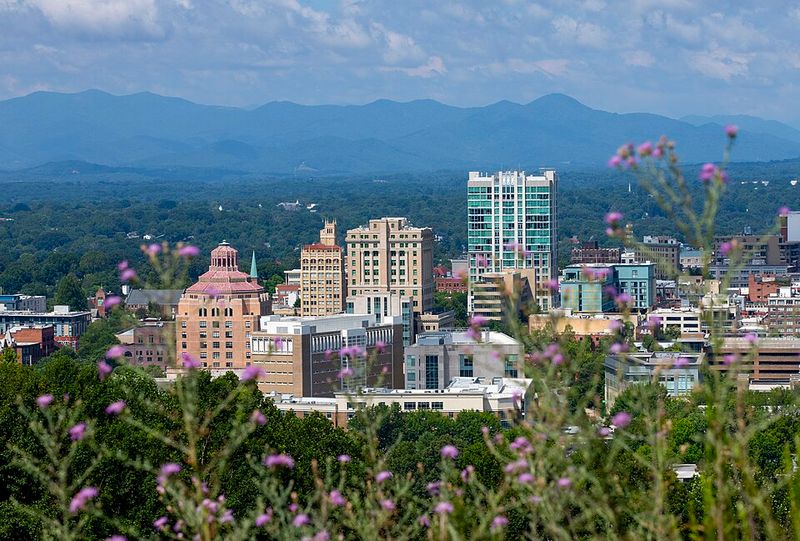
Home prices in Asheville have skyrocketed to levels that seem impossible for most locals. The median cost sits around the mid-$400,000s, while most jobs in town pay wages tied to tourism and hospitality.
That math simply doesn’t work for people trying to build a life here.
Remote workers discovered Asheville during the pandemic and never left. Retirees from Florida and the Northeast keep moving in, drawn by the mild climate and craft beer scene.
Each new arrival pushes existing residents further from the city center, creating longer commutes and fractured communities.
The rental market tells an equally tough story. One-bedroom apartments that once rented for $600 now command $1,400 or more.
Young families find themselves competing against out-of-state buyers who can pay cash, making homeownership feel like a fantasy.
Long-time residents watch their neighborhoods transform into Airbnb districts. The vibrant culture that made Asheville special is ironically driving away the artists and musicians who created it.
Many locals now face an impossible choice between leaving or struggling financially in their hometown.
Boone
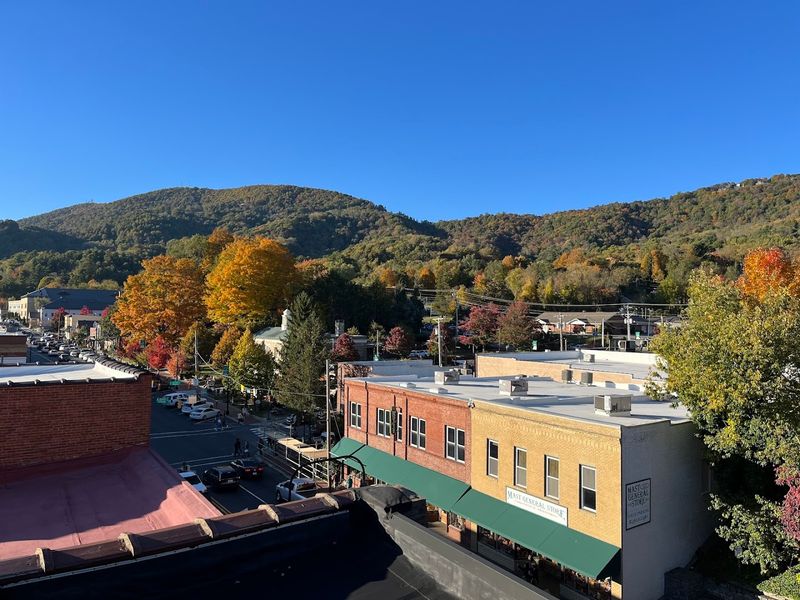
Appalachian State University keeps Boone’s rental market in constant pressure mode. Students need housing, parents buy investment properties, and the limited buildable land creates a perfect storm.
Prices climb every semester, and local workers get squeezed out in the process.
The High Country location means you can’t just build anywhere. Mountains and protected lands limit where developers can construct new homes, keeping inventory frustratingly tight.
What does get built often targets luxury buyers or student housing, not families earning average wages.
Teachers and hospital staff struggle to find affordable places within a reasonable commute. Some drive from Tennessee or deeper into rural counties just to work in Boone.
Gas costs eat into already stretched budgets, making the math even harder.
Home prices have climbed so far beyond local incomes that first-time buyers feel locked out completely. A house that sold for $180,000 a decade ago now lists for $400,000 or more.
Meanwhile, wages for retail, restaurant, and service jobs barely budged, creating a gap that grows wider each year.
Black Mountain
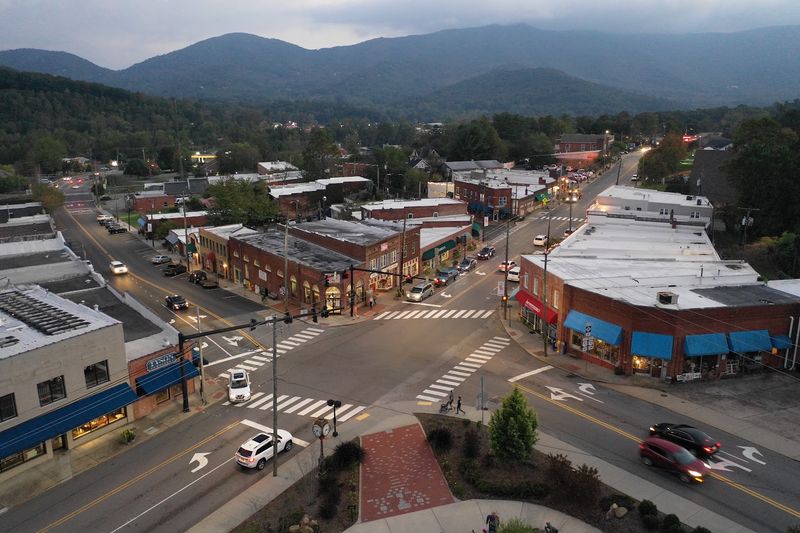
Just fifteen minutes from Asheville, Black Mountain used to be where people escaped high prices. Now it’s becoming just as expensive, transformed into a high-demand residential hub practically overnight.
Scenic beauty and proximity to the city make it irresistible to buyers with deep pockets.
Artists and retirees discovered this gem and spread the word quickly. Property values shot upward as out-of-state buyers realized they could get mountain views without downtown Asheville prices.
That advantage disappeared fast, leaving year-round residents scrambling to keep up.
The small-town charm that attracted people is at risk of disappearing. Local shops that served generations of families now compete with trendy boutiques aimed at weekenders.
Housing that once sheltered working families gets converted into vacation rentals or sells to investors.
Competition for homes has become fierce and frustrating. Cash offers from remote workers beat out local buyers trying to use traditional mortgages.
Young people who grew up here find themselves priced out of the neighborhoods where they learned to ride bikes and attended school.
Blowing Rock
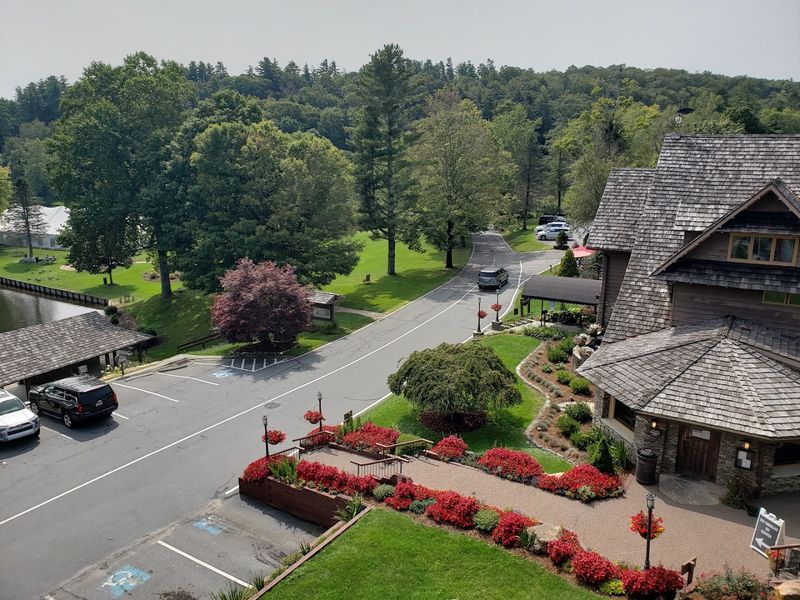
Luxury defines Blowing Rock in ways that leave little room for average earners. Average home values hover around the mid-$700,000s, with many properties pushing well into the millions.
This isn’t a town where service workers, teachers, or nurses can realistically plant roots.
Second-home ownership dominates the market here. Wealthy families from Charlotte, Atlanta, and beyond maintain vacation properties they visit a few weeks each year.
The rest of the time, these houses sit empty while local workers commute from more affordable areas miles away.
The town’s picture-perfect setting on the Blue Ridge Parkway drives demand that never seems to slow. Every lot with a mountain view gets snapped up quickly, usually by buyers who don’t need a mortgage.
Developers cater to this high-end market, building estates rather than starter homes.
Restaurant servers, retail clerks, and hotel staff can’t afford to live anywhere near where they work. Some drive an hour each direction, spending precious time and money on commutes.
Others share crowded apartments in neighboring towns, making the best of an impossible situation.
Highlands
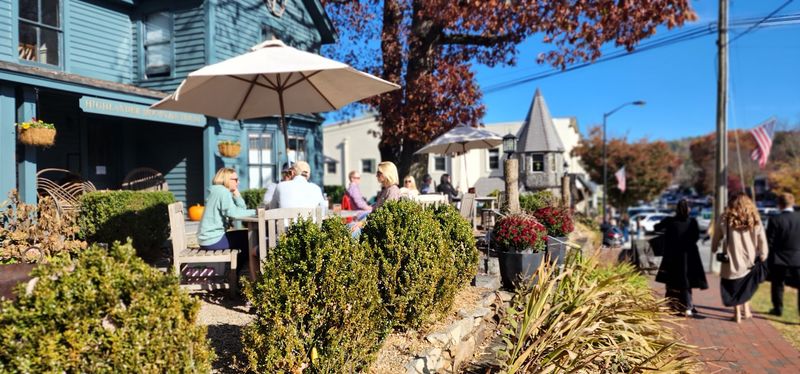
Multimillion-dollar estates sprawl across Highlands like monuments to extreme wealth. This ultra-luxury mountain enclave operates in a financial stratosphere completely disconnected from normal life.
Seasonal ownership rules here, with most properties serving as summer retreats for the ultra-rich.
Local workers face a stark reality in this town. They serve meals, clean houses, and maintain properties they could never afford even with a lifetime of savings.
Most live thirty minutes or more away, commuting through winding mountain roads to jobs that barely cover basic expenses.
The pricing pressure isn’t just about houses. Grocery stores, gas stations, and even haircuts cost more when surrounded by multimillionaires.
Everything gets calibrated to tourist budgets, making everyday life expensive for people earning local wages.
Generations of families have left Highlands, unable to sustain themselves financially. The community that once thrived here has been replaced by a rotating cast of seasonal residents and service workers passing through.
Historic connections to the land mean little when property values soar beyond comprehension, leaving only memories of what used to be affordable mountain living.
Cashiers
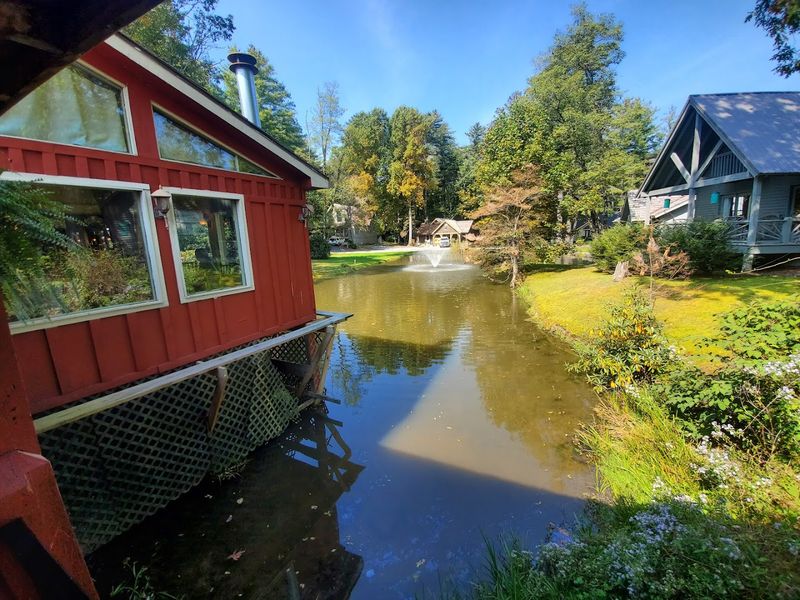
Gated communities and resort-style housing dominate Cashiers like fortresses of wealth. Similar to neighboring Highlands, rapid upscale development has transformed this area into a playground for the affluent.
The working class finds itself increasingly unwelcome in a place their grandparents called home.
Service workers essential to keeping this resort economy running face impossible housing costs. Housekeepers, landscapers, and restaurant staff earn modest wages while watching property values climb into the stratosphere.
The disconnect between income and housing creates daily stress and long-term uncertainty.
New construction focuses almost exclusively on luxury estates and vacation properties. Developers see dollar signs in wealthy second-home buyers, not in building affordable housing for locals.
Each new gated entrance represents another barrier between workers and the community they serve.
Affordability has become so limited that multi-generational households crowd into whatever housing remains accessible. Young adults delay independence, families double up, and creativity stretches budgets as far as possible.
The mountains that once offered opportunity now feel like walls keeping regular people out, reserved for those who can afford six-figure second homes they’ll visit a few times yearly.
Brevard
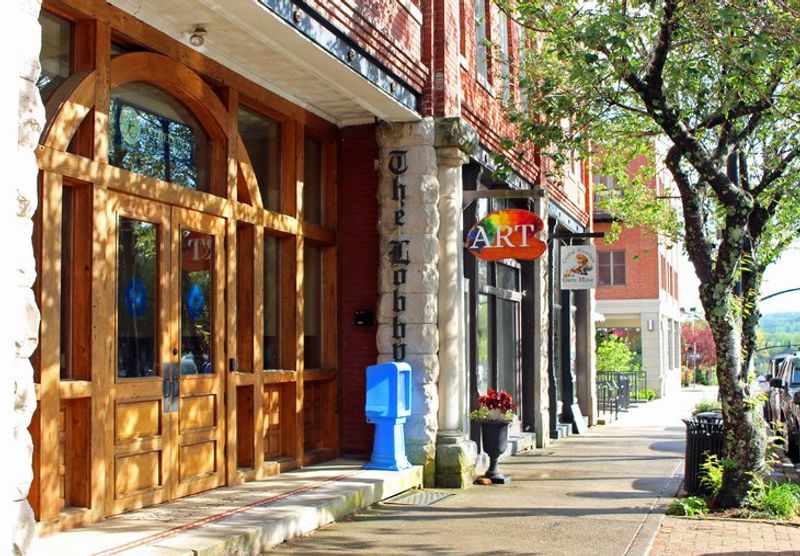
Waterfalls and mountain biking trails put Brevard on the map for outdoor enthusiasts everywhere. Retirees seeking adventure and remote workers craving recreation have steadily driven up prices.
While not yet as extreme as Highlands or Blowing Rock, affordability is tightening at an alarming pace.
The town’s appeal to newcomers creates challenges for existing residents. Properties that once sold to local families now get snatched up by cash buyers from out of state.
Each sale pushes the median price higher, making the next purchase even harder for people earning Brevard wages.
Local incomes haven’t kept pace with the real estate boom. Jobs in retail, healthcare, and education pay roughly the same as they did years ago.
Meanwhile, housing costs have climbed thirty or forty percent, creating a growing gap that squeezes budgets painfully tight.
Compared to a decade ago, young professionals and families feel the difference acutely. Starter homes that seemed attainable now require dual incomes and significant down payments.
Rentals have followed the same trajectory upward, leaving fewer options for people just trying to stay in the community where they work and raise children.
Hendersonville
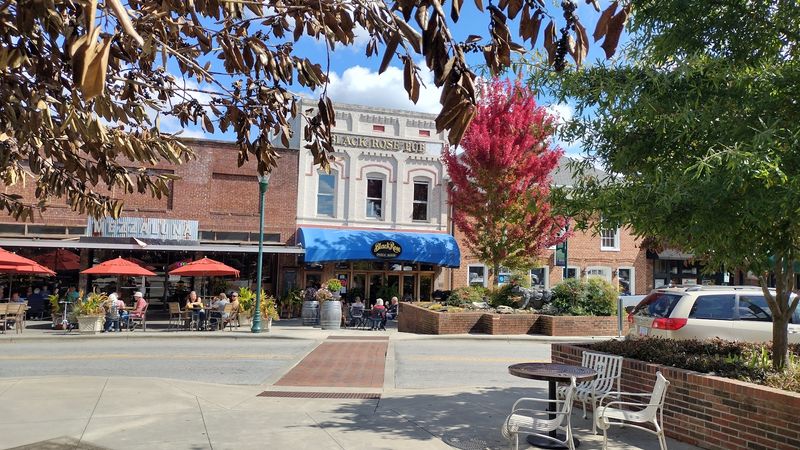
Retiree migration has steadily reshaped Hendersonville’s housing landscape over the past decade. This town remains more balanced than others on this list, but locals definitely feel the pinch.
Spillover demand from Asheville brings buyers willing to pay premium prices for anything with curb appeal.
Apple orchards and mild climate make Hendersonville attractive to people leaving colder states. They arrive with equity from selling homes up north, ready to pay cash for mountain views.
Local buyers using traditional financing struggle to compete in bidding wars they never expected to fight.
Many long-time residents report a significant reduction in affordability compared to ten years ago. Houses their friends bought for $150,000 now list for $300,000 or more.
Wages in town haven’t doubled, creating math that doesn’t work for teachers, nurses, and retail workers.
The market hasn’t reached crisis levels yet, but the trajectory concerns people who’ve watched neighboring towns become unaffordable. Each year brings new retirees, more competition for housing, and higher prices.
Locals wonder how long Hendersonville can maintain its character before becoming another mountain town where only wealthy newcomers can afford to live comfortably.
Waynesville
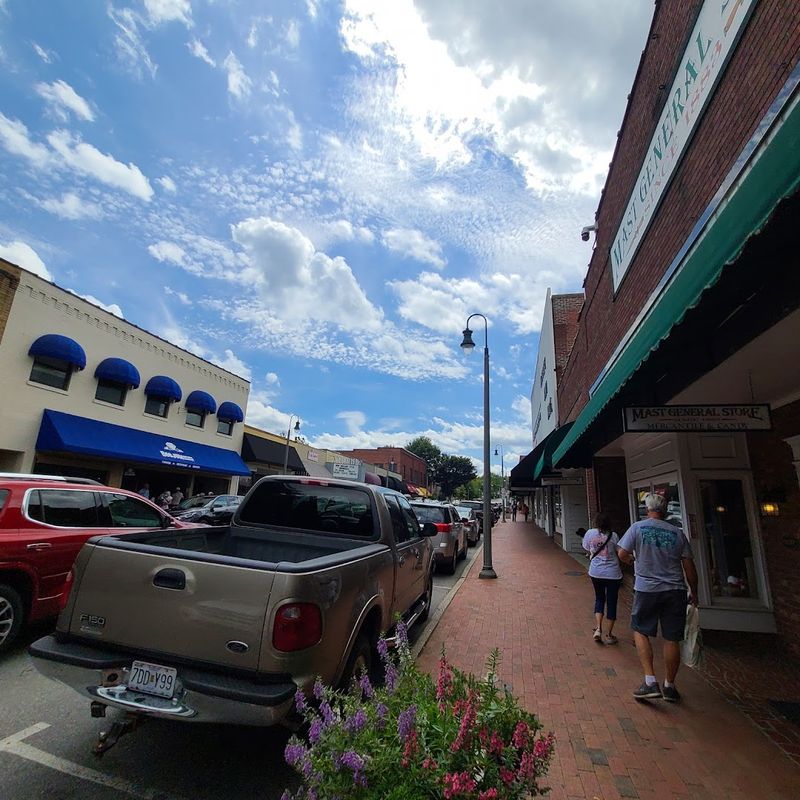
This town presents a mixed affordability picture that varies by neighborhood. Waynesville remains more accessible than Asheville or Boone, but that advantage is shrinking fast.
Retirees and second-home buyers have discovered its charm, pushing prices steadily upward in desirable areas.
Some neighborhoods still offer reasonable options for local buyers. Others have transformed into high-demand zones where competition drives prices beyond reach.
The divide creates a two-tier market that benefits newcomers with money while challenging long-time residents trying to upgrade or downsize.
Tourism brings jobs but also fuels the housing pressure that makes life harder. Visitors fall in love with Waynesville and decide to make it their retirement destination.
Their arrival boosts the economy but also tightens the housing market, creating winners and losers among locals.
Compared to a decade ago, finding affordable housing in Waynesville requires more compromise and patience. First-time buyers accept smaller homes further from town centers.
Renters face fewer choices and higher monthly costs. The comfortable middle ground that once defined this community is gradually disappearing, replaced by luxury developments and remaining affordable options growing scarcer each year.
Sylva
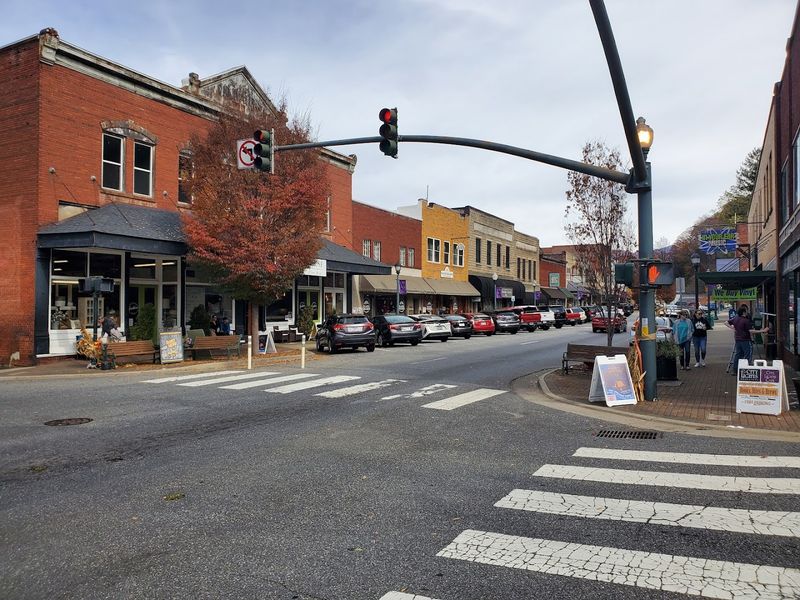
Western Carolina University creates steady rental demand that affects the entire town. Students need housing, investors buy properties, and prices inch upward each academic year.
Regional tourism adds another layer of pressure, though Sylva remains more affordable than major Blue Ridge destinations.
The “can’t afford anymore” label fits Sylva only partially at this point. Moderate pressure exists, but it hasn’t reached crisis levels yet.
Long-time residents notice changes but still find options if they’re flexible about location and condition.
Compared to Asheville or Boone, Sylva offers breathing room for local buyers. Houses exist in the $200,000 to $300,000 range, attainable for dual-income families with decent credit.
Rentals remain challenging near campus but manageable elsewhere, creating a mixed experience depending on your needs.
The concern is trajectory rather than current crisis. Prices are rising faster than they did historically, suggesting Sylva might follow the same path as other mountain towns.
Local workers watch nervously, hoping their community doesn’t become another cautionary tale. For now, teachers and healthcare workers can still afford to live here, but that reality feels increasingly fragile as outside interest continues growing steadily.
Maggie Valley
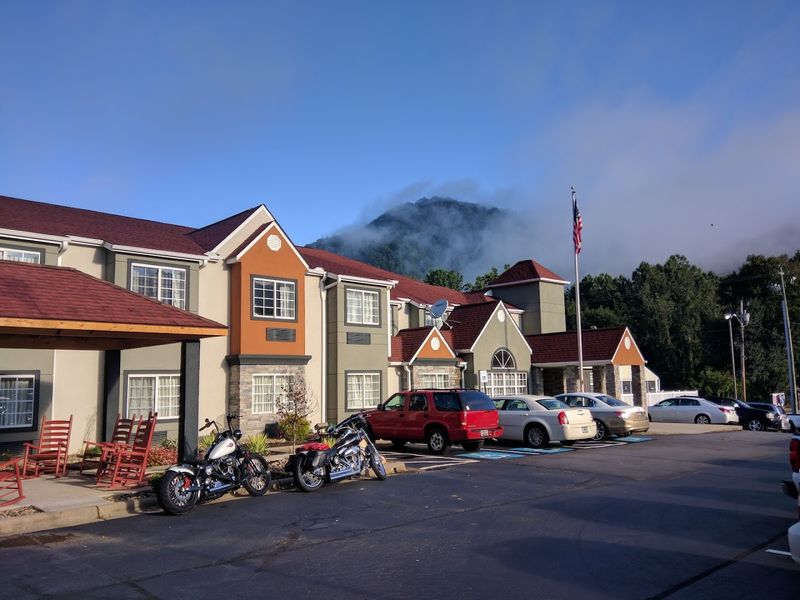
Vacation rentals shape Maggie Valley’s housing market in ways both helpful and harmful. Tourism drives the economy, but it also converts long-term housing into short-term rentals.
Seasonal demand increases costs in some areas, though overall prices remain lower than nearby resort towns.
Compared to Asheville or Boone, Maggie Valley still offers relative affordability. Year-round residents can find options that don’t require extreme financial stretching.
The tourism-dependent economy creates its own challenges, but housing costs haven’t spiraled completely out of control yet.
The seasonal nature of work here complicates the affordability picture. Many jobs pay well during peak months but disappear in winter, making consistent mortgage payments difficult.
Some locals work multiple jobs or save aggressively during busy seasons to survive slower periods throughout the year.
Rising costs have affected Maggie Valley, but calling it unaffordable overstates the situation compared to other Blue Ridge towns. Challenges exist, particularly for families relying on tourism wages, but opportunities remain for people willing to navigate the seasonal economy.
The town maintains a working-class character that many mountain communities have lost, though how long that lasts remains uncertain as development pressures continue.