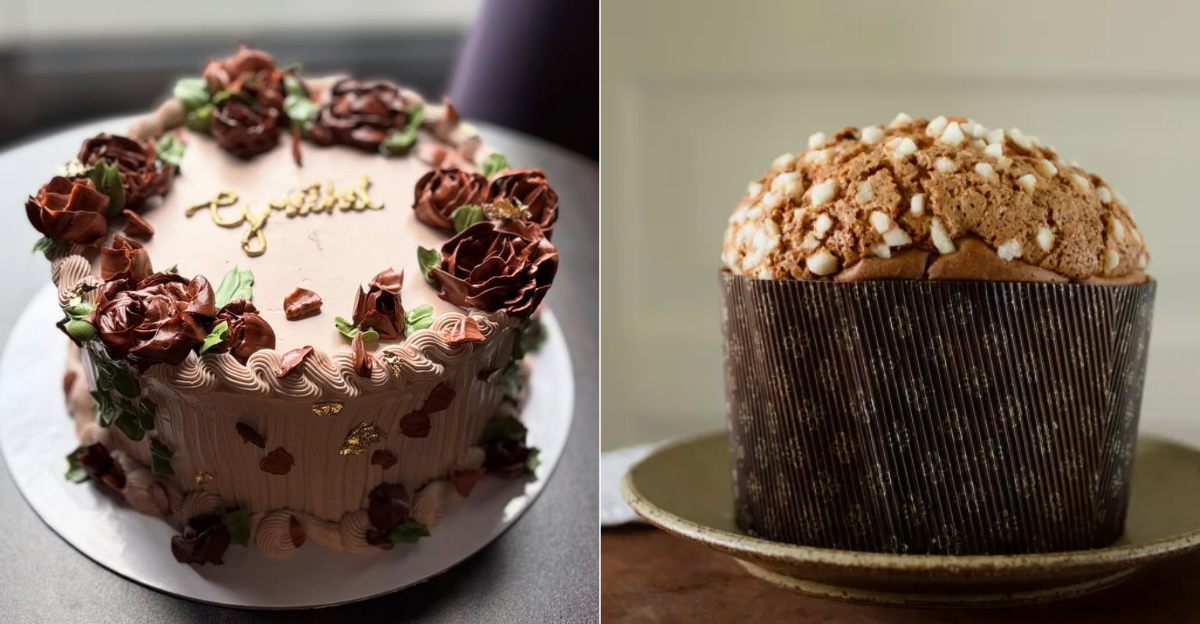
While the modern dessert industry often relies on increasingly complex flavor combinations to attract attention, independent bakeries and family-owned pastry shops across North Carolina continue to champion the value of baking from scratch.
Chocolate cake has become a quiet benchmark by which many locals judge a baker’s skill, serving as a dessert where texture, moisture, and balance are achieved through discipline rather than nostalgia alone.
Although these destinations have earned devoted followings because of their celebrated chocolate cakes, they are far more than one-dimensional dessert stops.
Each offers a carefully developed selection of artisan pastries, seasonal specialties, and baked goods that attract food enthusiasts from across the region.
Explore this collection of 11 iconic destinations in North Carolina that have elevated chocolate cake to an exceptional standard through craftsmanship, consistency, and a commitment to traditional baking techniques.
Chocolate Layer Cake – Maxie B’s, Greensboro
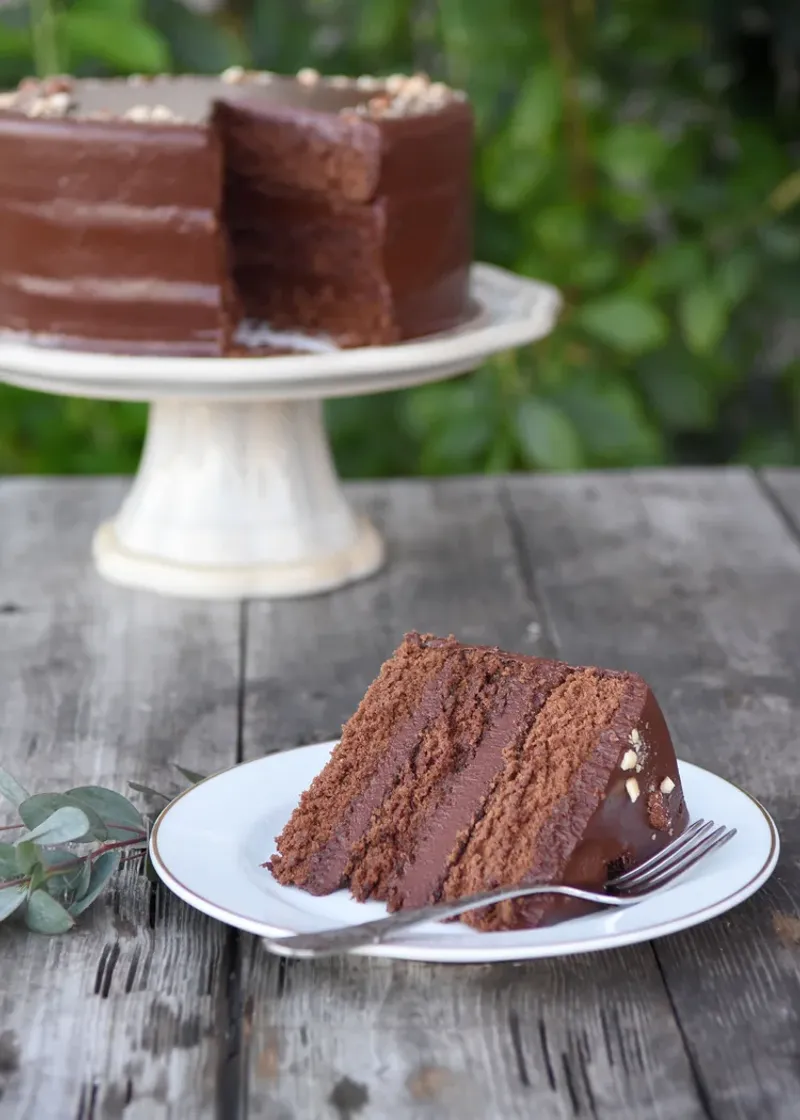
Classic layer cake depends on proportion, and this version shows why balance matters more than excess. Moist layers deliver a deep cocoa flavor while maintaining a light, approachable texture.
That restraint is often what separates a comforting chocolate cake from one that feels overly rich or heavy.
Instead of pushing sweetness too hard, the frosting works as contrast, giving creamy lift to a crumb that stays tender because the batter is mixed with restraint.
Southern cake tradition often values generosity, yet the best examples also respect structure, and that principle comes through clearly here.
Each layer feels sturdy enough to stack neatly but soft enough to cut without pressure, a sign that moisture was protected from oven to cooling rack.
Bitterness never dominates, because the chocolate flavor is rounded and familiar rather than sharp.
From-scratch baking matters most in cakes like this, where every detail is exposed.
Homemade perfection comes from even layers, clean frosting spread, and a texture that recalls birthdays, church suppers, and family tables without feeling old-fashioned in a stale way.
Chocolate Cake – Burney’s Sweets & More, Elizabethtown
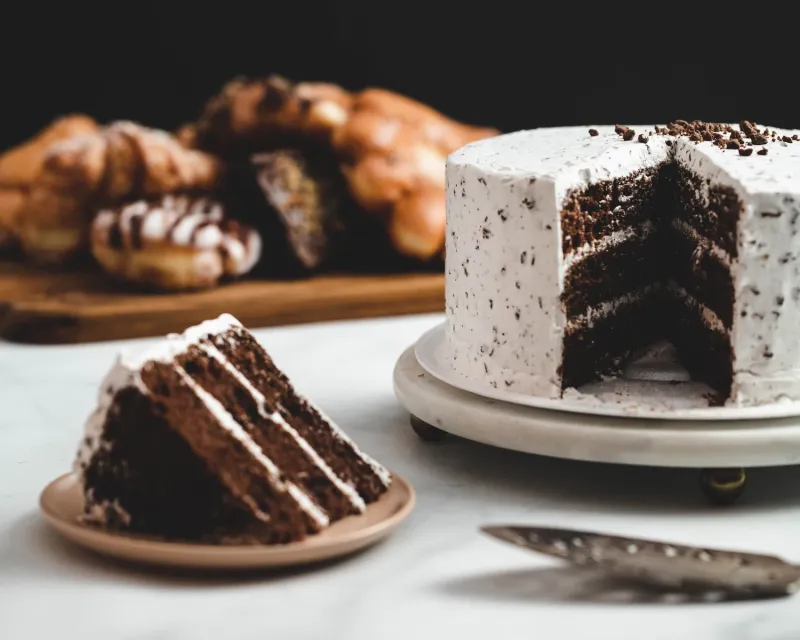
Local baking culture tends to reward consistency, and that is especially true with straightforward chocolate cake.
One uneven layer or overly sweet finish can break the illusion of home baking, so dependable texture becomes part of the dessert’s identity.
Here, the chocolate flavor develops gradually, opening with mellow cocoa before settling into a fuller, almost nostalgic finish.
Many home bakers chase intensity first, but this style shows how familiarity can be more powerful than drama.
A soft crumb keeps the cake approachable, while the frosting supports rather than smothers the chocolate underneath.
That relationship matters because repeated favorites are usually built on reliability, not novelty.
Customer loyalty around cakes like this often grows from memory as much as taste.
Week after week, people return to the same slice because the sweetness stays measured, the layers remain moist, and the flavor never drifts from its core character.
Consistency is a craft skill, and in chocolate cake, it can feel every bit as meaningful as invention.
Chocolate Ganache Cake – Asali Desserts & Café, Charlotte
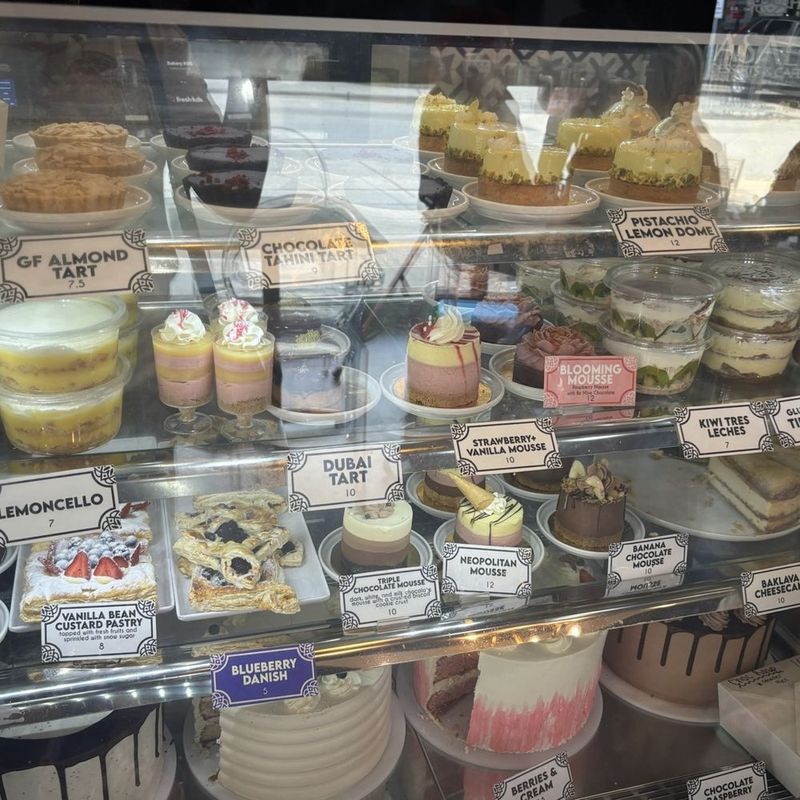
Ganache changes the whole language of chocolate cake because it replaces fluffy sweetness with satin density.
Rather than sitting on the surface like a separate topping, it merges with the layers and creates a more continuous chocolate experience.
Precision matters at every stage, since temperature, ratio, and timing determine whether the finish looks polished or dull.
Assembly also becomes part of the flavor story in a cake like this.
Smooth filling, level stacking, and clean coating help distribute richness so each bite feels intentional instead of overwhelming.
A stronger chocolate profile works best when the crumb remains supple, allowing the ganache to read as luxurious rather than heavy.
Modern pastry craft often reveals itself through restraint, and that quality is easy to recognize here. Decorative excess would distract from the glossy finish and careful geometry that make the cake convincing.
Refined technique gives homemade comfort a more formal expression, proving that perfection can come from measured edges, concentrated flavor, and the quiet confidence of a well-made glaze.
Chocolate Cake – Guglhupf Bakery, Café & Restaurant, Durham
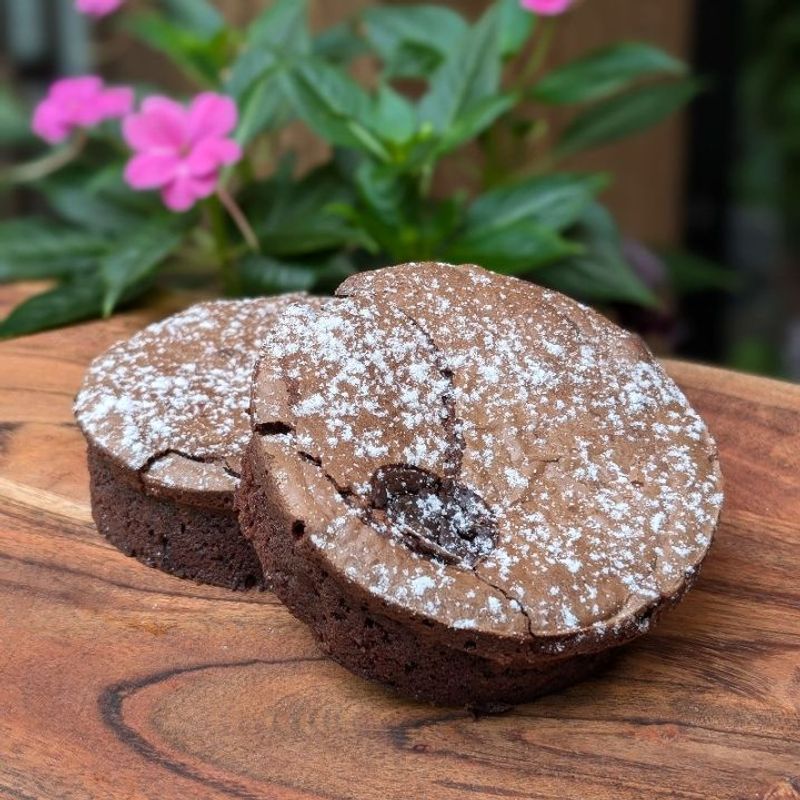
European baking influence often appears first in texture, and this cake leans toward density without becoming dry.
That distinction is important because a close crumb can concentrate chocolate flavor while still feeling delicate on the palate.
Structure is treated as part of the pleasure, not merely a practical concern for slicing and serving.
Compared with softer American celebration cakes, this style reads more deliberate and composed.
Butter, cocoa, and flour seem calibrated for clean edges, steady layers, and a bite that asks you to slow down.
Such control reflects pastry training that values measured mixing and careful baking over visual excess.
Contemporary baking culture has embraced hybrid styles, yet cakes like this remind you what traditional European methods contribute.
Firmness gives the chocolate greater definition, while restrained sweetness prevents the finish from flattening into sugar.
Technique carries the cake from simple comfort into something more refined.
Careful execution turns familiar ingredients into a dessert with structure, consistency, and lasting appeal.
In that sense, homemade perfection can mean discipline, balance, and a crumb that holds its shape with quiet elegance.
Chocolate Layer Cake – Nantucket Grill, Raleigh
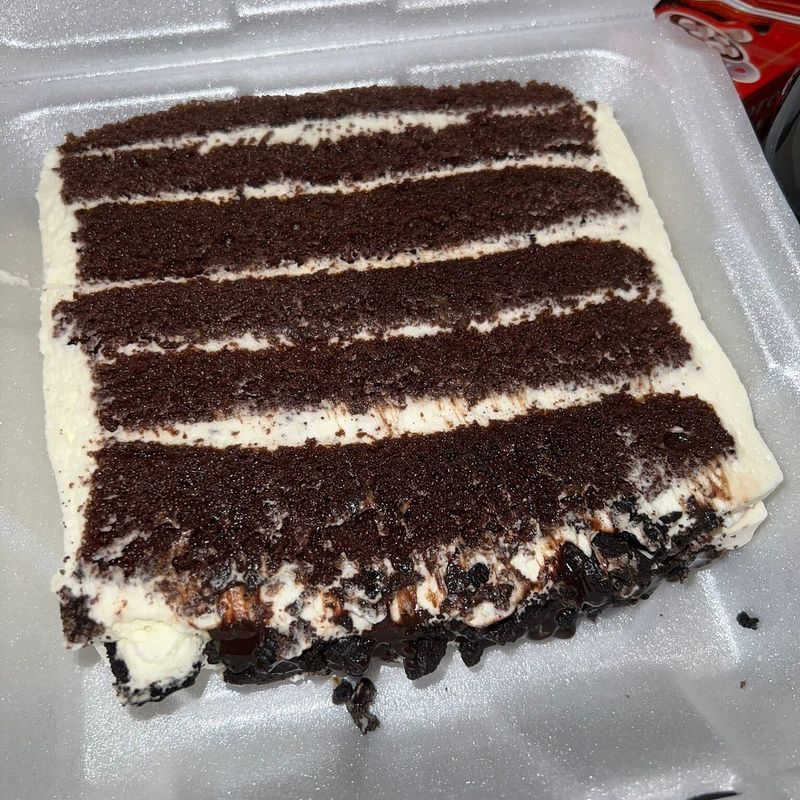
Restaurant dessert culture has a different rhythm from bakery counter service, and classic chocolate layer cake responds well to that setting.
Slices need to look generous on the plate, hold together through service, and still deliver a crumb that feels soft instead of refrigerated.
This style succeeds when familiar flavors are amplified just enough to feel special at the end of a meal.
Homey appeal comes from the way the layers and frosting echo the cakes many people grew up seeing under glass domes.
Nothing about the structure feels overly precious, yet the cake still depends on proper stacking, even baking, and frosting that spreads smoothly without sliding.
Those fundamentals matter because restaurant cakes are often judged at first glance before the fork ever lands.
Enduring popularity follows from comfort built on technique.
Balanced sweetness keeps the final course from feeling exhausting, while a moist interior gives each bite the softness people expect from traditional chocolate cake.
Old-school layer cake survives changing dessert trends because it satisfies with scale, familiarity, and the reassuring clarity of a recipe that knows exactly what it wants to be.
Chocolate Cake – Amélie’s French Bakery & Café, Charlotte
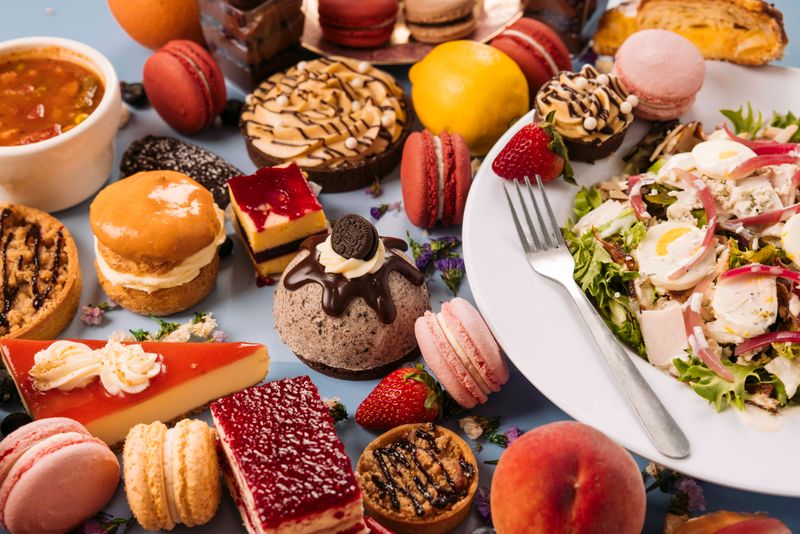
French pastry influence often changes chocolate cake through finish and form rather than sheer size. Presentation becomes part of the experience, with cleaner lines, sharper layering, and a stronger sense that each component has a specific role.
Creativity matters here, but it works best when visual charm still serves flavor and texture.
European technique tends to favor precision in mixing, trimming, and icing, which gives the cake a more composed personality.
Chocolate reads clearly because sweetness is held in check, allowing the crumb and frosting to speak in separate voices.
Local flavor enters not through novelty ingredients alone, but through a softer, more approachable interpretation of formal pastry habits.
What makes this style compelling is the tension between elegance and familiarity.
Decorative choices can feel playful, yet the cake beneath them still relies on classic principles such as even aeration, controlled moisture, and a finish that does not crush the layers.
Refinement, when handled well, does not distance chocolate cake from homemade feeling. Instead, it sharpens the pleasure by showing exactly how craft can make comfort look graceful.
Chocolate Cake – Union Special Bread, Raleigh
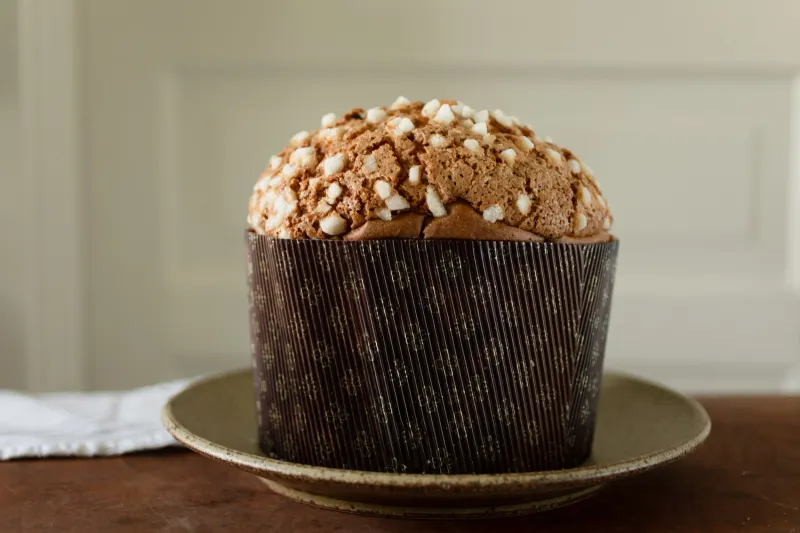
Artisan baking philosophy often shines brightest in simple desserts because there is nowhere to hide weak ingredients.
A chocolate cake built with good cocoa, proper dairy, and careful mixing can reveal more skill than an ornate showpiece.
Minimalism only works when execution is exact, especially with moisture, crumb evenness, and frosting thickness.
Scratch-made baking gives this kind of cake its authority.
You can sense the difference when the layers taste fully integrated rather than assembled from separate sweet parts.
Cocoa depth, tender texture, and restrained icing all point to craftsmanship that values ingredient quality over decoration.
Seemingly plain cakes demand confidence because every flaw remains visible from the first slice onward. No dramatic garnish distracts from whether the crumb is soft, whether the sweetness is balanced, or whether the finish leaves a clean chocolate impression.
Craft matters here in a practical way, turning a modest form into something memorable through discipline alone.
Homemade perfection often lives in that restraint, where the baker trusts solid technique, honest materials, and the quiet satisfaction of a cake that never tries too hard.
Chocolate Buttercream Cake – Southern Sugar Bakery, Raleigh
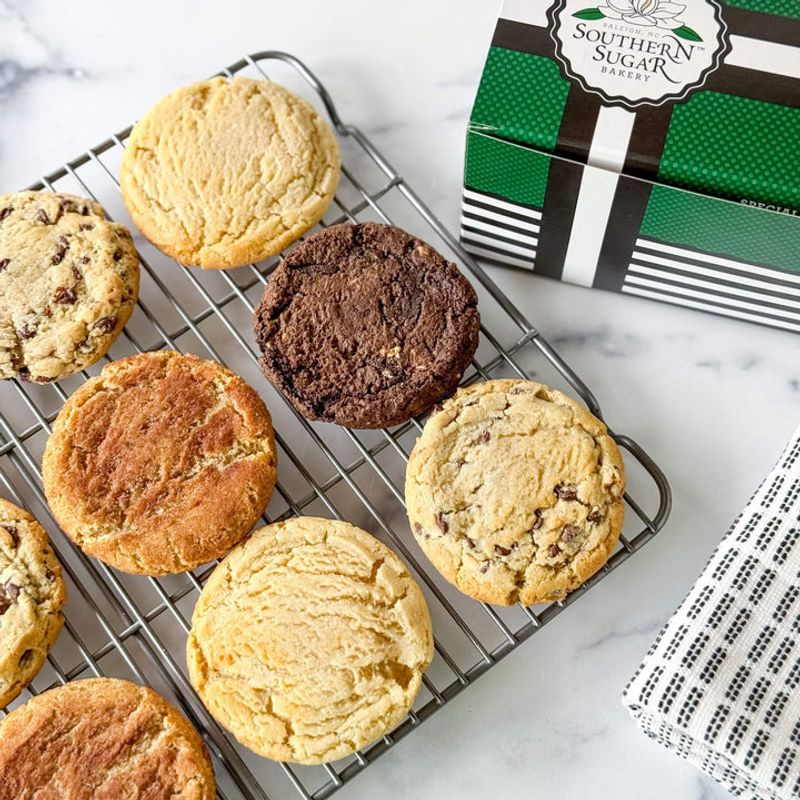
Buttercream defines the personality of this cake more than any other single component.
Its texture can shift from airy to dense depending on how the fat and sugar are worked, and that choice determines whether the finish feels light, rich, or overly sweet.
Here, the icing functions as architecture as well as flavor, holding the layers in place while giving the cake a celebratory look.
Good cake structure matters even more when buttercream is central.
Layers must be sturdy enough to support generous frosting, yet soft enough that the crumb does not resist the knife.
Home baking influence is easy to recognize in that combination, since many celebration cakes aim for visual warmth rather than strict pastry minimalism.
Character emerges through the interaction of sponge and icing.
A smoother, silkier buttercream makes chocolate feel rounder, while a heavier style can push the cake toward old-fashioned birthday nostalgia.
That is why technique in whipping, spreading, and temperature control matters so much.
Homemade perfection, in this case, is not about simplicity.
It is about using buttercream to create texture, shape memory, and turn chocolate cake into an event.
Chocolate Party Cake – Buzzy Bakes Bakeshop, Wilmington
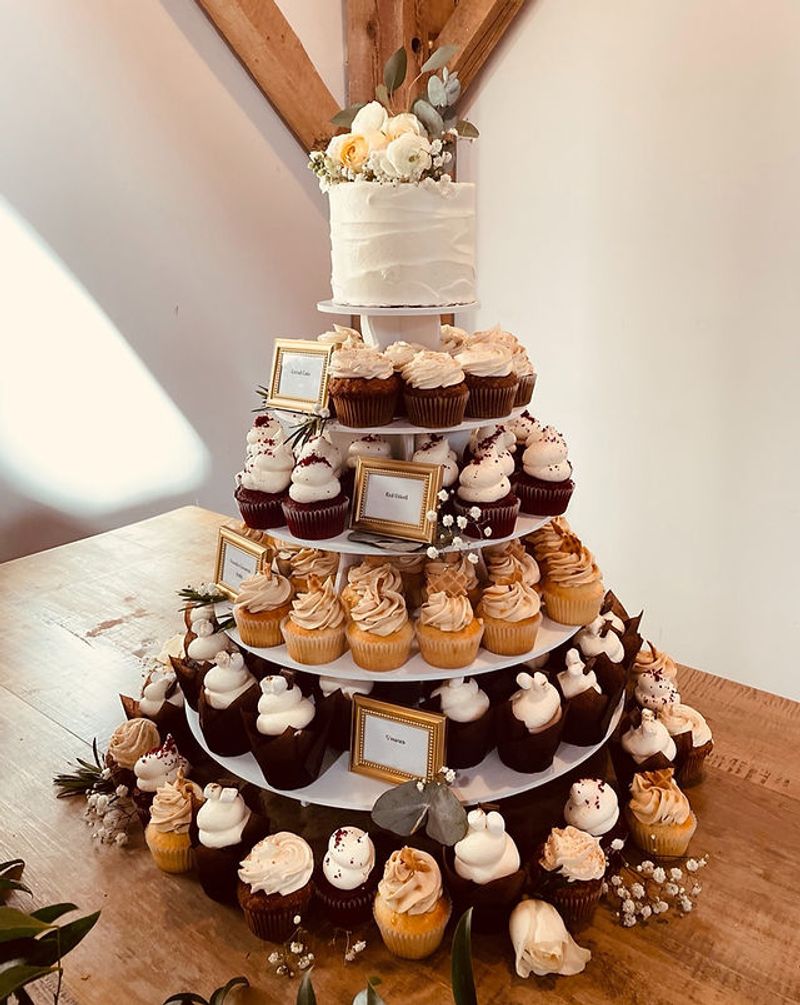
Custom celebration cakes succeed only when precision supports the spectacle, and chocolate party cake is a perfect example.
Decorative technique may grab attention first, yet the real challenge lies in building layers that remain level, moist, and stable under frosting and finishing work.
Accuracy in weighing, baking, cooling, and trimming protects the final slice from becoming dry or lopsided.
Layered cakes for parties need a specific kind of engineering.
Fillings must stay in place during transport, crumb coats must lock loose crumbs down, and outer decoration has to complement rather than bury the chocolate beneath.
Those details explain why precision baking matters beyond appearance alone.
Celebration desserts carry emotional weight, so reliability becomes part of the flavor experience.
Guests expect a clean cut, clear layers, and icing that feels intentional instead of rushed.
Chocolate works especially well in this format because it can support bold decoration without losing its familiar comfort.
Homemade perfection appears here through control, where careful measurements and decorative discipline ensure that the cake still tastes like a real dessert rather than a prop made for candles and photographs.
Chocolate Cake with Chocolate Icing – Blue Moon Bakery, Cary
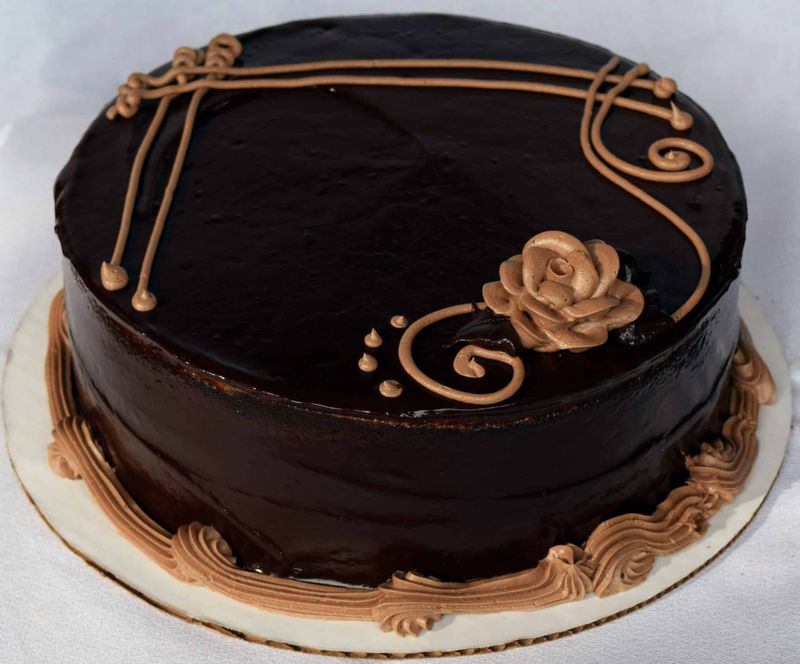
Chocolate icing creates a different effect from buttercream because it emphasizes direct cocoa richness over airy sweetness.
The topping settles closer to the cake, forming a more unified bite where frosting and crumb feel inseparable.
That old-fashioned style matters because it recalls the practical brilliance of home kitchens that favored flavor concentration over decorative flourish.
Moist texture becomes especially important when both cake and icing lean heavily into chocolate.
If the crumb dries even slightly, the topping can read dense instead of luscious, flattening the whole dessert.
A well-made version keeps the interior soft enough to balance the thicker finish and preserve contrast in each forkful.
Classic chocolate desserts endure because they understand what many people actually want from cake. Richness should feel comforting, not exhausting, and the icing needs enough body to deepen flavor without turning fudge-like and stiff.
That measured intensity is what makes this style memorable.
Homemade perfection comes from keeping the chocolate flavor full and clear while preserving tenderness in every layer.
That balance requires careful attention to texture, moisture, and proportion.
Chocolate Cake with Chocolate Icing – Groovy Duck Bakery, Raleigh
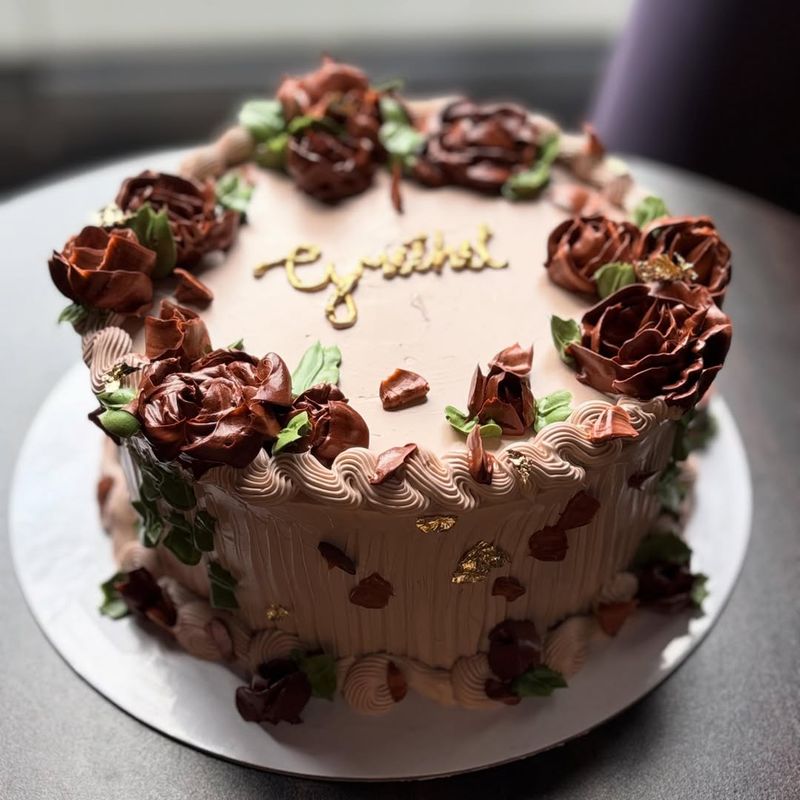
Baking heritage often reveals itself through repetition, with recipes refined over years until every step feels natural.
Family traditions shape chocolate cake in quiet ways, from how cocoa is bloomed or folded into batter to how icing is spread for maximum coverage and softness.
Scratch baking keeps those habits visible, letting texture and flavor carry the story instead of elaborate styling.
Neighborhood loyalty usually forms around desserts that offer dependable comfort.
People recognize when a cake tastes made by hand, especially when the crumb stays moist, the icing settles gently, and the sweetness never overwhelms the chocolate itself.
Familiarity is not the enemy of quality here. It is often the proof that a classic formula has been respected and repeated with care.
Comfort food works because it turns technique into ease.
You may not notice the mixing discipline, the proper bake time, or the patience required before icing, but those choices are what preserve tenderness and clean flavor.
Homemade perfection, in this final style, feels grounded and communal.
A simple chocolate cake with chocolate icing becomes meaningful when tradition, craft, and everyday pleasure all meet in the same slice.