Pennsylvania has a way of making history feel startlingly close.
Walk across an old battlefield, wander past a colonial farmhouse, or stand beside a furnace that once powered an early industry, and suddenly the past doesn’t seem so distant. These places preserve stories that still feel remarkably real.
Across the state, historic parks reveal chapters from the Revolutionary War, Civil War, colonial life, and Pennsylvania’s coal and iron boom.
Some are grand and famous, while others hide in quiet corners far from the crowds.
Ready to travel back in time without leaving Pennsylvania?
These twelve historic parks offer the chance to do exactly that, with preserved buildings, old roads, battlefields, and communities that make every visit feel like a journey into another era.
Washington Crossing Historic Park
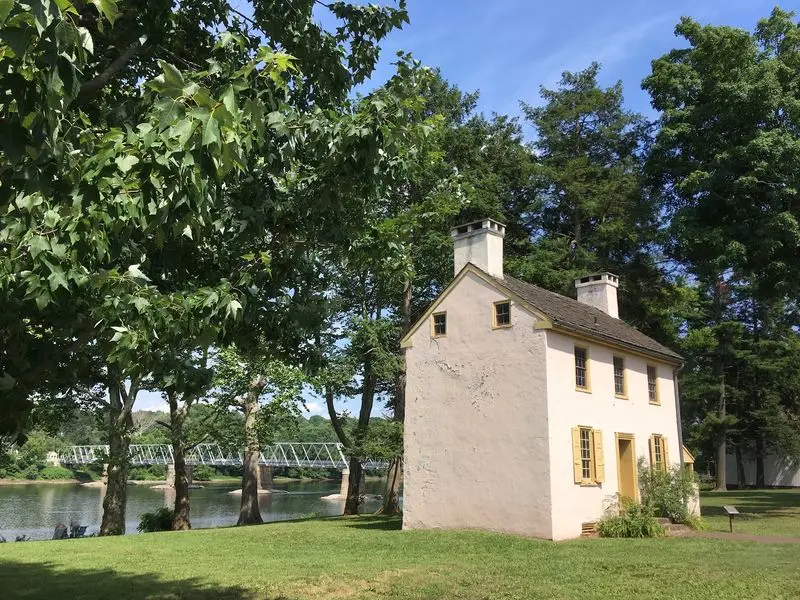
George Washington’s daring Christmas night crossing in 1776 changed the course of American history, and this 500-acre park preserves the exact spot where it happened. Standing on the riverbank, you can almost picture the desperate Continental Army soldiers climbing into Durham boats during that freezing December night.
The Thompson-Neely Farmstead still stands today, its stone walls holding stories of soldiers who once gathered there. A working grist mill demonstrates how colonists ground their grain, while carefully tended soldiers’ graves remind visitors of the real people who fought here.
Replica Durham boats sit ready along the shore, helping modern visitors understand the challenge Washington’s men faced.
Walking the grounds feels remarkably real because so much original landscape remains unchanged. The river still flows at the same pace, the hills rise in the same places, and the buildings contain authentic Revolutionary War atmosphere that no museum can quite match.
Valley Forge National Historical Park
Winter 1777-78 tested Washington’s Continental Army in ways that battlefield combat never could. Valley Forge preserves the encampment where hungry, freezing soldiers somehow found the strength to continue fighting for independence.
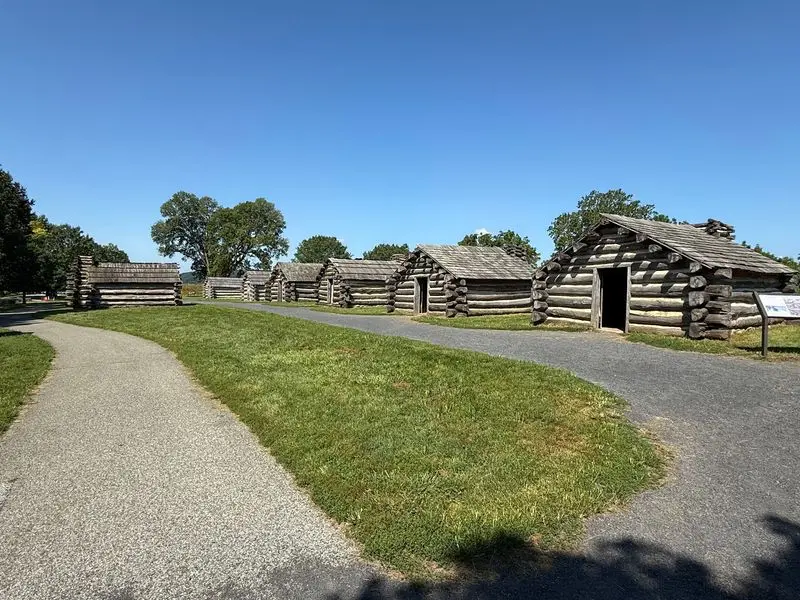
Reconstructed log huts show just how cramped and cold the soldiers’ quarters were during those brutal months. Each hut housed twelve men who shared body heat, meager rations, and dwindling hope.
Earthwork fortifications still mark where defensive positions once protected the camp from British attack.
Monuments dot the landscape, honoring different state regiments and military leaders who endured the winter. The preserved grounds help visitors grasp the encampment’s actual size and layout.
Walking from hut to hut, across fields Washington himself once crossed, makes the suffering and sacrifice feel immediate rather than abstract.
National military history comes alive here through the landscape itself, not just through exhibits or plaques.
Brandywine Battlefield Park
September 11, 1777, dawned with British and American forces preparing for one of the Revolution’s largest battles. Brandywine Battlefield preserves the countryside where over 30,000 soldiers clashed in a conflict that would ultimately open the path to Philadelphia for British forces.
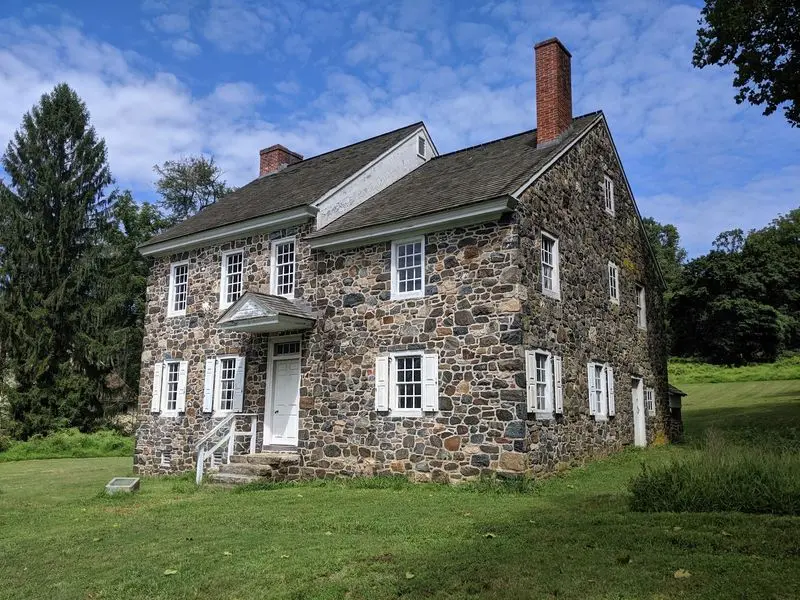
Restored colonial homes stand as they did during the battle, when commanders used them as headquarters and wounded soldiers filled their rooms. Archaeological discoveries continue revealing artifacts from the fighting.
Open battlefield grounds stretch across the rolling Pennsylvania countryside, looking much as they did when soldiers marched through.
Exhibits inside the historic buildings help explain the battle’s complicated movements and tactical decisions. Standing on the actual terrain where these events unfolded makes military strategy easier to understand.
The preserved landscape invites visitors to imagine thousands of soldiers maneuvering across these same fields while cannons roared and muskets crackled in the September air.
Fort Necessity National Battlefield
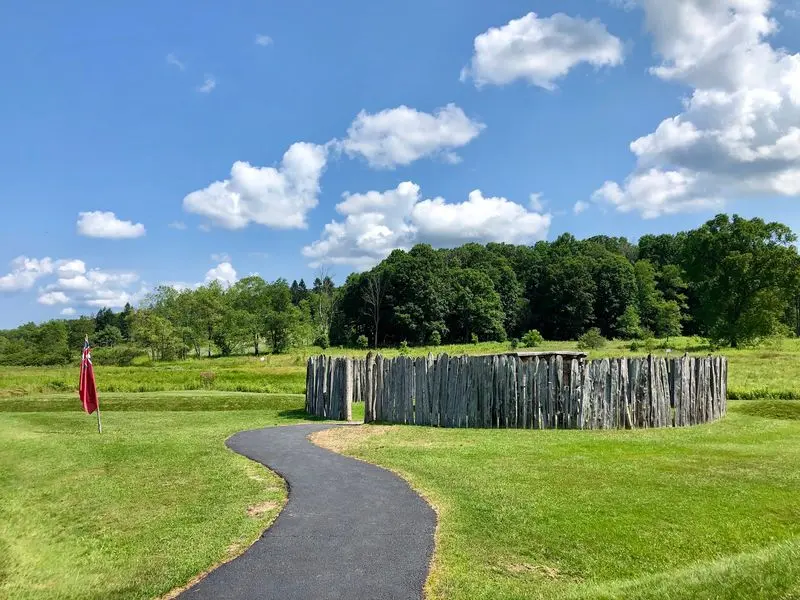
A 22-year-old George Washington built a hasty fort here in 1754, not knowing his first military command would end in surrender. Fort Necessity takes visitors back to the opening shots of what would become the French and Indian War.
The reconstructed circular fort sits in Great Meadows, just as Washington positioned it nearly 270 years ago. Original earthwork remains are still visible around the site.
Historic road traces show where military forces and frontier traders once traveled through this contested territory.
Mount Washington Tavern, built decades later along the National Road, adds another historical layer to the site. The combination of French and Indian War history, early American road development, and frontier settlement patterns makes this park unusually rich in stories.
Standing inside the reconstructed fort’s wooden walls, you can sense Washington’s youth and inexperience, along with the tension of frontier warfare that would eventually reshape the continent.
Bushy Run Battlefield
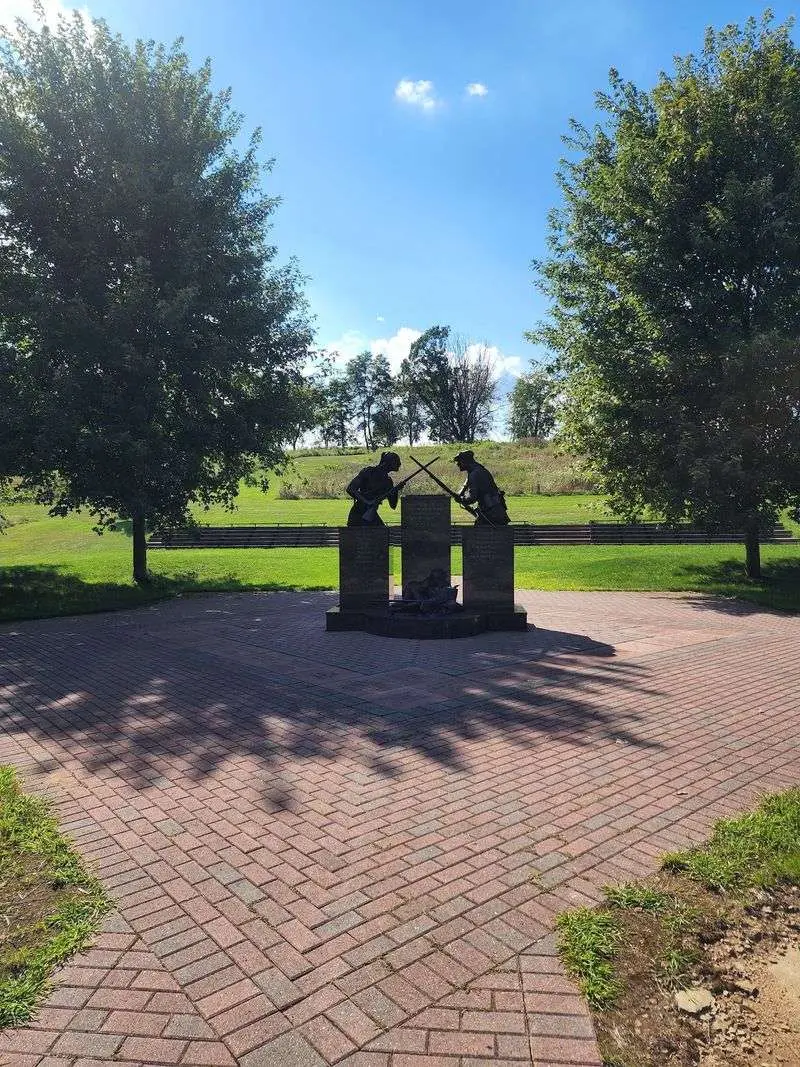
Most people skip straight from the French and Indian War to the American Revolution, missing the violent conflict that erupted in between. Bushy Run preserves the site of a crucial 1763 battle during Pontiac’s War, when Native American warriors nearly succeeded in driving British forces from the frontier.
Colonel Henry Bouquet’s forces, marching to relieve Fort Pitt, found themselves surrounded and fighting for survival. The two-day battle tested British military tactics against Native American warfare strategies.
Trails now wind across the battlefield, following the movements of both sides during the desperate fighting.
Monuments mark key positions and turning points in the battle. Living-history programs bring the period to life through demonstrations and period clothing.
Understanding this lesser-known conflict helps fill an important gap in Pennsylvania’s colonial history, showing how much happened between the major wars everyone learns about in school.
Hopewell Furnace National Historic Site
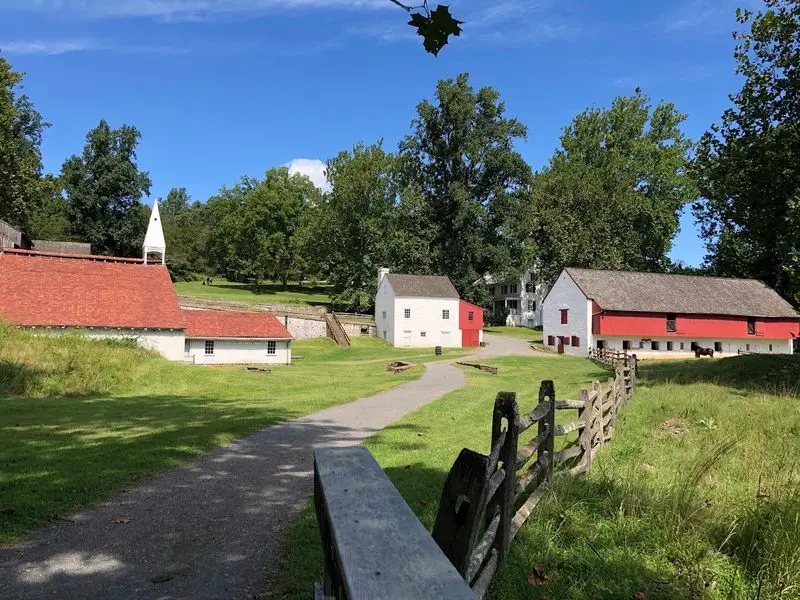
Charcoal smoke once filled these woods as workers transformed iron ore into products that built young America. Hopewell Furnace operated from 1771 to 1883, growing from Revolutionary War supplier to peacetime manufacturer before finally shutting down when modern methods made it obsolete.
The restored village includes the massive stone furnace itself, still imposing after all these years. Workers’ houses, a store, barns, and other buildings recreate the complete industrial community that iron-making required.
Families lived here for generations, their entire lives shaped by the furnace’s operating schedule and the surrounding forest that provided endless charcoal.
Walking through feels like entering a time when industry meant something completely different from today’s factories. Everything moved at the pace of human and animal labor.
The wooded setting helps visitors understand how rural and isolated these early industrial sites were, despite producing materials essential to the growing nation.
Eckley Miners’ Village
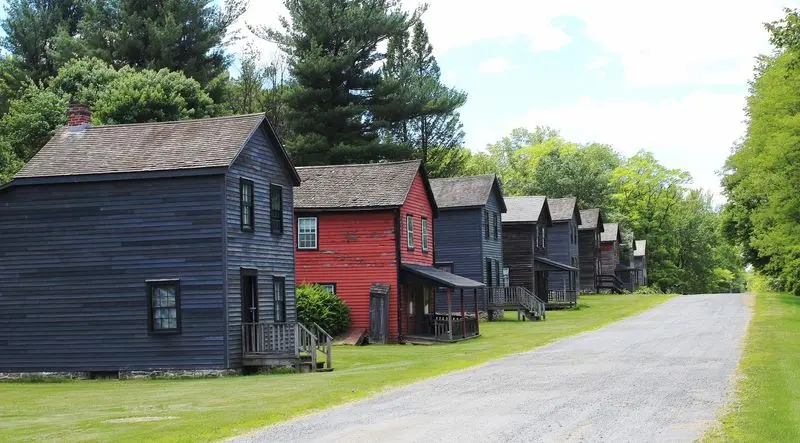
Walking into Eckley feels wrong somehow, like you’ve stumbled into someone’s neighborhood without permission. That’s because it looks exactly like a living 19th-century coal town, complete with miners’ houses lining dirt streets and a company store still standing on the corner.
Anthracite coal made fortunes for some people and created grinding poverty for others. The miners who lived here worked dangerous underground jobs for wages that barely kept their families fed.
Their simple wooden houses, built by the coal company, tell stories about class, labor, and industrial power.
A church, doctor’s office, and general store round out the preserved village. Unlike most historic sites that reconstruct a few buildings, Eckley preserves an entire community layout.
The physical and social history of Pennsylvania’s coal region comes through in every weathered building and narrow street. You can almost hear children playing and smell cooking fires, making it feel less like a park and more like an accidental journey backward through time.
Gettysburg National Military Park
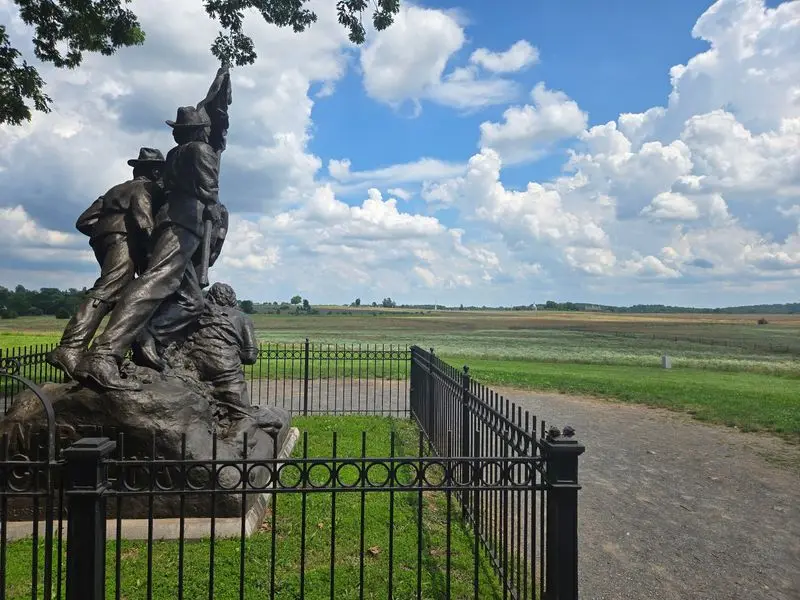
Three days in July 1863 produced more casualties than any other battle in American history and changed the Civil War’s direction forever. Gettysburg preserves the massive battlefield where Union and Confederate forces collided in desperate, chaotic fighting across Pennsylvania farmland.
Rolling fields still look much as they did when soldiers fought here. Stone walls that provided cover during the battle remain standing.
Hundreds of monuments mark regiment positions, creating a landscape thick with memory and meaning.
Cemetery Ridge, Little Round Top, Devil’s Den, the Peach Orchard – these places became tragic landmarks during the battle. Walking the actual ground where Pickett’s Charge occurred, or climbing Little Round Top’s rocky slopes, makes the fighting feel immediate and real.
The Soldiers’ National Cemetery holds thousands of Union dead and the spot where Lincoln delivered the Gettysburg Address. Established as a National Military Park in 1895, the site has been carefully preserved and interpreted for over a century.
Graeme Park
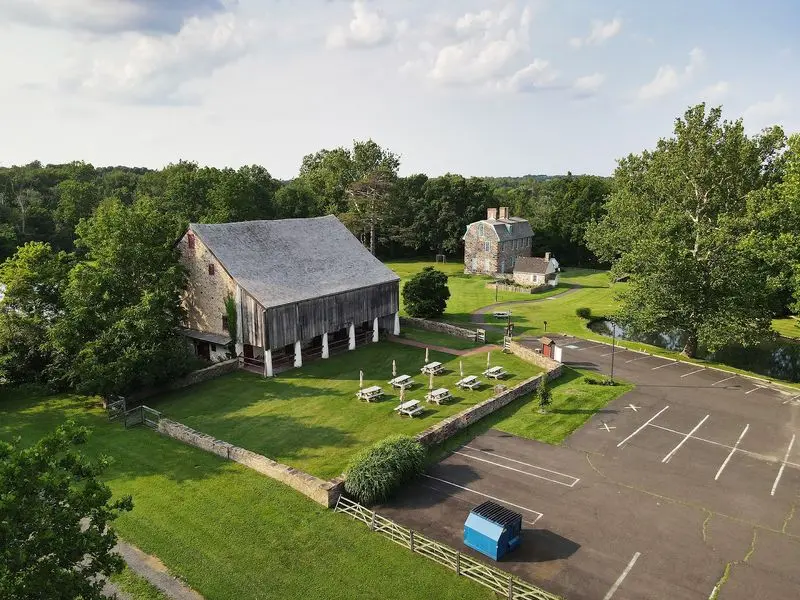
Not every historic site centers on warfare and suffering. Graeme Park offers a quieter glimpse into colonial Pennsylvania life, focusing on the families, social gatherings, and daily routines of the colonial upper class.
The Keith House, built in 1722, served as home to Sir William Keith, Pennsylvania’s colonial governor. Later, the Graeme family lived here, hosting gatherings of colonial intellectuals, politicians, and social leaders.
The house’s architecture shows how wealthy colonists lived before the Revolution disrupted everything.
Forty-two acres of grounds combine historic buildings with nature trails and open space. Unlike battlefield parks or industrial sites, Graeme Park emphasizes domestic life and social history.
Visitors can picture evening gatherings where influential people discussed politics and culture, or imagine the servants and enslaved people whose labor maintained the property. The peaceful setting creates a different kind of time travel, one focused on everyday life rather than dramatic historical events.
Drake Well Museum and Park
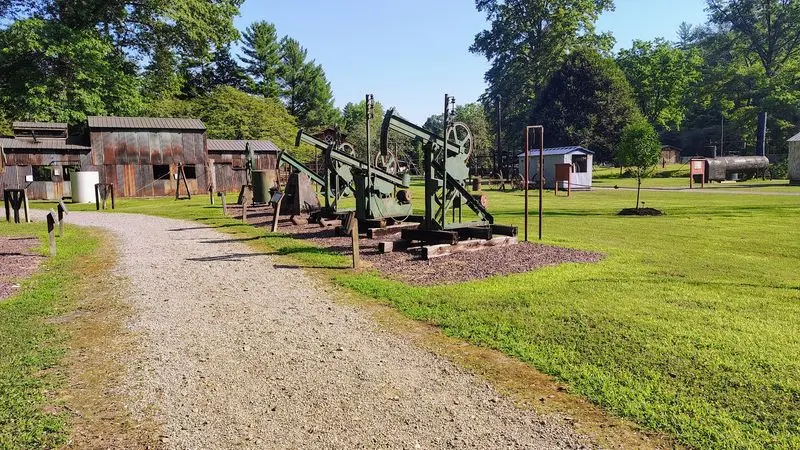
In 1859, Edwin Drake succeeded in drilling for oil where others had failed, accidentally launching an industry that would reshape the entire world. Drake Well preserves the spot where modern petroleum extraction began.
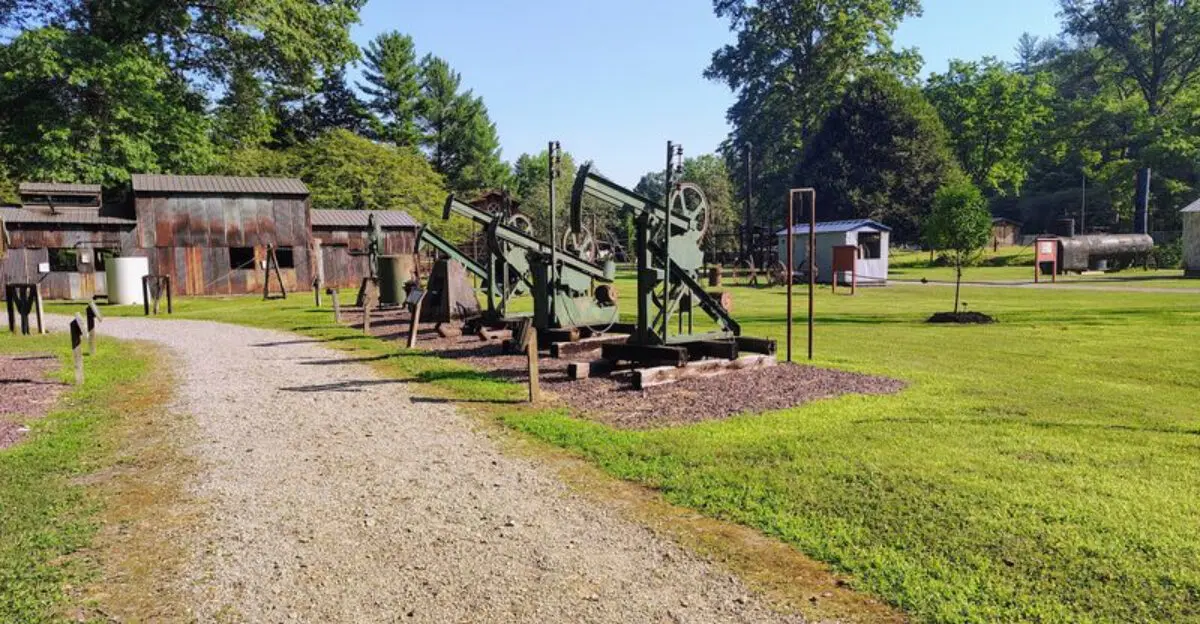
A replica well house and derrick stand near the original drilling location, recreating the rough-and-ready appearance of early oil operations. Historic machinery demonstrates how crude and experimental these first drilling attempts were.
Nobody really knew what they were doing at first.
Pennsylvania’s oil boom transformed sleepy northwestern towns into chaotic industrial centers almost overnight. Fortunes appeared and vanished, land values skyrocketed, and thousands of workers flooded into the region.
The museum helps visitors understand how dramatically this single successful well changed both local communities and global economies.
Standing at the birthplace of the petroleum industry creates an odd feeling. Everything about modern transportation, plastics, and energy started right here with Drake’s simple wooden derrick and stubborn determination to prove oil drilling could work.
Fort Washington State Park
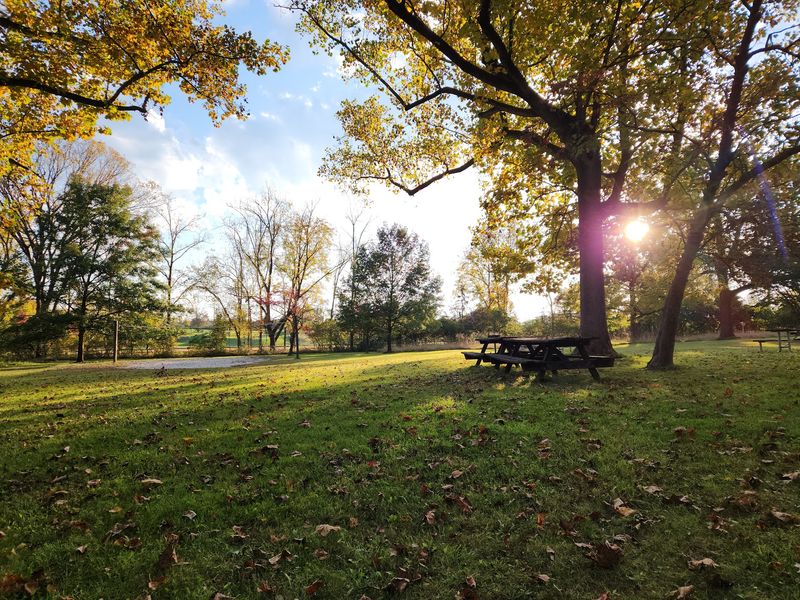
After losing the Battle of Germantown in October 1777, Washington’s Continental Army needed a defensive position near Philadelphia. Fort Washington served as that temporary encampment before the army moved to Valley Forge for the winter.
This Montgomery County park preserves the landscape where soldiers established their position during that uncertain autumn. Unlike Valley Forge’s fame, Fort Washington represents a lesser-known chapter of Revolutionary War history.
The army only stayed briefly before moving on, but the location played an important strategic role.
Walking the park’s trails, you can understand why Washington chose this spot for its defensive advantages. The terrain offered protection while keeping the army close enough to monitor British forces in Philadelphia.
Today’s visitors interested in Revolutionary War history often overlook Fort Washington in favor of more famous sites, making it a quieter place to explore.
The park demonstrates how military campaigns involved constant movement, not just famous battles and winter camps everyone learns about.
Cook Forest State Park
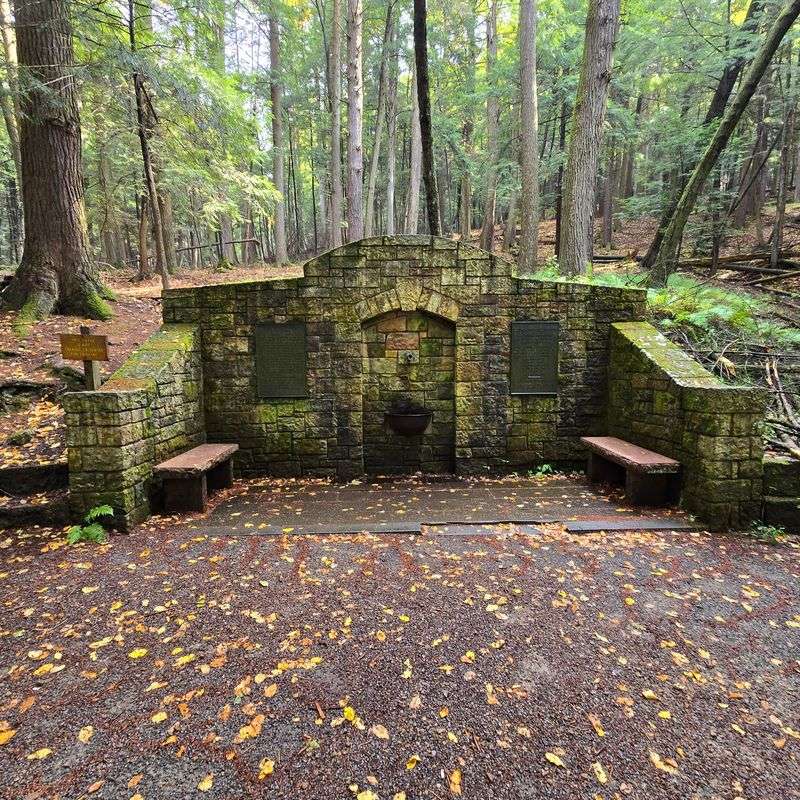
Cook Forest combines natural wonder with historical programming in an unusual way. The park’s ancient trees create a cathedral-like atmosphere that hasn’t changed much in centuries, while living-history programs transport visitors to the French and Indian War frontier.
Towering hemlocks and white pines give the forest an timeless quality that helps set the stage for historical interpretation. Reenactors in period clothing demonstrate 18th-century military tactics, cooking methods, blacksmithing, and frontier survival skills.
These programs focus on the 1750s-1760s, when this region represented the edge of European settlement and Indigenous territory.
Watching someone start a fire using flint and steel, or forge iron tools with period equipment, connects visitors to practical skills that frontier people depended on daily. Military demonstrations show how soldiers fought in the dense forest terrain.
The combination of ancient forest and living history creates an immersive experience different from traditional battlefield parks or restored villages. You’re experiencing both nature’s timelessness and human history’s specific moment.