Some of North Carolina’s best places are hiding right under your nose.
While crowds flock to famous beaches and mountain towns, countless locals pass incredible destinations every day without realizing what’s waiting just a few miles away.
Picture secret islands where wild horses roam, mysterious caves beneath the mountains, forgotten villages frozen in time, and quiet forests filled with towering pines. These places don’t always appear on the usual travel lists, making each visit feel like you’ve uncovered a well-kept secret.
Whether you’re planning a weekend road trip or simply looking for somewhere new to explore, this collection proves you don’t have to leave the state to find something unforgettable.
Grab your camera, hit the road, and get ready to discover the hidden side of North Carolina that many people never see.
The Crystal Coast’s Hidden Side: Rachel Carson Reserve (Beaufort)
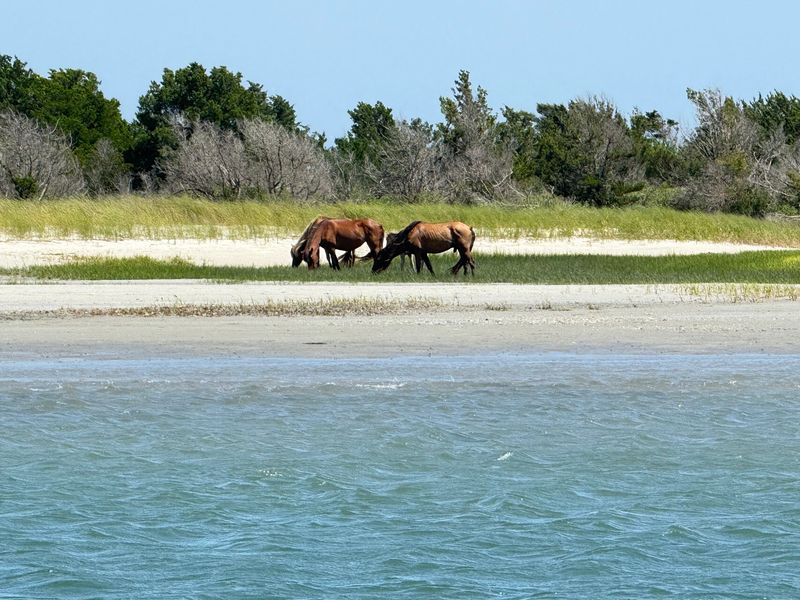
Wild horses wander freely across sandy shores where most visitors never set foot. Rachel Carson Reserve sits just across the water from downtown Beaufort, yet this protected island sanctuary remains surprisingly unknown to countless coastal residents.
Getting there requires a short boat ride, which keeps the crowds away and preserves the untouched beauty. Once you arrive, miles of pristine beaches stretch before you, completely different from the developed shorelines nearby.
The island’s tidal pools teem with marine life, offering natural classrooms for curious explorers.
Dolphins frequently play in the surrounding waters, and shorebirds nest along the dunes. The reserve’s wild horses are descendants of Spanish mustangs, adding a magical quality to any visit.
Early morning or late afternoon provides the best wildlife viewing opportunities.
Pack everything you need because there are no facilities on the island. The isolation creates a peaceful escape that feels worlds away from civilization, even though downtown Beaufort remains visible across the channel.
The Underground Wonder of Linville Caverns (Marion)
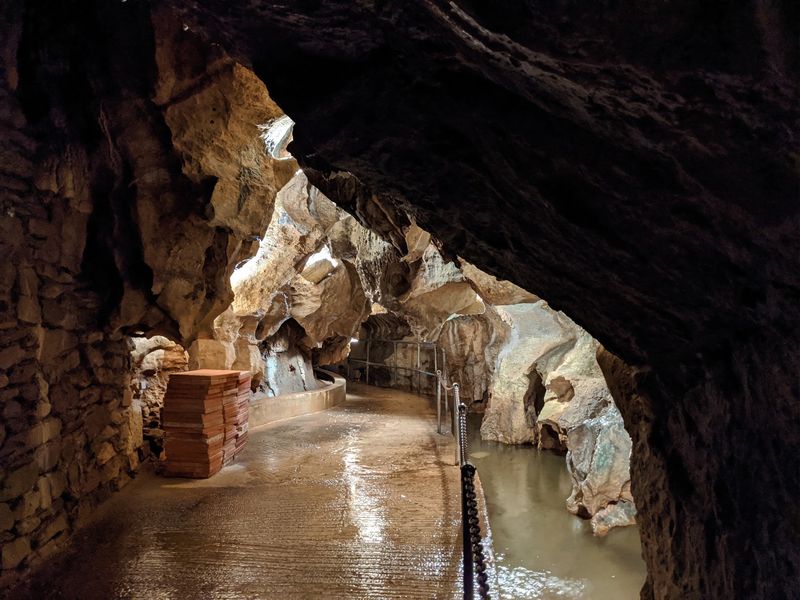
Beneath Humpback Mountain lies a hidden world that thousands drive past without knowing it exists. Linville Caverns represents one of North Carolina’s few commercial caves, yet many Blue Ridge travelers have never heard of this geological marvel.
The caverns formed over millions of years as water carved through solid limestone rock. Today, guided tours lead visitors through chambers filled with stunning formations.
Stalactites hang like frozen icicles from cave ceilings, while stalagmites rise from the floor in fascinating shapes.
Underground streams flow through certain sections, creating mysterious sounds and reflections. The constant year-round temperature of 52 degrees provides relief during hot summers and surprising warmth in winter.
Some formations have whimsical names based on their shapes, sparking imagination in visitors of all ages.
The tour lasts about 30 minutes and covers easy walking paths. Trout sometimes swim in the cave’s underground waters, adapted to life without sunlight.
Discovering this subterranean wonder adds a completely different dimension to any mountain trip.
The Quiet Beauty of Lake Waccamaw State Park (Lake Waccamaw)
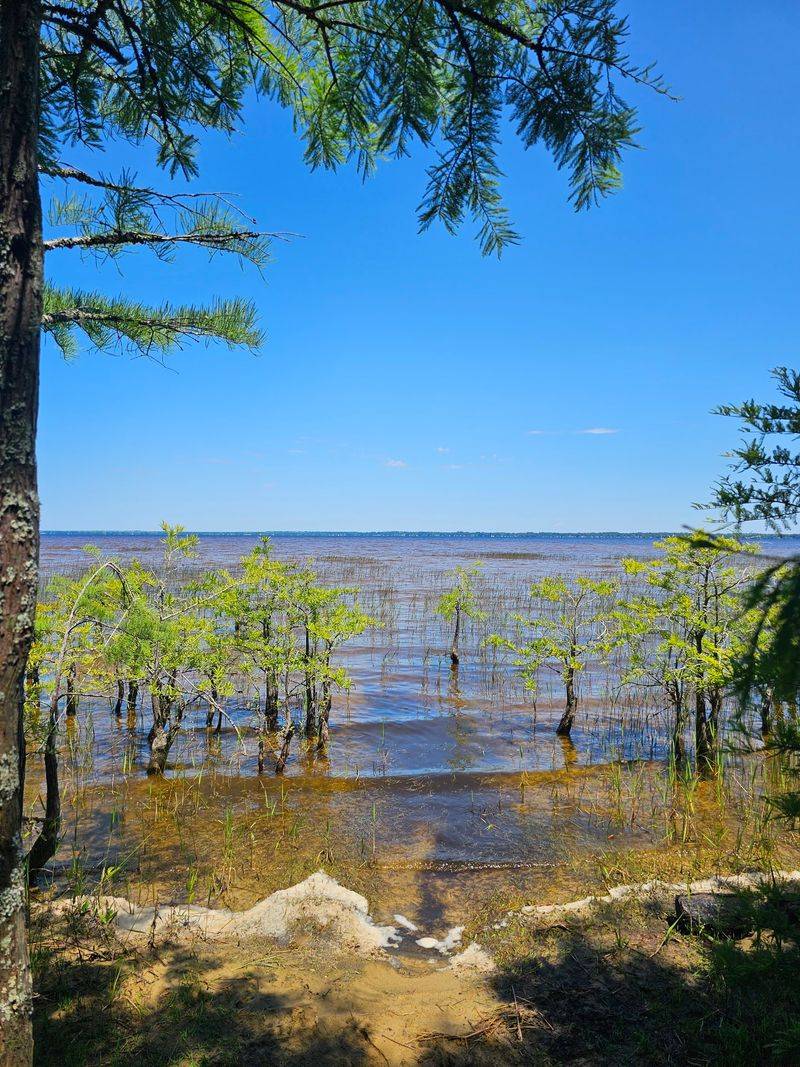
Something extraordinary exists in southeastern North Carolina that defies typical expectations. Lake Waccamaw stands as one of the state’s largest natural lakes, harboring a rare ecosystem found nowhere else on Earth.
The lake formed in a geological feature called a Carolina bay, creating unusual water chemistry that supports unique species. Scientists have identified fish, mussels, and plants living here that exist in no other location worldwide.
Despite this biological significance, nearby residents often spend decades without visiting.
Sandy beaches line portions of the shoreline, offering swimming and relaxation spots. Peaceful trails wind through surrounding forests where wildlife thrives away from urban areas.
The water’s distinctive tea color comes from tannic acid in vegetation, creating an unforgettable visual effect.
Kayaking and canoeing provide excellent ways to explore the lake’s quieter corners. Bald cypress trees stand sentinel along certain banks, their knees protruding from the water.
The park remains blissfully uncrowded even during peak seasons, preserving a sense of discovery for those who finally make the journey.
The Forgotten History of Historic Bethania (Bethania)
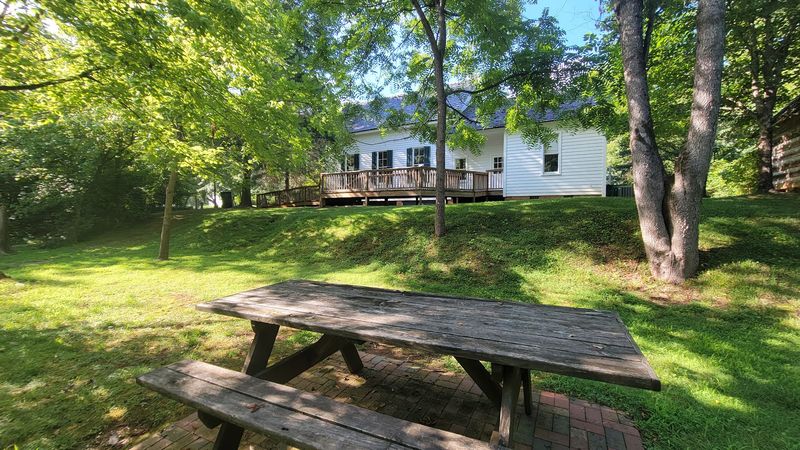
Step back in time to a place where history isn’t just preserved but truly felt. Historic Bethania sits just minutes from Winston-Salem, yet this beautifully maintained Moravian village remains off most people’s radar entirely.
Founded in 1759, Bethania represents one of North Carolina’s most authentic historic communities. Original buildings still stand along quiet streets, offering glimpses into colonial life.
The village maintains traditional Moravian practices, including craft demonstrations that showcase forgotten skills.
Walking through Bethania feels like entering a different century. Restored structures house museums and interpretive centers where visitors learn about Moravian culture, architecture, and daily life.
Gardens grow heritage plants and vegetables using historical methods.
The community’s God’s Acre cemetery follows traditional Moravian burial practices, with simple flat stones arranged in orderly rows. Special events throughout the year celebrate Moravian traditions with music, food, and crafts.
Unlike crowded tourist destinations, Bethania maintains an unhurried atmosphere that encourages genuine exploration and reflection about our state’s rich cultural heritage.
The Hidden Trails of Elk Knob State Park (Todd)
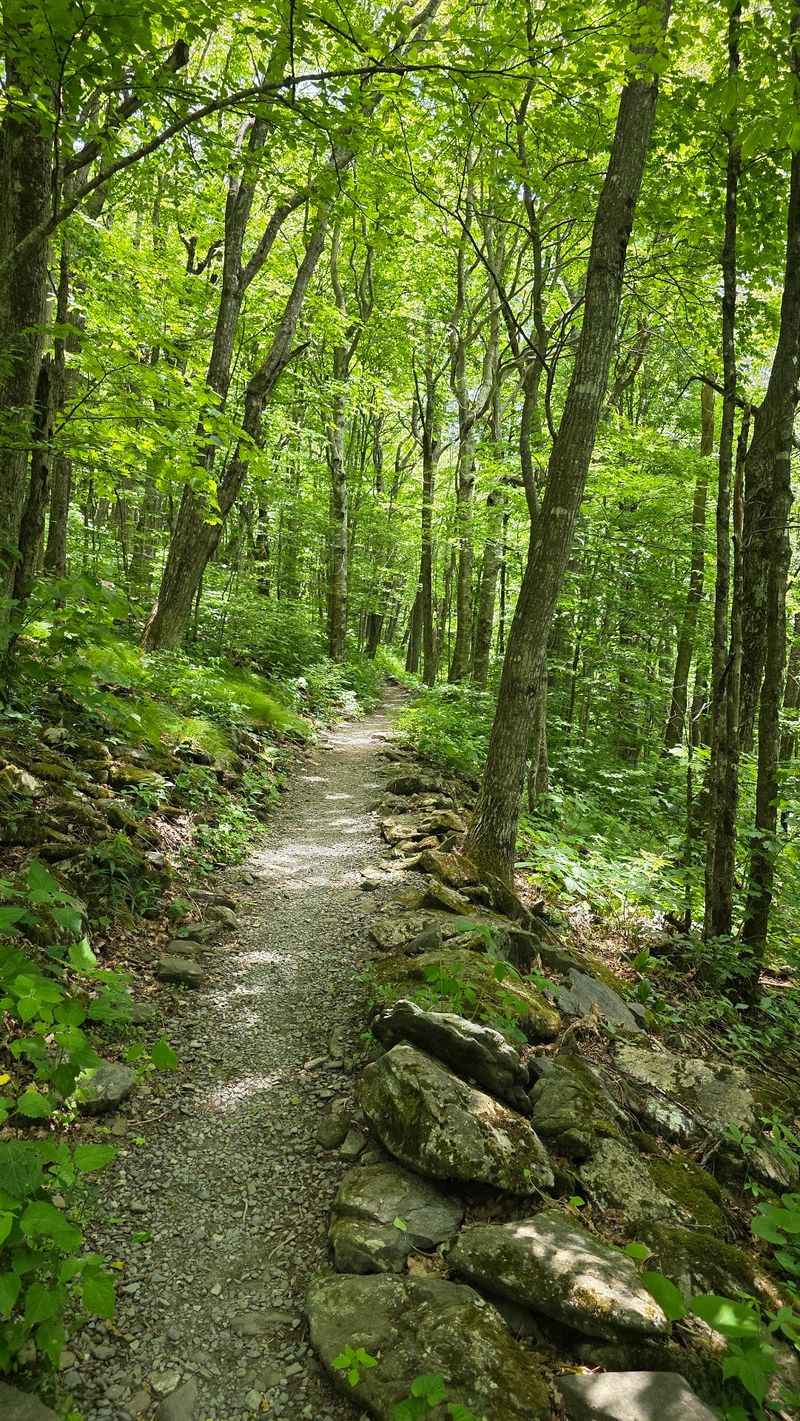
Appalachian views rival those from famous peaks, yet hardly anyone knows this place exists. Elk Knob State Park offers mountain experiences without the crowds that swarm more popular destinations.
The park’s summit reaches 5,520 feet, providing breathtaking panoramas across multiple states. Hiking trails range from moderate to challenging, winding through diverse ecosystems.
Wildflowers blanket high-elevation meadows during spring and summer, creating natural gardens.
Despite being North Carolina’s newest state park, Elk Knob remains wonderfully undiscovered. The main trail to the summit stretches about two miles, gaining significant elevation.
Weather can change rapidly at this altitude, so proper preparation matters.
Wildlife encounters happen frequently along quieter trails. The park protects rare high-elevation habitats where unique plants and animals thrive.
Fall brings spectacular foliage displays that paint the mountains in brilliant colors.
Sunrise from the summit delivers unforgettable moments worth the early wake-up call. The relative isolation means you might have entire trails to yourself, creating intimate connections with nature that crowded parks simply cannot provide.
The Peaceful Escape of Weymouth Woods-Sandhills Nature Preserve (Southern Pines)
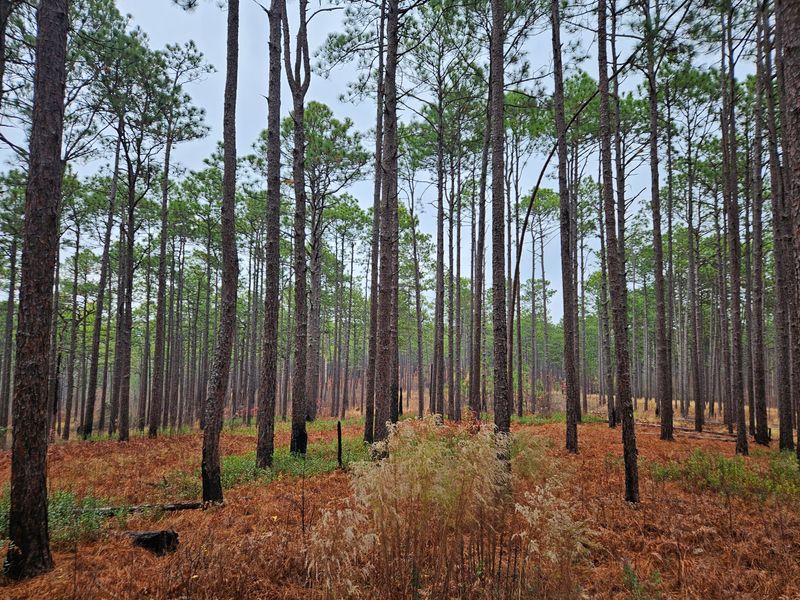
Ancient trees tower overhead in a forest that predates European settlement. Weymouth Woods-Sandhills Nature Preserve protects one of the oldest longleaf pine ecosystems remaining in North Carolina, yet countless nearby residents have never walked these trails.
Longleaf pines once dominated the southeastern coastal plain, but less than three percent of original forests survive. This preserve safeguards mature specimens, some over 400 years old.
Walking beneath these giants creates a cathedral-like atmosphere.
The Sandhills’ unique sandy soil supports specialized plants found nowhere else. Wildflowers bloom throughout growing seasons, attracting butterflies and pollinators.
Birdwatchers find excellent opportunities here, with species specifically adapted to longleaf ecosystems.
Easy trails make the preserve accessible for all fitness levels. Educational programs teach about fire ecology and why longleaf forests need periodic burning.
The preserve’s small museum explains the area’s natural and cultural history.
Despite being close to populated areas, Weymouth Woods maintains remarkable tranquility. The soft forest floor muffles footsteps while wind whispers through pine needles overhead, creating natural music.
The Hidden Waterfalls of South Mountains State Park (Connelly Springs)
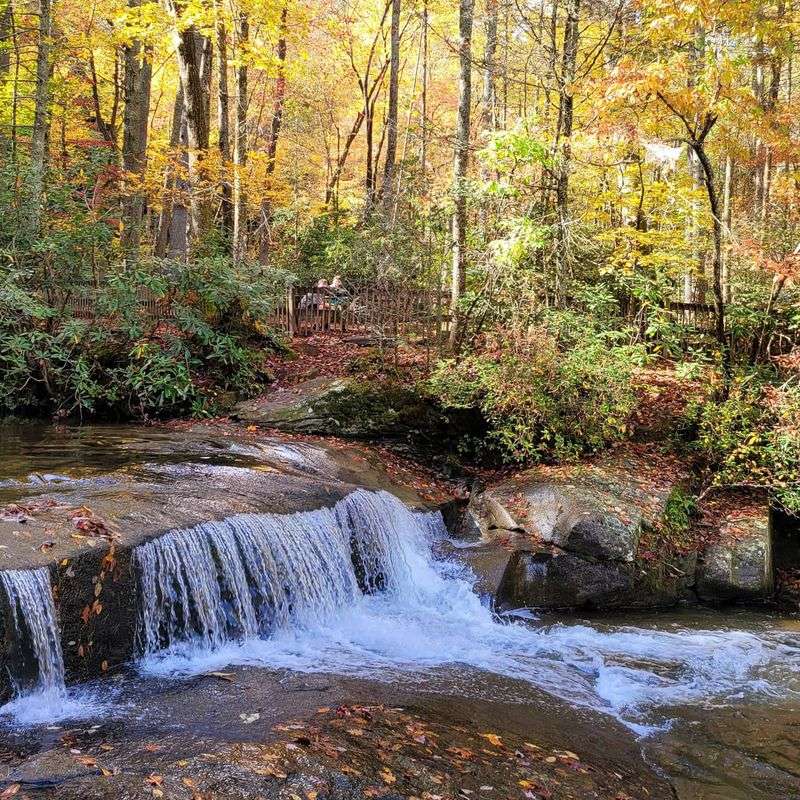
Thundering water plunges 80 feet down a rocky cliff face in a park that remains remarkably unknown. South Mountains State Park near Morganton harbors some of North Carolina’s most impressive waterfalls, yet many mountain enthusiasts have never heard of it.
The park’s rugged terrain challenges hikers with steep climbs and rocky trails. High Falls serves as the main attraction, requiring a moderately difficult hike to reach.
The reward justifies the effort as powerful cascades crash into pools below.
Multiple trail options accommodate different skill levels and time commitments. Mountain streams crisscross the landscape, creating smaller waterfalls and peaceful creek scenes.
The forest canopy provides shade during summer hikes.
Equestrian trails and mountain biking routes expand recreational opportunities beyond hiking. Backcountry camping allows overnight adventures for those seeking deeper wilderness experiences.
The park’s elevation creates cooler temperatures than surrounding lowlands.
Wildlife sightings happen regularly along less-traveled paths. Autumn transforms the forest into a tapestry of reds, oranges, and golds.
The relative obscurity means better chances of experiencing waterfalls without crowds blocking your photos or disturbing the natural ambiance.
The Mysterious Landscape of The Great Dismal Swamp National Wildlife Refuge (Suffolk)
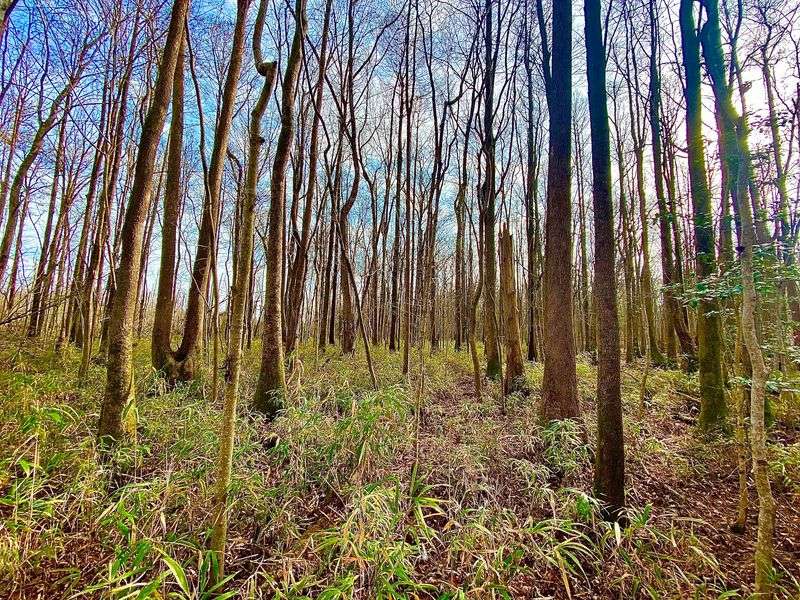
Cypress trees draped in Spanish moss rise from dark waters in a landscape that seems transported from another world. The Great Dismal Swamp stretches from Virginia into northeastern North Carolina, creating one of the East Coast’s most unusual wilderness areas.
Despite its ominous name, the swamp teems with life and natural beauty. Lake Drummond sits at the refuge’s heart, one of only two natural lakes in Virginia.
The swamp’s history includes serving as a haven for escaped slaves traveling the Underground Railroad.
Wildlife thrives in this protected habitat, including black bears, bobcats, and over 200 bird species. Paddling through cypress forests offers surreal experiences as sunlight filters through canopy gaps.
Trails wind through upland areas where different plant communities exist.
The refuge’s size creates true wilderness experiences rare in the eastern United States. Summer brings intense heat and insects, making spring and fall better visiting times.
The swamp’s isolation and mysterious atmosphere have inspired legends and stories for centuries.
Even nearby town residents often never venture into this remarkable ecosystem.
The Artistic Surprise of The Penland School of Craft (Bakersville)
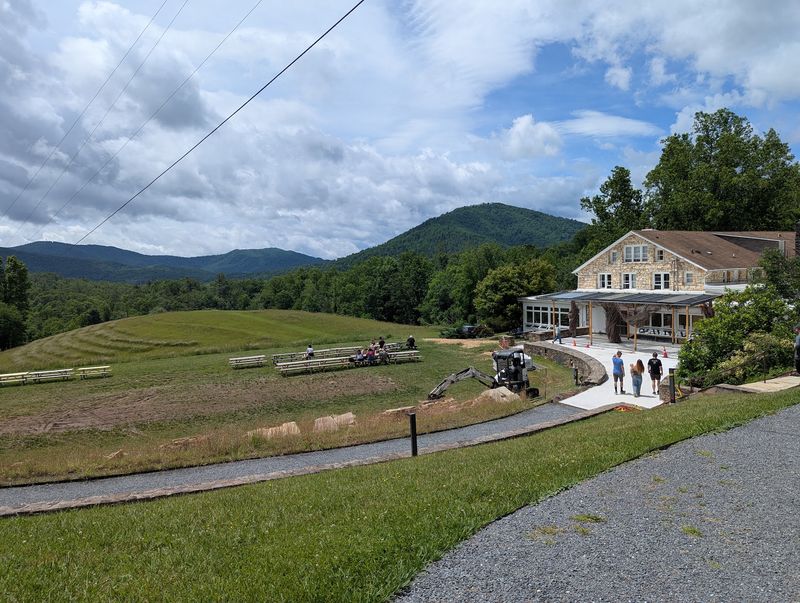
World-class artistry emerges from mountain studios where creativity knows no bounds. The Penland School of Craft attracts talented artists globally, yet many Western North Carolina residents remain completely unaware of this cultural treasure.
Founded in 1929, Penland has grown into an internationally recognized center for craft education. Artists work in diverse mediums including glass, metals, wood, clay, and textiles.
The school’s gallery showcases stunning pieces that rival anything found in major museums.
Visitors can explore exhibition spaces featuring rotating displays of student and instructor work. The quality and creativity on display often surprise first-time visitors.
Workshops and classes allow people to try various crafts under expert guidance.
The mountain setting adds natural beauty to the artistic atmosphere. Many pieces incorporate local materials or draw inspiration from Appalachian traditions.
The school’s commitment to craftsmanship preserves skills that might otherwise disappear.
Special events and open houses provide opportunities to watch artists at work. The dedication and passion evident in every corner make Penland more than just a school, it represents a living celebration of human creativity and artistic excellence.
The Ancient Waters of Merchants Millpond State Park (Gatesville)
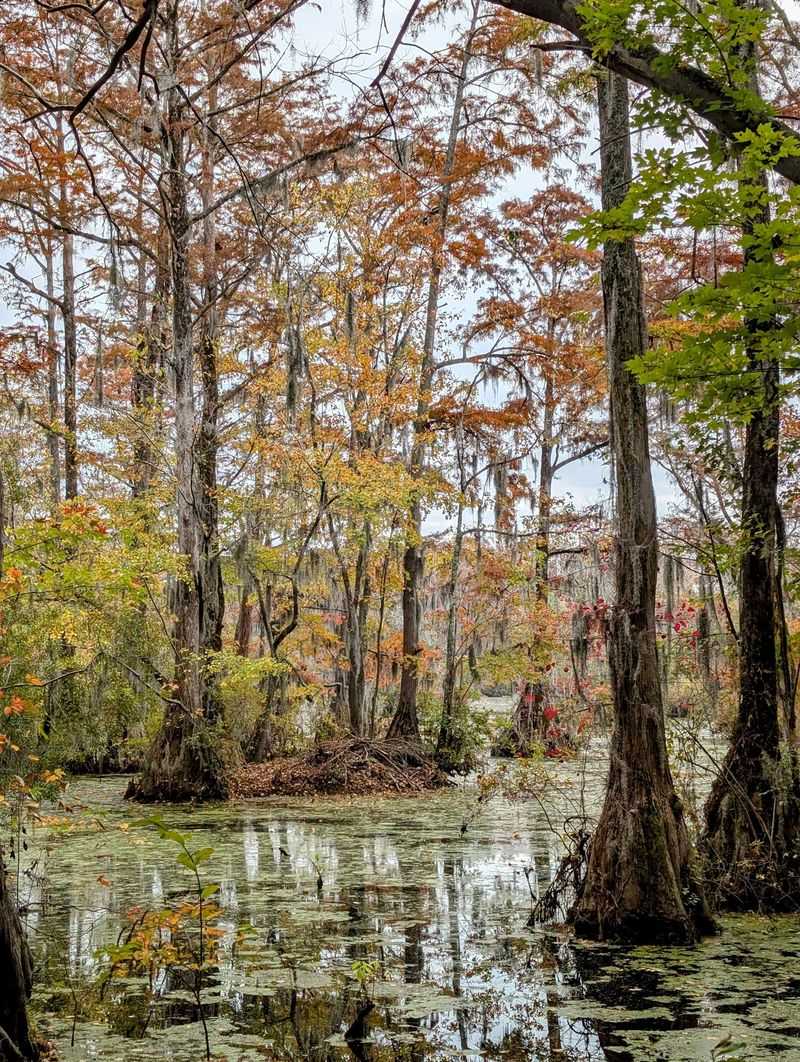
Paddle through waters that feel more Louisiana than North Carolina. Merchants Millpond State Park creates a blackwater swamp ecosystem unlike anything else in the state, complete with ancient cypress trees and Spanish moss.
The millpond dates back over 200 years when a dam created this unique habitat. Today, it ranks among North Carolina’s least-visited state parks despite offering extraordinary beauty.
Kayaking and canoeing provide the best ways to experience the swamp’s mysterious atmosphere.
Bald cypress knees poke above the water’s surface like natural sculptures. Spanish moss drapes from branches, creating an otherworldly appearance.
River otters, turtles, and various water birds make their homes here.
Hiking trails loop through surrounding forests where different ecosystems exist. The park’s remoteness preserves a sense of wilderness increasingly rare in the modern South.
Early morning mist rising from the water creates magical photographic opportunities.
Fishing attracts those seeking largemouth bass and other species. The park’s peaceful nature makes it perfect for anyone wanting to escape everyday stress.
Despite being a hidden gem, facilities remain well-maintained and accessible.
The Historic Bunker Hill Covered Bridge (Claremont)
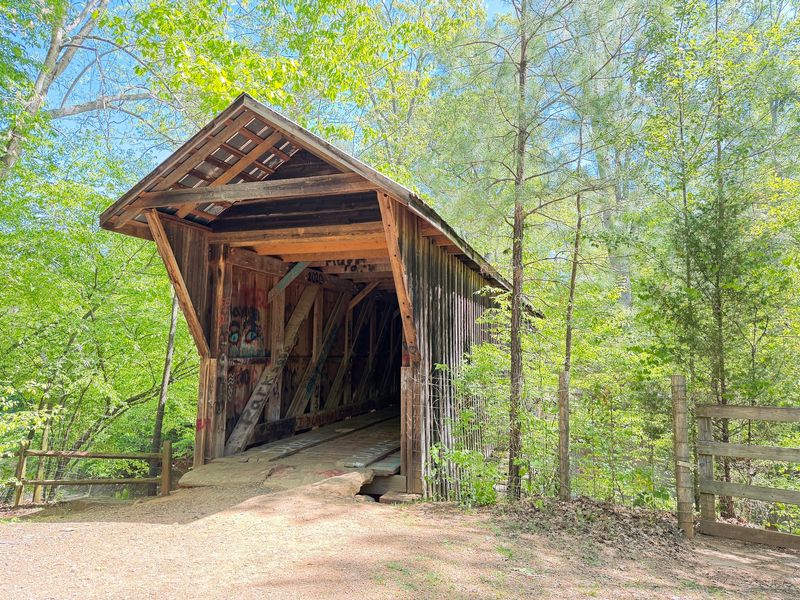
Red wooden beams frame views of a creek that has flowed for centuries. The Bunker Hill Covered Bridge stands as one of North Carolina’s last remaining original covered bridges, yet lifelong residents often drive past without knowing it exists.
Built in 1895, this beautifully preserved structure represents engineering methods from another era. The bridge spans Lyle Creek using traditional wooden construction techniques.
Walking through its covered interior provides a tangible connection to transportation history.
Covered bridges earned the nickname “kissing bridges” because couples could steal private moments while crossing. This bridge served local communities for decades before modern roads redirected traffic.
Today it functions as a historic site and peaceful recreation area.
A small park surrounds the bridge with picnic facilities and walking paths. The setting offers simple pleasures like watching water flow beneath wooden planks.
Photography enthusiasts find the bridge especially photogenic during autumn when leaves change colors.
The bridge’s survival through over a century demonstrates quality craftsmanship and community dedication to preservation. Visiting takes minimal time but provides maximum historical value and natural beauty.
America’s First Gold Rush at Reed Gold Mine (Midland)
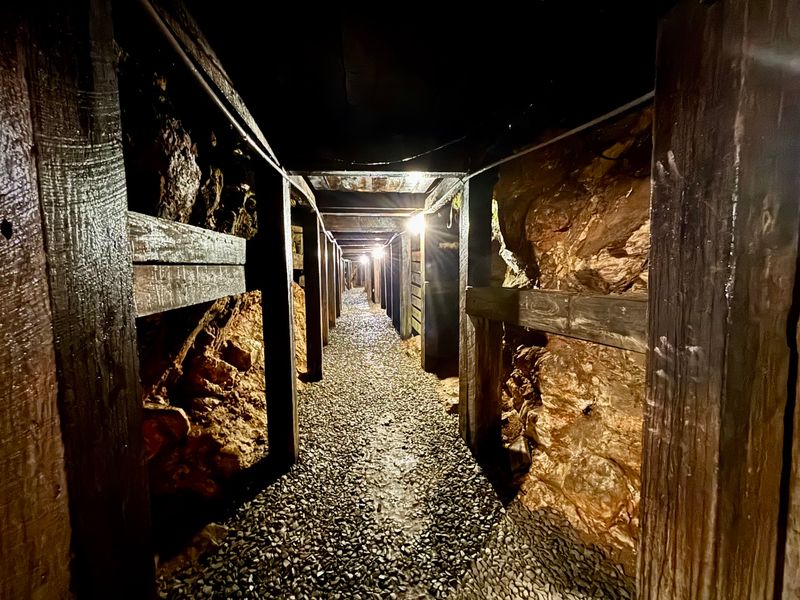
Gold fever struck North Carolina decades before anyone rushed to California. Reed Gold Mine marks the birthplace of America’s gold rush, where the first documented gold discovery happened in 1799, yet countless North Carolinians have never visited this nationally significant site.
A young boy found a 17-pound gold nugget in a creek on his family’s farm, unknowingly launching an industry. For years, the family used the shiny rock as a doorstop before learning its true value.
This discovery sparked gold mining throughout the region.
Today, visitors tour restored underground tunnels where miners once worked in darkness. Mining exhibits explain extraction techniques and the gold rush’s impact on North Carolina.
Interactive displays bring history to life for all ages.
The highlight for many visitors involves trying gold panning themselves. Staff provide instruction and equipment for this hands-on experience.
Finding even tiny flecks of gold creates genuine excitement.
The site’s beautiful grounds include hiking trails and picnic areas. Special programs explore mining life and regional history.
This hidden treasure in Cabarrus County deserves recognition as a cornerstone of American history.