North Carolina’s hidden gardens are waiting to steal your heart with every winding path and secret corner.
Away from busy attractions, these magical retreats reveal mossy trails, towering trees, and flowers that look like they belong in a storybook.
Each garden offers a peaceful escape where every step brings a new surprise.
From mountain hideaways filled with native blooms to coastal gardens shaded by graceful oaks, these special places invite you to slow down and enjoy nature’s wonders.
Ready for a quiet adventure?
These 13 hidden gardens across North Carolina promise unforgettable moments, charming scenery, and peaceful paths that feel like stepping into another world.
Daniel Boone Native Gardens — Boone
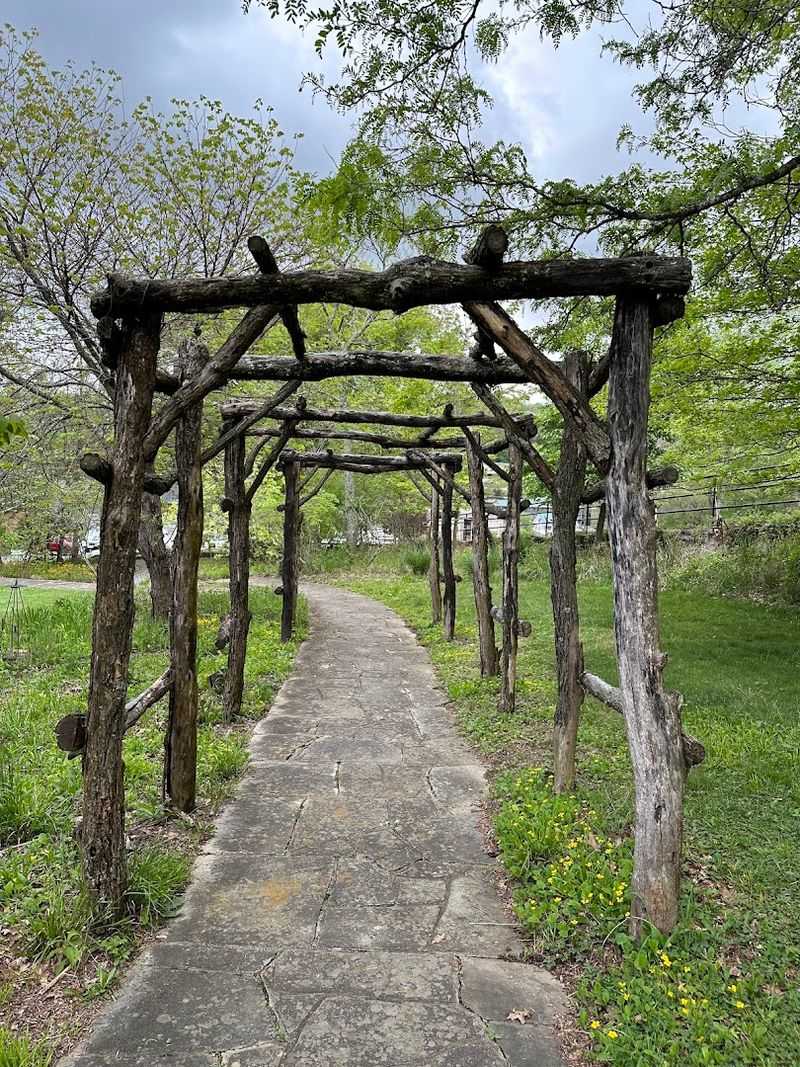
Tucked away in the Blue Ridge Mountains, this garden sanctuary feels like discovering a secret world where nature and careful design work together perfectly. Stone pathways meander through displays of mountain laurel, trillium, and other Appalachian treasures that have thrived in these mountains for centuries.
Every turn reveals another peaceful spot designed for quiet reflection.
The garden showcases what makes mountain ecosystems special without feeling formal or stuffy. Native wildflowers burst into color during spring and summer, while the forested backdrop provides year-round beauty.
Visitors often find themselves slowing down naturally, drawn to benches placed along the trails where you can simply sit and listen to birdsong.
What makes this place truly magical is how it honors the region’s plant heritage while creating spaces that feel both wild and welcoming. Families enjoy exploring together, photographers capture stunning close-ups of blooms, and solo visitors find the solitude they’re seeking.
This mountain retreat proves that sometimes the best gardens are the ones that let nature take center stage while adding just enough human touch to enhance the experience.
Bullington Gardens — Hendersonville
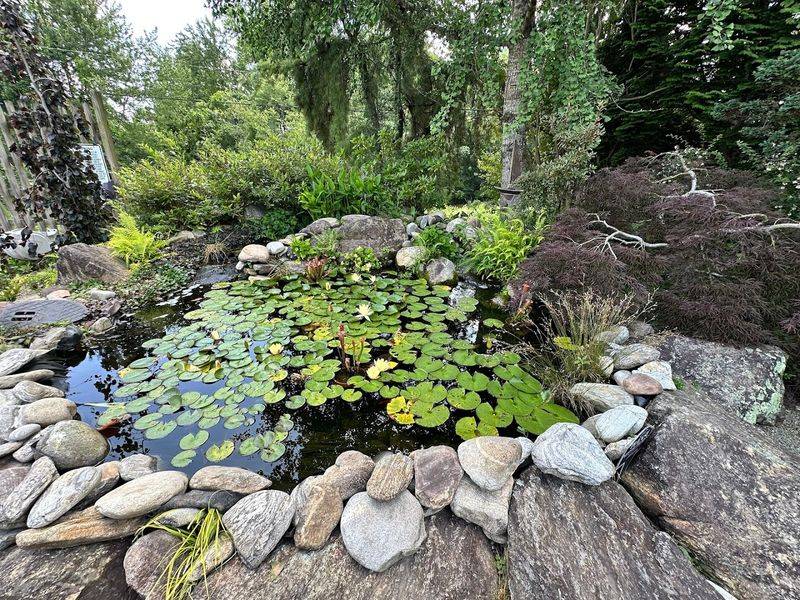
Most people drive right past this Hendersonville treasure without realizing what they’re missing. Designed as both an educational resource and peaceful getaway, Bullington Gardens combines hands-on learning opportunities with the simple joy of wandering beautiful outdoor spaces.
Themed areas demonstrate different gardening techniques while maintaining an atmosphere that never feels like a classroom.
Western North Carolina’s natural beauty provides the perfect canvas for this horticultural showcase. Woodland paths lead visitors through shaded areas where ferns and shade-loving plants thrive, while sunny garden beds explode with seasonal color.
The carefully planned layout encourages exploration, rewarding curious visitors who venture beyond the main pathways with hidden corners and unexpected plant combinations.
Gardeners leave inspired with new ideas for their own yards, while those who simply appreciate natural beauty find plenty of photo-worthy moments. The intimate scale means you won’t battle crowds or feel rushed through your visit.
Whether you’re interested in sustainable landscaping practices or just want a lovely place to spend an afternoon, this under-the-radar garden delivers both education and enchantment in equal measure.
Wing Haven Garden & Bird Sanctuary — Charlotte
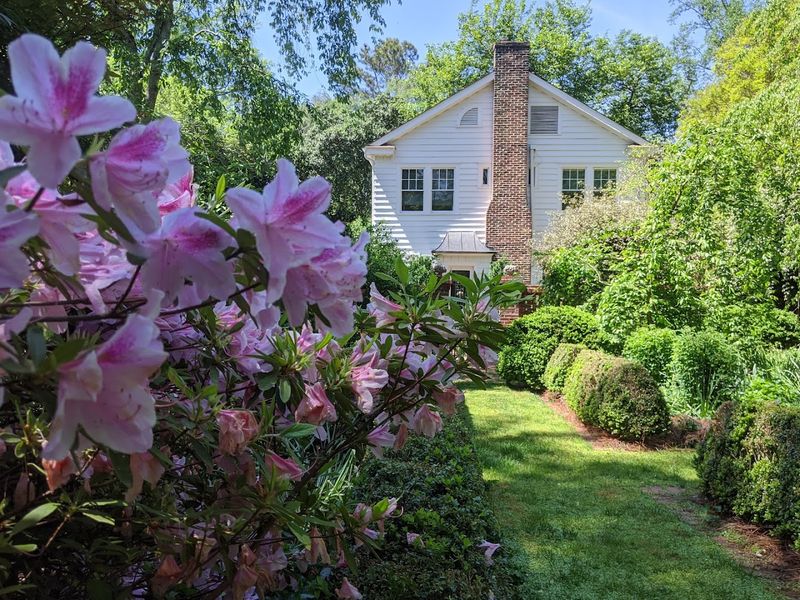
Imagine a secret garden hiding right in Charlotte’s urban landscape, where songbirds outnumber car sounds and every corner feels personally designed for peaceful moments. Wing Haven started as someone’s private dream—a backyard transformed into a wildlife haven where birds, butterflies, and humans could share space harmoniously.
That original vision still defines the experience today.
Fountains provide soothing background music while birds splash and play. Thoughtfully placed sculptures add artistic touches without overwhelming the natural setting.
The garden’s layout creates intimate outdoor rooms, each with its own personality and purpose, making visitors feel like welcomed guests in someone’s beloved home garden rather than anonymous tourists.
What sets Wing Haven apart is its dual focus on cultivated beauty and wildlife habitat. Flowers attract pollinators, feeders bring colorful birds, and carefully chosen plants provide food and shelter for creatures throughout the seasons.
Families enjoy identifying different bird species, couples find romantic spots for quiet conversations, and solo visitors discover that sometimes the best therapy comes from watching chickadees dart between branches while surrounded by blooming gardens.
The Elizabethan Gardens — Manteo

History whispers through every path at this Roanoke Island masterpiece, where formal garden design meets coastal Carolina drama. Named for Queen Elizabeth I, these gardens transport visitors to a different era while showcasing plants that thrive in the unique coastal environment.
Massive trees create natural canopies overhead, their branches draped with Spanish moss that sways in ocean breezes.
The garden’s design divides the space into distinct rooms, each offering different moods and plantings. Spring brings explosions of azaleas and camellias, while summer highlights tropical-looking blooms that love the coastal heat.
Fall transforms the landscape again, and even winter reveals sculptural beauty in the garden’s bones.
Visitors can easily spend hours exploring without seeing everything, discovering hidden statues, secluded benches, and water features tucked between plantings. The combination of historic significance, horticultural excellence, and pure natural beauty creates an experience that feels both grand and intimate.
Photographers love the dramatic lighting filtered through ancient trees, while romantics appreciate the fairy-tale atmosphere.
This coastal treasure proves that gardens can honor the past while remaining vibrantly alive in the present.
Coker Arboretum — Chapel Hill
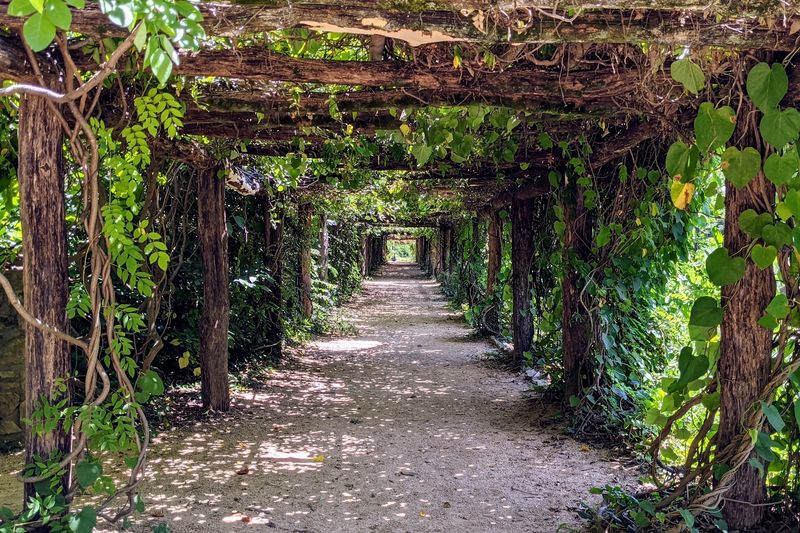
Right in the heart of UNC’s busy campus sits this five-acre sanctuary where stressed students and visitors alike find surprising peace. Established over a century ago, Coker Arboretum showcases what happens when trees are given time to mature and gardens are maintained with both knowledge and care.
The space feels removed from campus chaos despite being completely surrounded by university buildings.
Curved pathways invite leisurely strolls past impressive tree specimens, seasonal flower displays, and perfectly maintained lawns. Old-growth trees provide shade and architectural interest year-round, while understory plantings add color and texture at eye level.
The design encourages wandering without providing too much structure, letting visitors create their own routes and discover favorite spots.
During spring, flowering trees and bulbs create Instagram-worthy scenes that attract photographers from across the region. Summer brings lush green canopies and blooming perennials, while fall foliage turns the arboretum into a painter’s palette.
Even winter reveals beauty in bare branches and evergreen structure. Students use the space for outdoor studying, wedding parties take photos, and locals treat it as their neighborhood park.
This small but perfectly formed garden proves that size matters less than thoughtful design and dedicated care.
North Carolina Botanical Garden — Chapel Hill
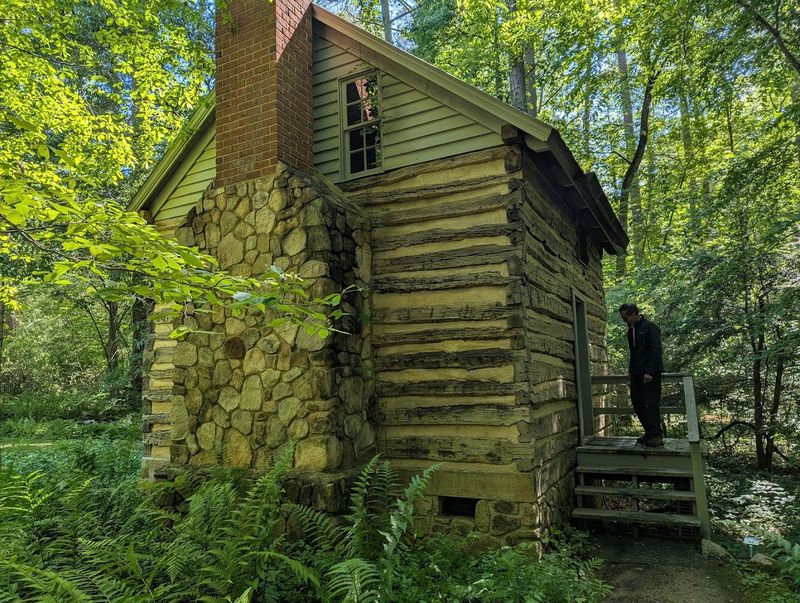
Spanning hundreds of acres, this living museum celebrates North Carolina’s incredible plant diversity through trails that wind through different ecosystems. Instead of feeling like a traditional manicured garden, the experience here mimics hiking through the state’s varied natural landscapes.
You’ll encounter plants arranged by region and habitat, creating authentic representations of mountain forests, piedmont woodlands, and coastal environments.
The garden’s mission focuses on conservation and education, but visitors don’t need to be botanists to appreciate the beauty. Wildflower displays peak in spring with trilliums, bloodroot, and other ephemeral blooms.
Summer brings different flowers and lush greenery, while fall showcases native asters and goldenrods along with changing leaf colors.
Trail options range from short accessible loops to longer woodland walks, accommodating different abilities and time constraints. Families enjoy scavenger hunts and nature programs, while plant enthusiasts study rare species and garden design ideas.
The garden’s natural approach means you’re more likely to see wildlife here than in formal gardens.
Butterflies, songbirds, and even the occasional deer share the space, adding to the feeling that you’ve stepped away from civilization even though you’re minutes from downtown Chapel Hill.
The Bog Garden at Benjamin Park — Greensboro
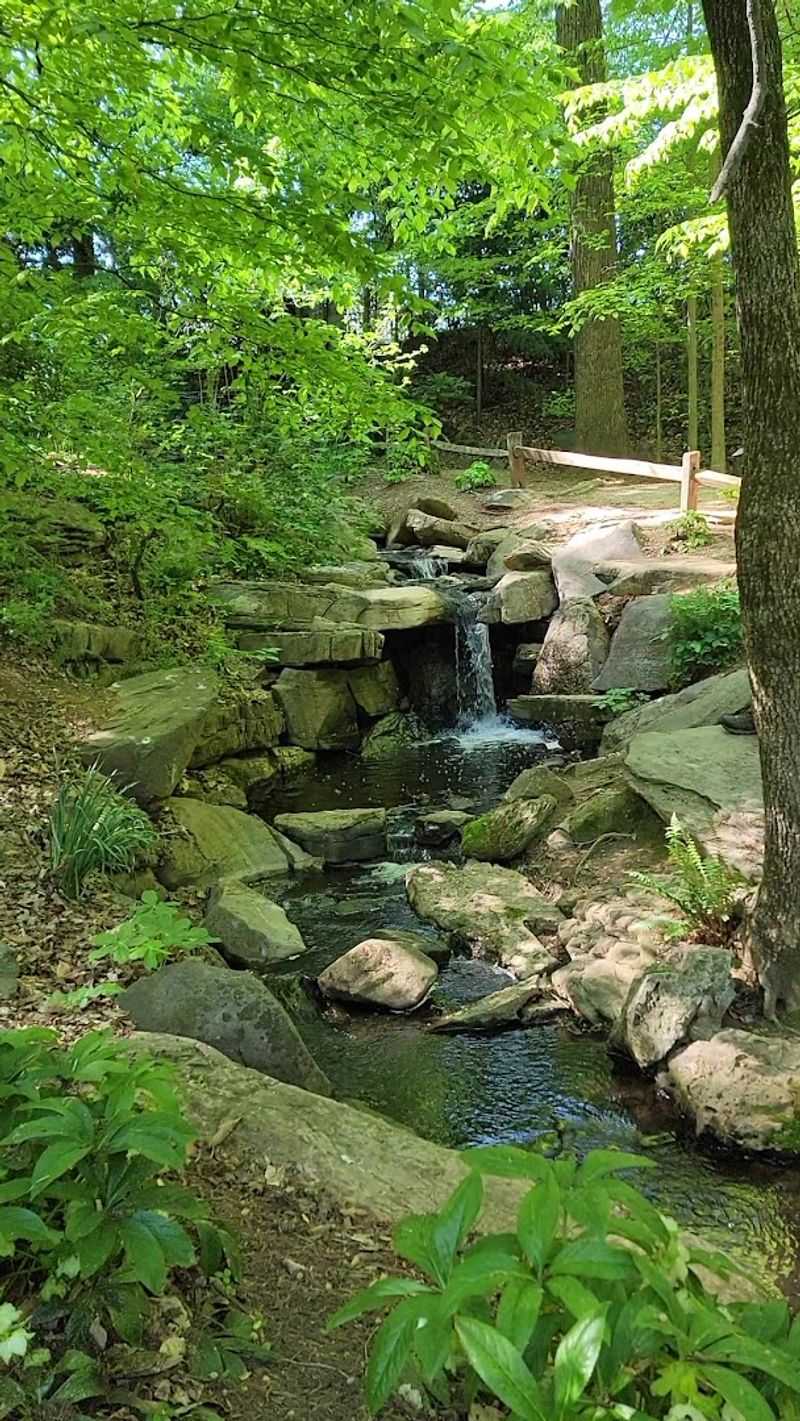
Step onto the elevated boardwalk and enter a completely different world where water, plants, and carefully designed pathways create an atmosphere that feels both mysterious and inviting. Unlike typical flower gardens, this wetland sanctuary focuses on species that thrive in wet conditions, resulting in lush green landscapes and constantly changing water features.
The sound of flowing water accompanies you throughout the entire walk.
Boardwalks protect sensitive wetland plants while giving visitors intimate access to ecosystems most people only glimpse from roadsides. Small waterfalls and streams create visual and auditory interest, while shade from surrounding trees keeps the space cool even on hot summer days.
Wildlife thrives here, with turtles sunning on logs, frogs calling from hidden spots, and dragonflies darting between plants.
The garden’s design takes you on a journey rather than just providing a walking loop. Curves in the boardwalk create anticipation about what’s around the next corner, while strategically placed benches let you pause and absorb the peaceful atmosphere.
Photographers appreciate the unique lighting conditions and abundant subjects, from macro shots of dew-covered plants to wider landscape compositions. Families find that kids naturally engage with the bog environment, spotting creatures and asking questions.
This isn’t your grandmother’s traditional garden, and that’s exactly what makes it special.
JC Raulston Arboretum — Raleigh
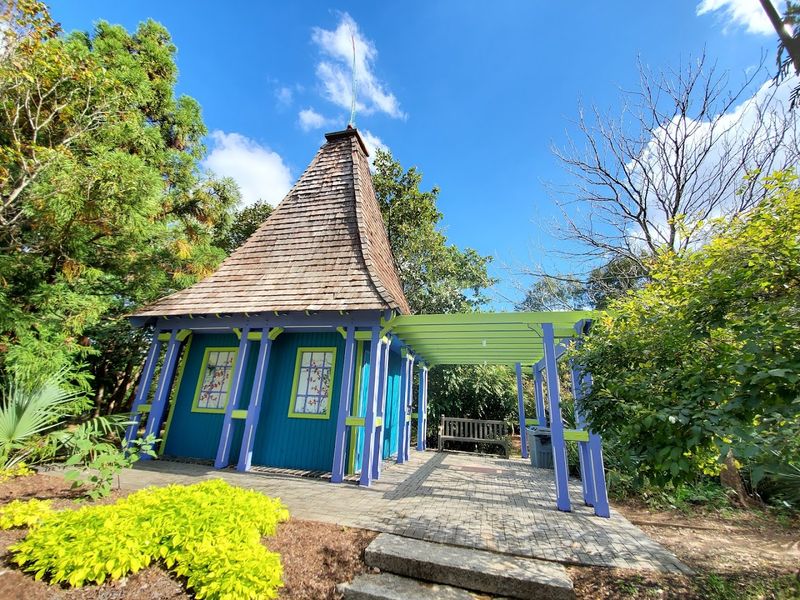
Plant collectors and casual garden lovers alike find themselves enchanted by this ten-acre arboretum that houses one of the Southeast’s most impressive collections of ornamental plants. Named for the visionary horticulturist who developed it, the garden serves as both research facility and public treasure.
What makes it special is the willingness to showcase unusual plants that most people never encounter in typical gardens.
Themed sections guide visitors through different plant groups and garden styles, from Japanese maples to winter-blooming specimens. Every season brings new highlights, with carefully planned succession blooms ensuring visual interest year-round.
The garden’s compact size means you can explore thoroughly in a single visit without feeling rushed or exhausted.
Staff members often work throughout the garden, and they’re typically happy to answer questions about unusual specimens or growing techniques. Students from NC State’s horticultural programs study here, but the atmosphere remains welcoming rather than academic.
Visitors leave with photographs of plants they’ve never seen before and often a wish list for their own gardens.
Whether you’re seeking design inspiration, want to expand your plant knowledge, or simply enjoy beautiful outdoor spaces, this arboretum delivers discoveries at every turn while maintaining an intimate scale that never feels overwhelming.
Sarah P. Duke Gardens — Durham
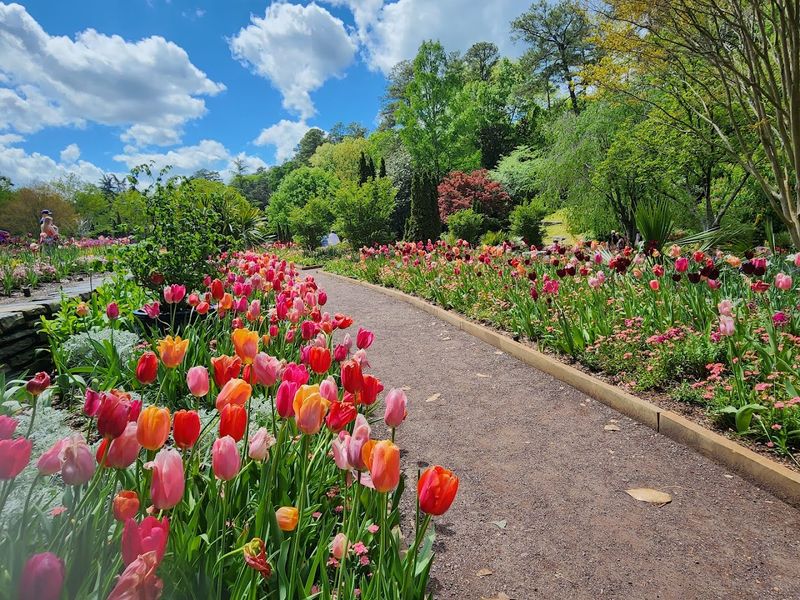
While this Durham treasure attracts plenty of visitors, its 55 acres still offer countless quiet corners where you can escape crowds and feel like you’ve discovered your own private paradise. The garden’s design masterfully blends formal European-inspired sections with naturalistic woodland areas, creating diverse experiences within a single property.
Stone staircases, elegant terraces, and carefully framed views provide constant visual interest.
Different sections showcase distinct garden styles and plant collections. The historic terraces feature geometric beds and seasonal color displays, while the Blomquist Garden focuses on native plants in a woodland setting.
Water features add tranquility, and the koi-filled lily pools become hypnotic focal points where visitors linger longer than planned.
Each season transforms the garden completely, with spring bulbs giving way to summer perennials, then fall foliage, and finally winter’s sculptural beauty. Wedding parties arrive early morning for photos, Duke students study under shade trees, and families spread blankets for picnics in designated areas.
The gardens host concerts and events, but early morning or weekday visits reveal their more contemplative side.
Miles of pathways mean you can visit repeatedly and still discover new perspectives, hidden benches, and favorite spots you’ll want to return to again and again.
Cape Fear Botanical Garden — Fayetteville
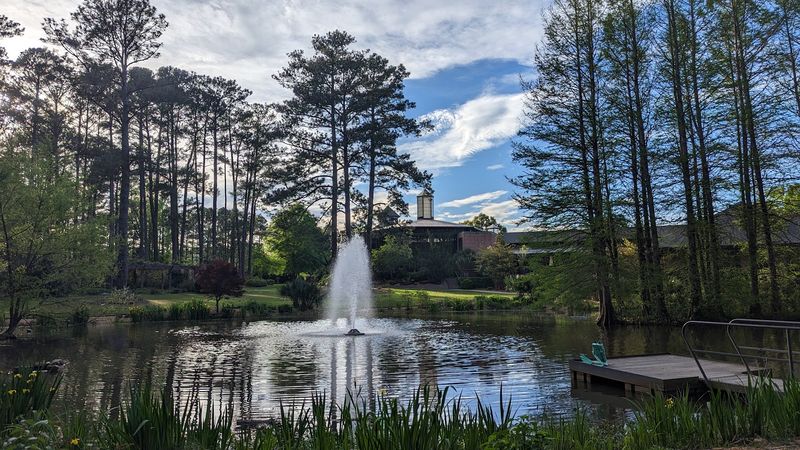
Where two rivers meet, this Fayetteville garden creates magic by combining water views, historic landscapes, and horticultural excellence into one unforgettable experience. The riverside location provides natural drama that landlocked gardens can’t match, with trails offering glimpses of flowing water through trees and plantings.
Historic structures scattered throughout the property add layers of story and visual interest.
The garden’s design takes advantage of its natural topography, with paths leading visitors up and down gentle slopes that reveal new vistas around each turn. Specialty gardens showcase different plant groups, from roses to native species, while children’s areas provide interactive experiences for young visitors.
The blend of cultivated spaces and preserved natural areas creates variety that keeps exploration interesting.
River breezes cool the garden even on warm days, and the sound of flowing water creates peaceful background ambiance throughout your visit. Photographers particularly appreciate early morning and late afternoon lighting that plays across the landscape and water.
The garden hosts events and educational programs, but also provides simple, quiet spaces where visitors can sit by the river and watch herons fish or observe turtles basking on logs.
This combination of natural beauty, thoughtful landscaping, and riverside setting makes every visit feel like a mini-vacation from everyday stress.
Airlie Gardens — Wilmington
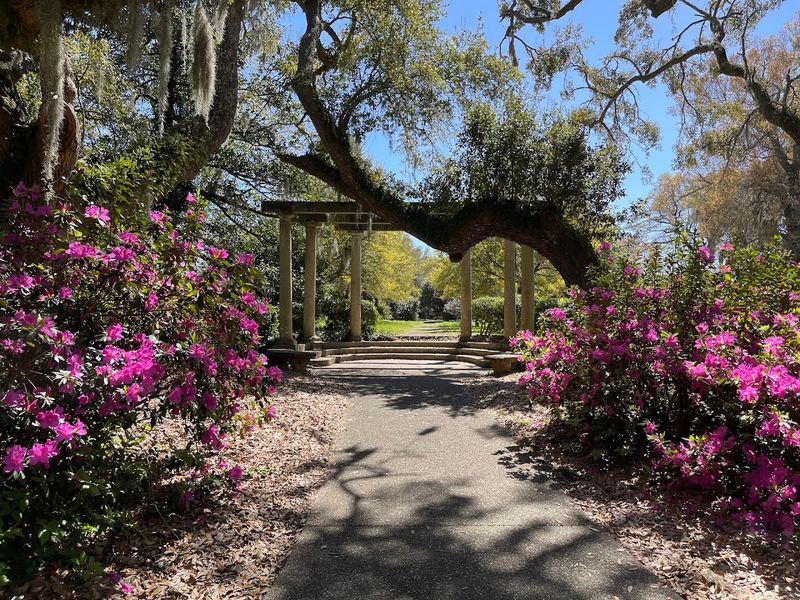
Ancient live oaks draped in Spanish moss create a cathedral-like atmosphere that makes visitors instinctively lower their voices and slow their pace. This Wilmington treasure showcases Southern garden beauty at its most dramatic, with the famous Airlie Oak—over 400 years old—serving as the garden’s crown jewel.
Walking beneath these massive trees feels like stepping into a different era, where time moves slower and nature commands respect.
The garden’s 67 acres include formal areas with seasonal plantings, naturalistic lake views, and wooded trails that feel far removed from the coastal city surrounding them. Spring azaleas create explosive color, while summer brings different blooms and lush green canopies.
Sculptures placed throughout add artistic elements without competing with nature’s own artistry.
Water features provide both visual beauty and wildlife habitat, with turtles, fish, and water birds creating living scenes that change throughout the day. Butterflies float through sunny areas, and Spanish moss sways with every breeze.
Wedding photographers love the romantic backdrops, nature enthusiasts enjoy bird watching, and families discover that gardens don’t have to feel stuffy or boring.
The combination of historic trees, carefully maintained gardens, and coastal Carolina atmosphere creates an experience that feels genuinely magical rather than simply pretty.
Paul J. Ciener Botanical Garden — Kernersville

Hidden in historic downtown Kernersville, this botanical treasure offers something rare—a European-style garden experience right in North Carolina’s Piedmont. Themed areas transport visitors to different garden traditions and ecosystems without requiring passport stamps.
The Japanese-inspired section brings Zen principles to life, while woodland paths showcase native plants in naturalistic settings.
What makes this garden particularly special is its intimate scale and thoughtful design. Rather than overwhelming visitors with vast acreage, the garden creates distinct rooms that each tell their own story and showcase different plant collections.
Wetland areas demonstrate sustainable water management while supporting diverse wildlife. Conifer collections prove that evergreens offer more variety and interest than most people realize.
The garden’s smaller footprint encourages slow exploration rather than rushed tours. Benches positioned throughout invite contemplation, and the lack of crowds means you often have entire sections to yourself.
Visitors interested in garden design find inspiration in how much beauty and diversity can fit into a relatively compact space. The attention to detail and obvious care in maintenance show in every corner.
Whether you’re seeking ideas for your own yard, want to practice nature photography, or simply need a peaceful escape, this hidden gem delivers an experience that feels both refined and accessible.
Asheville Botanical Garden — Asheville
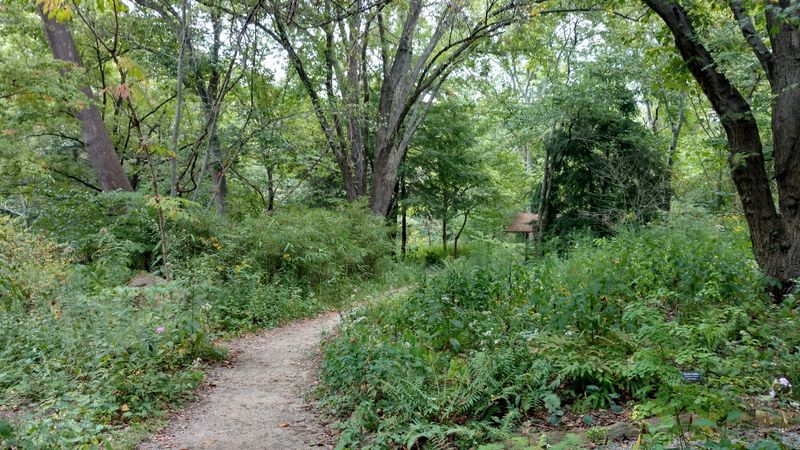
Forget formal flower beds and manicured lawns—this Asheville sanctuary celebrates Southern Appalachian plants in settings that honor how they naturally grow. Located beside UNC Asheville, the garden focuses on native species, seasonal blooms, and creating spaces that feel like mountain wilderness rather than human-imposed order.
Shaded trails wind through displays organized by habitat, teaching visitors about the region’s botanical diversity without feeling like a science lesson.
Bridges cross small streams where native ferns and moisture-loving plants thrive. Spring brings wildflowers that have adapted to mountain conditions over millennia.
The garden’s design lets plants take center stage, with minimal hardscaping and maximum attention to ecological relationships and natural beauty.
What draws visitors back repeatedly is the garden’s authentic mountain character. Rather than trying to showcase exotic imports or create Instagram-perfect moments, the focus remains on helping people understand and appreciate the incredible diversity growing naturally in these mountains.
Hikers appreciate learning to identify plants they’ll encounter on trails. Gardeners gain ideas for native landscaping.
Children discover that local plants tell fascinating stories about survival and adaptation.
This approach creates a different kind of garden experience—one that connects visitors to place and teaches respect for native ecosystems while still providing beautiful, peaceful spaces for reflection and exploration.