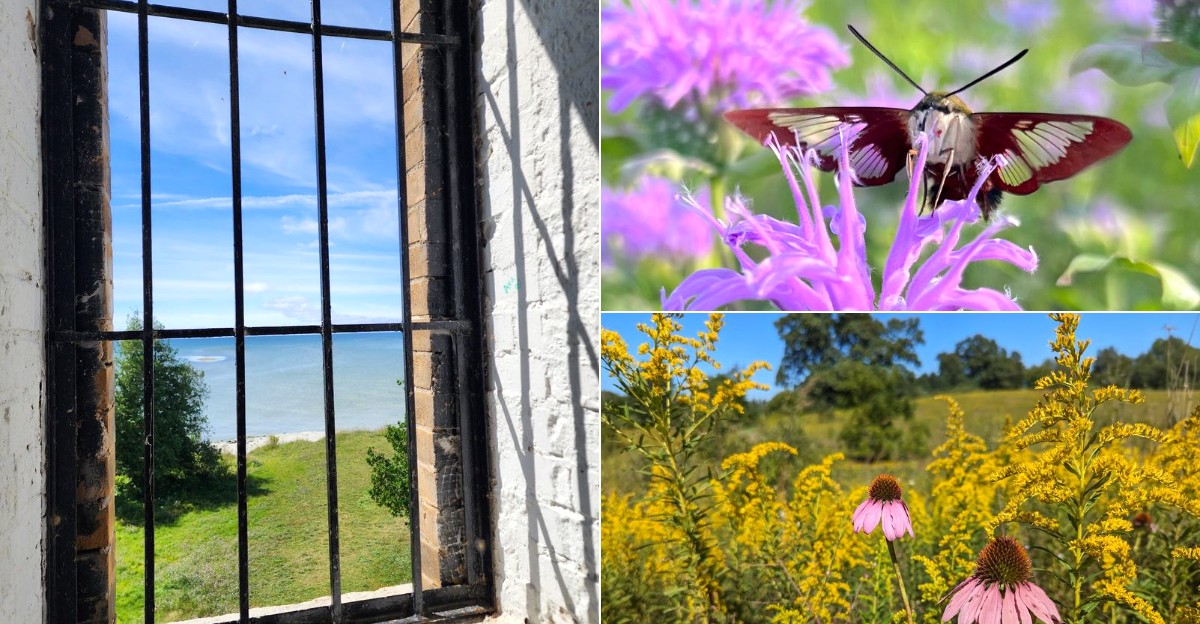
Michigan’s shoreline and forests hold some of the best birding this side of the Great Lakes. From wind-swept points where raptors funnel by the thousands to quiet marshes full of waterfowl, the variety is remarkable.
A few are staffed with researchers who’ve been counting migrations here for decades. Others are simple, peaceful walking trails where a heron or a warbler might be the only company you find.
We tracked down thirteen spots stretching from the Upper Peninsula to the southern border that reward a slow, quiet visit. Bring binoculars, because Michigan’s birds have a way of stealing the whole afternoon.
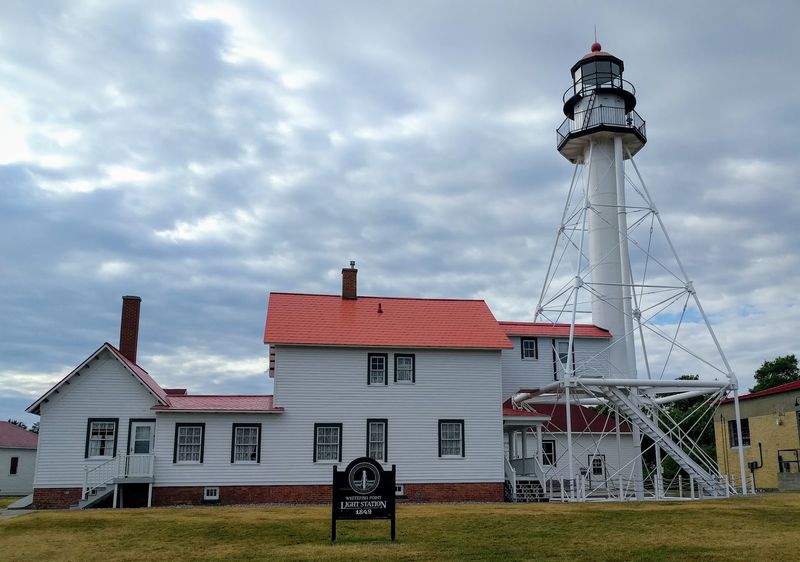
1. Whitefish Point Bird Observatory in Paradise, Chippewa County
The wind off Lake Superior can make even a busy migration day feel calm and serious.
At Whitefish Point Bird Observatory, near Paradise in Chippewa County, birds funnel along a narrow strip of land before crossing or following the lake.
That makes the point one of Michigan’s best places to watch hawks, owls, waterbirds, warblers, and sparrows during spring and fall movement.
Bring layers, because the weather can change fast beside the water.
A pair of binoculars helps, but patience helps even more, especially when small birds move through the jack pines.
Visitors should stay on marked paths and avoid disturbing roped nesting areas, since the beach is important for sensitive shorebirds.
The nearby Great Lakes Shipwreck Museum adds history if your group wants a break from birding.
Early mornings are usually best, though evening owl banding programs may be offered during certain seasons.
Check current rules and schedules before going, because research work and access can vary.
What stays with many visitors is not only the bird list, but the quiet sound of waves, wings, and wind meeting at Michigan’s far northern edge.
2. Seney National Wildlife Refuge in Seney, Schoolcraft County
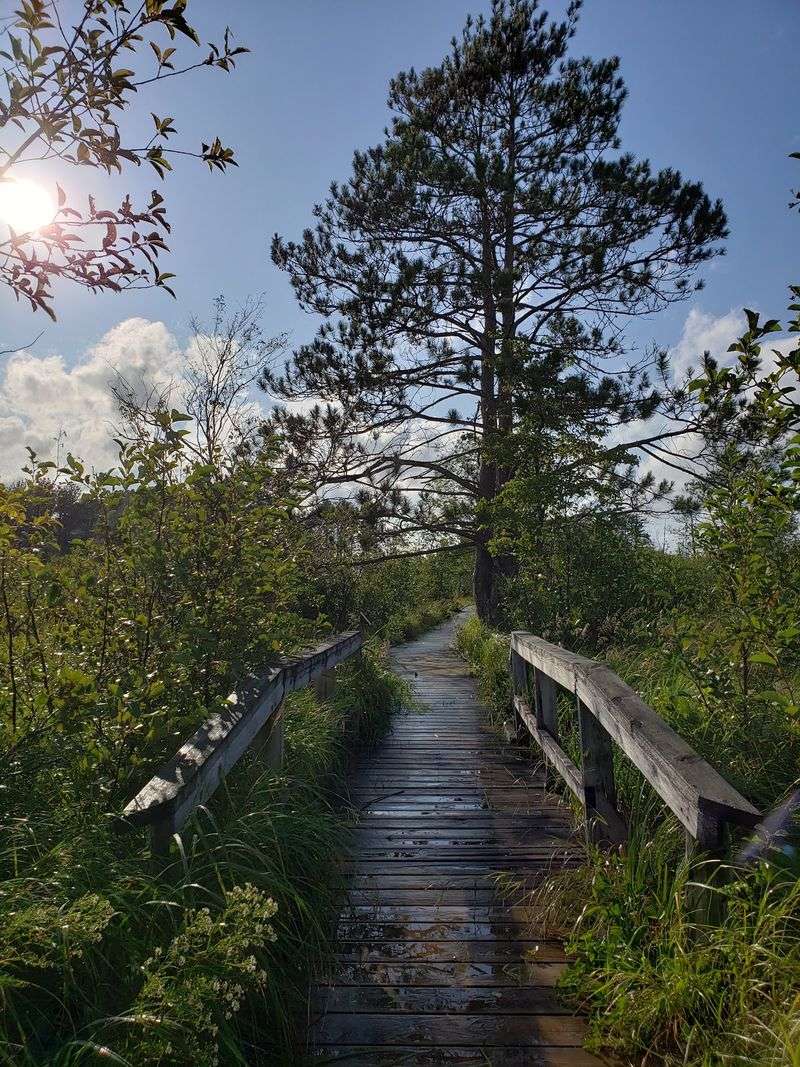
A slow drive here feels like turning down the volume on the whole world.
Seney National Wildlife Refuge, located in Seney in Schoolcraft County, spreads across wetlands, pools, forests, and open country in Michigan’s Upper Peninsula.
The refuge is famous for trumpeter swans, common loons, bald eagles, sandhill cranes, ducks, and many songbirds.
The Marshland Wildlife Drive is a favorite route because families can watch from the car and stop safely at pullouts.
Bring a spotting scope if you have one, since many birds feed far out on the water.
Bug spray is wise in warm months, and so is a full gas tank because services are limited nearby.
Spring and summer bring nesting activity, while fall adds golden grasses and migrating waterfowl.
Quiet visitors may also see muskrats, turtles, foxes, or deer along the edges.
Stay inside open areas and respect seasonal closures, because refuge rules protect wildlife first.
Seney rewards people who move slowly, speak softly, and let the marsh reveal itself one ripple, call, and wingbeat at a time.
3. Peninsula Point in Rapid River, Delta County
Some places feel small on a map but huge in the sky above you.
Peninsula Point, reached from Rapid River in Delta County, sits where land stretches into Lake Michigan and guides migrating birds across the water.
Birders often visit for raptors, warblers, waterbirds, and other travelers that use the point during seasonal movement.
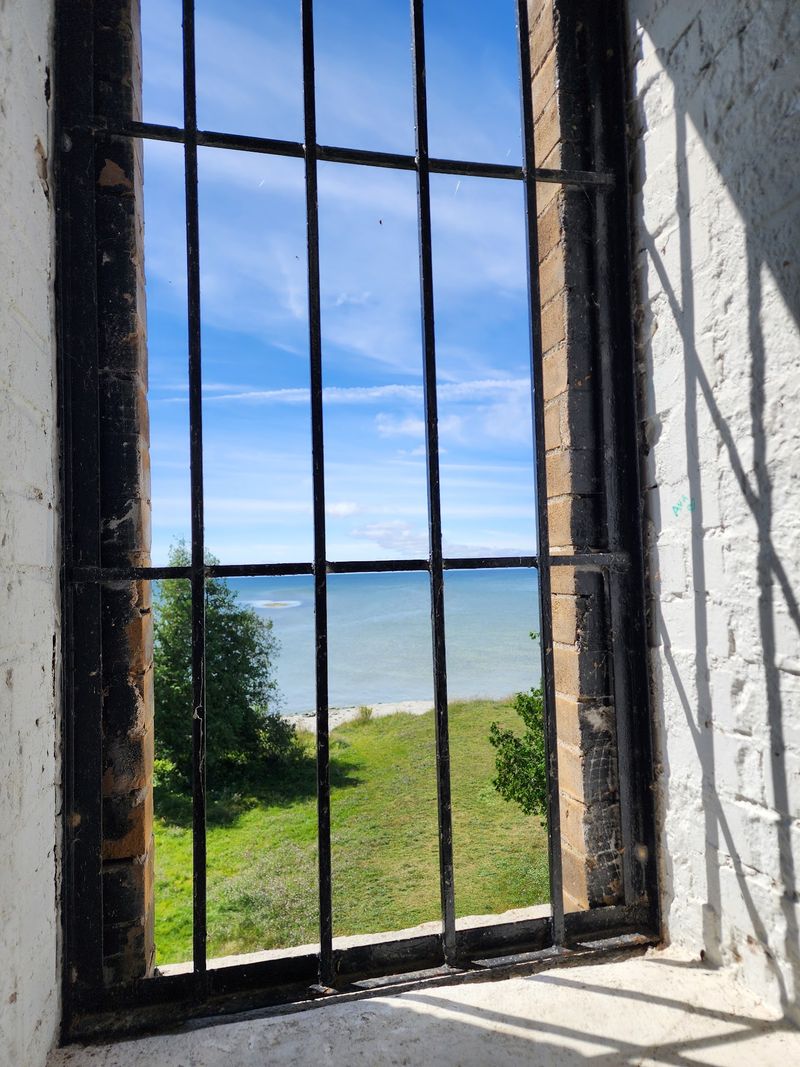
The old lighthouse tower area adds a simple historic charm, and the surrounding woods can be lively on the right morning.
In late summer, monarch butterflies may gather here too, which gives the visit a special bonus.
The road to the point can be narrow and remote, so drive carefully and plan extra time.
Pack snacks, water, and a paper map, since cell service may not always be reliable.
Comfortable shoes help if you want to explore the paths near the shoreline.
Fall can be especially rewarding, with cool air, changing leaves, and birds pushing south.
Stand quietly near the trees, watch the open sky, and you may notice how migration turns this peaceful corner into a busy natural highway.
4. Shiawassee National Wildlife Refuge in Saginaw, Saginaw County
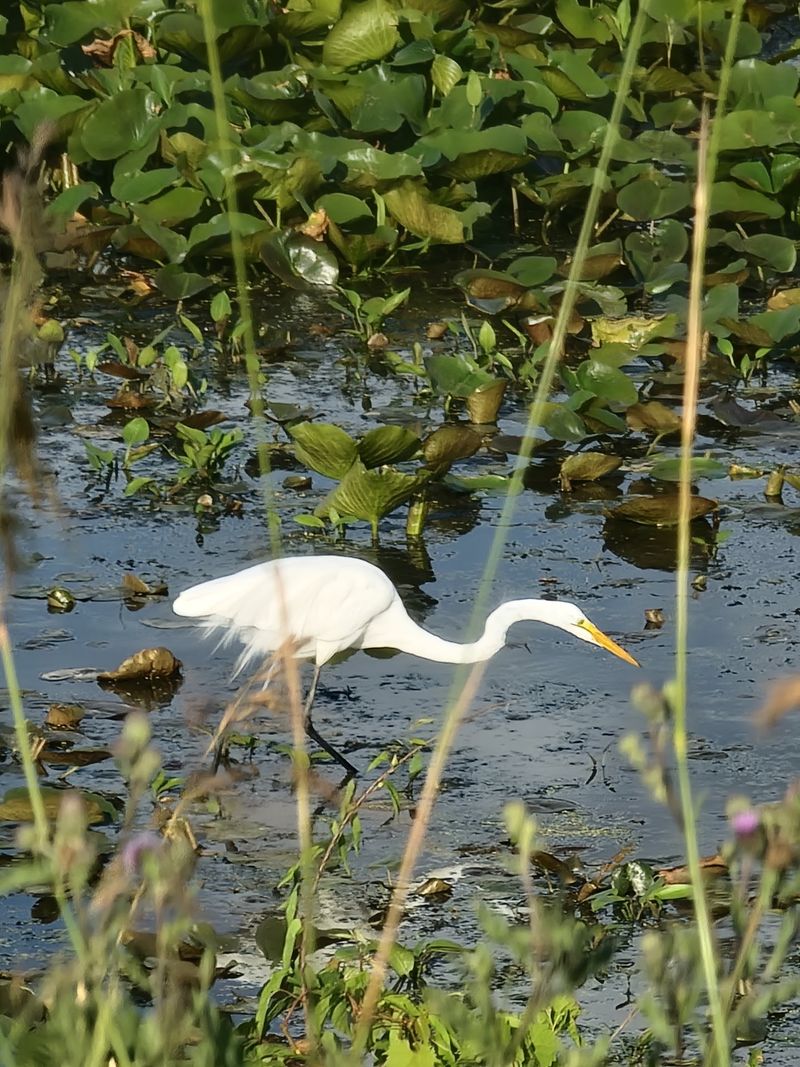
Right near a city, a broad wetland can still feel wonderfully wild.
Shiawassee National Wildlife Refuge in Saginaw, Saginaw County, protects an important meeting place for rivers, marshes, and floodplain forest.
Birds love this mix, especially ducks, geese, herons, egrets, shorebirds, eagles, and migrating songbirds.
The wildlife drive, when open, is an easy way to enjoy the refuge without a long hike.
Families can move at their own pace, stop at viewing spots, and compare birds using a field guide or phone app.
Because water levels and road access change, always check current refuge updates before leaving home.
Late summer and fall can bring big groups of waterfowl, while spring often feels full of sound and motion.
Mosquitoes can be strong, so long sleeves and repellent are smart choices.
Keep voices low near viewing areas, since many birds flush quickly when startled.
The most surprising part is the contrast: traffic and neighborhoods are not far away, yet inside the refuge, the marsh sets a slower, quieter rhythm.
5. Nayanquing Point State Wildlife Area in Pinconning, Bay County
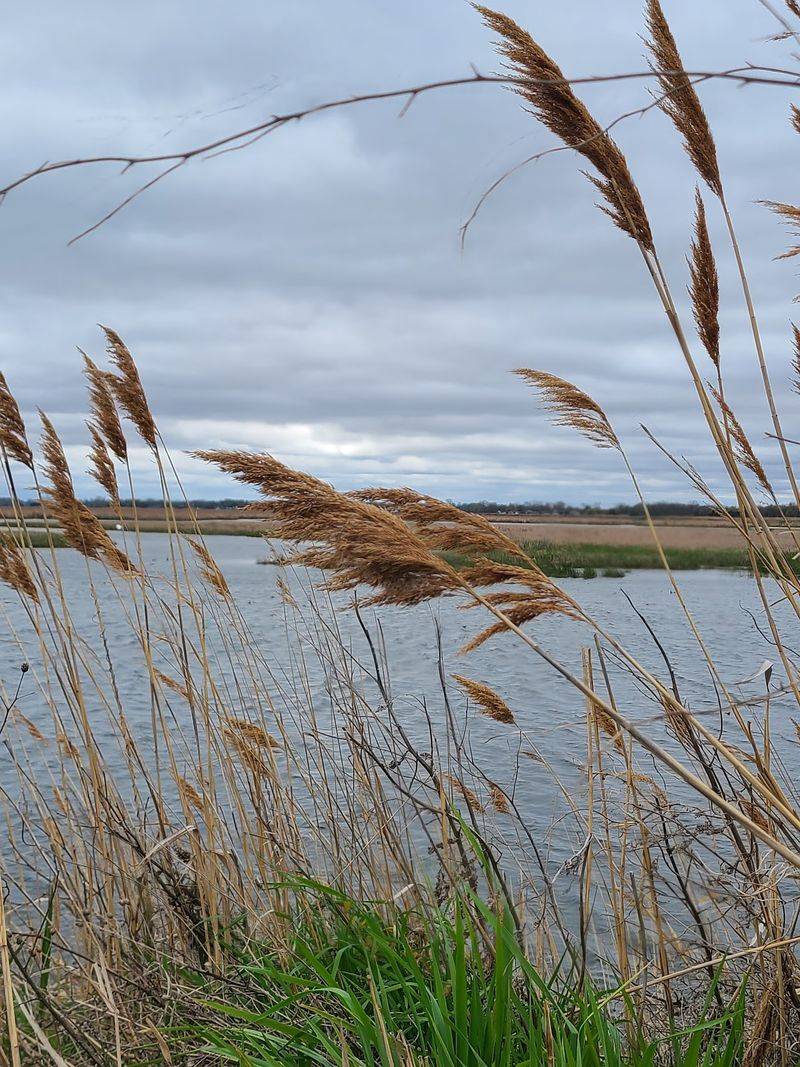
A flash of yellow in the cattails can make a whole morning memorable.
Nayanquing Point State Wildlife Area, near Pinconning in Bay County, is well known among Michigan birders for marsh birds along Saginaw Bay.
One special target is the yellow-headed blackbird, a striking bird that is much harder to find in many parts of the state.
The area can also hold rails, bitterns, herons, ducks, terns, sparrows, and shorebirds, depending on water and season.
Viewing areas and dike roads give visitors chances to scan open water and cattail beds.
Bring binoculars, a scope if possible, and shoes that can handle mud.
Wind off the bay can be chilly, even when the inland forecast looks mild.
Because this is a wildlife area, hunting seasons may affect where and when people visit, so review posted rules before your trip.
Early morning is often best for bird activity and softer light.
If you stay still and listen, the marsh becomes less like a wall of reeds and more like a hidden neighborhood full of whistles, croaks, splashes, and wings.
6. Phyllis Haehnle Memorial Sanctuary in Jackson, Jackson County
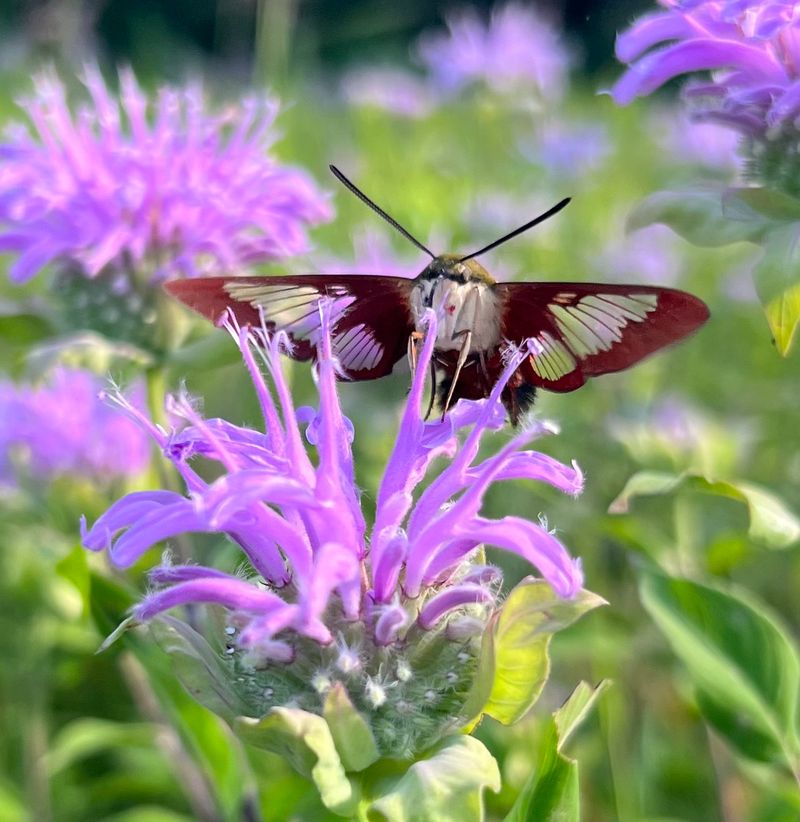
Even people who do not know bird names remember the sound of cranes.
Phyllis Haehnle Memorial Sanctuary, near Jackson in Jackson County, is one of Michigan’s classic places to watch sandhill cranes gather in fall.
Owned by Michigan Audubon, the sanctuary protects wetlands and surrounding land used by cranes as they stage before moving onward.
Evening visits in October and November can be amazing, as birds glide in and call across the open marsh.
Arrive early for parking and dress warmly, because standing still at sunset can feel colder than expected.
Volunteers are often present during crane season and may help visitors understand what they are seeing.
A spotting scope is useful, but the birds are large enough that beginners can enjoy them with simple binoculars.
Stay in designated viewing areas and keep pets away, since cranes need safe resting space.
The scene asks for quiet, not because rules are stiff, but because the birds make the moment bigger when people let them.
Watching long-legged shapes settle into dusk can remind anyone that migration is both ancient and still happening right in our backyard.
7. Bernard W. Baker Bird Sanctuary in Bellevue, Eaton County
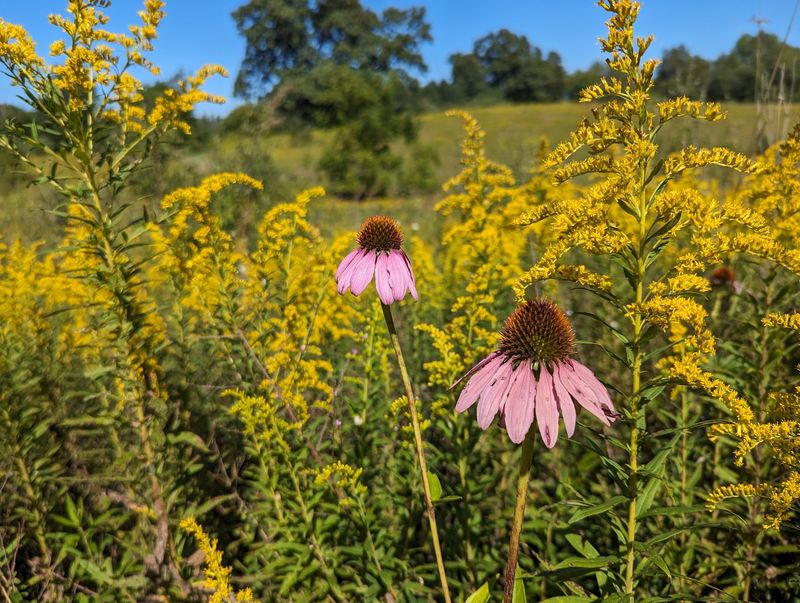
A country road, a wide marsh, and a sudden crane call can feel like a secret invitation.
Bernard W. Baker Bird Sanctuary in Bellevue, Eaton County, is another Michigan Audubon property with a strong connection to sandhill cranes.
The sanctuary protects marsh, lake, field, and woodland habitat around Big Marsh Lake.
Birders may see cranes, waterfowl, raptors, swallows, woodpeckers, and many seasonal songbirds.
Unlike busier parks, this place often feels simple and unhurried, which is part of its appeal.
Bring binoculars and be ready to scan from safe roadside or designated viewing spots, since access can be limited to protect habitat.
Fall crane watching is popular, but spring and summer can also offer rewarding sights and sounds.
Quiet behavior matters here because the open landscape carries noise farther than you might expect.
Check Michigan Audubon information before visiting, especially for property guidelines and seasonal notes.
For kids or first-time birders, the sanctuary is a good lesson in looking carefully: a plain patch of marsh can turn lively once eyes adjust to movement, shapes, and calls.
8. Lake Bluff Bird Sanctuary in Manistee, Manistee County
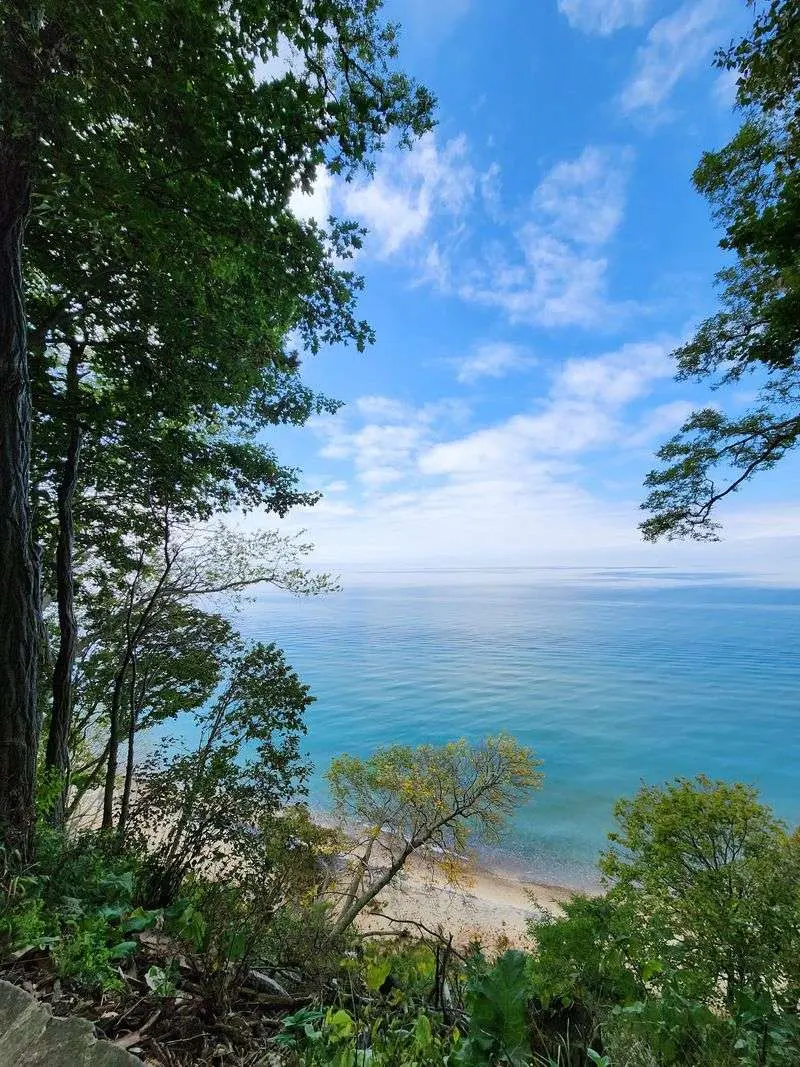
High above Lake Michigan, birding comes with a wide blue view.
Lake Bluff Bird Sanctuary in Manistee, Manistee County, offers wooded paths, open lawn, historic grounds, and bluff-top scenery along the shoreline.
The sanctuary is managed by Michigan Audubon and gives migrating birds a resting place near the big lake.
Spring can bring warblers, vireos, thrushes, and other songbirds moving through trees and shrubs.
Fall migration is quieter but still rewarding, especially when winds push birds along the coast.
Visitors can enjoy a gentle walk, but should still watch their footing near uneven ground and bluff areas.
Binoculars help in the canopy, and a small notebook can make the trip more fun for young nature watchers.
The setting also works well for people who enjoy plants, lake views, and a slower pace.
Respect private or restricted areas and follow posted signs, since sanctuary land must balance visitors with protection.
What makes Lake Bluff special is its mix of calm beauty and usefulness: birds get shelter, while people get a peaceful place to notice the shoreline in a new way.
9. Otis Farm Bird Sanctuary in Hastings, Barry County
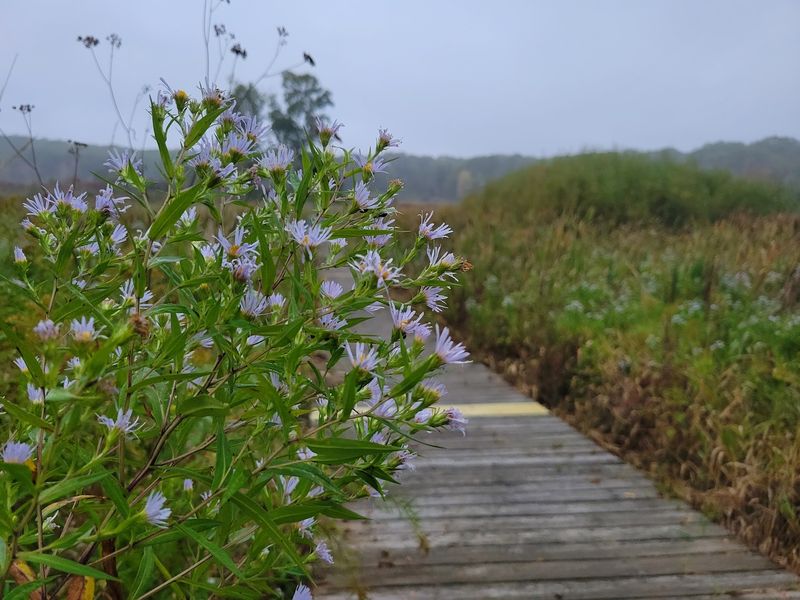
Not every great bird place is a marsh with open water.
Otis Farm Bird Sanctuary in Hastings, Barry County, shows how fields, prairie plants, shrubs, and woods can support a different cast of birds.
This Michigan Audubon sanctuary is known for grassland and shrubland habitat, which can attract species that need open, sunny spaces.
Depending on the season, visitors may watch sparrows, bluebirds, swallows, woodpeckers, raptors, and migrating songbirds.
Summer brings flowers and insects, and those insects help feed young birds.
Wear sturdy shoes because trails may cross uneven or grassy ground.
A hat, water bottle, and sunscreen are useful during warm months, when shade may be limited in open areas.
Move slowly near field edges, since birds often pop up for only a second before dropping back into cover.
Visiting after a light rain can make tracks, leaves, and bird sounds feel sharper.
Otis Farm reminds us that quiet places are not empty places; they are working habitats where grasses sway, insects buzz, and birds build lives just out of easy sight.
10. W.K. Kellogg Bird Sanctuary in Hickory Corners, Barry County
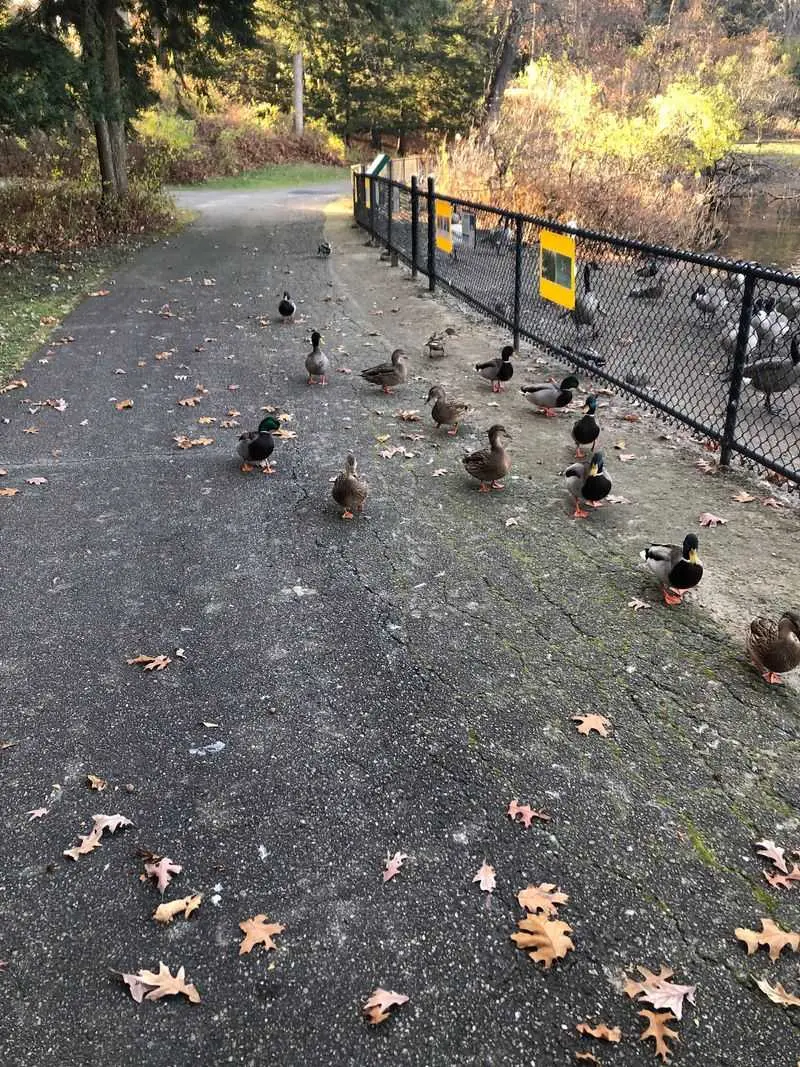
A child tossing questions faster than adults can answer fits right in here.
W.K. Kellogg Bird Sanctuary in Hickory Corners, Barry County, is one of Michigan’s most welcoming bird sites for beginners and families.
Part of Michigan State University’s Kellogg Biological Station, the sanctuary sits around Wintergreen Lake and focuses on education, conservation, and research.
Visitors often see trumpeter swans, Canada geese, ducks, raptors, songbirds, and birds in managed care or educational areas.
The paths are generally easy, making the site helpful for mixed-age groups or anyone who wants a relaxed outing.
Check hours and admission details before visiting, since this site operates more like a managed nature center than a roadside overlook.
Interpretive signs make it easier to understand bird behavior, wetland health, and conservation work.
Bring binoculars, but also leave time to simply sit near the lake.
Winter can be interesting here too, especially when open water attracts birds in cold weather.
The sanctuary’s greatest gift may be confidence: after one visit, new birders often feel ready to notice wildlife in parks, ponds, and schoolyards closer to home.
11. Pointe Mouillee State Game Area in Rockwood, Monroe County
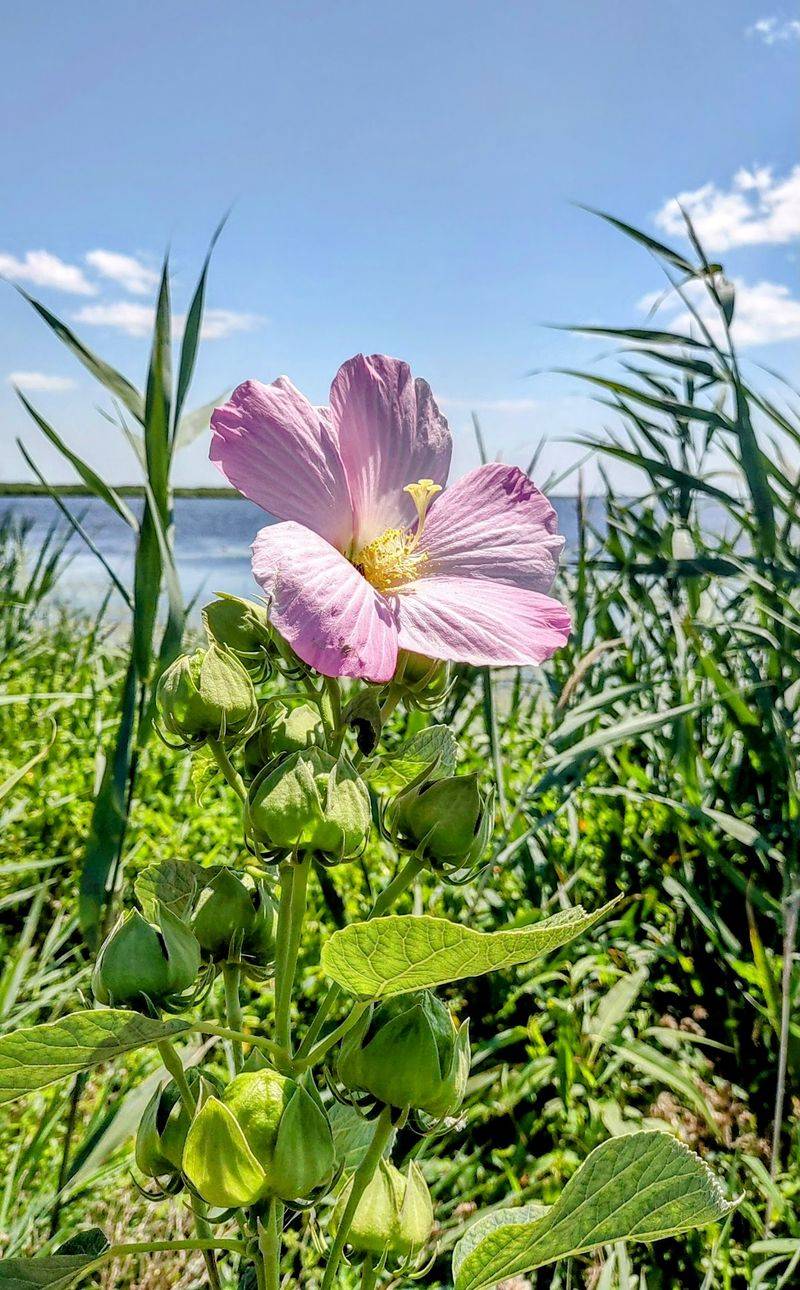
Long dikes and open marsh can make a walk feel like an adventure across the water.
Pointe Mouillee State Game Area, near Rockwood in Monroe County, is one of southeastern Michigan’s best-known birding locations.
Its Lake Erie marshes, canals, pools, and mudflats attract huge numbers of ducks, shorebirds, gulls, terns, herons, egrets, and raptors.
Serious birders bring spotting scopes because many birds feed far across the flats.
Beginners can still have a great time by focusing on larger birds first, then slowly learning smaller shapes.
Prepare for sun, wind, and long distances, since shade and services can be limited once you are out on the dikes.
A bike can help cover more ground when conditions and rules allow.
Because it is a state game area, hunting seasons and access rules matter, so check official information before you go.
Water levels can change what birds are present from week to week.
Pointe Mouillee teaches a fun lesson in patience: the longer you scan, the more the plain-looking mud and water turn into a busy map of feeding, resting, and flying birds.
12. Tawas Point State Park in East Tawas, Iosco County
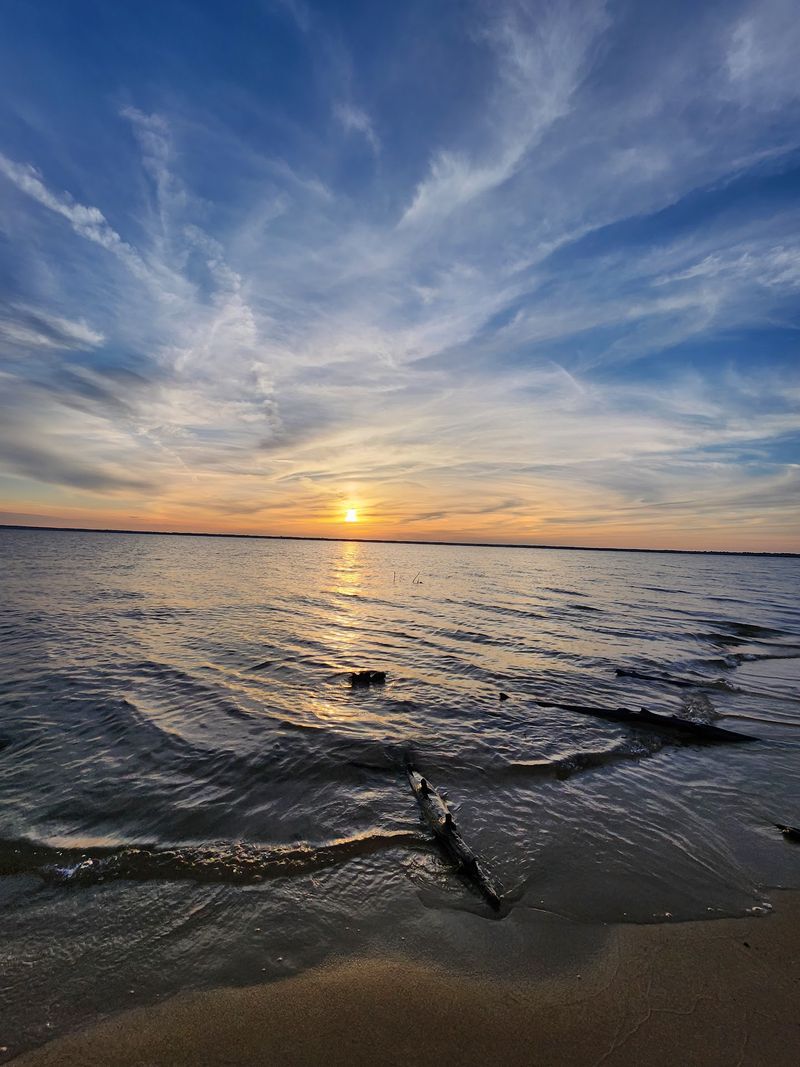
A lighthouse, sandy trails, and tiny warblers can turn one spring morning into a treasured memory.
Tawas Point State Park in East Tawas, Iosco County, sits on a curved point reaching into Lake Huron.
That shape helps concentrate migrating birds, especially during spring, when songbirds stop after crossing or following open water.
Warblers are the stars for many visitors, but the park can also offer vireos, flycatchers, shorebirds, waterfowl, gulls, and raptors.
The Tawas Point Birding Festival has helped make the area famous among bird lovers.
Even outside festival days, early mornings in May can be exciting.
Bring binoculars, a camera if you enjoy photos, and clothing for both sun and lake wind.
Stay on trails where required, and give nesting or resting birds plenty of space along the beach.
Non-birders can enjoy the lighthouse, campground, swimming areas, and lake views, which makes this a good shared trip.
The magic of Tawas Point is how quickly it changes: one quiet tree can suddenly glitter with color, movement, and soft chips from birds passing through.
13. Sarett Nature Center in Benton Harbor, Berrien County

A boardwalk through wetland has a way of making every footstep feel careful and curious.
Sarett Nature Center in Benton Harbor, Berrien County, combines bird habitat with strong nature education for visitors of many ages.
The property includes forests, wetlands, meadows, streams, and trails, giving birds plenty of places to feed and nest.
Depending on the season, guests may see woodpeckers, owls, hawks, warblers, sparrows, ducks, and other local or migrating species.
The nature center setting makes this a friendly choice for families, school groups, and newer birdwatchers who like signs, programs, and staff support.
Check trail conditions and fees before visiting, since operations can change by season.
Wear shoes that can handle damp spots, especially near boardwalks or low trails.
Spring mornings are lively, while winter walks can reveal tracks, nests, and birds that are easier to see without leaves.
Move quietly near feeders and wetland edges for better views.
Sarett feels less like a checklist stop and more like an outdoor classroom, where the lesson is simple: when people protect varied habitats, birds and curious humans both benefit.