Ohio has a wonderfully weird side that deserves way more attention.
Forget the usual tourist stops for a moment.
Across the Buckeye State, you’ll find giant roadside oddities, secret underground passages, castle-like buildings, and museums dedicated to subjects you probably never knew existed.
These places aren’t just quick photo opportunities.
They tell strange stories, reveal unexpected pieces of Ohio’s past, and turn an ordinary drive into something you’ll be talking about long after you’ve gone home.
From a massive washboard in Logan to a real WWII submarine and a surreal art world in Columbus, these quirky stops prove that taking a wrong turn can sometimes lead to the best part of the trip.
If you’re ready for an Ohio adventure with plenty of surprises, these 13 detours are calling.
Hartman Rock Garden – Springfield
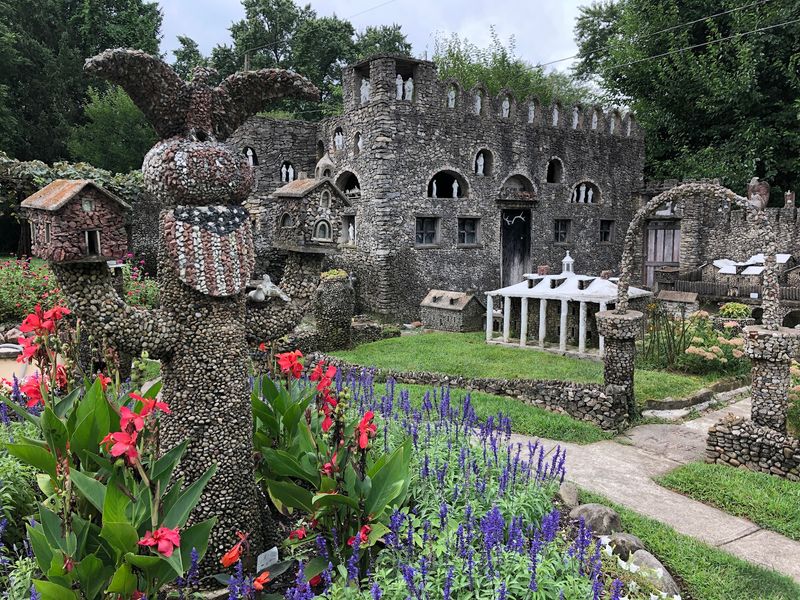
Walking into this backyard feels like discovering a hidden wonderland someone built entirely by hand. Between 1932 and 1939, Harry Hartman transformed his ordinary Springfield property into an elaborate miniature universe filled with castles, temples, tiny villages, and countless rock formations.
What makes this place remarkable goes beyond the structures themselves. Hartman created his masterpiece during the Great Depression using whatever materials he could find.
Concrete, stones, glass, and bits of pottery all became building blocks for his vision.
Every corner reveals another surprising detail that captures your attention. Miniature waterfalls flow between tiny buildings.
Stone pathways wind through the garden connecting different sections. Whimsical figures peer out from unexpected places.
The entire experience feels deeply personal, like peeking into someone’s imagination brought to life. Most folk-art environments this elaborate vanished decades ago, making Hartman Rock Garden an increasingly rare treasure.
Photography enthusiasts find endless fascinating compositions here. Plan to spend at least an hour exploring because rushing through would mean missing incredible details hidden everywhere.
Big Muskie Bucket – McConnelsville
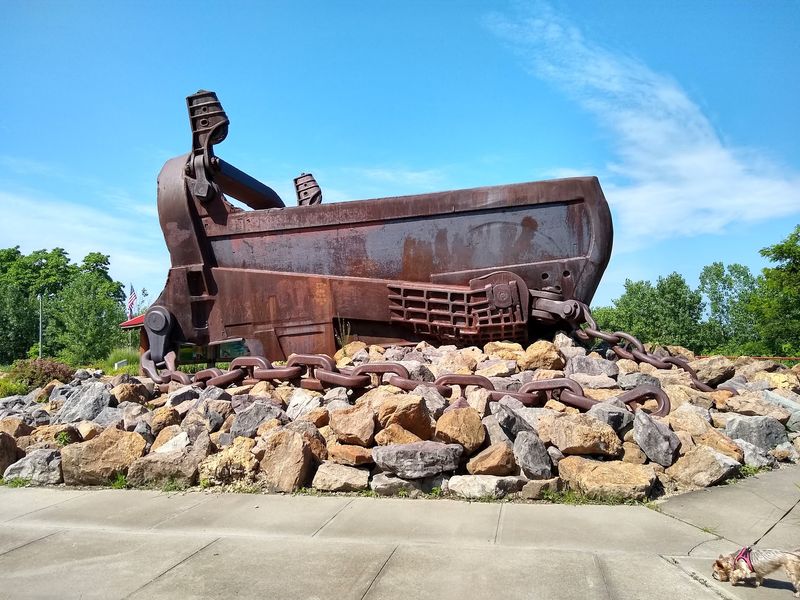
Some roadside attractions grab your attention through sheer size alone, and this massive relic of industrial history absolutely dominates the landscape. The bucket from Big Muskie weighs roughly 230 tons and once belonged to one of the world’s largest dragline excavators used in coal mining operations.
Standing beside it creates an almost surreal perspective shift. This single bucket could hold two Greyhound buses comfortably.
Its scale makes humans look like action figures by comparison, creating photo opportunities that never get old.
Big Muskie operated from 1969 until 1991, moving millions of tons of earth during its working life. After the dragline was dismantled, preservationists fought to save at least this bucket as a monument to Ohio’s mining heritage.
Today it sits proudly in Miners’ Memorial Park.
Kids love climbing around its base while parents snap pictures. The bucket tells an important story about the region’s economic past and the incredible machines that shaped entire landscapes.
Stop by during golden hour when the setting sun creates dramatic shadows across its weathered steel surface.
American Sign Museum – Cincinnati
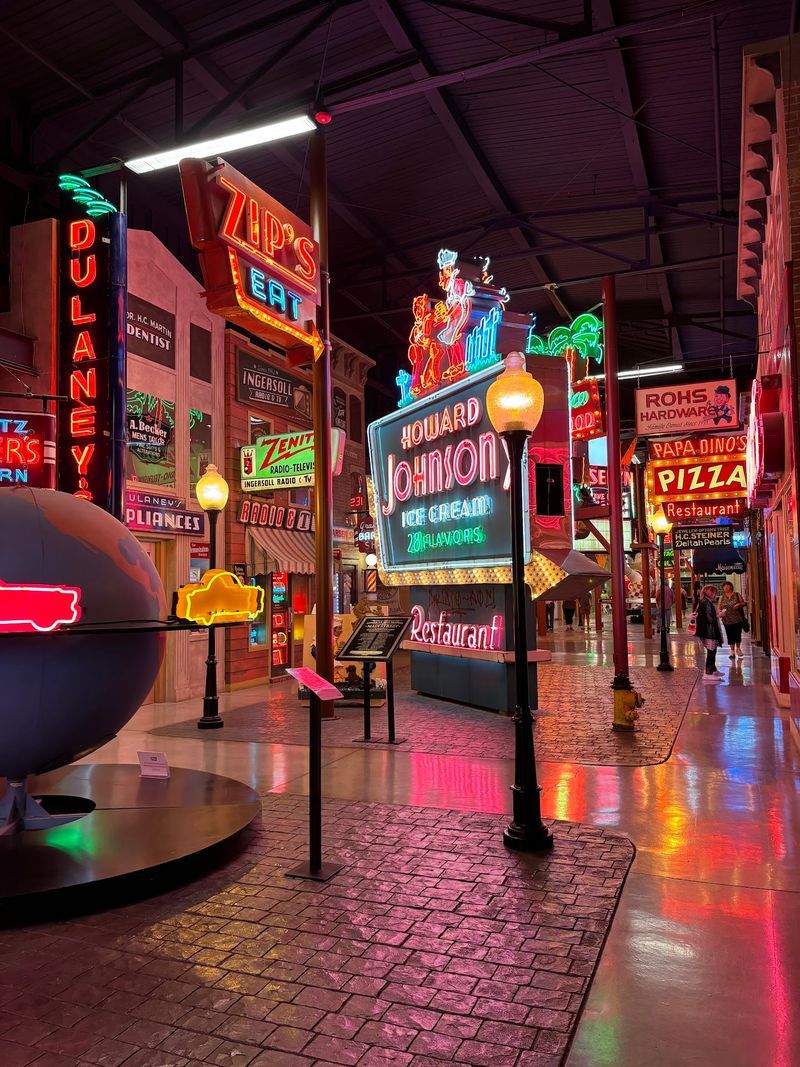
Neon glows everywhere you look inside this wonderfully unusual museum dedicated entirely to vintage signs and advertising. The collection preserves pieces of American roadside culture that would otherwise end up forgotten in landfills or demolished warehouses.
Two distinct galleries showcase different aspects of sign history. The older collection features signs dating back over a century, showing how businesses advertised before electric lighting existed.
The neon gallery literally glows with restored signs that once beckoned travelers to motels, diners, and shops across America.
Walking through feels like time travel to a neon-lit Main Street from the 1950s and 60s. Classic drive-in restaurant signs hang beside vintage theater marquees.
Old barbershop poles stand next to elaborate neon creations that took skilled craftsmen weeks to build.
Guided tours reveal fascinating stories behind specific signs and explain the craftsmanship required to create them. You learn how neon bending became an art form and why certain colors proved more challenging to achieve.
This museum celebrates design, nostalgia, and American commercial history in equal measure, making it surprisingly engaging for all ages.
Loveland Castle Museum – Loveland
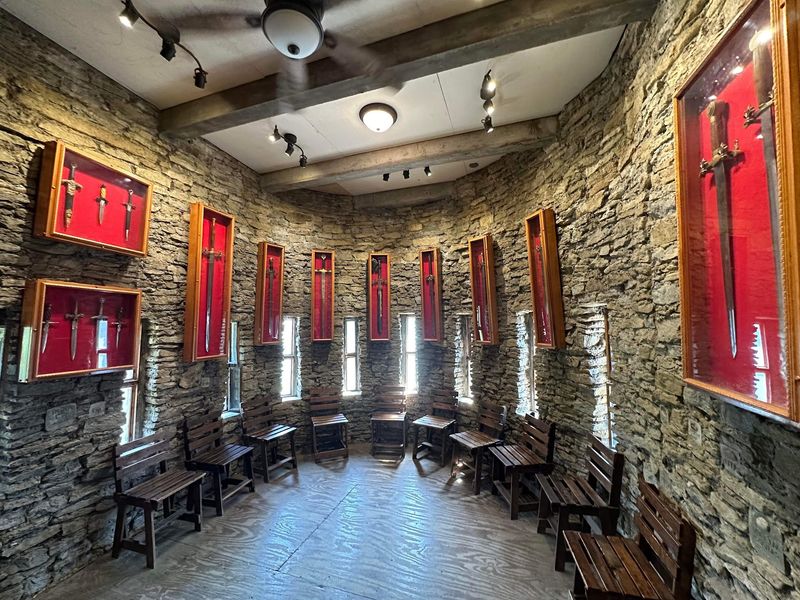
Medieval castles belong in Europe, not suburban Ohio, which makes Loveland Castle such a delightful surprise. Harry Andrews began building this stone fortress single-handedly in the 1920s, continuing construction for over four decades until his death in 1981.
The castle started as a one-room garden retreat before growing into a full medieval-style structure complete with towers, battlements, and authentic stonework. Andrews collected river stones by hand and learned masonry techniques as he built.
His creation became his life’s work and obsession.
Today visitors can explore multiple rooms filled with armor, swords, medieval artifacts, and historical displays. The Knights of the Golden Trail, an organization Andrews founded, still maintains the castle and conducts tours.
Stone spiral staircases lead to upper levels offering views of the surrounding woods and river.
The building’s quirky, handmade quality gives it tremendous character that professional construction could never match. Uneven walls and irregular features reflect one person’s determined vision brought to life stone by stone.
Plan your visit for a weekend when volunteers conduct tours sharing fascinating stories about Andrews and his unusual architectural achievement.
World’s Largest Washboard – Logan
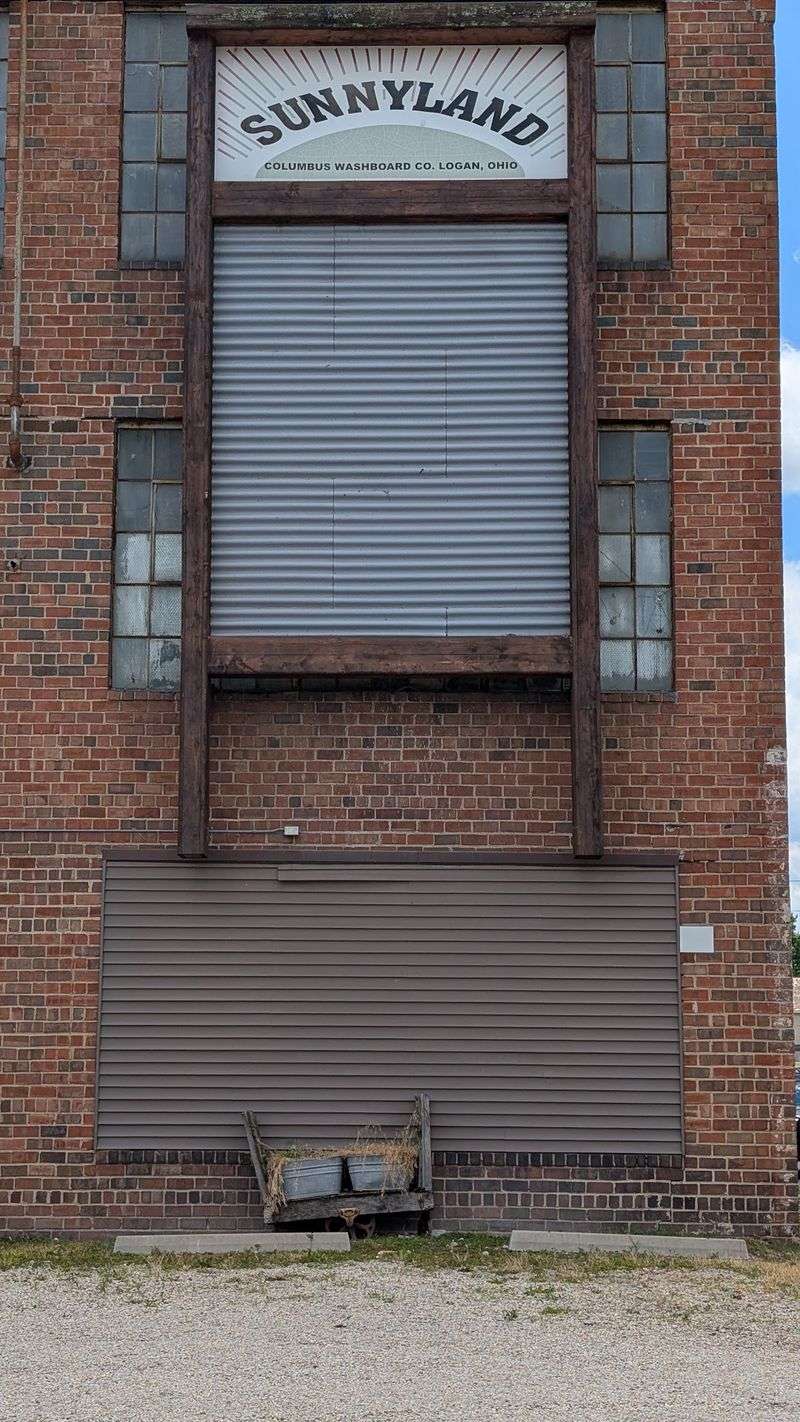
Taking everyday objects and supersizing them into roadside attractions remains a proud American tradition, and this giant washboard perfectly represents that quirky spirit. Standing roughly 24 feet tall outside the Columbus Washboard Company, it transforms an old-fashioned laundry tool into an impossible-to-miss landmark.
The washboard celebrates an object most modern households have forgotten entirely. Before washing machines became common, washboards were essential household items used for scrubbing clothes by hand.
The Columbus Washboard Company remains one of the few manufacturers still producing them today.
This oversized version captures attention from passing vehicles and creates a quick, memorable photo stop. Visitors often pose beside it to emphasize the ridiculous scale difference.
The company’s factory store sits nearby, selling actual washboards plus other vintage household items.
What began as advertising gimmick has become a beloved piece of local character. Musicians sometimes stop by since washboards remain popular instruments in folk, bluegrass, and jug band music.
The whole experience takes maybe ten minutes but delivers pure roadside Americana charm. Bring your camera because explaining this detour without photographic evidence proves challenging back home.
David Grohl Alley & Giant Drumsticks – Warren
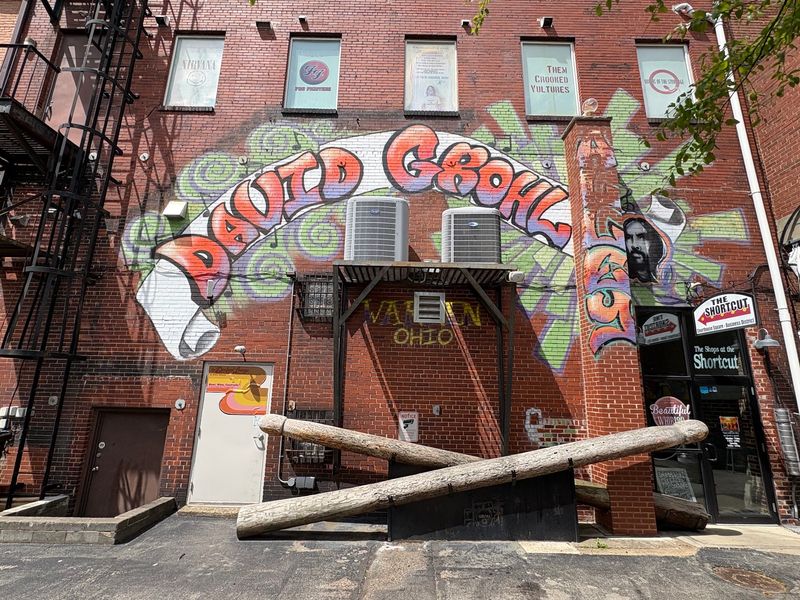
Rock music fans have a particularly fun pilgrimage site in downtown Warren where an ordinary alley has been transformed into a tribute to hometown hero Dave Grohl. The Foo Fighters frontman and former Nirvana drummer spent his formative years in this area, making him a source of tremendous local pride.
Colorful murals cover the alley walls featuring Grohl’s image, song lyrics, and musical themes. Local artists contributed to the project, creating a vibrant outdoor gallery celebrating rock and roll.
But the real showstoppers are the enormous drumsticks installed as public art.
These oversized drumsticks tower overhead, creating perfect photo opportunities for music lovers passing through Ohio. The installation captures the playful energy of rock music while honoring Grohl’s significant contributions to the genre.
Warren has embraced its connection to the legendary musician in a wonderfully creative way.
The alley frequently hosts small concerts and community events, keeping the space alive with actual music. Visitors often leave guitar picks, notes, or other small tributes near the murals.
This detour takes minimal time but means everything to fans who grew up listening to Grohl’s music. Check social media for any scheduled events before visiting.
Buckland Museum of Witchcraft & Magick – Cleveland
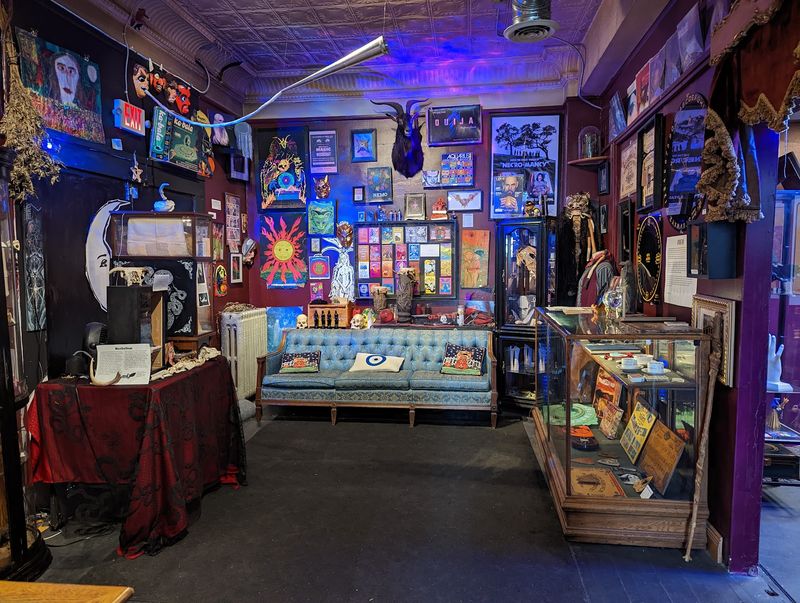
Most museums play it safe with their subject matter, but this Cleveland institution fearlessly explores witchcraft, magic, and occult traditions from around the world. Raymond Buckland, a prominent figure in modern witchcraft, founded the collection to preserve and educate about magical practices often misunderstood or dismissed.
The museum houses an extraordinary array of artifacts including ritual tools, spell books, divination instruments, and objects from various magical traditions. Displays cover everything from ancient witchcraft practices to modern Wicca.
The atmosphere feels appropriately mysterious without becoming campy or Halloween-themed.
What makes this museum genuinely fascinating is its serious academic approach to unusual subject matter. Exhibits explain cultural contexts and historical significance rather than sensationalizing or mocking the beliefs.
You learn about folk magic traditions, the history of persecution, and how magical practices evolved across different cultures.
The collection relocated several times before finding its current Cleveland home. Appointments are typically required for visits, making the experience feel more exclusive and intentional.
Photography policies vary depending on specific exhibits. Whether you believe in magic or simply find occult history intriguing, this museum offers perspectives rarely encountered in mainstream cultural institutions.
Otherworld – Columbus
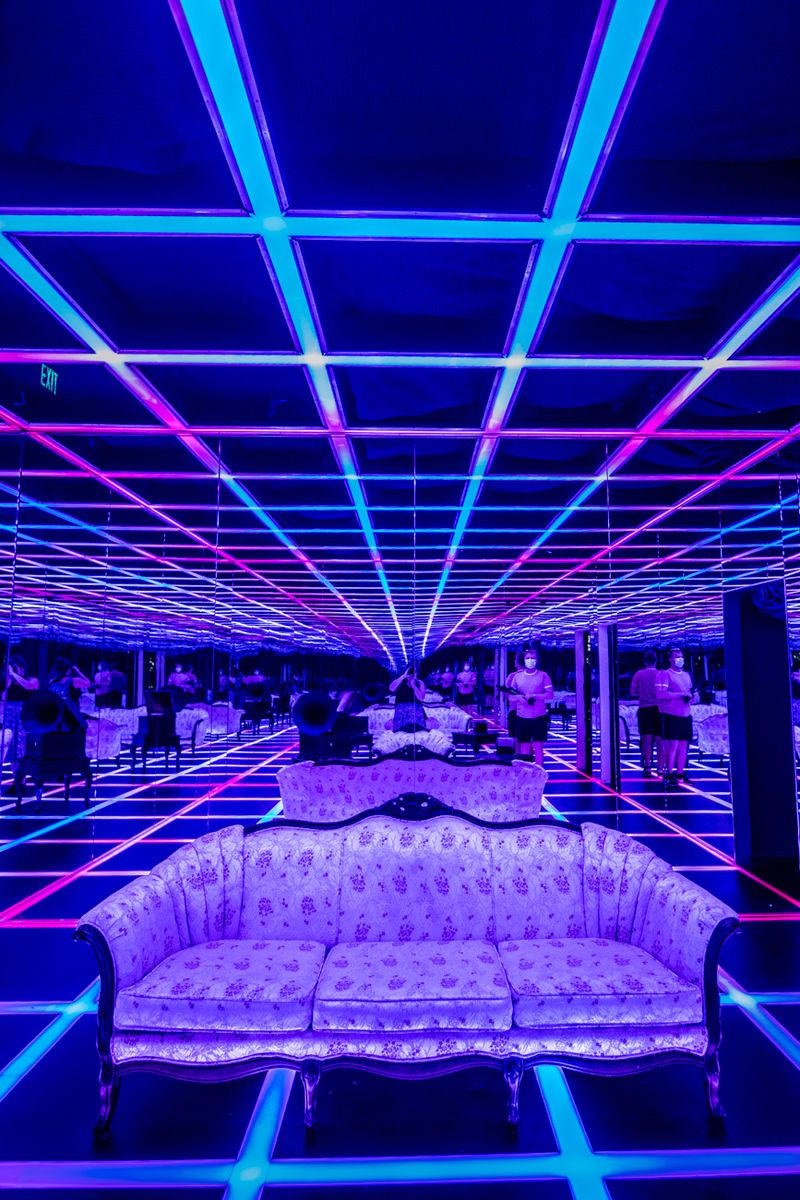
Conventional sightseeing gets thrown completely out the window at this mind-bending immersive art experience. Otherworld occupies a massive 32,000-square-foot space filled with enormous sculptures, glowing environments, interactive installations, and surreal rooms that feel pulled from fever dreams or science fiction.
Artists created over 40 different installations designed to overwhelm your senses in the best possible way. You might crawl through tunnels lined with colorful lights, explore rooms with impossible geometry, or interact with sculptures that respond to movement and touch.
Nothing feels ordinary here.
The experience encourages exploration without rigid paths or prescribed routes. Visitors wander freely, discovering unexpected details and hidden spaces.
Some areas feel meditative and calm while others pulse with energy and vibrant colors. Photography is encouraged since practically everything looks incredible on camera.
Plan to spend at least two hours here because rushing through defeats the entire purpose. Adults appreciate the artistic vision while kids simply enjoy the sensory adventure.
The installation constantly evolves as artists add new pieces or modify existing ones. This isn’t a quick roadside photo stop but rather a destination worth planning your day around.
Tickets should be purchased in advance, especially on weekends.
Merry-Go-Round Museum – Sandusky
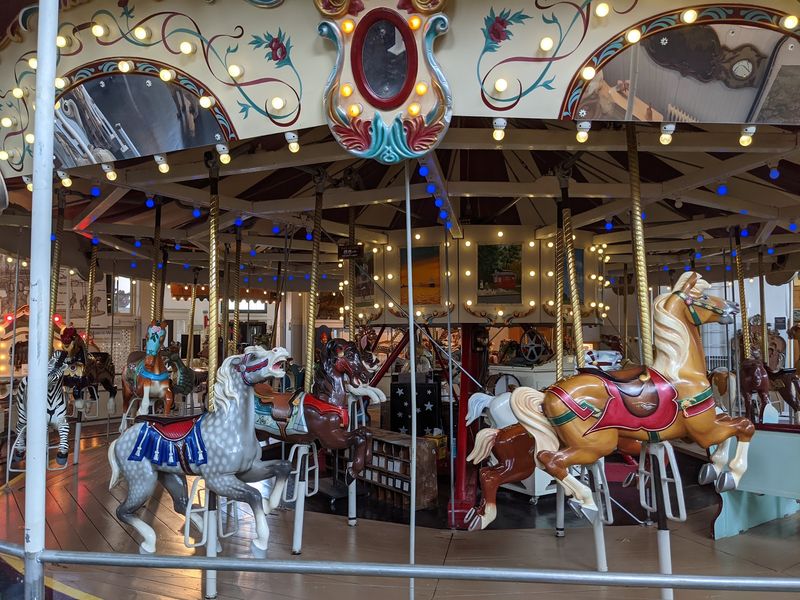
Dedicating an entire museum to carousel animals might seem excessive until you actually see these magnificent hand-carved figures up close. The Merry-Go-Round Museum in Sandusky preserves an American art form that reached its peak between 1880 and 1930 when master carvers created incredible wooden animals for amusement parks.
The collection includes horses displaying different poses and carving styles from various manufacturers. Some feature elaborate details with jewels, flowing manes, and intricate saddles.
Others showcase simpler folk-art approaches. Each piece represents hours of skilled craftsmanship.
Beyond horses, you’ll find carved zebras, tigers, roosters, and other creative carousel animals. The museum explains how different carving companies developed distinctive styles and how carousel design evolved.
Restoration workshops visible to visitors show craftspeople maintaining and repairing vintage pieces using traditional techniques.
The museum also operates a working carousel that visitors can ride, bringing the history to life. Kids especially love riding these beautifully restored animals while learning about their cultural significance.
Gift shops sell carousel-themed items and books about amusement park history. This quirky museum celebrates craftsmanship, nostalgia, and the golden age of American amusement parks in a charming, accessible way.
Olentangy Caverns – Delaware
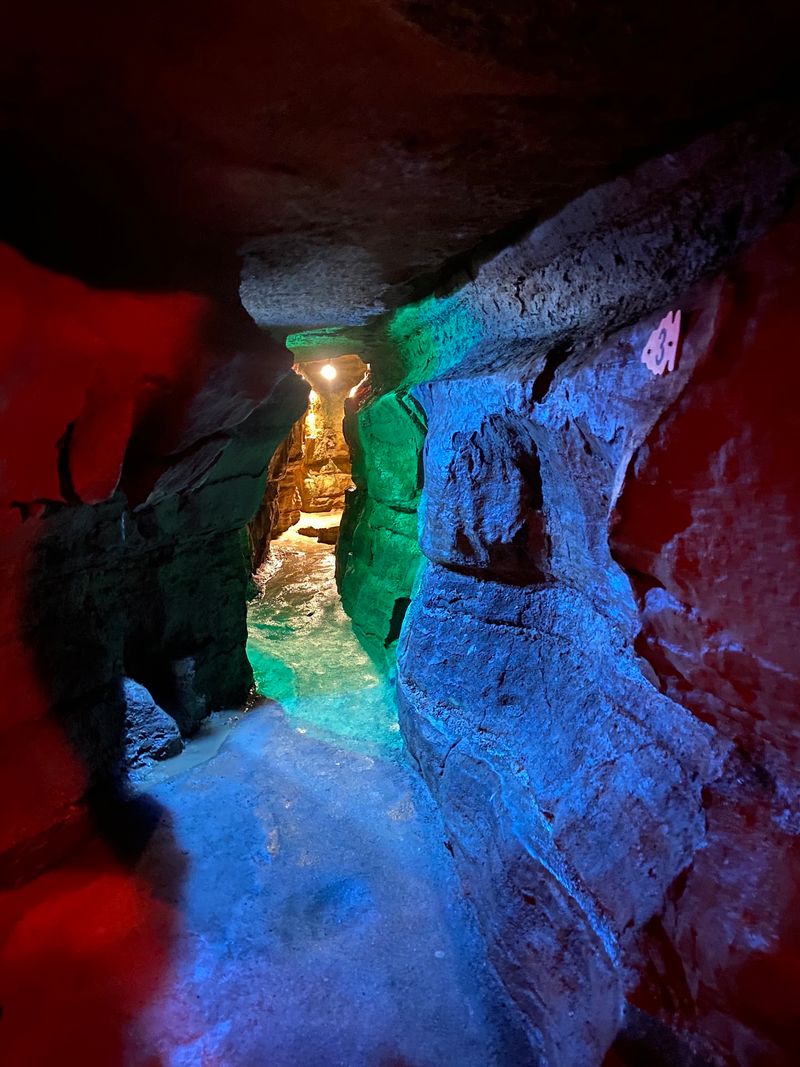
Dropping below ground level offers a completely different perspective on Ohio’s landscape. Olentangy Caverns formed naturally over thousands of years as water dissolved limestone bedrock, creating passages, rooms, and fascinating geological formations visitors can explore today.
Guided tours lead through the underground passages explaining how the caverns developed and pointing out interesting rock formations. The temperature remains constant year-round, providing cool relief during summer months.
Lighting illuminates stalactites, stalagmites, and other features formed by mineral deposits dripping slowly through the rock.
Unlike some commercialized cave attractions, Olentangy maintains a more authentic, less theme-park atmosphere. The caverns were discovered in 1821 and have served various purposes throughout history including as a hideout for fugitives and a cold storage facility before opening for tourism.
Above ground, the property includes a rock and gem mining area where kids can sift through material searching for minerals and fossils to take home. A small gift shop sells geological specimens and cave-related souvenirs.
The entire visit takes about an hour, making it a perfect detour when driving through central Ohio. Comfortable walking shoes are essential since cave floors can be uneven and occasionally slippery.
USS Cod Submarine Memorial – Cleveland
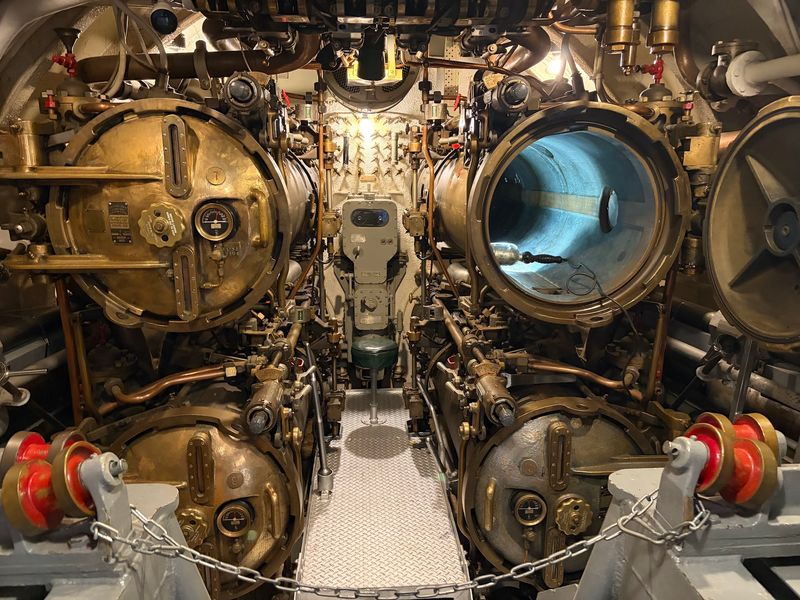
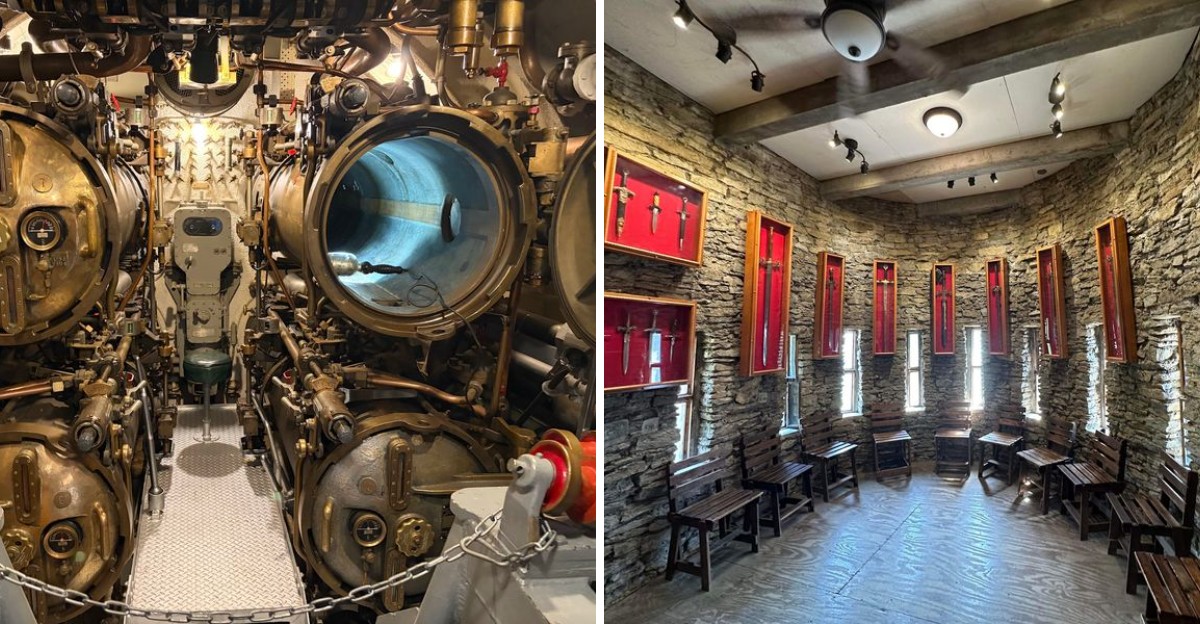
Climbing aboard a real World War II submarine provides history lessons no textbook can match. The USS Cod served in the Pacific Theater, completing seven war patrols and sinking multiple enemy vessels before being decommissioned in 1954.
Now permanently docked in Cleveland, it offers remarkably authentic tours.
Visitors don’t just observe from outside. You actually enter the submarine and navigate through its cramped interior exactly as the crew experienced it.
Narrow passageways force you to walk single-file. Low ceilings require ducking.
The tight quarters immediately demonstrate the challenging conditions sailors endured for months at a time.
The self-guided tour lets you explore at your own pace through berthing areas, engine rooms, torpedo rooms, and the control center. Original equipment remains in place including periscopes, gauges, bunks, and navigation instruments.
Everything feels authentic because it genuinely is.
The submarine’s conning tower provides panoramic views of Cleveland’s waterfront after exploring below decks. Interpretive signs throughout explain submarine operations and share stories from actual crew members.
This attraction offers something unique compared to typical museum experiences. Bring a flashlight since some areas remain dimly lit to preserve the historical atmosphere.
Ohio State Reformatory – Mansfield
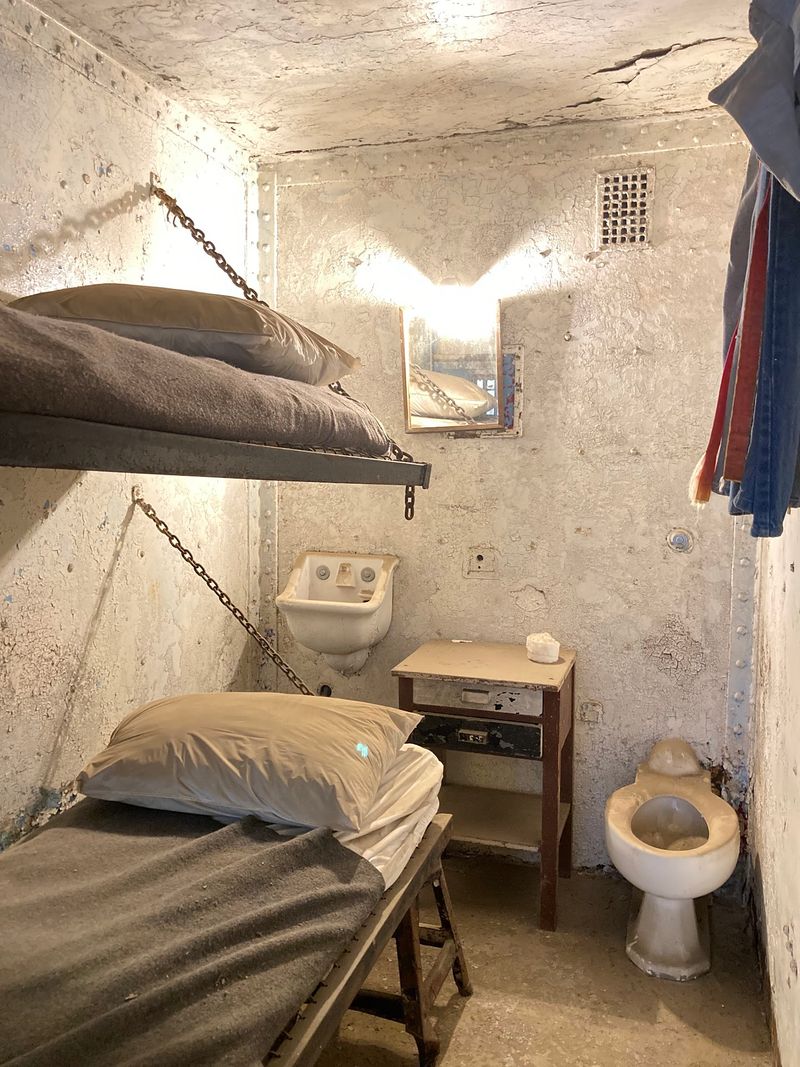
Gothic towers, stone walls, and Victorian architecture create an imposing presence that makes this former prison look more like a haunted castle from European folklore. The Ohio State Reformatory operated from 1896 until 1990, housing thousands of inmates across nearly a century.
Movie fans immediately recognize the location from The Shawshank Redemption and several other films that utilized its dramatic architecture. But the building’s genuine history proves equally compelling.
Tours explore cellblocks, administrative offices, the chapel, and other areas while sharing stories about daily prison life and notable inmates.
The reformatory’s design reflected progressive 19th-century ideas about rehabilitation through intimidation and reflection. Massive cellblocks with multiple tiers of tiny cells demonstrate the harsh reality of incarceration.
The warden’s quarters, located within the same building, showcase surprisingly elegant Victorian living spaces.
Preservation efforts continue as volunteers work to maintain this crumbling architectural treasure. Different tour options include historical tours, paranormal investigations, and special behind-the-scenes access.
The building’s deteriorating condition actually enhances its eerie atmosphere. Photography opportunities are extraordinary throughout the facility.
Even visitors uninterested in ghost stories find the architecture and history fascinating. Wear comfortable shoes since tours involve considerable walking.
Museum of Illusions – Cleveland
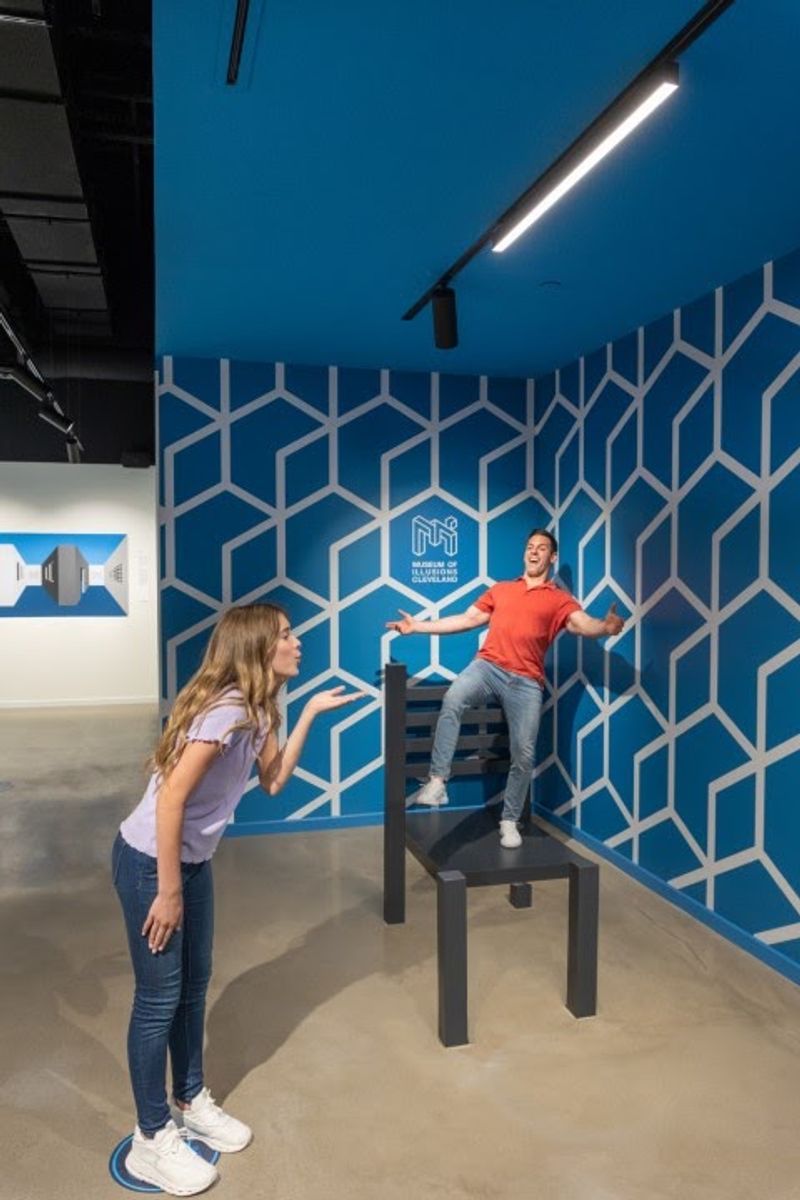
Reality gets seriously questioned inside this playful museum where almost nothing appears as it should. The Museum of Illusions uses optical tricks, forced perspective, unusual mirrors, and clever installations to mess with your perception in delightful ways.
Interactive exhibits encourage hands-on participation rather than passive observation. You might appear to grow or shrink in different rooms, defy gravity, or split into multiple versions of yourself.
The Vortex Tunnel challenges your balance while the Ames Room creates impossible size differences between people standing just feet apart.
Photography becomes part of the experience since many illusions only work properly when viewed through a camera lens or from specific angles. Visitors spend significant time creating photos that will confuse everyone back home.
The staff offers tips for getting the best shots from each installation.
Educational displays explain the science behind various optical illusions and how our brains process visual information. You learn why certain patterns fool our perception and how artists and architects use these principles.
The museum works equally well for families, couples, or groups of friends looking for something different. Plan for at least an hour to properly experience everything without rushing through.