Florida gets seriously weird, wild, and wonderful once you leave the theme parks and beaches behind.
Beyond the familiar attractions are crystal-clear springs, giant sinkholes, forgotten historic towns, and islands that can only be reached by boat.
These places reveal a side of the Sunshine State that feels more adventurous and far less predictable.
You can swim inside an underground cavern, paddle toward ancient shell mounds, wander through old Florida communities, or watch wildlife in vast stretches of untouched wilderness.
Some destinations feel peaceful, while others look like they belong in a movie.
If you’re ready to trade crowded attractions for unforgettable discoveries, these 14 Florida destinations deserve a spot on your bucket list. They might just change the way you see the state.
Everglades National Park – Homestead
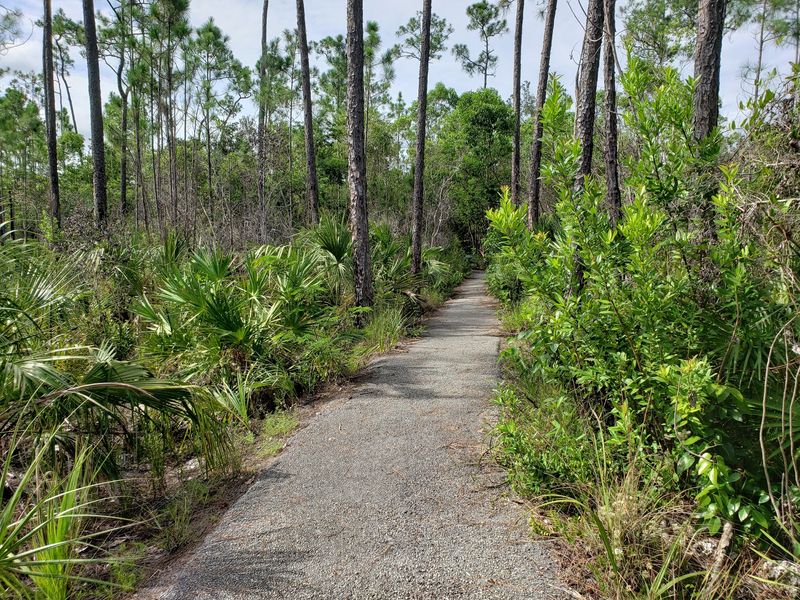
America’s largest subtropical wilderness covers 1.5 million acres of South Florida, creating a landscape unlike anywhere else in the state. Sawgrass prairies stretch to the horizon while mangrove tunnels twist through brackish waterways where alligators bask on muddy banks.
Paddling through these waterways gives you front-row seats to nature’s drama. Anhinga Trail offers easy walking where birds fish just feet away, while Shark Valley’s 15-mile loop reveals gators by the dozens.
Winter brings the best wildlife viewing when animals concentrate around shrinking water sources.
Manatees gather in warmer months, roseate spoonbills wade through shallows, and endangered Florida panthers roam deep in the backcountry. The park’s size means you can explore for days without seeing the same trail twice.
Camping under stars with only cricket songs and distant gator bellows creates memories that beach resorts simply cannot match. Rangers lead specialized tours explaining how this river of grass supports countless species found nowhere else on Earth.
Dry Tortugas National Park – Near Key West
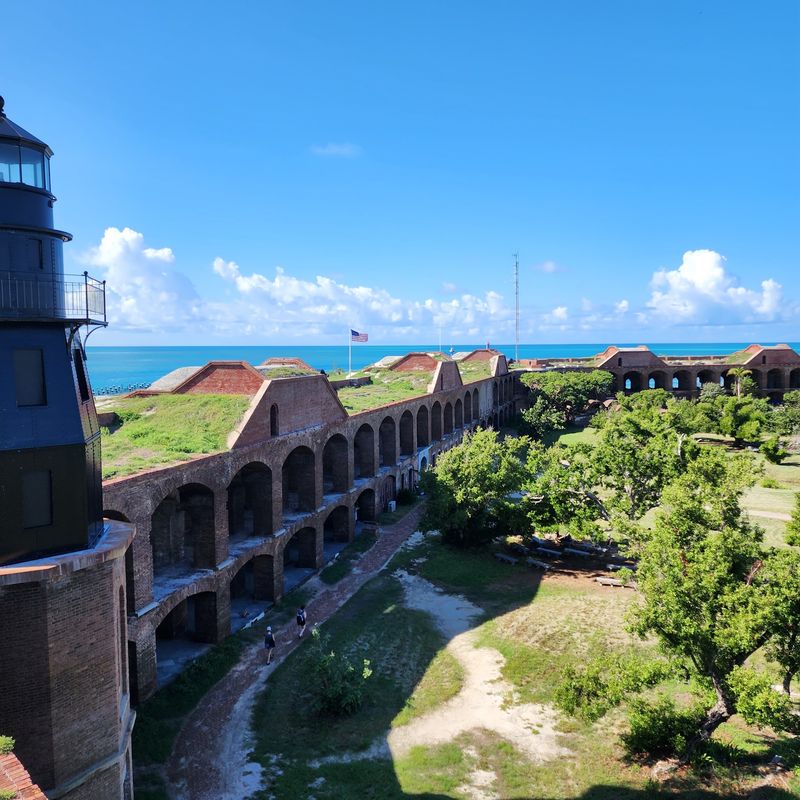
Reaching this remote cluster of islands requires dedication. Most visitors take a ferry or seaplane from Key West, making the journey itself part of the adventure.
The reward? Crystal-clear waters surrounding a massive 19th-century fortress that feels like something from a pirate movie.
Fort Jefferson dominates Garden Key with its hexagonal brick walls rising from the sand. Walking through the fort’s corridors and climbing to the ramparts transports you back to Civil War times when this military prison held Union deserters.
The structure never actually finished construction, yet it remains one of the largest masonry forts in the Western Hemisphere.
Snorkeling here ranks among Florida’s absolute best experiences. Coral gardens thrive in the protected waters where tropical fish dart between brain corals and sea fans.
Loggerhead turtles nest on beaches while magnificent frigatebirds soar overhead. Camping overnight lets you watch spectacular sunsets with almost no one around.
The isolation, combined with historical intrigue and underwater beauty, creates an unforgettable bucket-list experience.
Devil’s Millhopper Geological State Park – Gainesville
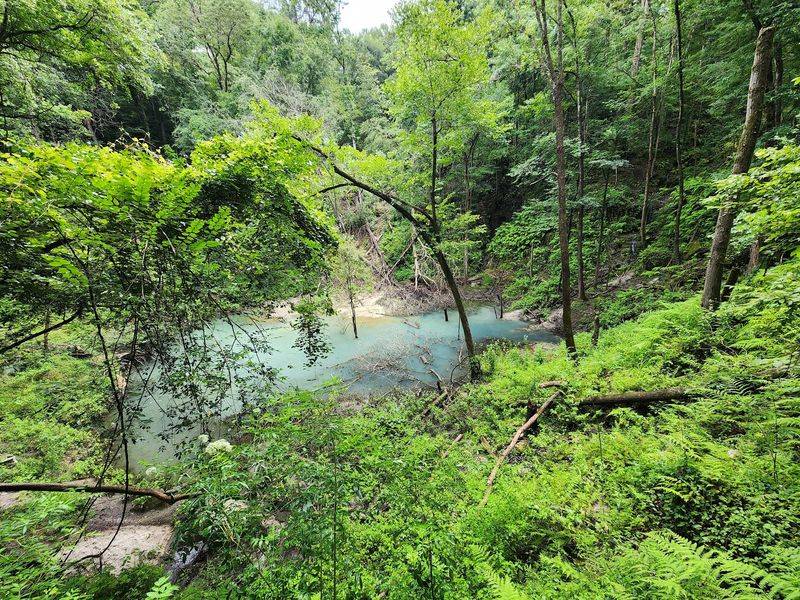
Picture descending wooden stairs into the earth itself. That’s exactly what happens at this remarkable sinkhole where a miniature rainforest thrives 120 feet below ground level.
Geological forces created this limestone crater thousands of years ago, and nature quickly claimed it as her own.
Temperature drops noticeably as you walk deeper into the depression. Ferns blanket the steep walls while mosses cling to exposed rocks, all thriving in the cooler, moister microclimate.
Small streams trickle down the sides, creating tiny waterfalls that feed pools at the bottom.
Scientists have found fossilized remains of extinct animals here, revealing that this sinkhole has been swallowing things for millennia. The name supposedly comes from early settlers who thought it resembled a grain hopper, with debris disappearing into the depths.
Educational displays explain how sinkholes form in Florida’s limestone foundation. Visiting takes less than an hour, but the weird beauty of this geological oddity stays with you much longer.
It’s proof that Florida’s landscape holds surprises beneath its flat surface.
Rainbow Springs State Park – Dunnellon
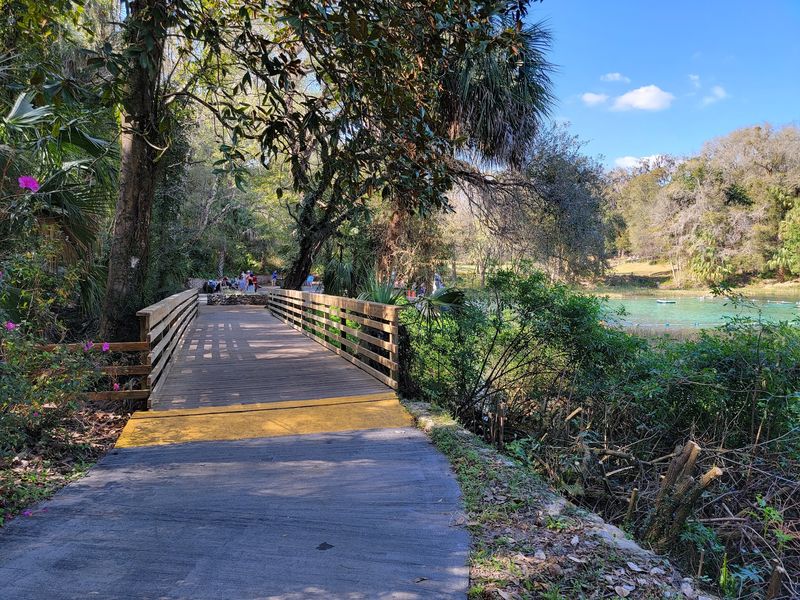
Some say this spring produces the most beautiful water in all of Florida. When sunlight hits the crystal-clear depths, the spring lives up to its colorful name with brilliant blue hues that seem almost unnatural.
Over 400 million gallons bubble up daily from underground aquifers, creating the Rainbow River.
Swimming here feels like floating in liquid glass. You can see every detail of the sandy bottom even in deeper sections, while fish swim lazily beneath you.
Tubing and kayaking down the river takes you past cypress trees draped with Spanish moss, their roots disappearing into the transparent water.
The park also features small waterfalls and remnants of its past life as a tourist attraction from the 1930s. Historic gardens and stonework add character to the natural beauty.
Summer weekends get crowded with locals who know this hidden gem, so visiting on weekdays or in cooler months provides a more peaceful experience. Diving certification allows you to explore the underwater cave system where the spring originates.
Either way, this freshwater paradise offers a refreshing alternative to saltwater beaches.
Fakahatchee Strand Preserve State Park – Copeland
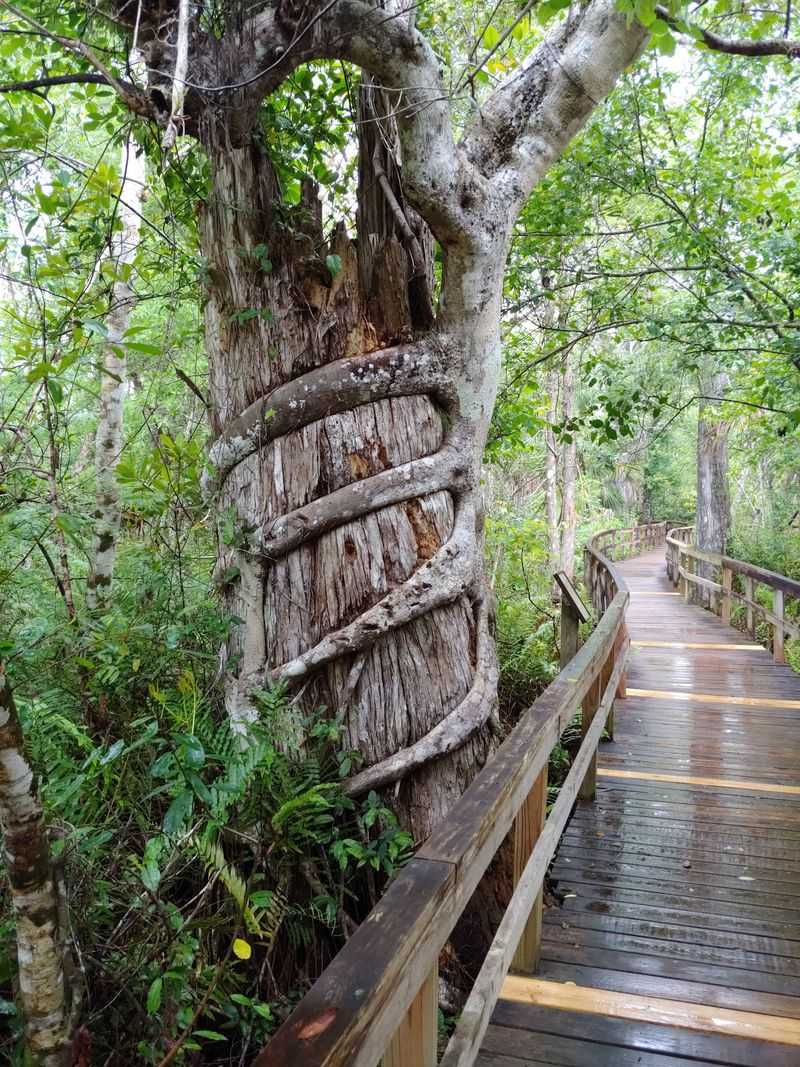
Wild doesn’t begin to describe this swampy preserve tucked away in Southwest Florida. Fakahatchee Strand shelters North America’s largest concentration of native orchids, with ghost orchids being the most famous and elusive.
The strand itself is a shallow, slow-moving river flowing through a cypress forest that feels primordial.
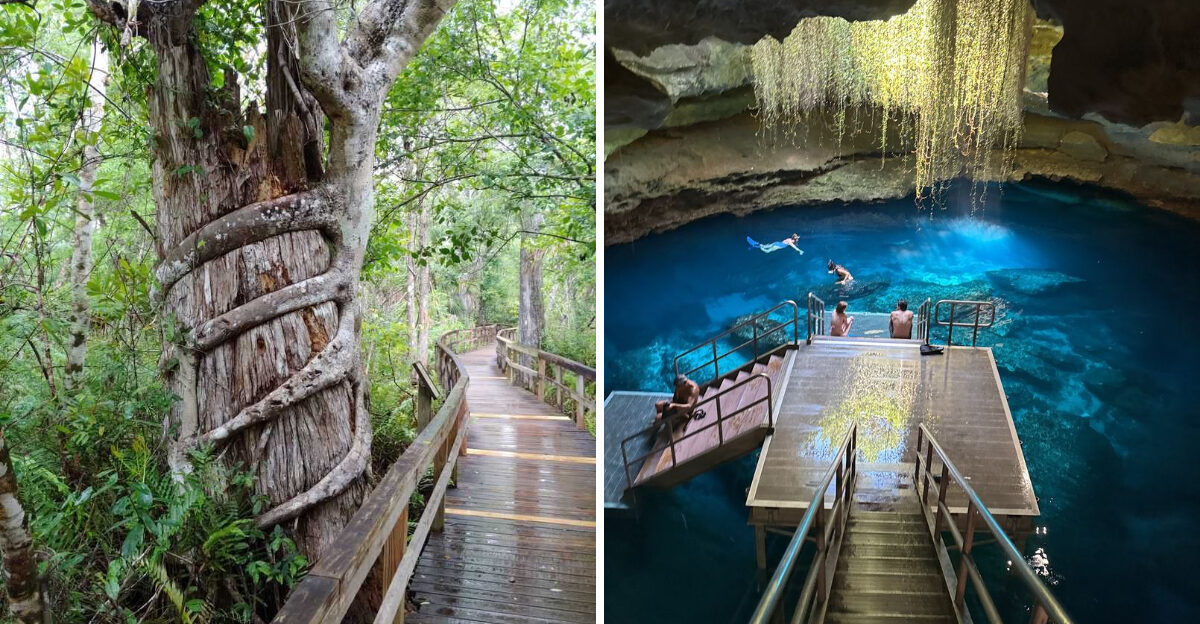
Big Cypress Bend Boardwalk provides easy access without getting your feet wet. The elevated path winds through towering bald cypress trees where air plants dangle from branches and alligators lurk below.
Patient observers might spot rare birds like limpkins or swallow-tailed kites. Lucky visitors encounter Florida black bears, though they’re shy and usually stay hidden.
Wet season transforms the landscape into a watery wilderness where only the brave venture off boardwalks. Ranger-led swamp walks let you wade through knee-deep water while learning about the ecosystem.
The preserve’s remoteness keeps crowds away, offering genuine solitude rare in South Florida. Photography enthusiasts find endless subjects in the filtered light and mysterious atmosphere.
This is Old Florida at its most authentic and untamed.
St. Augustine – Historic Downtown
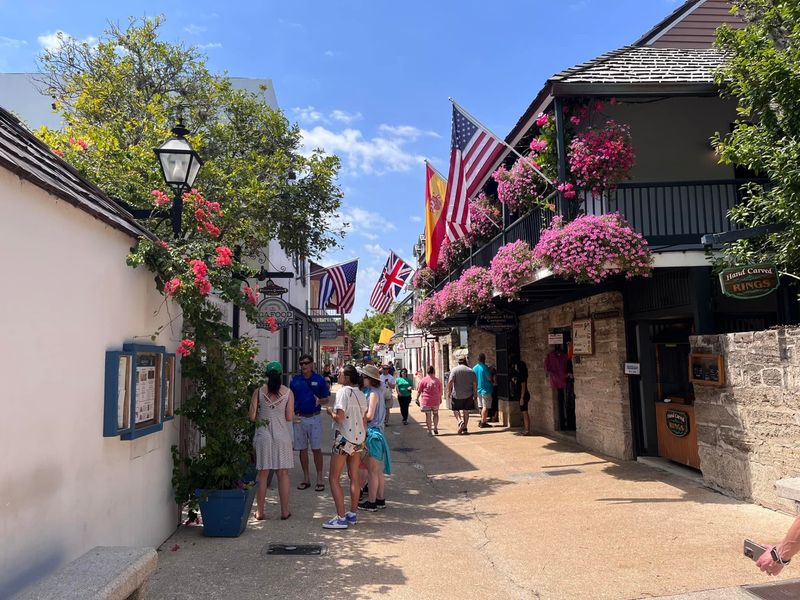
Walking these streets means stepping back 450 years in time. Founded in 1565, St. Augustine holds the title of America’s oldest continuously occupied European-established settlement.
Narrow lanes paved with coquina stone wind between buildings that watched centuries pass, their walls thick enough to withstand hurricanes and sieges.
Castillo de San Marcos stands guard over Matanzas Bay just as it has since 1695. This star-shaped fortress, built from blocks of coquina (compressed shells), never fell to enemy attack.
Daily cannon demonstrations echo across the water while visitors explore gun decks and dungeon-like rooms. Spanish moss drapes from trees in the old plaza where musicians play guitar under lamplight.
Beyond the fort, historic homes converted into museums reveal colonial life’s realities. The Oldest Wooden Schoolhouse leans at an alarming angle but has survived since the 1700s.
Ghost tours capitalize on the city’s haunted reputation, though daytime exploring proves equally fascinating. Restaurants serve Spanish and Minorcan cuisine in buildings older than most American cities.
Unlike Florida’s manufactured attractions, St. Augustine’s history is absolutely genuine.
Kissimmee Prairie Preserve State Park – Okeechobee
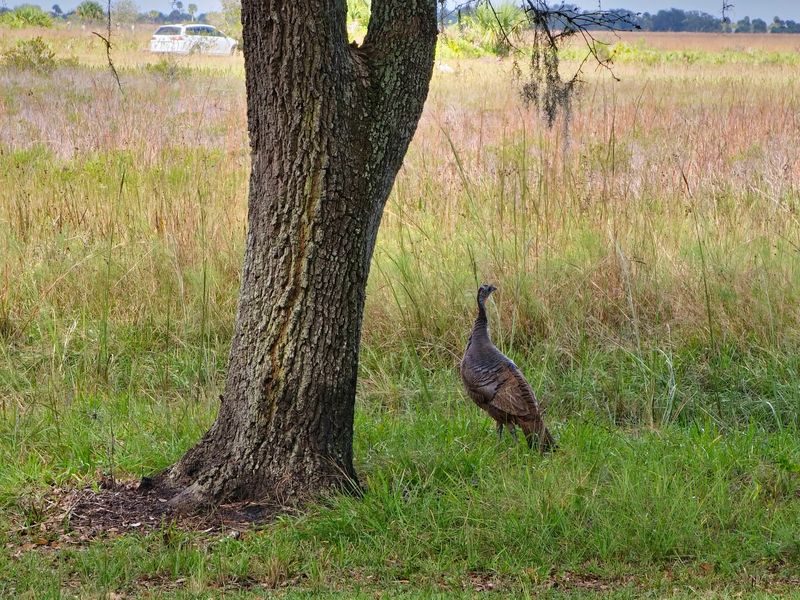
Forget everything you think you know about Florida scenery. This preserve protects 54,000 acres of dry prairie, a landscape that once covered much of central Florida but now exists only in fragments.
Grasslands stretch endlessly under massive skies where clouds pile up on summer afternoons like mountain ranges.
Bison? Yes, actually.
A small herd roams freely here, reintroduced to restore the prairie ecosystem. Crested caracaras, rare raptors found almost nowhere else in the U.S., hunt across the grasslands.
White-tailed deer, wild turkeys, and sandhill cranes complete the wildlife roster. Hikers and horseback riders can explore miles of trails that reveal different facets of this endangered habitat.
Night brings the preserve’s greatest treasure: darkness. With virtually no light pollution, the Milky Way blazes overhead with stunning clarity.
Designated as an International Dark Sky Park, Kissimmee Prairie hosts stargazing events where telescopes reveal galaxies invisible near cities. Camping under these skies creates profound connections to the universe.
The silence, broken only by owls and distant cattle, reminds visitors that Florida once looked vastly different from today’s developed corridors.
Homosassa Springs Wildlife State Park – Homosassa
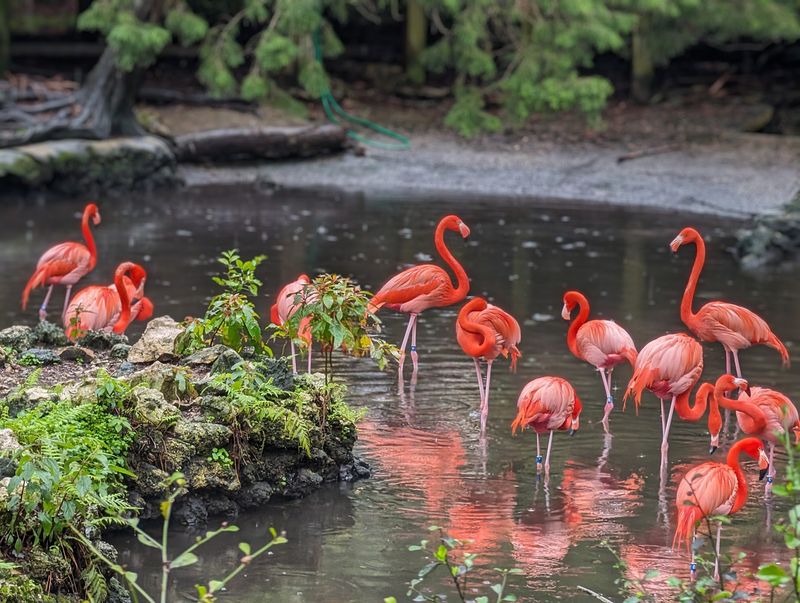
Manatees steal the show at this spring-fed sanctuary, especially during winter when dozens gather in the warm water. An underwater observatory lets you watch these gentle giants at eye level as they graze on vegetation or simply float past the windows.
Their whiskered faces and curious eyes make you understand why people fall in love with these endangered creatures.
Unlike typical zoos, Homosassa focuses on Florida-native wildlife that cannot survive in the wild. Bobcats, black bears, river otters, and countless bird species live in naturalistic settings connected by shaded boardwalks.
The park’s layout follows the spring run to the Homosassa River, creating a peaceful walking experience rather than a rushed attraction.
Lu the hippo, a resident since 1964, holds celebrity status despite not being native to Florida. She arrived as part of an old roadside zoo and stayed when the state converted the property into a preserve.
Boat tours available from nearby marinas let you explore the river system and spot wild manatees. Educational programs throughout the day teach visitors about conservation efforts protecting Florida’s unique wildlife from habitat loss and human impact.
Marjorie Kinnan Rawlings Historic State Park – Cross Creek
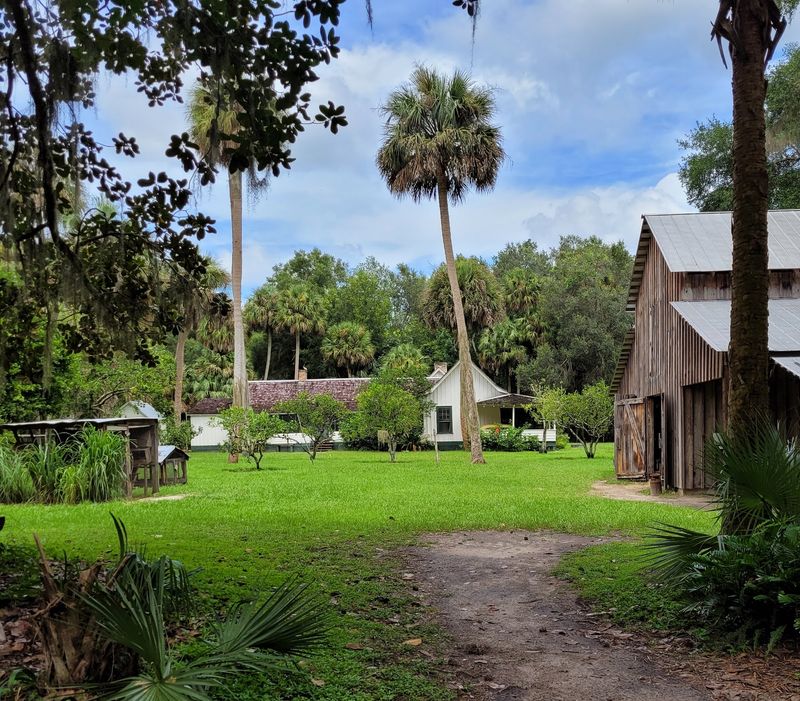
The author who wrote “The Yearling” lived in this humble Cracker-style house surrounded by orange groves and scrubland. Marjorie Kinnan Rawlings moved here in 1928, finding inspiration in the rural Florida landscape and colorful local characters.
Her Pulitzer Prize-winning novel and other works captured a way of life that was already disappearing.
Tours of the homestead reveal how simply she lived while creating literary masterpieces. The typewriter sits ready on her desk, orange trees still produce fruit outside, and the surrounding woods look much as they did when she wandered them observing wildlife.
Seasonal programming includes yard tours where guides share stories about Rawlings’ life, her friendships with neighbors, and the challenges of living in remote Florida during the Depression.
The cemetery where she’s buried lies just a short walk away at Island Grove. Visiting feels like stepping into the pages of her books, where the Florida frontier still existed.
Farm animals occasionally wander the property, and the quiet reminds you that this area remains relatively undeveloped. Literature fans and history buffs both find something meaningful in this preserved slice of Old Florida culture.
Cedar Key – Gulf Coast
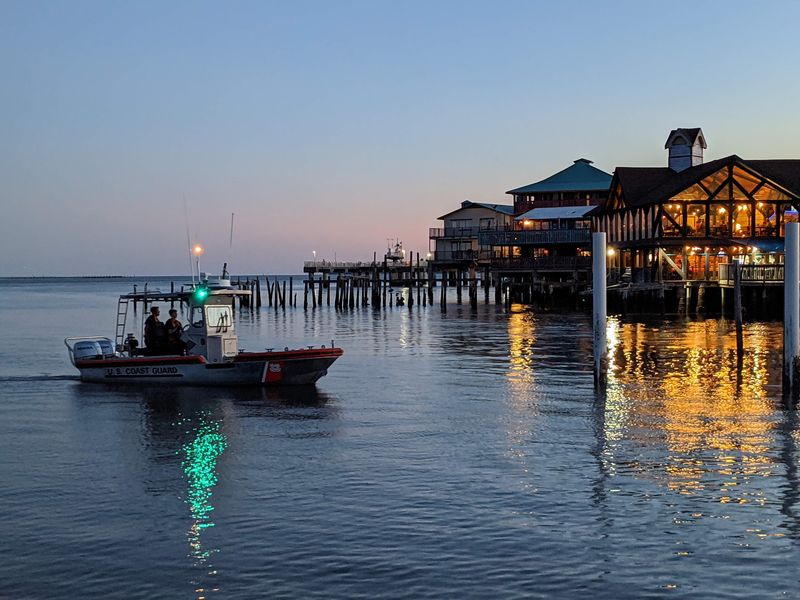
Time slowed down in Cedar Key and never quite caught up again. This cluster of islands on Florida’s Nature Coast maintains an authenticity that vanished from most coastal towns decades ago.
Commercial fishing still drives the economy, seafood shacks serve clams harvested that morning, and the pace of life matches the gentle lapping of Gulf waves.
Historic downtown consists of a few blocks packed with quirky galleries, restaurants, and shops selling local art. Wooden docks extend over the water where pelicans perch on pilings and dolphins surface during high tide.
Kayaking through the maze of nearby islands reveals pristine salt marshes where wading birds hunt for breakfast. The lack of sandy beaches keeps mass tourism away, preserving the village’s working-waterfront character.
Cedar Key’s history includes timber, pencil manufacturing, and generations of fishing families. The cemetery tells stories through weathered headstones, while small museums preserve artifacts from more prosperous times.
Sunsets paint the sky in oranges and purples that reflect off calm waters. Staying overnight in one of the historic inns lets you experience the island when day-trippers leave and locals reclaim their peaceful haven.
Devil’s Den Prehistoric Spring – Williston
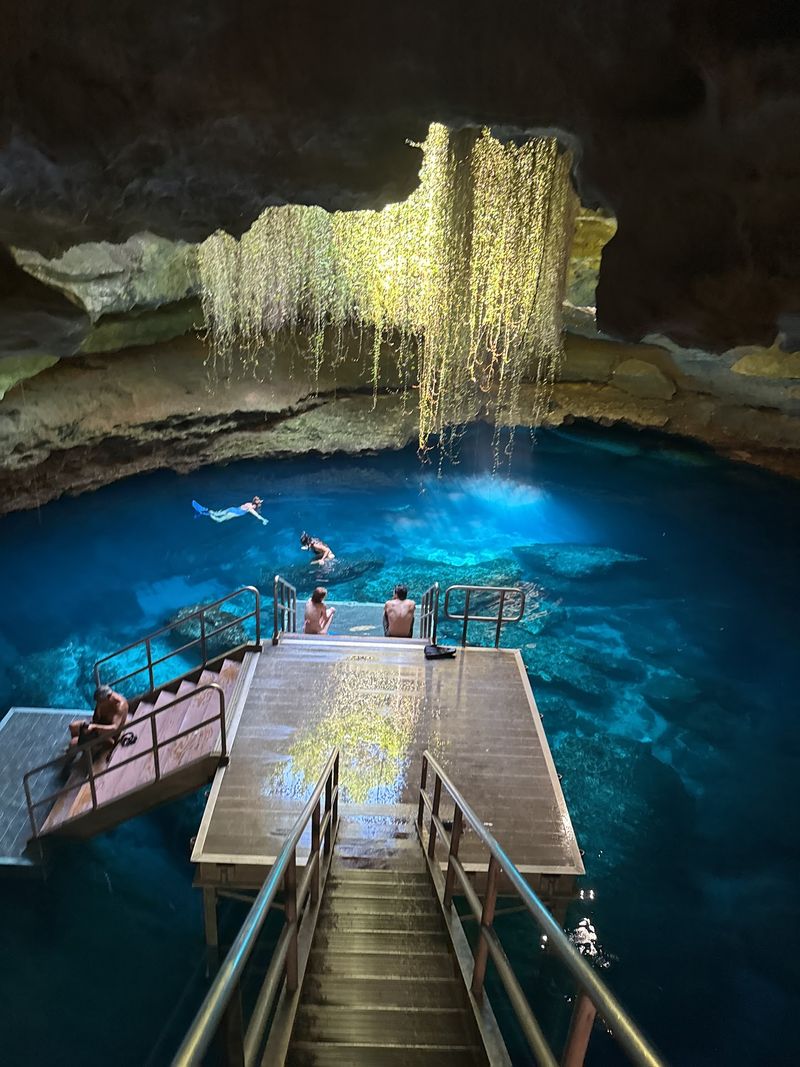
Swimming inside a cave sounds exotic, yet that’s exactly what happens at this prehistoric underground spring. A collapsed karst window creates an opening in the earth’s surface, allowing sunlight to filter down into a cavern filled with perfectly clear 72-degree water.
Wooden stairs descend into the chamber where ancient limestone formations surround a spring-fed pool.
Snorkelers and scuba divers explore the underwater landscape where fossils of extinct animals have been discovered. The water clarity allows visibility of 100 feet or more, revealing every detail of the cave’s geology.
Ferns and vegetation cling to the opening above while the water below stays pristine year-round. Winter brings a unique phenomenon when warm air rising from the spring meets cold outside air, creating fog that pours out of the den like smoke.
Private ownership means admission fees apply, but the experience justifies the cost. Changing facilities and equipment rentals make it accessible even for beginners.
The combination of geological wonder, crystal-clear water, and prehistoric atmosphere creates an adventure that feels discovered rather than manufactured. It’s proof that Florida hides remarkable places beneath its ordinary-looking surface.
Bok Tower Gardens – Lake Wales
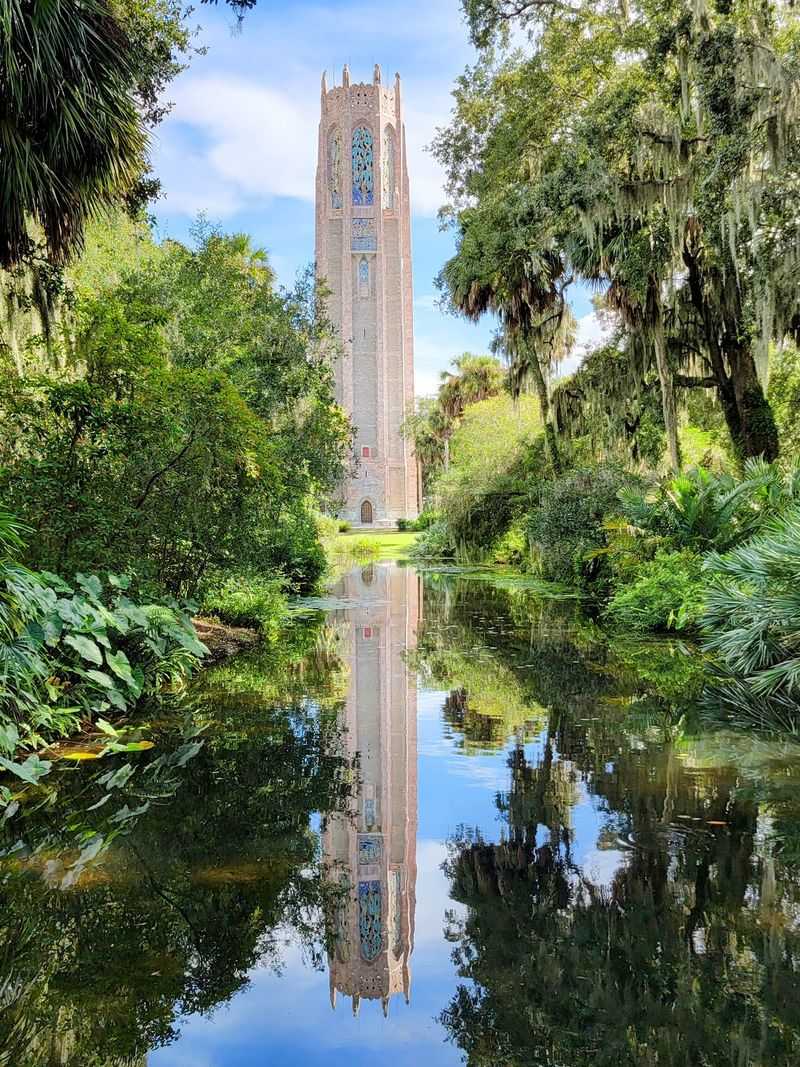
Carillon bells ring out across manicured gardens from a 205-foot tower that seems transported from a European fairy tale. Edward Bok, a Dutch immigrant who became a successful publisher, created this sanctuary on one of Florida’s highest points as a thank-you to his adopted country.
The result combines art, architecture, horticulture, and music into something uniquely peaceful.
Winding paths lead through gardens where azaleas, magnolias, and camellias bloom depending on the season. Live oaks draped with Spanish moss frame views of the Singing Tower, its pink and gray marble reflecting in a calm moat.
Daily recitals from the 60-bell carillon fill the air with everything from classical pieces to popular tunes. The music drifts through the gardens, creating an almost dreamlike atmosphere.
Pinewood Estate, a 1930s Mediterranean-style mansion on the property, offers tours showcasing period architecture and furnishings. Nature trails wind through surrounding pine forests and scrub habitat where gopher tortoises dig burrows and butterflies flutter between wildflowers.
The gardens host seasonal events including sunrise services and moonlight tours. It’s a place designed for contemplation, offering respite from Florida’s usual high-energy attractions.
Windley Key Fossil Reef Geological State Park – Islamorada
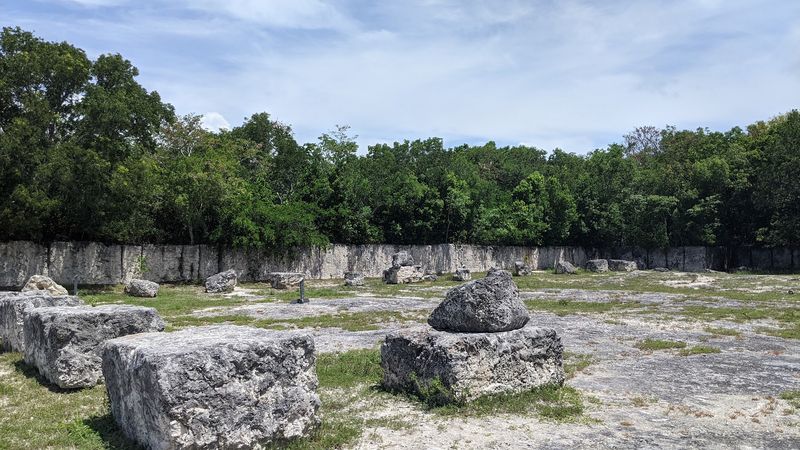
Ancient coral reefs turned to stone reveal secrets from 125,000 years ago when sea levels sat much higher. Quarrying operations in the early 1900s exposed these fossilized formations when workers cut limestone blocks for Henry Flagler’s railroad to Key West.
What began as industrial activity created an outdoor museum of prehistoric marine life.
Walking the trails feels like exploring a geology textbook come to life. Fossilized brain corals, staghorn fragments, and even ancient sea urchins appear frozen in the limestone walls.
Interpretive signs explain how these reefs formed during the last interglacial period when this area sat underwater. The quarry walls stand as smooth vertical faces where you can clearly see layers of different coral species.
Unlike most Keys attractions focused on today’s living reefs, Windley Key connects visitors to deep time. An environmental education center provides context about Florida’s geologic history and the railroad construction that shaped the Keys.
The park stays relatively quiet compared to nearby snorkeling spots, making it perfect for contemplative exploration. Understanding that you’re standing on ancient ocean floor adds perspective to the low-lying islands surrounding you.
Mound Key Archaeological State Park – Estero
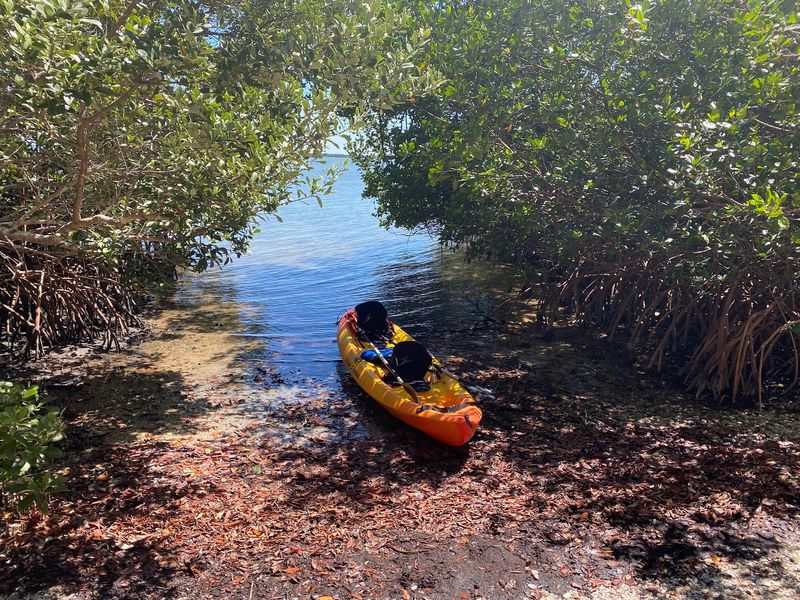
Only accessible by water, this island preserves monumental shell mounds built by the Calusa people over centuries of habitation. Arriving by kayak or boat immediately sets a different tone from typical historical sites.
As you paddle through mangrove channels toward the island, the massive earthworks rise from the estuary like ancient pyramids constructed from countless shells.
The Calusa created a sophisticated society without agriculture, living entirely from the sea’s bounty. They piled oyster and clam shells to create ceremonial mounds, living areas, and possibly astronomical observation points.
Walking the trails that wind around these mounds, you realize the scale of labor required to build them before modern tools existed. Spanish explorers visited in the 1500s, documenting a thriving population before European diseases devastated the Calusa civilization.
Archaeological evidence suggests this served as the Calusa capital, making it one of Florida’s most significant Indigenous sites. The combination of paddling adventure, intact archaeology, and wildlife viewing creates a multifaceted experience.
Ospreys nest in trees growing from the mounds while manatees cruise the surrounding waters. It’s a powerful reminder that Florida’s human history extends far beyond European settlement.