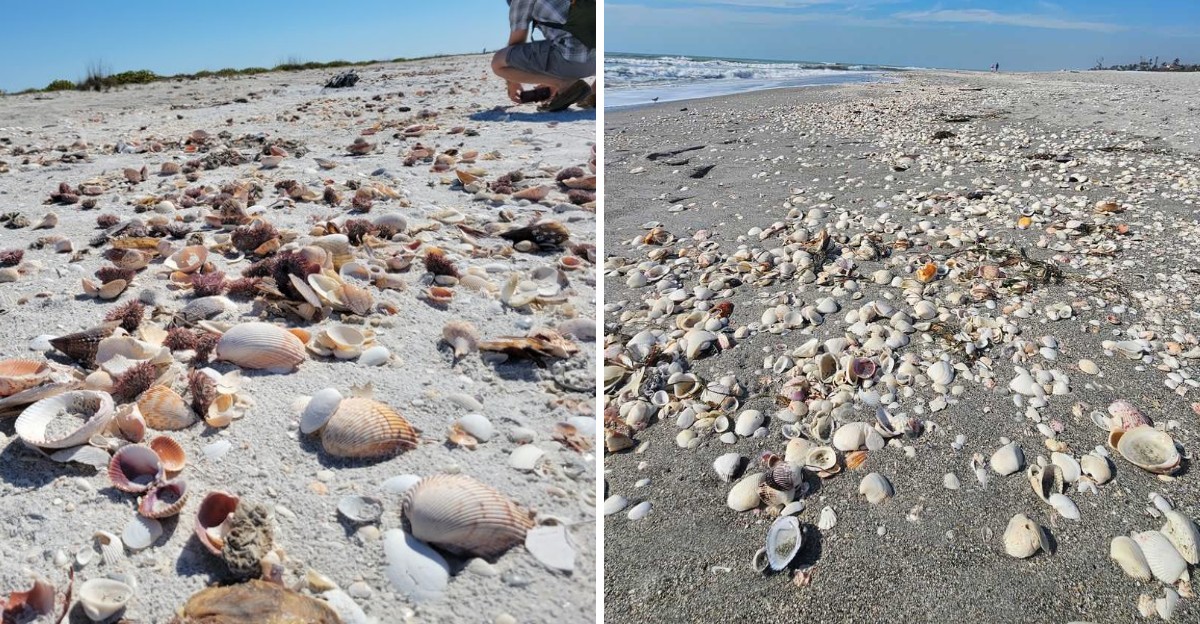
Some Florida beaches turn an ordinary walk into a full-blown treasure hunt.
Along the Gulf Coast, every incoming wave can leave behind a new prize.
Tiny pastel shells, spiraled beauties, sand dollars, and other ocean treasures seem to appear just when you think you’ve seen it all.
The thrill is in the search. Walk slowly, watch the tide line, and scan the sand because the best find might be hiding in plain sight.
Some beaches are easy to reach, while others require a boat ride that makes the hunt feel like its own little adventure.
From Sanibel Island to remote barrier islands, these 14 Florida beaches bring plenty of surprises to every stroll.
Grab a bucket, wake up early, and get ready to see what the Gulf leaves behind.
Bowman’s Beach – Sanibel Island
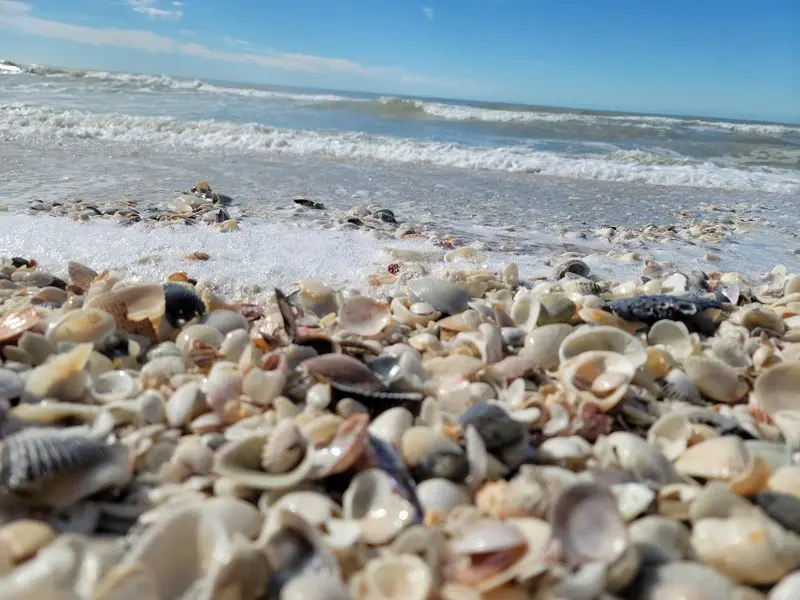
Sanibel Island’s unusual east-west orientation works like a natural shell catcher, and Bowman’s Beach takes full advantage of this geography. While other Florida beaches run north to south, Sanibel stretches perpendicular to the Gulf, creating a perfect angle for shells to wash ashore instead of drifting past.
Early-morning visits during low tide reveal the best finds. The receding water leaves behind fresh deposits of coquinas, lightning whelks, and sometimes larger treasures like horse conchs or fighting conchs.
Serious collectors often arrive before sunrise with flashlights, hoping to be first on the scene.
The beach maintains a more natural character than some of Sanibel’s other spots, with fewer facilities but plenty of untouched shoreline. Parking fills up quickly on weekends, especially during peak winter months when northern visitors flock south.
The long stretches of sand mean you can always find a quieter section to search, even on busier days.
Lighthouse Beach – Sanibel Island
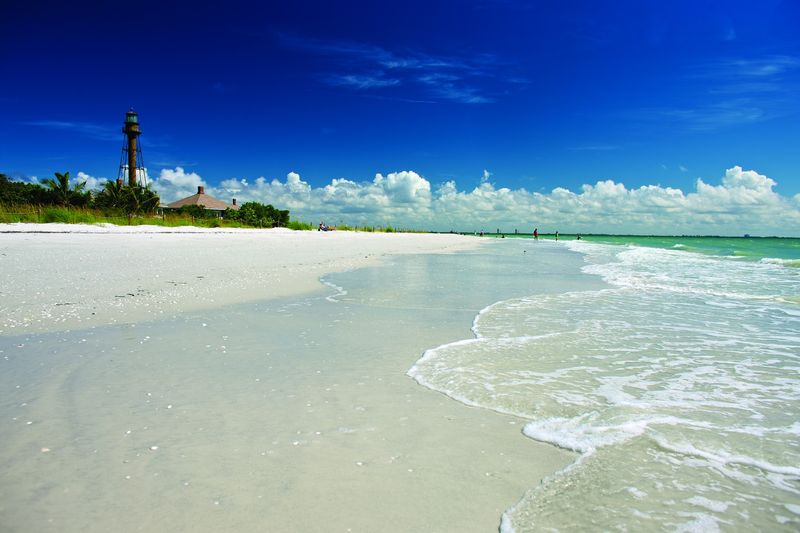
A historic lighthouse stands watch over this eastern tip of Sanibel, adding character to your shell hunting adventure. The fishing pier and lighthouse create an instantly recognizable backdrop while you scan the sand for treasures washed in by Gulf currents.
This spot’s position along the island makes it a collection point where shells naturally gather. Tides and currents funnel shells toward this beach, depositing everything from tiny periwinkles to substantial conchs along the waterline.
The mixture of shallow and deeper water nearby creates good conditions for shell deposits.
Convenience makes this beach popular with families and casual collectors. You won’t need a long hike or boat ride to start your search, and the surrounding park offers restrooms, picnic areas, and shaded spots to rest between shell hunting sessions.
The combination of easy access and productive shelling draws crowds during peak season, but the beach stretches far enough that everyone can find their own patch of sand to explore without feeling cramped or rushed.
Turner Beach at Blind Pass – Captiva Island
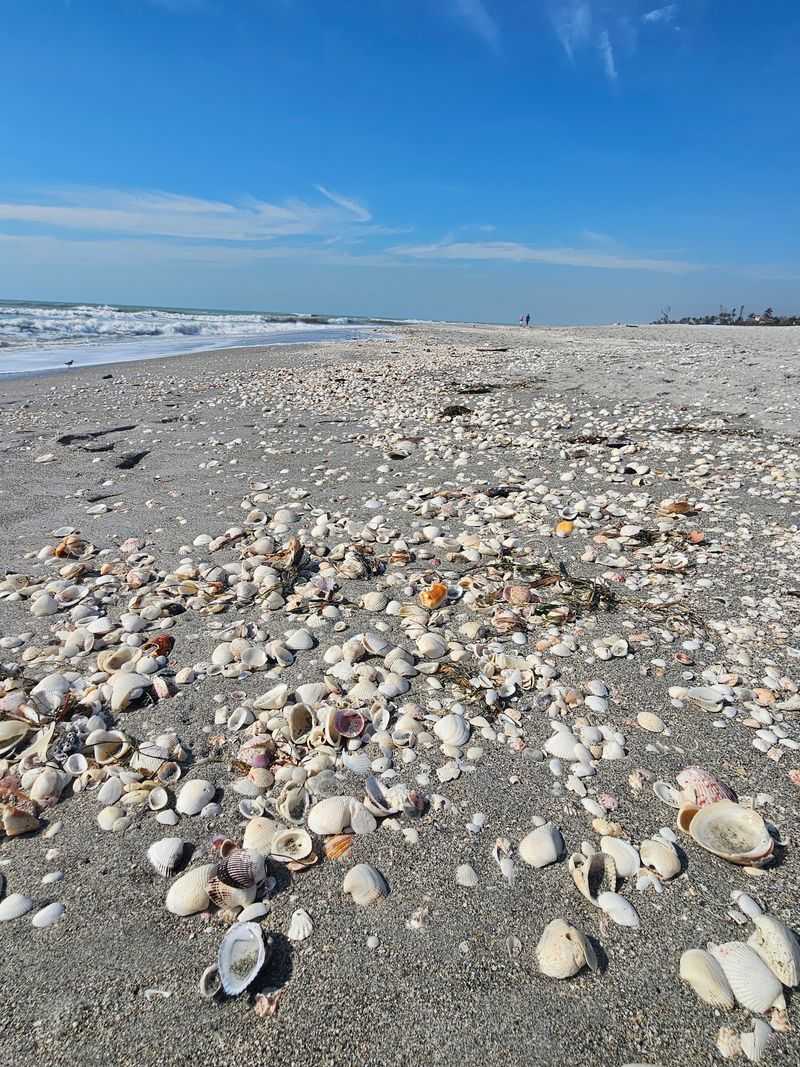
Where water rushes between the Gulf and Pine Island Sound, shells pile up in ways that make collectors smile. Blind Pass creates natural turbulence that concentrates shells along Turner Beach’s shoreline, turning this spot into one of southwest Florida’s most reliable hunting grounds.
The tidal currents do the heavy lifting here, moving shells around and depositing them in shifting patterns along the sand. You might find junonia shells, scotch bonnets, or other less common varieties mixed in with the usual suspects.
Each tide brings something different, so no two visits feel exactly the same.
Limited parking means competition for spaces starts early, especially during winter months when the weather up north sends beach lovers south. Smart shell hunters arrive at sunrise or plan visits during weekdays when crowds thin out.
The beach itself isn’t huge, but the constant movement of water through the pass keeps fresh shells appearing along the shoreline, rewarding persistent searchers who check the tide line carefully.
Cayo Costa State Park – Cayo Costa
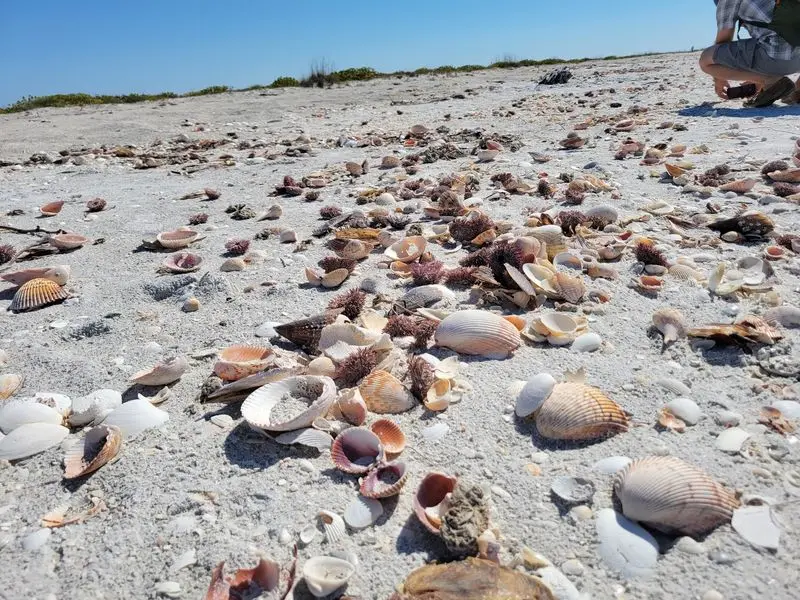
Most beaches require only a short walk from your car, but Cayo Costa asks for a boat ride, and that makes all the difference. This undeveloped barrier island feels worlds away from typical Florida beach scenes, with miles of shoreline that see far fewer visitors than easily accessible spots.
Fewer footprints on the sand mean better chances of finding intact shells. The wrack line here often holds treasures that would have been picked up hours earlier at more popular beaches.
Sand dollars, whelks, and colorful coquinas scatter along quieter stretches where seabirds outnumber people most days of the year.
Serious collectors make the journey here specifically because the isolation pays off. Whether you come by private boat, kayak, or passenger ferry from nearby Pine Island, you’re committing to a real adventure rather than a quick beach stop.
That commitment filters out casual visitors, leaving more shells for those who make the effort to reach this special place off the mainland.
Keewaydin Island – Near Naples
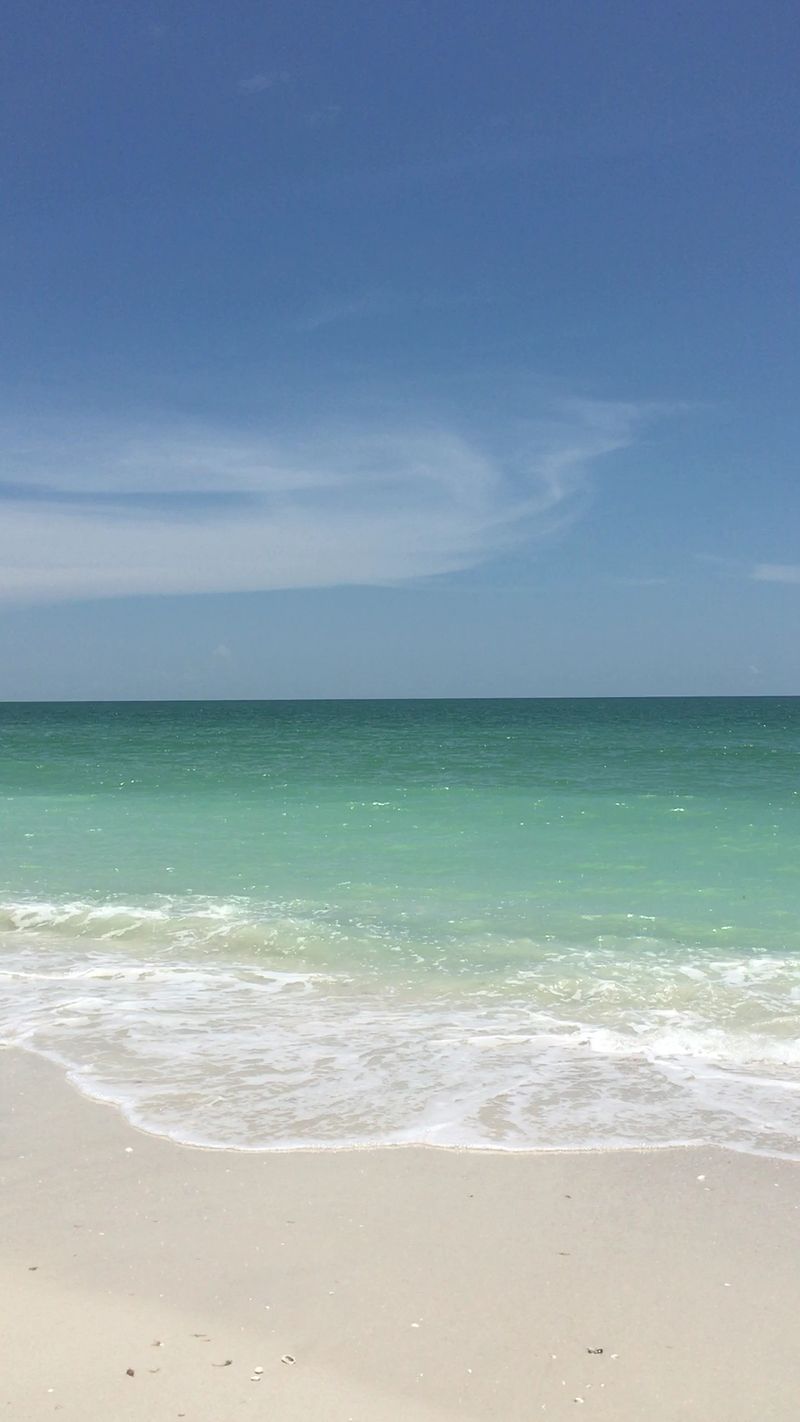
Turning shell hunting into a genuine expedition, Keewaydin Island rewards adventurous spirits willing to arrange boat transportation. This undeveloped barrier island stretches between Naples and Marco Island, offering Gulf shoreline that feels removed from the crowds and construction dominating much of Florida’s coast.
The boat-access requirement creates a natural barrier to overtourism, leaving long stretches of sand relatively untouched. Shell hunters can walk for extended periods without encountering other collectors, increasing odds of finding exceptional specimens.
The island’s protected status prevents development, preserving the wild character that makes shelling here feel like exploring a secret spot.
Plan ahead for this trip since you’ll need water, snacks, and sun protection for several hours on an island with no facilities. Many Naples-area charter services offer trips specifically for shell collecting, or you can rent your own watercraft if you’re comfortable navigating local waters.
The effort invested in reaching Keewaydin pays dividends when you discover shells still sitting exactly where the tide left them, untouched and waiting.
Tigertail Beach – Marco Island
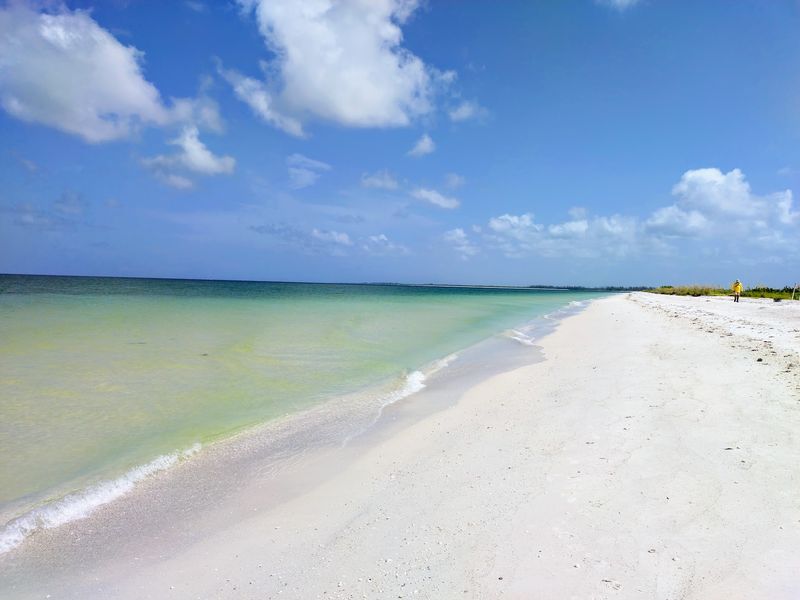
Unlike single-minded Gulf beaches, Tigertail offers two distinct hunting grounds in one location. The Gulf shoreline provides traditional shell searching, while a large lagoon area on the other side creates completely different conditions where shells accumulate in unexpected patterns.
Constantly shifting sand and water patterns here mean the beach literally changes shape over time. What worked last month might not work today, and that unpredictability keeps things interesting for repeat visitors.
Fresh deposits appear along the tide line after storms or particularly high tides, rewarding those who time their visits strategically rather than just showing up randomly.
Smart collectors check both the dry sand and the tide line instead of focusing on just one area. The lagoon side sometimes holds shells that casual visitors overlook because they assume the Gulf-facing beach is where all the action happens.
Kids particularly enjoy the lagoon’s calmer, shallower water, making Tigertail a practical choice for families who want to combine shell hunting with safe swimming and wading opportunities.
Caladesi Island State Park – Dunedin
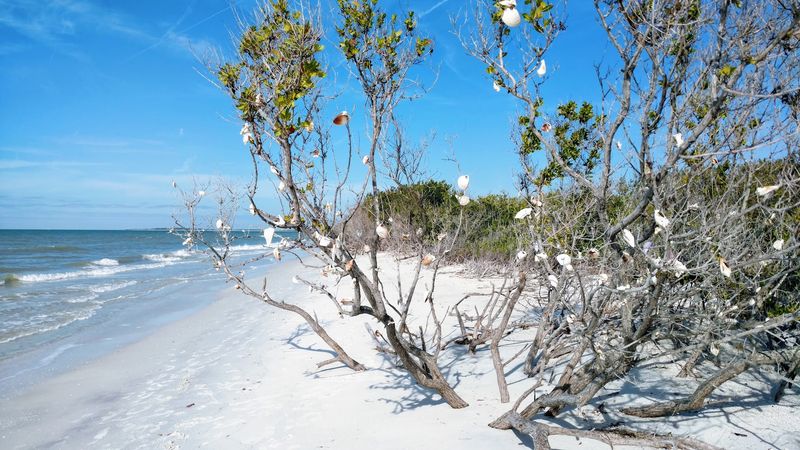
Winning awards for its natural beauty, Caladesi Island combines exceptional scenery with productive shell hunting along relatively undeveloped shoreline. The Tampa Bay area doesn’t lack beaches, but few match Caladesi’s combination of accessibility and preserved natural character.
Reaching the island by ferry or private boat helps control visitor numbers, keeping the Gulf-facing shore quieter than mainland alternatives. This boat-access element means you’re sharing the beach with people who specifically chose to visit rather than just whoever happened to drive past.
The result is a more peaceful shelling experience with better odds of finding quality shells.
Sand dollars appear here with satisfying regularity, along with various mollusks and colorful smaller shells that catch the light beautifully when cleaned. The park protects significant natural habitat, so you’re shelling against a backdrop of coastal vegetation and undisturbed dunes rather than high-rises and parking lots.
Walking these shores feels like stepping back to an earlier, less crowded version of Florida that’s increasingly difficult to find elsewhere along the developed Gulf Coast.
Honeymoon Island State Park – Dunedin
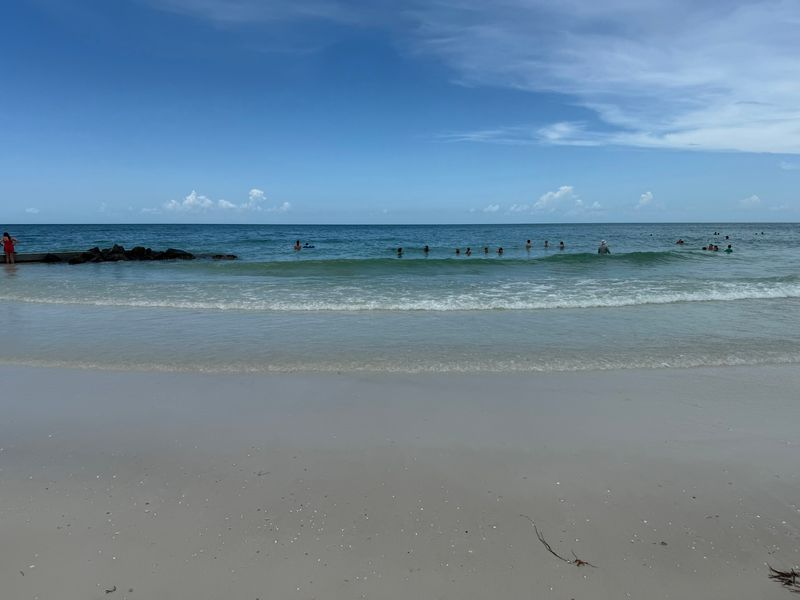
Connected to the mainland by causeway, Honeymoon Island provides easier access than its neighbor Caladesi while still delivering worthwhile shell hunting opportunities. The name might sound romantic, but serious collectors appreciate the park for its productive stretches of Gulf shoreline where natural debris accumulates.
Shell hunters can spend hours walking along the waterline, sorting through deposits left by recent tides. The park’s broad coastal setting makes it simple to combine dedicated shell searching with a full beach day that includes swimming, picnicking, and nature trail exploration.
Unlike some remote islands, you won’t need to pack everything for survival since facilities are readily available.
The beach receives consistent visitor traffic, but the park’s size means crowds spread out enough that you can usually find a productive section without competition. Morning visits generally prove most successful, particularly after storms or during extreme low tides when previously submerged shells become exposed.
The state park designation ensures long-term protection of this shoreline, promising that future generations will also enjoy these same shelling opportunities.
Shell Key Preserve – Tierra Verde
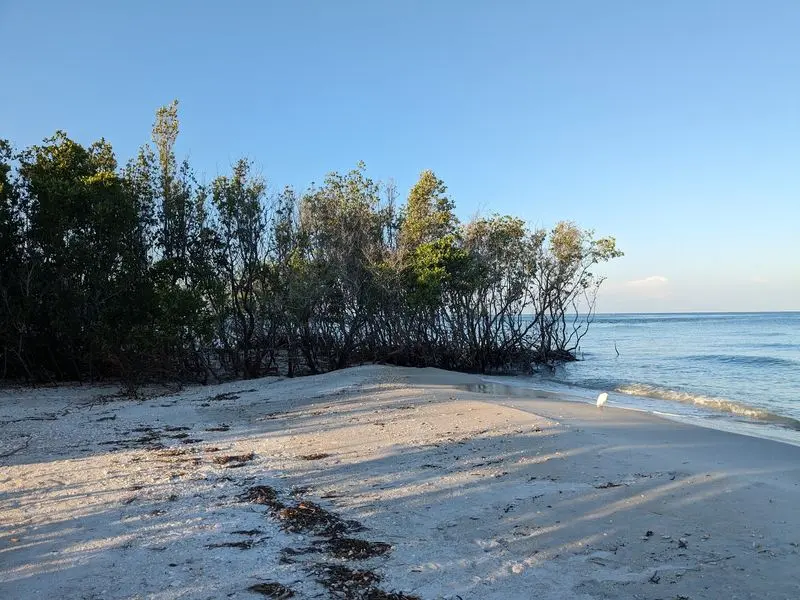
Just a short paddle from Tierra Verde, Shell Key Preserve offers St. Petersburg area residents an escape to undeveloped barrier island habitat that feels much farther away than it actually is. The preserve designation protects this special place, ensuring the beaches remain natural and relatively uncrowded.
Slowing down pays off here more than rushing. The high tide line often holds interesting finds beyond typical shells, including weathered driftwood, sea glass, and occasionally unusual shells that casual visitors might overlook in their hurry.
This beach rewards careful observation and patient searching rather than quick walk-throughs.
Kayakers particularly appreciate Shell Key because the preserve offers great shelling combined with peaceful paddling through protected waters. You can make a day of it by exploring multiple sections of shoreline, checking both the Gulf side and calmer bay areas where different shell species accumulate.
The preserve’s protected status means limited facilities, so come prepared with water, snacks, and everything else you’ll need for several hours of beachcombing in a beautifully preserved natural setting.
Gasparilla Island State Park – Boca Grande
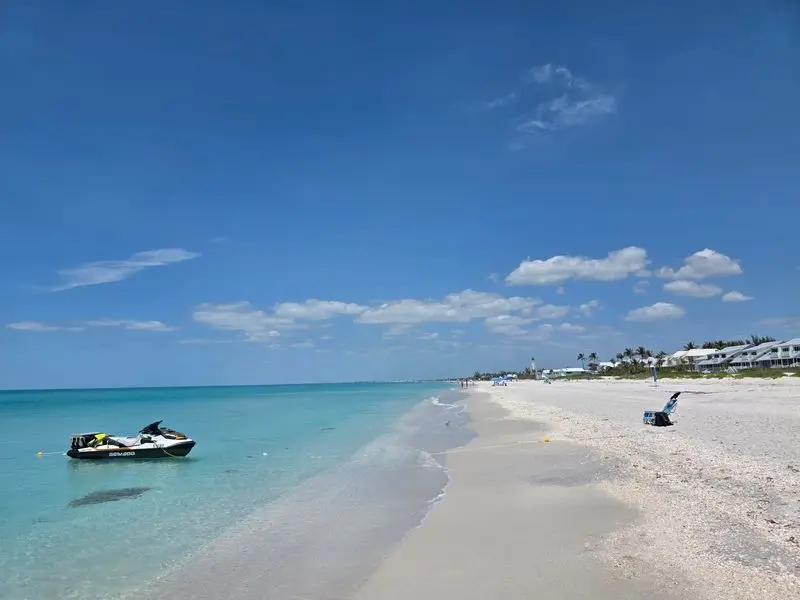
Boca Grande’s barrier island location creates the kind of quiet coastal atmosphere that makes shell hunting particularly enjoyable. Gasparilla Island State Park embraces its shelling reputation, with signs and information specifically encouraging visitors to search for shells along the Gulf shoreline.
Fresh deposits appear regularly along this beach, washed in by Gulf currents that flow past the island. The park’s natural setting means you’re searching against a backdrop of sea oats and dunes rather than developed waterfront, creating a more peaceful experience.
Everything from fighting conchs to delicate jingles turns up here, with seasonal variations keeping each visit interesting.
The island’s distance from major tourist centers works in shell hunters’ favor, keeping visitor numbers more manageable than at beaches near big cities. You won’t fight massive crowds even during busy winter months when snowbirds pack Florida’s more accessible beaches.
The park balances preservation with access, maintaining enough facilities for comfort while protecting the natural character that makes this stretch of shoreline special for both wildlife and collectors seeking a slower-paced beach experience.
St. George Island State Park – St. George Island
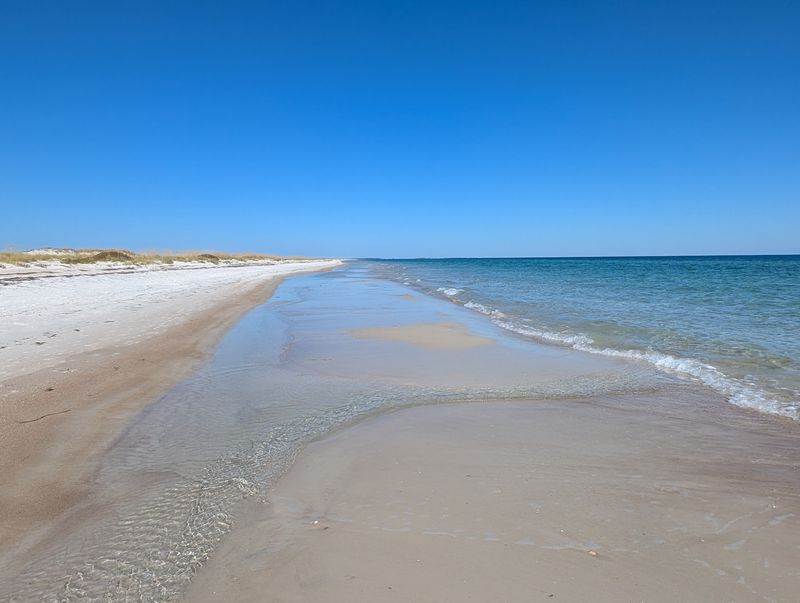
Florida’s Forgotten Coast earned its name by staying off most tourists’ radar, and St. George Island State Park benefits from that obscurity. Miles of relatively peaceful Gulf shoreline stretch across this barrier island, where shell hunters enjoy a slower pace and fewer competing collectors.
The wrack line here often yields good finds because fewer people walk these beaches compared to southwest Florida’s famous shelling spots. You might spend an entire morning walking the sand without encountering crowds, scanning deposits left by Gulf tides.
The island’s protected state park section maintains particularly pristine conditions that attract both wildlife and shells.
Distance from major Florida destinations keeps this beach relatively quiet even during peak season. Most visitors make deliberate plans to reach St. George Island rather than just stumbling across it, which filters out casual beachgoers in favor of people genuinely interested in coastal experiences.
That self-selection creates a more relaxed atmosphere where shell hunting feels meditative rather than competitive, and where the sound of waves often overwhelms any human noise along these beautiful, less-traveled shores.
Shell Island – Panama City Beach
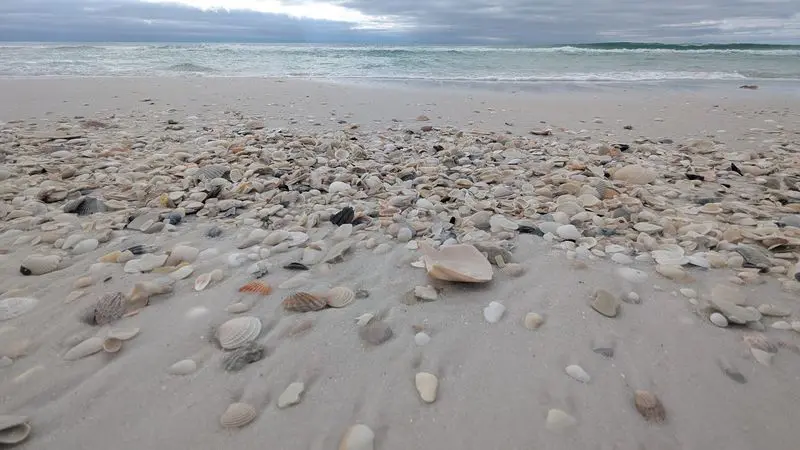
Don’t let the name fool you into thinking Shell Island is only about collecting specimens. This undeveloped barrier island between St. Andrews Bay and the Gulf offers something more valuable than just shells: stretches of shoreline that receive considerably less foot traffic than Panama City Beach’s developed waterfront.
Boat access keeps visitor numbers manageable, creating conditions where shells remain undiscovered longer than at drive-up beaches. The island’s natural state means you’re exploring genuine barrier island habitat rather than manicured beach parks.
Both the Gulf side and bay side offer different collecting opportunities, with varying wave action and tidal patterns depositing different shells in each location.
Many Panama City Beach visitors never make it to Shell Island despite its proximity, staying instead on the developed beaches near their hotels. Their loss becomes your gain when you invest a little effort to reach this protected area.
The island sees busiest traffic during summer when Panama City Beach swells with tourists, so spring or fall visits often provide the most peaceful shell hunting experiences in this part of Florida’s Panhandle region.
Delnor-Wiggins Pass State Park – Naples
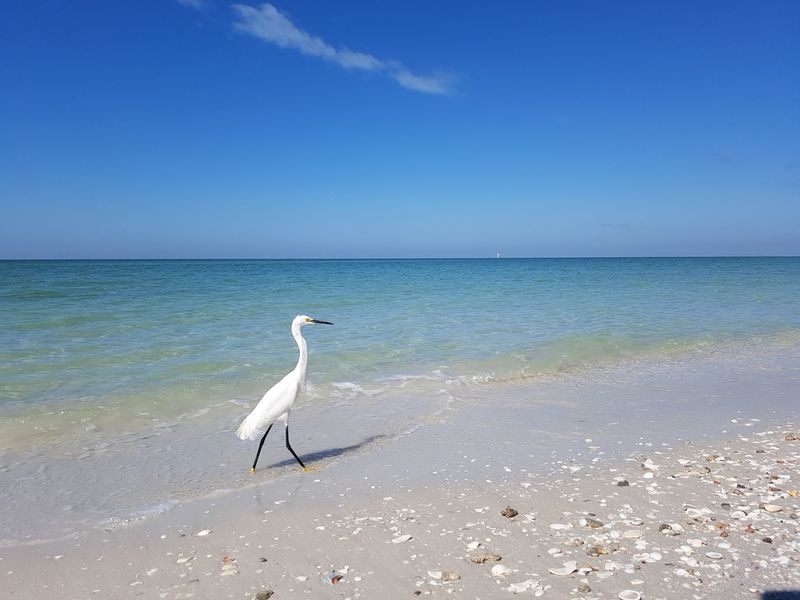
Exceptionally clear water and white sand make this popular Naples park worth visiting even if you only find a single shell. Fortunately, the location near a tidal pass creates changing conditions that bring shells to different sections of beach depending on recent tides and weather patterns.
The pass itself generates interesting water movement that affects shell deposits along the shoreline. One section might produce great finds while another area just a hundred yards away holds less, encouraging explorers to walk the entire beach rather than settling into one spot.
This variability keeps repeat visits interesting since you never know exactly where the best shells will appear.
Peak season brings crowds to this scenic park, but the beach’s length allows visitors to spread out reasonably well. Early arrivals secure the best parking and get first crack at shells deposited overnight, while afternoon visitors still enjoy the beautiful setting even if shells have already been picked over.
The park successfully balances its popularity with preservation, maintaining the natural beauty that originally made this stretch of Naples coastline so appealing to beachgoers.
Lovers Key State Park – Fort Myers Beach
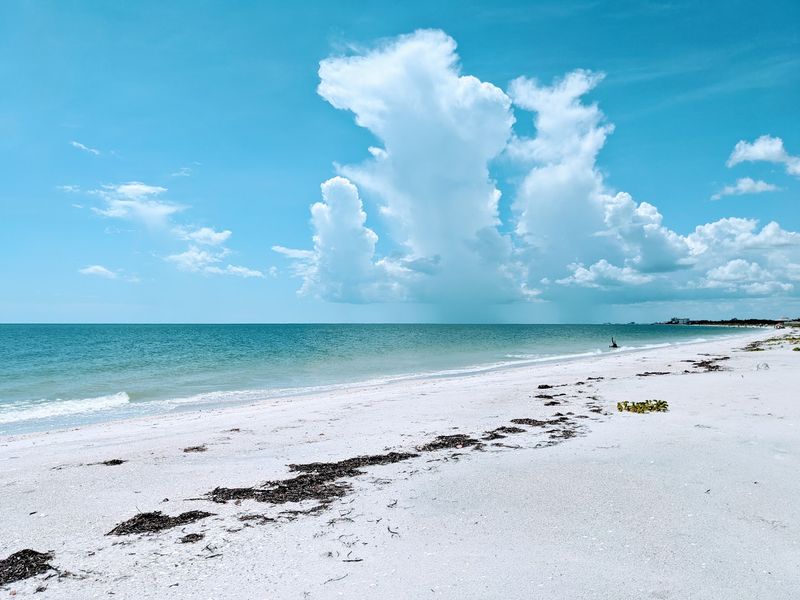
Two and a half miles of beach spread across this barrier island between Fort Myers Beach and Bonita Springs, offering shell hunters plenty of territory to explore. Lovers Key State Park maintains a natural character that contrasts sharply with the developed areas on either side, creating an island of preserved habitat where shells accumulate undisturbed.
The park’s location between Estero Bay and the Gulf creates diverse coastal environments. Mangrove-lined waterways on the bay side support different marine life than the Gulf beaches, and both areas contribute to the variety of shells you might discover.
Tram service helps visitors reach the beach without a long walk, making this accessible even for families with small children or anyone who prefers not to hike.
Shelling here combines well with other activities like kayaking through the park’s waterways or hiking nature trails through coastal habitat. The shell-covered beaches see regular deposits from Gulf currents, with different species appearing seasonally.
Winter months bring northern visitors who pack the parking lot, so arriving early or choosing weekday visits provides the most relaxed experience at this deservedly popular southwest Florida treasure.