

Pennsylvania’s valleys once thundered with furnaces, rolling mills, and the grit of workers who forged America’s backbone. Today, you can trace that power through preserved mills, company towns, and museums that let you stand where sparks once flew. This guide maps out the must see steel and iron landmarks across the state, with practical context so you know what to look for and why it matters.
Ready to walk the catwalks, read the blast furnace gauges, and feel history in your bones?
Carrie Blast Furnaces National Historic Landmark, Rankin and Swissvale
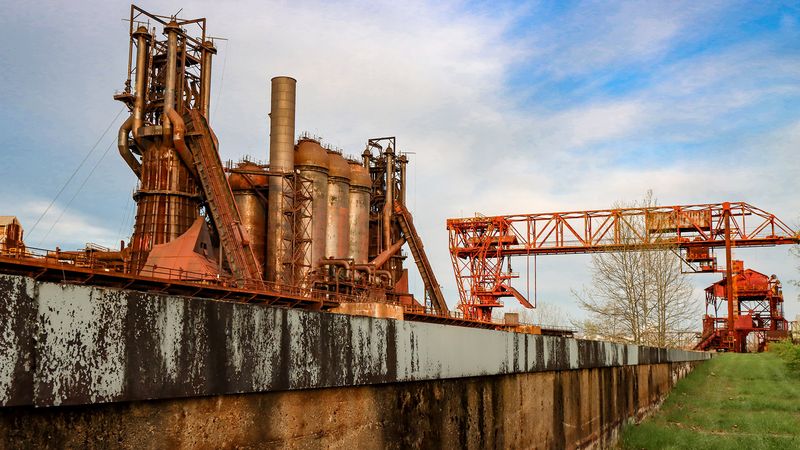
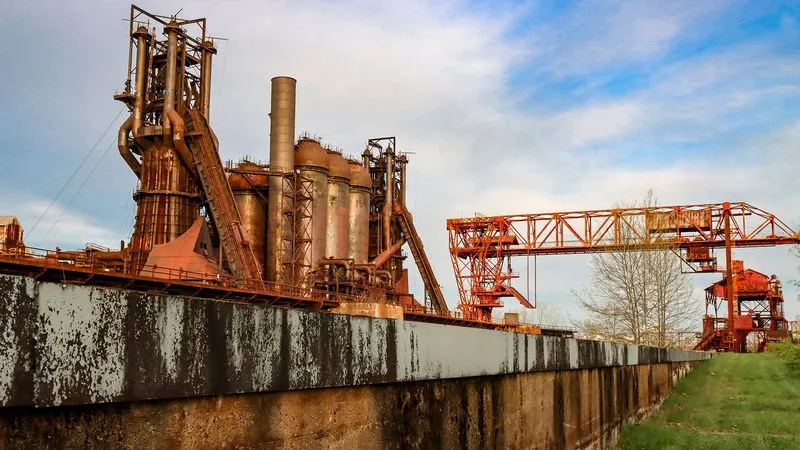
At Carrie Blast Furnaces, the scale hits you first. Iron stoves loom like cathedrals, and the staccato of interpretive tours fills in the noise that once shook the valley. You follow the path ore took, from skip car to furnace, while guides explain how coke, limestone, and iron made steel that built bridges and battleships.
Look for slag ladles, cast house details, and the famed deer head sculpture welded from rebar. The site’s silence makes the equipment feel even bigger, and you pick up the rhythm of an old shift just by tracing the catwalks. It is all right there, greased bolts and riveted skins included.
You learn how workers handled heat, gas, and timing with precision that saved lives. Stories of immigrant crews and union fights bring humanity to the metal. When you touch the railings, you connect with thousands of hands that sweated through seasons.
Bring water, closed toe shoes, and questions. The guides welcome curiosity and do not sugarcoat danger. By the end, you will see skyscrapers differently, understanding how blast furnaces turned raw rock into a nation’s skeleton.
SteelStacks and Hoover-Mason Trestle, Bethlehem
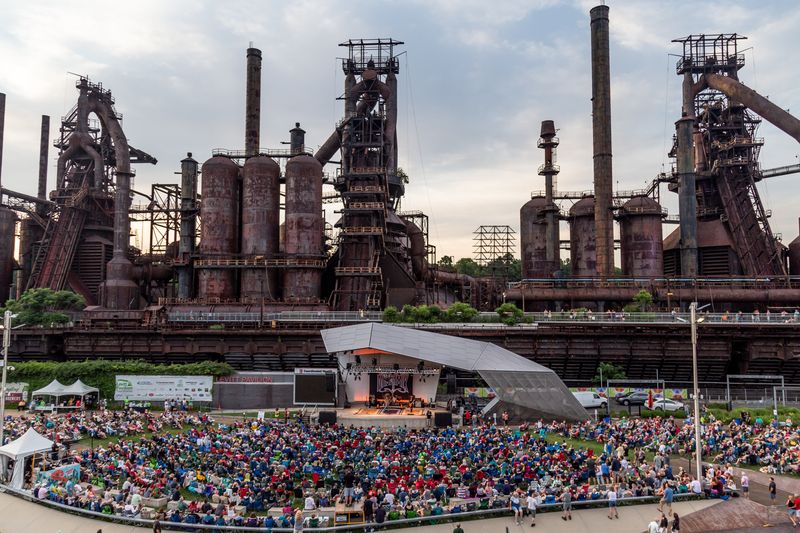
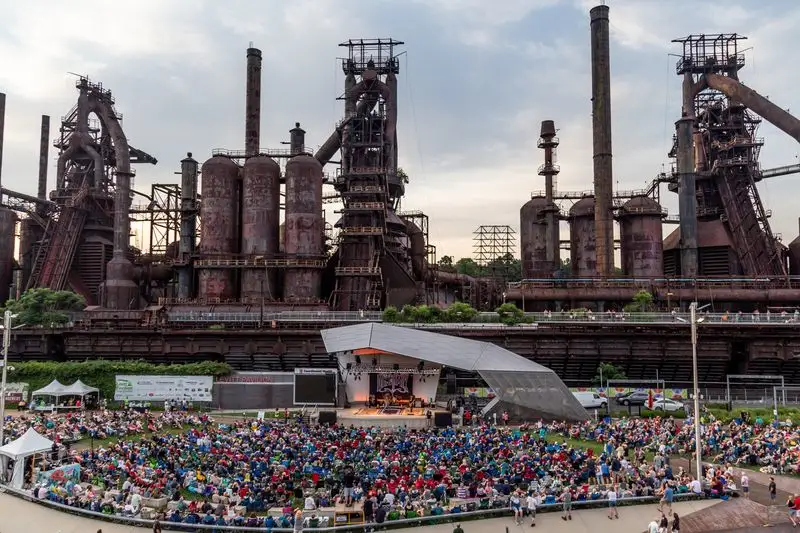
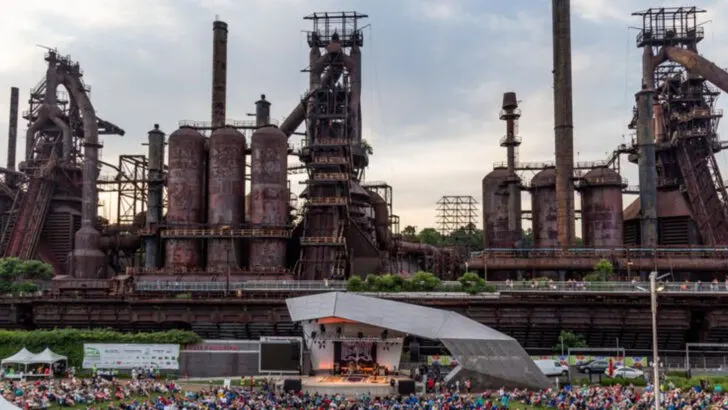
Bethlehem’s SteelStacks blend sculpture and industry into one unforgettable skyline. You stroll the Hoover-Mason Trestle, an elevated path where ore cars once rattled beside blast furnaces. Interpretive panels decode tuyeres, stoves, and the choreography of a hot mill.
The site doubles as an arts venue, so music and movies animate the furnaces after dark. That contrast makes history feel alive, not frozen. Overlooks give you angles on valves, stanchions, and rivets you would miss at ground level.
It is easy to imagine crews hustling against heat and deadlines. You see how design solved problems: air preheaters boosting efficiency, trestles keeping materials flowing. Those systems shaped the city’s economy and neighborhoods for generations.
Plan for sunset if you can. The lighting washes steel in color, and your photos will glow. Grab a coffee nearby and linger on the walkway, because the view turns everyday people into witnesses of an epic industrial chapter.
The National Iron and Steel Heritage Museum, Coatesville
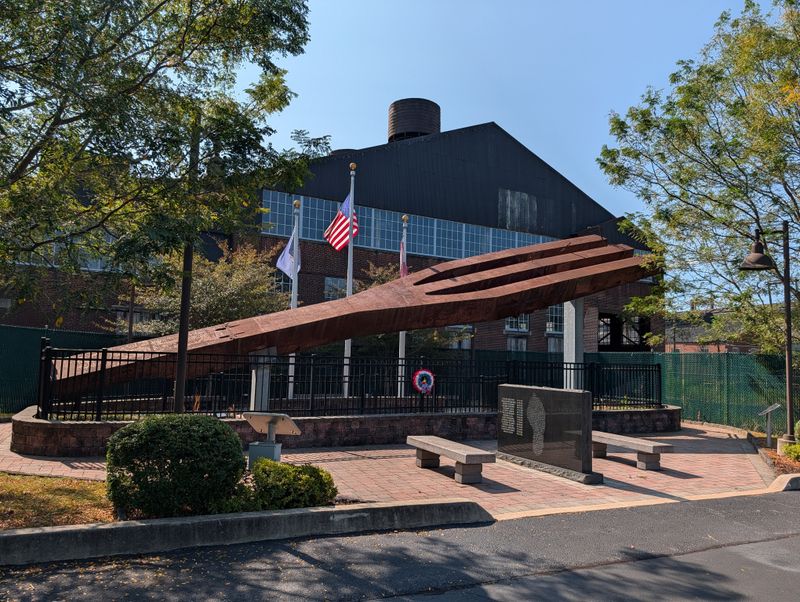
In Coatesville, the museum anchors a working legacy that dates to Lukens Steel. You walk through exhibits tied to plate rolling, ship armor, and America’s largest road plate. Artifacts include mill controls, safety gear, and samples that show how alloy recipes change performance.
Docents connect products to headlines, like hull plates for the USS New Jersey and recovery steel from World Trade Center remnants. You can stand alongside thick slabs and feel why plate matters. The town’s architecture, from worker housing to executive homes, frames the mill’s social footprint.
Look for the Graystone Mansion and the rolling mill engine house. Layers of expansion reveal how demand pushed technology forward. You see how management and labor navigated risk, boom, and reinvention as markets shifted.
Make time for the exhibits on women and African American workers, which add nuance to the production story. If you are traveling with kids, grab the hands on activities about tensile strength. You will leave ready to spot rolled steel in bridges, ships, and stadiums with new appreciation.
Fallingwater’s steel reinforcement story, Mill Run
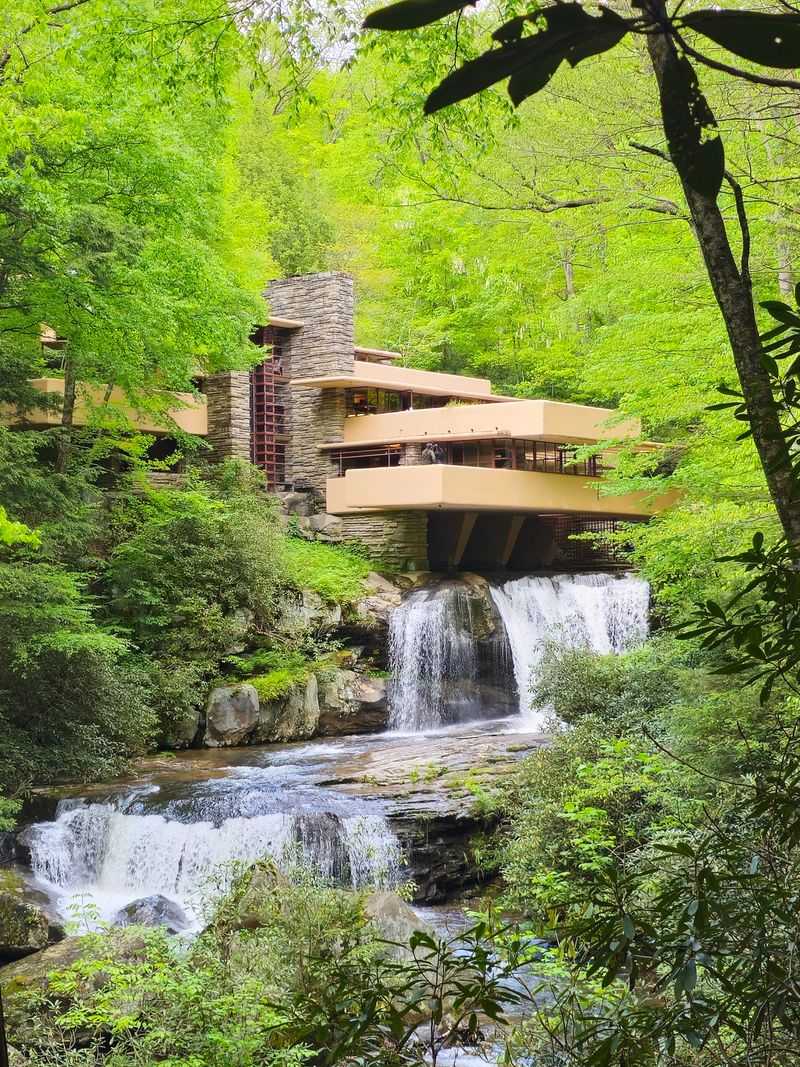
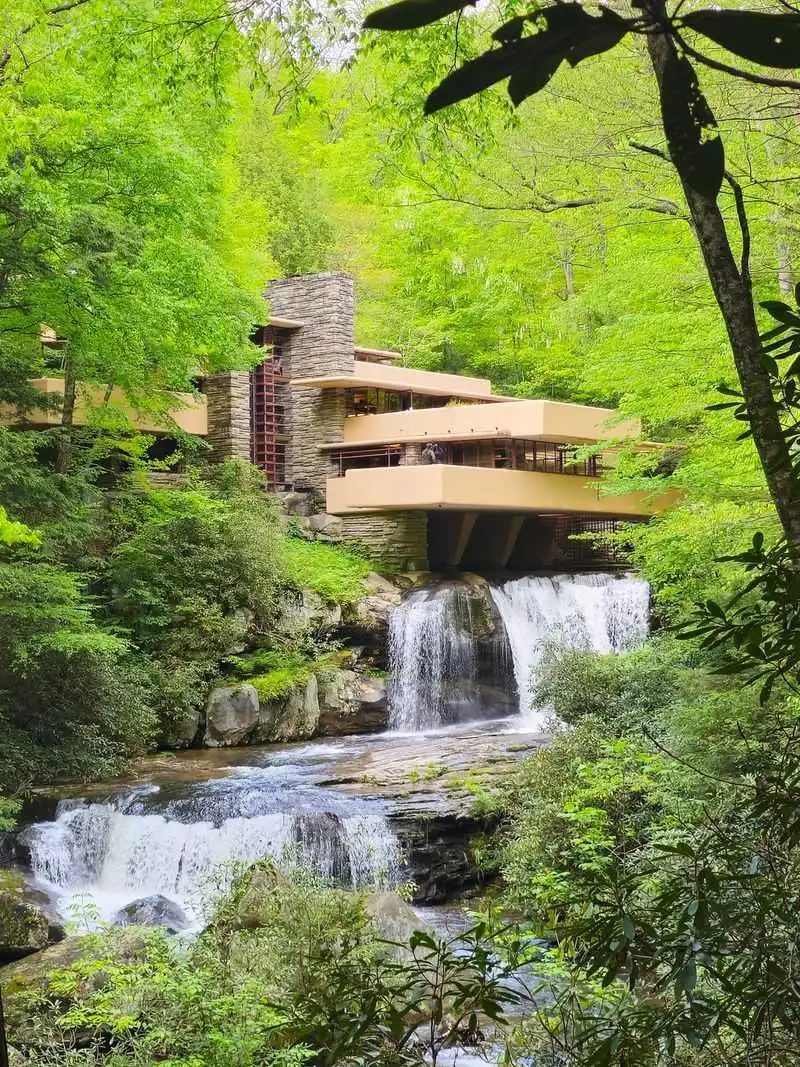
Fallingwater is famous for concrete planes floating over a waterfall, but steel is the hidden hero. Guides explain how reinforcing bars and structural steel solved tension that concrete alone cannot handle. Standing under the terraces, you appreciate the balance between material limits and bold design.
Conservation work reveals the ongoing dialogue between rust, moisture, and preservation. Engineers monitor deflection and maintain coatings so the house remains safe. That science lesson is wrapped in one of the world’s great views.
You learn why industrial materials shaped modern architecture: strength to span, slender profiles, and speed of construction. The house becomes a case study connecting mills to masterpieces. Every bolt and plate earns its keep, even if tourists mostly chase the photo.
Book timed tickets early and ask specifically about the structural narrative on your tour. It will change how you see railings, beams, and reinforcement in everyday buildings. You leave hearing the whisper of steel inside stone and water.
Steamtown National Historic Site, Scranton

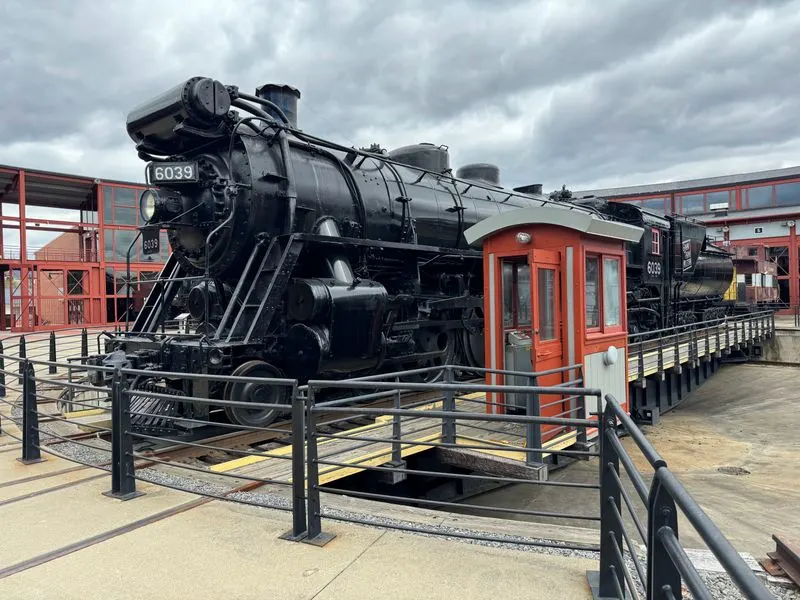
Steamtown ties iron, steel, and coal into one kinetic story. Locomotives here are rolling steel sculptures, with rods, boilers, and fireboxes that turned rails into arteries. You can step aboard, tour the roundhouse, and watch mechanics restore machines with patient precision.
Interpretive panels connect metallurgy to performance. Thicker plates, better rivets, and improved alloys meant faster, safer trains. You feel the heft of a driver wheel and realize what heat and hammering once demanded from crews.
Short train rides bring the sights and smells to life. The hiss, cinders, and motion fill in gaps a static exhibit cannot. Kids love it, and adults find themselves reading pressure gauges like old hands.
Give yourself extra time for the machine shop and history films. They connect Scranton’s coal seams to national commerce. Afterward, the city’s brick and steel bones feel like a working textbook you can walk.
Horseshoe Curve and the Railroaders Memorial Museum, Altoona
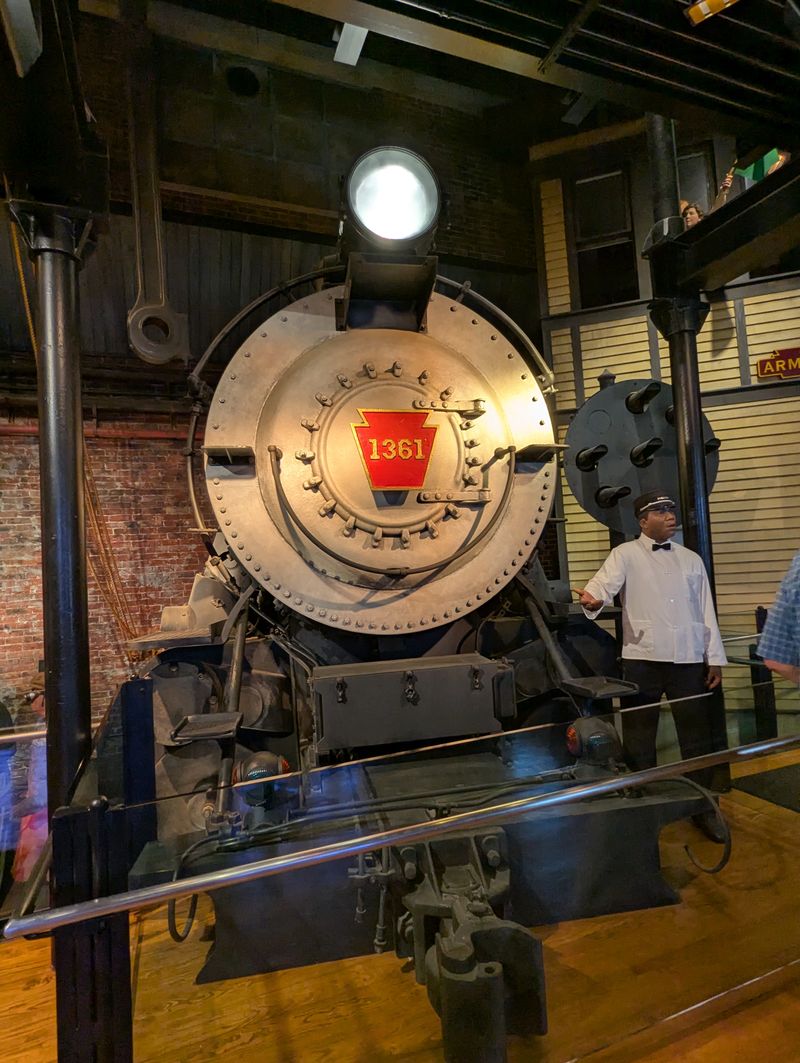
Horseshoe Curve is an engineering poem written in steel rails and ballast. Standing at the overlook, you feel trains lean into the arc while helpers push. The Railroaders Memorial Museum downtown gives you the human side, from shop tools to dispatch boards.
Displays show how steel rails, bridges, and wheels evolved to handle heavier loads through mountain grades. Altoona’s shops kept fleets rolling, machining parts and testing designs. The partnership between geography and metallurgy comes into focus.
Time your visit for an active freight day. Hearing wheels sing on the curve makes every diagram click. Bring a scanner if you have one, or use posted schedules to increase your odds.
At the museum, do not miss the interactive exhibits and restored equipment. You will leave knowing why a curve cut minutes that multiplied into national savings. The region’s economy grew on that efficiency, and you can feel it rumble under your feet.
Hopewell Furnace National Historic Site, Elverson
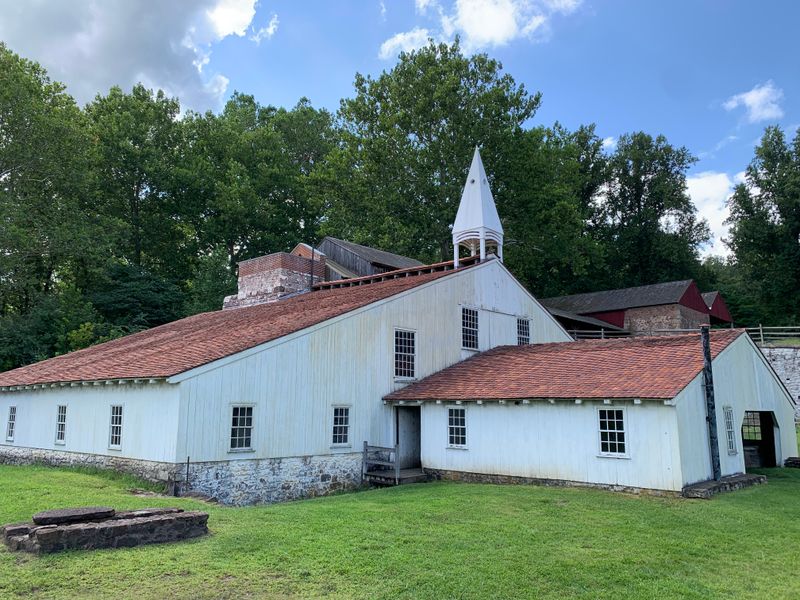
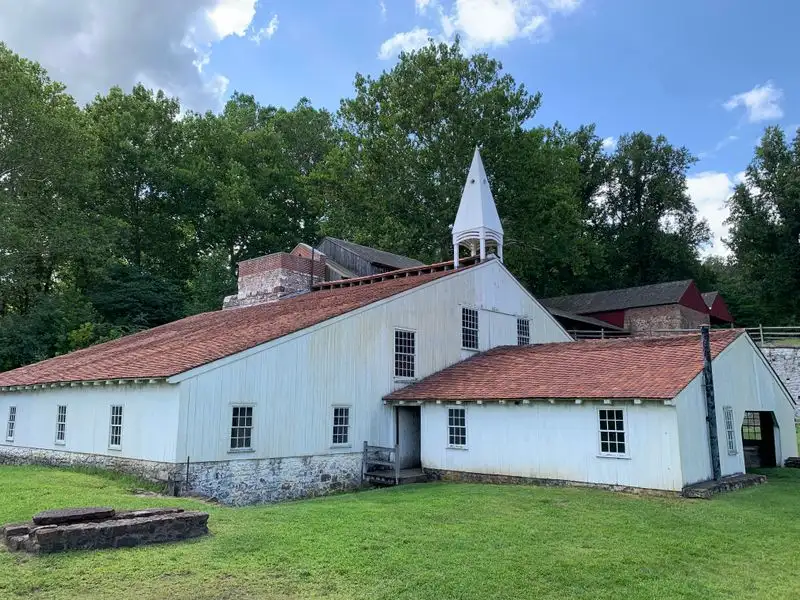
Hopewell Furnace takes you to the charcoal iron era before coke fed blast furnaces rose. The village shows how wood, water power, and ore became pig iron and cast goods. You can tour the casting house, company store, and tenant houses to understand the whole ecosystem.
Watch for patterns used to mold stove plates that once heated colonial homes. The waterwheel and bellows bring air to the furnace, and the rhythm feels timeless. Rangers explain shifts, risks, and the labor of colliers who made charcoal in the woods.
It is a quiet place, but the technology is sophisticated. You will see logistics in action: ore carts, charcoal sheds, and transport routes to markets. The story links forests to furnaces in a chain of resource management.
Pack comfortable shoes and plan a hike in adjacent French Creek State Park. The contrast between woodland and furnace yard drives home the resource demands. You leave understanding how early iron laid groundwork for later steel giants.
Johnstown Flood National Memorial and steel town context
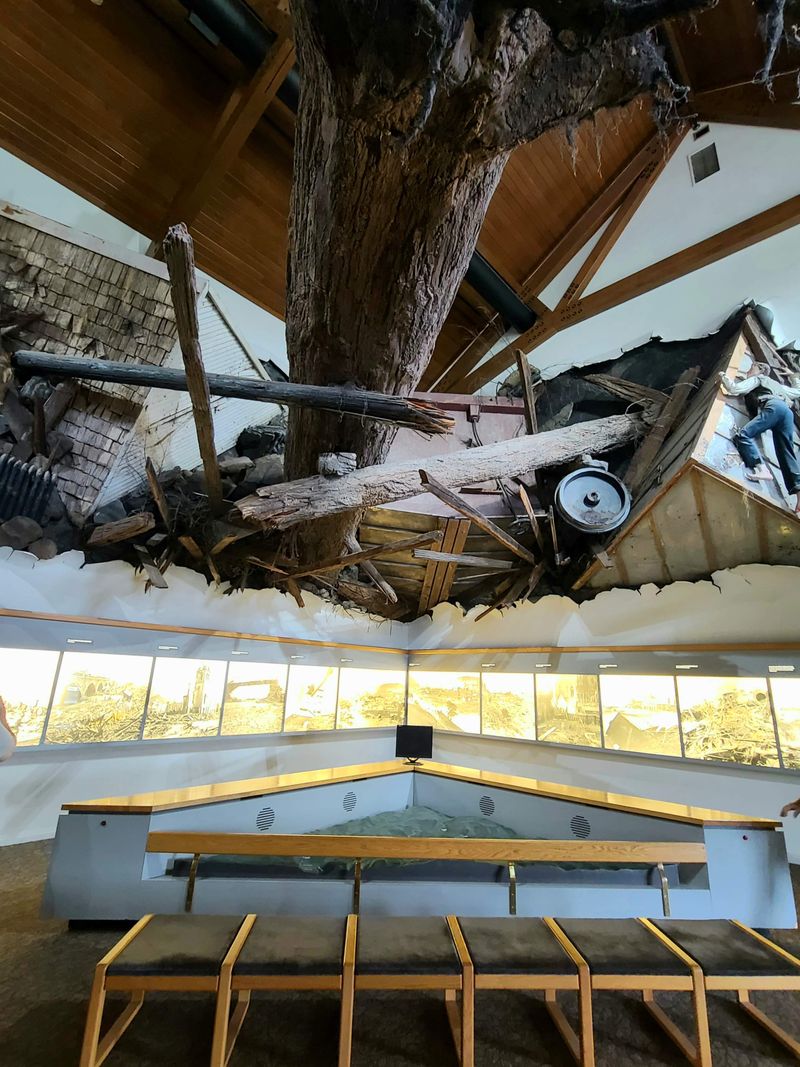
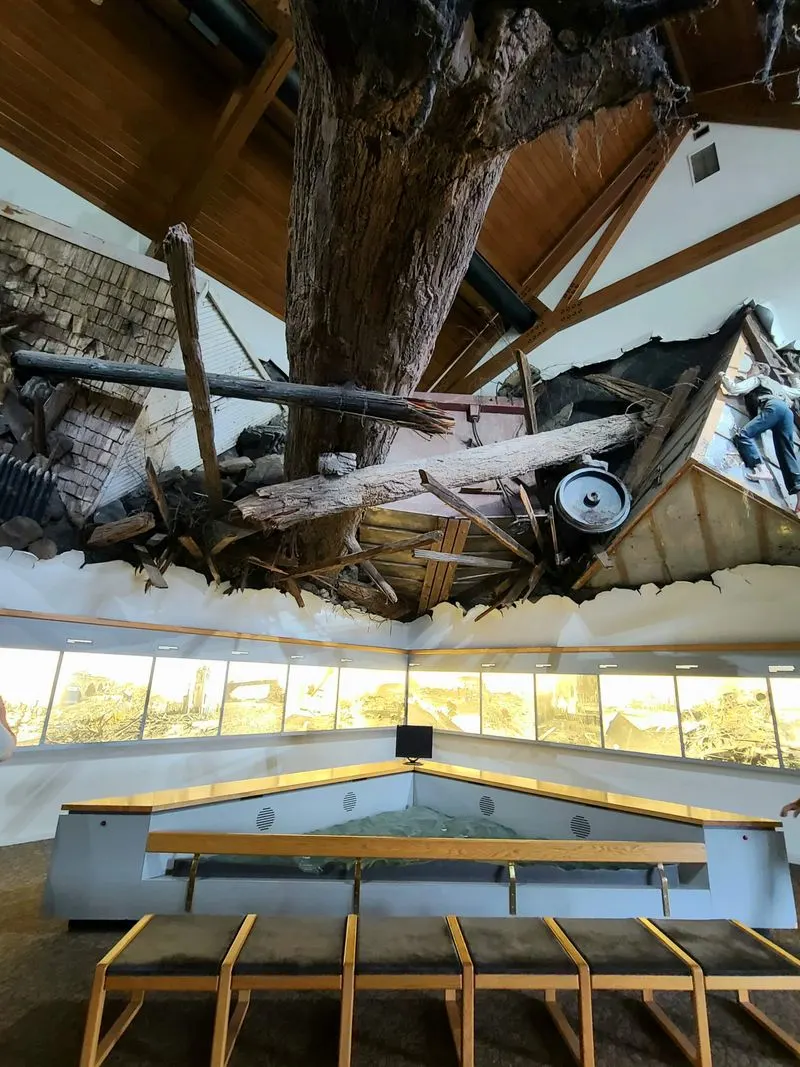
The Johnstown Flood story is inseparable from steel era risk and responsibility. When the South Fork Dam failed in 1889, a city built around mills and immigrant labor suffered devastating loss. The memorial grounds and visitor center frame the event with survivor voices and engineering analysis.
You confront decisions about maintenance, class, and safety that echo in industrial history. Exhibits tie the flood to mill schedules, housing patterns, and corporate philanthropy. Steel wealth and working class vulnerability share the same valley.
Walking the dam remains helps you visualize hydrology and failure points. The film and relief map give scale impossible to feel otherwise. It becomes a lesson in infrastructure stewardship as much as tragedy.
Consider pairing this visit with Johnstown’s Heritage Discovery Center for a fuller labor narrative. You will leave with a deeper sense of how communities absorb shocks while industry marches on. It is sobering and necessary, grounding the shine of steel with human stakes.
Anthracite Heritage Museum and Lackawanna Coal Mine Tour, Scranton
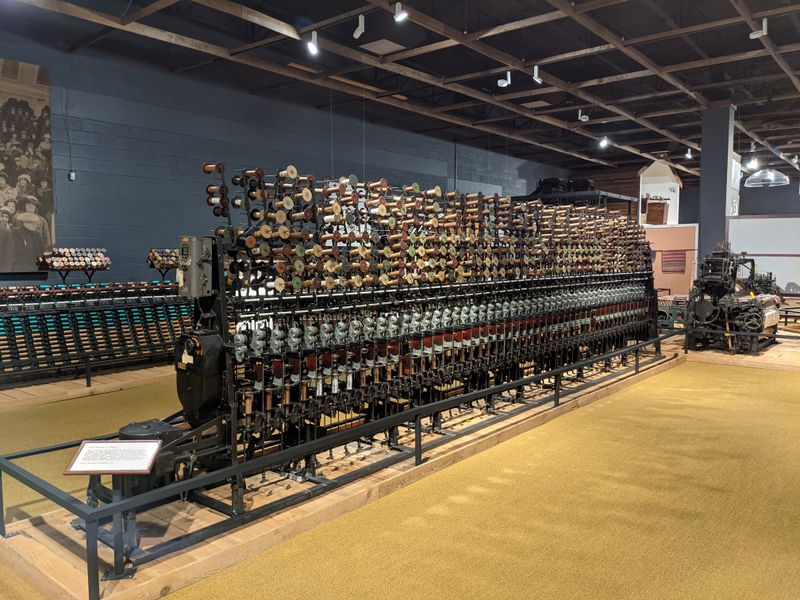
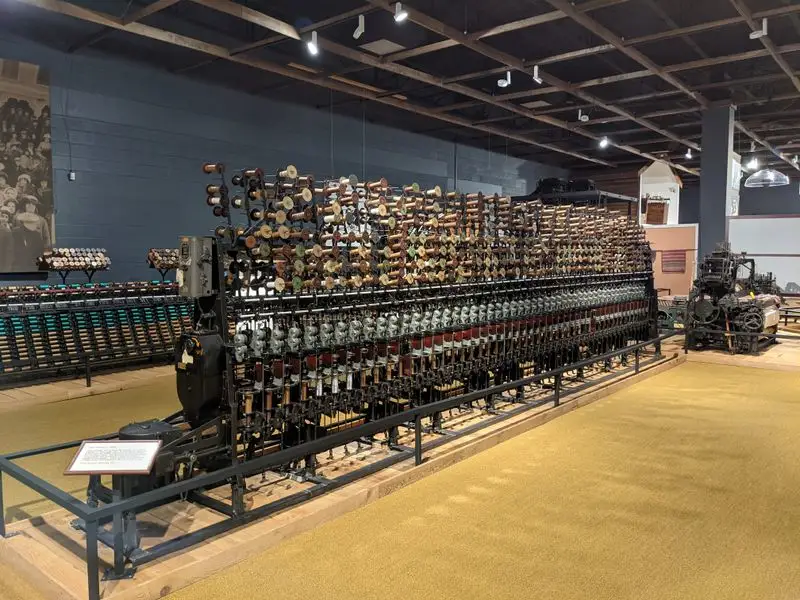
Steel starts with fuel, and anthracite powered furnaces across Pennsylvania. The museum lays out immigrant stories, tools, and strike history that fed the iron and steel engine. Nearby, the Lackawanna Coal Mine Tour drops you underground to feel geology and labor up close.
Steel beams in the drifts remind you that mining was a steel consumer too. Supports, rails, and carts made extraction possible while mills waited for the coke and coal. The loop between mine and mill is clear once you ride the mine car.
Interpretive guides mix technical detail with lived experience. Ventilation, methane, and roof control are explained simply but powerfully. You will keep your hands on the wall without thinking, because the dark focuses every sense.
Wear a jacket, it is cool below ground even in summer. Back at the museum, linger on union materials to connect labor movements statewide. You leave seeing steel not as a product, but as a system of people, rock, and risk.
Cambria Iron Company’s Gautier Steel site, Johnstown
Cambria Iron once set the pace for steel innovation, and the Gautier site preserves that lineage. Rolling mills here produced rails and shapes that knit the country together. You can trace the riverfront logic that placed mills, rail, and housing in tight proximity.
Interpretation highlights technological leaps like the Bessemer process and open hearth adoption. Machine foundations and craneways hint at monumental loads. You begin to read concrete piers like footprints of vanished giants.
Johnstown’s resilience threads through every story. Floods and downturns hit hard, yet the industrial memory remains strong. Local historians add color that brochures miss, so ask around if you can.
Photographers will love the play of rust, water, and sky. Respect signs, as some areas remain active or restricted. You leave feeling how a mid sized city once pulsed with molten purpose, shaping national routes and fortunes.
Daniel Boone Homestead ironmaking context, Berks County
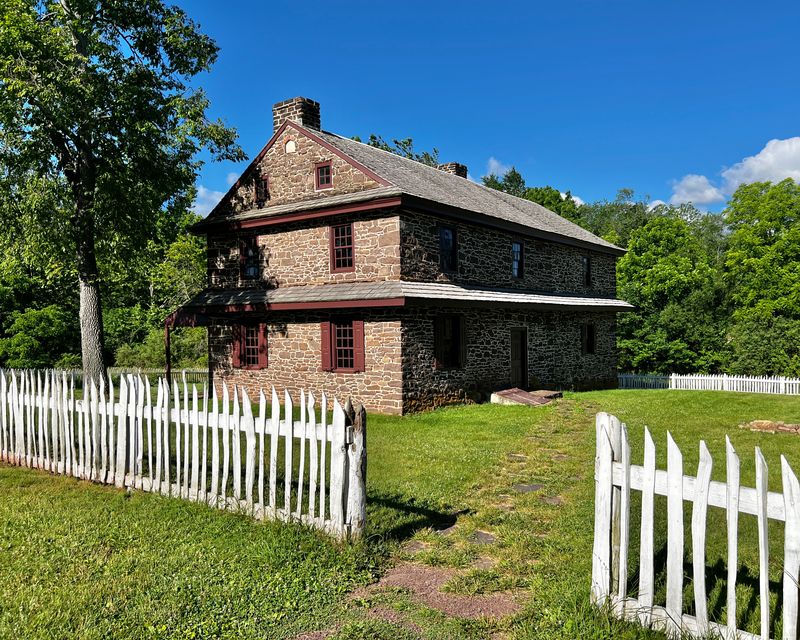
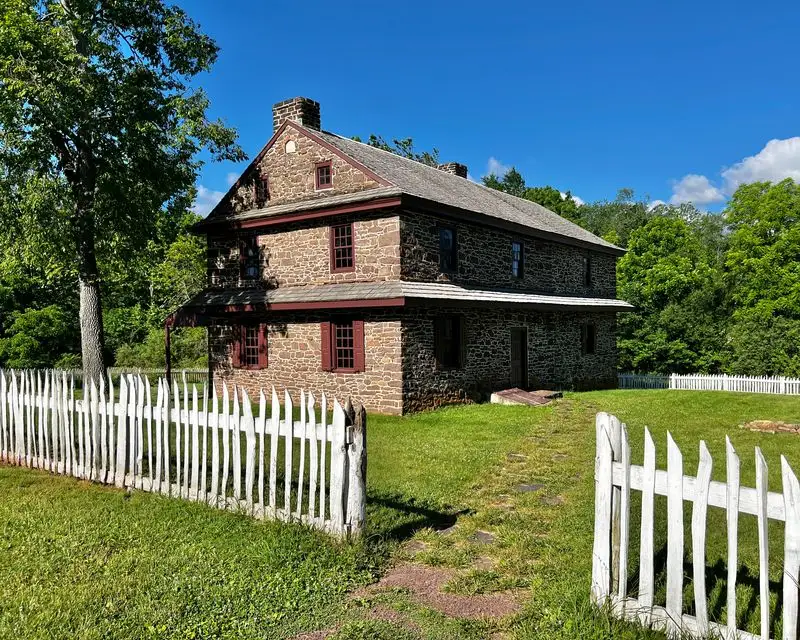
The Daniel Boone Homestead tells a frontier story that includes early ironmaking in Berks County. Nearby forges and furnaces shaped trade, tools, and settlement patterns. On site, interpretive materials tie household artifacts to regional iron output.
You learn how bloomery and forge work fed local needs before big furnaces dominated. Nails, hardware, and farm implements were precious, and ironworkers traveled skill networks. The homestead becomes a lens on technology meeting daily life.
Look closely at blacksmith demonstrations when scheduled. Watching iron move under the hammer clarifies terms you see in museums elsewhere. The smell of coal and the color of heat make theory stick.
Combine this stop with Hopewell Furnace for a full arc. You will appreciate how small shops linked to larger operations over time. Leaving the fields, you see how iron seeded prosperity and ambition long before skyscrapers rose.
Phoenix Iron Works (Phoenixville) and the Phoenix Column
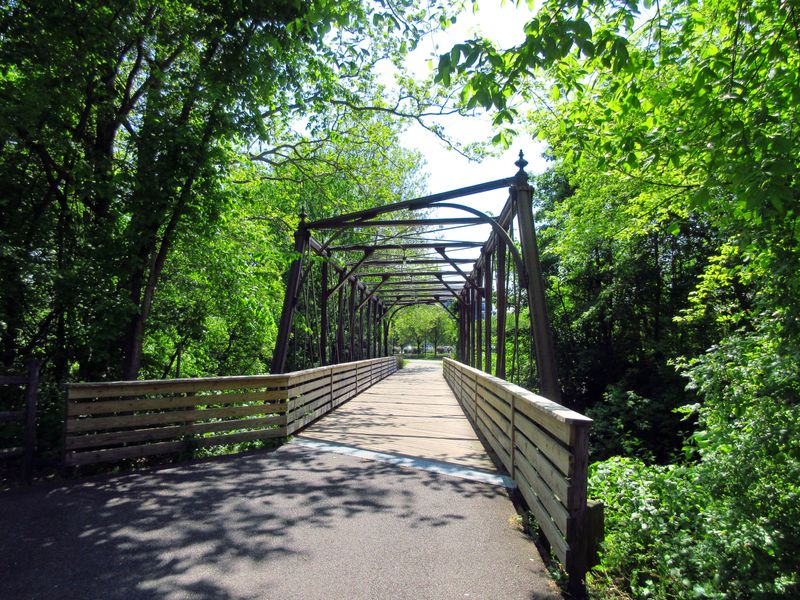
Phoenixville’s Phoenix Iron Works pioneered the Phoenix Column, a riveted, hollow structural member. It made bridges and buildings lighter without sacrificing strength. Walking town, you will spot plaques and surviving pieces that celebrate the innovation.
The company’s story mirrors the shift from wrought iron to steel. Patterns, rolling, and riveting evolved alongside demand for longer spans. Local pride is palpable during festivals that nod to the iron legacy.
Seek out the column cross sections at interpretive stops. You will understand how geometry and riveting transformed capacity. It is a master class in making more from less, well before computer models.
Grab coffee, then stroll along the river to imagine materials moving out by rail. You leave seeing columns not as cylinders, but as smart assemblies of plates and rivets. Phoenixville proves that small towns can drive big structural ideas.
Scranton Iron Furnaces
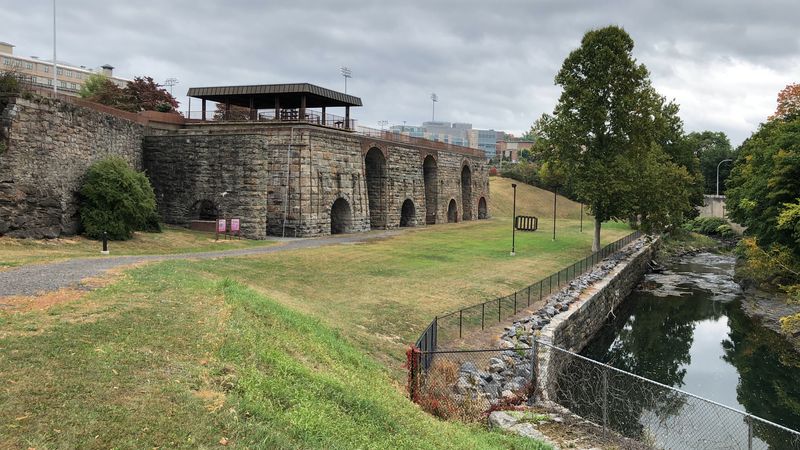
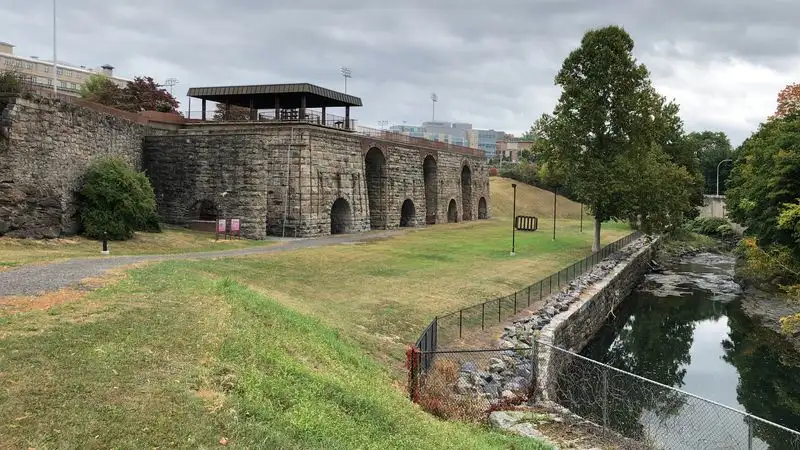
The Scranton Iron Furnaces stand like sentinels of a city’s birth. These stone stacks mark the leap from iron to a steel era that would reshape America. Walking the grounds, you follow runners where molten iron once flowed into sand pigs.
Interpretive signs detail hot blast, charging, and the shift toward anthracite use. You realize how regional resources determined process choices. The site often hosts events, keeping history woven into daily life.
Bring curiosity and time to read every panel. The furnaces become a diagram you can walk inside. You will spot tuyeres, slag notches, and arches that make technical terms tangible.
Pair this stop with Steamtown for a rounded day. Trains and furnaces lock together in cause and effect. Leaving the park, you hear echoes of tapping time in passing freight horns.
Rivers of Steel: Pump House at the Battle of Homestead site
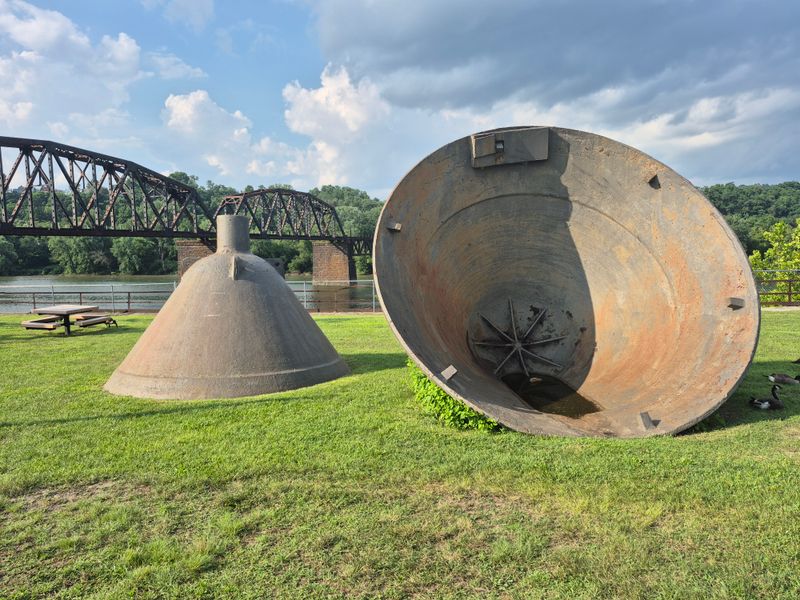
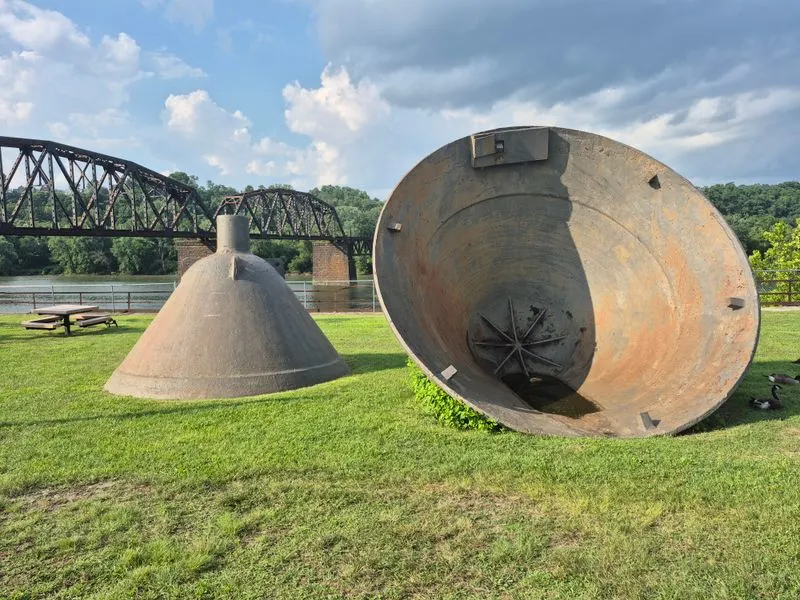
The Pump House at Homestead is ground zero for labor history in American steel. Here in 1892, workers and Pinkertons clashed in a strike that still shapes conversations about power. The small brick building anchors tours that expand into big ideas.
Inside, exhibits outline mill operations, union strategy, and the river’s role in logistics. You will see photos, contracts, and tools that make policy feel personal. Outside, the riverbank reads like a stage where barges and bodies once met.
Walk the trail to connect surviving structures and memorials. The story balances pride in craft with the costs of industrial might. It is impossible not to think about safety, dignity, and negotiation while standing there.
Check the Rivers of Steel calendar for talks and concerts that keep the site active. You will leave with vocabulary to decode other mills and strikes statewide. Homestead’s Pump House turns a quiet room into a loud, necessary memory.