North Carolina has secrets hiding in plain sight.
Beyond the crowded mountain overlooks and famous coastal escapes, a quieter side of the state is waiting to be found.
Tucked along back roads and tucked-away corners are places that can make an ordinary day feel like a real adventure.
You can wander through mysterious caves, search for gemstones, explore forgotten mining towns, or paddle across peaceful waters shaded by ancient trees. Some spots are quirky enough to make you wonder how you never heard about them before.
That’s the fun of going off the beaten path.
These destinations trade packed parking lots for room to roam and predictable sightseeing for unexpected discoveries.
Ready to skip the usual stops and uncover 15 North Carolina spots that deserve a place on your next road trip?
Merchants Millpond State Park – Gatesville

Something magical happens when ancient cypress trees meet dark, glassy water. Merchants Millpond creates a swampy wonderland that feels nothing like North Carolina’s famous mountains or coastline.
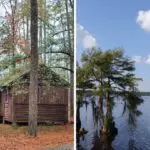
Paddling through the millpond might be the best way to experience this place. Your canoe or kayak glides past centuries-old bald cypress trees draped in Spanish moss, their knobby roots jutting from water that looks almost black.
Wildlife watchers love spotting turtles sunbathing on logs, wading birds stalking the shallows, and maybe even an otter slipping through the water.
Several hiking trails wind through the surrounding forest if you prefer staying on land. The mix of wetland and upland habitats makes this park especially interesting for nature lovers.
Fishing is popular here too, with bass, bream, and catfish waiting beneath the surface.
This eastern North Carolina treasure proves you don’t need dramatic cliffs or ocean waves for memorable outdoor adventures.
Cliffs of the Neuse State Park – Seven Springs

Red and orange cliffs towering above a winding river create one of eastern North Carolina’s most surprising landscapes. Most people expect these dramatic geological features out west, not in the middle of farm country.
The Neuse River carved these colorful clay bluffs over thousands of years, exposing layers that tell stories about ancient environments. Standing at the top, you can see how the river continues its slow work of shaping the land.
The colors shift depending on the light, glowing especially bright in the afternoon sun.
Beyond cliff viewing, the park offers several hiking trails through mixed hardwood forests and along the river. A swimming area makes hot summer days much more bearable.
Fishing from the riverbank is another popular activity, with catfish and bass lurking in the deeper pools.
Pack a picnic and spend the day exploring this unexpected geological wonder that proves eastern North Carolina has scenic surprises of its own.
Goose Creek State Park – Washington

Forget crowded beach towns for a minute. Goose Creek offers the kind of peaceful coastal experience where you actually hear birds instead of traffic.
The tidal estuary creates constantly changing scenery as water levels rise and fall throughout the day. Boardwalks carry you over marshlands where herons stalk and fiddler crabs scuttle.
Forest trails provide shade when the sun gets intense, then suddenly open onto beautiful water views.
This park ranks among North Carolina’s quieter coastal destinations, which means more space for you to explore without dodging crowds. Kayakers and canoeists particularly love paddling through the creek system, discovering hidden coves and watching for dolphins that sometimes venture this far inland.
Bird watchers bring their binoculars year-round since the mix of habitats attracts incredible variety. Even if you can’t identify every species, watching these creatures in their natural environment never gets old.
Sometimes the best beach alternative involves no beach at all.
Jones Lake State Park – Elizabethtown

Carolina bay lakes are mysterious things. Scientists still debate exactly how these oval-shaped depressions formed thousands of years ago, but Jones Lake proves they created something special.
The water here looks different from typical lakes, with an amber tint from natural tannins in the surrounding vegetation. Swimming feels refreshing on summer days, and the gradual bottom makes it family-friendly.
Unlike mountain lakes that can be freezing, Jones Lake actually warms up nicely.
Trails loop through the longleaf pine forest that surrounds the lake. These ecosystems once covered millions of acres across the South but now survive only in protected pockets like this.
Walking beneath the tall pines, you might spot carnivorous plants like Venus flytraps and pitcher plants.
Fishing, picnicking, and simple relaxation by the water round out the activities. This unusual geological feature offers experiences you won’t find at North Carolina’s better-known parks, making it worth the trip to Bladen County.
Hammocks Beach State Park & Bear Island – Swansboro

Getting to Bear Island requires planning, which keeps the crowds away. A passenger ferry runs during warmer months, or you can paddle your own boat across the channel.
That journey makes arrival feel like discovering your own private island. The undeveloped beach stretches for miles, backed by maritime forest and dunes instead of hotels and condos.
Seashells scatter across the sand, and shorebirds outnumber people most days.
Primitive camping lets adventurous visitors spend the night, falling asleep to wave sounds without any light pollution. Day trippers spread out along the shoreline, finding plenty of space even on nice weekends.
The lack of development means planning ahead with water, snacks, and sun protection.
Swimming, surfing, fishing, and beachcombing fill the hours here. Loggerhead sea turtles nest on these beaches during summer, and lucky visitors might spot tracks in the early morning.
If you want North Carolina coastal beauty without the commercial scene, Bear Island delivers.
Emerald Hollow Mine – Hiddenite

How often do you get to hunt for actual emeralds? This working mine lets visitors become prospectors for the day, searching creek beds and digging areas for precious stones.
North Carolina has a fascinating gemstone history, and Hiddenite takes its name from a rare green crystal discovered here. While finding a valuable emerald requires luck, you’ll almost certainly take home quartz, garnets, amethyst, or other minerals.
Kids especially love the treasure hunt aspect.
The mine provides basic tools and instruction to get you started. Some folks spend hours carefully sifting through gravel, while others prefer exploring different spots.
Either approach works, and the staff helps identify whatever you discover.
Beyond gemstones, the property includes hiking trails with pretty mountain views. Visiting during cooler months makes the digging more comfortable, though die-hard rockhounds show up year-round.
Whether you strike it rich or just enjoy the search, this hands-on experience beats looking at minerals behind glass in a museum.
Boone’s Cave Park – Lexington

History and nature combine in this compact Davidson County park that many North Carolinians have never heard of. The Daniel Boone connection adds legendary appeal to a spot that would be charming anyway.
According to local tradition, the famous frontiersman’s family used this cave, possibly as shelter or storage. Whether every story is literally true matters less than the authentic 1700s frontier history this area holds.
Walking the trail toward the cave, you imagine what life was like when this region was still wilderness.
The cave itself sits small but atmospheric in the hillside. Surrounding trails wind through pleasant forest where wildflowers bloom in spring and leaves explode with color each fall.
Wildlife sightings happen regularly since the park provides good habitat.
A disc golf course attracts players who appreciate the wooded setting. Picnic areas let families make an afternoon of it.
Visit North Carolina specifically highlights this hidden gem, recognizing that sometimes the best destinations come in small packages.
Gold Hill Mines Historic Park – Gold Hill

Before California’s famous gold rush, North Carolina had its own fever. Gold Hill boomed as miners flocked here hoping to strike it rich in the early 1800s.
Walking through the preserved village feels like stepping back in time. Historic buildings still stand where miners once lived and worked.
Mining equipment, old structures, and interpretive signs help visitors picture the bustling community this once was. The whole place tells stories about ambition, hard work, and the boom-and-bust nature of mining towns.
The park isn’t huge, but it packs fascinating history into a small area. Visiting during special events brings additional activities and demonstrations.
Even on quiet days, wandering the grounds and imagining life here 200 years ago provides memorable experiences.
North Carolina’s gold mining heritage surprises many people who only associate the industry with western states. Gold Hill preserves an important chapter in that story, making it valuable for anyone interested in state history or quirky historical sites.
Shangri-La Stone Village – Prospect Hill

Some attractions defy easy explanation. Shangri-La Stone Village definitely falls into that category, which makes it absolutely worth finding.
Built primarily from local stone by hand, this peculiar creation has a mysterious, almost magical quality. The structures look like they sprouted from someone’s imagination rather than following normal architectural rules.
Visiting feels like discovering a secret that not many people know about.
The village sits along rural roads where you might not expect to find anything unusual. That element of surprise adds to its charm.
Photography enthusiasts love capturing the unique stonework and odd angles. Kids find it fascinatingly weird in the best possible way.
North Carolina has its share of conventional tourist attractions, but places like this provide the quirky memories that make road trips special. The handmade, folk art quality sets Shangri-La apart from polished commercial sites.
Track it down when you want something completely different from another historic marker or scenic overlook.
Linville Caverns – Marion

Mountains are impressive, but what lies beneath them can be just as amazing. Linville Caverns takes you underground into North Carolina’s only publicly accessible cave system.
Guided tours lead through passages where water sculpted rock into fantastic shapes over thousands of years. Stalactites hang from ceilings while stalagmites grow upward from the floor, sometimes meeting to form columns.
Underground pools reflect formations above them, doubling the visual impact. The whole environment feels otherworldly.
Year-round temperatures hover around 52 degrees Fahrenheit, making the caverns especially appealing during summer heat. Bring a light jacket even on hot days.
Tours run regularly and don’t require extreme fitness, though some bending and careful walking are necessary.
Trout swim in the underground stream that continues carving these passages. Seeing fish living their entire lives in darkness adds to the unusual experience.
After days of mountain views, heading underground provides welcome variety and proves North Carolina’s natural wonders exist at every level.
Emerald Village – Little Switzerland

Western North Carolina’s mountains hide more than pretty views. Beneath the surface lies a rich history of gemstone mining that Emerald Village preserves and shares.
Multiple attractions spread across the property give visitors several ways to explore. Old mine workings let you peer into actual tunnels where miners once labored.
Mining exhibits display equipment, minerals, and photos from the industry’s heyday. The museum portions teach about geology and mining techniques without feeling like boring schoolwork.
Of course, the best part for many visitors involves searching for their own treasures. Gemstone sluicing and mining activities let you take home whatever you find.
Even if you don’t discover anything valuable, the hands-on experience beats just reading about mining.
The Little Switzerland location puts you in beautiful mountain scenery, so combine your visit with other area attractions. Visit North Carolina recognizes Emerald Village among the state’s more unusual destinations, perfect for travelers seeking something beyond another scenic overlook.
Elk Knob State Park – Todd

Popular mountain destinations have their appeal, but crowded trails and packed overlooks can diminish the experience. Elk Knob offers an alternative for people who prefer solitude with their scenery.
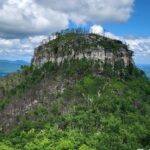
This state park protects one of the highest peaks in the northern Blue Ridge Mountains. Reaching the summit requires hiking effort, but the panoramic views reward that work.
On clear days, you can see for miles across mountain ridges fading into blue distance.
The trail system explores various elevations and habitats. High-elevation forests look different from lower slopes, with hardier trees adapted to harsh conditions.
Wildflowers bloom throughout warmer months, painting the mountainsides with color. Fall foliage rivals anywhere in the state.
Because fewer people know about Elk Knob compared to nearby tourist magnets, you often have trails largely to yourself. That peaceful atmosphere lets you actually hear wind, birds, and your own thoughts.
Sometimes the best mountain experiences come from seeking out the quieter peaks.
Tory’s Den Cave & Waterfall – Hanging Rock State Park

Hanging Rock State Park attracts plenty of visitors, but most never find this tucked-away spot. Knowing about Tory’s Den separates casual park-goers from true explorers.
A relatively short trail leads to both the cave and a nearby waterfall. The cave earned its name from Revolutionary War history, when Tories allegedly used it for shelter or hiding.
Standing inside the rock overhang, you can imagine desperate times when this simple cave meant safety. History and nature intertwine here in fascinating ways.
The waterfall adds scenic beauty to the historical interest. Depending on recent rainfall, it can range from a trickle to a respectable cascade.
Either way, the combination of water, rock, and forest creates a peaceful spot for resting.
Visit North Carolina specifically recommends this site as a hidden experience within a well-known park. That kind of secret-within-a-secret makes discovery feel extra rewarding.
Skip the crowded main attractions and find Tory’s Den for a more personal park experience.
American Museum of the House Cat – Sylva

Not every museum takes itself seriously. Thank goodness for that, because the world needs more places celebrating cats in all their mysterious glory.
This tiny Sylva museum collects everything feline-related, from ancient artifacts to modern kitsch. Cat artwork spanning different centuries and cultures lines the walls.
Toys, figurines, postcards, advertisements, and countless other items prove humans have been obsessed with cats for millennia. The collection manages to be both educational and delightfully silly.
Whether you’re a devoted cat person or just appreciate unusual museums, this place delivers entertainment. The small size means you won’t spend all day here, making it perfect for breaking up a western North Carolina road trip.
Plus, admission prices won’t break your budget.
Visit North Carolina highlights this as one of the state’s quirkier attractions, which feels like understatement. Where else can you see centuries of cat devotion packed into one small building?
Embrace the weirdness and add this unexpected stop to your mountain itinerary.
Gem & Mineral Museum of Franklin – Franklin

Franklin earned its reputation as a gemstone destination, so finishing here makes perfect sense. This museum shows why rockhounds get so excited about western North Carolina’s geology.
Display cases showcase minerals and gems found throughout the region, including specimens that make you wonder how nature creates such colors and formations. The collection helps visitors understand what they might find when gem mining at area attractions.
Learning to identify different stones and understanding their formation makes future discoveries more meaningful.
Beyond pretty rocks, the museum explains the geological processes that concentrated so many interesting minerals in this part of the state. Even people who never considered themselves rock nerds often leave fascinated by the science and beauty on display.
The museum works well as either an introduction before you try gem mining or as a conclusion to help identify what you found. Either way, it deepens appreciation for the literal treasures hidden in North Carolina’s mountains and streams.