Some Pennsylvania towns have gone from hidden bargains to places where home prices shock even longtime residents.
Quiet communities once known for affordable living now attract buyers chasing historic streets, charming downtowns, and a better quality of life. These towns have gained popularity so quickly that yesterday’s reasonable prices can feel almost impossible today.
From riverfront gems to scenic mountain escapes, Pennsylvania’s most sought-after towns are telling a new story.
Rising demand, limited homes, and fresh interest from new residents have pushed costs far beyond what many locals remember.
Get ready to explore 15 Pennsylvania towns where charm came with a surprising price tag and discover the places that became much more expensive than they once were.
These communities continue to capture attention as more people dream of calling them home.
Phoenixville
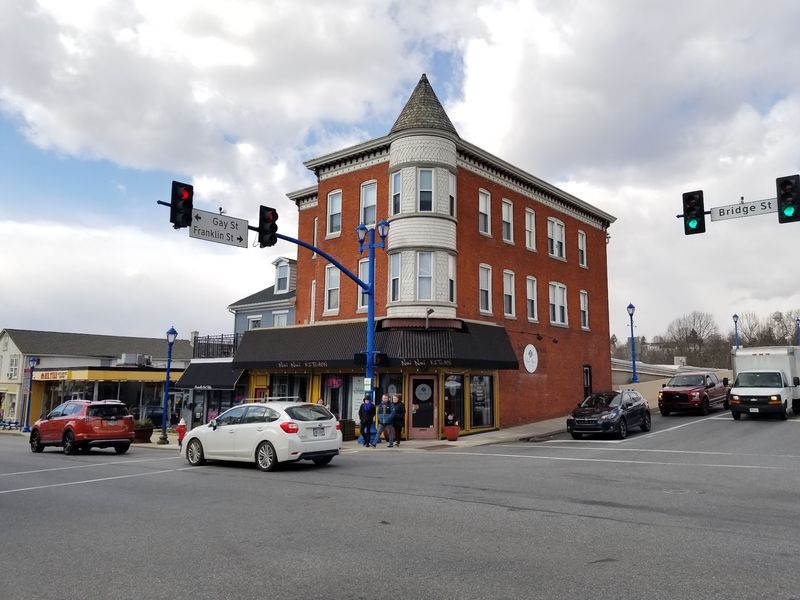
Steel mills once dominated this town, and workers could afford homes on modest salaries. Today, Phoenixville attracts young professionals and families willing to pay top dollar for its revitalized downtown.
Trendy restaurants, craft breweries, and art galleries line the streets where factories once stood.
The transformation began gradually but accelerated in the early 2000s. Investors saw potential in the old buildings and started renovating them.
Soon, national magazines started featuring Phoenixville as an up-and-coming destination.
Commuters love the easy access to Philadelphia and the surrounding suburbs. This convenience means more people compete for fewer homes.
Property values have jumped dramatically, making it tough for longtime residents to afford staying in their own neighborhoods.
The monthly housing costs now rival those of much larger cities. What once was a blue-collar bargain has become a premium place to call home.
Families moving here today face prices their predecessors never imagined paying.
New Hope
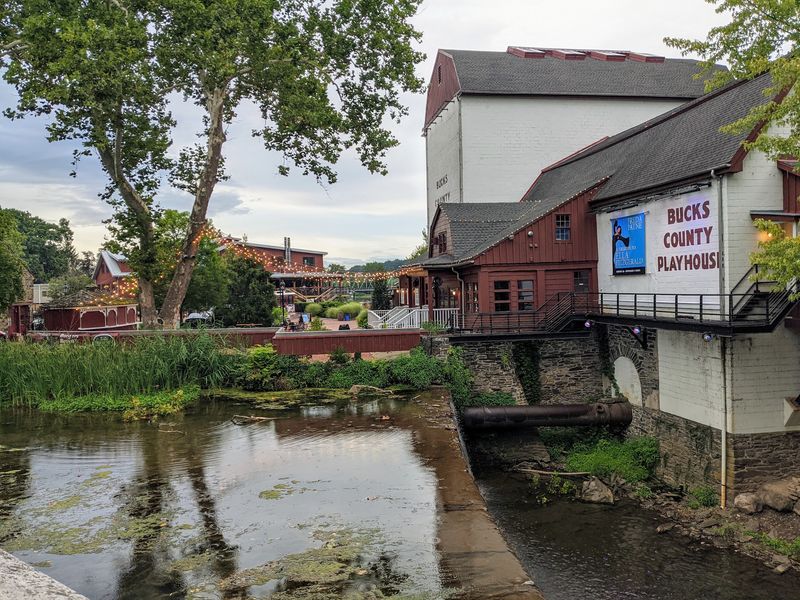
Artists and bohemians first discovered this riverside gem decades ago when it was still affordable. Galleries, antique shops, and quaint bed-and-breakfasts gave New Hope its unique character.
Back then, you could buy a historic home without breaking the bank.
Wealthy second-home buyers started arriving in droves during the 1990s. They fell in love with the town’s artistic vibe and proximity to both Philadelphia and New York City.
Competition for properties became fierce, pushing prices steadily upward.
Retirees with substantial savings also began settling here, further driving demand. The Delaware River setting provides stunning views that command premium prices.
Waterfront properties now sell for amounts that would shock earlier generations of residents.
Local workers often struggle to afford living in the town where they work. Many have moved to surrounding areas where housing remains more reasonable.
The charm that made New Hope special now comes with a price tag that keeps many people out.
Lititz
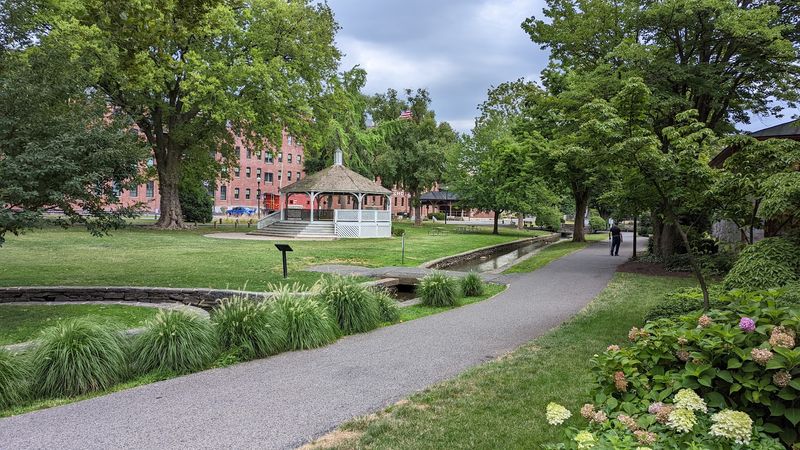
National publications have repeatedly named Lititz one of America’s coolest small towns. This recognition brought waves of new buyers eager to experience its celebrated quality of life.
Homes that once sold quickly at modest prices now spark bidding wars.
The walkable downtown features locally owned shops and restaurants housed in beautifully preserved buildings. Tree-lined streets and welcoming front porches create the perfect small-town atmosphere.
People pay extra for this kind of authentic community feeling.
Excellent schools make Lititz especially attractive to families with children. Parents know good education is worth the investment, even if it means stretching their budgets.
The combination of safety, charm, and strong academics creates intense housing demand.
Historic homes require careful maintenance, but buyers line up anyway. Many houses sell above asking price within days of listing.
What was once an affordable Lancaster County borough has become one of the state’s priciest small towns to call home.
West Chester
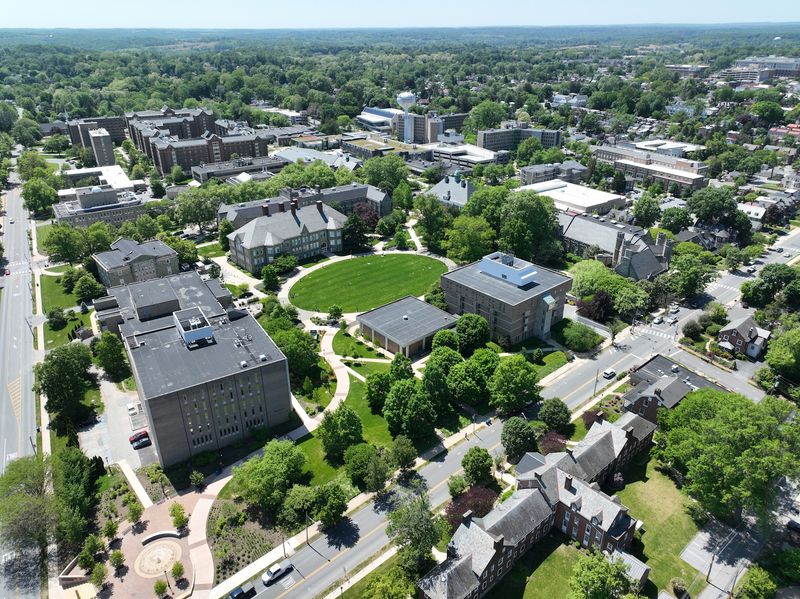
College students and young professionals fill the sidewalks of this energetic borough. West Chester University brings constant activity, but the town offers much more than campus life.
Its thriving downtown pulses with restaurants, shops, and entertainment options that attract residents of all ages.
Outstanding public schools draw families who want the best education for their children. The school district’s reputation alone adds thousands to home prices.
Parents willingly pay more knowing their kids will receive top-notch instruction.
Corporate headquarters and strong employment opportunities throughout Chester County fuel housing demand. Many residents work locally, eliminating long commutes while earning good salaries.
This combination makes people willing and able to spend more on housing.
Victorian homes and tree-shaded neighborhoods provide that classic East Coast appeal. Properties that were once middle-class purchases now require substantial incomes.
The borough’s popularity shows no signs of slowing, keeping pressure on prices year after year.
Kennett Square
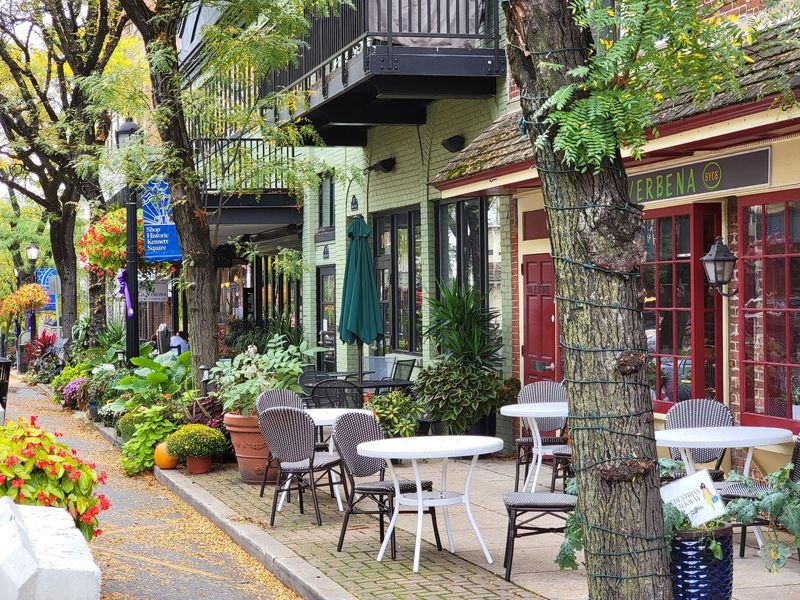
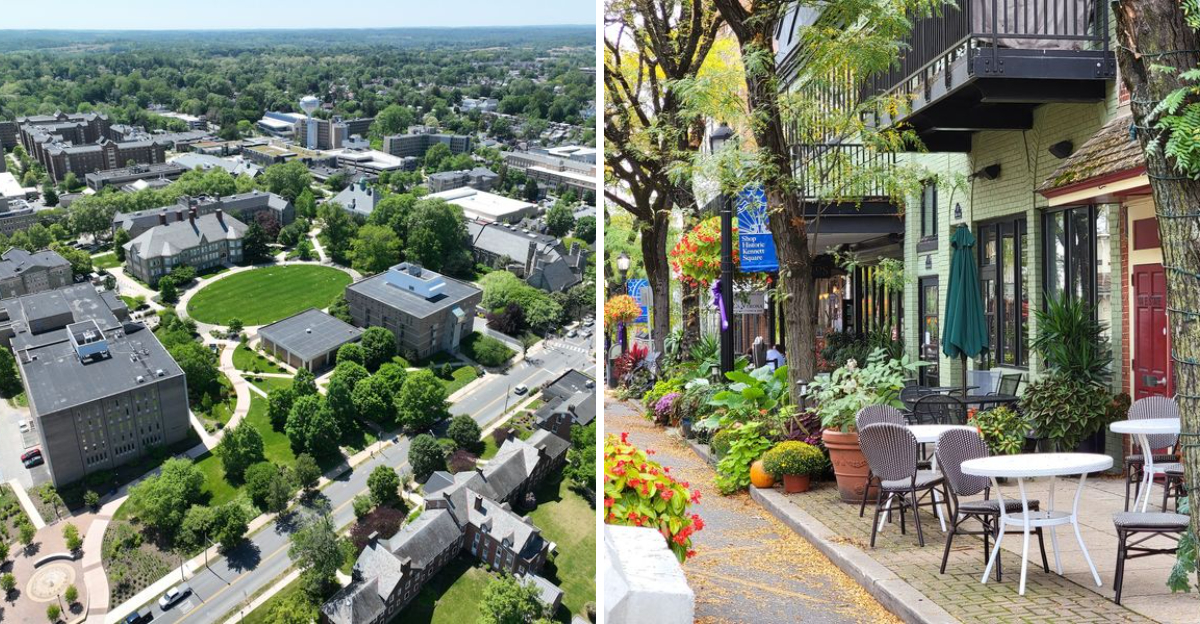
Mushroom farms still surround this Chester County borough, but the town itself has gone gourmet. Award-winning restaurants and tasting rooms have replaced many simple diners and shops.
Food lovers travel from Philadelphia and beyond to experience the culinary scene, raising the town’s profile considerably.
Proximity to Wilmington, Delaware, and easy access to Philadelphia make Kennett Square ideal for commuters. Professional couples discovered they could enjoy small-town living while maintaining big-city careers.
This realization sparked a housing boom that continues today.
Historic homes with character and charm line the residential streets. Buyers compete fiercely for properties with original details and walkable locations.
What once sold for reasonable amounts now commands prices that reflect the town’s elevated status.
Longwood Gardens nearby adds to the area’s appeal and prestige. Cultural amenities that were always present now attract wealthier residents.
The transformation from agricultural town to upscale destination has made homeownership here much more expensive than before.
Bethlehem
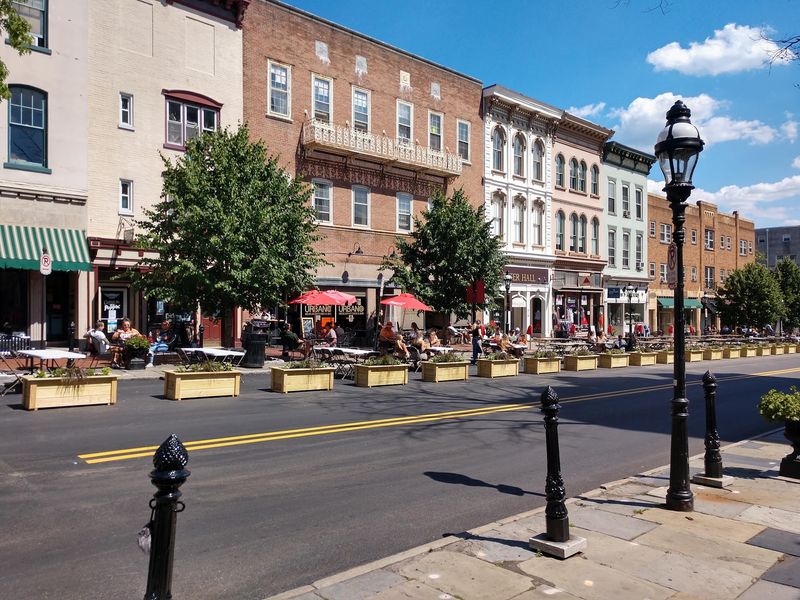
Massive steel mills once defined this Lehigh Valley city, providing good jobs but creating pollution and grit. When the factories closed, many feared Bethlehem would become a ghost town.
Instead, creative thinkers reimagined the industrial buildings as cultural spaces and entertainment venues.
The SteelStacks complex now hosts concerts, festivals, and events that draw thousands of visitors. Historic districts filled with beautiful old homes became desirable again.
Young professionals and artists moved in, recognizing the potential before prices climbed.
Property values near downtown and the historic areas have appreciated dramatically. Homes that sat empty during the industrial decline now sell quickly at premium prices.
The arts and entertainment economy proved more sustainable than many expected.
Lehigh University and other institutions provide stability and cultural richness. Students, faculty, and healthcare workers need housing, keeping demand strong.
What was once an affordable former steel city has become one of Pennsylvania’s surprise success stories in real estate appreciation.
Doylestown
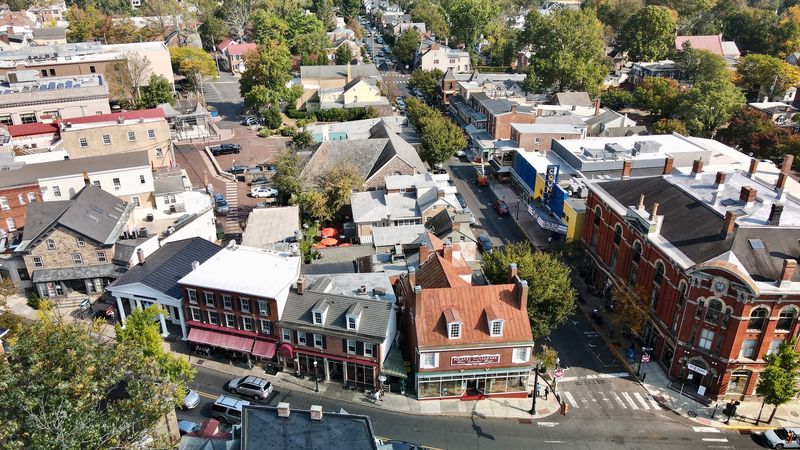
Bucks County’s seat of government has always been important, but Doylestown was once fairly priced. Families could buy homes near excellent schools without enormous mortgages.
Two decades of steady growth changed everything, turning this borough into one of the region’s most expensive markets.
The combination of historic charm and modern amenities proves irresistible to buyers. Award-winning schools consistently rank among the state’s best, justifying higher home prices.
Parents relocating from New York or Philadelphia often choose Doylestown for its educational opportunities.
Rail service to Philadelphia makes commuting manageable for professionals working in the city. This connectivity means Doylestown competes with suburbs much closer to downtown.
Buyers willing to travel a bit further get small-town character at city-level prices.
Cultural attractions like the Mercer Museum and Michener Art Museum add sophistication. Residents enjoy big-city culture without the urban hassles.
The quality of life here commands premium prices that keep climbing year after year, making it tough for average earners to break in.
Jim Thorpe
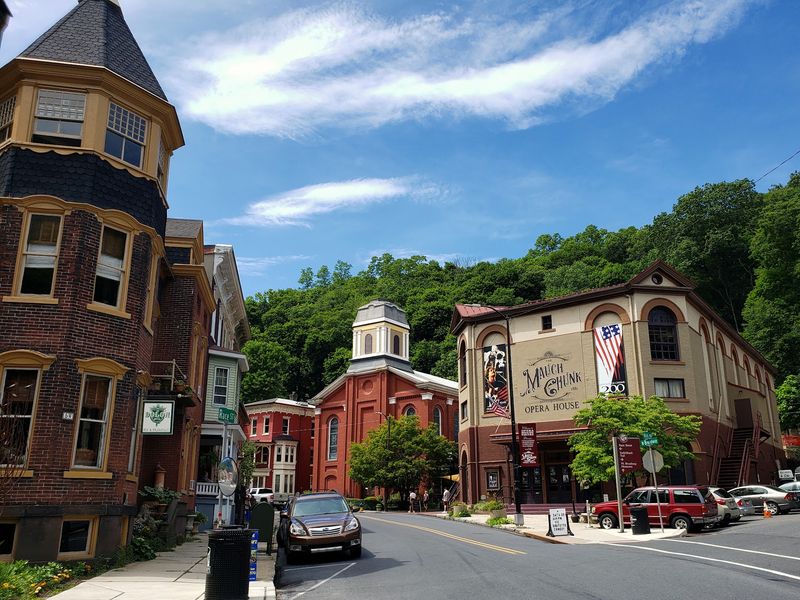
Tucked into the Pocono Mountains, Jim Thorpe was once a quiet former coal town. Locals could afford the gorgeous Victorian homes that lined the steep hillside streets.
Tourism existed but remained modest, keeping property values reasonable for working families.
Everything changed when outdoor enthusiasts discovered the area’s natural beauty. Hiking, biking, and whitewater rafting brought visitors who fell in love with the town.
Many decided to buy second homes or vacation properties, creating competition that pushed prices upward.
Short-term rental investors arrived next, seeing profit potential in the tourist traffic. They bought up homes and converted them to Airbnb properties.
This reduced the housing stock available for year-round residents, making everything more expensive.
The downtown filled with boutiques, galleries, and restaurants catering to weekend visitors. What once served locals now targets tourists with money to spend.
Housing costs have climbed so much that many longtime residents can no longer afford to stay in their hometown.
Lancaster
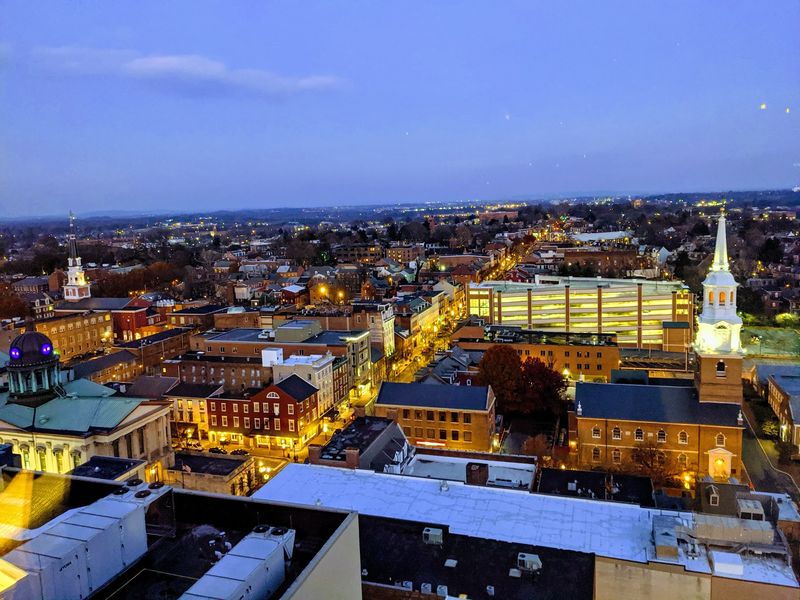
City living once meant affordable row homes and reasonable rents in Lancaster. Decades of decline left downtown somewhat neglected but still functional.
Young people moved away seeking better opportunities, leaving behind vacant storefronts and aging infrastructure.
A remarkable comeback started around 2010 when entrepreneurs began opening innovative restaurants and shops. The city’s authentic character and affordable real estate attracted artists and creatives.
Food halls, galleries, and entertainment venues transformed once-empty buildings into thriving destinations.
Remote workers discovered Lancaster during the pandemic, finding affordable charm compared to bigger cities. They brought higher incomes and different expectations, bidding up property prices.
Neighborhoods that were bargains just ten years ago now cost significantly more.
The Central Market and vibrant food scene make Lancaster feel cosmopolitan despite its small size. Historic homes with character remain cheaper than suburban alternatives, but not by much anymore.
The city’s revival has been wonderful for revitalization but challenging for longtime residents watching affordability disappear.
Media
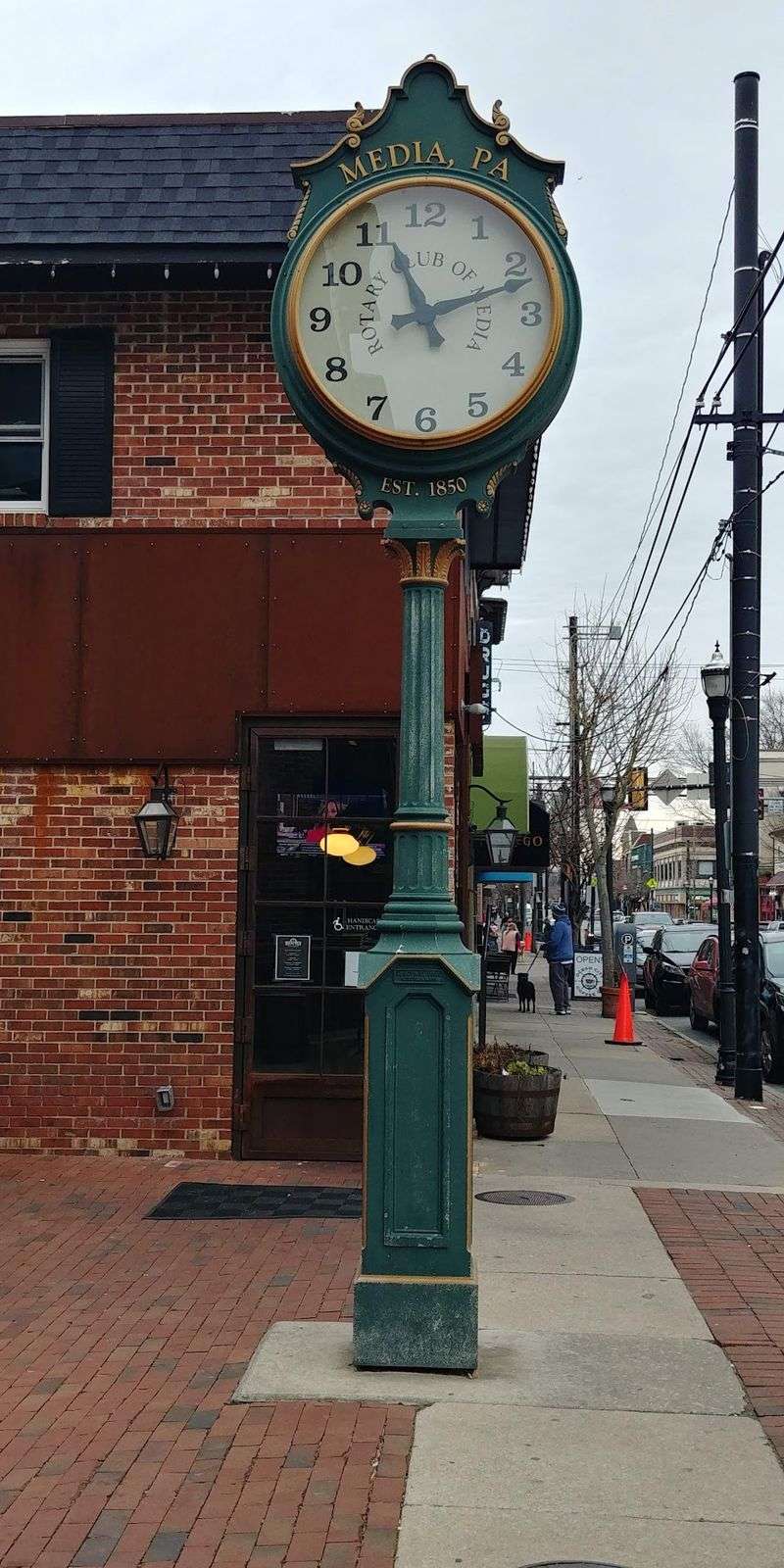
Railroad service to Philadelphia has always existed, but Media flew under the radar for years. Families seeking affordability found it here, enjoying easy commutes without Philadelphia-level prices.
The charming downtown and good schools made it a solid choice for middle-class buyers.
As closer-in suburbs became unaffordable, professionals started looking further out along the rail line. Media’s walkable downtown and authentic character suddenly seemed incredibly appealing.
More buyers arrived, creating competition that drove prices steadily higher.
The courthouse presence gives Media stability and civic importance. State Street’s locally owned shops and restaurants provide genuine community feeling.
People pay extra for walkability and train access combined with small-town atmosphere.
Property values have appreciated significantly over the past fifteen years. Homes that once represented good value now cost as much as houses in pricier suburbs.
The secret is out about Media’s advantages, and housing costs reflect its newfound popularity among commuters and families alike.
Wayne
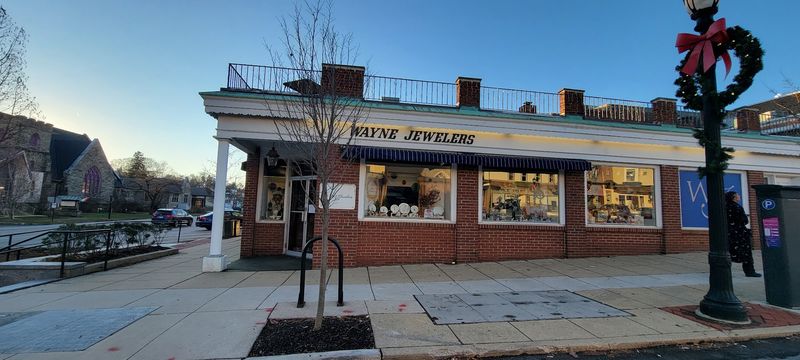
Main Line addresses have always carried prestige, and Wayne sits right in the heart of this exclusive area. Even so, prices have climbed dramatically higher over recent decades.
What was expensive before is now nearly unreachable for many families.
Luxury buyers compete for limited inventory, driving bidding wars on desirable properties. The excellent school district attracts families willing to pay whatever it takes.
Corporate executives and successful professionals consider Wayne’s premium prices worthwhile for the lifestyle it offers.
Historic estates and beautiful architecture provide timeless appeal that never goes out of style. Train service to Philadelphia makes commuting convenient for high-earning professionals.
The combination of prestige, convenience, and quality creates relentless upward pressure on prices.
Even relatively modest homes in Wayne command substantial sums because of the address. Teardowns sell for prices that would buy mansions in other Pennsylvania communities.
The Main Line cachet shows no signs of diminishing, keeping Wayne among the state’s most expensive places to own property.
Blue Bell
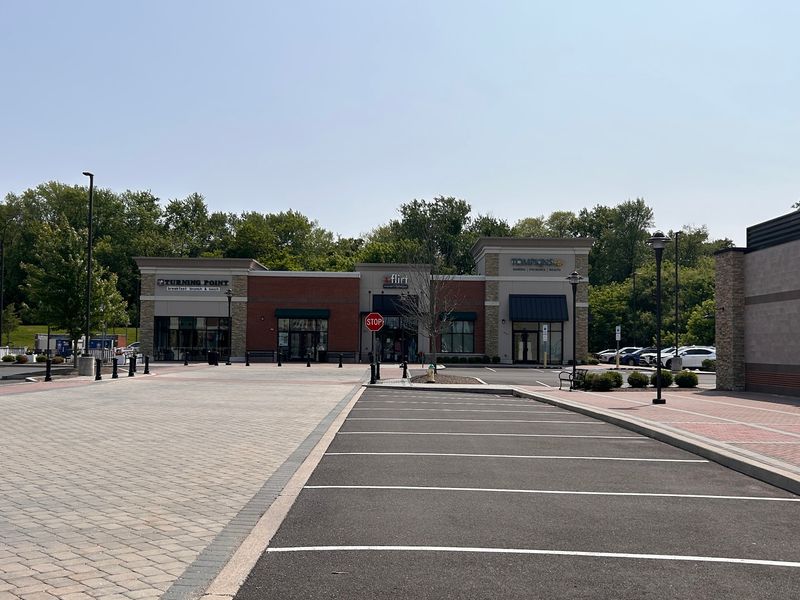
Corporate campuses dot this Montgomery County community, bringing thousands of well-paid workers. Blue Bell was once a quiet area where families could afford nice homes near good schools.
The presence of major employers gradually transformed it into a hot real estate market.
Pharmaceutical companies and other corporations provide stable, high-paying jobs. Employees want short commutes, creating strong demand for nearby housing.
This professional workforce can afford to pay more, pushing prices beyond what longtime residents remember.
The school districts serving Blue Bell rank among the region’s best. Parents prioritize education and willingly stretch budgets to secure spots.
Competition for homes in top school attendance zones adds thousands to sale prices.
Convenience to major highways appeals to families juggling work and activities. Shopping centers and amenities provide suburban comfort without sacrificing accessibility.
What was once an affordable option for middle-class families has become one of Montgomery County’s pricier addresses, reflecting corporate growth and excellent schools.
Skippack
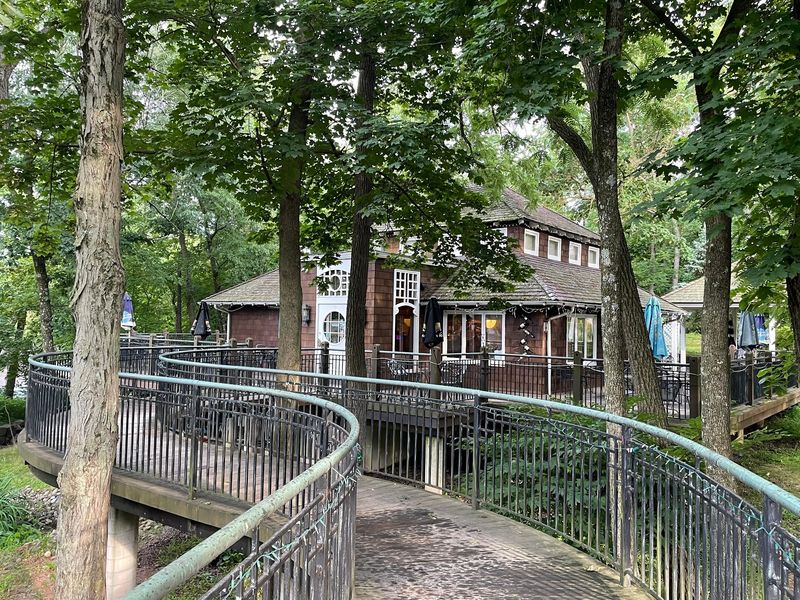
Historic charm fills this Montgomery County village, where stone buildings date back centuries. Skippack once offered reasonable prices for families wanting to live near history and nature.
Boutique shopping and farm-to-table dining have transformed it into a destination that attracts wealthier buyers.
The village atmosphere appeals to people seeking alternatives to cookie-cutter developments. Original architecture and preserved character create unique appeal that commands premium prices.
Buyers pay extra for authenticity that can’t be replicated in newer communities.
Excellent schools and proximity to major employment centers make Skippack practical despite its village feel. Families can enjoy historic charm while maintaining professional careers.
This combination of character and convenience creates strong demand that elevates housing costs.
Properties near the village center sell quickly at prices much higher than a decade ago. Even homes requiring renovation cost substantially more than they once did.
The trend toward valuing authentic communities over generic suburbs has made Skippack increasingly expensive for anyone hoping to move in.
Sewickley
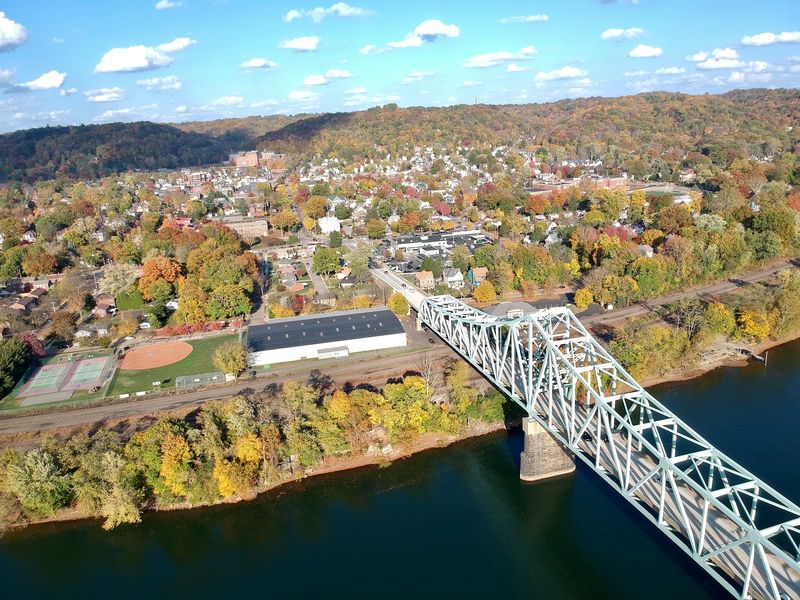
Wealthy Pittsburgh families built estates here over a century ago, drawn by the Ohio River setting. Sewickley has always been desirable, but prices have climbed even higher in recent years.
Competition for historic properties and excellent schools keeps values rising steadily.
The walkable downtown features upscale boutiques and restaurants that cater to affluent residents. Tree-lined streets and architectural beauty create an idyllic suburban environment.
Proximity to Pittsburgh’s employment centers makes commuting manageable for high-earning professionals.
Historic homes require maintenance, but buyers accept the cost for the prestige and character. Limited inventory means properties rarely stay on the market long.
Bidding wars frequently push final sale prices above asking amounts.
The community’s long-standing reputation for quality attracts families willing to invest heavily. Top-rated schools justify premium prices for parents focused on education.
What was already an expensive address has become even more costly, reflecting sustained demand and limited supply in this Pittsburgh-area gem.
Pottstown
Working families could always find affordable homes in Pottstown, even when surrounding areas grew expensive. This Montgomery County borough remained a bargain for decades, offering decent housing at reasonable prices.
That’s changing as higher costs spread outward from wealthier communities.
Phoenixville’s success story is spilling over into neighboring areas like Pottstown. Buyers priced out of more expensive markets started looking here for value.
This new attention has brought investment and rising prices that longtime residents didn’t expect.
Compared to many Pennsylvania towns, Pottstown remains relatively affordable. However, prices have jumped noticeably over the past ten years.
Homes that once sold for bargain amounts now cost significantly more as demand increases.
Renewed downtown investment signals growing confidence in Pottstown’s future. New businesses and renovations suggest better times ahead.
While still cheaper than surrounding communities, the trajectory points toward continued appreciation that may eventually price out the very families who’ve called Pottstown home for generations.