North Carolina is hiding some wonderfully weird surprises, and most people drive right past them. Beyond the postcard views lies a collection of forgotten places, strange legends, colorful roadside attractions, and curious landmarks that turn an ordinary road trip into something unforgettable.
One day you could be walking through an abandoned mill village made famous by Hollywood.
The next, you might stand beside ancient Cherokee carvings, search for mysterious mountain lights, or leave a heartfelt note inside a mailbox tucked away on a quiet beach.
These aren’t the destinations packed with tour buses or long ticket lines.
They’re the places locals love to share, filled with fascinating stories, unexpected sights, and just enough mystery to keep you talking long after the trip ends.
If you’re ready to skip the usual stops and uncover a side of North Carolina that’s full of character, charm, and a few delightful surprises, these 16 offbeat attractions deserve a spot on your travel list.
Road to Nowhere – Bryson City
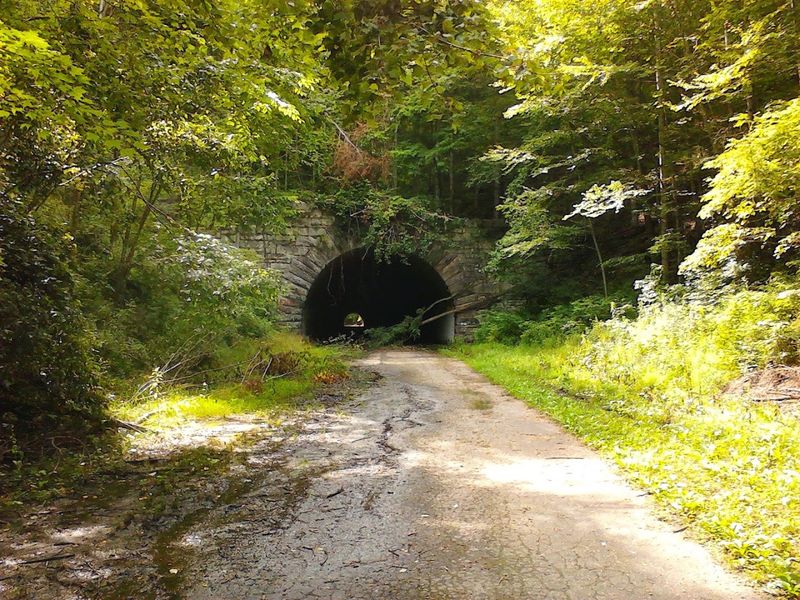
Driving toward a tunnel that leads absolutely nowhere feels surreal, yet that’s exactly what happens at this peculiar highway. Built in the 1940s as compensation for families displaced by Fontana Dam construction, the project ran out of funding before completion.
Now this six-mile stretch of perfectly paved road ends abruptly at a 1,200-foot tunnel through the mountain.
Locals call it the Road to Nowhere, and it’s become one of the Smokies’ strangest attractions. You can drive right up to the tunnel entrance, walk through its eerie darkness, and emerge on the other side to find nothing but wilderness trails.
The surrounding forest has reclaimed what was supposed to become a major thoroughfare.
History buffs appreciate the broken promise it represents, while photographers love the dramatic tunnel entrance framed by mountain greenery. Hiking trails beyond the tunnel lead to old homesites and cemeteries from communities long gone.
It’s a haunting reminder of progress interrupted and promises unfulfilled.
Judaculla Rock – Cullowhee
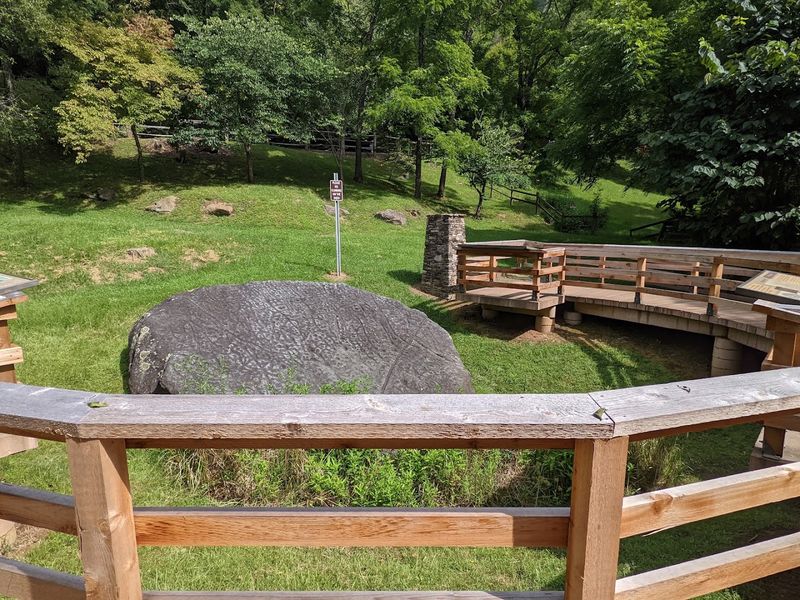
Cherokee legends speak of a slant-eyed giant named Judaculla who ruled the mountains and carved markings into a massive boulder. Whether you believe the mythology or not, standing before this rock covered in over 1,500 ancient petroglyphs raises goosebumps.
Some symbols look like stick figures, others resemble abstract patterns, and many remain completely mysterious to modern researchers.
Archaeologists have studied these carvings for decades without reaching definitive conclusions about their meanings or exact age. What’s certain is that Native Americans created this artwork long before European settlers arrived.
The rock sits in a quiet field, unassuming yet holding secrets that predate written history in this region.
Visiting feels like stepping into an unsolved puzzle. You’ll find yourself wondering what stories these marks were meant to preserve.
The site is free to visit, though the carvings have weathered over centuries. Bring your curiosity and imagination because this ancient canvas sparks more questions than answers.
Vollis Simpson Whirligig Park – Wilson
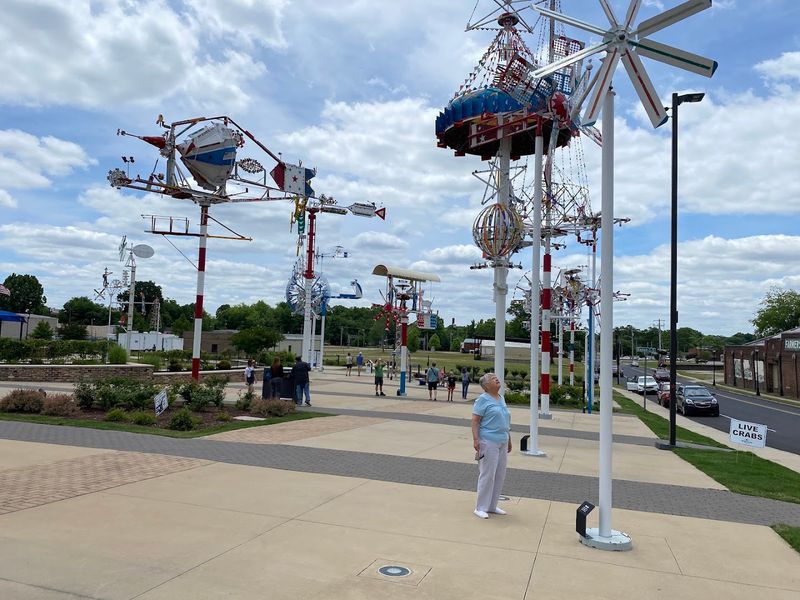
Imagine towering metal sculptures that dance, spin, and sing whenever the wind blows. Vollis Simpson, a North Carolina machinist and inventor, spent decades creating these mesmerizing kinetic artworks from salvaged materials.
After his death, his hometown of Wilson built a dedicated park to showcase over 30 of his magnificent whirligigs.
Some stand over 30 feet tall, featuring reflective panels that catch sunlight while spinning wheels create musical sounds. Simpson started building these contraptions after retiring, using his welding skills and limitless imagination.
Each piece incorporates found objects like bicycles, wagon wheels, and aluminum scraps transformed into moving artwork.
The park comes alive on breezy days when every sculpture performs simultaneously in a symphony of motion and color. Kids absolutely love watching the mechanical magic unfold.
At night, LED lighting turns the park into a glowing wonderland. This collection represents one of America’s finest examples of outsider art, proving that creativity has no retirement age.
Shangri-La Stone Village – Prospect Hill
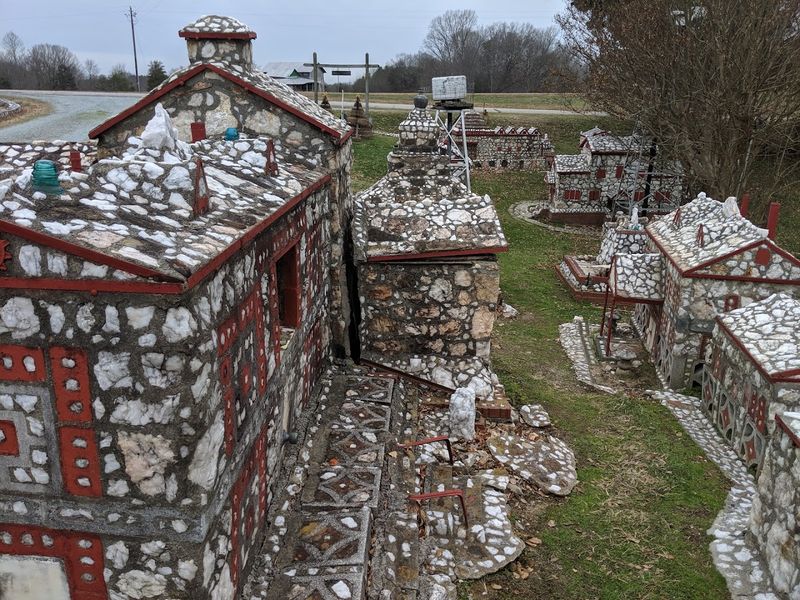
Henry Warren spent his retirement years hauling stones from nearby fields and creeks to build something extraordinary. What started as a hobby turned into an entire miniature village complete with castles, churches, bridges, and waterfalls.
Every structure was painstakingly assembled without mortar, relying solely on careful stone placement and gravity.
This free roadside attraction showcases the dedication of one man’s artistic vision over many years. Warren gathered thousands of rocks, sorting them by size and shape before fitting them together like three-dimensional puzzles.
The result is a whimsical landscape that feels transported from a fairy tale.
Wandering through the village, you’ll spot tiny details everywhere, from miniature bell towers to arched doorways barely big enough for cats. The craftsmanship reveals incredible patience and creativity.
Though Warren has passed away, his family maintains the site for visitors to enjoy. It proves that amazing art doesn’t require expensive materials, just imagination and determination.
Devil’s Tramping Ground – Chatham County
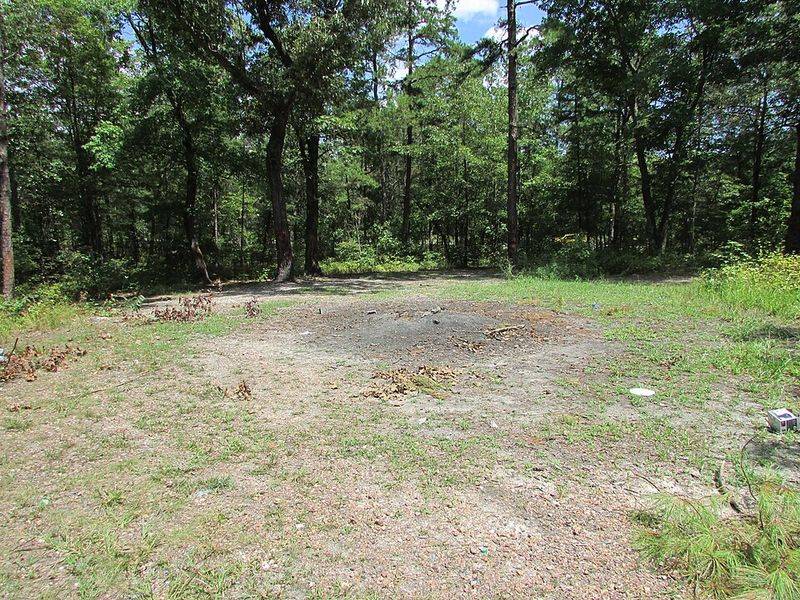
Nothing grows inside a perfectly circular patch of ground roughly 40 feet across. Legend claims the Devil himself paces this circle at night, contemplating evil schemes while wearing down the earth beneath his feet.
Scientists offer different explanations involving soil composition or past land use, but the circle remains stubbornly bare year after year.
Locals have tested the legend by placing objects inside the circle overnight, only to find them scattered outside by morning. Whether supernatural forces or pranksters are responsible, nobody can say for certain.
The site has attracted curiosity seekers for generations, each hoping to witness something unexplainable.
Finding the spot requires a short walk through the woods near Siler City. Don’t expect dramatic scenery, just an ordinary forest with one very unusual bald spot.
Believers bring camping gear hoping for paranormal encounters, while skeptics come to debunk the myth. Either way, standing in that barren circle feels undeniably strange, as if the ground itself knows it’s different.
Cryptozoology & Paranormal Museum – Littleton
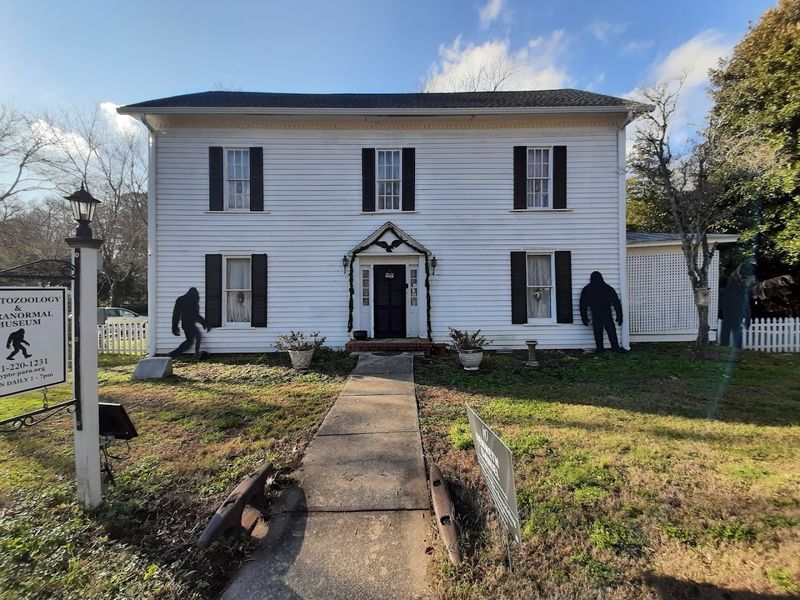
Where else can you explore Bigfoot footprint casts, examine allegedly haunted dolls, and read about North Carolina lake monster sightings all under one roof? This tiny museum in Littleton embraces unexplained mysteries with enthusiasm and surprising detail.
Owner Stephen Barcelo has assembled evidence and artifacts related to cryptids, ghosts, UFOs, and other phenomena mainstream science dismisses.
The collection includes hair samples attributed to unknown creatures, photographs of unexplained lights, and eyewitness accounts from seemingly credible people. Whether you’re a believer or skeptic, the exhibits prompt fascinating conversations.
Some items feel genuinely unsettling, especially objects connected to alleged hauntings.
Barcelo happily discusses each display, sharing stories behind the artifacts and his own investigative experiences. The museum occupies a modest storefront but packs incredible variety into limited space.
Admission fees are reasonable, and you might leave questioning what you thought you knew about reality. At minimum, you’ll gain appreciation for how many people report extraordinary encounters they cannot easily explain.
Museum of the Bizarre – Wilmington
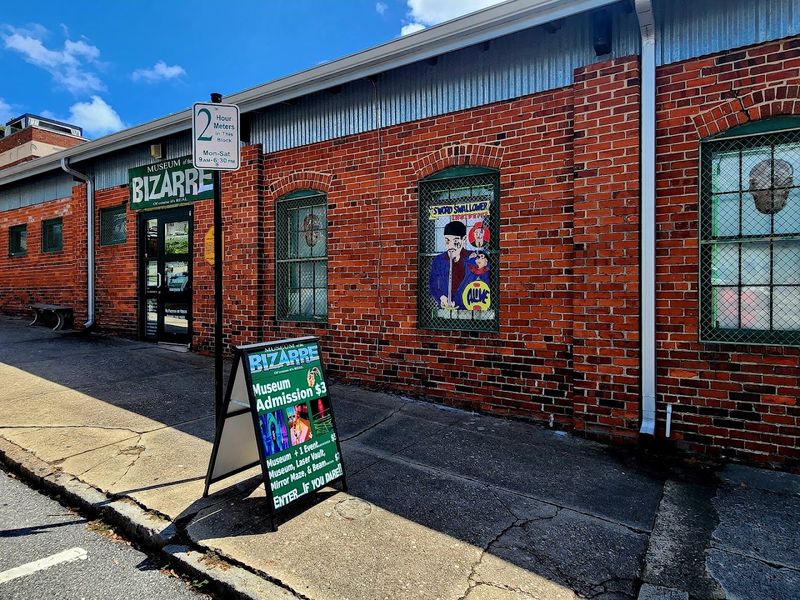
Step inside and prepare for sensory overload in the best possible way. This museum celebrates weirdness through diverse collections ranging from Hollywood movie props to genuinely strange historical artifacts.
Shrunken heads hang near vintage carnival oddities, while interactive exhibits let visitors experience optical illusions and scientific curiosities firsthand.
The curators clearly love finding items that make people say “Wait, what?” You’ll encounter everything from taxidermy gone wrong to replicas of famous oddities to genuine antiques with bizarre backstories. Unlike stuffier museums, this place encourages touching, playing, and fully engaging with displays.
Photography is welcomed, resulting in some truly memorable selfies.
Located in downtown Wilmington, the museum fits perfectly among the city’s eclectic attractions. New items rotate regularly, giving repeat visitors fresh surprises.
The staff members are enthusiastic guides who enjoy explaining the stories behind peculiar pieces. Admission prices won’t break the bank, and the experience delivers exactly what the name promises: controlled chaos celebrating human fascination with the strange and unusual.
Kindred Spirit Mailbox – Sunset Beach
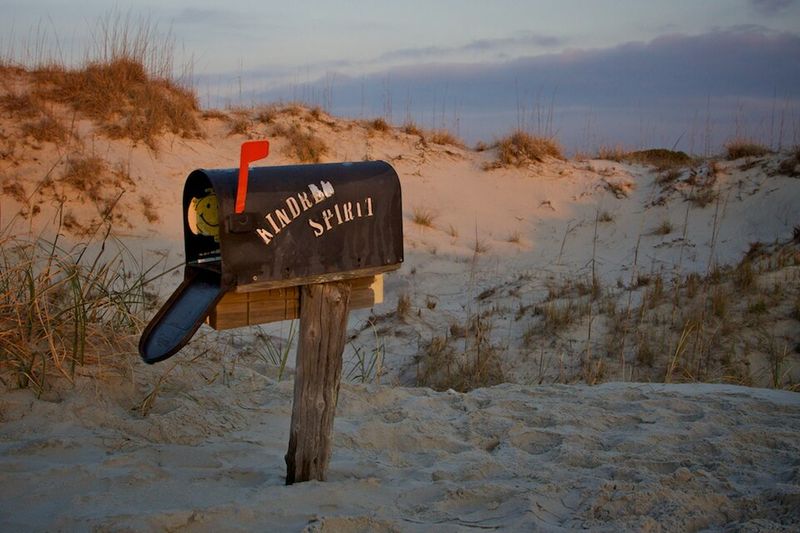
Tucked beyond Bird Island Reserve stands a lonely mailbox that serves no postal function whatsoever. Instead, it holds journals, pens, and countless handwritten notes from strangers sharing their deepest thoughts.
Started decades ago, this tradition invites beachcombers to leave messages, read others’ entries, and connect through written words in our digital age.
Reaching the mailbox requires a pleasant walk along undeveloped coastline, adding to its isolated charm. Inside, you’ll find spiral notebooks filled with heartfelt confessions, marriage proposals, grief expressions, gratitude lists, and philosophical musings.
Some people return yearly to update their stories. Reading these anonymous entries feels like glimpsing humanity’s tender heart.
The mailbox has survived hurricanes and harsh weather thanks to devoted locals who repair and maintain it. Visitors often describe feeling moved to tears by strangers’ honesty and vulnerability.
Bringing your own journal entry adds to this beautiful tradition. There’s something magical about leaving thoughts in such a remote spot, trusting fellow wanderers to treat them with respect and kindness.
The Last Shell-Shaped Service Station – Winston-Salem
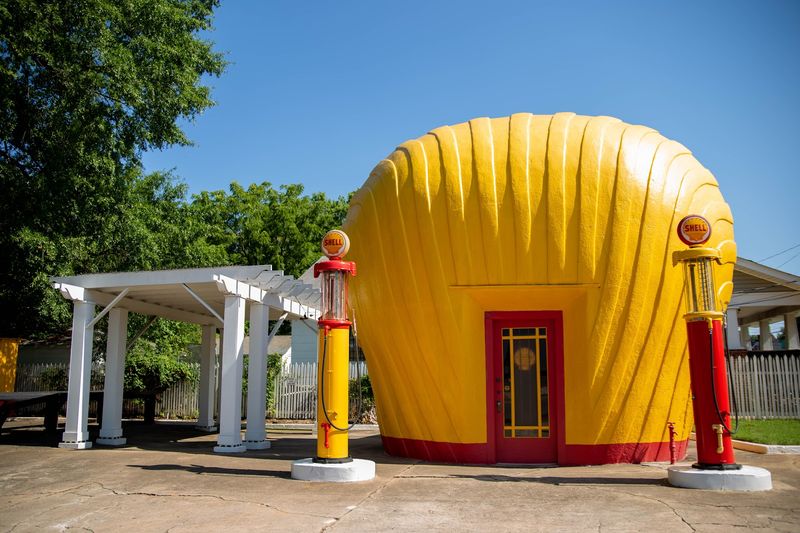
Picture a building shaped like an enormous clamshell and you’ll understand why this 1930 gas station stops traffic. Shell Oil Company once operated hundreds of these novelty stations across America, designed to make the brand literally unforgettable.
Today, only eight survive nationwide, and Winston-Salem’s beautifully restored example ranks among the finest.
The structure features a distinctive scalloped roof and vintage yellow paint scheme matching the company’s branding. Originally pumping gas at this location for decades, it now serves as a quirky landmark and occasional office space.
Preservationists fought to save it from demolition, recognizing its importance to roadside architecture history.
Fans of vintage Americana make pilgrimages specifically to photograph this relic from an era when gas stations competed through outrageous designs. The shell shape seems almost cartoonish by modern standards, yet that playfulness represents creative marketing from Depression-era entrepreneurs.
While you can’t fill your tank here anymore, stopping for photos keeps this piece of automotive history relevant for new generations discovering its charm.
House of Mugs (Collettsville Cup House) – Collettsville
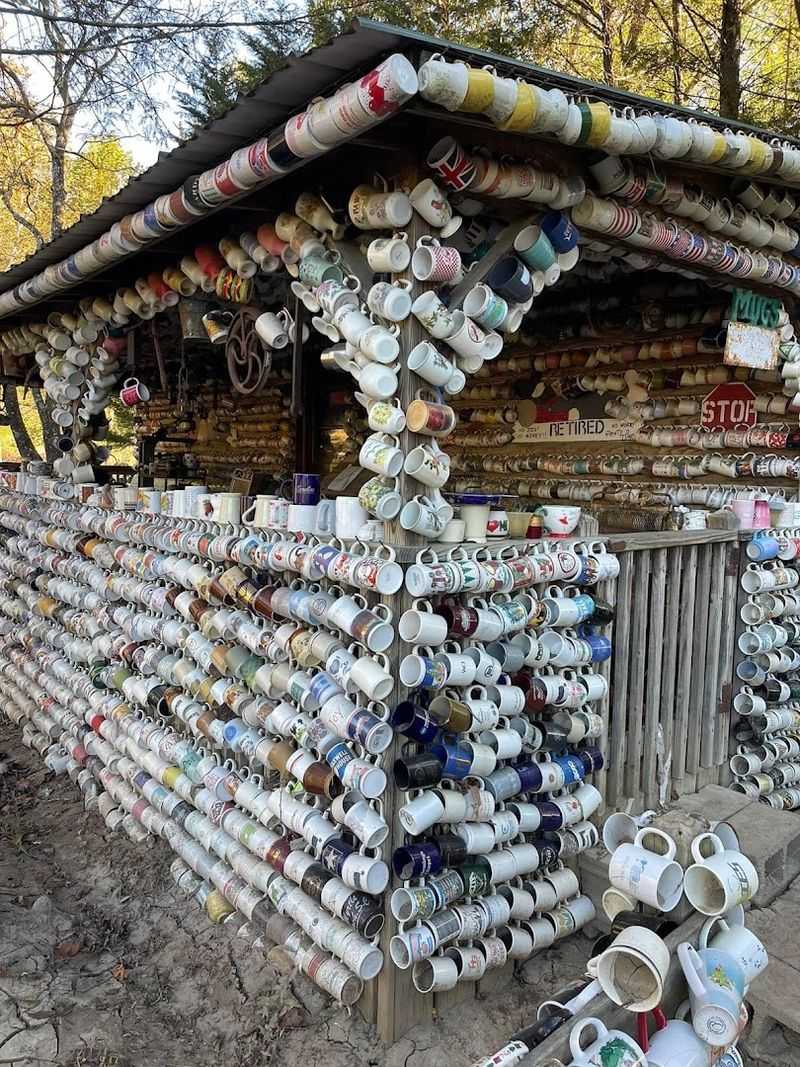
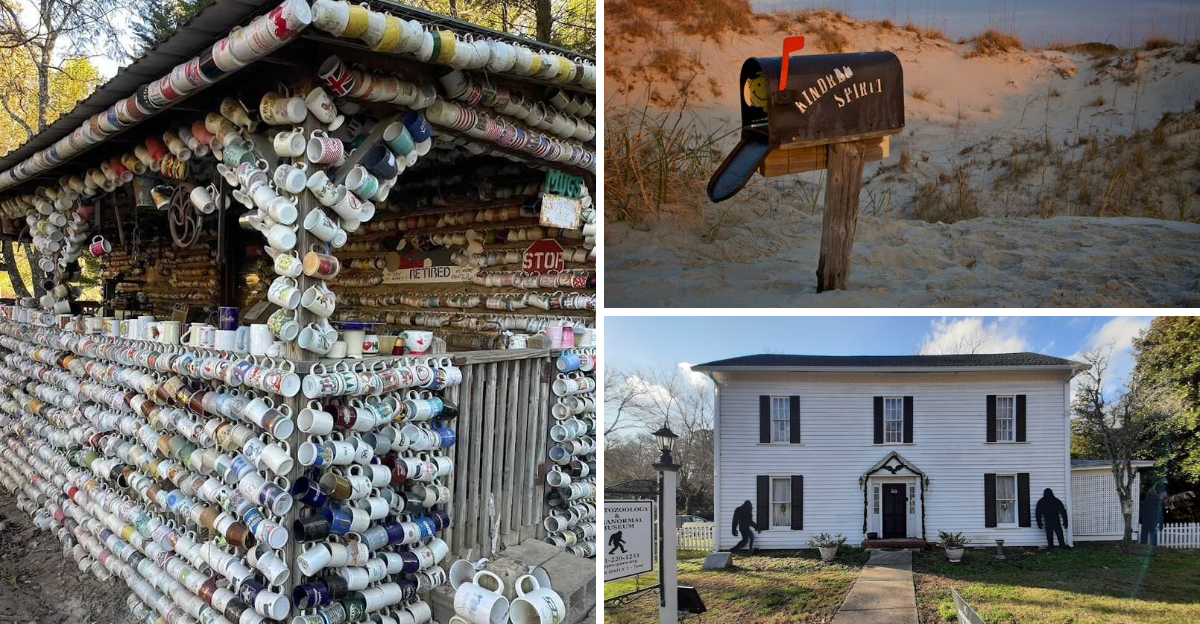
Every exterior surface of this mountain cabin disappears beneath thousands upon thousands of coffee mugs. What began as one homeowner’s whimsical idea evolved into a stunning folk art installation that stops passersby in their tracks.
Mugs of every imaginable color, size, and design create a mosaic covering the walls like ceramic shingles.
The tradition invites travelers to contribute their own mugs to the ever-growing collection. Some people mail mugs from distant countries, others leave ones commemorating special occasions, and locals drop off yard sale finds.
The result is a chaotic yet oddly beautiful tribute to coffee culture and community participation.
From the road, the house looks like it sprouted colorful mushrooms or grew strange scales. Up close, reading the various mug messages and designs becomes an entertaining activity itself.
Weather gradually fades some mugs while breaking others, giving the installation an organic, constantly evolving quality. The owners welcome visitors and photographs, proud of their creation’s ability to bring smiles.
It’s proof that with enough commitment, even the silliest idea can become genuinely impressive.
Henry River Mill Village – Hildebran
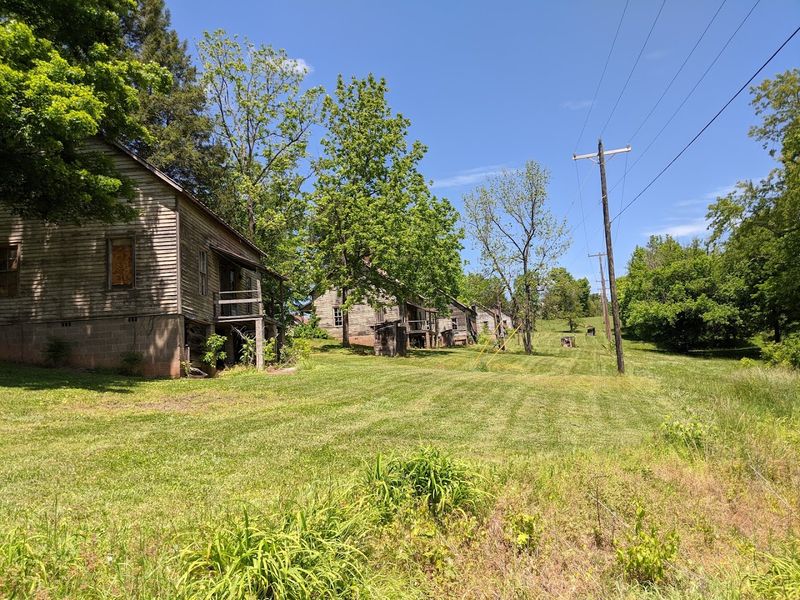
Hunger Games fans recognize this abandoned textile mill town as District 12, where Katniss Everdeen’s story began. But Henry River Mill Village existed long before Hollywood discovered its photogenic decay.
Founded in 1905, the village once housed cotton mill workers and their families in company-owned homes surrounding the factory.
When the mill closed in 1973, residents gradually moved away, leaving behind a perfectly preserved snapshot of early industrial life. Weathered wooden houses stand empty along dirt roads, their windows dark and porches sagging.
The massive mill building dominates the landscape, its brick walls covered in vines and graffiti.
Current owners offer guided tours sharing both the village’s authentic history and its brief movie stardom. Walking these quiet streets feels like time travel, imagining generations who lived, worked, and raised families in this isolated community.
Though many buildings are dangerously deteriorated, their atmospheric decay attracts photographers and urban explorers. The site demonstrates how quickly nature reclaims abandoned spaces, turning human settlements back into forest.
Elsewhere Museum – Greensboro
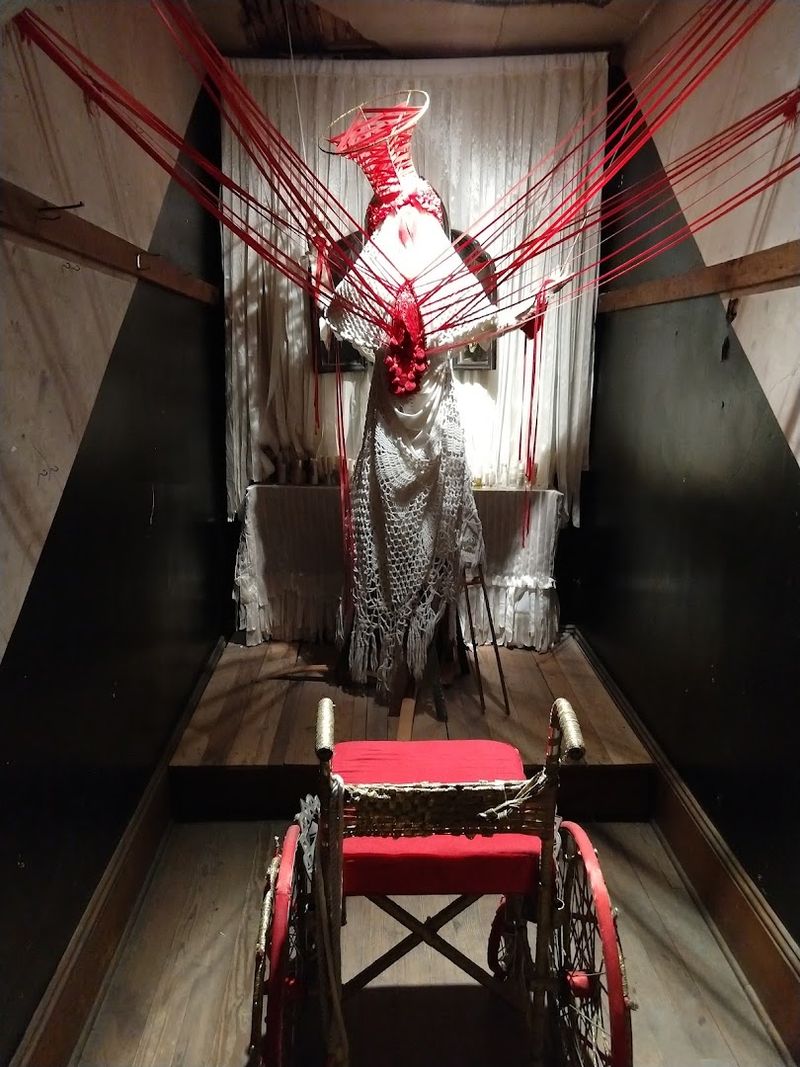
What happens when artists inherit a massive thrift store’s entire inventory? They transform it into a living museum where everyday objects become art installations.
Elsewhere occupies a three-story building packed with decades worth of donated items that the previous owner never discarded. Instead of liquidating everything, new caretakers invited artists to reimagine the collection.
Wandering through feels like exploring someone’s cluttered attic multiplied by a thousand. But look closer and you’ll notice intentional arrangements turning mundane objects into thought-provoking displays.
Typewriters cascade down walls, vintage toys form elaborate sculptures, and forgotten books create architectural elements. Everything exists somewhere between junk and treasure.
The museum functions as both exhibition space and ongoing art project, with resident artists continually rearranging and reinterpreting the collection. Visitors can interact with installations, adding their own creative touches during workshops.
This approach challenges typical museum rules about preservation and distance. Instead, Elsewhere embraces transformation, proving that art can emerge from materials most people would throw away.
Each visit reveals different configurations as the space evolves.
Reed Gold Mine – Midland
America’s first documented gold discovery happened right here in 1799 when a young boy found a 17-pound nugget in a creek. His family used it as a doorstop for three years before learning its value, triggering North Carolina’s gold rush decades before California’s famous strike.
That single rock changed the region’s economy overnight.
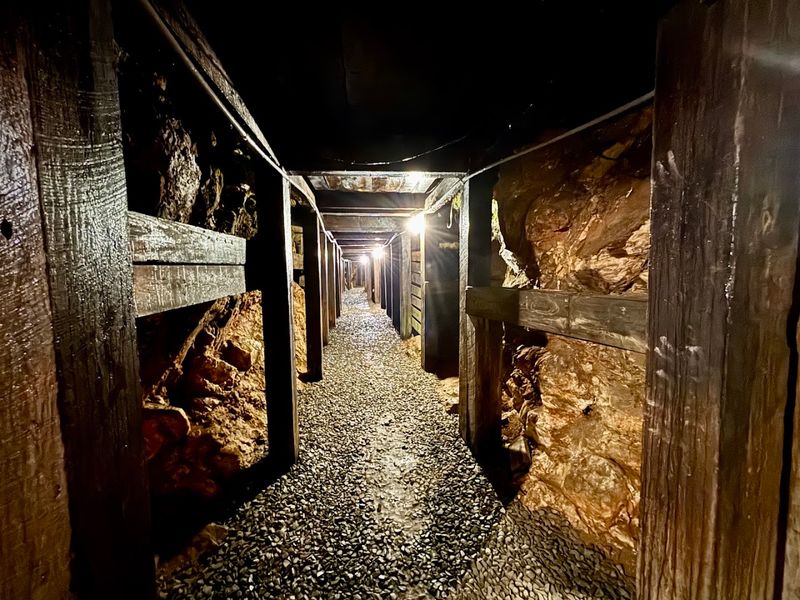
Today’s visitors can explore the actual underground tunnels where miners extracted gold using 19th-century techniques. Descending into cool, dim passages provides genuine appreciation for dangerous work these men performed.
Above ground, historic buildings and equipment displays explain mining methods and the rush that followed discovery.
The real highlight? Trying your own luck panning for gold in designated areas.
Staff provide pans and instruction, then let you work creek gravel hoping to spot glittering flakes. Most people find at least tiny particles, making the experience successful regardless of amount discovered.
Kids especially love getting muddy while searching for treasure. The site beautifully balances education with hands-on fun, preserving important history while letting visitors participate in gold fever themselves.
Brown Mountain Lights Viewing Area – Burke County
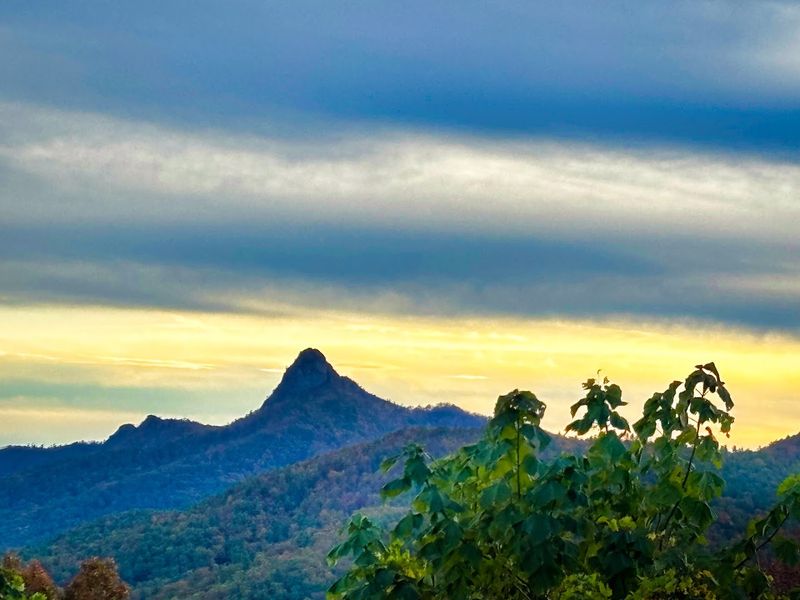
For over a century, strange lights have appeared above Brown Mountain with no definitive explanation. Witnesses describe glowing orbs that rise, hover, and disappear in patterns defying simple explanation.
Scientists have proposed theories involving headlights, swamp gas, or electrical phenomena, yet none fully account for sightings predating automobiles or matching witness descriptions.
Cherokee legends mentioned these lights long before European settlers arrived, attributing them to spirits of ancient warriors. Modern observers report everything from single lights to multiple orbs performing coordinated movements.
The phenomenon occurs sporadically, making sightings special rather than guaranteed.
A designated viewing area along Highway 181 provides the best vantage point for light watching. Arrive after dark and scan the mountain ridge with patience.
Some visitors see nothing, others witness displays they cannot forget. Bringing binoculars helps, though lights often appear quite distant.
Whether you believe in paranormal explanations or natural causes, the mystery adds excitement to mountain stargazing. Even skeptics admit these lights represent an intriguing unsolved puzzle worth investigating personally.
Emerald Village – Little Switzerland
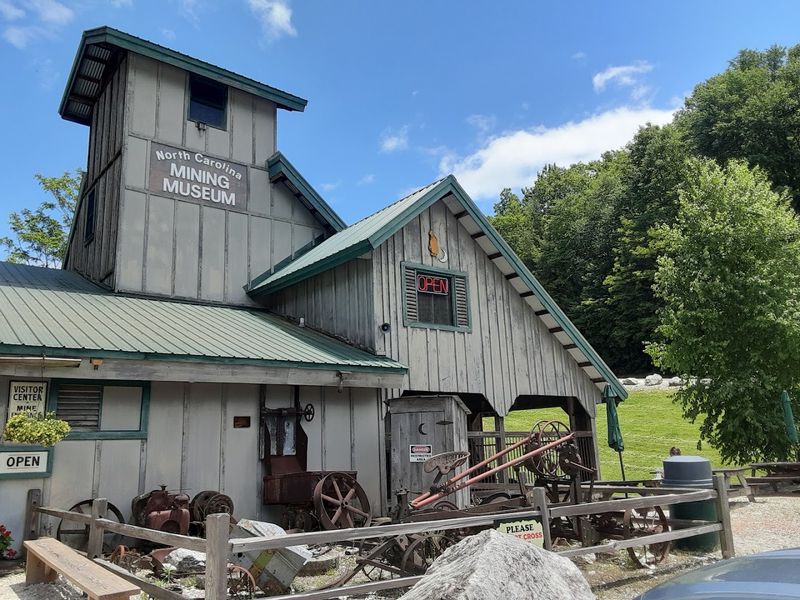
North Carolina’s rich mining heritage comes alive at this destination combining historic mines, museums, and hands-on gem hunting. The area once produced spectacular emeralds, rubies, and other precious stones that fueled a thriving industry.
Today’s visitors can explore actual underground tunnels where miners worked by candlelight extracting treasures from solid rock.
Walking through dark, cool passages carved by hand demonstrates the difficult conditions early miners endured. Museum displays showcase stunning specimens found locally, including emeralds rivaling those from famous international sources.
Learning about North Carolina’s geology reveals why these mountains contain such mineral wealth.
Multiple activities ensure visitors of all ages stay engaged. Gem panning lets you sift through ore buckets hunting for sparkly discoveries to keep.
Guided mine tours provide historical context and geological education. The village setting creates an immersive experience transporting you to mining’s heyday.
Many families combine this stop with scenic Blue Ridge Parkway drives, making it perfect for educational vacation days. You’ll leave understanding why North Carolina earned its reputation as a gemstone producer.
Country Doctor Museum – Bailey
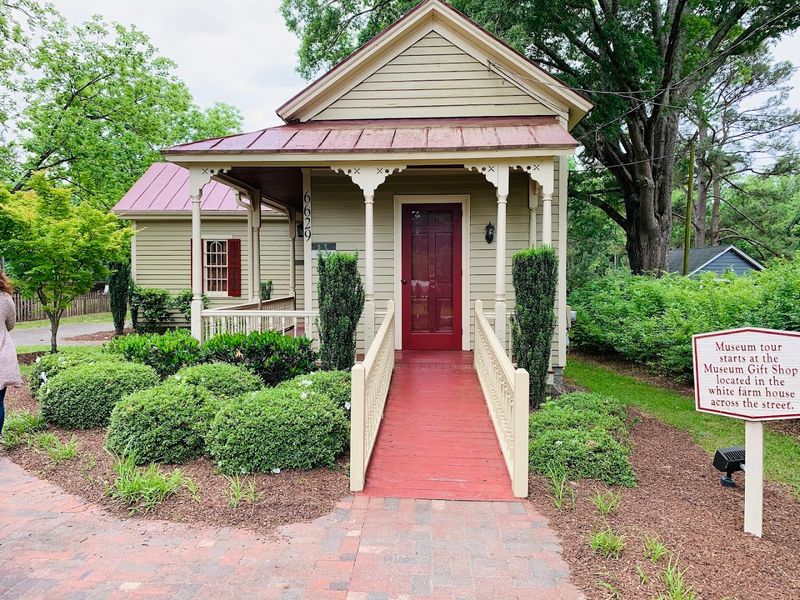
Medical cabinets filled with terrifying-looking surgical tools remind modern visitors how far healthcare has advanced. This unique museum preserves two centuries of rural medical practice through authentic doctor’s offices, apothecary shops, and thousands of historic instruments.
Walking through recreated examination rooms from different eras shows how country doctors worked with limited resources and technology.
The collection includes everything from primitive amputation saws to early stethoscopes, bloodletting equipment to vintage medicine bottles promising miracle cures. Handwritten prescription books reveal treatments we’d consider barbaric today.
Yet these exhibits honor dedicated physicians who served isolated communities with whatever tools they possessed.
One of very few museums nationwide devoted specifically to rural medicine, it provides sobering perspective on medical history often overlooked. The medicinal herb garden outside demonstrates natural remedies doctors relied upon before pharmaceutical companies existed.
Guided tours share fascinating stories about specific doctors and their practices. You’ll leave grateful for antibiotics, anesthesia, and modern diagnostic equipment while appreciating the courage of both early doctors and their patients who trusted them.