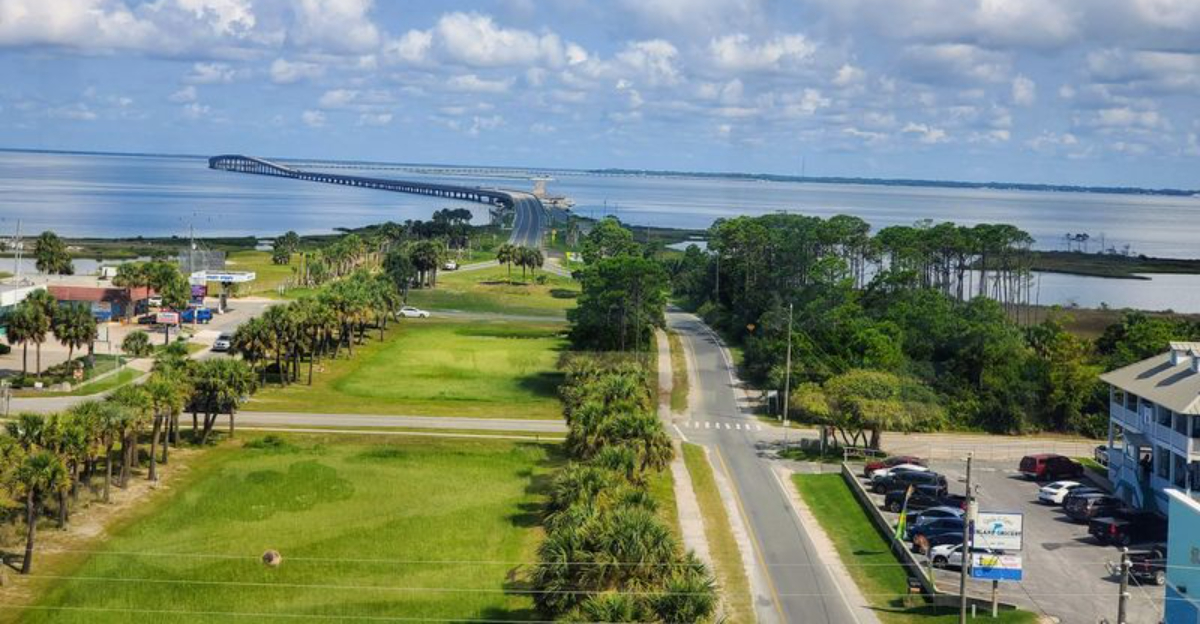
You don’t need a ferry ticket to find Florida’s island magic.
Just roll down the windows, cross a bridge, and watch the mainland disappear behind you as turquoise water stretches in every direction.
These islands prove that the journey can be just as memorable as the destination.
Some are famous for sugar-white beaches and colorful sunsets. Others hide quiet fishing villages, wildlife refuges, and streets lined with swaying palms.
Each one offers its own slice of paradise without the hassle of boarding a boat.
Whether you’re planning a weekend escape, a scenic road trip, or a beach-hopping adventure, these drivable islands make travel refreshingly simple.
Fill the tank, grab your sunglasses, and get ready to discover 17 Florida islands where the only thing standing between you and paradise is a beautiful stretch of road.
Key Largo
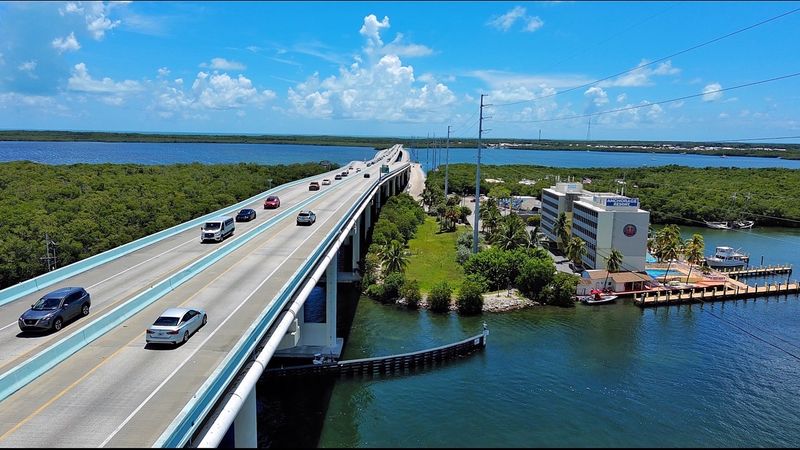
Stretching over 30 miles along the Atlantic Ocean, this island marks the beginning of your journey down the famous Overseas Highway. Crystal-clear waters surround you as mangrove forests line the shoreline.
Underwater adventures await at John Pennekamp Coral Reef State Park, where snorkeling and diving reveal colorful fish swimming among living coral. The shallow reefs sit close enough to shore that even beginners can explore them safely.
Families enjoy picnicking at waterfront parks while watching manatees glide past during winter months. Kayaking through quiet mangrove tunnels offers peaceful wildlife watching away from crowded beaches.
Local restaurants serve fresh seafood with sunset views over Florida Bay.
The drive from Miami takes about an hour, making weekend getaways easy for South Florida residents. Dolphins often swim alongside boats in the warm waters surrounding the island.
Islamorada
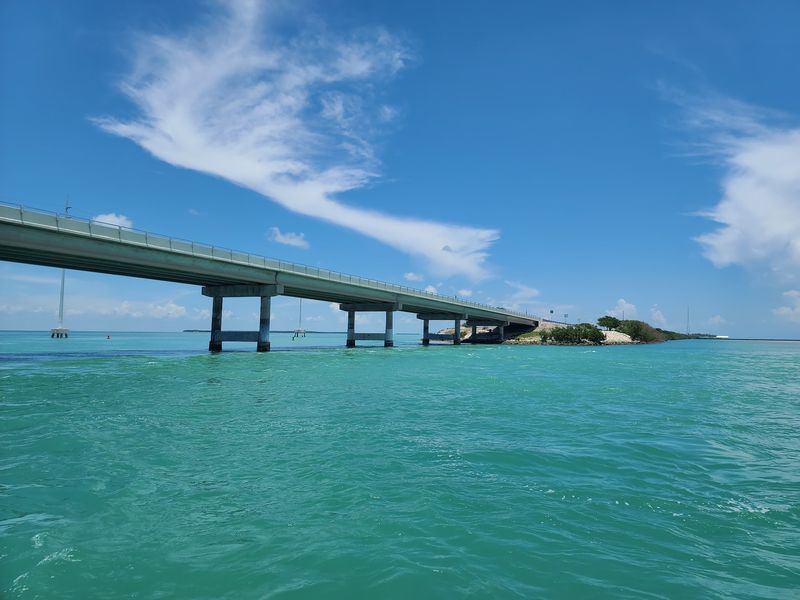
Anglers worldwide recognize this chain of small islands as fishing paradise. Tarpon, bonefish, and sailfish swim in waters that attract tournament competitors every season.
Art lovers browse galleries showcasing local painters and sculptors inspired by tropical surroundings. The creative community thrives here, with studios welcoming visitors to watch artists at work.
Colorful murals brighten building walls along the main highway.
Beachside dining lets you taste conch fritters and Key lime pie while waves lap the shore below your table. Historic Theater of the Sea has entertained families since 1946 with marine shows and animal encounters.
Sunrise brings pink and orange skies over calm Atlantic waters, while sunset paints the Gulf side in purple and gold. Charter boats depart daily for deep-sea adventures or relaxing backcountry tours through shallow flats where herons hunt small fish.
Marathon
Right in the middle of the Keys, this island balances tourist attractions with authentic island living. Locals and visitors share beaches where sea turtles nest during summer months.
The Turtle Hospital rescues and rehabilitates injured sea creatures, offering educational tours that teach conservation. Kids press their noses against tanks watching these gentle giants swim circles.
After treatment, successful patients return to ocean waters during public release events.
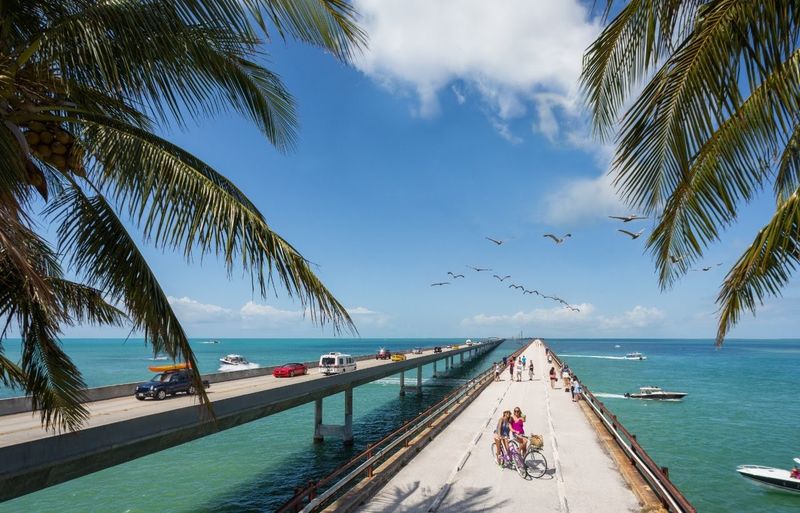
Driving across the Seven Mile Bridge ranks among Florida’s most scenic experiences. Water stretches endlessly on both sides as pelicans fly overhead and fish jump beside the road.
Veterans Memorial Park provides playground equipment and swimming areas perfect for families with young children.
Boat rentals let you explore nearby islands accessible only by water, though your car gets you to Marathon itself. Fresh stone crab claws appear on restaurant menus during winter harvest season.
Big Pine Key
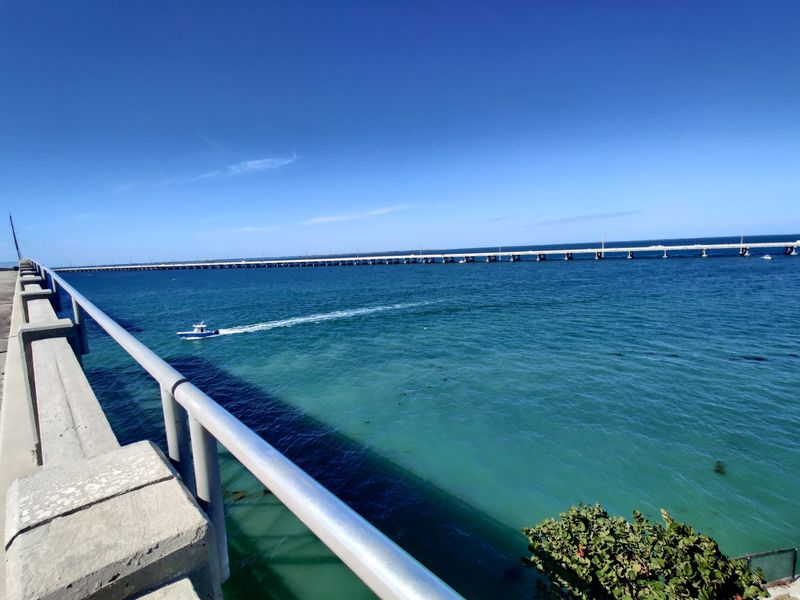
Quiet nature defines this lesser-known island where endangered Key deer roam freely through neighborhoods. About the size of large dogs, these miniature deer evolved here over thousands of years.
Spotting them grazing at dawn or dusk brings special magic to any visit.
National Key Deer Refuge protects their habitat across thousands of acres. Hiking trails wind through pine rocklands and tropical hardwood forests where rare plants grow nowhere else on Earth.
Butterflies dance among wildflowers blooming year-round in the warm climate.
Paddling through winding waterways reveals hidden beaches and swimming holes. Blue Hole, a former quarry, now serves as freshwater home to alligators and wading birds.
Rangers lead nature walks explaining the delicate ecosystem.
Traffic moves slower here compared to busier Keys, creating a peaceful atmosphere. Local shops sell handmade crafts instead of typical tourist souvenirs, reflecting the island’s commitment to preserving its unique character.
Key West
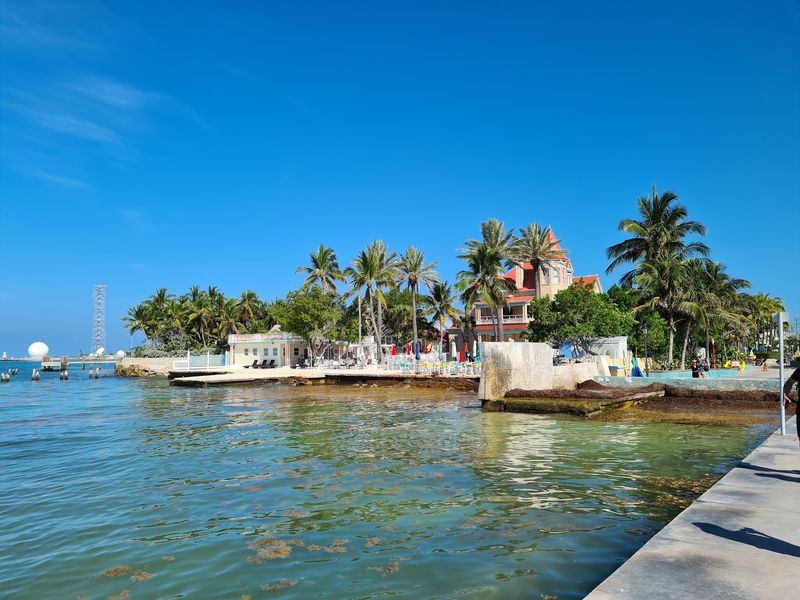
America reaches its southernmost point right here on this vibrant island where Cuban influences mix with Caribbean flair. Pastel-colored houses line streets where chickens strut freely, adding quirky charm to everyday life.
Ernest Hemingway lived here, and his six-toed cats still inhabit his former home.
Nightly sunset celebrations at Mallory Square feature street performers, artists, and musicians entertaining crowds as the sun sinks into the Gulf. Fire-eaters, acrobats, and fortune-tellers create carnival atmosphere.
Applause erupts when the last bit of orange disappears below the horizon.
Duval Street stretches for a mile packed with shops, bars, galleries, and restaurants serving Cuban sandwiches and conch dishes. History buffs tour Fort Zachary Taylor or the Harry S.
Truman Little White House where presidential decisions were made.
Despite being 150 miles from mainland Florida, the continuous highway connection makes driving possible without any water crossings by boat.
Anna Maria Island
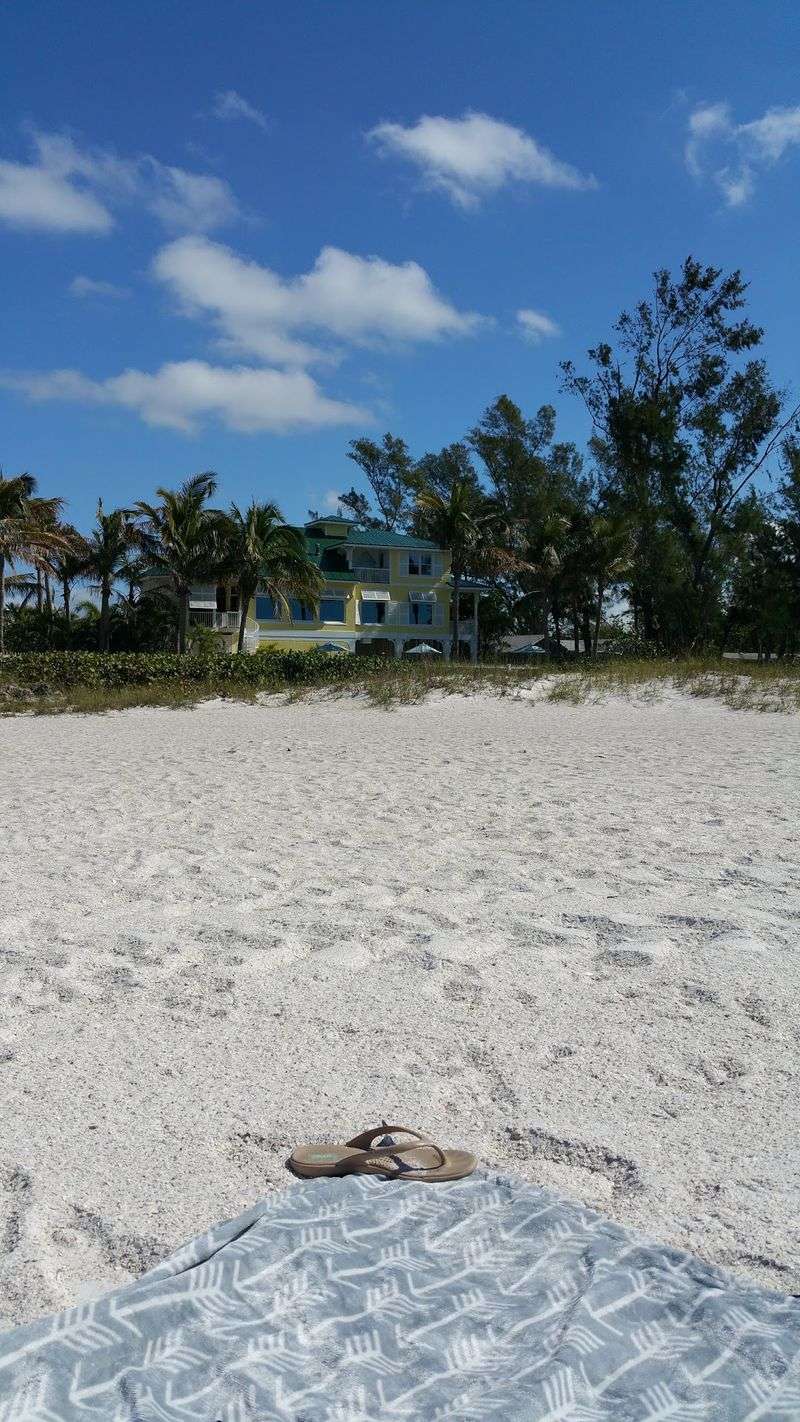
Old Florida charm survives on this seven-mile barrier island where buildings stay low and beaches stay pristine. White sand squeaks beneath your feet as gentle Gulf waves roll ashore.
Beach cottages painted in cheerful colors remind visitors of simpler times before high-rise development.
Three small towns share the island, each maintaining distinct personality while welcoming visitors warmly. Free trolley service connects beaches, shops, and restaurants, reducing car traffic and parking hassles.
Historic fishing pier extends into turquoise waters where anglers catch snapper and grouper.
Local eateries serve grouper sandwiches and homemade key lime pie at picnic tables under swaying palms. Sunset watching becomes a daily ritual as the sky transforms into watercolor paintings.
Families spread blankets on sand, waiting for the green flash some lucky observers spot.
Shopping means browsing small boutiques rather than chain stores, finding unique gifts and beach gear. The relaxed pace encourages long walks collecting shells and watching dolphins play offshore.
Sanibel Island
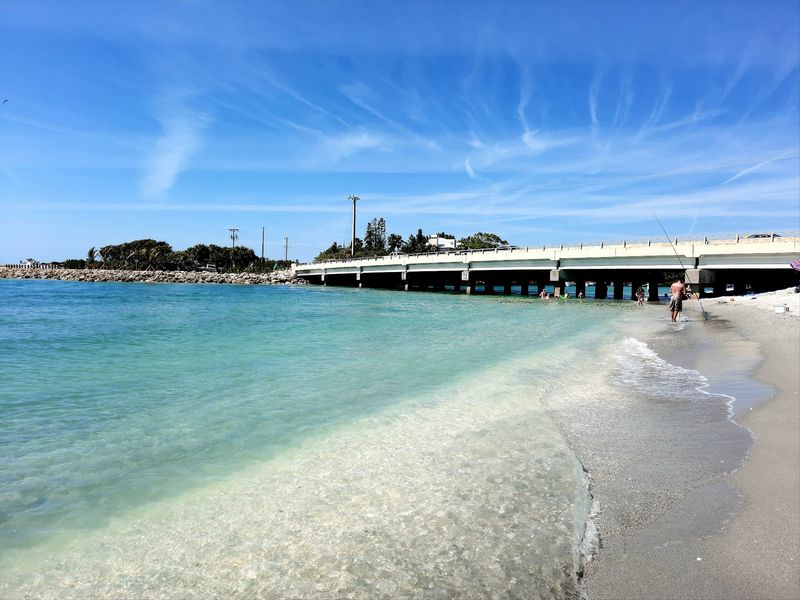
Shell collectors consider this island paradise on earth. Tides deposit thousands of shells daily, creating hunting grounds for people who walk bent over in the famous Sanibel Stoop position.
Conch shells, sand dollars, and colorful scallops wash ashore after storms, drawing collectors from around the world.
The causeway toll feels worth paying once you pedal along miles of dedicated bike paths through J.N. Ding Darling National Wildlife Refuge.
Alligators sun themselves beside the trail while roseate spoonbills wade through shallow water searching for food. Photography enthusiasts capture stunning wildlife shots without leaving their bicycles.
Historical lighthouse marks the eastern point where Civil War-era bricks still stand strong against hurricanes. Beaches curve gently along the Gulf, offering calm swimming conditions perfect for children.
No high-rise buildings interrupt the natural skyline thanks to strict development rules.
Fresh seafood restaurants cluster near the marina where fishing boats unload daily catches. Watching sunset from Bowman’s Beach ranks among Florida’s most peaceful experiences.
Captiva Island
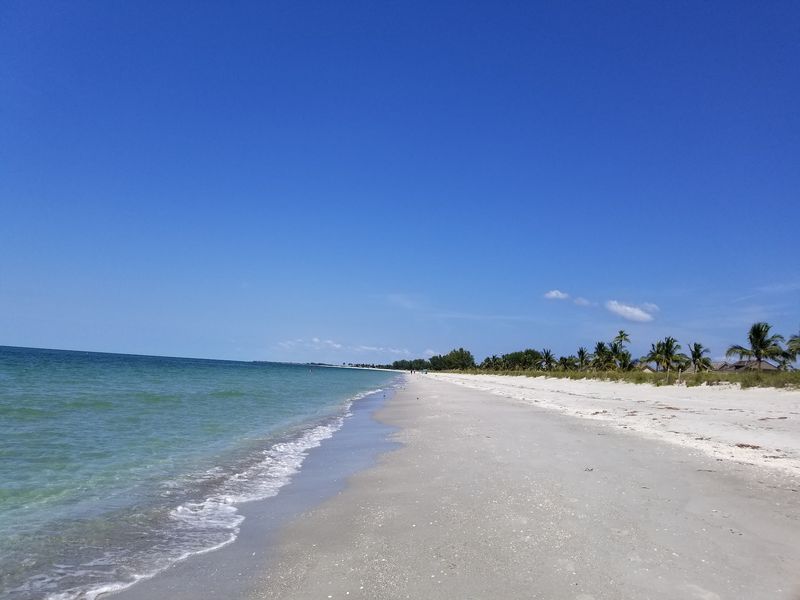
Connected to Sanibel by a small bridge, this island offers even more seclusion and natural beauty. Wealthy visitors built charming cottages here decades ago, creating an exclusive yet welcoming atmosphere.
Bright paint colors and flowering plants make every structure feel like vacation happiness captured in building form.
Bubble Room restaurant delights families with toy-filled rooms and towering desserts that children remember years later. Quirky decorations cover every surface while servers dress in scout uniforms serving huge portions.
The cake slices alone could feed small families.
Sunset cruises depart from local marinas, sailing past playful dolphins and nesting birds. Captain’s narrate island history while passengers sip drinks and snap photos of spectacular sky colors.
Some boats anchor offshore so guests can swim in crystal-clear Gulf waters.
Shopping along the main road reveals artist studios and boutiques selling handcrafted jewelry inspired by shells and sea life. Beach access points remain less crowded than neighboring islands, providing peaceful spots for swimming and sunbathing.
Marco Island
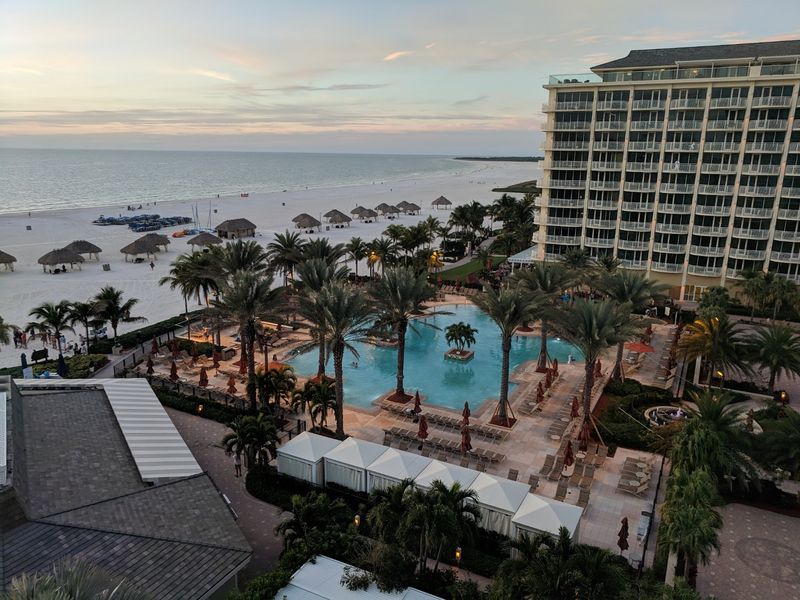
Luxury meets natural beauty on this developed barrier island where wide beaches stretch for miles. High-rise condos and resort hotels line the shore, offering stunning Gulf views from every floor.
Despite development, wildlife thrives in protected areas surrounding neighborhoods.
Tigertail Beach combines swimming lagoon with nature preserve where shorebirds nest during migration seasons. Families wade through shallow water while children hunt for hermit crabs.
A short walk across sand leads to pristine beach facing open Gulf waters.
Boat tours explore the Ten Thousand Islands, a maze of mangrove islands forming one of America’s largest intact wetland systems. Manatees, dolphins, and sea turtles swim through channels while ospreys dive for fish.
Experienced guides point out hidden wildlife most visitors would miss.
Waterfront dining options range from casual tiki bars to elegant restaurants serving stone crab and fresh grouper. Golf courses maintain lush greens despite salty air, attracting players year-round.
The drive from Naples takes only 30 minutes on a direct highway.
Amelia Island
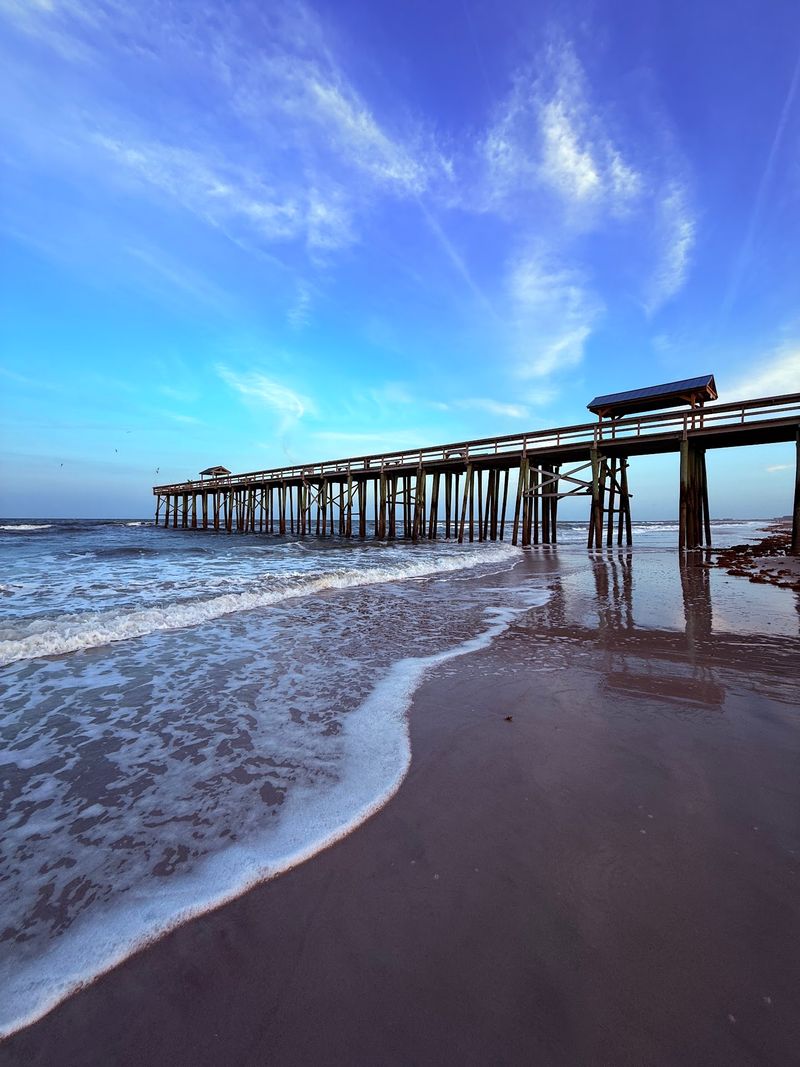
Victorian charm greets visitors arriving at this northeast Florida treasure. Historic Fernandina Beach features buildings dating back over a century, when this island served as important seaport.
Eight different flags have flown here throughout history, earning it the nickname Isle of Eight Flags.
Horseback riding along the beach creates unforgettable memories as waves lap around the horses’ hooves. Several stables offer guided rides at sunrise or sunset when temperatures cool and lighting turns magical.
Even nervous riders feel comfortable on these gentle horses trained specifically for beach conditions.
Fort Clinch State Park preserves Civil War history with living history demonstrations and original fortifications. Actors dressed in period uniforms explain soldier life while cannons point toward the ocean.
Hiking trails wind through maritime forests where deer browse and birds sing.
Seafood shacks serve local shrimp caught by boats you can watch returning to harbor each afternoon. Boutique shopping in downtown offers unique finds from local artisans and craftspeople.
The relaxed Southern atmosphere makes everyone feel welcomed.
St. George Island
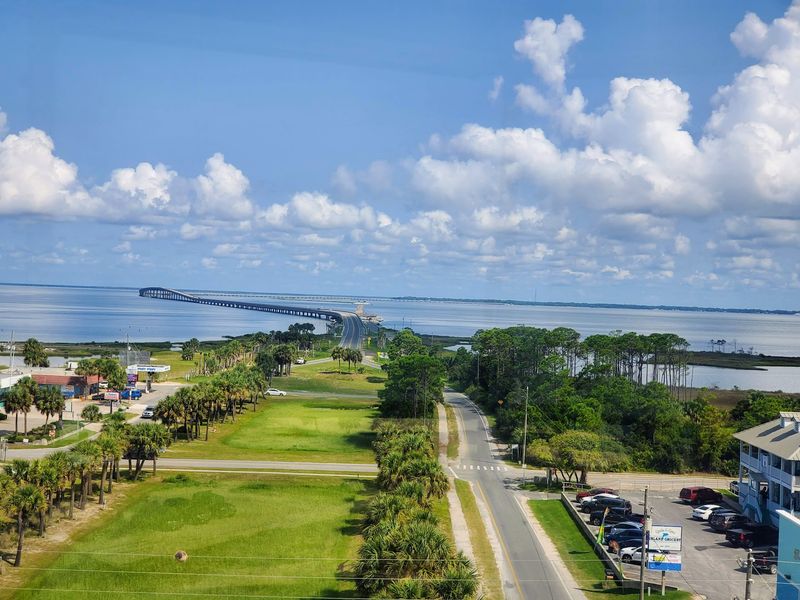
Crossing the four-mile bridge over Apalachicola Bay builds anticipation as this unspoiled island comes into view. Miles of undeveloped beachfront remain protected within state park boundaries, preserving natural Florida as it existed before tourism boomed.
Sugar-white sand stretches endlessly in both directions from the main beach access.
Did you know this island offers some of Florida’s darkest skies for stargazing? Without city lights, the Milky Way appears clearly on moonless nights.
Families spread blankets on cool sand, counting shooting stars and identifying constellations. Sea turtle nests dot the beach during summer, marked carefully to protect developing eggs.
Fishing from the beach or long pier produces catches of redfish, pompano, and flounder. Local restaurants cook your catch for a small fee if you prefer not handling fish yourself.
Cape St. George Lighthouse stands reconstructed after hurricanes toppled the original, offering panoramic views from the top.
Vacation rentals range from basic cottages to luxury homes, most featuring porches perfect for watching dolphins swim past.
Hutchinson Island
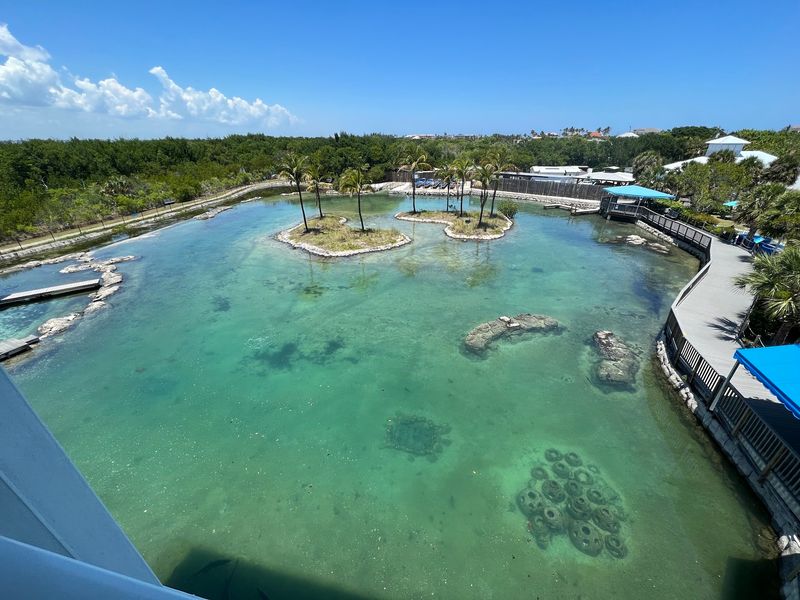
Stretching over 20 miles along Florida’s Atlantic coast, this barrier island protects the mainland while providing beaches for recreation. Multiple bridges connect different sections to the mainland, making access convenient from several points.
Sea turtles choose these beaches for nesting more than almost anywhere else in the state.
Elliott Museum showcases local history alongside vintage car collections and antique baseball memorabilia. Interactive exhibits let children experience how life felt in earlier decades.
Artists demonstrate traditional crafts like blacksmithing and woodworking during special events.
House of Refuge Museum occupies one of Florida’s oldest buildings, where shipwreck survivors once found shelter and medical care. The keeper’s house stands restored to 1890s appearance with period furniture and historical photographs.
Coastal storms sometimes revealed treasures from Spanish shipwrecks buried in nearby sand.
Bathtub Reef Beach offers calm swimming conditions thanks to nearshore rock formations that break wave action. Families snorkel in the protected area spotting tropical fish and crabs.
Parks provide picnic facilities under shady Australian pines and sea grape trees.
Merritt Island
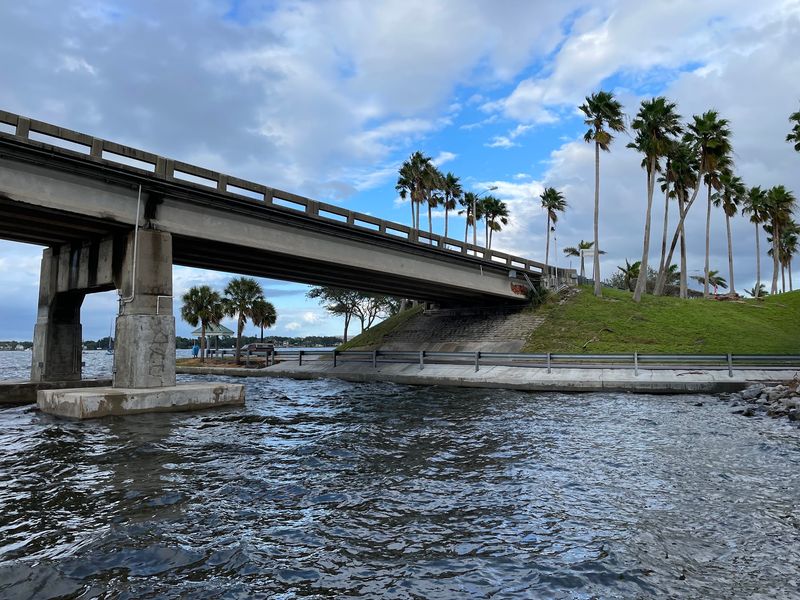
Space exploration and wildlife conservation coexist on this unique island home to Kennedy Space Center. Rockets launch from here while endangered species raise young in protected wetlands nearby.
The contrast between cutting-edge technology and ancient ecosystems creates fascinating experiences.
Merritt Island National Wildlife Refuge contains more endangered species than any other refuge in America. Black Point Wildlife Drive offers seven miles of one-way road through marshes where alligators bask and wading birds hunt.
Thousands of waterfowl spend winters here, escaping northern cold.
Manatees gather at power plant outflows during winter when warm water attracts them by the dozens. Viewing platforms let visitors watch these gentle giants surface for air.
Photography opportunities abound as birds pose on nearby perches.
Playalinda Beach extends for miles with minimal development, appealing to those seeking solitude. Sometimes rocket launches visible from the beach add unexpected excitement to peaceful days.
Several causeways connect the island to mainland, making access simple despite surrounding water.
Cedar Key
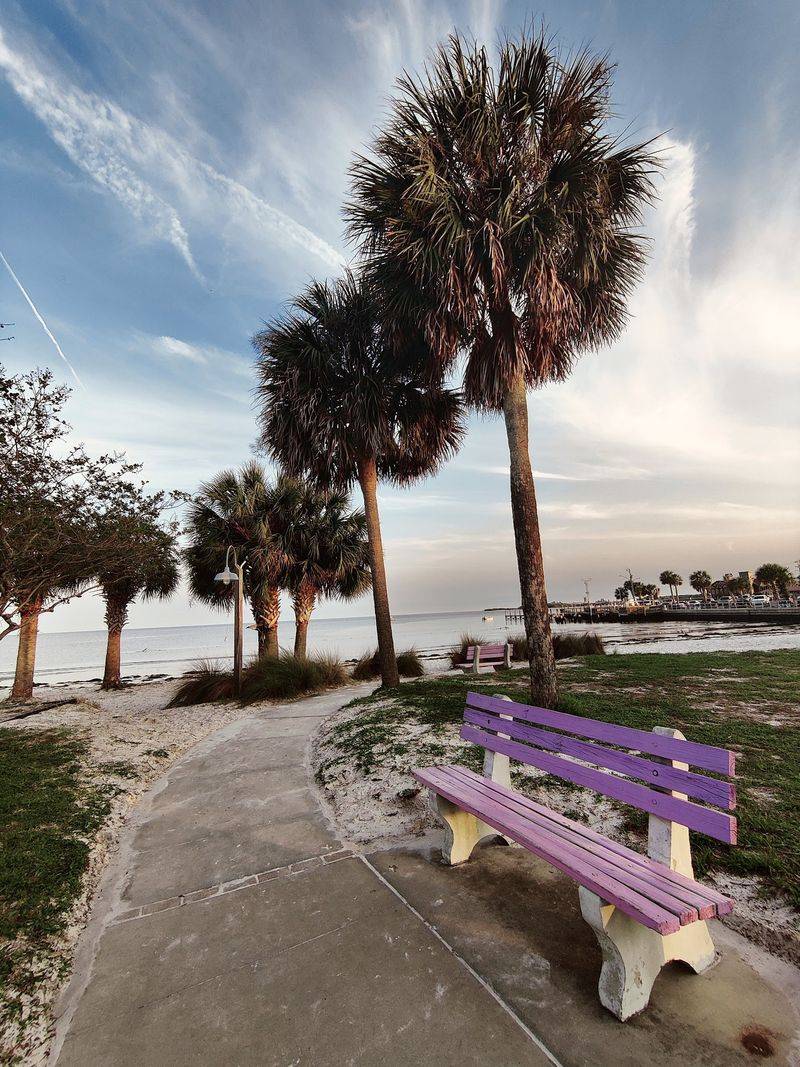
Time slows down in this artistic fishing village where Old Florida atmosphere remains authentic. Weathered buildings line narrow streets where golf carts outnumber regular cars.
Artists found inspiration here decades ago, establishing studios and galleries that continue thriving today.
Fresh seafood comes straight from local boats to restaurant kitchens. Clam chowder, smoked mullet, and raw oysters appear on nearly every menu.
Waterfront dining decks offer sunset views that turn the Gulf into liquid gold. Pelicans patrol the docks hoping for fish scraps from cleaning tables.
Island Hopper boat tours explore surrounding keys accessible only by water, where bird rookeries host thousands of nesting waders. Cedar Key Museum State Park tells stories of the pencil industry that once dominated the local economy.
Historical photographs show how the town looked when steamships delivered supplies.
The scenic drive along State Road 24 crosses marshland where egrets and ibis feed in shallow water. Shell mounds built by ancient people still rise from the landscape, protected as archaeological sites.
Gasparilla Island
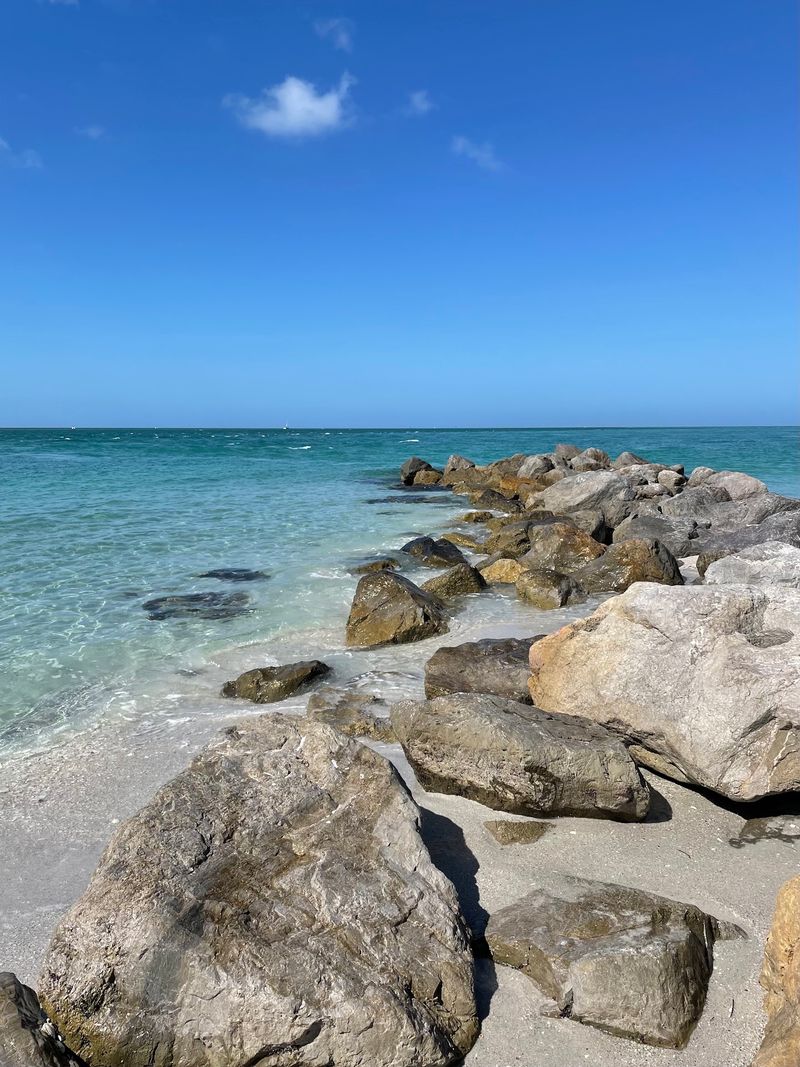
Elegant simplicity defines this narrow island where historic lighthouse guards the southern tip. Boca Grande Pass attracts tarpon by the thousands during migration season, earning worldwide recognition among fishing enthusiasts.
Charter captains book months ahead for prime May and June dates when these silver giants swim through.
The toll bridge crossing Gasparilla Sound signals entry to a different pace of life. Bicycle riding becomes the preferred transportation method, with dedicated paths connecting beaches and downtown.
Grand homes hide behind tropical landscaping, maintaining privacy while respecting island character.
Gasparilla Island State Park protects beaches and the renovated Port Boca Grande Lighthouse. Climbing to the top provides views extending for miles across turquoise Gulf waters.
Museum displays explain how the lighthouse keeper lived and worked in isolation.
Historic downtown Boca Grande features boutique shopping and upscale dining without feeling pretentious. Ice cream shops serve homemade flavors while children play in small parks.
Casual beach clubs welcome visitors for lunch overlooking the water, where dolphins frequently swim past.
Perdido Key
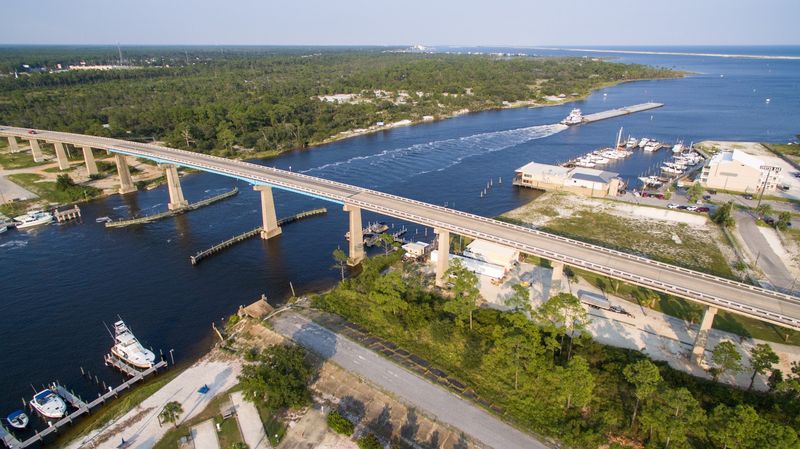
Sugar-white sand glows almost painfully bright under the Florida sun on this western barrier island. Quartz crystals ground fine over millions of years created these pure beaches that squeak when you walk.
Gulf Islands National Seashore protects much of the island from development.
Families spread out across wide beaches without crowding each other, even during busy summer months. Protected seashore areas ban vehicles, maintaining pristine conditions for nesting shorebirds.
Warm Gulf water stays relatively calm, perfect for swimming and boogie boarding.
Johnson Beach offers primitive camping where waves lull you to sleep under star-filled skies. Rangers patrol to ensure visitors respect the fragile dune ecosystems.
Boardwalks protect vegetation while providing beach access.
Fishing pier extends far into the Gulf, attracting anglers targeting Spanish mackerel, king mackerel, and redfish. Bait shops sell tackle and offer fishing advice to beginners.
Nearby restaurants prepare catches for visitors who prefer not cooking.
The drive from Pensacola takes only 20 minutes, making day trips convenient for families staying inland.
Pine Island
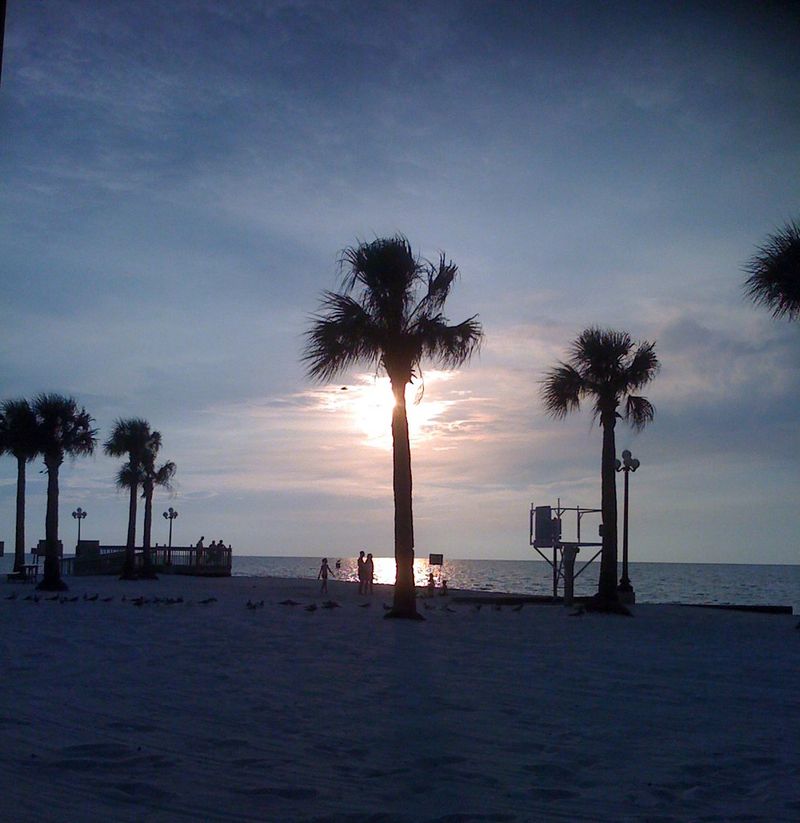
Florida’s largest Gulf Coast island outside the Keys maintains a slower pace where fishing villages define the character. Matlacha Pass Bridge brings you across colorful waters to an island that refused to allow bridge connections to Sanibel and Captiva, preserving its quiet atmosphere.
Art galleries fill colorful buildings in Matlacha village, where funky painted structures line both sides of the road. Local artists create jewelry, paintings, and sculptures inspired by surrounding nature.
Gallery owners welcome visitors to chat about creative processes and island life.
Tropical fruit farms grow mangoes, avocados, and exotic varieties rarely seen in grocery stores. U-pick opportunities let families harvest their own fruit during peak seasons.
Farm stands sell fresh produce, homemade jams, and fruit smoothies.
The Great Calusa Blueway paddling trail winds through 190 miles of waterways surrounding the island. Kayakers explore mangrove tunnels where manatees rest and birds nest.
Rental shops provide equipment and maps for self-guided adventures. Fishing guides know secret spots where snook and redfish lurk in shallow grass flats.