Iowa surprises just about everyone who takes the time to look past its rolling farmlands and quiet river towns, and nowhere is that surprise more dramatic than underground.
The state harbors a network of caves and caverns that range from intimate grottos to sprawling systems that stretch for miles beneath the surface.
Some were carved by ancient rivers, others sculpted by water seeping slowly through limestone for thousands of years, and each one tells a different chapter of the state’s geological story.
Visiting Iowa’s caves feels like stepping out of the familiar Midwest and into something far more mysterious and ancient.
Whether you’re on a family road trip or seeking solo adventure, cave exploration in Iowa offers a genuinely unexpected thrill.
1. Spook Cave, McGregor, Clayton County
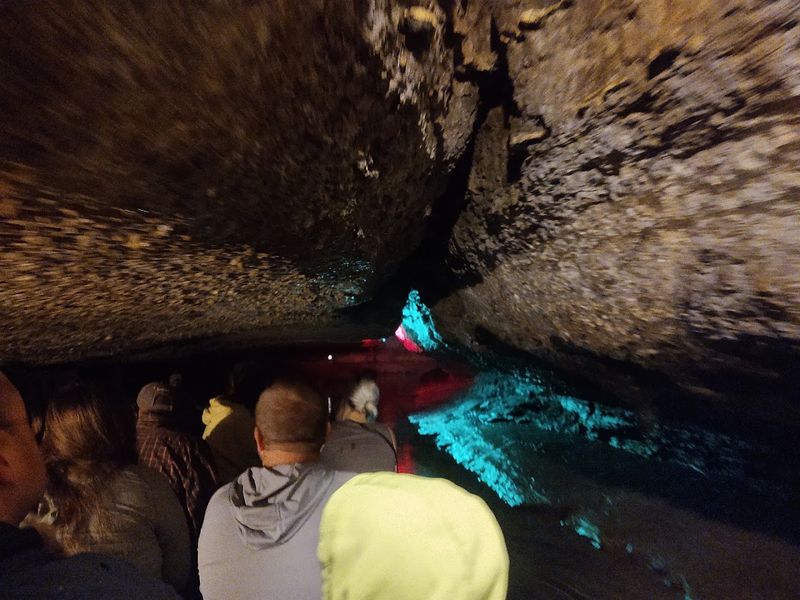
Nothing resets your expectations faster than floating through darkness while limestone walls rise around you in silence.That unusual experience is exactly what makes Spook Cave near McGregor such a memorable and unexpectedly impressive stop.
Instead of hiking through a dry opening, you explore this cave by boat, which instantly gives it a different scale and mood.
The passage is not enormous by national standards, yet the underground waterway makes every turn feel cinematic and strangely intimate.Guided tours add stories, geology, and local color, helping you notice formations, textures, and shadows you might otherwise miss.
Because the cave is part attraction and part natural wonder, it works especially well for families or travelers who want adventure without a strenuous trek.
Its appeal also comes from the contrast between the pretty Driftless Area landscape above and the hidden corridor below.You arrive expecting a quirky roadside stop and leave realizing Iowa can deliver a genuinely atmospheric cave encounter.
Spook Cave may be approachable and fun, but the underground boat ride gives it an outsized sense of mystery that lingers long after the tour ends.
2. Crystal Lake Cave, Dubuque, Dubuque County
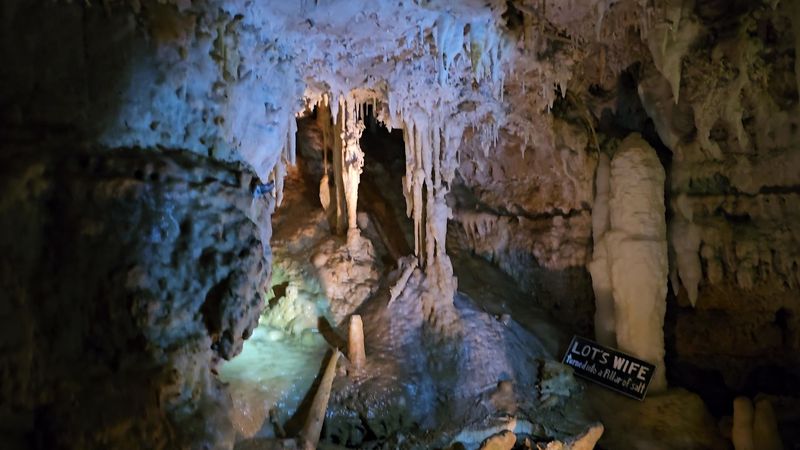
Few places change from ordinary roadside surroundings to dramatic underground scenery as quickly as this one does.Near Dubuque, Crystal Lake Cave opens into a show cave environment filled with formations, color, and a sense of depth many people never expect in Iowa.
Discovered in the nineteenth century, it has long impressed visitors with decorated chambers that feel more elaborate than the state’s modest reputation suggests.
Guided tours help bring out the details, from mineral textures and damp stone surfaces to the subtle ways light transforms each room.The cave is not just a hole in the ground, but a carefully interpreted underground landscape with real visual payoff.
You can appreciate it even if you are not a geology person, because the space itself feels theatrical and surprisingly polished.
Part of the charm is how accessible the experience feels while still delivering genuine cave atmosphere.It is an easy place to recommend if you want a straightforward visit that still gives you that wow moment underground.
Crystal Lake Cave proves Iowa’s cave story is not limited to narrow passages and muddy crawls, but also includes spacious, scenic rooms that feel worthy of a special detour.
3. Ice Cave, Decorah, Winneshiek County
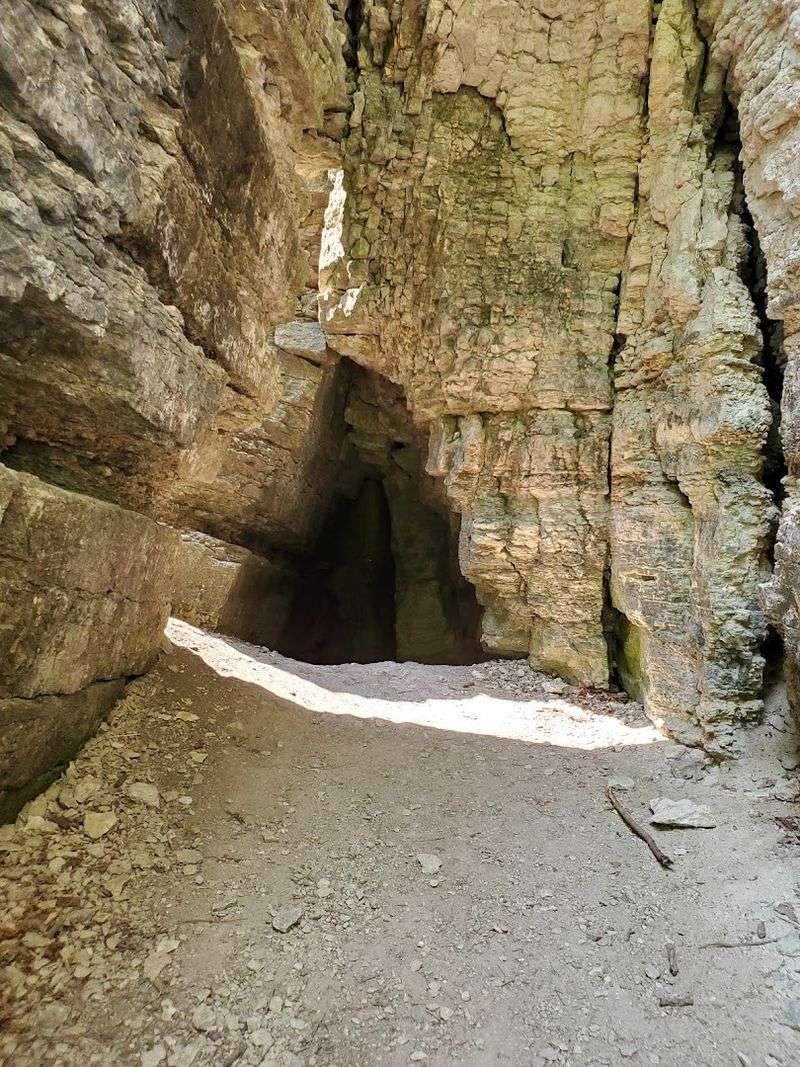
Cold air spilling from a rocky opening in summer is the kind of surprise that instantly makes a place feel legendary.That is the appeal of Ice Cave in Decorah, a small but fascinating cave tied to one of Iowa’s strangest natural cooling effects.
Set on Ice Cave Hill, it is part scenic bluff hike, part geological curiosity, and part reminder that underground systems can shape surface experience.
Historically, the cave was known for retaining ice well into warmer months, a phenomenon that captured local imagination for generations.Even when conditions vary, the setting still feels dramatic because the cave sits within a rugged landscape overlooking the Decorah area.
The walk up adds anticipation, and the opening itself carries a sharp, hidden-world atmosphere that exceeds its compact footprint.
This is not the state’s biggest cavern, but size is only part of what makes a cave memorable.Its reputation, microclimate, and blufftop context give Ice Cave an importance that feels larger than the chamber alone.
If you enjoy places where geology, local history, and a slightly eerie natural mood all meet at once, Decorah’s Ice Cave easily earns a spot on your Iowa cave list.
4. Maquoketa Caves, Maquoketa, Jackson County
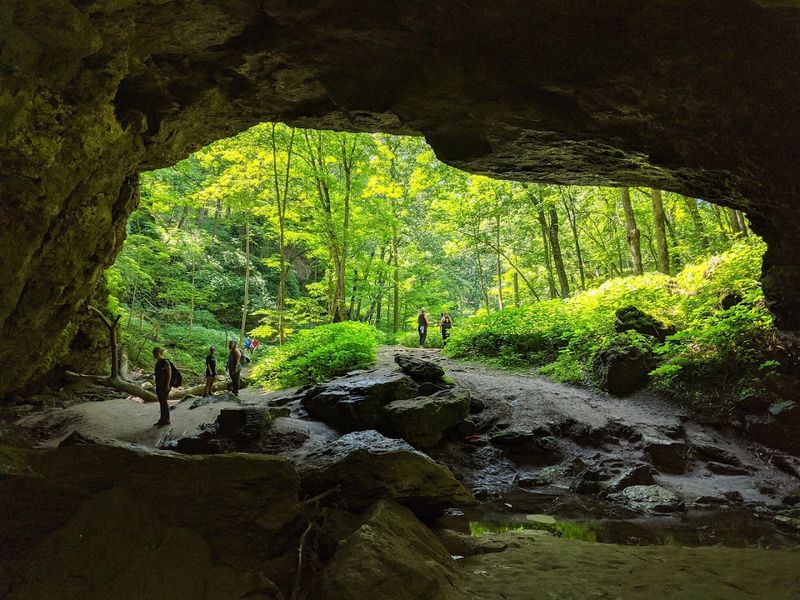
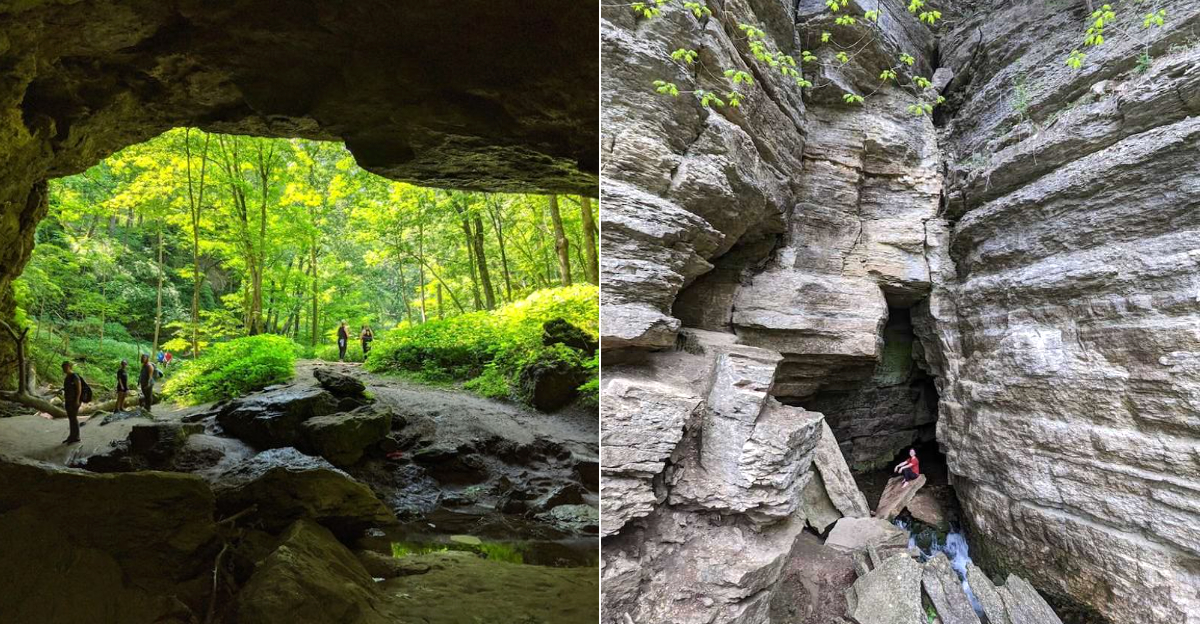
It starts with a cool breath of air, steep stone bluffs, and the feeling that the ground is hiding far more than the forest reveals.That sense of discovery defines Maquoketa Caves, the best known cave destination in Iowa and still one of its biggest surprises.
Within Maquoketa Caves State Park, you get a whole network of caves, natural bridges, and trails packed into a scenic limestone landscape.
Dancehall Cave is the headliner, stretching wide enough to feel more like an underground room than a cramped crevice.Other passages, including tighter crawl spaces, make the area feel varied, playful, and much larger in scope than many visitors imagine beforehand.
The park also pairs its cave experience with elevated overlooks, dense woods, and bluff scenery that make the approach just as memorable.
Seasonal closures protect hibernating bats, so timing matters if you want the full experience.When open, sturdy shoes, a flashlight, and a willingness to get a little muddy will make your visit much better.
This is the place that convinces skeptical travelers Iowa caves are not a novelty, but a real geological adventure.
5. Bixby State Preserve, Edgewood, Clayton County
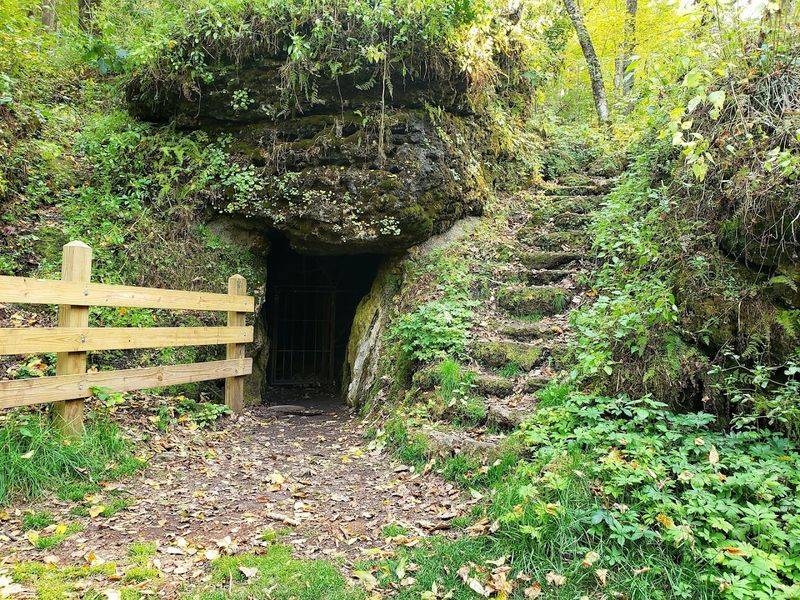
Dense woods, uneven limestone ground, and hidden karst features give this preserve a quietly wild feeling from the start.Bixby State Preserve near Edgewood is not a single famous show cave, but a broader cave landscape where sinkholes, springs, and underground passages shape the terrain.
That larger geological setting is exactly why it feels more impressive than many people expect.
Named for the Bixby Ice Cave area, the preserve is known for cool-air effects and rugged topography tied to the state’s karst bedrock.You are not visiting for polished lighting or developed tour routes, but for a more natural sense of what cave country looks like on the surface.
The preserve rewards careful observation, because the drama here comes from landforms, hidden voids, and the feeling that water has been sculpting this place forever.
It is especially appealing if you like destinations that feel part hike, part geology lesson, and part treasure hunt.The landscape shows how caves are not always isolated attractions, but pieces of a much bigger underground system.
Bixby State Preserve may be less commercial and less photographed than some Iowa cave stops, yet that undeveloped character is exactly what makes it feel authentic, intriguing, and unexpectedly substantial.
6. Dunning’s Spring Cave, Decorah, Winneshiek County
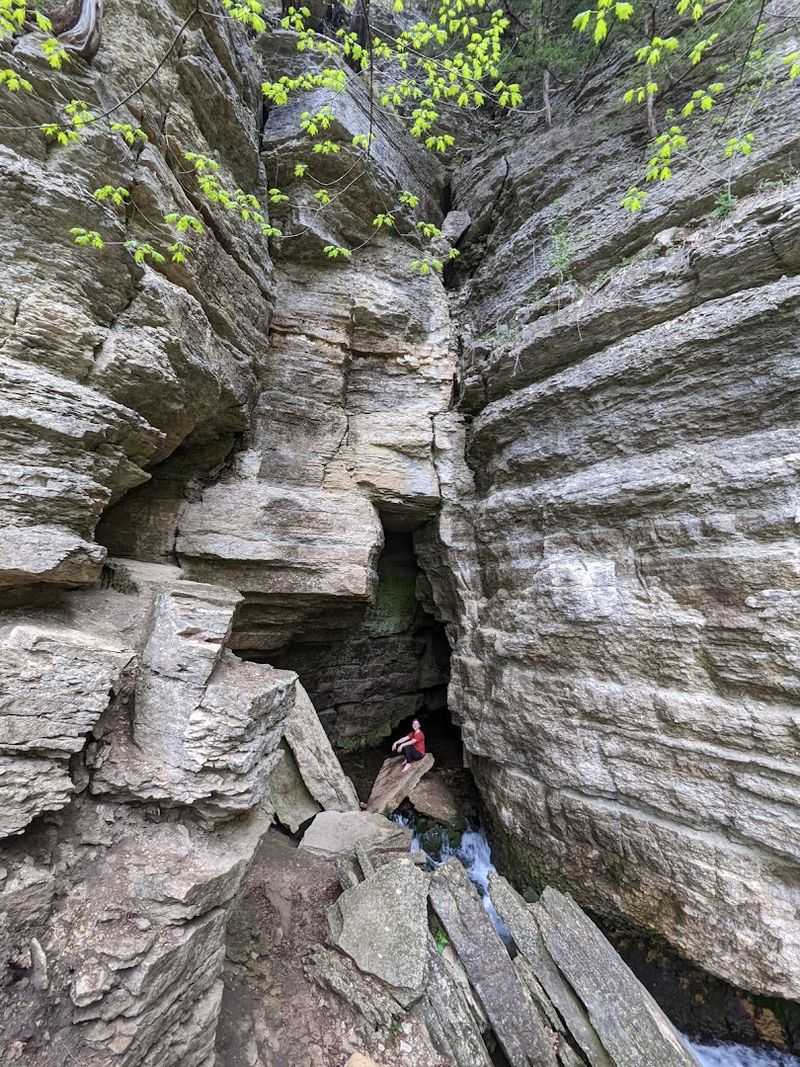
Water pouring from a cliffside opening has a way of making even a short stop feel dramatic and larger than life.That visual punch is what makes Dunning’s Spring Cave in Decorah such an underrated part of Iowa’s cave story.
Most people come for the waterfall, but the cave source above it adds the real geological intrigue.
The spring emerges from a cavern in the limestone, creating one of the prettiest natural scenes in northeastern Iowa.You are not touring deep underground here, yet the cave’s presence is essential because it reveals the hidden plumbing behind the falls.
That relationship between water, bedrock, and landscape gives the site a scale that feels bigger than the visible opening alone.
It is also incredibly accessible, which means you can enjoy a cave-related destination without committing to a long hike or technical outing.Photographers, casual travelers, and geology fans all get something different from the same compact location.
Dunning’s Spring Cave deserves attention because it shows that Iowa caves are not only about entering dark chambers, but also about seeing how underground spaces shape the scenery you admire above ground in the first place.
7. Lost River Caverns, Marquette, Clayton County
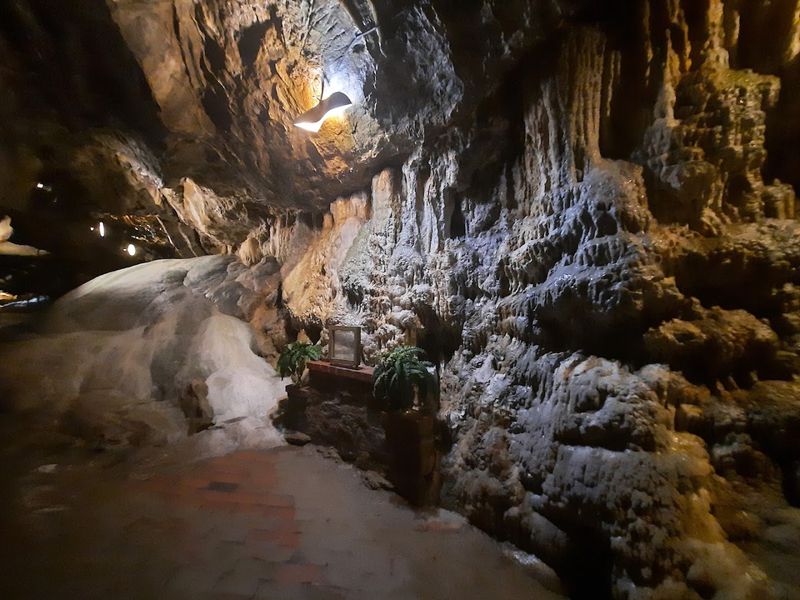
Steep ravines and bluff country create the kind of landscape where you expect hidden openings to exist just out of sight.
That mood fits Lost River Caverns near Marquette, a lesser-known cave spot in Clayton County that benefits from the rugged character of northeastern Iowa.
It is the sort of place that feels more significant once you understand the surrounding terrain.
Because this area sits within the scenic Driftless-influenced landscape, the cave is part of a broader pattern of limestone erosion and underground drainage.
The exact appeal is not flashy development, but the raw setting and the sense that natural forces have been quietly carving away for ages.
Visitors interested in geology or adventurous local exploration often appreciate Buck Creek Cave precisely because it feels off the mainstream radar.
That relative obscurity can make the experience more rewarding, especially if you enjoy destinations that ask for curiosity rather than spectacle.
You notice the bluffs, watercourses, and rock layers differently when you know a cave is tucked into the system.
Lost River Caverns may not have the name recognition of Iowa’s major cave attractions, but its location near Marquette gives it a striking landscape context that makes the underground feature feel far bigger in spirit than most people would guess.
8. Coldwater Cave, Waterloo, Fayette County
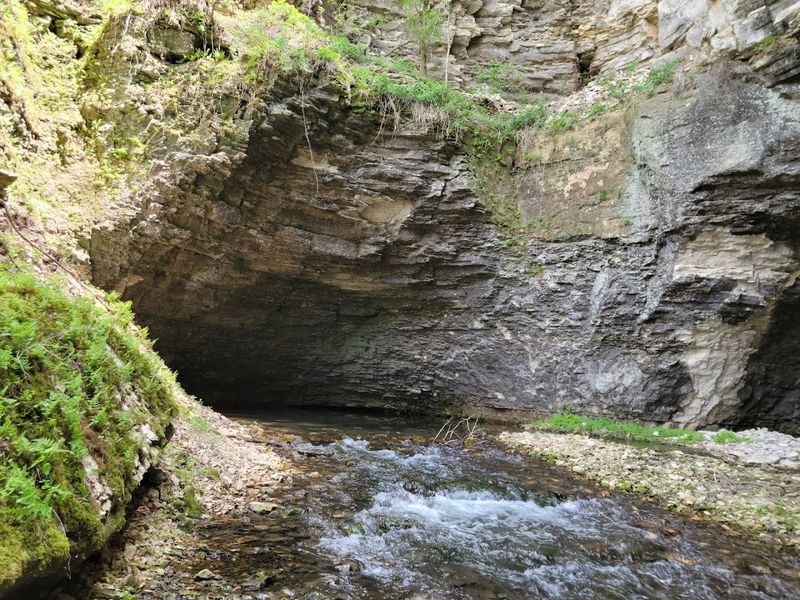
Dark water, long passages, and serious scale give this cave a reputation that feels much bigger than the average visitor expects from Iowa.Coldwater Cave in Fayette County, often associated regionally with Waterloo access awareness, is one of the state’s most significant wild caves.
It is not a casual walk-in destination, which only adds to its mystique.
Known for extensive mapped passage and active underground stream sections, Coldwater Cave matters as much scientifically as it does recreationally.Researchers and experienced cavers recognize it as one of Iowa’s major subterranean systems, with hydrology and ecology that make it especially important.
That hidden complexity is what elevates it beyond a curiosity and into the category of genuinely impressive cave landscapes.
Because public access has been limited and carefully managed, most people know it more by reputation than firsthand experience.Even so, learning about its scale changes how you think about what lies beneath Iowa farmland and rolling hills.
Coldwater Cave stands out because it proves the state contains real underground magnitude, not just scenic openings, and its blend of mystery, scientific value, and raw passage length makes it one of Iowa’s most remarkable cave names.