Some towns whisper history—Plymouth shouts it from the shoreline. Walk its streets and you don’t just “visit” New England’s oldest town… you feel it. The cobblestones hum with stories, the harbor glitters like it’s guarding secrets, and every preserved landmark pulls you deeper into the past. Plymouth blends all this weighty history with a warm, welcoming charm that makes the experience anything but stodgy.
Come ready to wander, ready to imagine, and ready to be swept up by a place that refuses to fade quietly into the background.
Plymouth Rock and Pilgrim Memorial State Park
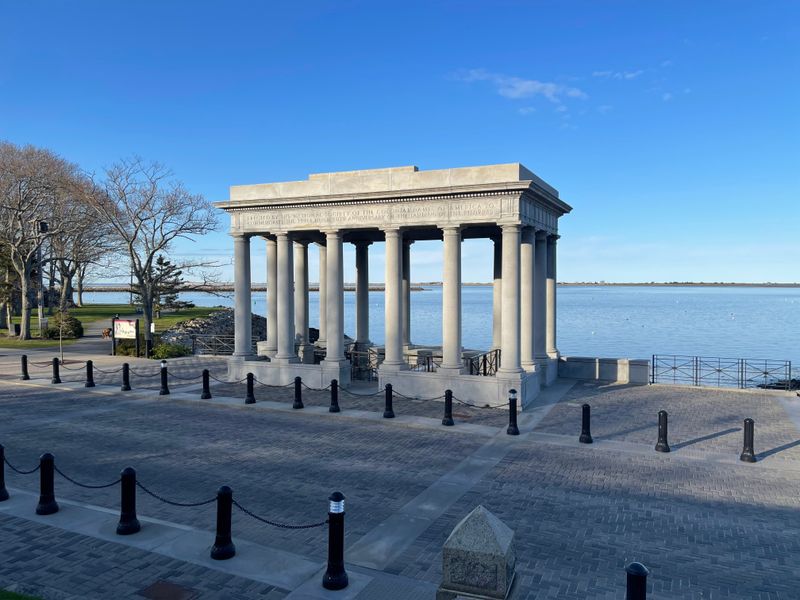
Stand at the granite portico and see the boulder that launched a national legend. The rock is smaller than expected, but the story is outsized, shaped by centuries of retellings and civic pride. You will look beyond the railing and feel the tension between symbol and history.
Stroll the seawall and read interpretive signs that unpack myth versus fact. The harbor views frame the memorial in a living maritime setting. Pause for photos, then trace nearby plaques to connect names, dates, and hard choices made on this very shoreline.
Mayflower II
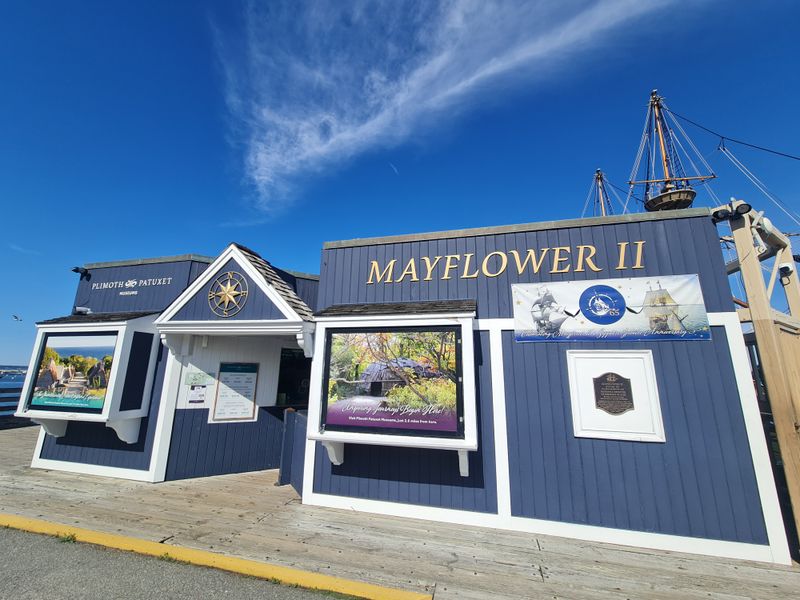
Step aboard the full scale reproduction and feel deck timbers flex underfoot. Costumed interpreters answer practical questions about cramped quarters, rations, and storms. You will peer into the hold, imagining damp barrels, sleeping berths, and the constant creak of rigging.
Above, sails and lines reveal 17th century engineering you can almost touch. The harbor breeze carries tar and salt, completing the sensory lesson. Pair your visit with the shipwright exhibits nearby to see how artisans preserved this vessel, and why it still sails for commemorations.
Plimoth Patuxet Museums
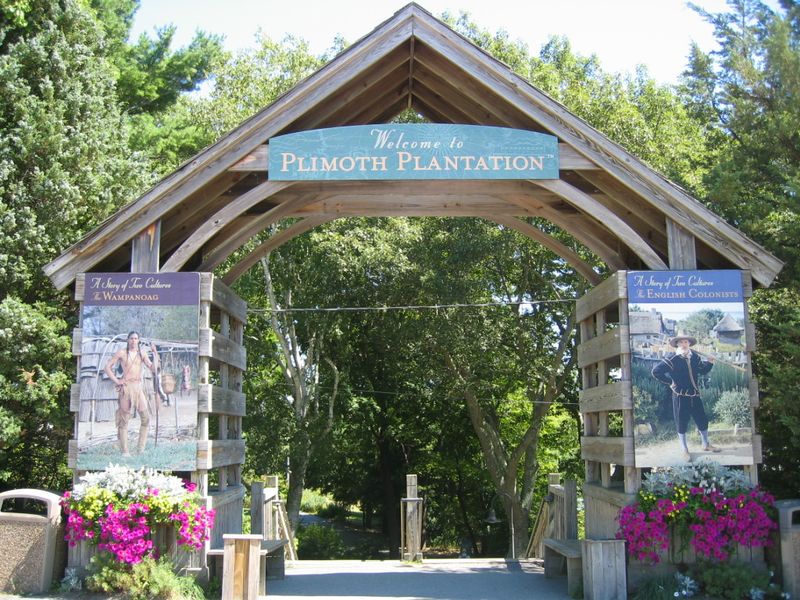
Walk between two worlds at this living history complex. The 17th Century English Village recreates daily life with gardens, livestock, and smoky hearths, while costumed role players speak as if still in 1627. You will ask questions and get answers rooted in real research.
Across the site, the Historic Patuxet Homesite centers Wampanoag perspectives, with contemporary Indigenous educators guiding demonstrations. Hear about agriculture, diplomacy, and survival beyond textbook summaries. Together, these spaces challenge assumptions and layer nuance into the story of early Plymouth.
Cole’s Hill and the National Day of Mourning Plaque
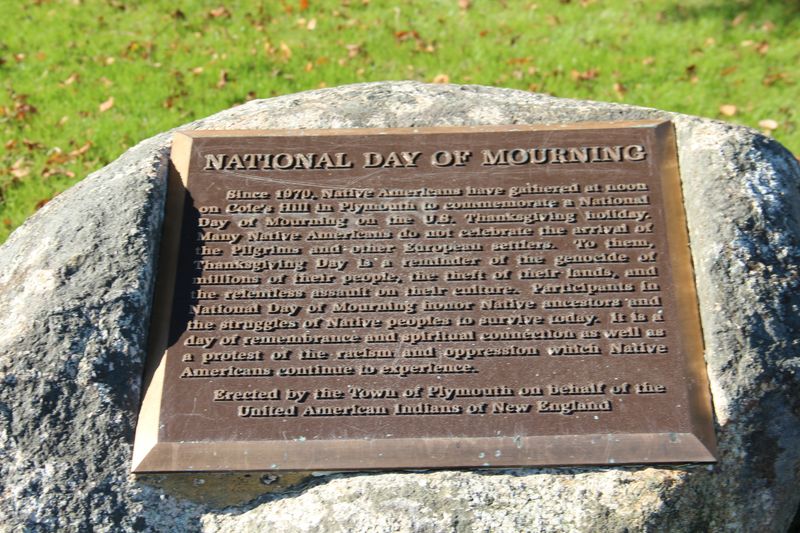
Climb the grassy rise overlooking the waterfront to find memorials that complicate the narrative. The sarcophagus honors Pilgrim dead, while the Day of Mourning plaque acknowledges Indigenous loss and resilience. You will feel the weight of multiple truths in a single view.
From the hilltop, orient yourself to downtown streets and harbor landmarks. The quiet invites reflection before continuing your day. Consider reading the plaque text aloud to your group, then discuss how commemoration can broaden understanding rather than settle debates.
Pilgrim Hall Museum
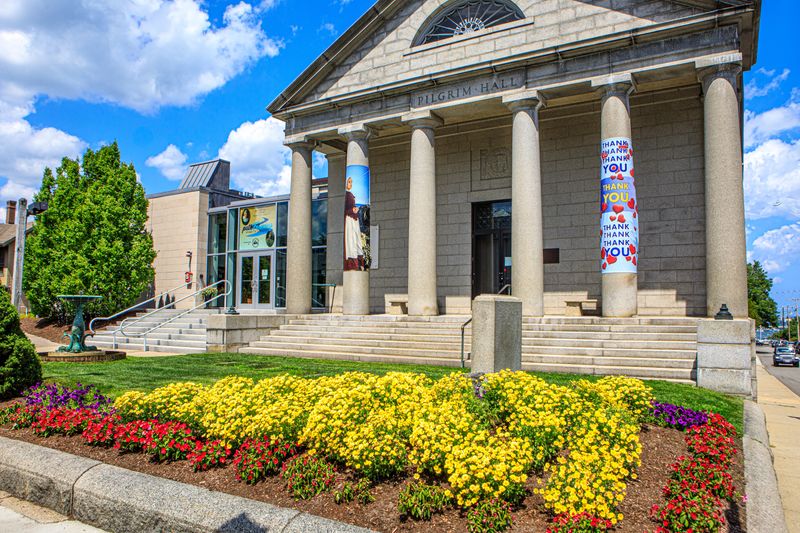
America’s oldest continuously operating public museum holds artifacts with rare intimacy. You will stand inches from Myles Standish’s sword, Governor Bradford’s Bible, and embroidered linens that traveled across the Atlantic. Curators frame each object with context rather than hagiography.
The galleries map family stories, migration routes, and the hard math of survival. Interactive displays ask you to weigh myths against records. Before leaving, visit the research library listing, then plan time to explore original documents that make the past concrete and human.
Burial Hill
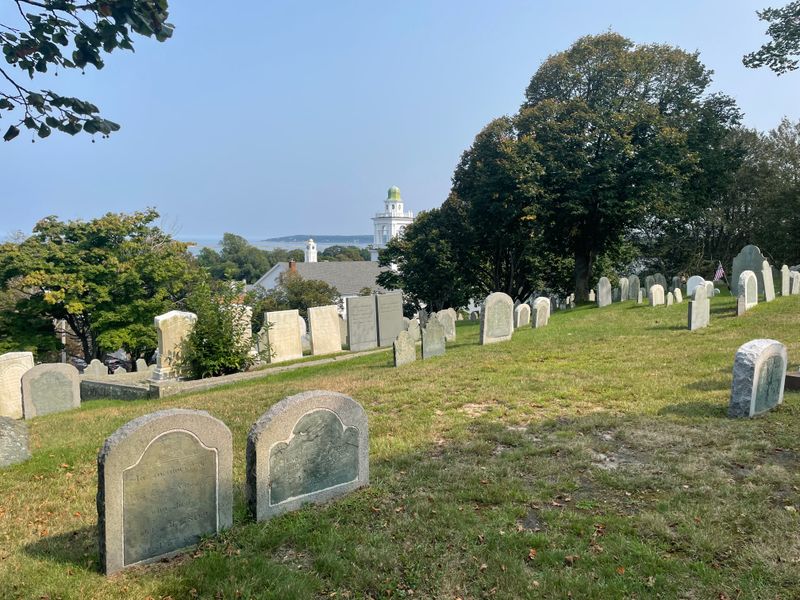
Up a steep lane, lichen covered stones tell centuries of names, trades, and faith. You will trace winged skull carvings and decipher epitaphs that mix Puritan theology with seafaring pragmatism. The views sweep across church steeples to the harbor’s bright line.
Guided tours unpack gravestone iconography and conservation work. Bring sturdy shoes and respect the fragile terrain. At sunset, the hill turns cinematic, revealing how topography shaped town planning and spiritual life from the 1600s onward.
Jabez Howland House
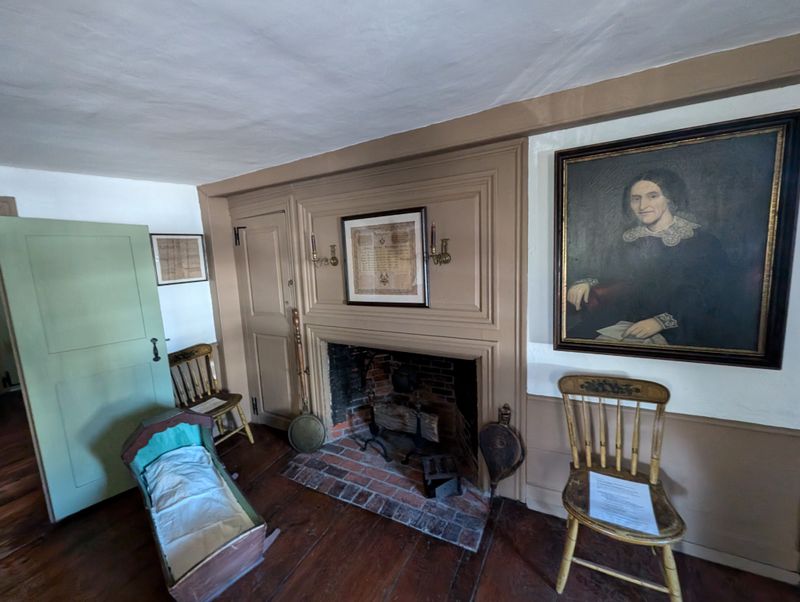
Step into Plymouth’s only surviving Pilgrim-era house still open to the public. Low beams, wide floorboards, and a hearth anchor rooms filled with period furnishings. You will learn how the Howlands managed food storage, winter heat, and precious space for a growing family.
Docents connect domestic artifacts to trade networks that reached the Caribbean and England. The house biography includes renovations, archaeology, and careful restoration choices. Expect a tightly scripted, detail-rich tour that rewards questions about daily rhythms more than battlefield history.
Jenney Interpretive Centre and Grist Mill
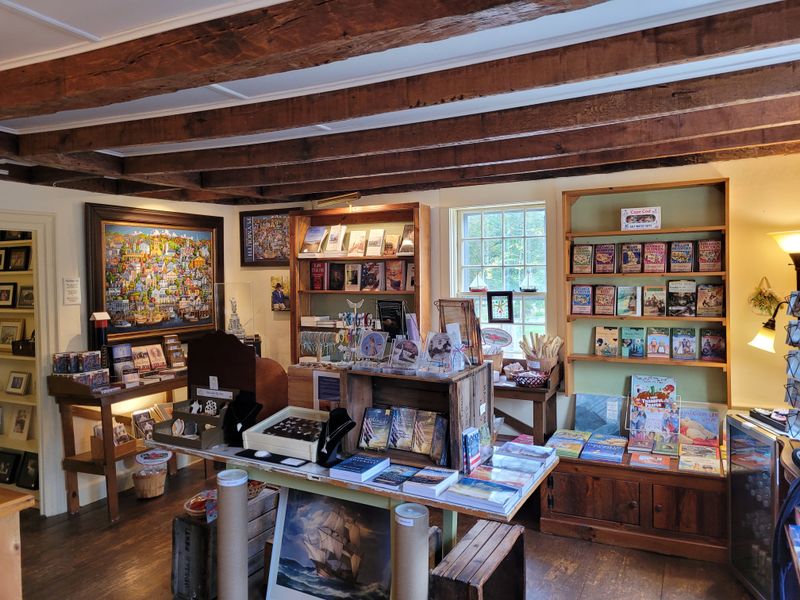
The working mill turns water power into flour, translating abstract history into sound and motion. You will feel vibration underfoot as gears engage and the miller explains technology adapted from England. Fresh milled cornmeal becomes an edible souvenir and conversation starter.
Inside the interpretive center, exhibits connect industry to community survival, taxation, and regional trade. Outside, Town Brook’s landscaped path links the mill to other historic sites. Plan to linger and watch a full run, then walk the brook trail to trace Plymouth’s earliest infrastructure.
Town Brook and Brewster Gardens
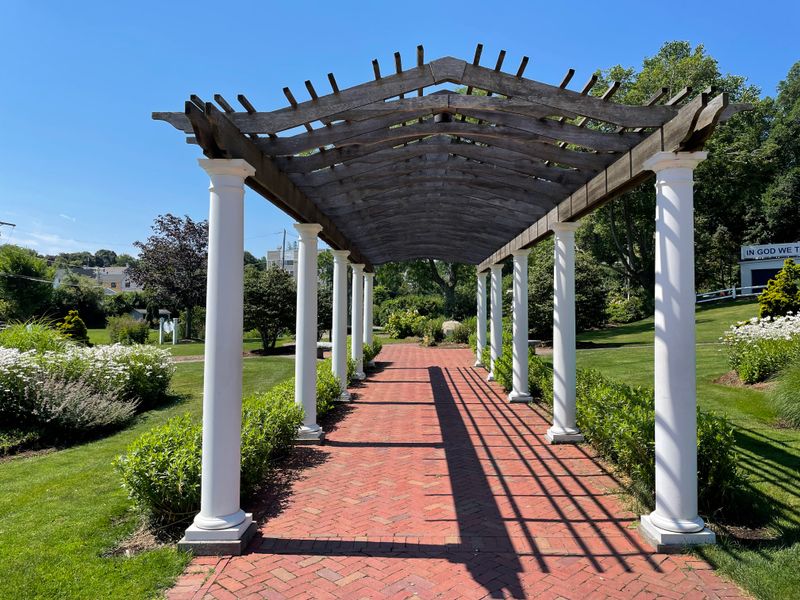
Follow the brook that sustained the colony’s first years. The landscaped path passes sculptures, interpretive signs, and shaded benches where you can imagine fish runs and water access rights. Spring brings blossoms, while autumn lights the leaves like stained glass over the stream.
Brewster Gardens opens into a green pocket perfect for a picnic between museums. It is a gentle reset from dense narratives, letting the setting tell its own story. Watch for herons and shad as living reminders of older seasonal cycles.
Plymouth Waterfront and Wharf District
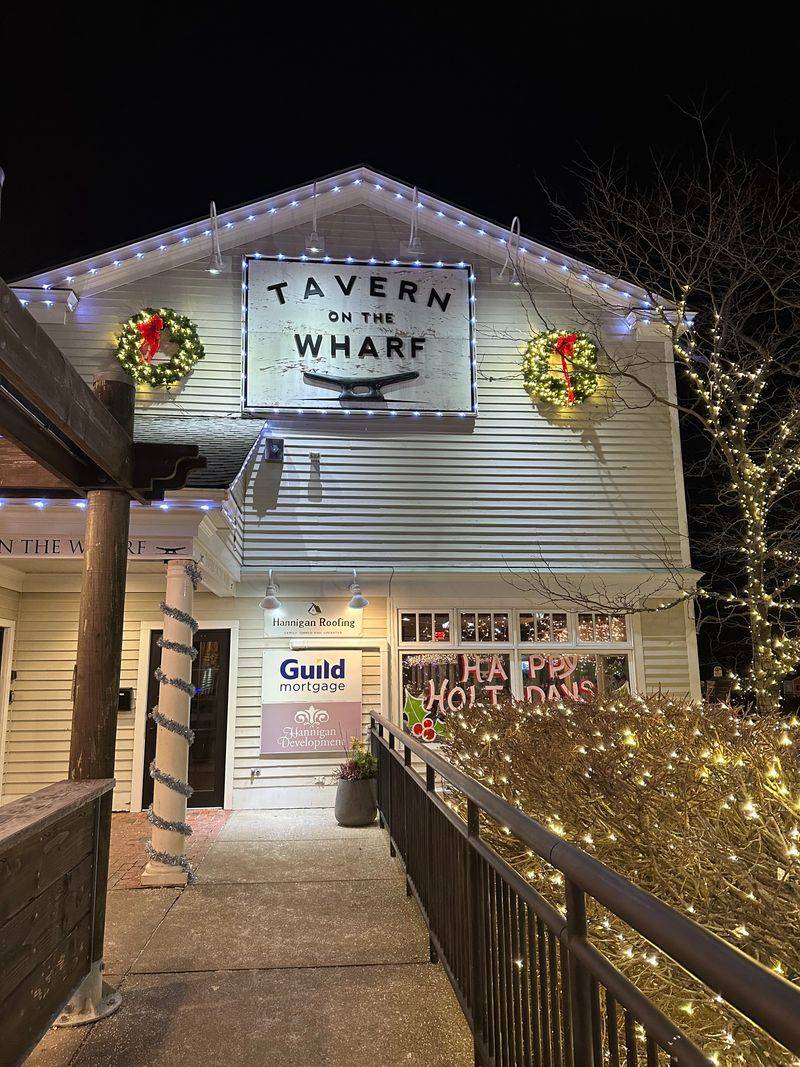
Harborwalk restaurants, charter boats, and souvenir shops crowd this lively stretch. You will sample chowder, scan menus for local scallops, and time dessert with sailboat silhouettes at dusk. Street performers and fishermen share the same salt air without ceremony.
For a calmer window, arrive early and watch sunrise color the breakwater. The piers frame Mayflower II and gulls that argue over bait. It is a working postcard, equal parts commerce and view, setting the pace for a full day inland.
National Monument to the Forefathers
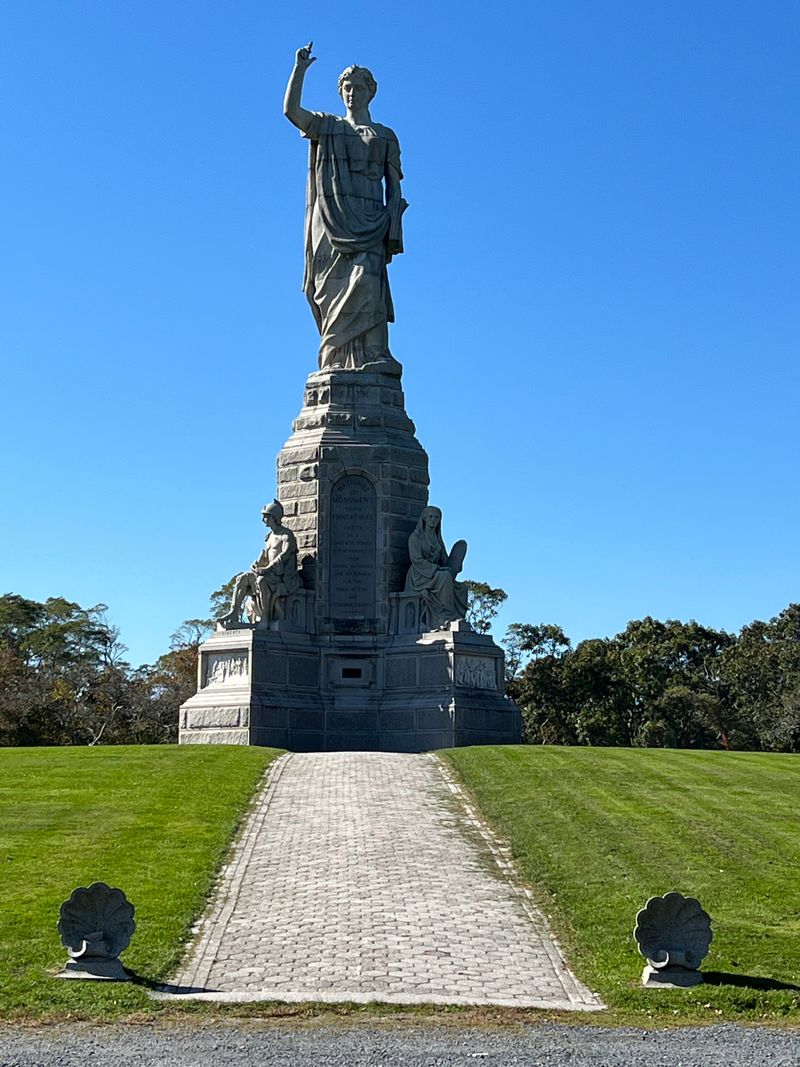
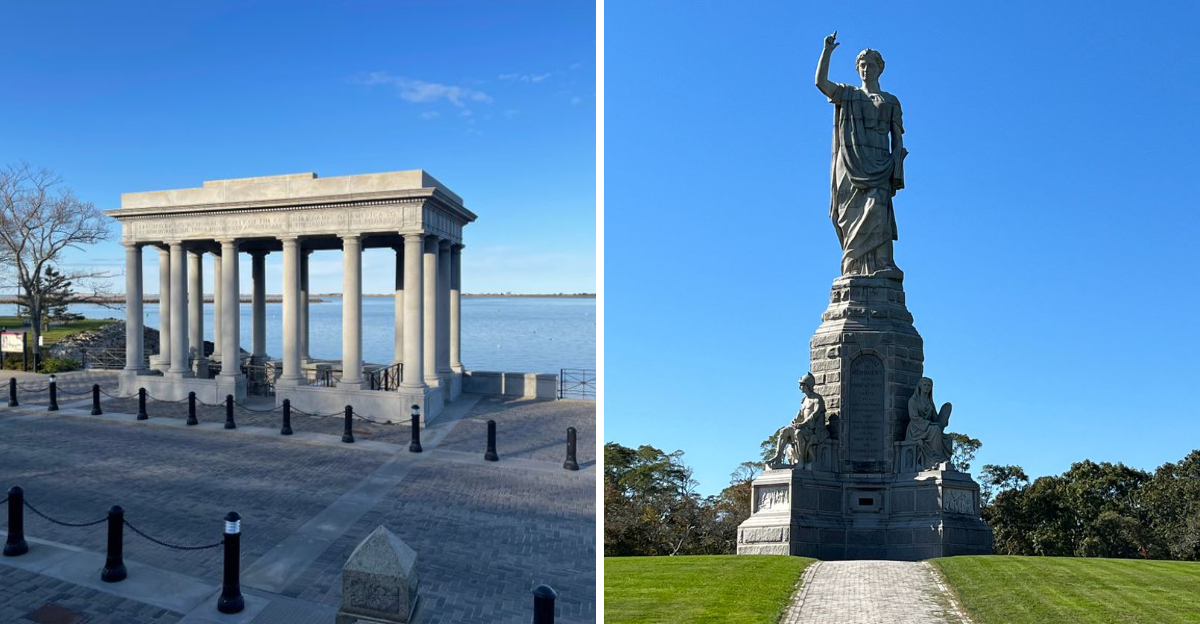
A colossal granite allegory crowns a quiet hill, often missed by first timers. You will circle figures representing Faith, Morality, Law, Education, and Liberty, each with inscriptions to decode. The scale is breathtaking, framing civic ideals in stone rather than museum glass.
Bring a camera and a curious friend. The overlook grants sweeping views and a contrasting mood to the busy harbor. Read the dedication dates to learn how 19th century memory shaped Pilgrim storytelling and patriotic ritual.
Plymouth Cordage Company Museum
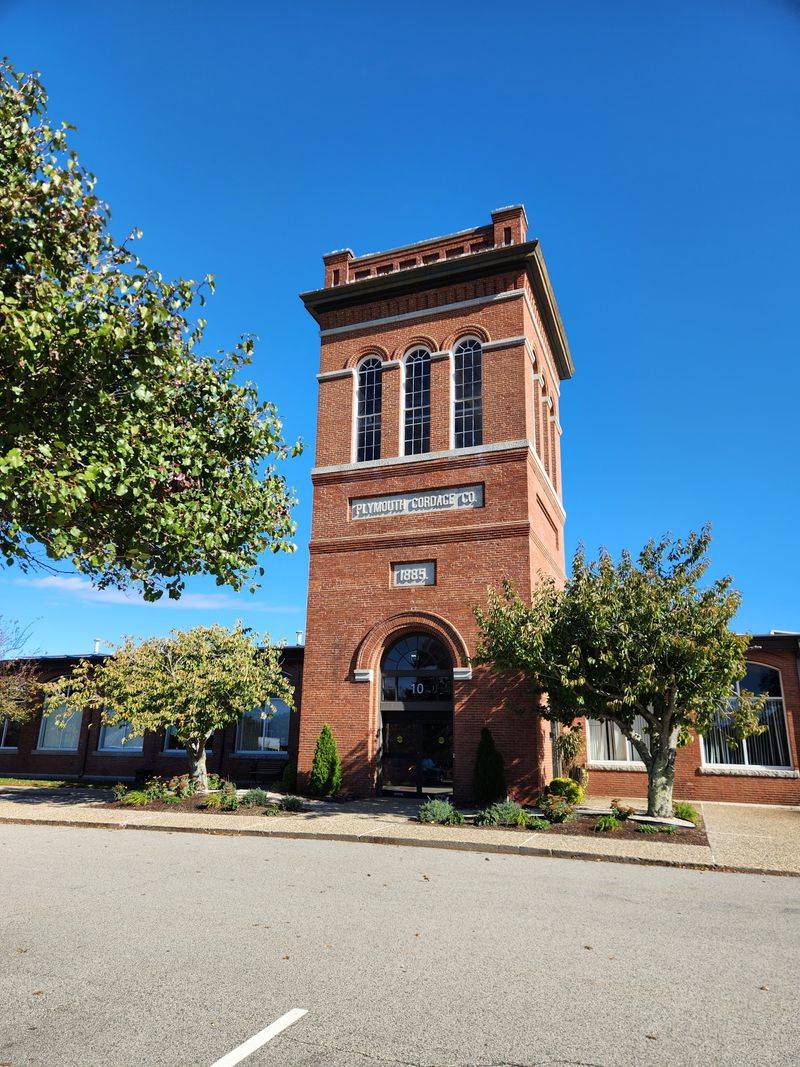
Industrial heritage lives inside this compact museum at Cordage Park. You will learn how rope making powered global shipping and local livelihoods, with machines that stretch the eye down long walkways. The story connects immigrant labor, innovation, and maritime demand.
Exhibits feature tools, pay ledgers, and photos of workers in vast factory halls. Afterwards, explore the repurposed complex for coffee and shopping. It is a smart stop that broadens Plymouth beyond Pilgrims into the age of steam and steel.
Seafood shacks and classic New England bites

Refuel with clam chowder, lobster rolls, and buttery scrod at casual counters along the harbor. You will compare toasted bun styles, debate dill versus tarragon, and chase bites with local craft beer. Freshness travels yards, not miles, from dock to plate.
For dessert, grab maple walnut ice cream or a slice of Indian pudding, a colonial era nod to cornmeal and molasses. Ask servers about daily landings and which boats supply the kitchen. The menu reads like a tide chart.