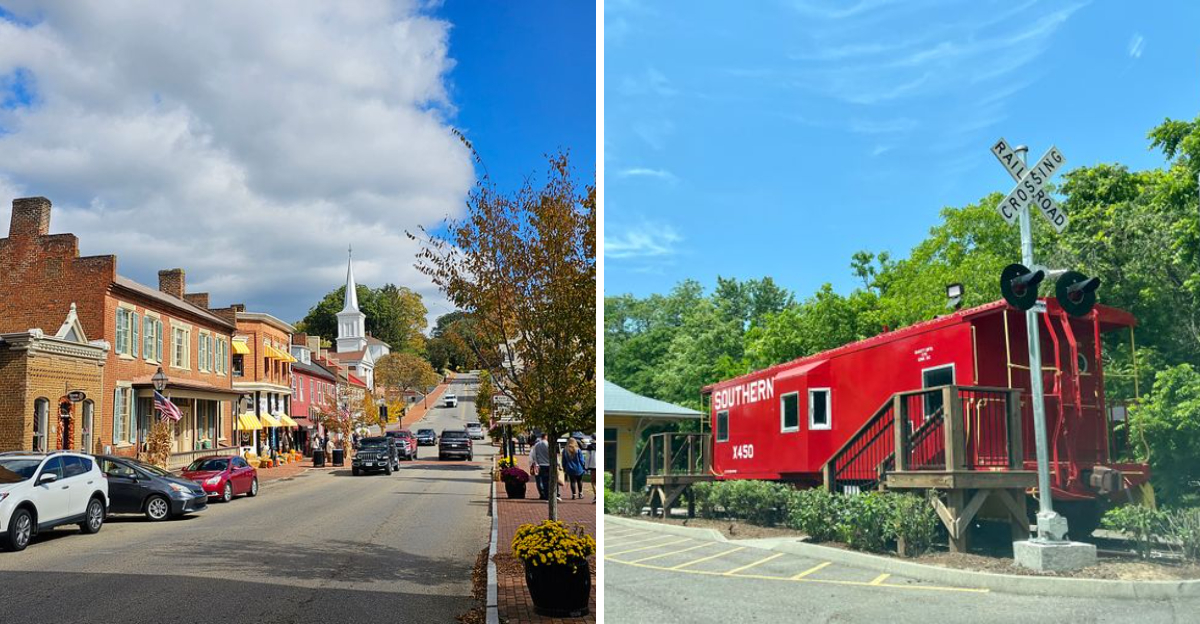
Some towns feel timeless—Jonesborough feels downright immortal. Step into the oldest town in the Southern Appalachians and it’s like the mountains themselves hit pause just for you. Main Street glows with weathered brick, creaky porches, and storefronts that look plucked from another century.
This is a place where history doesn’t sit quietly behind glass. It breathes. It pulls you in. It asks you to slow down long enough to feel the grit and glory of the early days. Jonesborough isn’t just old—it’s alive in a way that catches you off guard. Come ready for charm, for character, and for a mountain town that speaks softly but leaves a lasting echo.
Main Street Historic District overview
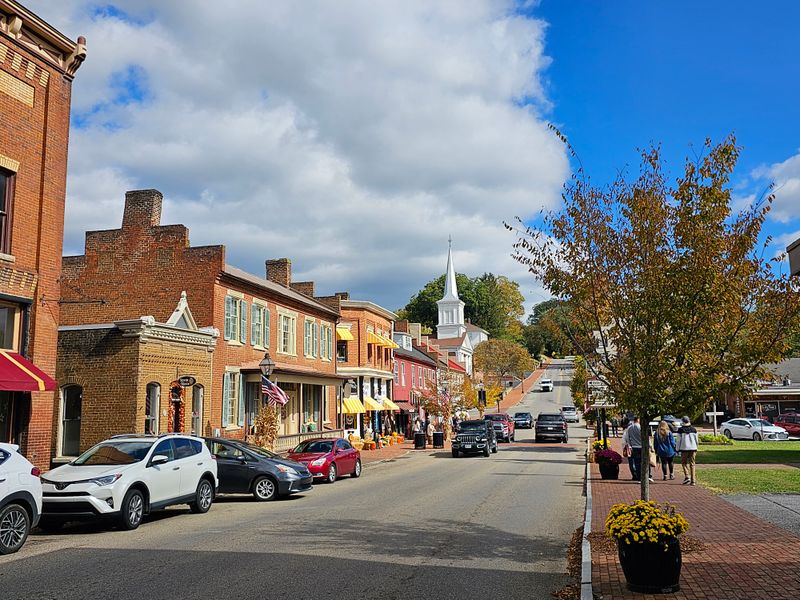
Main Street in Jonesborough is the town’s open air museum, anchoring architecture from Federal to Victorian. Peek into shop windows, then tilt your gaze to cornices, brick bonds, and transoms that survived fires, fashions, and the march of progress. You feel the rhythm of a town that grew with stagecoaches, railroads, and storytelling.
Walk slowly and read the plaques, because dates and names stitch together a longer narrative. You will notice porch lines and roof pitches stepping with the terrain. The mountains frame each block, offering a reminder that this street exists because travelers once needed a reliable path.
Christopher Taylor House and early frontier life
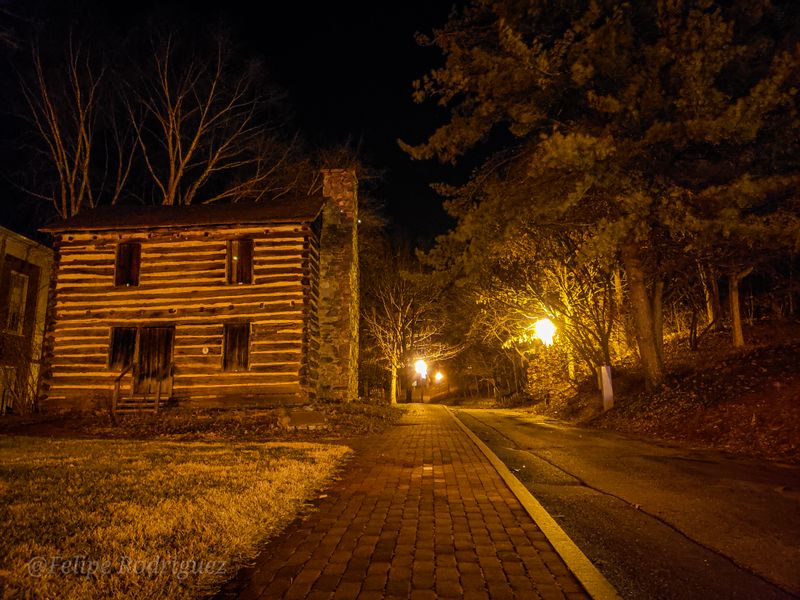
Set on a grassy lot, the Christopher Taylor House is a hand hewn log cabin that makes frontier life feel reachable. You can trace axe marks, smell the wood, and imagine colder nights spent near a small hearth. Andrew Jackson once boarded here, linking national history to a modest frontier room.
Look closely at the notching and chinking that kept weather and wildlife outside. The cabin’s footprint shows how families used multifunctional spaces. You will leave with fresh respect for resourcefulness, and an appreciation for how these structures shaped settlement patterns in the Southern Appalachians.
Chester Inn State Historic Site and Museum
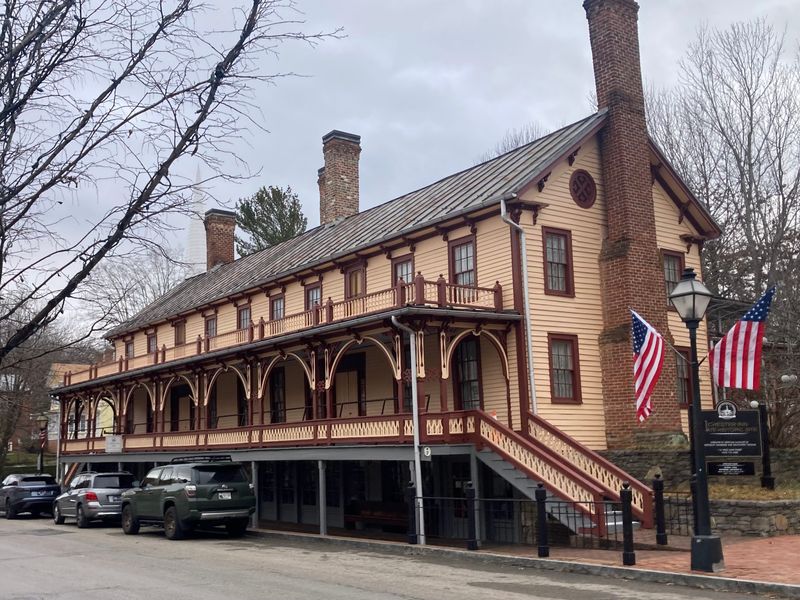
The Chester Inn served travelers along the Great Stage Road, and it still welcomes you with period wallpaper, staircases, and a long porch perfect for lingering. Interpreters share stories of meals, mail, and meetings that once filled these rooms. Exhibits stitch together political debates, business deals, and ordinary nights under oil lamps.
Step into the restored parlor to appreciate furnishings that whisper about class and comfort. Upstairs, rooms reveal how status shaped sleeping arrangements. You will leave understanding why an inn could become a community nerve center, conserving memories as carefully as it preserved plaster and paint.
Tobacco barns, railroads, and regional trade routes
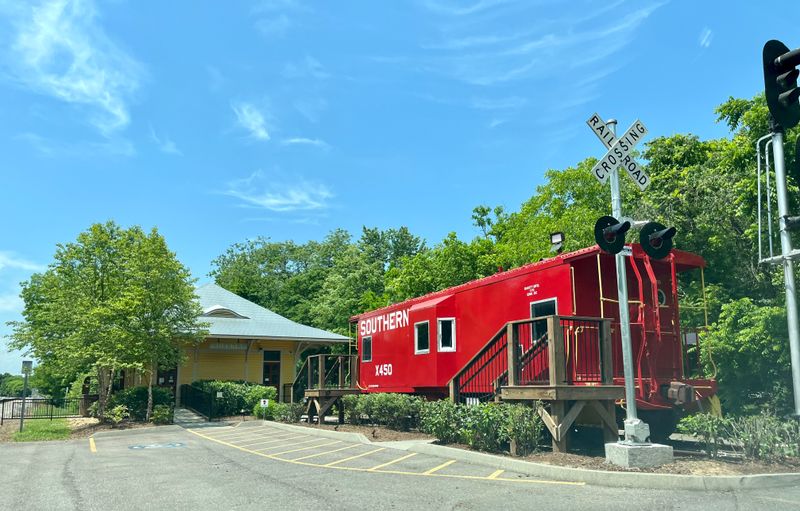
Jonesborough’s economy rode shifting trade routes, from packhorse paths to rail spurs that lifted tobacco and timber. Look for surviving barns and warehouse footprints that once stored leaf before shipment. The town’s grid shows how commerce braided with the Great Stage Road and later rail connections to Johnson City.
Interpretive panels describe grading tobacco, seasonal labor, and auction rhythms. You will understand why storefront depths and alleyways matter, channeling goods from wagons to counters. Even without trains rolling past, the infrastructure remains readable, whispering about a region that bartered, shipped, and adapted to changing demand.
Courthouse Square and civic memory
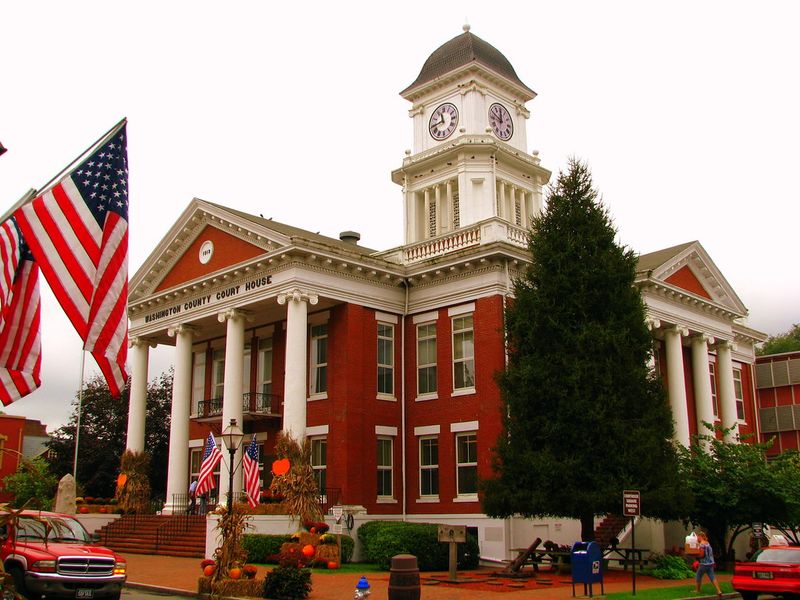
The Washington County Courthouse anchors a hilltop that has witnessed elections, speeches, and ordinary courthouse steps conversations. Its classical lines assert stability while the surrounding square hosts markets and gatherings. Stand there and you sense how law, trade, and gossip meet in one public stage.
Read the monuments but also look for brick color shifts showing expansions. You will notice orientation toward Main Street, keeping civic life visible to passersby. From this vantage, mountains silhouette the horizon, reminding you that every ordinance and deed had to make sense within the constraints of the land.
Heritage Alliance tours and archival research tips
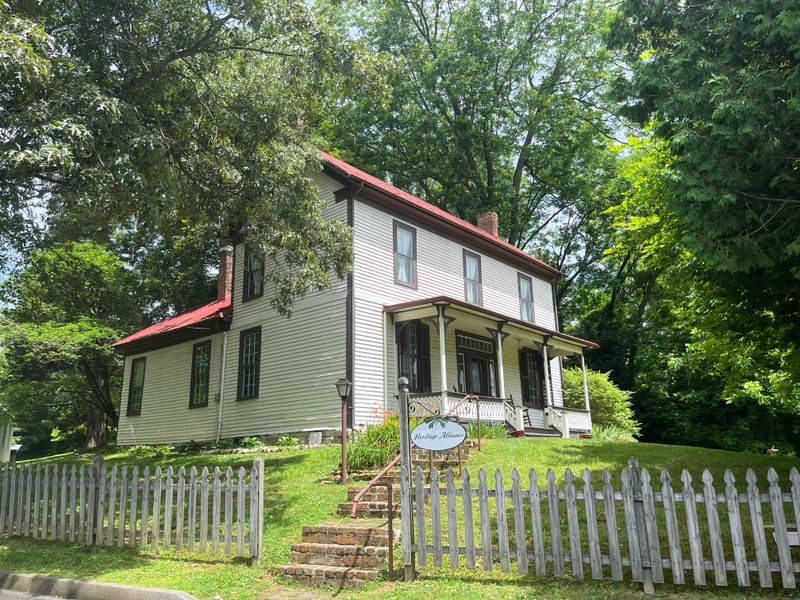
The Heritage Alliance offers tours that stitch sites into stories, plus archives where you can chase family names. Start with a walking tour, then book an appointment to handle maps, deeds, and photographs. Staff guide you toward sources that make genealogical searches less guesswork and more discovery.
Bring a notebook, phone camera, and patience. You will learn to read land plats and city directories like locals read the weather. Afterward, walk the streets again and watch details pop. Research turns doors into thresholds and dates into living anchors for your own narrative.
Mountainside overlooks and golden hour photography
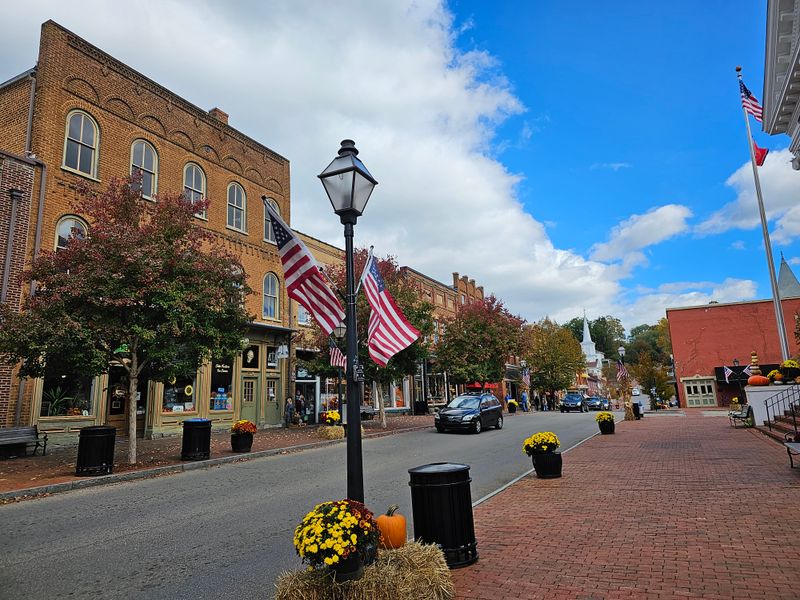
For mountain views, head to nearby overlooks in the late afternoon when ridges layer in blues and golds. Bring a lightweight tripod and shoot along Main Street toward the hills, catching reflections in old glass. Golden hour softens brick and makes cornices glow.
Compose with leading lines from sidewalks and storefront awnings. You will appreciate how the town’s scale lets you frame architecture and peaks together. When the streetlights blink on, switch to a fast lens for handheld shots. The resulting images feel timeless without filters, just mountain air and patient light doing the work.
Local makers, galleries, and traditional crafts
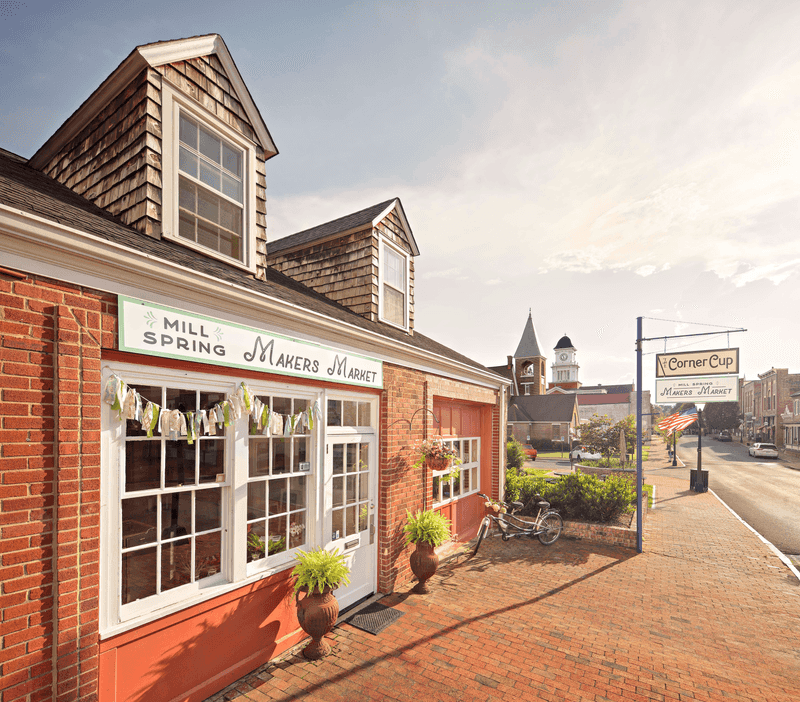
Jonesborough’s shops turn heritage into handmade goods, from pottery and letterpress prints to woven textiles. Step inside galleries to meet makers who can explain clay bodies, glaze chemistry, or loom setups. Buying here keeps skills alive and ties your visit to the town’s working present.
Ask about demonstrations or short workshops. You will carry home something that smells like linseed or feels warm from a kiln. The storefronts hum with small batch energy, and the conversations are half the art. Craft in Jonesborough feels grounded, useful, and beautiful, echoing the frontier habit of making what you need.
Dining classics and Appalachian ingredients
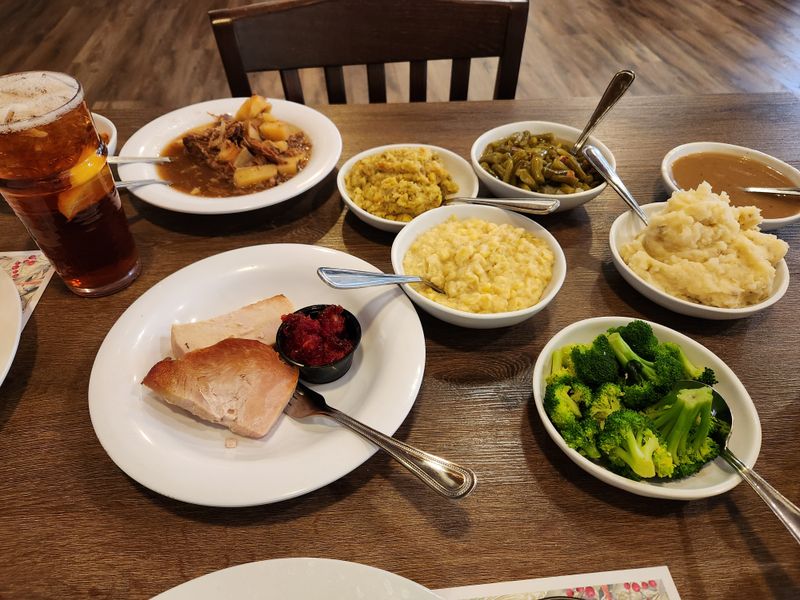
Meals in Jonesborough lean into cornbread, trout, beans, and seasonal produce, with pies that make leaving difficult. Look for menus nodding to ramps, sorghum, and pickled relishes that brighten plates. Coffee shops fuel long walks, while porch seating turns lunch into street theater.
Ask about daily specials sourced from nearby farms. You will taste why Appalachian cooking values thrift, garden rhythms, and smoke. Save room for dessert, because the bakeries understand crust. After dinner, a slow stroll past brick facades feels earned, and the mountain air wraps everything in a clean finish.