Travelers don’t realize it until it’s too late—Europe’s most charming cities can also be playgrounds for pickpockets. Sunlit plazas, packed metros, and dreamy old streets create perfect distractions, and thieves love a distracted tourist.
One wrong move—an open bag, a phone waved around, a wallet in a back pocket—and suddenly the “perfect trip” turns into a scramble to cancel cards and retrace steps.
It happens fast. It happens everywhere. And it happens even to people who swear they’re careful. Here are the most common mistakes travelers make in Europe, and how those tiny choices can invite the wrong kind of attention.
Crowded public transport during rush hours
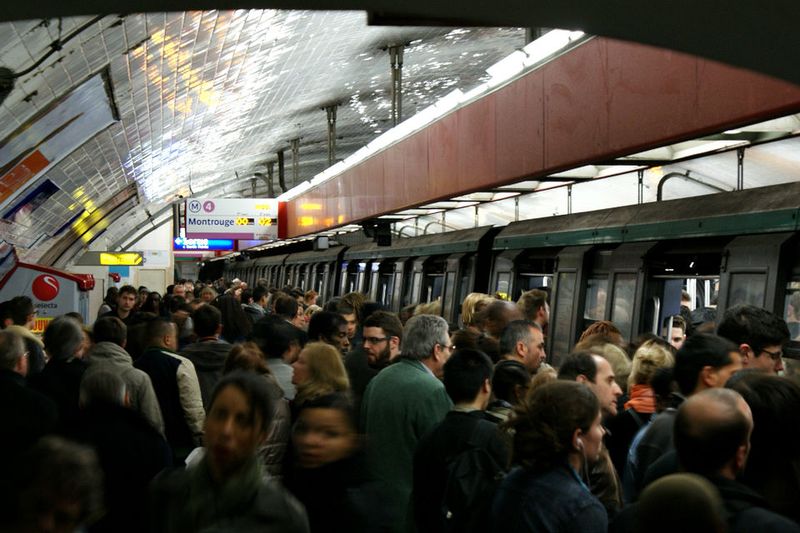
Congested metros and trams make perfect cover for roaming hands. Thieves ride the busiest lines and time their moves as doors open, so you cannot react before they slip away.
Backpacks with unzipped pockets near chest height are especially vulnerable in crushes. Stand with your bag in front, zippers up top, and one hand resting on a strap.
Avoid lingering near doors where push-and-go thefts happen. If you feel a distraction or bump, instinctively check your phone and wallet.
Distracted sightseeing and photo taking
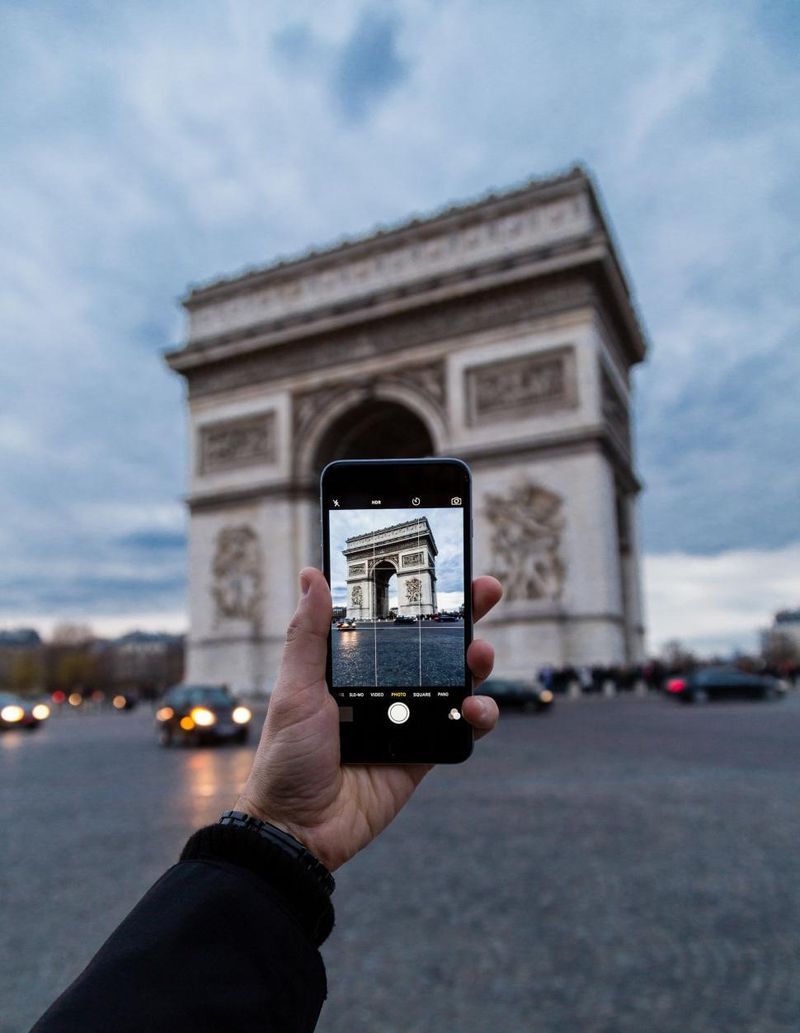
Framing the perfect shot takes attention away from your surroundings. Thieves watch for the moment your arms lift and your focus narrows to a screen. Loose crossbody bags and open tote tops become easy targets when your body posture broadcasts distraction.
Before shooting, plant your feet, tuck valuables under a zipped layer, and keep a hand on your bag anchor point. Use wrist straps and lanyards for phones. Set a quick mental timer, snap, then scan left-right-behind before lingering.
Obvious tourist signals and flashy gear

Brand signals and new gear telegraph that you are unfamiliar and well stocked. Shiny cameras, logoed luggage, and team shirts that scream not local help thieves prioritize targets. Even bright luggage tags can broadcast where to look during check-ins.
Dial down the shine: neutral clothes, discrete bags, and camera gear stowed between shots. Replace manufacturer straps with low-key ones. Keep one decoy wallet with small cash and separate cards across pockets so nothing single-point fails.
Unsecured bags at cafes and restaurants
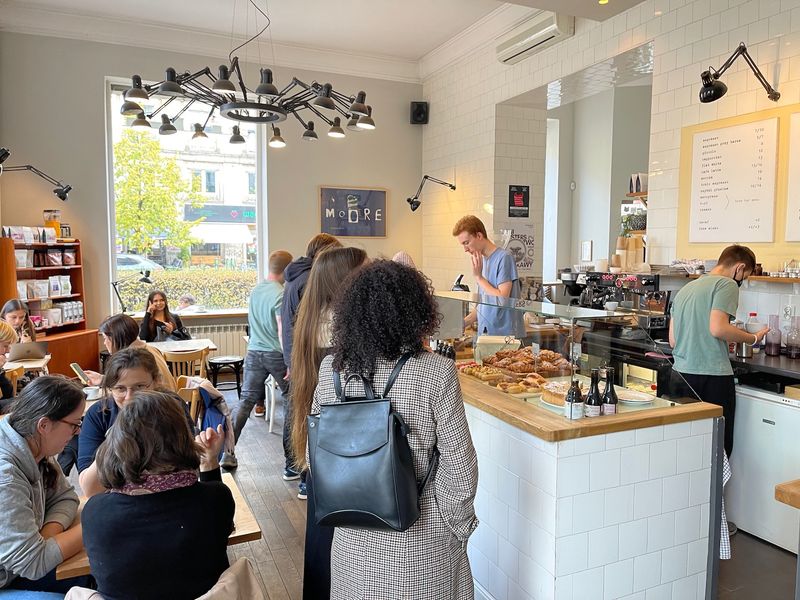
Restaurants feel safe, which relaxes defenses. Bags looped on chair backs vanish quietly when someone distracts you with a dropped item or menu question.
Outdoor terraces near sidewalks are prime lanes for grab-and-go thefts while you watch the street performance.
Anchor your bag with a carabiner to the table leg or your ankle. Place valuables in an inner pocket facing your body. Keep phones off the table edge and use a slim anti-slash strap if dining outdoors.
Phone snatches near train doors and scooters
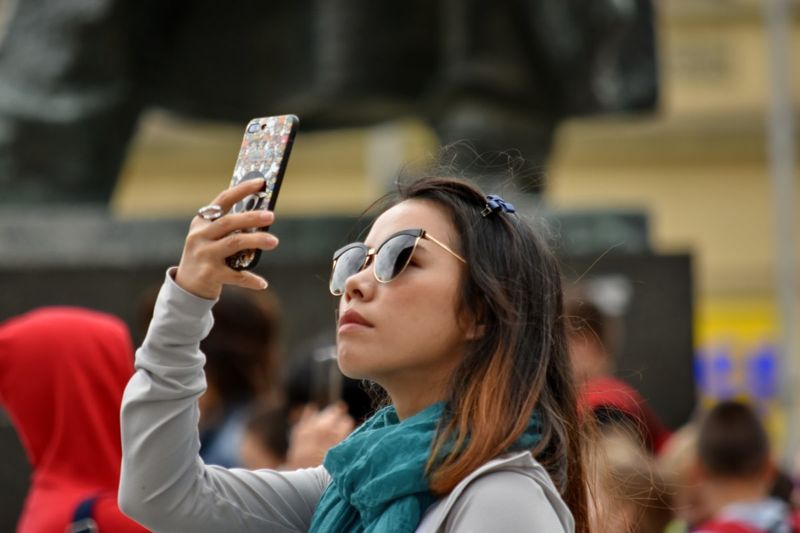
Phones are the fastest grab in town. Thieves time snatches as scooters pass or transit doors chime, exploiting your one-handed grip and exit focus. Outdoor seating near curb lanes can also create easy drive-by angles.
Hold your phone with two hands near buildings, not the curb. Use a wrist lanyard or finger loop. On transit, step back from doors and keep devices away from aisle reach. If mapping, screenshot directions and pocket the phone between checks.
ATM withdrawals without situational awareness
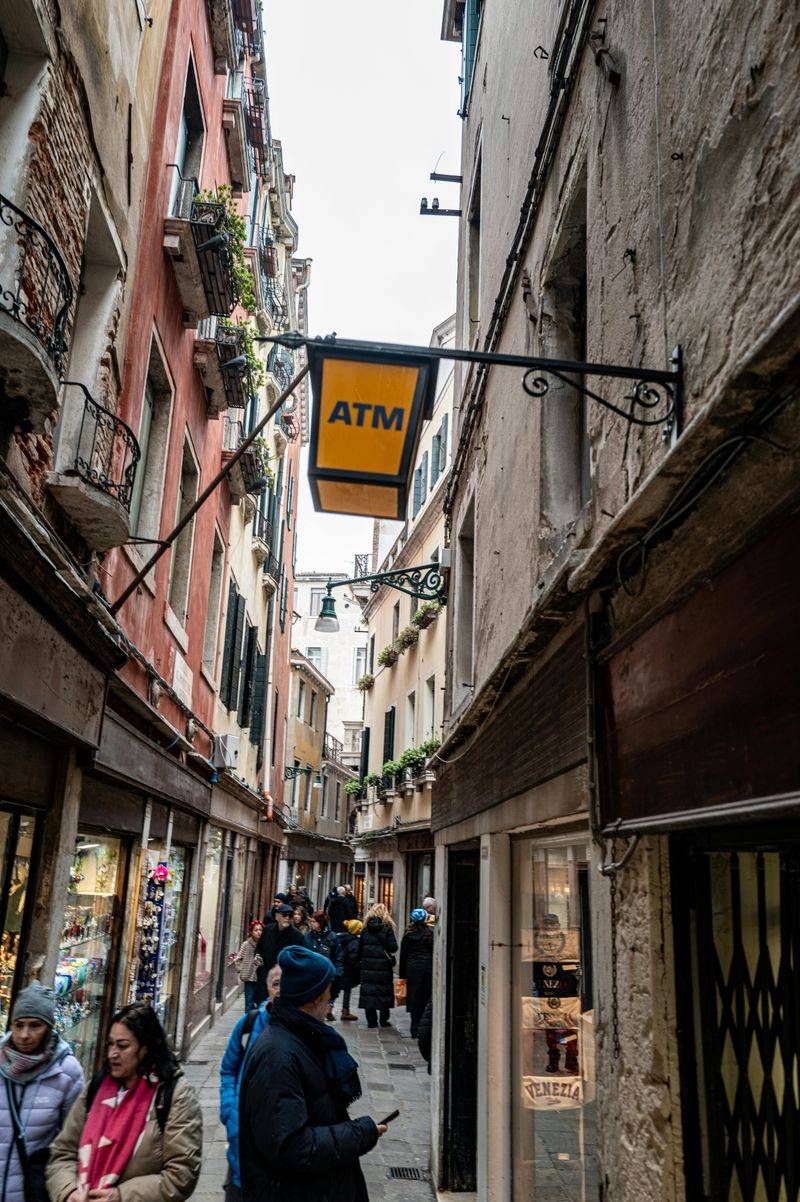
Cash points concentrate risk. Shoulder surfers watch for PINs, then deploy distraction or card swap tactics as cash dispenses. Isolated vestibules at night increase pressure to rush and miss the setup.
Use ATMs inside banks during business hours. Shield the keypad with your forearm, decline help from strangers, and pocket money before stepping away.
If anything feels off, cancel and move to another branch. Consider contactless payments to reduce cash exposure entirely.
Overloaded pockets and open backpacks
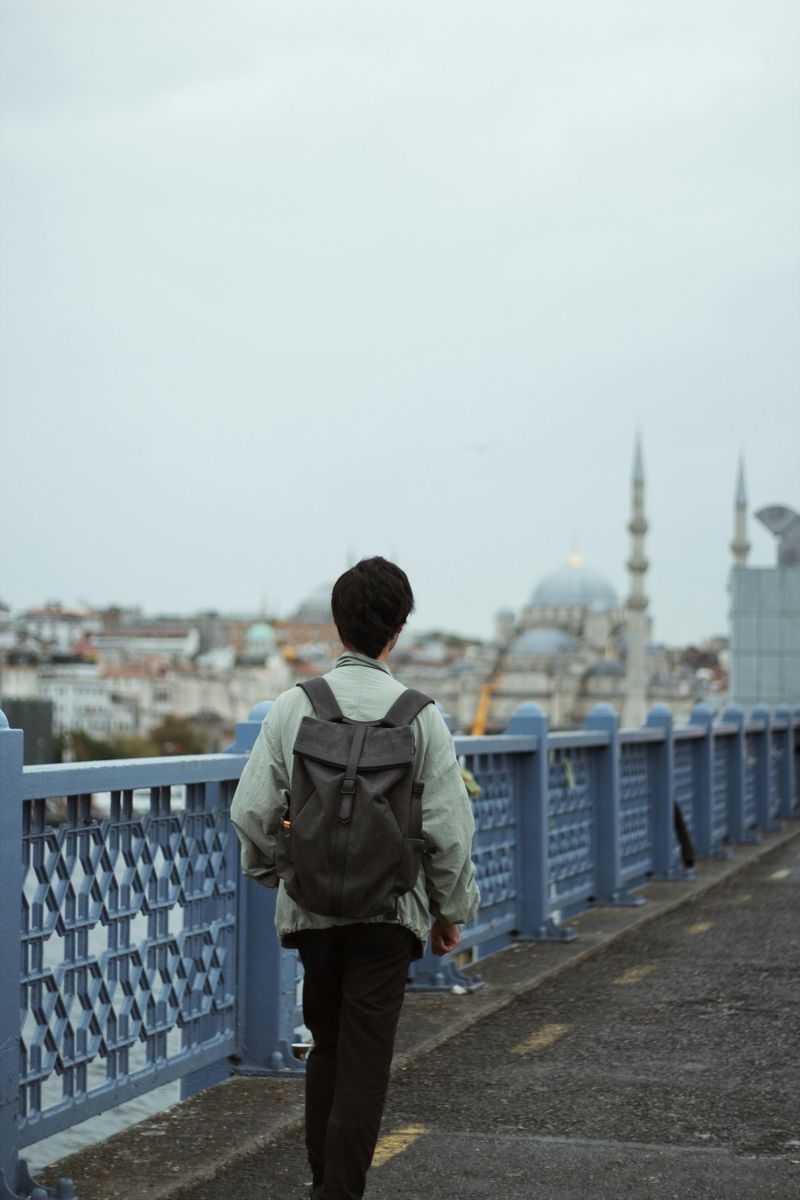
Bulging back pockets advertise exactly where to reach. Open or strained zippers on overpacked bags create gaps that fingers exploit without you feeling a thing. Markets and festivals amplify these weaknesses with constant jostling.
Move wallets to front zip pockets or a money belt under clothing. Balance loadouts so zippers close fully and lock with tiny clips. Keep only a day’s worth of cash on you and distribute backups to reduce any single hit.
Fake petitions, bracelet scams, and distractions
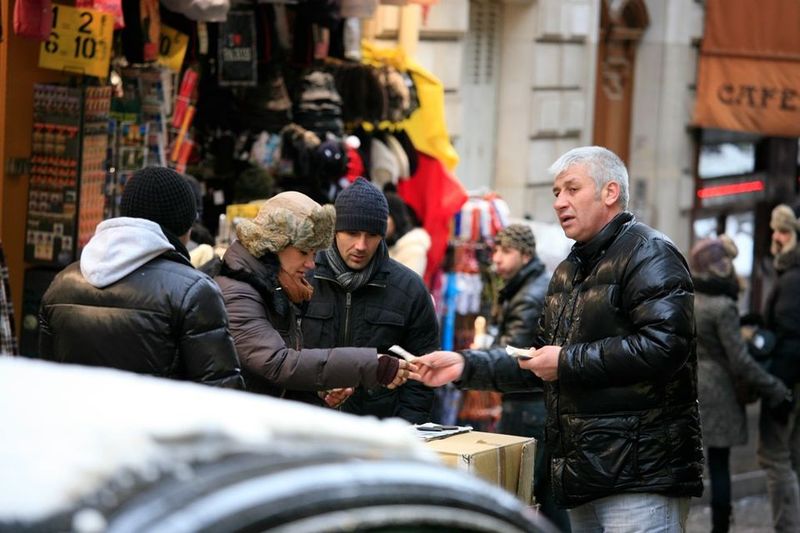
Distraction is a classic tactic. Petition pushers, bracelet sellers, and dropped ring finders engage you while an accomplice works your bag. Emotional hooks and urgency are designed to short-circuit your boundaries.
Decline firmly, keep moving, and protect your space. Do not sign, donate, or let anything be tied to your wrist. If blocked, pivot and step away toward crowds or staff. Keep zippers closed and anchored before entering tourist hotspots where these scripts run daily.
Nightlife fatigue and late returns
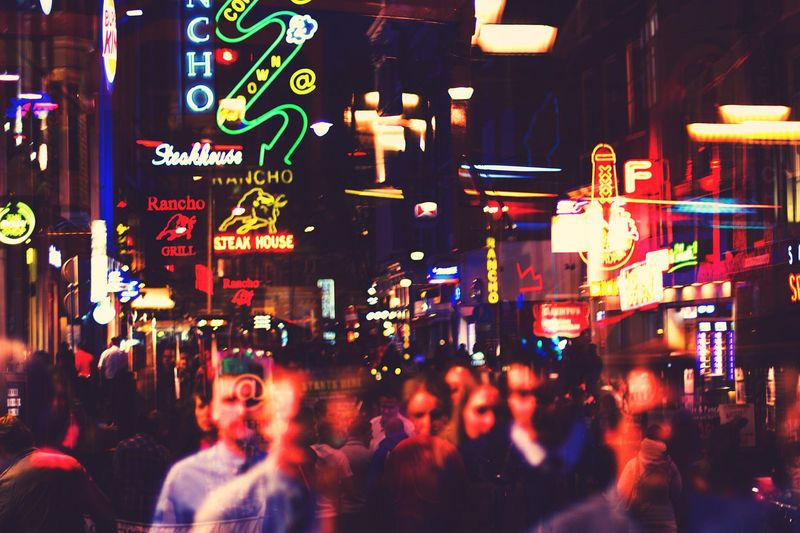
Late nights mix alcohol, fatigue, and dim lighting, which slow reactions. Lone walks back to accommodations or quiet metro platforms invite opportunists. Wallets and phones shift to easier-to-grab pockets when you loosen up.
Plan your ride home before going out. Use licensed rides, travel in pairs, and keep essentials in zipped interior pockets. Set a hard cutoff for device use on the street and do final checks inside venues. Trust your gut and reroute if a street feels wrong.
Confusing arrivals at major stations and airports
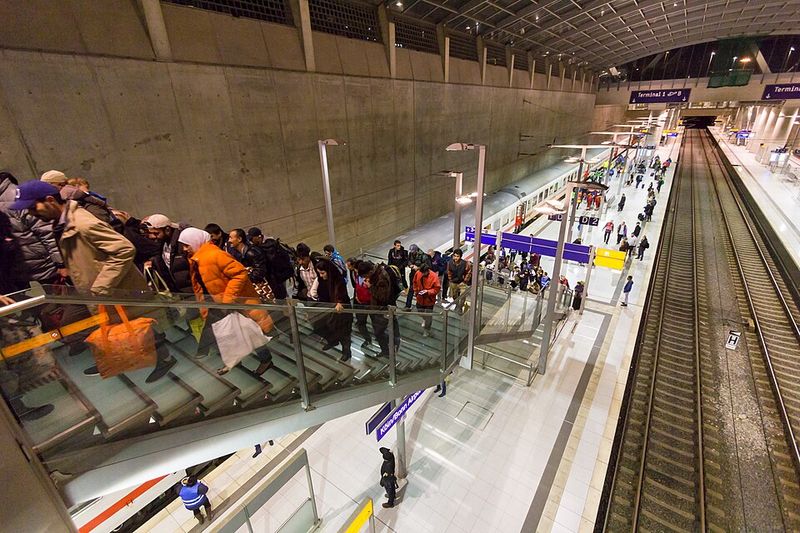
Arrival stress divides attention between signs, platforms, and luggage. Thieves exploit luggage carts, ticket kiosks, and platform crushes when you are unsure of exits. Fake helpers may insist on carrying bags or steering you to unofficial taxis.
Pause away from flow to organize. Keep one hand on bags while reading signs and prebook transfers from official apps. Photograph your luggage and tag it discreetly. Decline unsolicited help and confirm taxi licenses before boarding.
Accommodation complacency and shared spaces
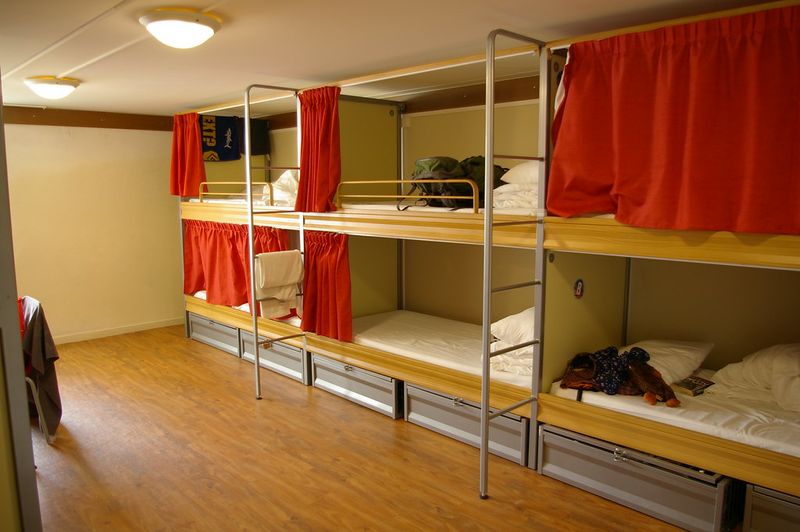
Shared spaces blur public and private. An unlocked dorm locker or apartment window near a fire escape is a quiet invitation. Even nice hotels see corridor fishing when doors are propped for quick trips.
Use solid locks and individual cable tethers to anchor bags. Keep passports in a room safe or hidden pouch on your person.
Close windows and latch doors, even for short bathroom runs. Photograph valuables on arrival so any report is clear.