Step into a tray line and you can almost hear the clatter of plates, the low murmur of regulars, and the promise of comfort on a steam table.
These old-fashioned cafeteria-style spots are more than restaurants.
They are community rooms where time slows and recipes never retire.
If you crave real-deal classics and the gentle rhythm of grab-a-tray service, this guide will take you there, one state at a time.
Niki’s West Steak & Seafood (Birmingham, Alabama)
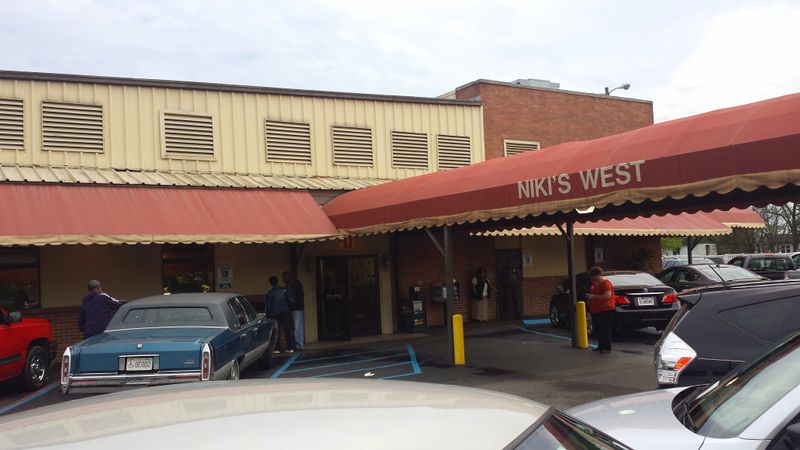
Walk into Niki’s West and the first thing you notice is the gleam of the steam tables and the smell of buttered squash, fried catfish, and yeast rolls. The line moves with the calm confidence of decades, where a nod means gravy and a smile means extra okra. You grab a tray, scan the day’s chalkboard, and know you are about to eat like family.
The meat-and-three ritual here feels reassuringly familiar: crisp fried chicken, broiled snapper, cabbage cooked just right, and banana pudding waiting like a promise. Regulars trade weekday intel on which pies landed fresh, and newcomers quickly learn to say yes to the cornbread. Portions are generous, prices are neighborly, and the service is quick without ever feeling rushed.
What makes Niki’s special is not nostalgia alone, but precision. The vegetables taste tended, the fish tastes clean, and the roast beef carries that slow-cooked hush. You taste time in every spoonful, the kind you cannot fake with shortcuts.
In Birmingham’s dining story, Niki’s is a steady narrator, carrying the city’s meat-and-three memory from the 1950s into now. The dining room hums with multi-generational tables where grandparents point to favorites you will probably adopt. If you want the essence of Southern cafeteria tradition, this tray line tells it straight.
Lucky Wishbone (Anchorage, Alaska)
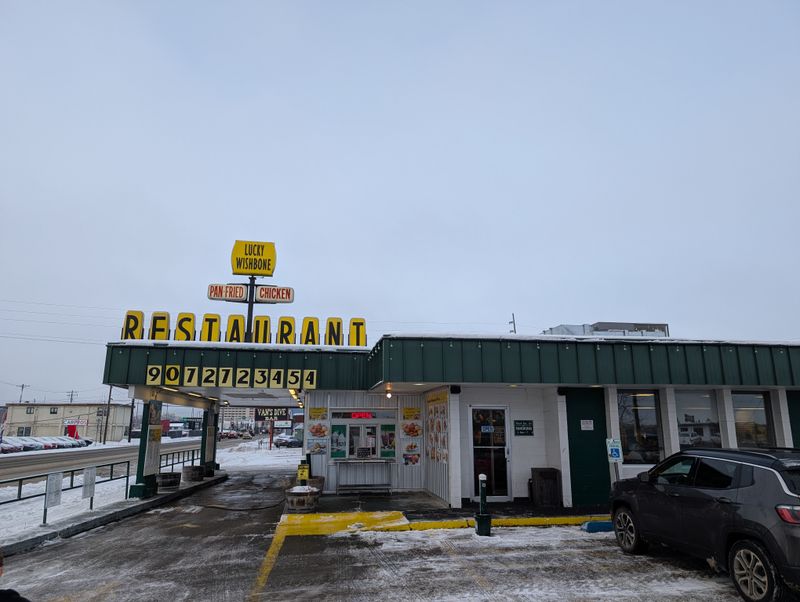
At Lucky Wishbone, the counter hums with a rhythm Anchorage locals have trusted for generations. You grab a tray, watch baskets of golden chicken pass under heat lamps, and find a seat that feels remarkably familiar even on a first visit. The place runs like a mid-century dream, efficient and friendly, with no pretense to clutter the comfort.
The menu is simple and steadfast: crispy chicken, hand-cut fries, malted shakes, and burgers wrapped with the neat care of a lunchroom classic. You see parents pointing out the same booth they sat in as kids, and you nod because it all makes sense here. Food arrives fast, hot, and exactly as promised.
There is an old-school cadence to the service that calms a long day. Orders flow from counter to tray with the crisp precision of a practiced crew. The staff does not oversell nostalgia, they just live it through repetition done right.
In a city where weather and distance can complicate things, Lucky Wishbone offers a straight line to satisfaction. You taste continuity in every bite, the kind that survives trends and headlines. When you want cafeteria-style comfort wrapped in Anchorage history, this is where your tray belongs.
MacAlpine’s Diner & Soda Fountain (Phoenix, Arizona)
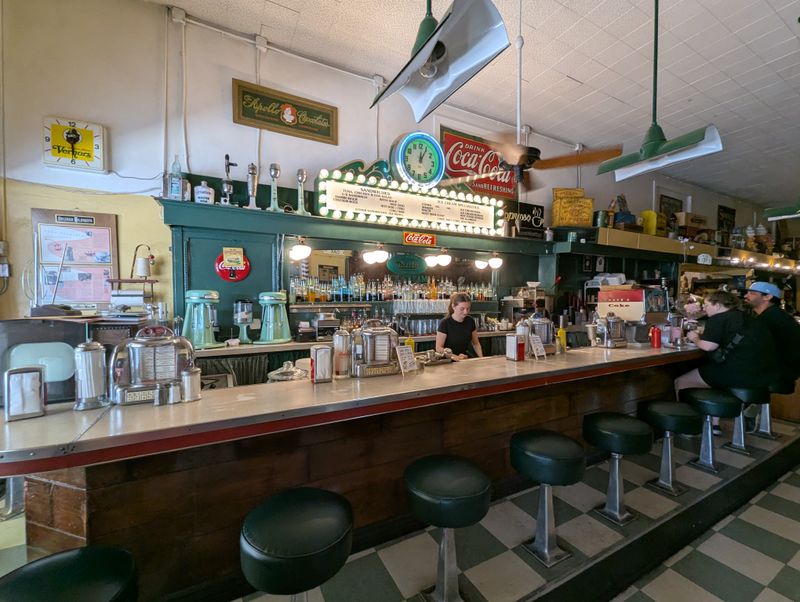
MacAlpine’s Diner & Soda Fountain stands as one of Phoenix’s most evocative throwbacks to mid-20th-century cafeteria and lunch-counter dining. Housed inside a former 1929 pharmacy, the restaurant preserves the look, feel, and service rhythm of an era when meals were meant to be simple, comforting, and communal. While smaller than classic steam-table cafeterias, MacAlpine’s captures the spirit of old-fashioned cafeteria dining through its counter-based service, efficient ordering, and menu of familiar American staples.
Guests order directly at the counter, much like a traditional cafeteria line, choosing from grilled sandwiches, meatloaf, pot pies, and daily comfort-food specials before settling into vintage booths or counter stools.
The restored soda fountain is the centerpiece, serving hand-mixed phosphates, malts, and sundaes prepared exactly as they were decades ago. The experience emphasizes function over flash—quick service, hearty portions, and food that feels rooted in routine rather than trends.
MacAlpine’s endures because it offers something increasingly rare: a dining experience that values nostalgia, consistency, and craftsmanship over reinvention. In a city known for constant growth and change, it remains a living snapshot of how Americans once ate lunch—unpretentious, familiar, and grounded in tradition—making it one of Arizona’s strongest links to classic cafeteria-era dining culture.
Cotham’s in the City (Little Rock, Arkansas)
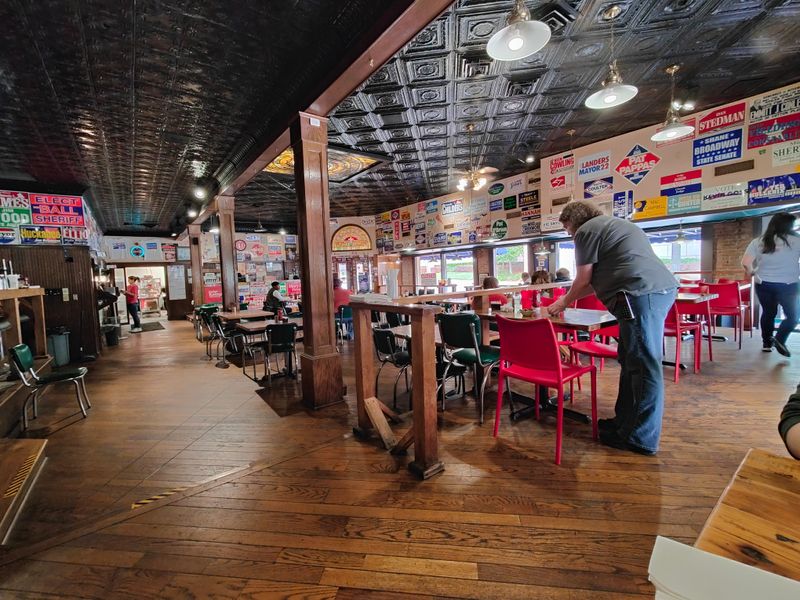
Cotham’s in the City brings a rural legend into a downtown groove without losing the cafeteria spirit. You slide a tray along, weigh the call of a hubcap burger against plate lunches, and watch steam rise from pans of greens and mashed potatoes. The staff works with confident ease, steering regulars and newcomers toward the day’s winners.
Here, comfort food is the headline: fried catfish, country-fried steak, squash casserole, and pies that taste like a bake sale from heaven. Portions are bold, and the mood is unfussy, just the way lunch should be. You can feel Little Rock’s workday heartbeat in the room.
Though service shifts with the hour, the cafeteria-style rhythm remains. Orders move quickly, tables turn naturally, and there is always room for one more plate of cobbler. It is a practical joy, and it never feels forced.
As a bridge between Arkansas tradition and city pace, Cotham’s makes a compelling case for keeping things simple. You come hungry, you leave satisfied, and you carry a little of that small-town spirit back to the afternoon. It is a reliable anchor in a week that sometimes needs one.
Clifton’s Republic (Los Angeles, California)
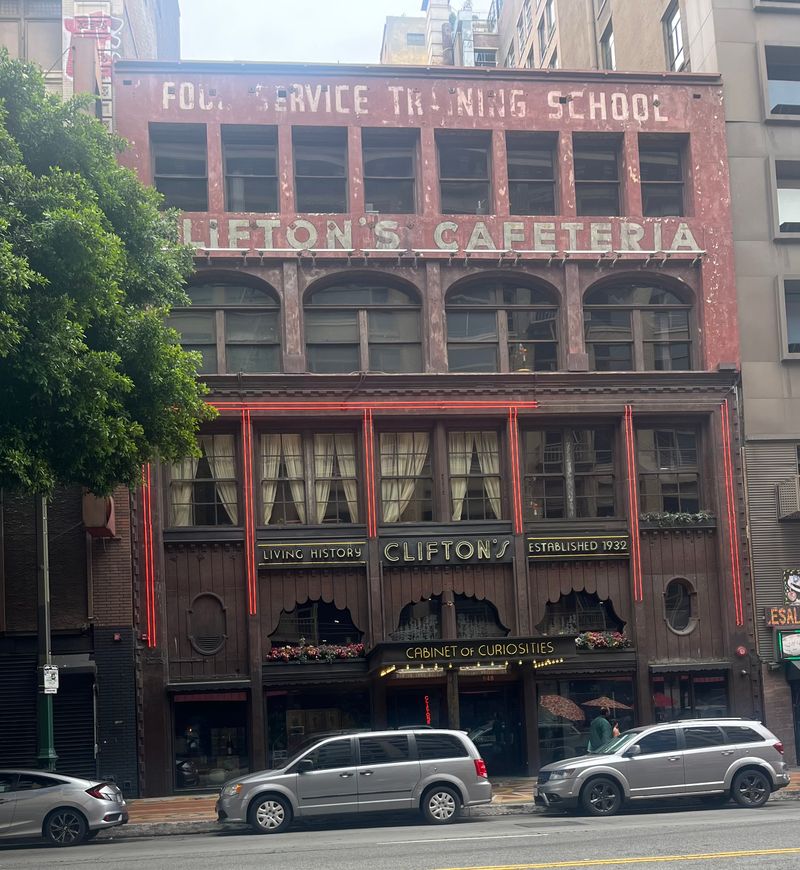
Clifton’s is the cathedral of West Coast cafeteria dining, an ornate dreamscape where tray lines meet fantasy. You step into a towering room of redwood whimsy and art deco glow, then join the parade past carved meats, jello crowns, and coffee poured like ceremony. It is as much theater as lunch, and you feel it in every detail.
The food is classic, steady, and crowd pleasing: turkey with gravy, mashed potatoes, bright salads, and desserts lined up like a choir. You move at your own pace, trusting that the line will reveal what you crave. It rarely misses.
What sets Clifton’s apart is the embrace of wonder alongside routine. The space nudges you to look up, but the plates bring you back to earth, warm and satisfying. It is a rare combination that makes regulars and first-timers feel equally welcome.
In a city that reinvents itself daily, Clifton’s holds the line on tradition. You eat, you wander, you remember that cafeterias can be grand and democratic at once. It is Los Angeles history you can carry on a tray.
Gunther Toody’s (Littleton, Colorado)
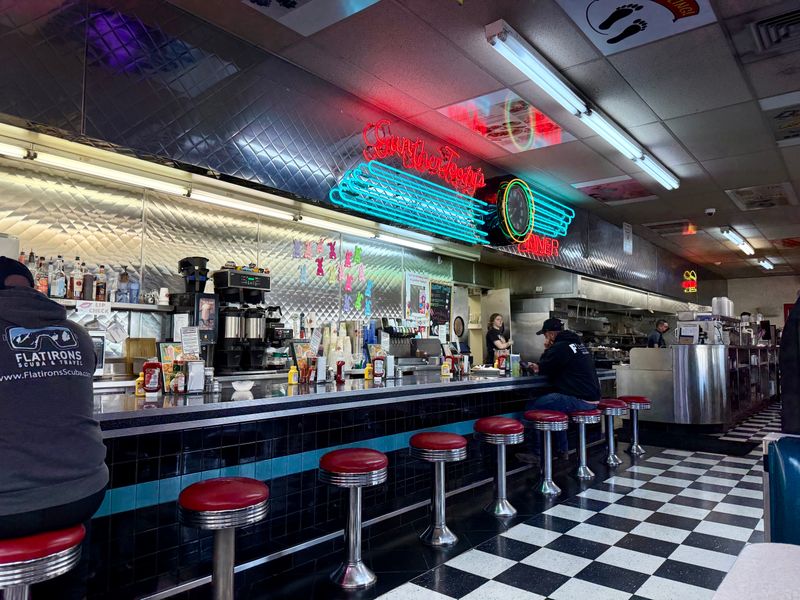
Gunther Toody’s channels a mid-century spirit where cafeteria efficiency meets diner charm. You queue at the counter, take a tray, and watch patties sizzle while meatloaf stays warm in polished pans. The vibe is playful, but the execution is strictly old-school.
Comfort classics are the backbone: blue plate specials, fries that hold their crunch, and shakes blended thick enough to slow down time. The staff keeps the line moving without pressure, giving you a beat to decide between onion rings and a slice of pie. You feel looked after, not rushed.
The room hums with chrome nostalgia, but the food is practical and satisfying. Portions are honest, and flavors lean familiar in the best way. It is the kind of stop that makes a weekday feel like a small celebration.
Littleton’s dining scene moves fast, yet this place proves there is room for tried-and-true. You come for the rhythm as much as the meal, and you leave with that pleasant cafeteria calm. It is retro done with purpose.
Harvest Café (Simsbury, Connecticut)
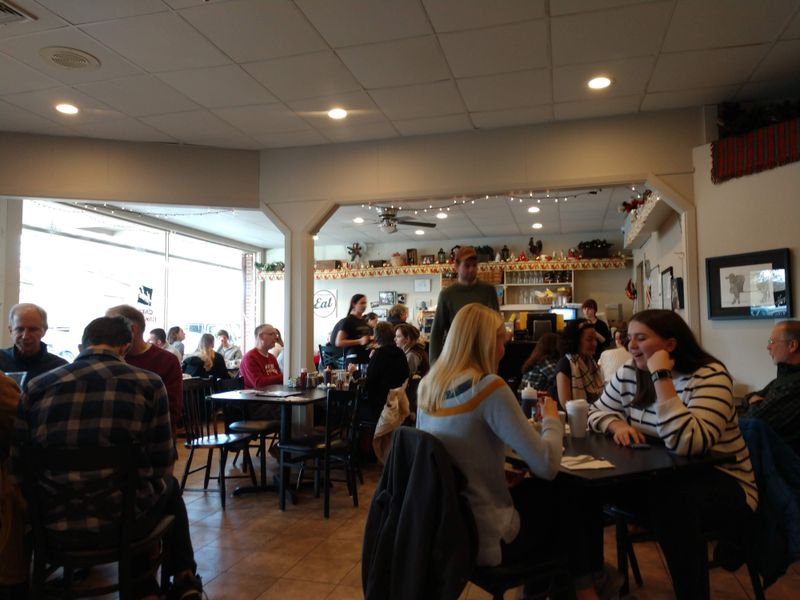
Harvest Café feels like a town square disguised as lunch. You join a short, friendly line, grab a tray, and point toward pot roast, chowder, or a just-baked square of apple crisp. The pace is easy, the prices kind, and the smiles genuine.
Meals here lean New England honest: turkey dinners, mashed potatoes, buttered carrots, and sandwiches built like they mean it. Coffee pours steady, and the dessert case tempts with modest, memorable sweets. It is simple food, done attentively.
What you notice most is the living routine. Regulars greet by name, specials sell out politely, and the staff keeps the steam tables tidy and hot. The consistency is its own comfort.
In Simsbury, Harvest Café delivers cafeteria style without fuss, just dependable flavors on warm plates. You sit by a window, watch the town go by, and feel a little more connected. It is the kind of lunch you wish every neighborhood had.
Helen’s Sausage House (Smyrna, Delaware)
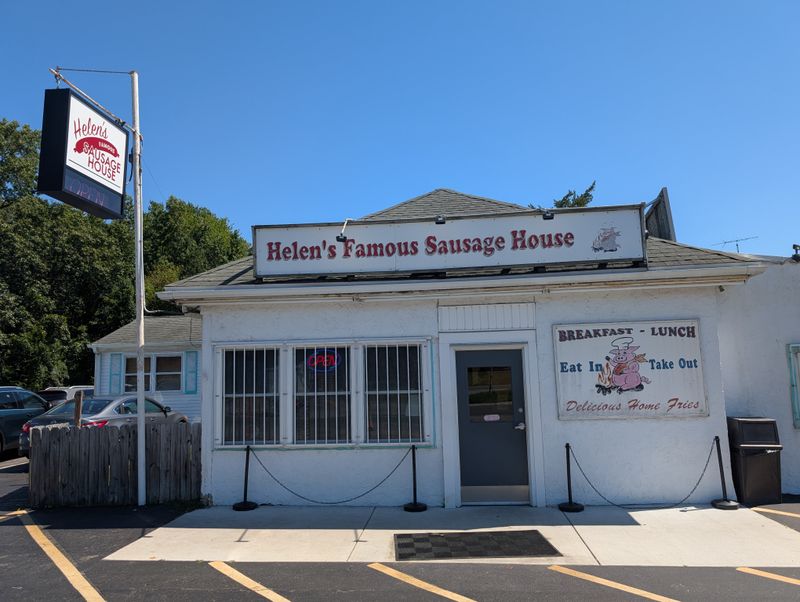
Helen’s Sausage House proves a cafeteria line can be as short as a counter and still feel classic. You step in, catch the aroma of sizzling sausage, and slide along to place an order with brisk, friendly clarity. The line moves, the grill talks, and everyone leaves happy.
Breakfast is the star, piled into rolls that soak up drippings just right. There are eggs, hash browns, and occasional lunch plates that keep the steam-table spirit alive. You get what you came for and then a little more.
The charm is in the no-frills tempo. Trays, baskets, hot coffee, and a griddle that never really cools down. It is quick, satisfying, and grounded in habit.
For Smyrna locals and road trippers alike, Helen’s offers a reliable stop that respects your time. You eat standing or at a small table, smile, and get back on your way. It is cafeteria energy distilled to essentials.
Old Florida Café (Micanopy, Florida)
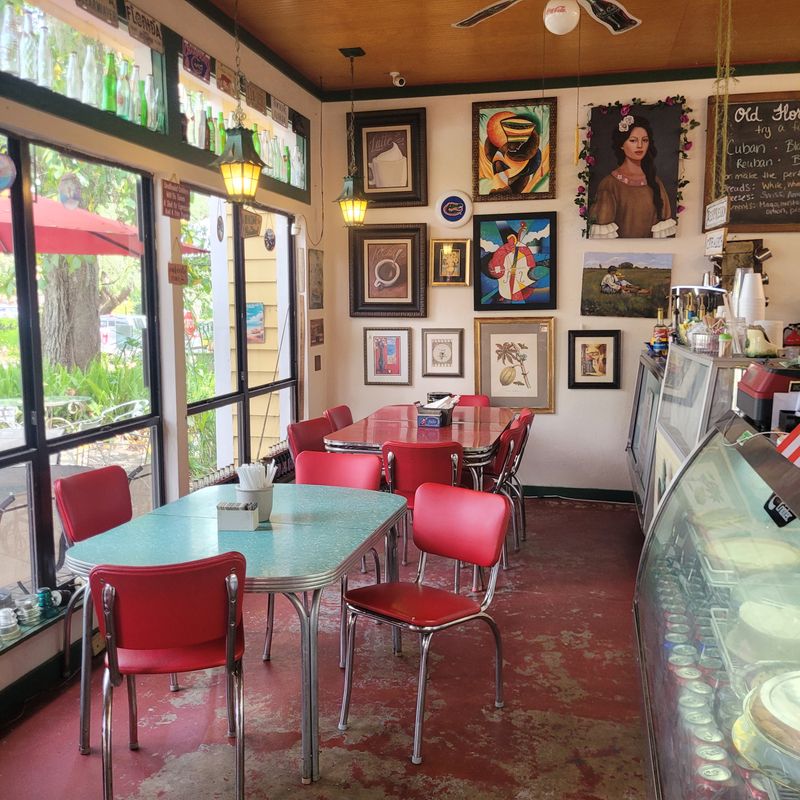
Old Florida Café embodies the spirit of traditional cafeteria-style dining that once defined small-town Florida, where lunch meant moving down a simple service line and choosing from a rotating cast of home-cooked comfort dishes. Tucked into the historic town of Micanopy, the café operates with the same unfussy rhythm that characterized mid-century cafeterias: daily specials written on a board, familiar recipes, and a steady flow of regulars who know exactly what they’re coming for.
The menu focuses on classic Southern and Florida comfort food—fried chicken, meatloaf, vegetables slow-cooked with care, and house-made desserts—served quickly and without pretension. Guests order at the counter, much like a traditional cafeteria line, before settling into the cozy dining room that feels more like a community gathering space than a modern restaurant.
The emphasis is on nourishment and consistency rather than novelty, echoing the role cafeterias once played as dependable neighborhood institutions.
What makes Old Florida Café especially resonant is its preservation of atmosphere as much as food. The décor, pace, and service style evoke a time when cafeterias were central to everyday life, offering affordable, filling meals to locals and travelers alike. In an era dominated by fast-casual concepts, Old Florida Café remains a quietly authentic reminder of Florida’s old-fashioned cafeteria culture and small-town dining traditions.
Mary Mac’s Tea Room (Atlanta, Georgia)
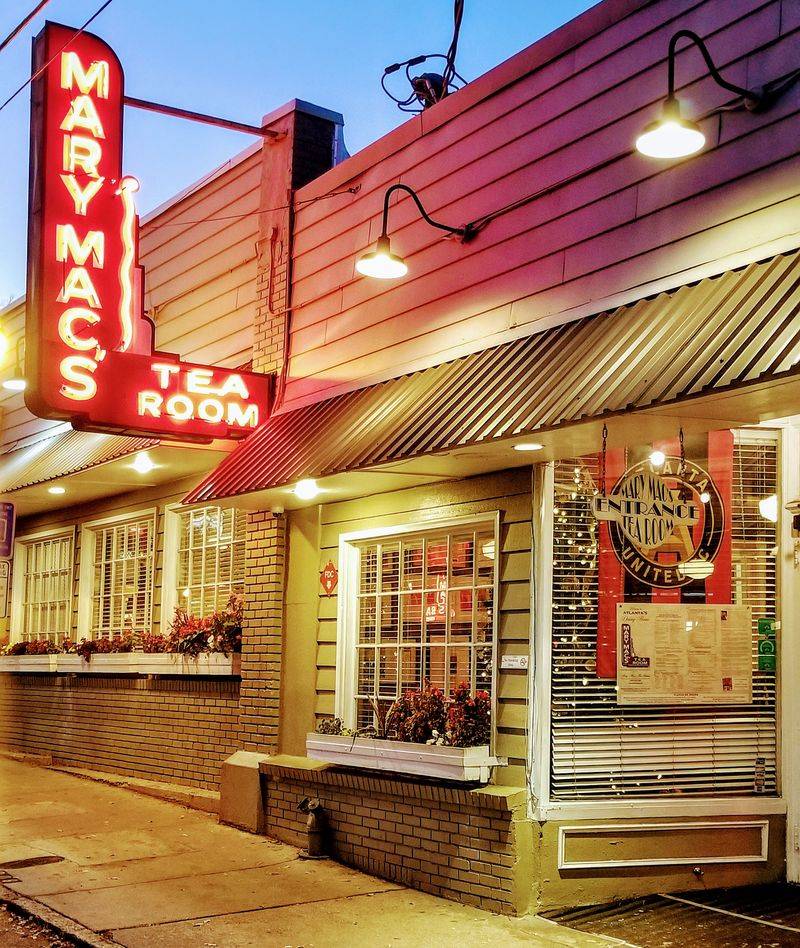
Mary Mac’s may seat you at a table, but the spirit feels like a cafeteria born from Atlanta tradition. Lines form at peak hours, menus read like family stories, and the flow of plates keeps time like a band. You come for comfort, and you get it with hospitality that feels practiced and personal.
The kitchen turns out fried chicken, pot likker, collard greens, and cobbler that sings. Servers guide you through sides like a friend who knows your taste better than you do. Everything lands hot and just seasoned enough.
There is ceremony without fuss here. Pimento cheese arrives, tea glasses never sit empty, and the hum of conversation rises to a pleasing din. It feels like the city eating together.
For anyone chasing the old-fashioned cafeteria feel with table-side grace, Mary Mac’s bridges both worlds. You will leave with leftovers and a sense you have been part of something timeless. That is the Atlanta promise kept.
Harry’s Café (Honolulu, Hawaii)
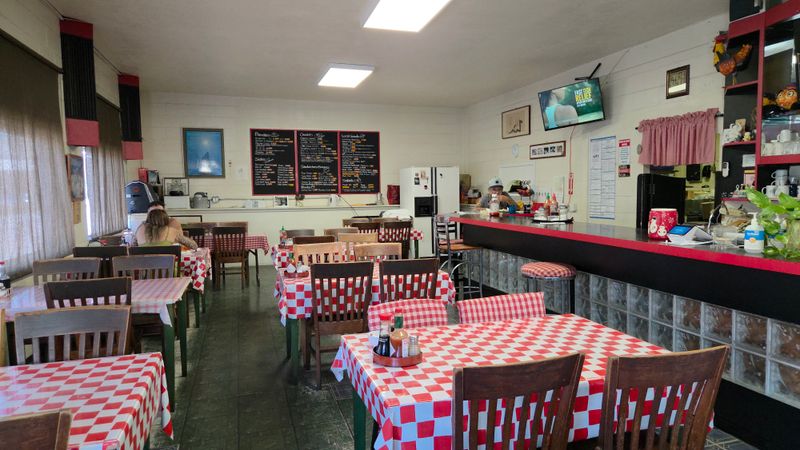
Harry’s Café represents a fading but deeply meaningful chapter of Hawaii’s cafeteria-style dining tradition, where simplicity, speed, and comfort mattered more than presentation. Long before modern plate-lunch spots and upscale island dining took hold, places like Harry’s served working locals with straightforward counter service and familiar, filling meals. Its approach echoes classic cafeteria culture: order at the counter, receive food quickly, and settle in without ceremony.
The menu reflects Hawaii’s blended food heritage, offering hearty, no-nonsense dishes that prioritize satisfaction over trends. Portions are generous, prices are accessible, and the atmosphere is practical rather than polished—hallmarks of traditional cafeteria-era restaurants. Like many old-fashioned cafeterias, Harry’s functions as a neighborhood anchor, attracting regulars who value consistency and routine as much as the food itself.
What truly connects Harry’s Café to classic cafeteria dining is its sense of purpose. It exists to feed people efficiently and reliably, not to impress them. The interior, service style, and menu remain grounded in everyday utility, mirroring the role cafeterias once played across America as dependable places for lunch and dinner.
In a city where dining options are increasingly driven by tourism and reinvention, Harry’s Café stands out as a modest, enduring reminder of Honolulu’s working-class cafeteria roots and the timeless appeal of uncomplicated comfort food.
Westside Drive-In (Boise, Idaho)
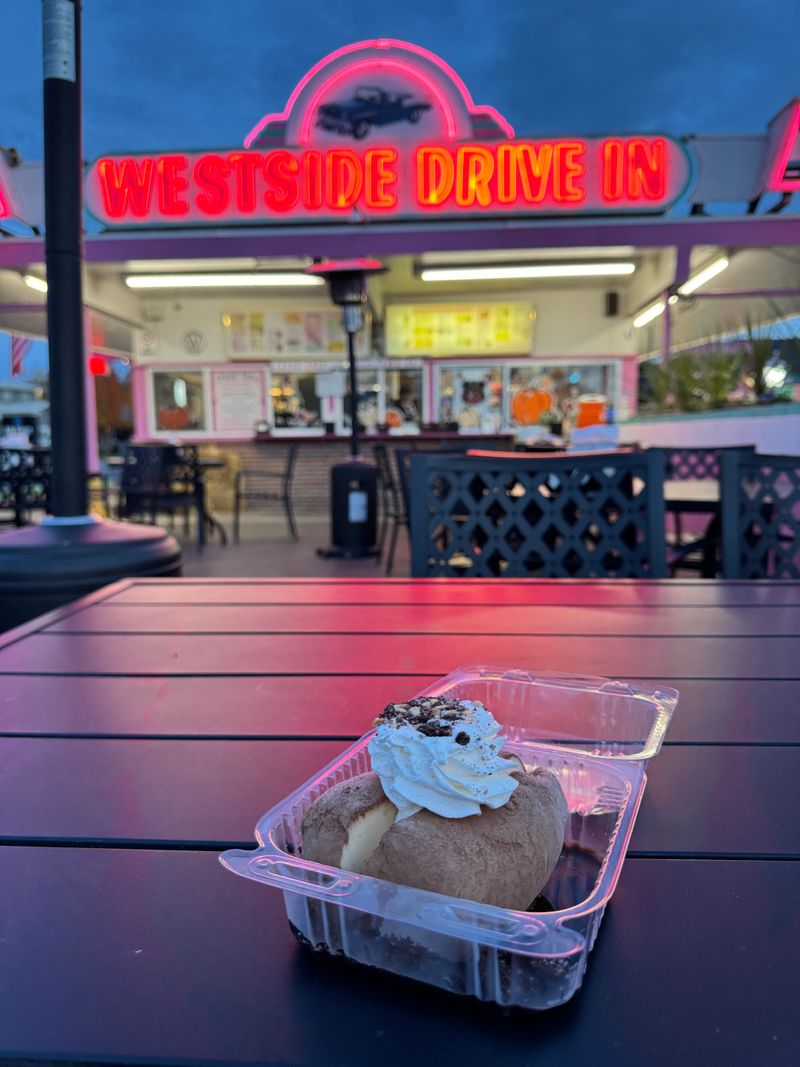
Westside Drive-In blends carhop charm with cafeteria logic. You step to the counter, claim a tray, and watch the kitchen handle burgers, baskets, and blue plates like a polished routine. The neon glow sets a happy tone before the first bite lands.
The menu is a time capsule with perks: finger steaks, meatloaf, baked potatoes, and milkshakes thick enough to slow you down. Portions satisfy, prices keep things friendly, and the staff moves with practiced grace. You feel the rhythm right away.
There is no rush, just momentum. Orders are called, trays are handed off, and families settle into picnic tables with that summer-night ease. It works because it is simple and well kept.
In Boise, Westside proves cafeteria style can thrive in a drive-in frame. You leave with a full stomach and a small grin, like you got away with something sweet. That is nostalgia earning its keep.
Manny’s Cafeteria & Delicatessen (Chicago, Illinois)
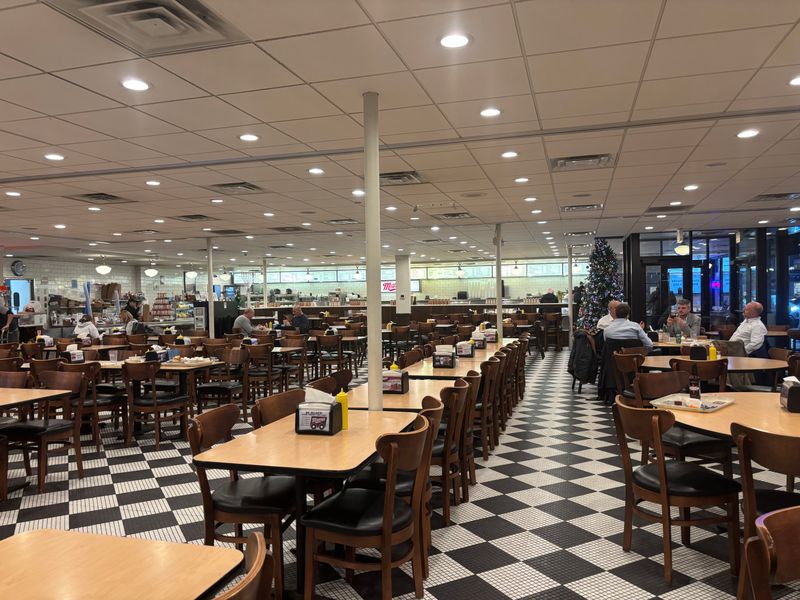
Manny’s is a Chicago rite of passage where the cafeteria line is gospel. You slide past salads, point to corned beef, and watch a knife rhythm that looks like choreography. By the time rye hits your tray, you understand why regulars guard their spots.
The food speaks fluent deli: matzo ball soup, latkes, pastrami, and pickles that bite back. Portions are unapologetic, and the pace is brisk without being cold. You can eat like a champion or save half for later and feel triumphant either way.
This is old-fashioned service sharpened by experience. Tickets are stamped, trays are loaded, and tables turn without anyone feeling pushed. The staff reads the room with confidence.
As a living landmark, Manny’s keeps cafeteria dining proud and loud. You leave with mustard on your sleeve and a satisfied certainty you did lunch right. It is the classic Chicago line that still sets the standard.
Rock-Cola 50’s Café (Indianapolis, Indiana)
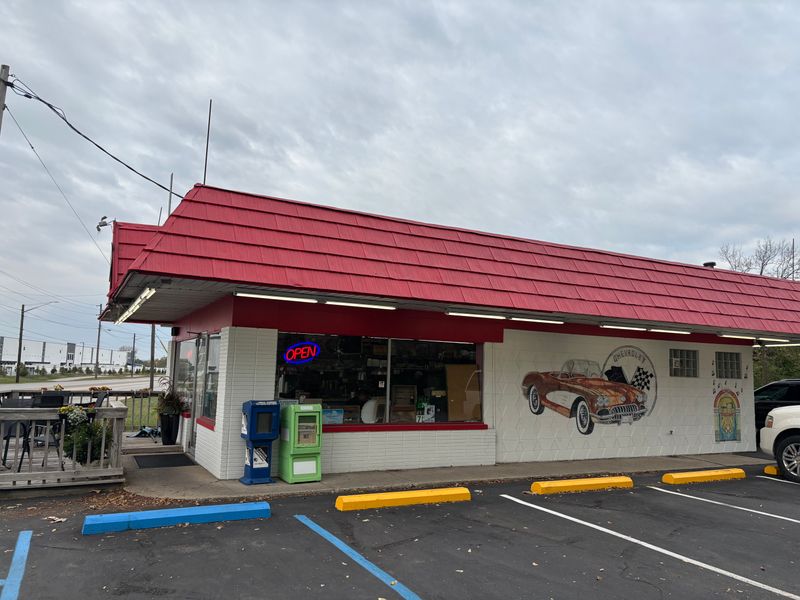
Rock-Cola 50’s Café captures the essence of mid-century cafeteria and lunch-counter dining that once defined everyday meals across the Midwest. Rooted in 1950s nostalgia, the café blends counter ordering with quick, efficient service—hallmarks of the classic cafeteria experience. Guests place their orders at the counter before finding a seat, echoing the streamlined, self-directed flow that made cafeteria dining both practical and popular.
The menu leans heavily into American comfort food staples that would have been at home on any steam-table line decades ago. Burgers, meatloaf, grilled sandwiches, and homestyle sides are prepared simply and served in generous portions, prioritizing familiarity over flair. The presence of a traditional soda fountain further anchors the café in cafeteria-era dining culture, when hand-mixed malts and floats were an expected part of a casual meal.
Beyond the food, Rock-Cola 50’s Café succeeds in preserving the atmosphere of an old-fashioned eating establishment. Vinyl booths, retro décor, and classic music reinforce a sense of time travel, but the true authenticity lies in its purpose: providing reliable, affordable meals in a welcoming, unpretentious setting.
In Indianapolis, where modern dining concepts continue to evolve, Rock-Cola 50’s Café stands as a nostalgic reminder of how cafeteria-style restaurants once served as dependable community gathering places built around comfort, efficiency, and tradition.
Machine Shed (Urbandale, Iowa)
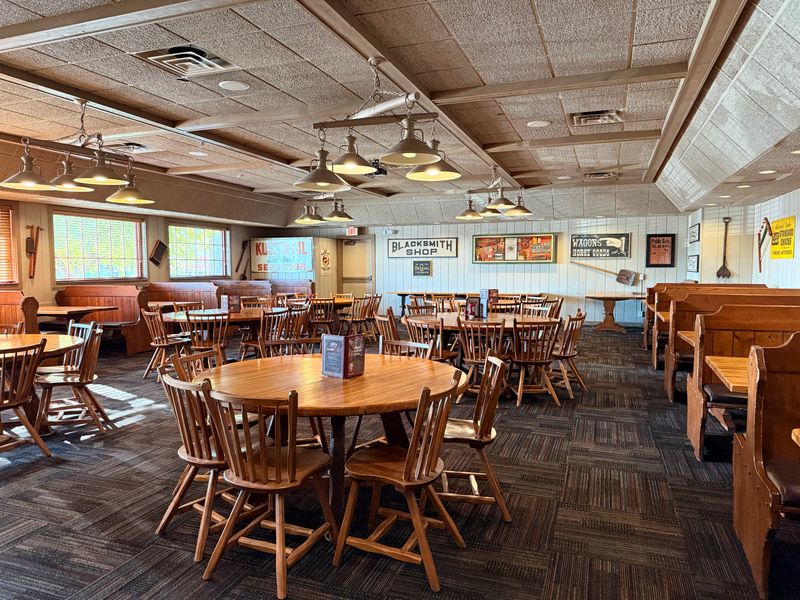
Machine Shed takes farm-to-fork and grounds it in cafeteria pragmatism. You follow the line past cast iron pots steaming with pot roast, chicken noodles, and country vegetables. The decor nods to tractors and threshers, but the plates do the talking.
Breakfasts are big, lunches hearty, and dinners built for appetite. Think pork chops, mashed potatoes with proper gravy, and cinnamon rolls that count as a reason to visit. The staff moves with a confident clip that keeps the crowd smiling.
There is generosity in every portion and a steady hand on seasoning. You taste the Midwest’s preference for honest, warm food with minimal fuss. It lands exactly as promised.
Urbandale’s Machine Shed feels like a cafeteria barn raising, efficient and welcoming. You leave full, maybe a little drowsy, and entirely content. Sometimes a tray and a plan are all you need.
Bootsie’s (Manhattan, Kansas)
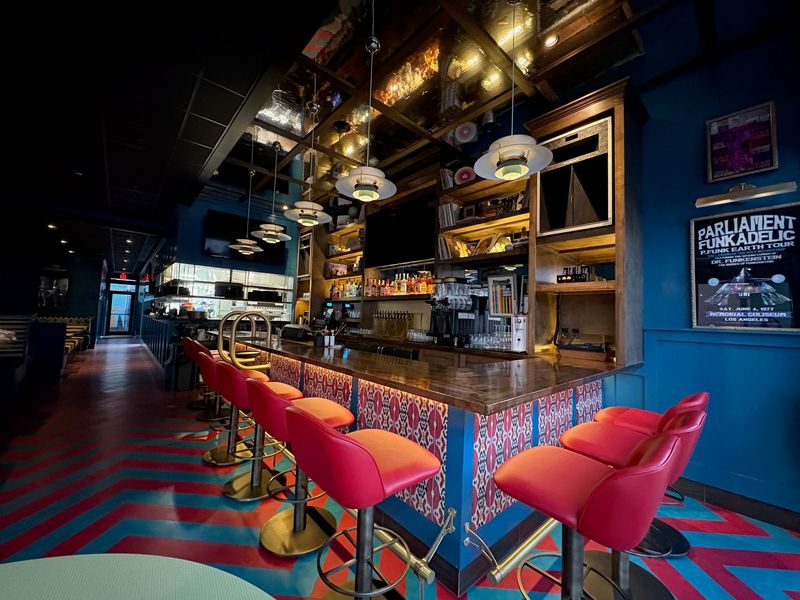
Bootsie’s reflects the enduring role of cafeteria-style dining in small-town America, where simplicity, speed, and comfort have always mattered more than culinary trends. Located in Manhattan, Kansas, the restaurant operates with the straightforward service model that defined classic cafeterias: customers order at the counter, meals are prepared efficiently, and the focus stays squarely on familiar, filling food meant to satisfy a wide range of tastes.
The menu is rooted in Midwestern comfort cooking, offering dependable staples that would feel right at home on a traditional cafeteria steam table. Burgers, sandwiches, daily specials, and homestyle sides emphasize consistency and value, echoing the practical approach that made cafeteria restaurants so popular throughout the 20th century. Portions are generous, recipes are uncomplicated, and the experience is designed for regulars who return knowing exactly what to expect.
What truly aligns Bootsie’s with old-fashioned cafeteria culture is its role in the community. Like the cafeterias of decades past, it functions as a reliable gathering place for locals—students, families, and longtime residents alike—who appreciate a place where meals are served without fuss or pretension.
In an era increasingly dominated by fast-casual chains and constantly changing menus, Bootsie’s stands as a quiet reminder of the cafeteria tradition: honest food, efficient service, and a welcoming space built around everyday routines rather than dining trends.
Claudia Sanders Dinner House (Shelbyville, Kentucky)
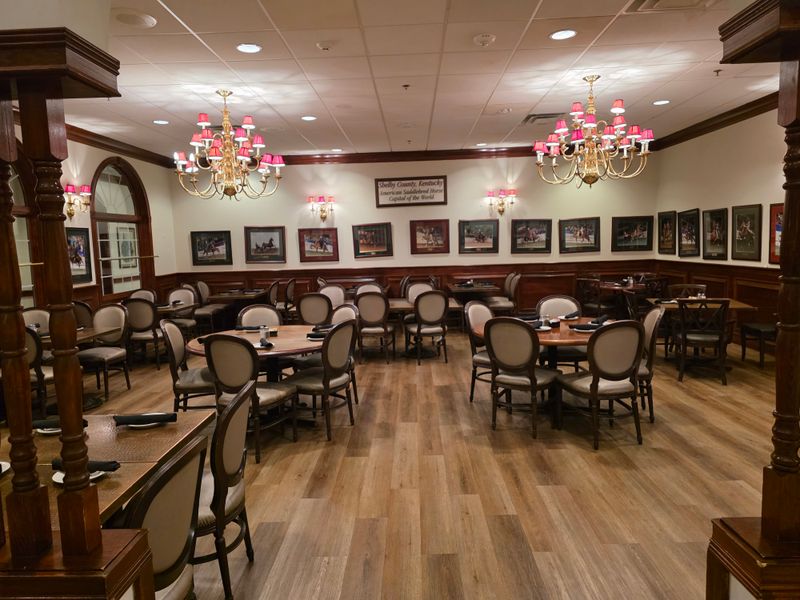
Claudia Sanders Dinner House serves Southern comfort with a cafeteria backbone. At lunch, the line forms for carved meats, fried chicken, and vegetables that taste like church socials. You balance a tray that feels surprisingly elegant.
The recipes speak to mid-century roots: buttermilk batter, cream gravies, and pies that slice clean. Staff guide you with gentle certainty, making sure you do not miss the best of the day. It is polished without losing heart.
There is hospitality baked into the flow. Refills arrive, baskets of bread appear, and the room keeps a soft, convivial hum. It invites second helpings and long conversations.
As Kentucky heritage goes, this is the tender kind you can taste. You leave with a satisfied quiet and maybe a boxed dessert for later. Tradition feels alive, one tray at a time.
Piccadilly Cafeteria (Metairie, Louisiana)
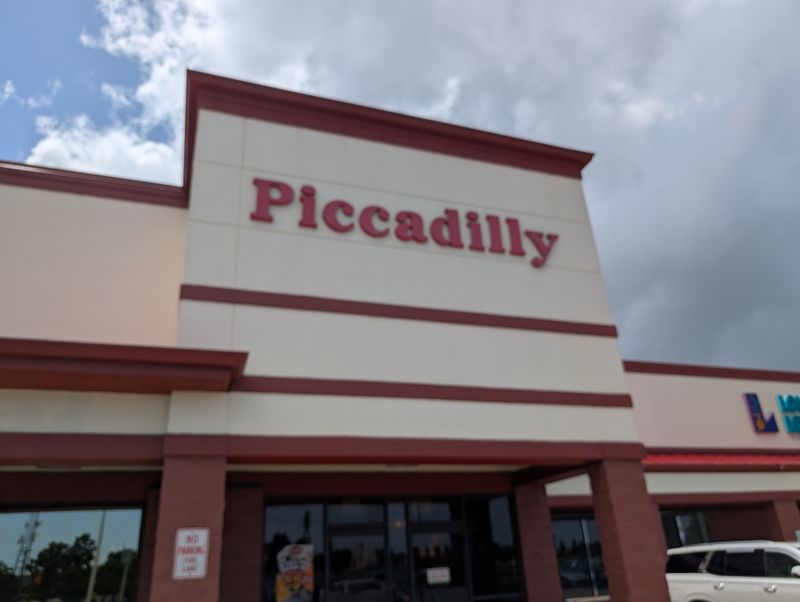
Piccadilly in Metairie feels like a living room for the neighborhood, except the desserts are better. You take a tray, drift along the line, and gain confidence with each steam-table pan that opens. The crew has done this for decades, and it shows.
The food is exactly what you hoped: fried catfish, smothered chicken, mac and cheese, and greens simmered slow. Yeast rolls arrive soft, butter ready, and the pies line up with tidy pride. You build a plate that could cure most moods.
The crowd is a blend of families, church groups, and solo diners who know the best time to beat the rush. Service is friendly, measured, and efficient. No drama, just lunch done right.
In a city of culinary fireworks, Piccadilly keeps the comfort flame steady. You leave full and a little nostalgic, reminded that simple pleasures stick longest. It is cafeteria soul, New Orleans style.
Old School Restaurant (Princeton, Maine)
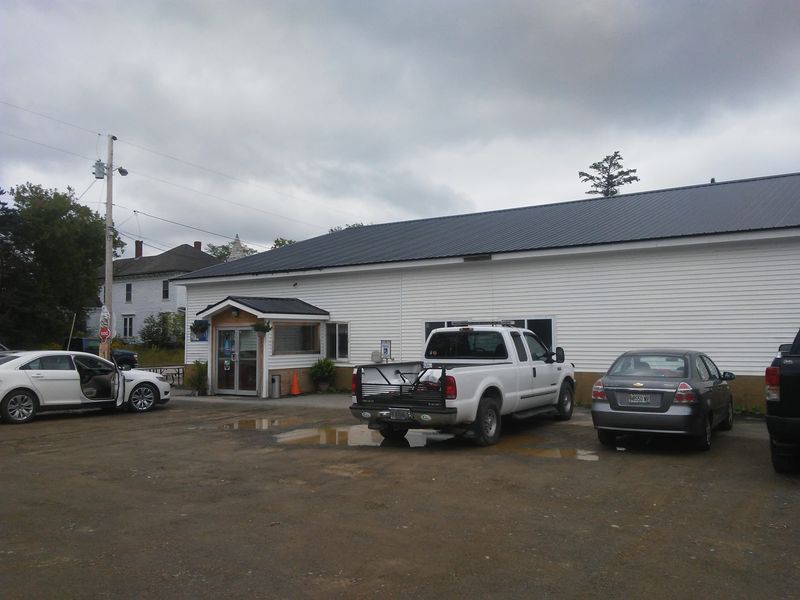
Old School Restaurant lives up to its name by preserving the spirit of traditional cafeteria-style dining that once defined rural and small-town America. Located in Princeton, Maine, this unpretentious eatery follows a service model rooted in efficiency and familiarity, where guests order at the counter, receive their meals quickly, and settle in without ceremony. The experience mirrors the practical rhythm of classic cafeterias, which were designed to feed communities reliably rather than impress them.
The menu focuses on straightforward comfort food, offering hearty plates and daily specials that reflect long-standing New England and American traditions. Fried seafood, homestyle entrées, and familiar sides form the backbone of the offerings, recalling the kind of dependable dishes once found behind cafeteria steam tables. Portions are generous, prices are accessible, and the emphasis remains on nourishment and consistency.
Beyond the food, Old School Restaurant plays the same role cafeterias historically filled in towns like Princeton: a dependable gathering place where locals cross paths, conversations linger, and routines are reinforced. The modest décor and relaxed pace reinforce the feeling of stepping into a preserved moment from an earlier era.
In a dining landscape increasingly shaped by trends and reinvention, Old School Restaurant stands as a genuine continuation of the old-fashioned cafeteria tradition—simple, reliable, and deeply rooted in its community.
Willy’s Kitchen (Glen Burnie, Maryland)
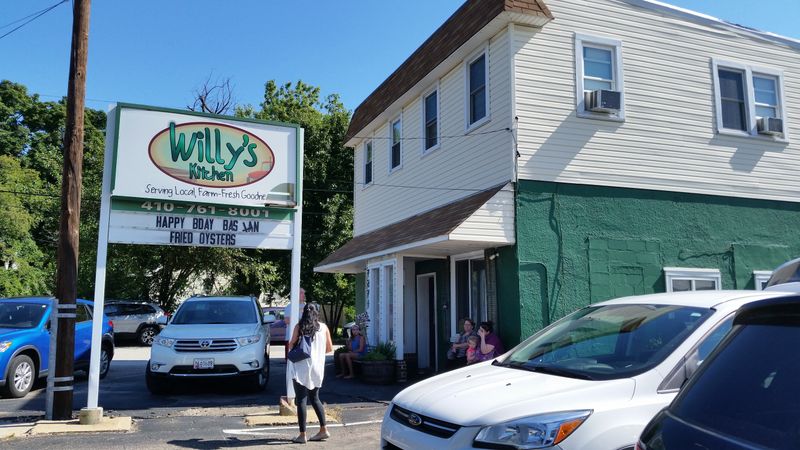
Willy’s Kitchen embodies the old-fashioned cafeteria-style tradition that once thrived in Maryland’s working-class communities, where meals were designed to be quick, filling, and familiar. Located in Glen Burnie, the restaurant operates with a straightforward counter-service model that echoes classic cafeteria dining. Guests order directly, move efficiently through the process, and sit down to hearty comfort food without unnecessary ceremony.
The menu centers on homestyle American cooking, offering daily specials and dependable favorites that would have been right at home on a traditional steam table. Dishes are prepared simply, with an emphasis on generous portions and consistent flavors rather than presentation or novelty. Like many cafeteria-style establishments, Willy’s Kitchen appeals to regulars who return for the reliability of the food as much as the comfort of the routine.
What truly connects Willy’s Kitchen to cafeteria-era dining culture is its role as a neighborhood anchor. It functions as a place where locals gather for breakfast and lunch, reinforcing the sense of community that cafeterias historically provided.
The unpretentious atmosphere, efficient service, and familiar menu all contribute to an experience that feels increasingly rare. In a region where dining options continue to modernize, Willy’s Kitchen remains a quietly authentic reminder of Maryland’s old-school cafeteria and lunch-counter heritage.
50’s Diner (Dedham, Massachusetts)
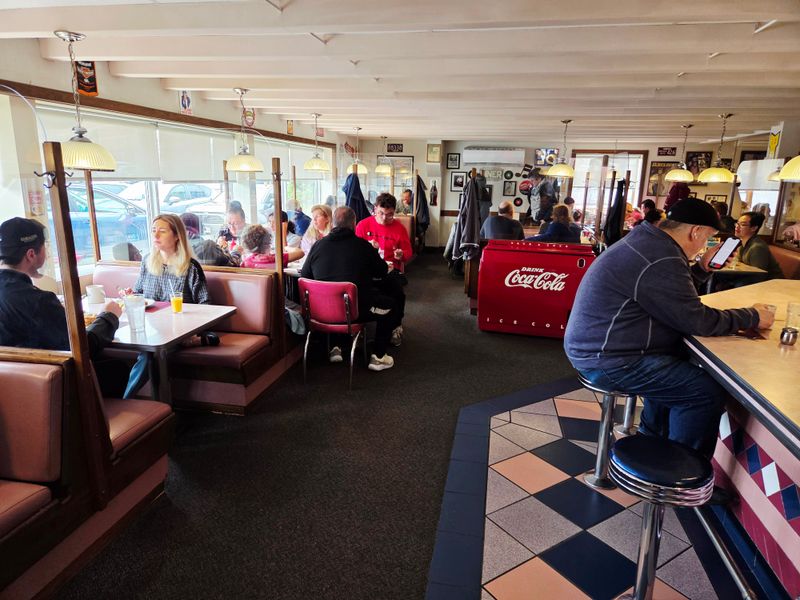
50’s Diner in Dedham channels the spirit of mid-century cafeteria and lunch-counter dining, a time when meals were built around efficiency, familiarity, and comfort. While styled as a classic diner, its service model closely mirrors traditional cafeteria culture: customers order at the counter, food is prepared quickly, and the experience prioritizes function over form. This streamlined approach reflects how cafeterias once served busy communities with reliable, affordable meals.
The menu is rooted in American comfort-food staples that would have been common on cafeteria steam tables throughout the 1950s and 1960s. Burgers, grilled sandwiches, breakfast plates, and house-made sides dominate the offerings, complemented by old-fashioned milkshakes and sodas. Portions are generous, flavors are straightforward, and the emphasis remains on consistency rather than culinary trends.
What gives 50’s Diner its old-fashioned cafeteria relevance is its atmosphere and purpose. Vinyl booths, retro décor, and a no-frills dining room create a setting where the food—not the presentation—takes center stage. Like the cafeterias of earlier decades, it serves as a dependable neighborhood spot where regulars know the menu and the routine.
In an era of constantly evolving dining concepts, 50’s Diner stands as a nostalgic reminder of Massachusetts’ mid-century cafeteria and lunchroom traditions.
Zehnder’s of Frankenmuth (Frankenmuth, Michigan)
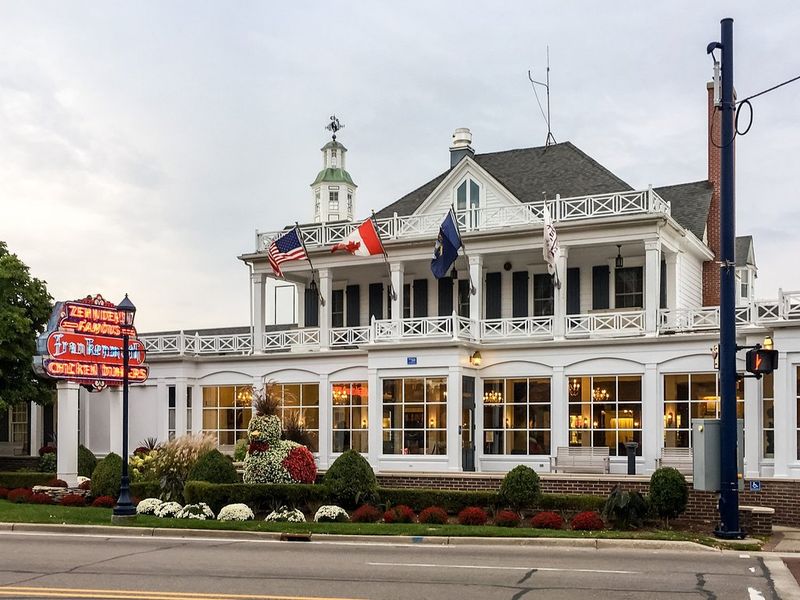
Zehnder’s of Frankenmuth is a quintessential example of old-fashioned cafeteria-style dining adapted for Midwestern charm. While it has grown into a larger, family-friendly restaurant, its roots are firmly planted in the tradition of tray-line, steam-table service that made cafeterias popular in the 20th century. Guests move efficiently through the ordering process, selecting from a broad array of homestyle dishes, echoing the communal and practical dining approach of classic cafeteria culture.
The menu is anchored in Midwestern comfort food, with roasted chicken, pot roast, meatloaf, and generous sides like mashed potatoes, stuffing, and vegetables—all prepared to satisfy both locals and travelers.
Desserts, including pies and signature pastries, continue the tradition of straightforward, approachable comfort fare. Portions are generous, meals are hearty, and the emphasis is on consistency and familiarity rather than modern culinary experimentation.
Zehnder’s also serves as a gathering place, maintaining the cafeteria ethos of feeding communities efficiently while providing a warm, welcoming atmosphere. Families and visitors alike return year after year for both the food and the sense of tradition. In Frankenmuth, Zehnder’s remains a living example of how cafeteria-style dining endures in larger-scale, modernized formats without losing its nostalgic, communal appeal.
Hi-Lo Diner (Minneapolis, Minnesota)
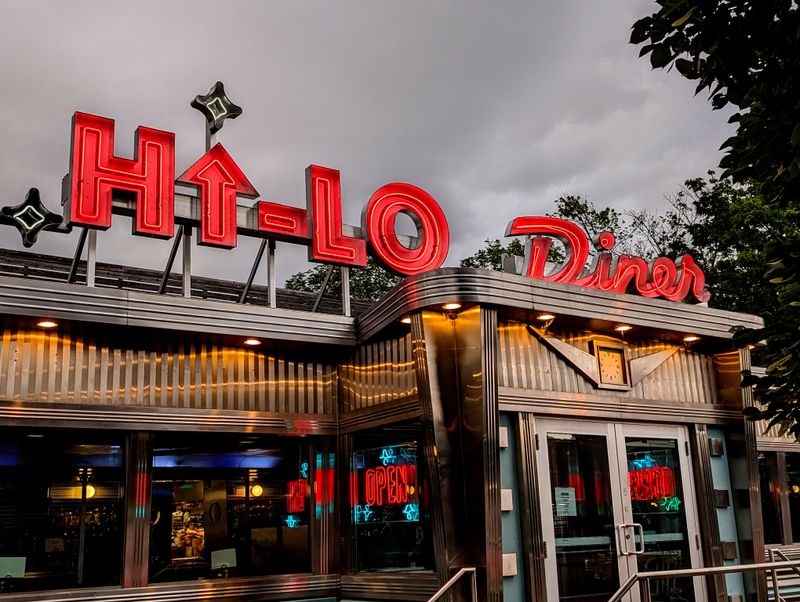
Hi-Lo Diner in Minneapolis is a modern yet nostalgic nod to the city’s old-fashioned cafeteria and lunch-counter traditions. While it operates as a diner, its service style and menu reflect the practicality and comfort that defined classic cafeteria dining: meals are straightforward, portions are generous, and the focus is on consistency and familiarity. Guests experience a counter-focused, efficient ordering process reminiscent of mid-20th-century cafeteria lines, where the emphasis was on feeding people quickly without sacrificing heartiness or flavor.
The menu leans heavily on American comfort classics, including breakfast staples, burgers, meatloaf, and homestyle sides that feel like they could have been served decades ago.
Seasonal specials and locally inspired dishes complement the regular offerings, but the overall approach remains rooted in dependable, hearty fare rather than trend-driven cuisine. Milkshakes, sodas, and casual desserts further reinforce the sense of cafeteria-style indulgence.
What makes Hi-Lo Diner especially relevant to Minnesota’s cafeteria culture is its role as a community gathering spot. Locals and visitors alike appreciate the unpretentious atmosphere, the efficiency of service, and the sense of routine that recalls the golden era of cafeteria dining. In Minneapolis, Hi-Lo Diner stands as a reminder that the appeal of classic, no-frills, comforting meals remains timeless.
Weidmann’s (Meridian, Mississippi)
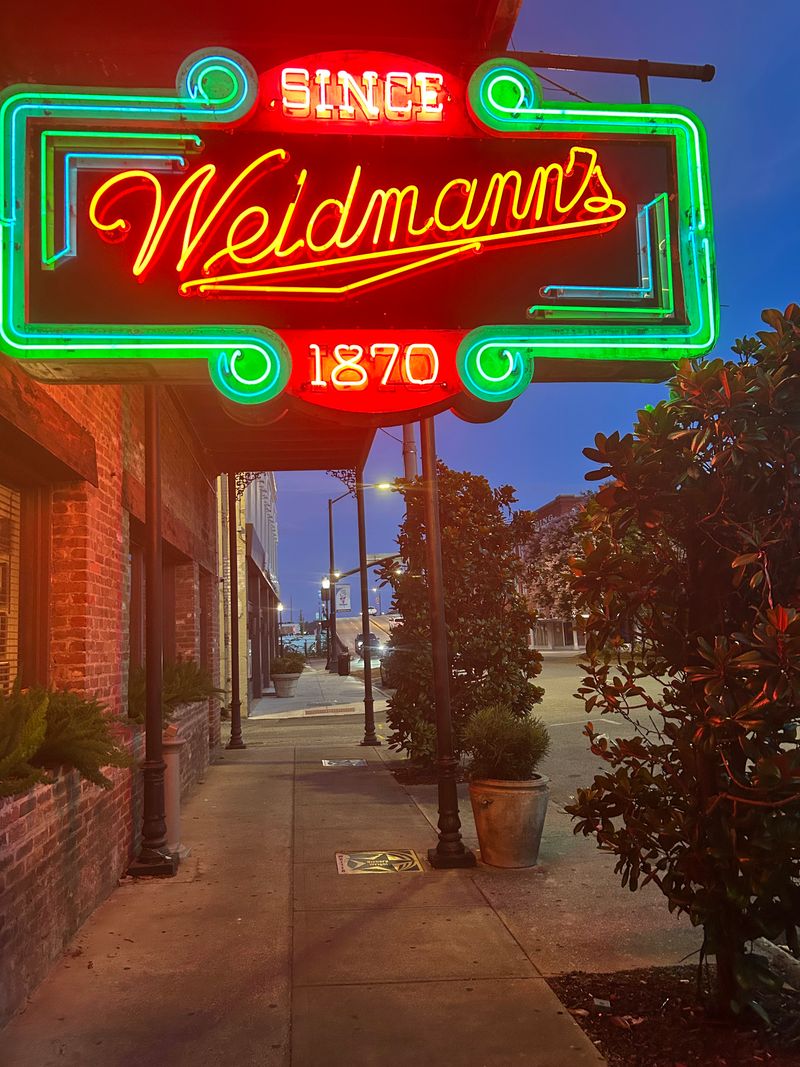
Weidmann’s in Meridian is a living testament to Mississippi’s cafeteria-era dining traditions, combining old-fashioned service with a rich history that dates back over a century. While it operates more like a full-service restaurant today, its origins and enduring appeal are deeply tied to the classic cafeteria model: predictable, hearty meals served efficiently, with an emphasis on comfort, consistency, and community.
The menu showcases Southern comfort staples that would have been familiar in traditional cafeteria settings—fried chicken, catfish, meatloaf, and daily specials accompanied by classic sides such as mashed potatoes, green beans, and cornbread. Portions are generous, recipes are straightforward, and the atmosphere prioritizes warmth and familiarity over culinary trends. This focus on dependable, no-frills dining reflects the same values that made cafeterias central to community life throughout the 20th century.
Weidmann’s also functions as a communal gathering space, echoing the role of cafeterias as social hubs. Families, locals, and travelers alike return for both the food and the sense of continuity it provides.
In a world where dining trends shift rapidly, Weidmann’s preserves a slice of Mississippi’s culinary heritage, offering a nostalgic, unpretentious experience rooted in the traditions of old-fashioned cafeteria-style dining.
Lambert’s Café (Sikeston, Missouri)
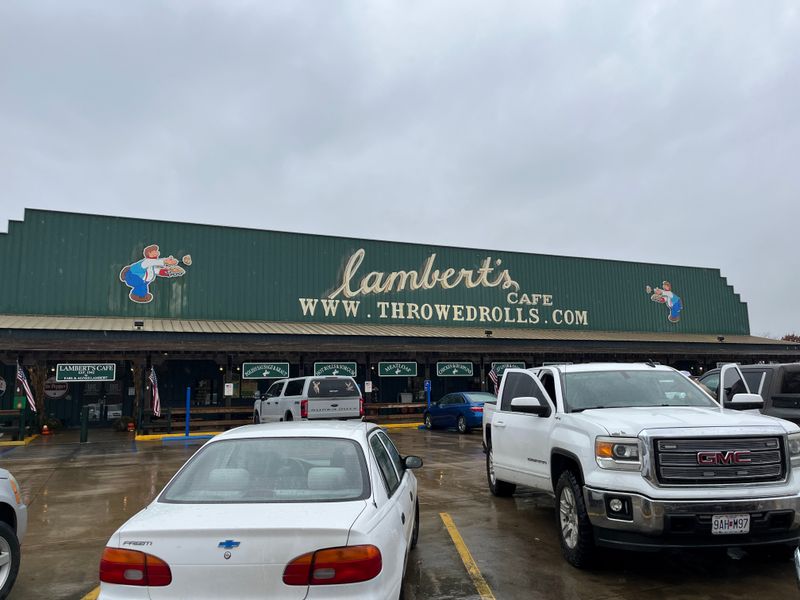
Lambert’s Café, famously known as the “Home of Throwed Rolls,” is a quintessential example of old-fashioned cafeteria-style dining adapted into a uniquely Midwestern experience. While larger and more theatrical than a traditional cafeteria, the restaurant maintains the core values of cafeteria culture: hearty, reliable food served efficiently in a family-friendly, communal setting. Guests navigate a semi-line ordering system, and the focus remains on generous portions, comfort, and tradition rather than haute cuisine or modern presentation.
The menu is rooted in classic Southern and Midwestern comfort foods, featuring fried chicken, roast beef, country ham, and a rotating array of homestyle sides like mashed potatoes, corn, green beans, and black-eyed peas. The signature “throwed rolls” bring a playful element to the meal, but the underlying emphasis is the same as old-school cafeterias: simple, plentiful, and satisfying food that feeds families, workers, and travelers alike.
Lambert’s Café also preserves the communal spirit of traditional cafeterias. Large tables, a lively atmosphere, and repeat visitors create a sense of shared experience, much like the neighborhood cafeterias of the mid-20th century.
In Sikeston, Lambert’s stands as a living tribute to the enduring appeal of cafeteria-style dining—comforting, unpretentious, and generously portioned.
The Western Café (Bozeman, Montana)
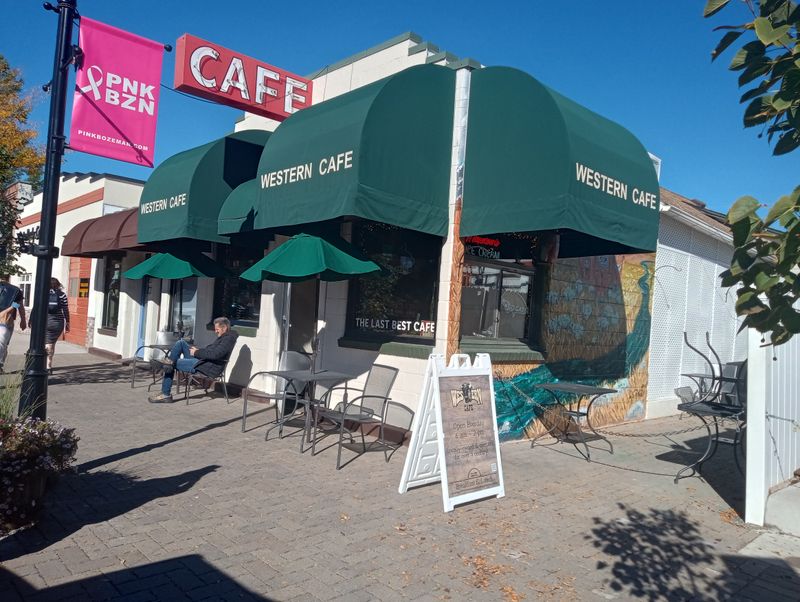
The Western Café delivers Montana comfort with a cafeteria heartbeat. You slide into line, watch plates of chicken fried steak land, and listen to the kitchen’s steady sizzle. The space is humble, the welcome warm.
Breakfast is a favorite: pancakes, eggs, sausages, and gravy that means it. Lunch follows with burgers, hot sandwiches, and sides that hit the spot. Portions are ranch-hand honest.
Service is swift but unhurried, a small act of kindness in a busy town. Coffee refills find you before you ask. The rhythm feels natural and reassuring.
Bozeman has grown, yet this café stays wonderfully itself. You leave full and a little soothed, carrying the sense that some places should not change. Cafeteria-style comfort holds strong here.
Harold’s Koffee House (Omaha, Nebraska)
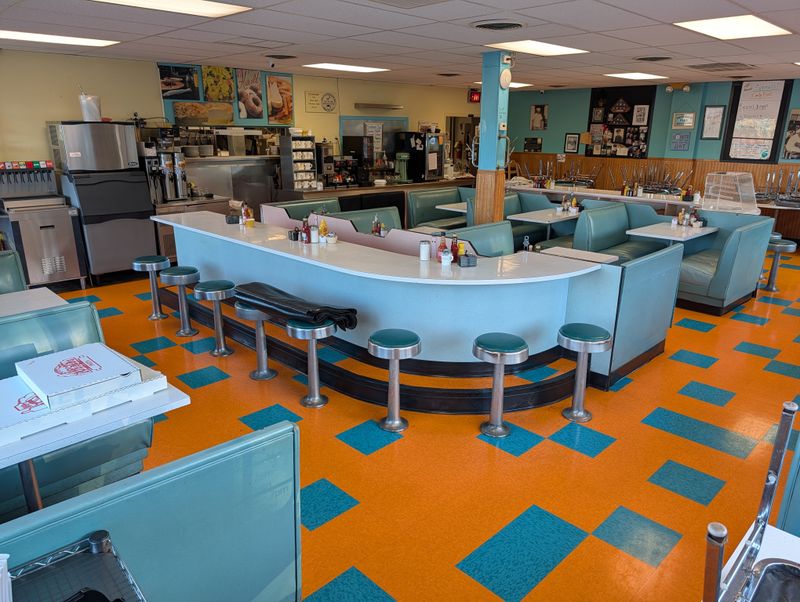
Harold’s Koffee House is a classic example of Omaha’s enduring cafeteria-style dining culture, offering a straightforward, no-frills approach that prioritizes comfort, consistency, and community. While smaller than some of the sprawling cafeteria chains of the mid-20th century, Harold’s captures the essence of the style: counter-based ordering, efficient service, and a menu focused on familiar, hearty fare.
The menu reflects traditional Midwestern comfort food, including breakfast staples, sandwiches, daily specials, and homestyle entrees prepared with simple, reliable techniques. Portions are generous, flavors are straightforward, and the focus remains on nourishing meals rather than culinary trends. The experience emphasizes the same principles that made cafeterias central to daily life: speed, value, and familiarity, ensuring that guests always know what to expect.
Beyond its food, Harold’s Koffee House serves as a local gathering spot, echoing the community-oriented role of cafeterias in decades past. Locals, students, and travelers alike return for both the dependable menu and the welcoming, unpretentious atmosphere.
In a city where modern dining concepts increasingly dominate, Harold’s stands as a quiet but steadfast reminder of Nebraska’s old-fashioned cafeteria traditions, offering a space where comfort food and community intersect.
Peppermill and Fireside Lounge (Las Vegas, Nevada)
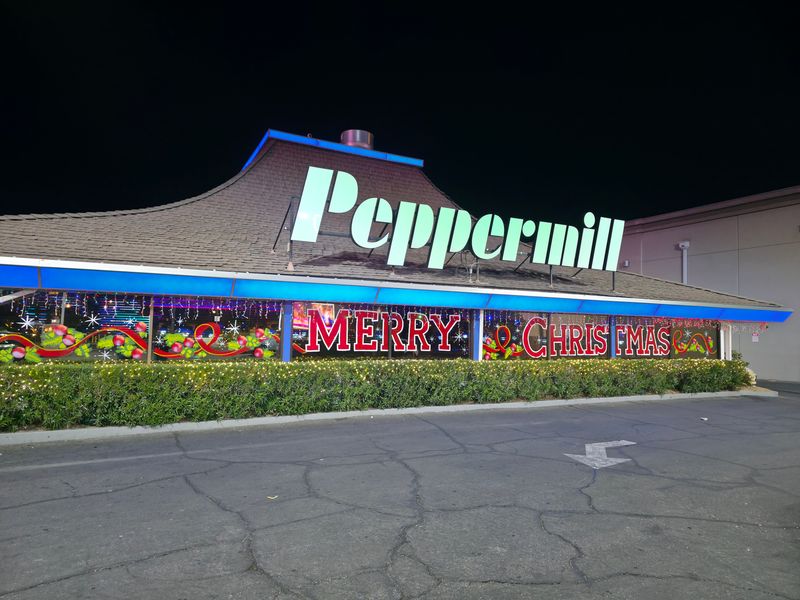
The Peppermill glows like Vegas nostalgia, but the service rhythm nods to cafeteria sensibility. You are seated fast, order quicker, and plates arrive with assembly-line precision. The color-drenched room sets a mood that feels both playful and comforting.
Portions are famously generous: omelets that eclipse the plate, club sandwiches stacked high, and sundaes that could be shared or bravely conquered. The staff hustles with cheerful competence. You feel indulged without delay.
This is old Vegas hospitality tuned for now. The speed and consistency make it an anytime spot, from late-night cravings to daytime refuels. You relax knowing exactly what you will get.
In a city built on spectacle, the Peppermill’s cafeteria-adjacent flow keeps things pleasantly human. You leave full, amused, and a little dazzled by the lights. It is a classic for good reason.
Red Arrow Diner (Manchester, New Hampshire)
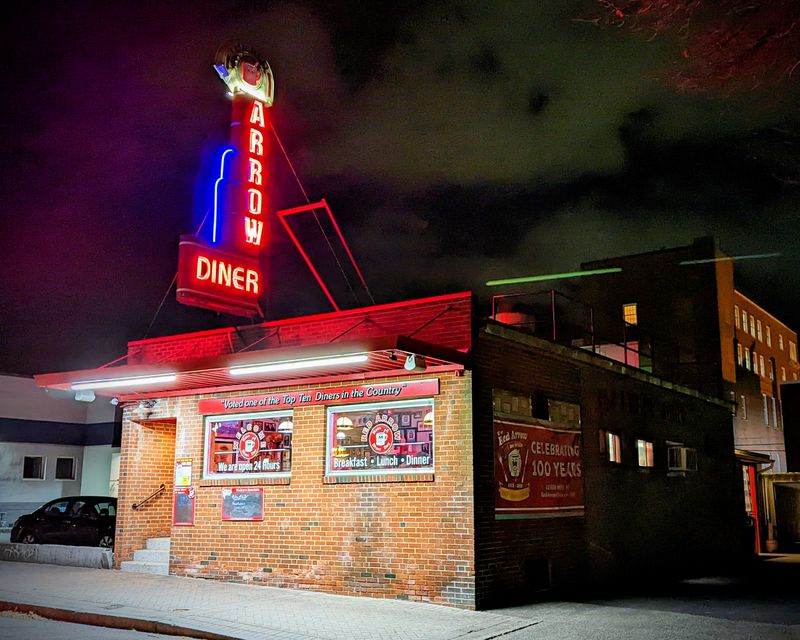
Red Arrow Diner runs with a cafeteria heartbeat wrapped in diner chrome. You find a spot, order with quick clarity, and watch plates move from grill to tray in neat succession. It is comforting to see a system so well tuned.
The menu covers the cravings: breakfast all day, blue plate specials, meatloaf, poutine, and pie that tastes homemade. Staff keep the cadence tight and friendly. You feel included in a well-loved routine.
Locals and travelers share the counter like old friends. Coffee is never far, and orders arrive steaming. The bustle is lively, not stressful.
In Manchester, Red Arrow proves old-fashioned service still wins hearts. You leave awake, fed, and oddly optimistic. Some places are good for the mood as much as the meal.
Hobby’s Delicatessen (Newark, New Jersey)
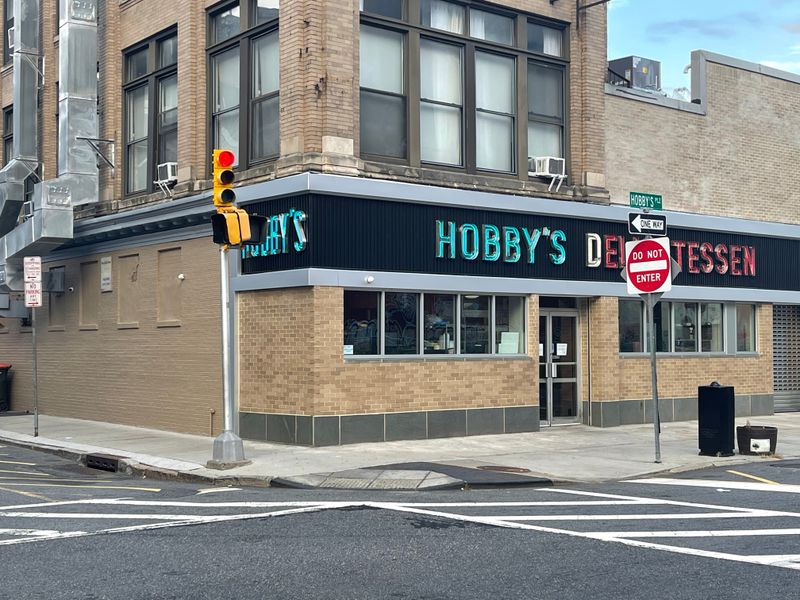
Hobby’s runs a cafeteria line that feels like Newark history on a tray. You point to pastrami, watch the slicer sing, and collect sides with decisive joy. The room buzzes with regulars who know the drill.
Soup, stuffed cabbage, latkes, and towering sandwiches anchor the menu. Pickles arrive with personality, and the rye is sturdy enough to carry the load. Service is fast, friendly, and proud.
There is no mystery here, only execution. Orders land hot, flavors ring true, and the line proves itself every lunch. You can count on this place without thinking twice.
Hobby’s makes a strong case for tradition staying put. You leave satisfied and a little sentimental. That is how good delis earn their reputation.
Grandma’s K & I Diner (Albuquerque, New Mexico)
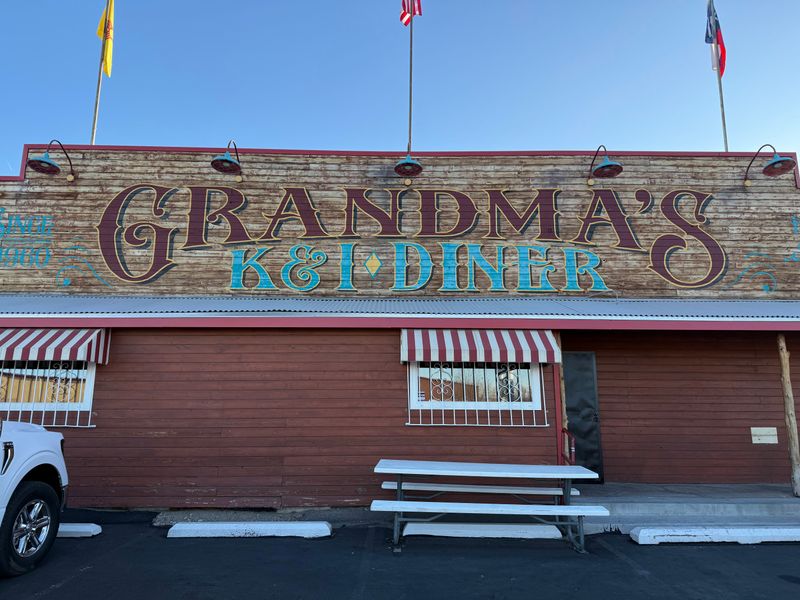
Grandma’s K & I Diner is where New Mexico appetites meet cafeteria momentum. You order at the counter, slide along, and brace for portions that could anchor a day. The vibe is friendly, straightforward, and proud of its size.
Smothered burritos, chicken fried steak, and enchiladas lead the parade. You watch plates get loaded like they are preparing for a road trip. It is indulgent in the most satisfying way.
Service keeps things humming. Refills land on time, sauces show up before you ask, and the kitchen moves like a drumline. You feel well looked after.
Albuquerque loves a hearty classic, and this diner delivers with cafeteria efficiency. You leave victorious and a little amused by the leftovers. Big plates, bigger smiles, no regrets.
Morning Star Café (New York, New York)
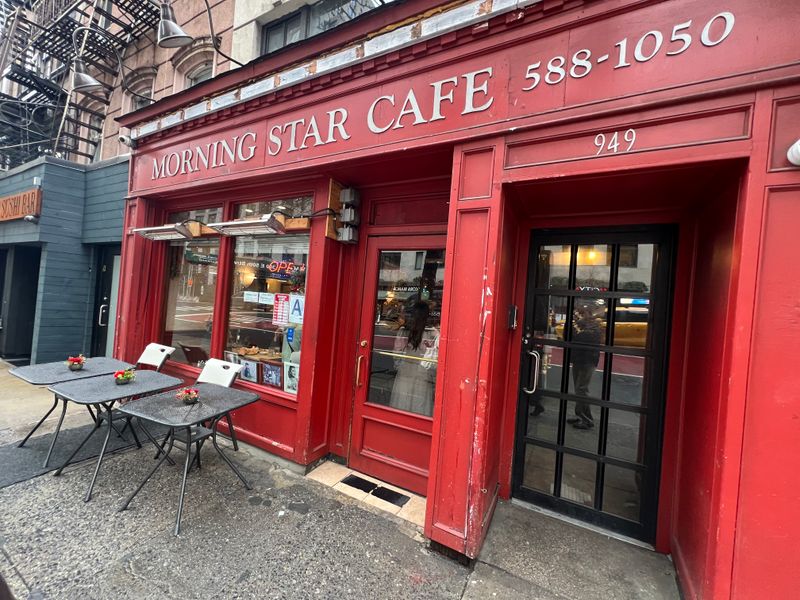
Morning Star Café is a quintessential example of New York City’s enduring cafeteria-style dining culture, offering a blend of efficiency, comfort, and familiarity in the heart of Manhattan. Operating much like classic mid-century cafeterias, the café emphasizes counter-based ordering, quick service, and straightforward, hearty meals that appeal to both locals and visitors seeking a reliable bite without fuss.
The menu is rooted in timeless American comfort foods, including breakfast plates, sandwiches, soups, and homestyle entrees. Daily specials rotate, much like the steam-table offerings of traditional cafeterias, ensuring variety while maintaining a consistent, approachable style.
Portions are generous, recipes are simple, and the focus remains on nourishment and consistency rather than culinary innovation. Coffee, juices, and traditional breakfast beverages round out the experience, reinforcing the practical yet welcoming cafeteria atmosphere.
Beyond the food, Morning Star Café embodies the communal spirit that defined classic cafeterias in New York. Office workers, students, and longtime locals gather in a casual, no-frills environment, creating a sense of shared routine and community. In a city dominated by fast-casual and specialty dining, Morning Star Café preserves the nostalgic charm of old-fashioned cafeteria-style dining: dependable, unpretentious, and rooted in everyday American comfort.
Jackson’s Cafeteria (Gastonia, North Carolina)
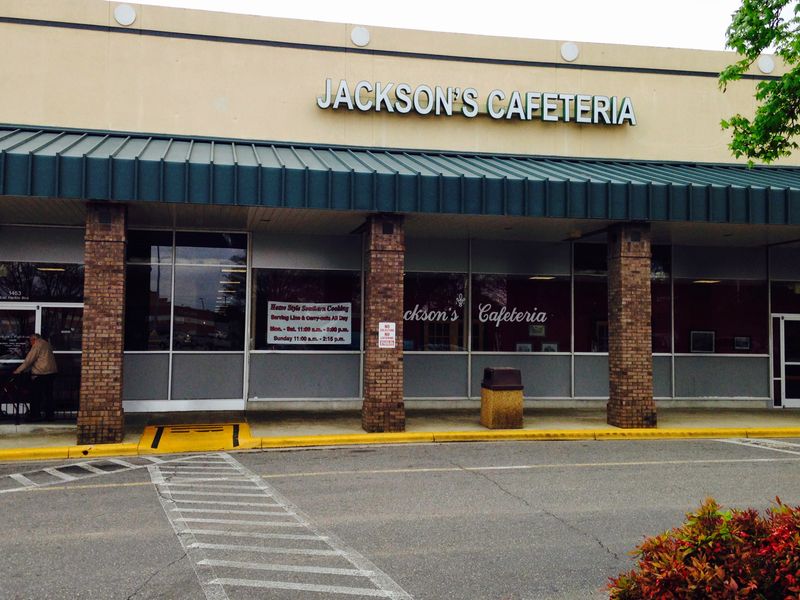
Jackson’s Cafeteria in Gastonia is a quintessential example of classic Southern cafeteria-style dining, offering hearty, no-frills meals in a setting that emphasizes tradition, efficiency, and community. True to the cafeteria model, customers move along a counter or line to select from a variety of daily specials and staple dishes, making the experience fast, straightforward, and dependable—hallmarks of mid-20th-century cafeteria culture.
The menu highlights Southern comfort food at its finest, with fried chicken, meatloaf, collard greens, mashed potatoes, and cornbread forming the backbone of the offerings. Portions are generous, flavors are consistent, and the focus is on satisfying meals rather than trendy presentation. Daily specials rotate, keeping the dining experience familiar yet dynamic, echoing the practical variety once offered in classic cafeterias.
Beyond its food, Jackson’s Cafeteria serves as a community hub, drawing local residents, families, and workers alike. The unpretentious décor, efficient service, and warm, welcoming atmosphere preserve the sense of routine and reliability that made cafeterias central to small-town life.
In Gastonia, Jackson’s stands as a living reminder of North Carolina’s cafeteria tradition, where comfort, familiarity, and a sense of shared community take center stage.
Old Main Street Café (Devils Lake, North Dakota)
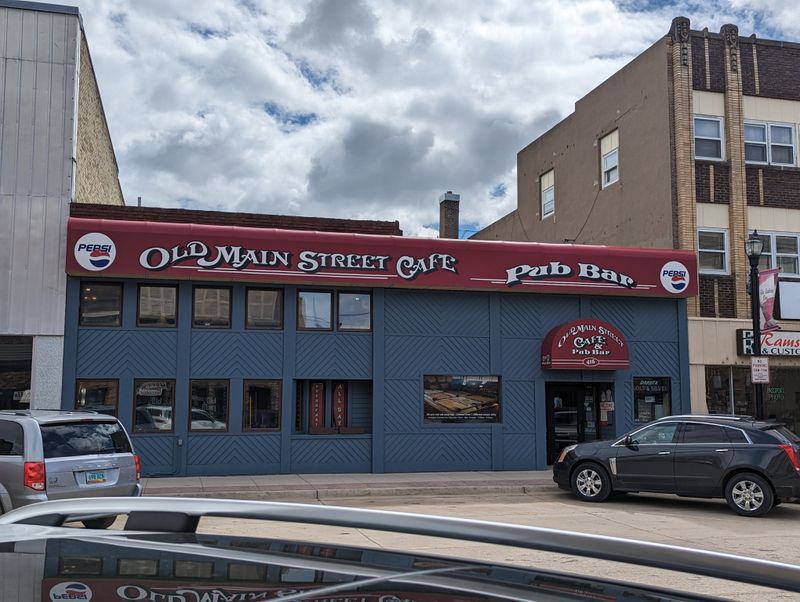
Old Main Street Café in Devils Lake is a prime example of North Dakota’s traditional cafeteria-style dining, offering simple, hearty meals in a welcoming, no-frills environment. The café operates much like a classic mid-20th-century cafeteria: guests order at a counter or line, meals are served efficiently, and the focus is on providing consistent, comforting food rather than culinary trends or elaborate presentation.
The menu features classic American comfort foods that reflect the region’s Midwestern roots. Meatloaf, fried chicken, roast beef, and a variety of homestyle sides such as mashed potatoes, green beans, and corn are staples, ensuring that every meal is satisfying and familiar.
Daily specials rotate, echoing the practical approach of traditional cafeterias that balanced variety with consistency. Portions are generous, flavors are straightforward, and the atmosphere emphasizes functionality and comfort over style.
Beyond the food, Old Main Street Café serves as a local gathering spot, reinforcing the communal role cafeterias historically played in small towns. Locals, families, and travelers alike appreciate the dependable meals and friendly, welcoming service. In Devils Lake, the café remains a nostalgic and enduring reminder of the classic cafeteria experience—simple, hearty, and deeply rooted in community tradition.
Mehlman’s Cafeteria (St. Clairsville, Ohio)
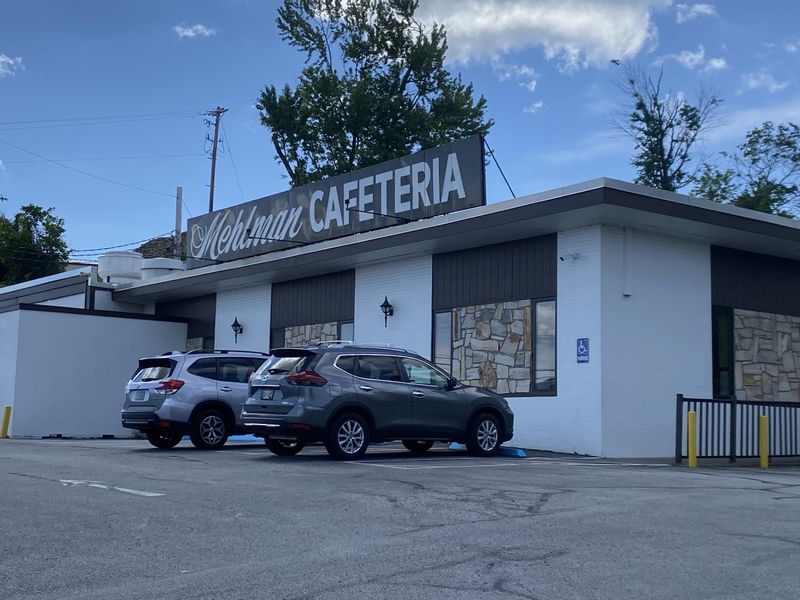
Mehlman’s Cafeteria in St. Clairsville is a quintessential example of old-fashioned cafeteria-style dining in Ohio, preserving a tradition that emphasizes efficiency, comfort, and community. Guests navigate a counter or serving line, selecting from a variety of daily specials and classic homestyle dishes, echoing the steam-table format that defined mid-20th-century cafeterias across the Midwest.
The menu features hearty, familiar American comfort foods, including fried chicken, meatloaf, roast beef, and traditional sides like mashed potatoes, green beans, and corn. Daily specials provide variety while maintaining the dependable flavors and generous portions that keep regulars coming back. Desserts and beverages are simple yet satisfying, reinforcing the no-frills, practical approach characteristic of classic cafeteria dining.
Mehlman’s also serves as a social hub for the community, where families, local workers, and visitors gather to enjoy a reliable meal in a welcoming environment. The atmosphere is unpretentious, functional, and focused on nourishment rather than trend-driven presentation.
In St. Clairsville, Mehlman’s Cafeteria stands as a living reminder of Ohio’s cafeteria tradition—a place where familiarity, hearty food, and community intersect in a timeless, comforting way.
Jeff’s Country Café (Oklahoma City, Oklahoma)
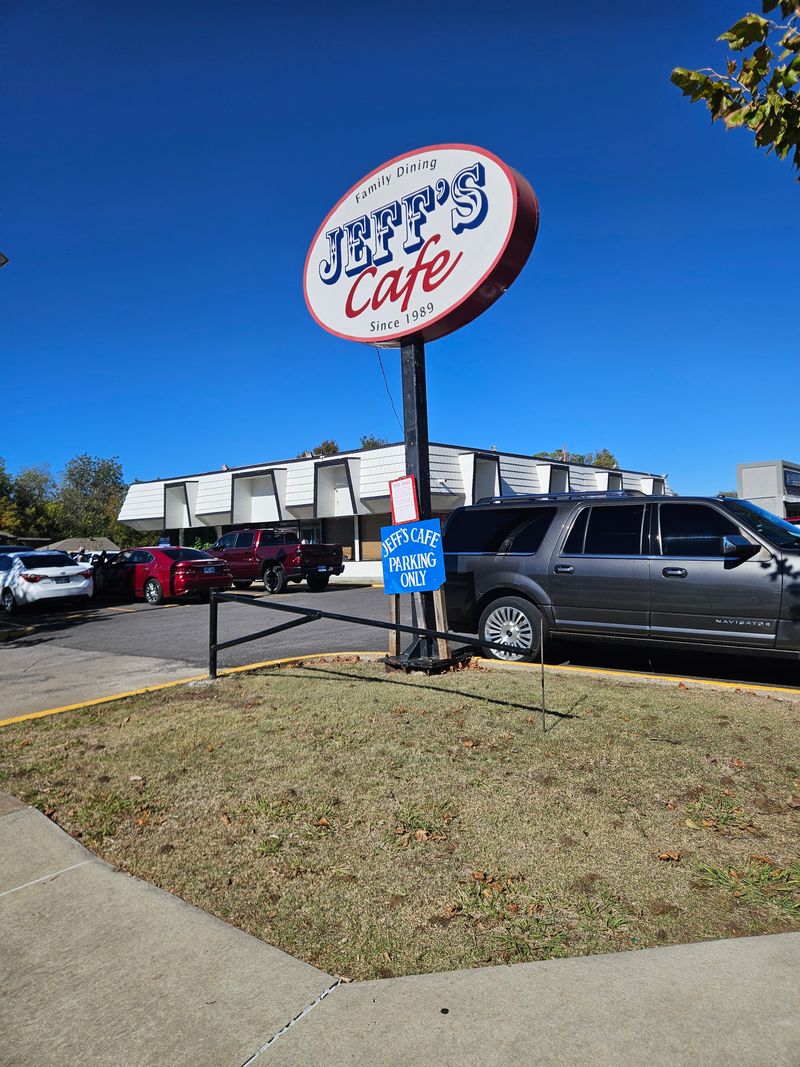
Jeff’s Country Café in Oklahoma City is a prime example of the state’s old-fashioned cafeteria-style dining, offering straightforward, hearty meals in a warm, unpretentious setting. Guests order at the counter or serving line, reminiscent of mid-20th-century cafeterias, where speed, efficiency, and consistency were paramount. The café maintains the core values of traditional cafeteria culture: nourishing comfort food, generous portions, and dependable service.
The menu features classic Southern and American comfort foods, including fried chicken, meatloaf, pot roast, and daily rotating specials, accompanied by homestyle sides such as mashed potatoes, green beans, and cornbread.
Breakfast items, sandwiches, and house-made desserts round out the offerings, reflecting a commitment to simple, satisfying meals that appeal to both locals and visitors. Portions are hearty, flavors are familiar, and presentation is unpretentious, staying true to cafeteria-era priorities.
Beyond its food, Jeff’s Country Café functions as a community hub, drawing regulars who value the welcoming atmosphere, reliable menu, and efficient service. In Oklahoma City, it preserves the enduring charm of cafeteria-style dining: a place where comfort, familiarity, and community converge, keeping the tradition alive in an increasingly fast-paced culinary landscape.
Point Restaurant (Sweet Home, Oregon)
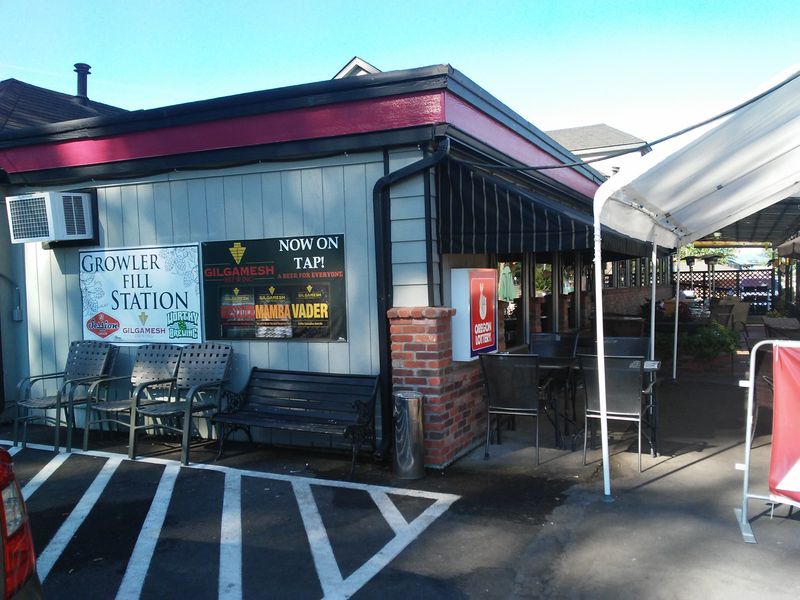
Point Restaurant in Sweet Home, Oregon, is a classic example of old-fashioned cafeteria-style dining, offering a welcoming, no-frills experience that emphasizes hearty, dependable meals. Guests order at the counter or service line, reflecting the practical and efficient flow of mid-20th-century cafeterias, where speed and consistency were key. The restaurant embodies the values that made cafeterias central to community life: comfort, familiarity, and generous portions.
The menu focuses on American comfort food favorites, including meatloaf, fried chicken, daily specials, and homestyle sides such as mashed potatoes, green beans, and seasonal vegetables.
Breakfast items, sandwiches, and classic desserts round out the offerings, providing variety while maintaining the straightforward flavors and presentation typical of traditional cafeteria dining. Portions are large, recipes are simple, and the emphasis is on satisfaction rather than culinary trends.
Point Restaurant also functions as a local gathering spot, serving residents and visitors alike in a casual, welcoming environment. Its community-oriented atmosphere, efficient service, and reliably hearty meals make it a living example of Oregon’s cafeteria tradition—a place where comfort, practicality, and connection converge in a timeless dining experience.
Johnson’s Café (Montoursville, Pennsylvania)
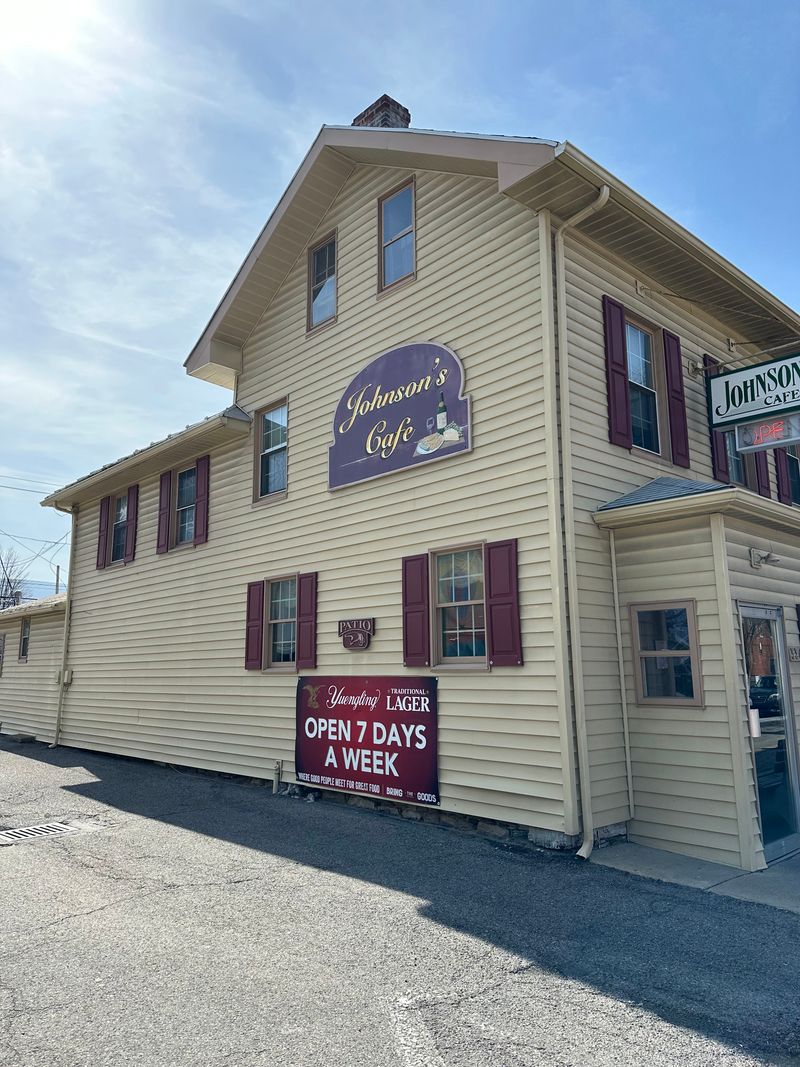
Johnson’s Café in Montoursville is a classic example of Pennsylvania’s enduring cafeteria-style dining tradition, offering hearty, homey meals in a straightforward, welcoming environment. The café operates with a counter- or line-based ordering system reminiscent of mid-20th-century cafeterias, emphasizing efficiency, consistency, and comfort. Guests enjoy quick service without sacrificing generous portions or the familiar flavors that make cafeteria dining so enduring.
The menu highlights traditional American comfort foods and regional favorites, including meatloaf, fried chicken, roast beef, and daily specials, accompanied by classic sides like mashed potatoes, green beans, and corn.
Breakfast offerings, sandwiches, and simple desserts complement the main dishes, maintaining the practical, approachable style of traditional cafeteria meals. Portion sizes are generous, recipes are straightforward, and the emphasis is on satisfaction and reliability over culinary trends.
Johnson’s Café also serves as a community hub, drawing locals, families, and visitors who value both the food and the routine of a dependable dining spot. Its unpretentious atmosphere and focus on hearty, consistent meals preserve the sense of tradition that defines classic cafeteria dining. In Montoursville, Johnson’s Café remains a nostalgic and practical reminder of Pennsylvania’s cafeteria-era culture.
Modern Diner (Pawtucket, Rhode Island)
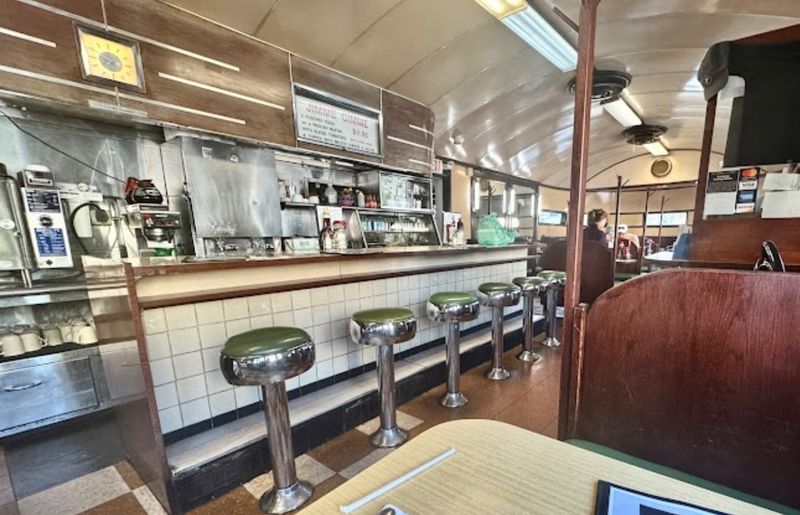
Modern Diner pairs a historic streamliner shell with cafeteria logic. You order, move along, and watch breakfast plates appear with reassuring speed. The room feels like a postcard you got to step inside.
Eggs, johnnycakes, custard-style French toast, and blue plate specials keep regulars loyal. Service is crisp but warm, and the coffee never lags. Plates hit the table hot and tidy.
The booths cradle conversations while the counter moves business along. It is an efficient balance that makes busy mornings kinder. You settle in without thinking.
Pawtucket’s treasure proves old-fashioned can feel current when done with care. You leave content and a little charmed. Some routines deserve permanence.
Olde House Café (Walterboro, South Carolina)
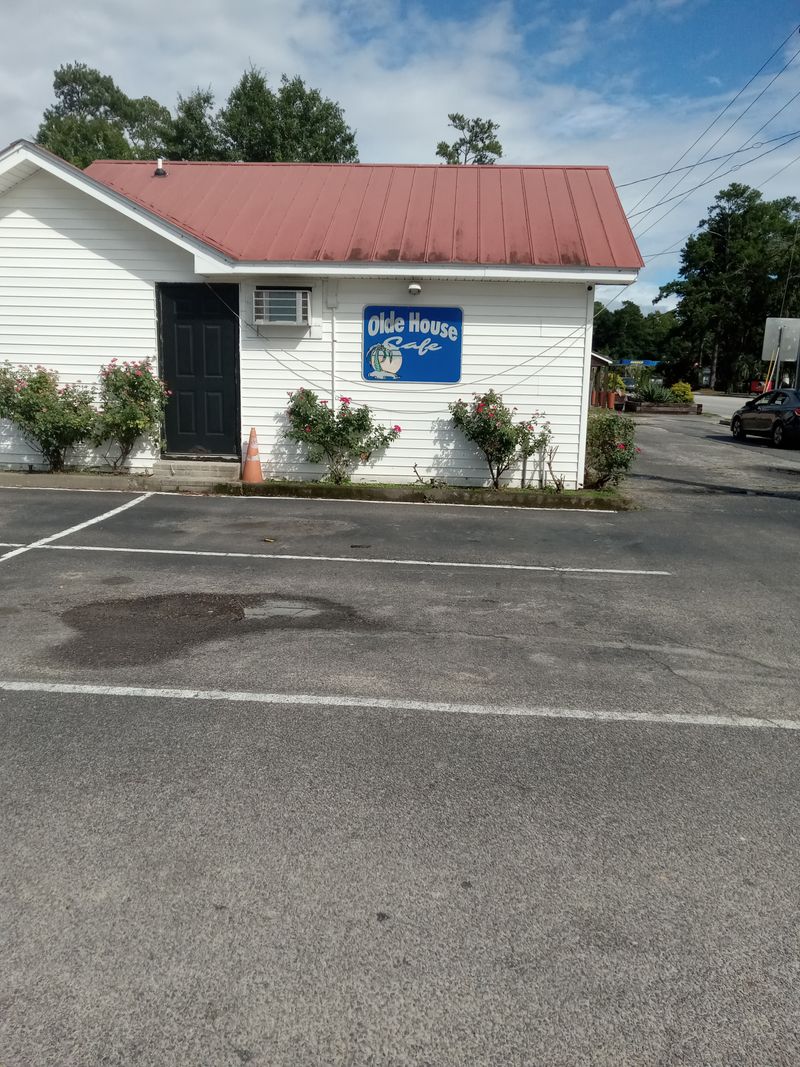
Olde House Café in Walterboro is a quintessential example of South Carolina’s old-fashioned cafeteria-style dining, offering a warm, no-frills environment where comfort, consistency, and community take center stage. Guests order at the counter or serving line, echoing the classic cafeteria setup that emphasized efficiency and practicality while delivering hearty, familiar meals.
The menu is rooted in Southern comfort food, featuring fried chicken, meatloaf, country-style vegetables, mashed potatoes, and cornbread, along with daily specials that rotate to keep meals varied yet reliable.
Breakfast items, sandwiches, and simple desserts round out the offerings, reflecting the cafeteria tradition of providing approachable, satisfying food for a wide audience. Portions are generous, flavors are familiar, and presentation is straightforward, staying true to the practical ethos of mid-20th-century cafeterias.
Beyond the food, Olde House Café functions as a local gathering spot, drawing families, workers, and community members who appreciate both the reliable meals and the welcoming atmosphere. In Walterboro, it serves as a living reminder of South Carolina’s cafeteria culture—a place where hearty food, efficient service, and a sense of shared tradition combine to create a timeless dining experience.
Phillips Avenue Diner (Sioux Falls, South Dakota)
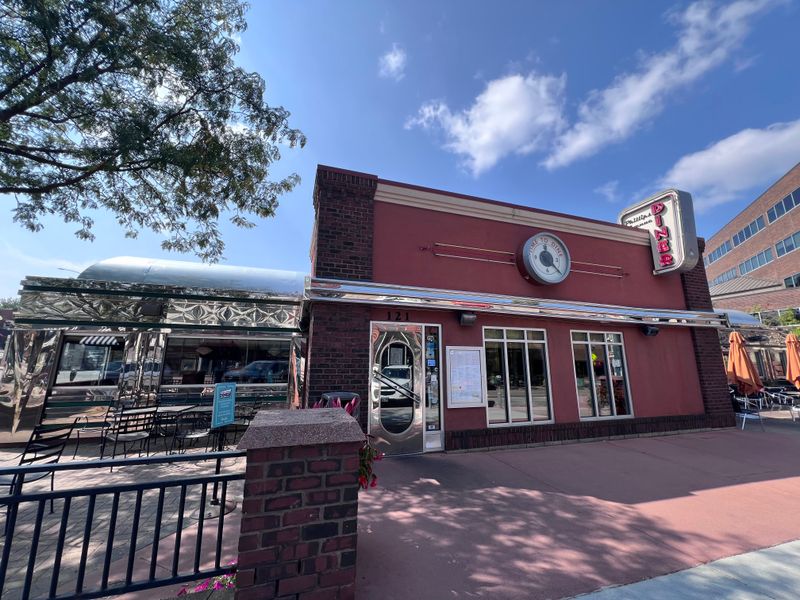
Phillips Avenue Diner runs a bright, efficient line beneath retro neon. You order, claim a tray, and watch comfort staples head your way. The staff works with upbeat precision.
Chicken pot pie, meatloaf, and breakfasts that play all day keep spirits high. Milkshakes and pies offer sweet punctuation. Everything tastes familiar in the best way.
The dining room balances speed with ease. Refills appear, tables turn smoothly, and the place hums without stress. You can be in and out or linger happily.
Sioux Falls finds daily comfort here, and you will too. You leave nourished and a little nostalgic. The cafeteria rhythm makes it effortless.
Arnold’s Country Kitchen (Nashville, Tennessee)
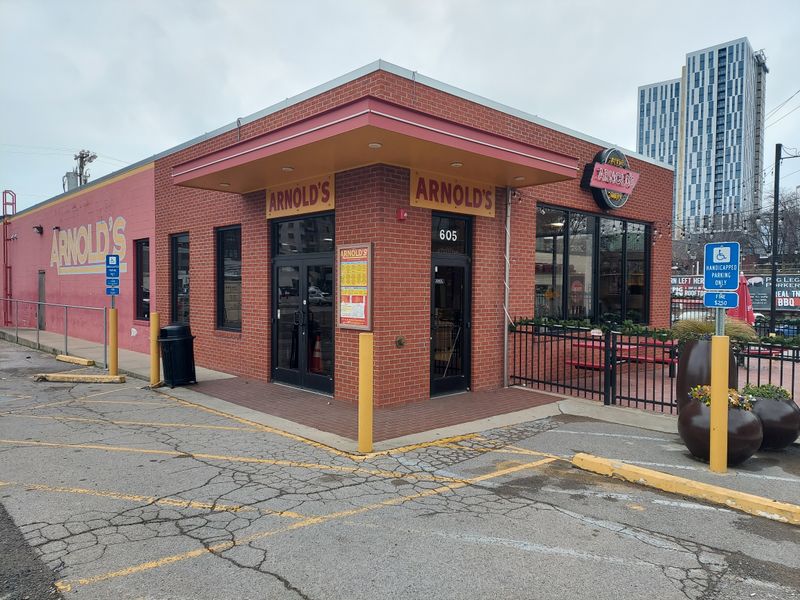
Arnold’s is a master class in meat-and-three grace. You grab a tray, meet the steam tables, and try to stay focused as fried green tomatoes wink at you. The line moves with cheerful purpose, like a band in tight formation.
Roasts, catfish, turnip greens, mac and cheese, and banana pudding make decisions both easy and impossible. The plates are generous and deeply satisfying. Staff stays upbeat and helpful even at peak chaos.
There is a communal spirit to the room, with strangers comparing sides like old friends. Tea stays sweet and plentiful. You feel part of a happy ritual.
Nashville changes fast, but Arnold’s holds the steady note. You leave full, smiling, and certain you will be back soon. This is cafeteria dining at its warmest.
Cleburne Cafeteria (Houston, Texas)
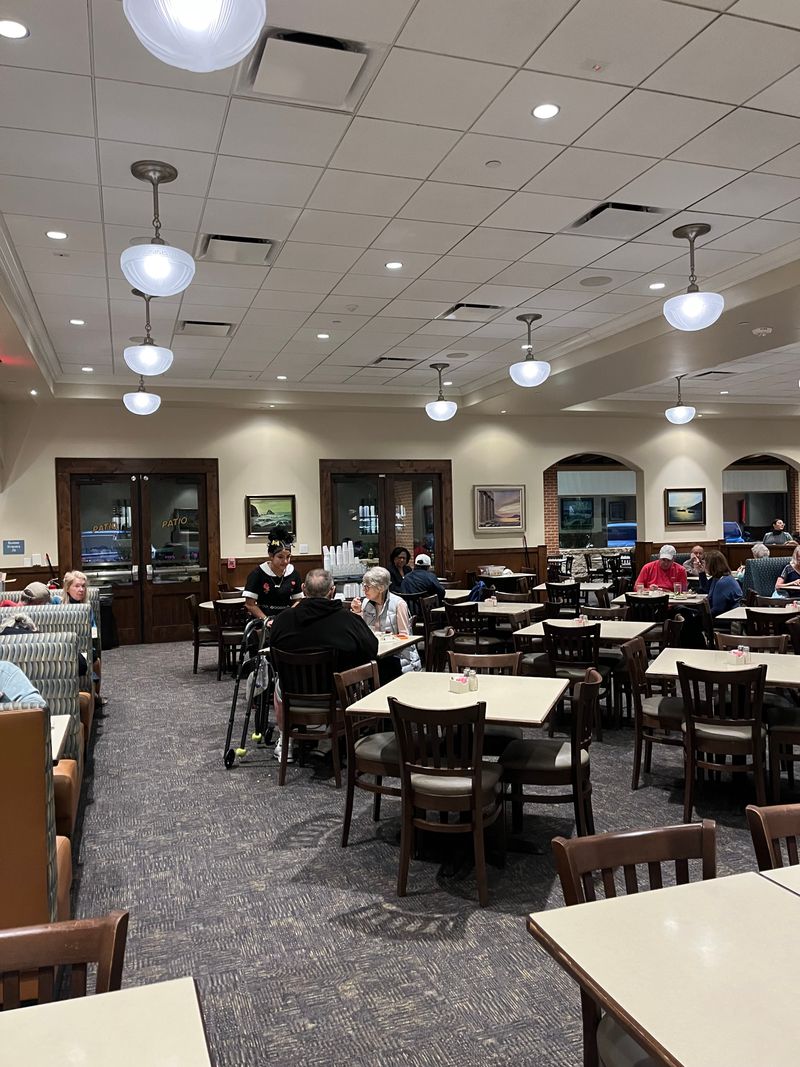
Cleburne Cafeteria in Houston is a classic example of Texas’ old-fashioned cafeteria-style dining, offering straightforward, hearty meals in a casual, welcoming environment. True to traditional cafeteria culture, guests order at a counter or serving line, ensuring efficient service and quick access to familiar, comforting dishes. The focus is on dependable, satisfying food rather than modern trends or elaborate presentation.
The menu highlights Southern and Texan comfort foods, including fried chicken, meatloaf, roast beef, and daily specials, paired with homestyle sides such as mashed potatoes, green beans, cornbread, and seasonal vegetables. Breakfast items, sandwiches, and classic desserts provide variety while maintaining the cafeteria’s emphasis on simple, reliable flavors. Portions are generous, and the meals are designed to satisfy both locals and travelers seeking a hearty, unpretentious dining experience.
Beyond the food, Cleburne Cafeteria functions as a community gathering spot, welcoming regulars, families, and workers who value the efficiency, consistency, and warmth of the environment.
In Houston, it stands as a lasting example of cafeteria-style dining, preserving the tradition of comforting, accessible, and communal meals that have defined this style of restaurant for generations.
Over the Counter Café (Salt Lake City, Utah)
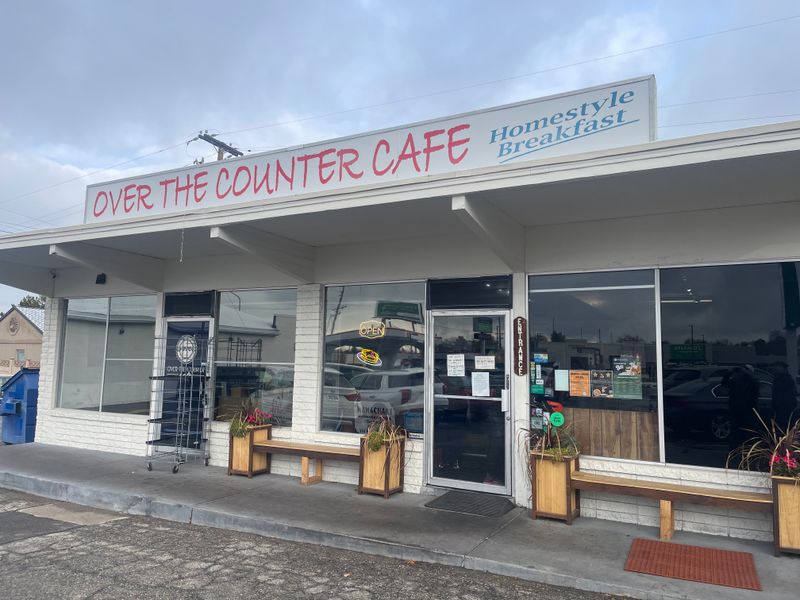
Over the Counter Café in Salt Lake City is a modern yet nostalgic take on classic cafeteria-style dining, preserving the straightforward service and comforting fare that characterized mid-20th-century cafeterias. Guests order at the counter or serving line, reflecting the efficient, no-frills setup that made cafeterias popular for everyday meals. The focus is on hearty, satisfying food delivered quickly and consistently, creating an experience rooted in practicality and familiarity.
The menu emphasizes American comfort food favorites, including meatloaf, fried chicken, daily specials, and homestyle sides such as mashed potatoes, vegetables, and rolls.
Breakfast options, sandwiches, and simple desserts round out the offerings, maintaining the approachable, dependable style typical of traditional cafeteria dining. Portions are generous, recipes are straightforward, and presentation prioritizes function over flair.
Beyond its menu, Over the Counter Café serves as a gathering spot for the community, drawing locals, families, and workers who appreciate the welcoming atmosphere and reliable meals. In Salt Lake City, the café preserves the enduring charm of old-fashioned cafeteria culture: an inviting space focused on comfort, routine, and unpretentious, satisfying food.
Henry’s Diner (Burlington, Vermont)
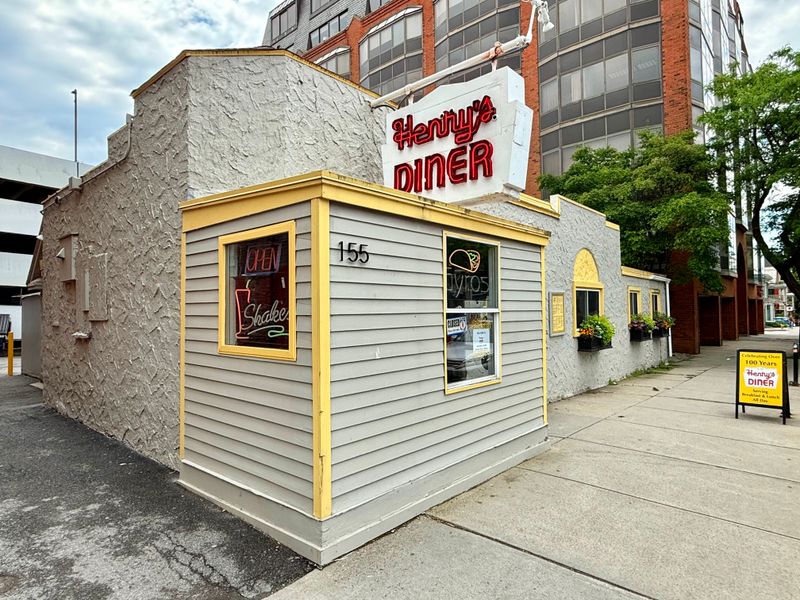
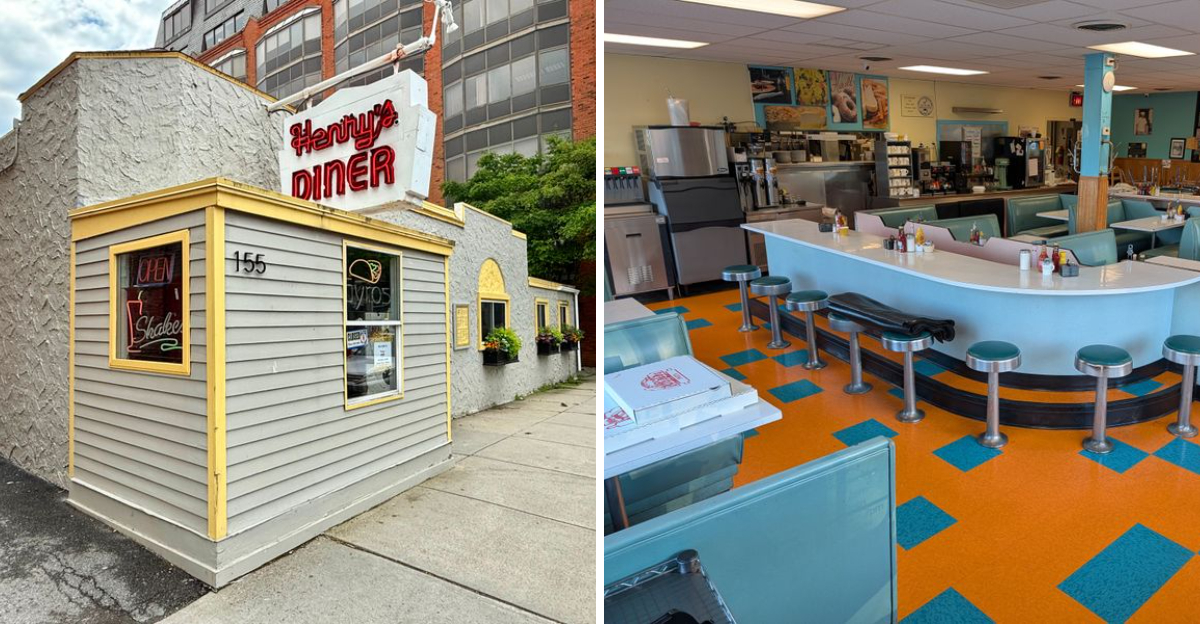
Henry’s Diner translates Vermont comfort into a tidy cafeteria rhythm. You order, take a tray, and watch pancakes march out with maple syrup in tow. The room feels like a reliable friend.
Breakfast is king, but lunches carry their weight: turkey clubs, soups, and blue plate specials. Coffee keeps pace, and the staff runs a tight, friendly ship. You settle in quickly.
The vibe balances college-town bustle and old-timer calm. Plates land hot, refills appear, and the day seems manageable again. It is therapy by steam table.
Burlington holds onto places like this for good reason. You leave warm, content, and maple-sweet. The cafeteria cadence makes everything flow.
Blue Ridge Café & Catering (Ruckersville, Virginia)
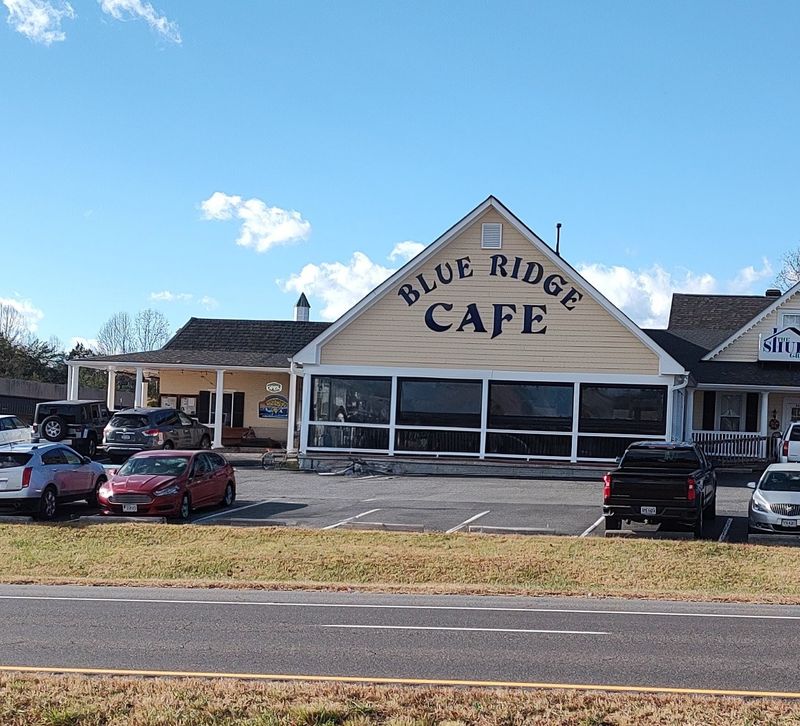
Blue Ridge Café & Catering in Ruckersville offers a delightful take on the old-fashioned cafeteria-style dining experience, blending traditional comfort food with the convenience and efficiency that made cafeterias so popular in the past. While it offers full-service dining, the essence of cafeteria-style food shines through with its counter-based ordering and hearty, dependable meals that cater to both locals and travelers.
The menu features classic American comfort foods, including fried chicken, meatloaf, roast beef, and a rotating selection of daily specials, all paired with traditional sides like mashed potatoes, green beans, and cornbread.
The focus is on large portions, home-style cooking, and flavors that feel familiar and comforting. The food is designed to be filling and satisfying, much like the meals once served on cafeteria steam tables.
Blue Ridge Café also serves as a local gathering place, bringing together families, community members, and visitors in a friendly, welcoming environment. With its focus on consistency, quality, and comfort, it continues the tradition of providing dependable, no-frills meals while maintaining a sense of local pride. In Ruckersville, Blue Ridge Café & Catering remains a cherished spot for those who appreciate classic, uncomplicated meals in a setting that feels both nostalgic and community-oriented.
Beth’s Café (Seattle, Washington)
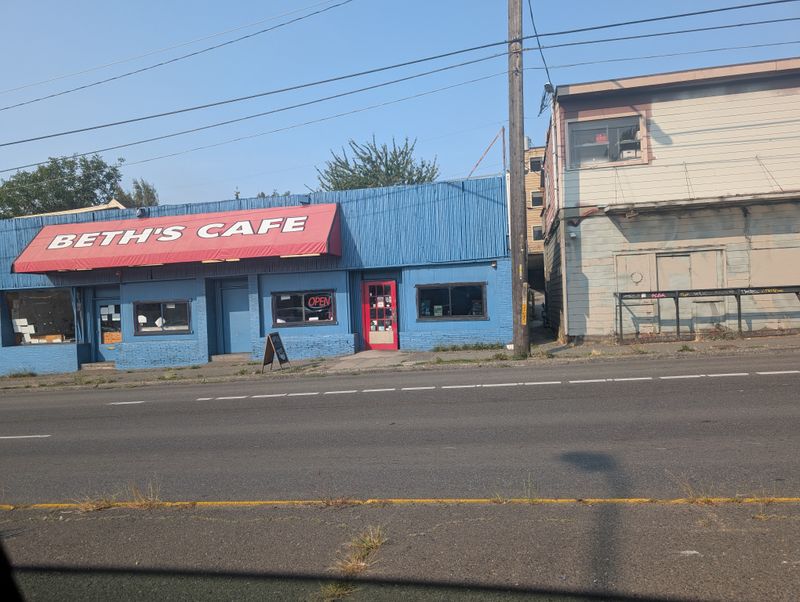
Beth’s Café carries a cafeteria beat under Seattle’s gray skies. You order at the counter, claim a tray, and soon meet a plate-size omelet that defies reason. The chalkboard art lends a playful warmth.
Breakfast runs all day, with hash browns crisp and generous. Coffee keeps coming, and the room’s bustle feels friendly. The staff handles the flow like pros.
There is comfort in the predictability. Big plates, quick service, and a seat that feels like yours after a single visit. You relax into it easily.
Seattle changes fast, but Beth’s holds steady. You leave fueled and ready, maybe with leftovers wrapped tight. Cafeteria simplicity, diner attitude, perfect pairing.
DJ’s 50’s & 60’s Diner (Fairmont, West Virginia)
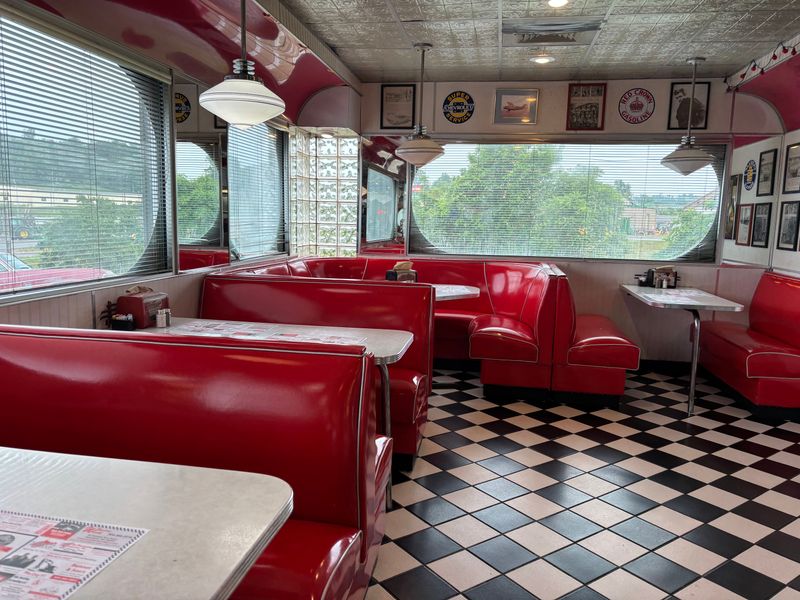
DJ’s 50’s & 60’s Diner in Fairmont is a vibrant throwback to the golden age of cafeteria and diner culture, capturing the nostalgia of mid-20th-century American dining. While styled with a retro 50s and 60s aesthetic, the diner embraces the principles of old-fashioned cafeteria-style service: counter ordering, quick service, generous portions, and familiar, comforting food. Guests experience the efficient flow and casual atmosphere that once defined cafeteria dining, making it a beloved local institution.
The menu focuses on classic American comfort foods, including burgers, meatloaf, fried chicken, breakfast plates, and daily specials. Homestyle sides such as mashed potatoes, vegetables, and house-made desserts complement the entrees, ensuring meals are both hearty and satisfying. Traditional diner beverages—milkshakes, sodas, and coffee—enhance the nostalgic cafeteria experience.
Beyond the food, DJ’s functions as a community hub where locals and visitors alike gather for a reliable, unpretentious meal. The décor, music, and friendly service transport diners back to a simpler era while preserving the practical, dependable qualities of cafeteria-style dining.
In Fairmont, DJ’s 50’s & 60’s Diner stands as a lively reminder of West Virginia’s mid-century dining traditions: familiar, comforting, and unpretentiously fun.
Feil’s Supper Club (Randolph, Wisconsin)
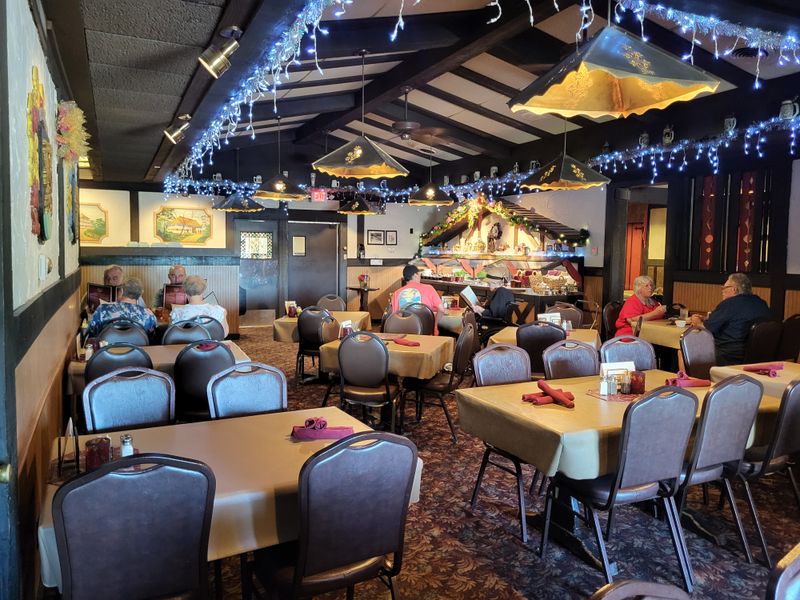
Feil’s Supper Club in Randolph is a classic example of Wisconsin’s enduring cafeteria-style dining tradition, blending the comfort of homestyle meals with the efficiency and reliability that defined mid-20th-century cafeterias. Guests navigate a counter or serving line to choose from daily specials and staple dishes, echoing the practical, no-frills approach that made cafeteria dining a central part of community life.
The menu highlights hearty American and Midwestern comfort foods, including fried chicken, roast beef, meatloaf, and traditional sides like mashed potatoes, green beans, and corn. Breakfast options, sandwiches, and simple desserts complement the main offerings, maintaining the approachable, dependable style of classic cafeteria meals. Portions are generous, flavors are familiar, and presentation is straightforward, prioritizing nourishment and consistency over culinary trends.
Feil’s Supper Club also serves as a community gathering spot, attracting locals, families, and travelers who appreciate both the food and the welcoming, unpretentious atmosphere.
In Randolph, it stands as a living reminder of Wisconsin’s cafeteria-era culture—a place where hearty meals, routine, and a sense of shared community converge in a timeless, comforting dining experience.
R&B Breakfast Club (Cheyenne, Wyoming)
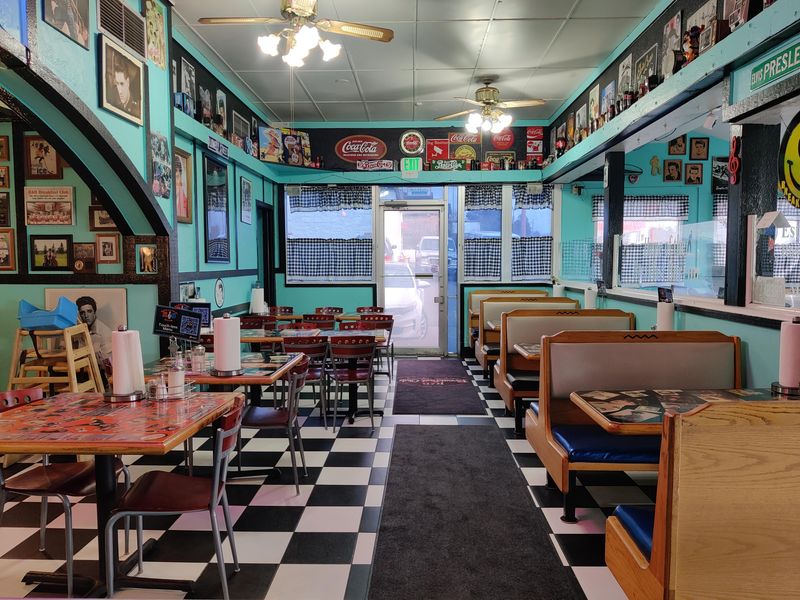
R&B Breakfast Club keeps mornings grounded with cafeteria clarity. You order at the counter, take a tray, and wait for eggs, bacon, and green chile to land hot. The vibe is friendly and straightforward.
Portions are honest, coffee reliable, and specials chalked with quiet pride. The staff keeps the pace even and the tables tidy. You feel welcomed without fuss.
Locals swap weather notes while travelers find quick comfort. Plates arrive fast and satisfying, sending you back out ready. It is the kind of place that earns regulars.
In Cheyenne, R&B proves breakfast can be both efficient and warm. You leave full, caffeinated, and in a better mood. Cafeteria counter service at its simplest.