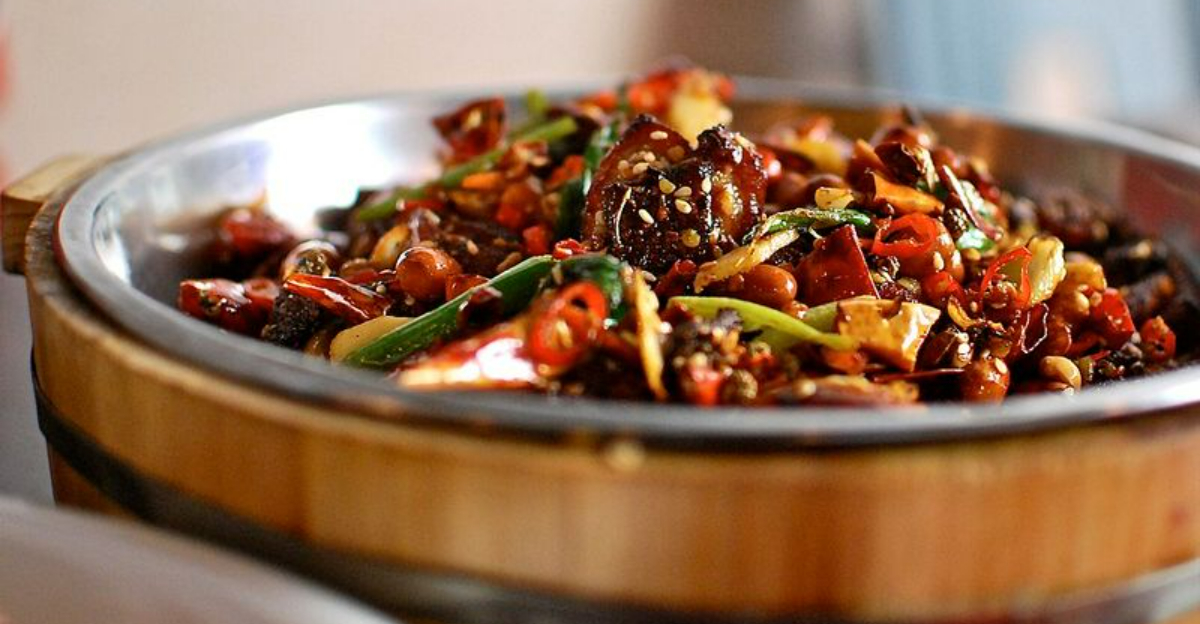
Travel tastes familiar until a plate lands that bends every expectation you walked in with. What looks simple often hides a rulebook, a rhythm, or a history that locals feel in every bite. If you have ever dipped the wrong side of sushi or called everything a curry, you know the feeling. Keep an open mind and you will leave the table smarter, fuller, and genuinely delighted.
Japan — Sushi is not just raw fish
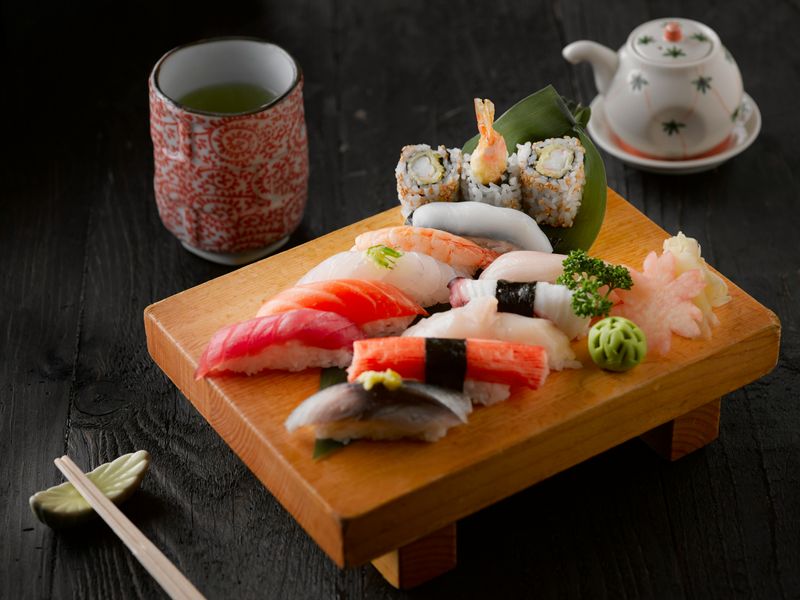
Sushi revolves around shari, the seasoned rice, and the small, deliberate touches that shape balance. Many bites are cooked, cured, or purely vegetable, from tamago to anago to pickled gourd. You taste temperature, texture, and restraint more than bravado.
Etiquette matters because it protects that balance. When you dip nigiri, turn it gently so only the fish touches soy and the rice stays intact. Ideally, each piece is eaten in one bite so the seasoning and air in the rice meet your palate at once.
Ask the chef about progression if you are at the counter, and notice how milder fish often lead. Wasabi is usually placed by the chef, so go easy on extra. If you want crunch or heat, try gunkan with roe or a roll with pickles rather than flooding soy sauce.
Italy — Pizza varies by region
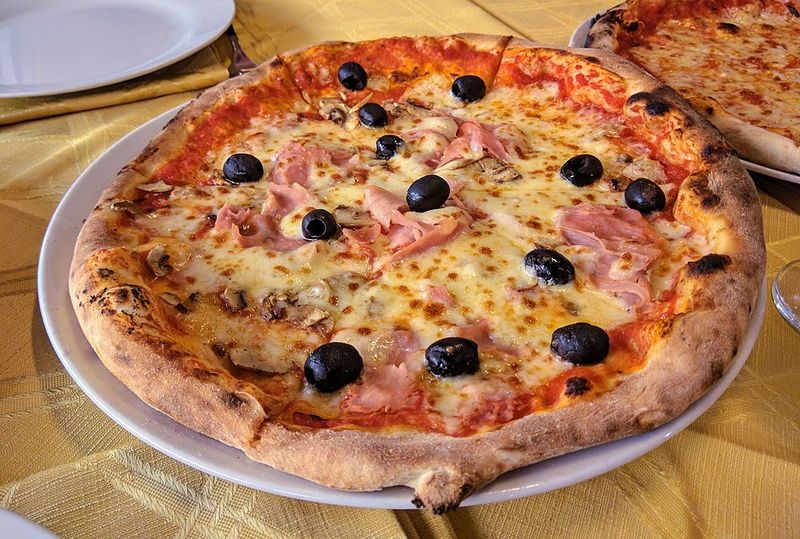
There is no single Italian pizza, and you will feel the difference the second you pick one up. In Naples, a soft, blistered cornicione and a restrained Margherita define the baseline. In Rome, you may meet crackly tonda or rectangular al taglio sliced by weight.
Local expectations shape toppings and texture, not novelty. A Neapolitan pie wilts slightly because it is tender and steamy at the center. Roman slices travel well, built for a stroll and a quick bite, where crunch is part of the pleasure.
Order with the region in mind rather than chasing a universal template. If you crave chew and smokiness, go Neapolitan and keep toppings minimal. For variety and snacking, try al taglio and sample seasonal combinations that rotate through the day.
France — Courses and the cheese moment
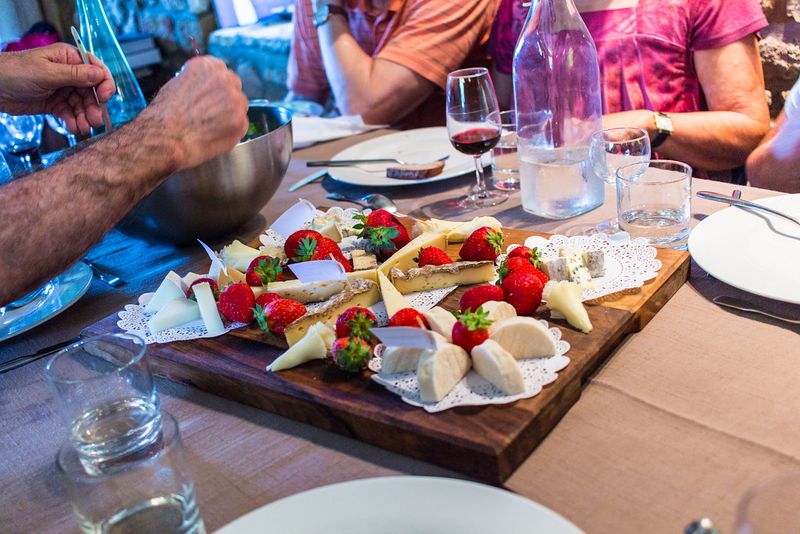
French meals often flow like a story with defined beats. You might start with a light entrée, move through a composed plat, then encounter a cheese course before dessert. That plateau de fromages is not random or an appetizer rerun.
It arrives to bridge savory to sweet, grounding the palate in texture and salt. Choosing a few cheeses and tasting from mild to strong is part of the rhythm. Bread is for carrying flavor, not smothering it, and butter rarely appears alongside cheese.
Do not rush this interlude. Ask for guidance, and try a contrast like soft goat followed by a nutty Comté. When dessert lands, the sweetness feels cleaner because the cheese reset your senses without overwhelming them.
Mexico — Street tacos vs Tex-Mex
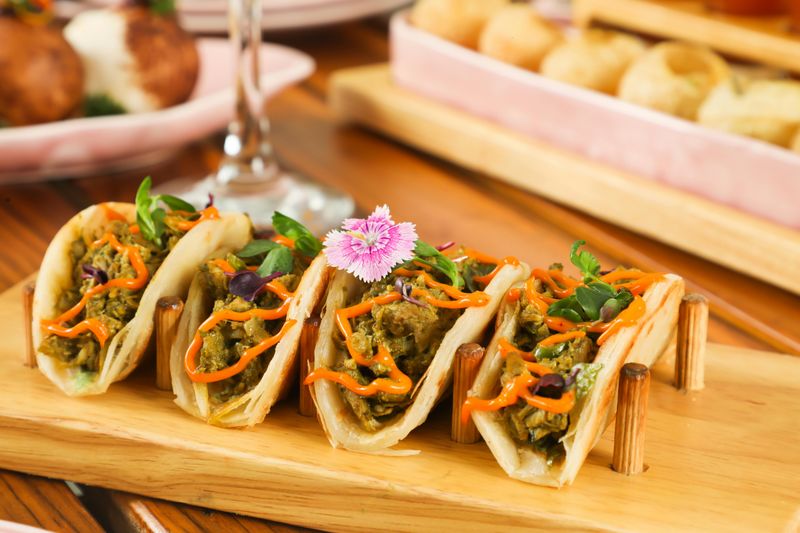
Authentic Mexican tacos center on small corn tortillas and vivid freshness. A handful of chopped cilantro and onion, a squeeze of lime, and meat seasoned more than smothered. The tortilla is soft support, not an afterthought, and comes doubled for sturdiness.
Tex-Mex leans hearty and dressed, with flour tortillas, cheese, and sour cream taking the foreground. Both have a place, but your expectations should switch gears. On the street, balance matters and salsas add brightness, smoke, or heat in measured drops.
Stand at the counter, watch the chopping rhythm, and eat as soon as the taco hits your hand. Garnish lightly, taste, then adjust. You will catch the difference between fat, acid, and corn aroma that defines the Mexican taco experience.
India — Curry is not one dish
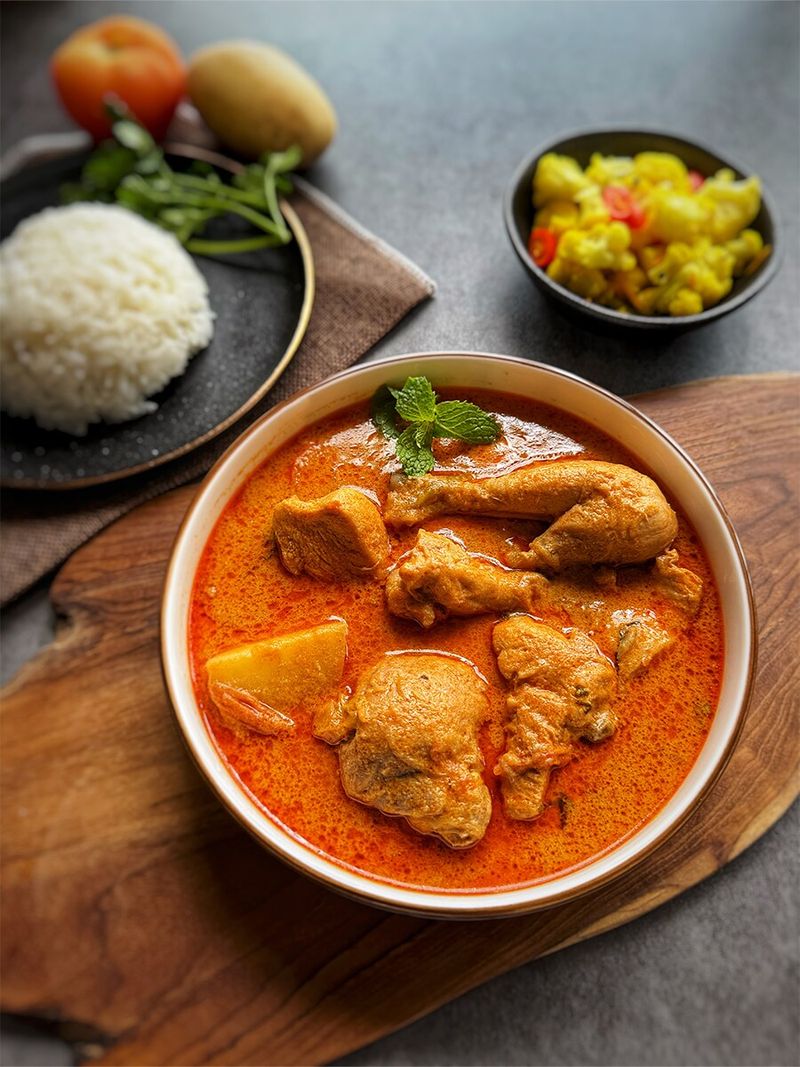
Outside India, curry gets used as a single label, but it covers countless preparations. Sauces may be coconut and curry leaves in the south, or tomato and yogurt in the north. Many dishes are dry, relying on roasted masalas instead of gravy.
Families guard their spice profiles, blooming aromatics in ghee or oil to shape depth. Heat is only one factor; acidity, sweetness from onions, and nuttiness from sesame or peanuts matter too. The word curry tells you little until you know region and base.
Ask what thickens the sauce and when spices were added. Taste for mustard seeds popping or the fragrance of fenugreek. Let rice, roti, or dosa match the texture so every bite carries the right amount of sauce without drowning it.
China — Beyond one “Chinese food”
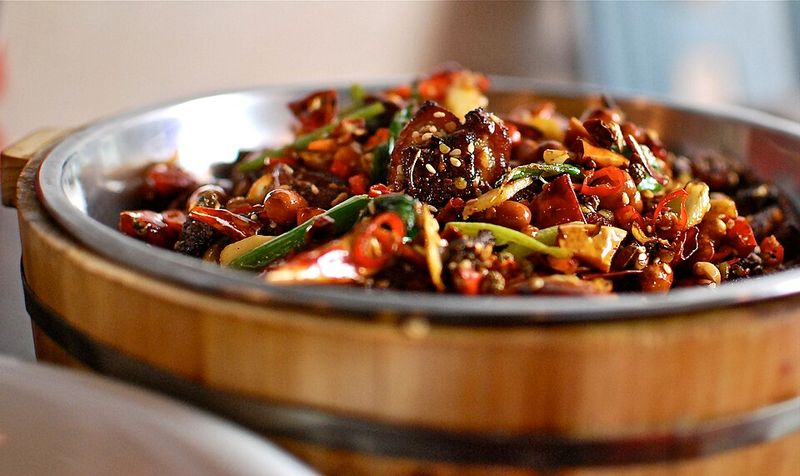
The menu abroad often skims a few regions, but China holds many distinct cuisines. Sichuan crackles with peppercorns, while Cantonese plates whisper with seafood and careful steaming. Jiangsu leans glossy and refined, Hunan fires with smoke and chiles.
Sweet-and-sour, fried classics represent only a narrow slice. Textures range from silky tofu to crisp greens, and heat varies widely. What binds it is technique and seasonal awareness rather than one dominant flavor.
Pick a region and explore a full meal from that lens. Order greens, a braise, a starch, and a shareable centerpiece. You will taste how balance shifts with climate and pantry, revealing a spectrum hidden by catchall labels.
Middle East — Mezze is shared
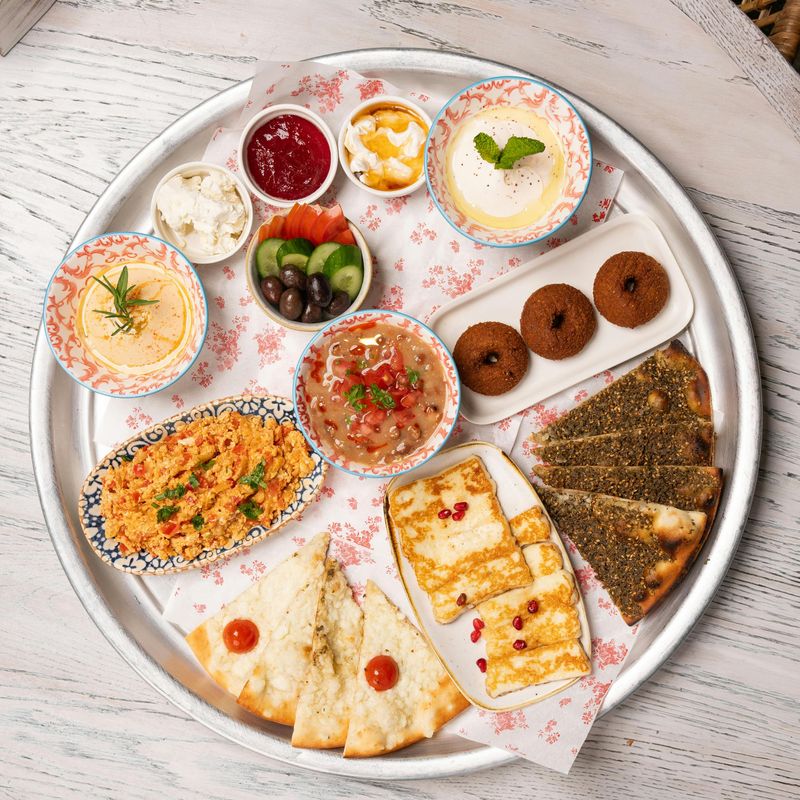
Mezze is a way to open a meal and open conversation at the same time. Small plates arrive for sharing, encouraging pauses and little choices. Hummus, smoky baba ghanoush, pickles, and warm flatbread tell you to settle in.
There is no rush to finish one bowl before another. You graze, repeat favorites, and adjust to the table’s pace. Sometimes the mezze stretches into the main event, with grills or stews arriving later if you still want more.
Use bread as utensil and keep flavors moving. Alternate creamy with acidic and crunchy with soft. You will find that the social rhythm is as satisfying as the food itself.
Spain — Tapas shift by place
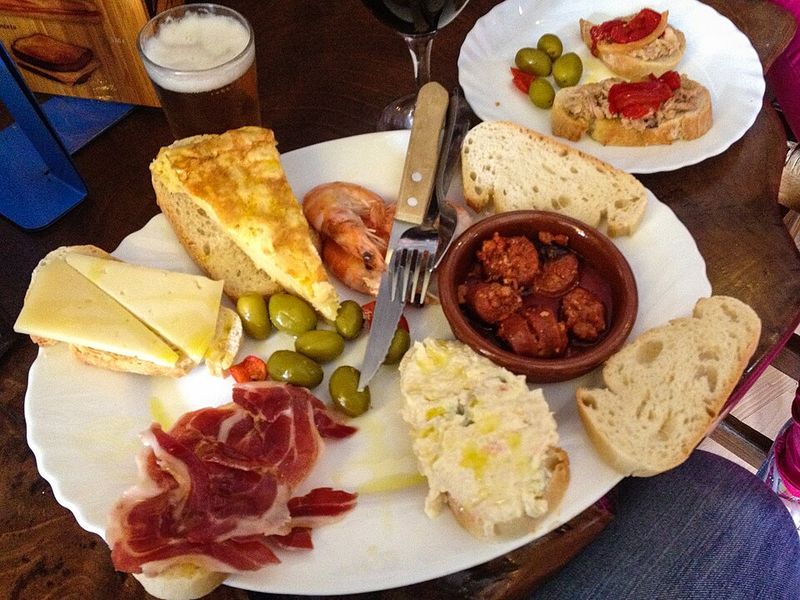
Tapas can be a courtesy snack with a drink, a sequence of plates, or a full shared meal. In some cities a tiny tapa appears by default as your glass lands. Elsewhere, you build the spread plate by plate, pacing bites among friends.
Regional favorites change the rules again. In the Basque Country, pintxos perch on bread with a toothpick count. In Andalusia, fried seafood punctuates a round of cold beers and lively chatter.
Stand at the bar for quick turnover and fresher hot items. Move between spots rather than settling for one long sit. You will tune into a casual ritual where appetite and conversation set the tempo.
Germany — Bread and savory breakfast
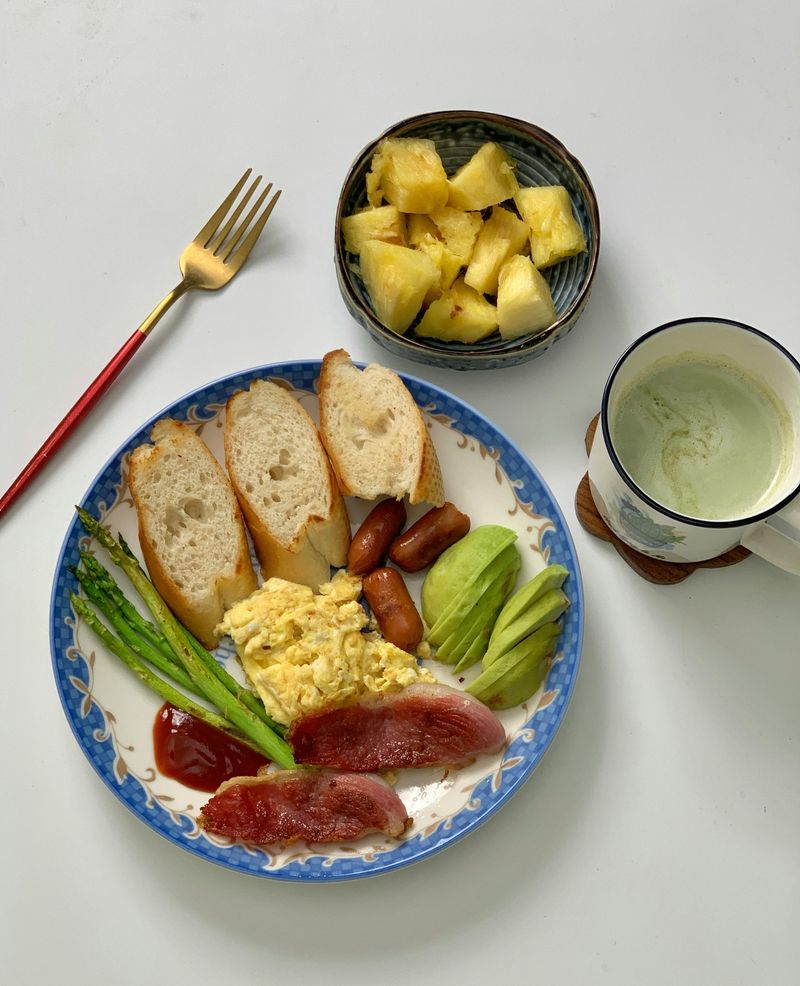
Morning in Germany runs on bread variety and savory sides. Bakeries stack rye, spelt, and seeded rolls that beg for cold cuts or cheese. Instead of one toast and jam, expect a small parade of textures and grains.
Butter, pickles, and mustards join the table, shaping a salty, tangy start. A soft-boiled egg and quark might appear, adding creaminess without heaviness. You build bites on the fly rather than eating a single set piece.
Order a basket and sample broadly. Split rolls, mix toppings, and notice how sour rye anchors richer flavors. The balance turns breakfast into a customizable spread rather than a fixed plate.
Thailand — Spice as balance
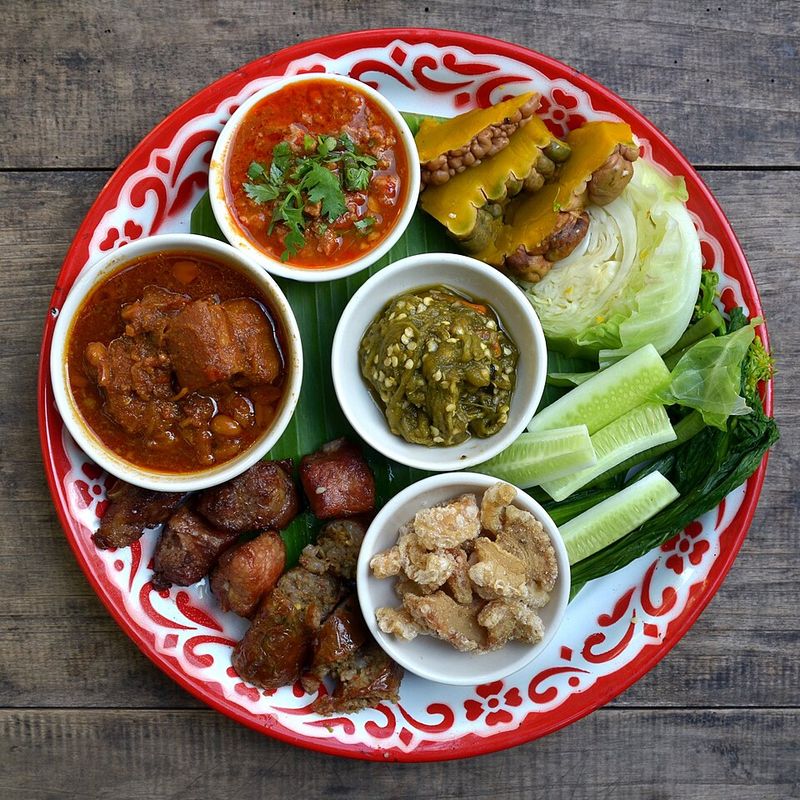
Thai food aims for harmony more than a high score on the heat scale. Sweet, sour, salty, and bitter play together, with spice as one part. You might eat a mild coconut soup beside a fiery salad and find both complete.
Condiment caddies let you tune heat and brightness at the table. A squeeze of lime, a spoon of fish sauce, or sliced fresh chiles shifts the profile. The base recipe is balanced so tweaks feel intentional, not chaotic.
Before asking for extra spicy, taste the default and adjust by sips. Pair a sweet element with a salty bite to feel the design. The pleasure lies in finding your own balance without bulldozing the dish.
Brazil — Churrasco and rodizio
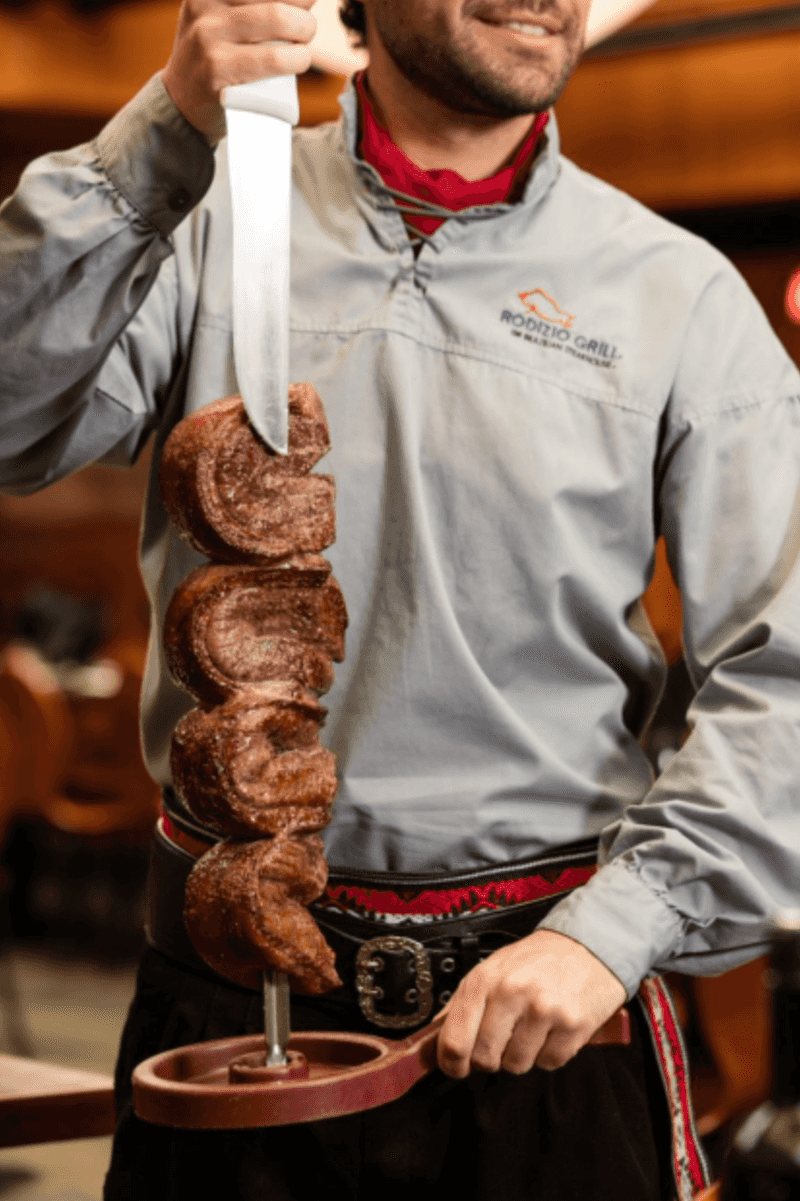
Churrasco in Brazil often arrives as rodizio, a rolling service of meats carved table-side. Servers circle with skewers, and you signal more or pause with a small card. Cuts like picanha shine because they are sliced just as fat melts perfectly.
Side dishes support rather than steal the show. Farofa adds crunch, while vinaigrette brings acidity. Pace yourself, because the parade keeps returning until you call it.
Take small portions and revisit favorites on the next pass. Ask for desired doneness when a skewer arrives. You will leave satisfied without feeling ambushed by the abundance.
Ethiopia — Injera and sharing
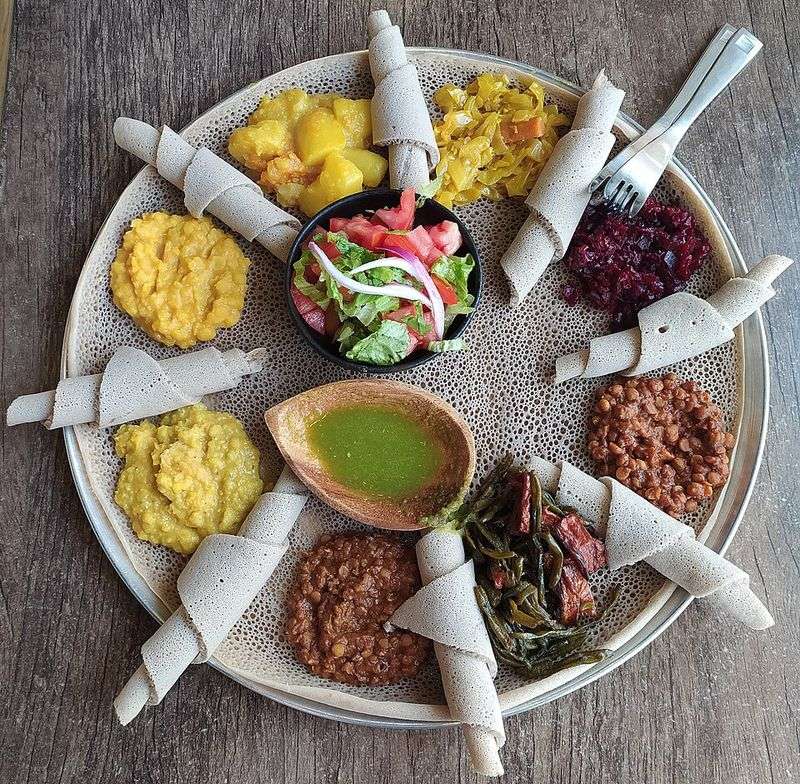
Injera is both utensil and stage, a spongy flatbread that absorbs sauces beautifully. Stews and vegetables spread across a shared platter, and you tear pieces to pick them up. Eating with the right hand keeps the flow tidy and respectful.
Sharing is the design, not an exception. You learn each stew’s personality as you circle the platter. A clean piece of injera is always used to lift food, keeping the surface neat as flavors mingle.
Start with milder lentils and move toward spicier wats. Finish by savoring the soaked injera base, the meal’s essence. The social warmth is baked into every bite and gesture.
Korea — Banchan and fermentation
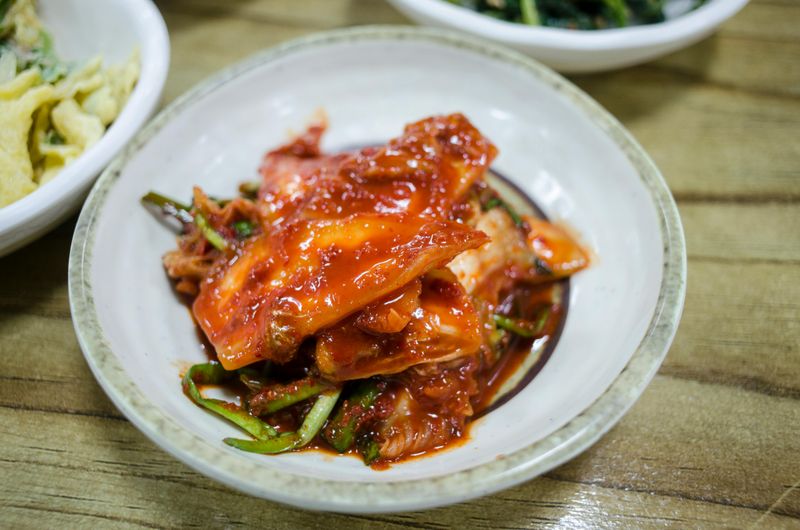
Korean meals unfold with rice and soup at the core, then a fleet of banchan at the edges. Fermented flavors like kimchi appear daily, not as a novelty. These small plates rotate by season and mood, refreshing the main dish.
You do not finish one before starting another. Alternate bites so acid, heat, and umami lift each mouthful. Banchan are refilled sometimes, encouraging steady, casual sharing.
Use chopsticks for side dishes and spoon for soup and rice. Taste the ferments first to set your palate awake. The interplay makes even a simple meal feel abundant and composed.
Vietnam — Pho is the broth
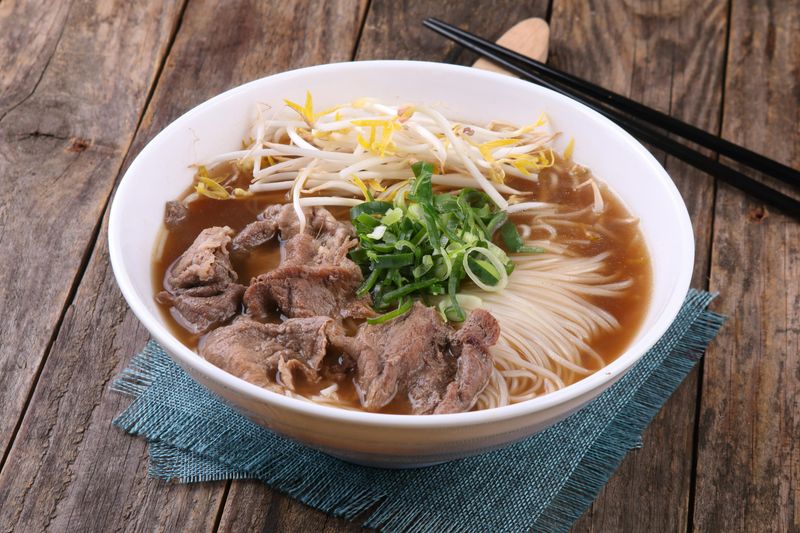
Pho begins with broth that whispers of bones, charred onion, and spices. Noodles and meat are supporting actors, slipping into a hot bath that defines the bowl. Garnishes sit on the side so you can customize without muddying the base.
Add herbs, lime, or chiles gradually and taste between each move. If the broth is right, you will feel clarity and warmth rather than heaviness. Chicken and beef versions carry different tempos, both anchored by technique.
Do not drown it in sauces before the first sip. Let the aroma guide what you add, not the other way around. By the last spoonful, the broth should still taste bright and clean.
Sweden — Fika is a pause
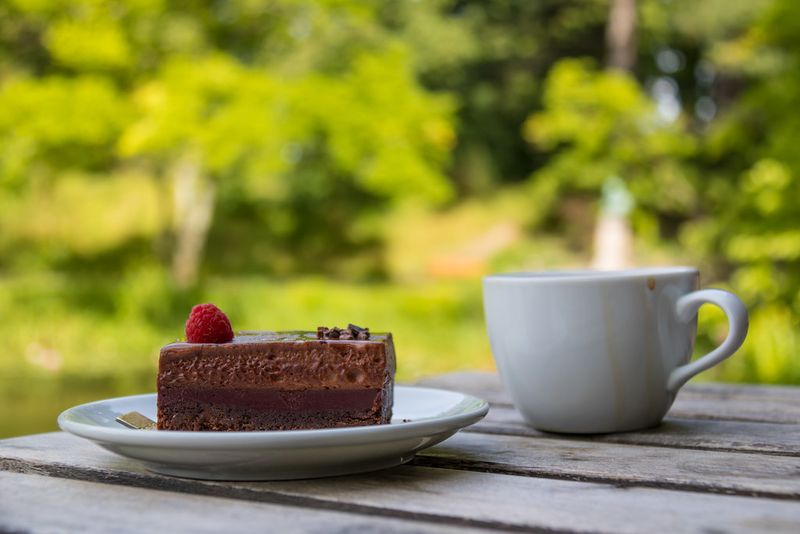
Fika is less about pastry and more about the shared pause. Coffee anchors ten or twenty minutes where work softens and conversation takes over. A cinnamon bun or small cake keeps the moment grounded and unhurried.
It is a workplace ritual and a social glue. Nobody rushes to gulp and run. You savor the warmth, chat, and reset before returning to tasks with a clearer head.
Order something simple and focus on the company. The treat is modest so attention stays on the connection. You leave feeling lighter, not sluggish, and oddly more productive.