Slow travel rewards curiosity, and New York’s historic villages are made for aimless strolling.
Cobblestone lanes, creaky inn porches, and centuries-old steeples invite you to linger, listen, and look closer.
You will find stories layered in stone walls, canal basins, and village greens if you give them time to speak.
Pocket your schedule, wander without a plan, and let these places reveal themselves at their own gentle pace.
Sleepy Hollow

Let yourself drift beneath the sloping roofline of the Old Dutch Church, where the stones seem to hold the village’s heartbeat. You can wander the churchyard and read the names that inspired Washington Irving’s legend, and you will notice how the wind threads through iron fences. Pause on the bridge as the Pocantico River murmurs, and you might catch the faintest echo of hoofbeats your imagination has kept ready.
Follow small sidewalks past clapboard houses and Dutch Colonial remnants, and you will find porch steps that creak like friendly greetings. The streets are best taken slowly, because every modest gable and weathered lintel pays out a little history. You can duck into quiet shops for warm cider or local books that explain how stories grew into roots here.
Keep walking toward Sleepy Hollow Cemetery, where grand mausoleums rest beside simple stones, and the contrast feels honest. You may notice ravens skimming treetops, a clock tower tolling, and the river’s metallic glint beyond. It is a place that rewards you when you let silence ask the questions.
Stand still near the Headless Horseman Bridge marker and watch schoolkids cross with swinging backpacks, living proof that legends and everyday life share the same streets. The afternoon light slants over slate roofs, and you can smell leaves and damp limestone.
When twilight settles, the village seems to fold the day into a folktale you carry home in your coat pocket.
There is no need to chase attractions because the small things do the work. A crooked fence. A rare book tucked behind a lantern on a shop shelf. Let your feet decide the next turn and the story will follow, as it always has in Sleepy Hollow.
Kinderhook

Walk Kinderhook at a human pace, and Dutch roots rise from every brick. You will see stepped gables, tidy gardens, and barns that seem to breathe in rhythm with the seasons. The village green feels like a pause button you have permission to press whenever you want.
Start near the Reformed Dutch Church and let your path drift toward Federal and Greek Revival façades. The details here are quiet but insistent: hand-wrought latches, Flemish bond brick, fanlights that catch morning sun. You can trace a line from colonial farms to a president’s childhood with nothing more than your own footsteps.
When you reach Lindenwald, Martin Van Buren’s home, the story widens without getting louder. A gravel crunch underfoot sets the pace for learning, and winter birds mark the pauses. You will notice how political history becomes domestic, how policy imagines a kitchen and a parlor.
Back in the village, small galleries and bakeries offer a different archive. A painting of milkweed seed, a loaf that tastes of rye and patience, a cup of coffee poured by someone who knows the local news. If you listen, you can hear old Dutch words floating under modern conversations.
Let a side street carry you past antique shops, clapboard eaves, and hedges trimmed by habit rather than rule. Stand by a stone wall and feel time pacing beside you, unhurried and companionable. Kinderhook asks nothing flashy from you, only attention, which it returns with long memory and a sense of place you can trust.
Rhinebeck

Rhinebeck greets you with clapboard confidence and stone-house calm, the kind that makes you slow your steps without thinking. You will find the Beekman Arms sign swinging like a metronome for the village’s tempo. Windows glow even in daylight, and the sidewalks suggest conversation as much as travel.
Start by browsing the independent shops where books, linens, and old postcards stack like gentle time capsules. You can run a fingertip along a stone sill and feel centuries cooling your skin. Turn a corner and discover a colonial doorway that seems to bow slightly, perfectly polite.
The side streets are a gallery of details: iron boot scrapers, rubbed thresholds, chimney stacks that partner with the wind. You may follow the cadence of church bells without meaning to, letting them set your next turn. In between, a cafe reminds you that warm bread is also a kind of history.
Wander toward grassy crossroads where porch conversations catch you like a friendly net. You will notice how the oldest structures carry themselves lightly, big on grace and spare on ego. A local points out a stone house that thumbed through three wars and still keeps its curtains neat.
Evening gathers with a theater ticket or a sidewalk table and a bowl of soup. The inn porch offers seats for watching carriages of the mind pass by, drivers tipping hats you can almost see. If you return the next morning, the same doors will open again, patient as ever, ready to teach you that the best landmarks might be the pauses between your steps.
New Paltz

Historic Huguenot Street asks you to lower your voice, not from rule but from respect. Stone houses shoulder the lane like careful elders, each with a door that has learned to keep its secrets. You can hear your own steps stitching time together on the uneven path.
Start at one house museum, then wander and let the rest find you. You will notice chalky mortar, low ceilings, and hearths that hold both heat and memory. A docent’s story about refuge and perseverance follows you outside, where the Shawangunks hover like quiet guardians.
The village beyond the historic core moves at a friendly clip. Cafes pour coffee that seems to understand hikers and students equally, and shop windows display quilts, pottery, and trail maps. Turn down a side street and a backyard garden offers the best kind of detour.
Follow the Wallkill River path if you want more room to breathe. You can watch swallows write cursive over the water while cyclists whisper by, and the ridge keeps pace on your left. Every bench feels like an invitation to stay a little too long.
Return to the stone houses in late light and you will see their colors deepen, grays turning warm and soft. The day’s noise thins to leaf-rattle and door latch, and you may feel grateful for how plainly the past stands here. New Paltz rewards your unplanned pauses with small truths that arrive exactly on time.
Cazenovia

Cazenovia meets you with brick façades, tidy cornices, and a lake that flashes silver at the end of the street. You will feel the cadence of a place that has balanced work and beauty for a long time. The sidewalks invite a pocket of free time you forgot to schedule.
Start near the village green and drift toward the church spire that steadies the skyline. Antique stores offer mirrors that have memorized decades of faces, while cafes serve soups with the kind of patience that tastes like thyme. You can trace old railroad lines in the alignments of back alleys and loading doors.
Follow the water when you crave more sky. A lakeside bench turns ordinary minutes into a quiet ceremony, and gulls provide the only commentary you need. The shoreline homes, with porches and columns, feel like very polite hosts.
As you wander, markers whisper about reform movements, abolition meetings, and early educators with stubborn courage. You will notice how moral ambition left footprints in architecture, in schools and assembly halls. The past here does not pose, it participates.
Evening brings soft light to brick and clapboard, and windowpanes answer back with amber squares. You can walk without destination and still arrive somewhere meaningful, which might be the whole point. Cazenovia rewards attention with calm, and calm with a sense that you could build a good life out of small, honorable choices.
Palmyra
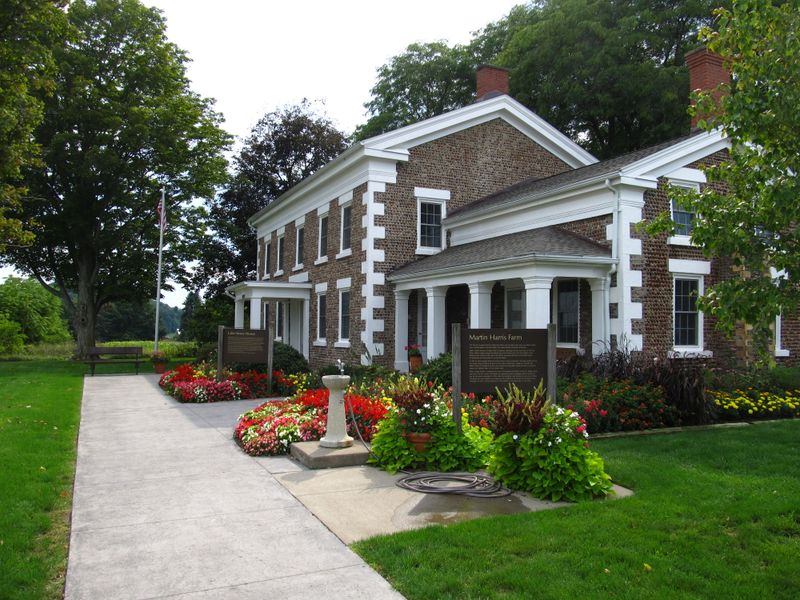
Palmyra’s Main Street lines up brick confidence beside steeples that seem to steady the weather. You can sense how commerce and conscience once shared the same doorways, and how they still do. Walk slowly so the signs and cornices can finish their sentences.
Begin with the cluster of historic churches that stand like a small council at the edge of downtown. Their stones hold sermons, weddings, and winter drafts with equal care. You will find that the echoes inside follow you back out to the sidewalk.
Look for canal-era traces in old warehouses and storefront proportions, the way loading doors sit higher, the way alleys remember water. A quiet marker might nod toward the Underground Railroad, and a simple house will carry a complicated past. You can feel how bravery often looks like an ordinary residence.
Shops sell hardware, books, and sweets in a rhythm that feels reassuring. A local might point you toward a corner where a parade used to turn, and you can watch the imaginary marchers pass. You will notice how the town keeps its pace with a modest pride that asks nothing fancy.
As afternoon light warms the brick, a small museum opens like a pocketknife, useful and well kept. Benches along the street offer good vantage points for studying window trims and listening to bits of conversation. Palmyra rewards unplanned time by connecting quiet places with brave stories, and it does so with a handshake more than a spotlight.
Canajoharie
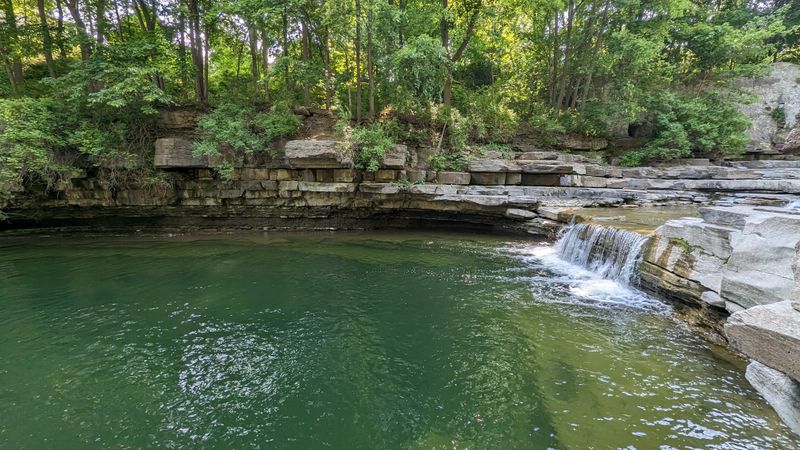
In Canajoharie, the valley cradles the village like a slow river of green. Streets step downhill toward memories of the canal, and stone houses keep watch with even tempers. You will find that the hills do part of the talking for you.
Start near the old churches where Palatine German settlers left their measured handwriting in stone and timber. Lintels and quoins signal endurance without boasting. You can trace Indigenous presence too, in the river’s name and the way the land organizes the view.
Wander to commercial blocks that hold their brick shoulders proudly aligned. Loading arches, painted signs, and broad windows tell a story of goods, gossips, and grain. A breeze might flip a ghost page from a ledger you cannot see, and still you understand.
Side streets deliver porches shaded by maples and a rhythm of screen doors opening to check the weather. The canal’s absence is a presence, guiding you along alignments that make sense only if you imagine water. You will notice the way industry once moved, and how quiet moved in after.
Finish at a small overlook or park where the valley widens like a kindness. The village asks you to measure time by footstep and birdsong instead of schedule. Canajoharie rewards those who wander with a map made of patience, place names, and the steady grammar of stone.
Waterloo
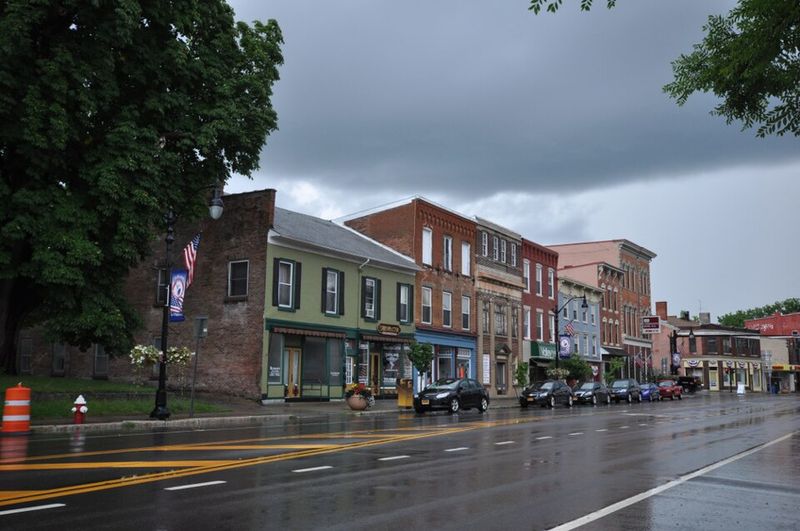
Waterloo carries the layers openly, from Cayuga homelands to county-seat brick. You can read the story in cornices, plaques, and the courthouse clock that marks more than hours. Walk slow enough to hear how the past clears its throat before speaking.
Begin at the square where official buildings present their tidy faces. The symmetry feels civic and sincere, and the flagstones remember shoes that came with decisions. You will notice how celebration and loss are folded together in memorial banners along the street.
Drift into storefronts that keep canal-era proportions, deep and practical. A barber shop, a bakery, and a thrift store hold the day together with friendly thread. If you ask, someone will tell you where parades have turned and how the route has changed.
Trace Native presence by learning names and listening near the river. The water has its own archive, and the banks keep secrets in reeds and stones. You can stand still long enough to understand that history is not a display, it is a relationship.
As evening glows on brick, a sense of earned steadiness settles over town. Lights blink on in second-floor windows, and you can imagine ledger books closing with a soft thud. Waterloo rewards wandering by offering dignity without spectacle, and that is a gift worth walking for.
Aurora
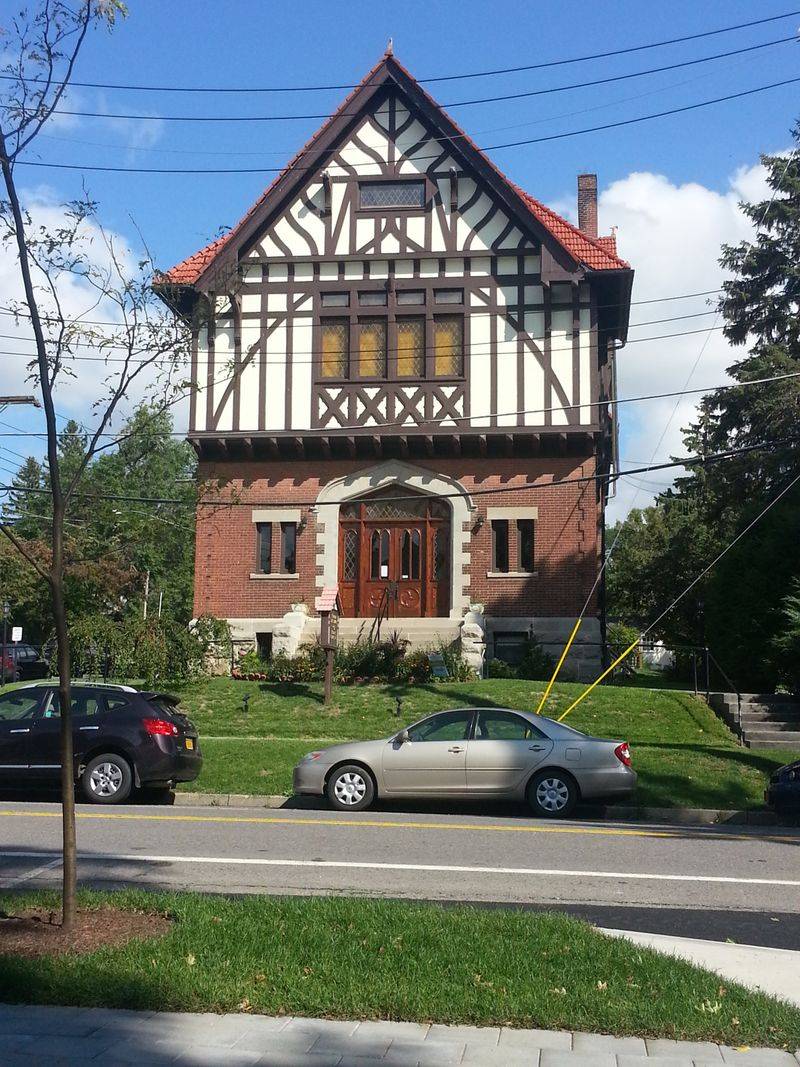
Aurora unfolds like a lakeside postcard that took its time learning to be beautiful. The Aurora Inn porch offers rocking chairs facing water that changes mood by the hour. You will feel your shoulders drop three notches just by standing still.
Stroll past Greek Revival homes that wear their columns with ease. The paint colors feel like late-afternoon light even at noon, and gardens contribute their own hospitality. You can hear footsteps on wooden porches and think, yes, this is the correct speed.
The lakefront path gives you a long horizon to measure your thoughts against. Boats sketch quiet lines and disappear, leaving ripples that correct your breathing. Along the way, plaques and small markers stitch the canal era to village life without raising their voices.
Pop into a campus building or gallery where students and neighbors share easy nods. A cup of coffee tastes better after the shore breeze has edited your plans. You will notice how the village arranges views like a considerate host, always offering a bench at the right moment.
Twilight paints the inn’s windows amber, and the water answers with a softened mirror. Linger on the porch and let conversations drift past you like small boats. Aurora rewards unhurried wandering by reminding you that grace can be practical, and quiet can be a kind of welcome.
Unadilla
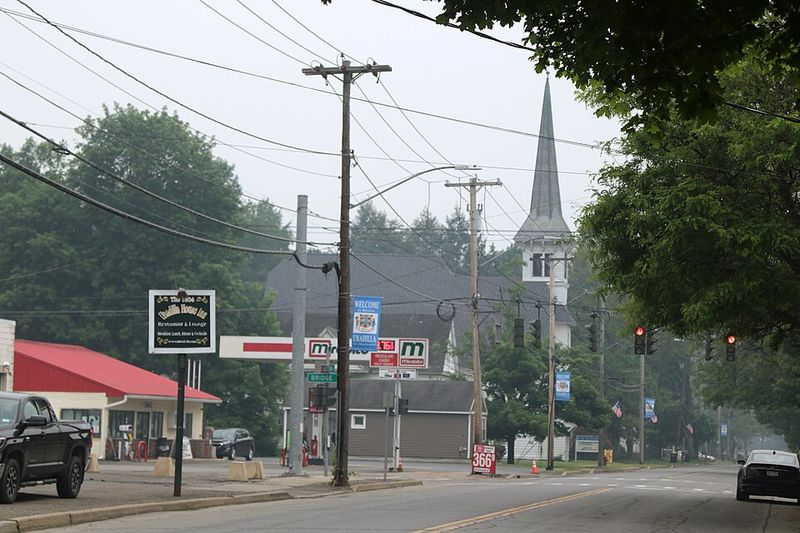
Unadilla speaks in porch steps and window sashes, early 19th-century manners carried into the present. You will see clapboard steadiness and storefronts that prefer understatement. The hills around the village tuck it in like a careful blanket.
Start near the oldest blocks where simple brackets and narrow cornices make their case. A hardware store bell rings with a friendliness that does not need to be announced. You can read the town’s history in door widths and roof pitches.
Wander a few blocks and find tidy homes with lilac bushes and chairs angled for neighborly chats. Kids on bikes become your pace car, and mailboxes do a quiet roll call. If you turn down a lane at random, you might meet a dog who knows the route better than you do.
Church steeples offer quick bearings when the side streets begin to rhyme. A small museum or historical marker might point out how trade moved along old roads and river bends. You will notice the architecture’s modesty as a kind of strength, economical and thoughtful.
As late light softens the paint and the flags stop snapping, you may realize nothing hurried happened and everything important did. The day folded into conversations, glances, and a good cookie from a bakery that closes early. Unadilla rewards wandering with calm clarity, the kind that makes you believe in ordinary days.
Skaneateles
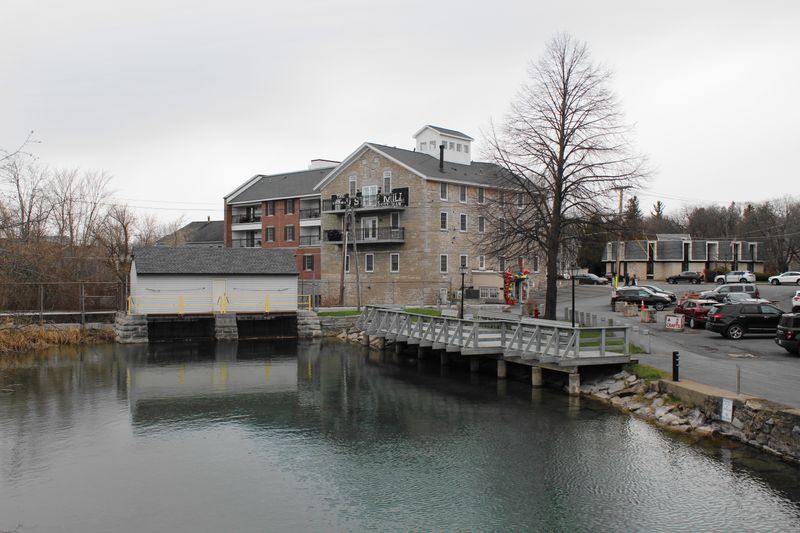
Skaneateles greets you with water so clear it seems to start the day for everyone. The village gathers around that blue like a chorus, with inns, porches, and church stone tuned to the same key. You will find yourself walking slower just to match the lake’s breathing.
Main Street shows off without showing off, as Victorian trim, brick storefronts, and old hotels share the stage. Shop windows catch sunlight and turn it into friendly invitations. A scoop of ice cream or a bookstore find becomes your ticket to another slow block.
Follow the pier and listen to halyards click like small metronomes. Boats nose their moorings while gulls practice patience, and the breeze edits your thoughts to essentials. You can sit on the wall and let the town perform its daily opera of errands and greetings.
Side streets protect Italianate brackets, Greek Revival doorways, and porches draped with ferns. A stone church knits its cool interior to the warm day outside, and bells write the time across the water. You will notice how the historic district feels both curated and comfortably lived in.
As sunset burnishes shingles and sends a last stripe of gold across the lake, dinner on a porch becomes a small celebration. Lamps bloom in windowpanes and spill onto the sidewalk like quiet applause.
Skaneateles rewards unplanned wandering by setting the table with light, water, and the reassuring grammar of good architecture.