Across Europe, you can still stumble upon resorts built for a different age, where politics and leisure once intertwined. Some stand in eerie quiet, others pulse seasonally, and many hover between restoration and ruin. You will see mosaics peeking through ivy, corridors that feel paused mid sentence, and shorelines lined with long sleeping hotels. If you are curious, these places whisper stories louder than any brochure.
Prora, Rügen, Germany
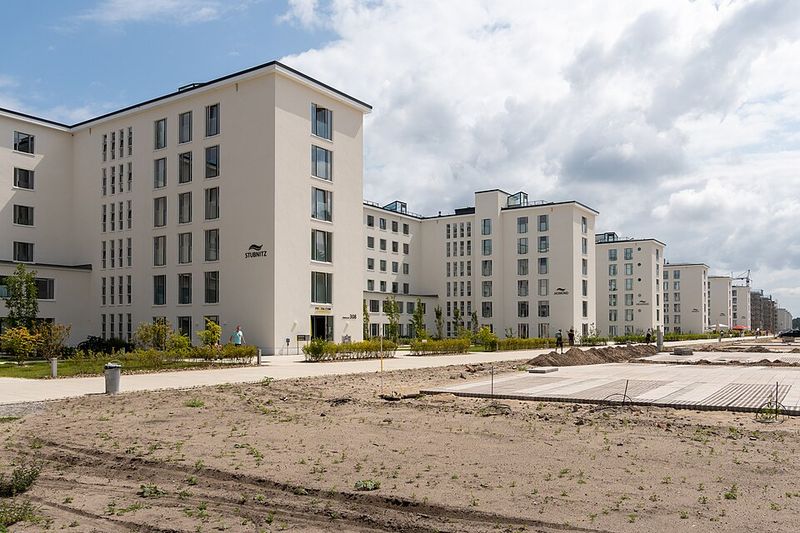
Stand on Rügen and look along the beach, and the line of Prora barely seems to end. Built as a massive holiday complex under a different regime, it was meant to house thousands in identical rooms facing the Baltic. War, then state priorities, then reunification kept changing its script, leaving some wings re purposed and others quiet.
Walk the 3 to 4 km long facade and you feel the planned scale in your feet. Parts served the GDR, parts slept, and parts now host apartments, hostels, and museums. The continuity is unsettling and fascinating, a ruler straight reminder of top down leisure dreams.
You will notice stairwells smelling of salt, new balconies blinking beside boarded windows, and galleries framing dune grass. Inside certain halls, exhibits sketch the building’s ideological pivots and daily routines that never fully happened. Prora’s beach remains beautiful, the water cold, the wind honest, and the past unusually legible.
Pyramiden, Svalbard, Norway
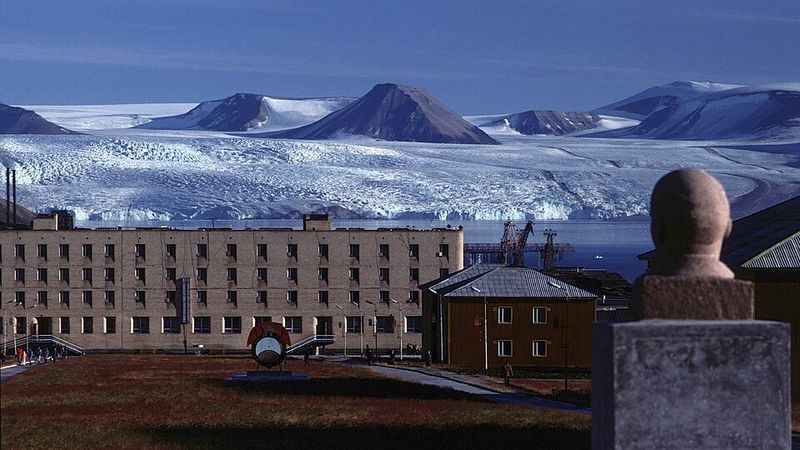
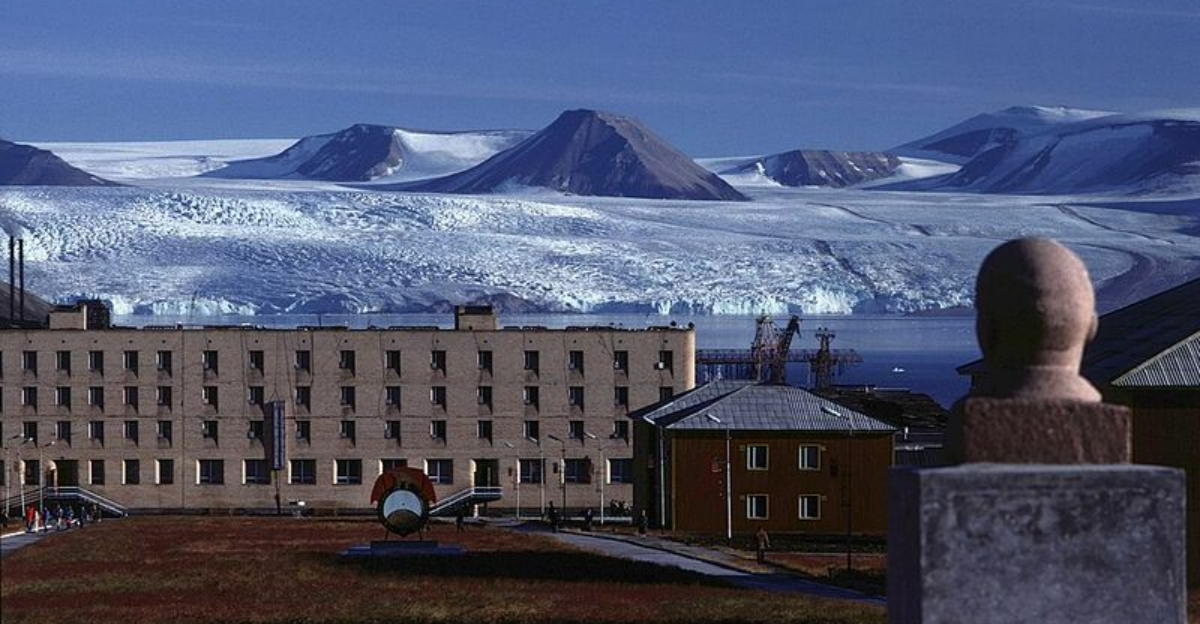
In Pyramiden, the wind carries footsteps across empty squares where a Lenin bust still faces the mountains. The Soviet company town once revolved around coal, with apartment blocks, a cultural center, and sports halls stitched into a tight layout. After the 1998 closure, the cold preserved stairwells, posters, and chairs set as if for a meeting that never began.
You can walk from the pier to the Palace of Culture and feel a self contained world. The plan is readable in the snow, straight streets, communal buildings, workers’ housing. Guides unlock doors and memories, and the Arctic light turns every facade into a faded stage set.
Public art peeks through frost, mosaics glowing in improbable color. The Lenin monument remains the town’s anchor, a fixed gaze over silence. Visiting feels both respectful and surreal, a reminder that ideology and ice can outlast crowds, leaving rooms intact and stories half audible.
Tskaltubo, Georgia
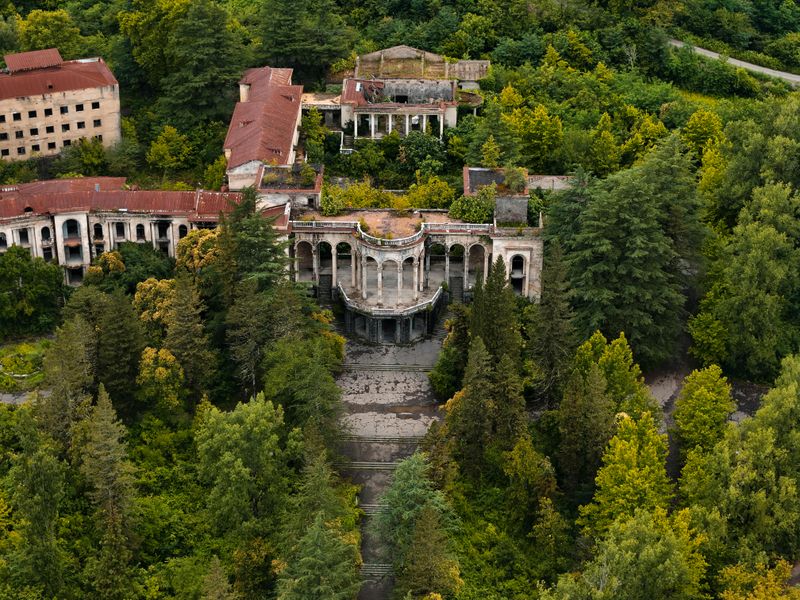
Tskaltubo gathers around warm springs where grand sanatoria curve around courtyards. Many buildings stand partly empty, partly lived in, creating a delicate coexistence of daily life and decay. You move through marble staircases and see mosaic panels that once introduced guests to state run therapy routines.
The layout still reads like a planned health system: therapy wings, communal dining halls, gardens where patients strolled. Some hotels have guards and guided visits, others simply breathe through broken windows. Photographers come for shafts of light and pastel paint, while residents hang laundry across railings.
Inside, you notice tiled baths, numbered doors, and corridors sketching a slow rhythm of care. Tours now explain the spa’s rise, the Soviet era pride, and the afterlife of displacement and small renovations. It is beautiful, complicated, and very human, a place where quiet echoes meet distant conversations, and springs keep running.
Băile Herculane, Romania
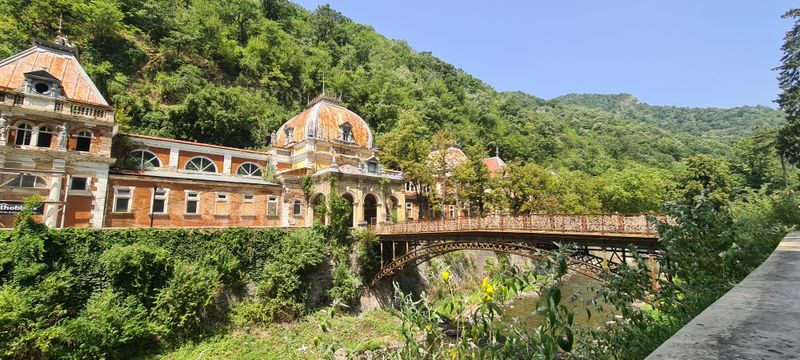
Băile Herculane layers centuries of bathing culture in one narrow valley. Ornate 19th century bathhouses share streets with mid century concrete hotels, and the contrast is impossible to miss. You can feel how state programs once moved crowds efficiently through treatments, then budgets faded and roofs followed.
Walk along the river and you will catch thermal steam lifting through cracked tiles. Some halls glimmer with restoration hopes, others guard themselves behind plywood and pigeons. Guides point out classical sculptures, ironwork balconies, and corridors that once choreographed a grand seasonal ballet.
The town’s rhythm is slow, almost reflective. New guesthouses sit beside shuttered wings, and locals know which taps still run hot. Visiting becomes a lesson in patience, looking carefully at arches and concrete brackets, understanding how a spa survives by adapting, one bath at a time.
Beelitz Heilstätten, near Berlin, Germany
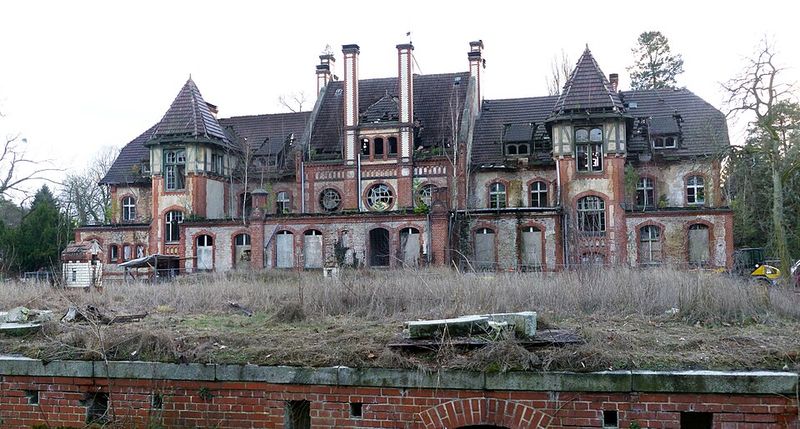
Beelitz Heilstätten unfolds like a medical city in a forest, with brick pavilions spaced along tree lined paths. Across regimes it treated patients and served military needs, then certain wings fell quiet. Today the overgrowth and filtered light turn corridors into film stills.
You can wander between buildings on parklike grounds and see a campus frozen mid duty. Some structures are stabilized, others remain raw, and a treetop walkway lets you read the plan from above. The red brick, tilework, and long verandas whisper instructions from a meticulous therapeutic era.
Photographers love the long sightlines, and you will too. Signs narrate a changing role, and small exhibits frame medical routines that once ruled the day. It is haunting without theatrics, a place where architecture still explains itself, even as vines draw new lines.
Gagra and the Abkhaz Black Sea coast
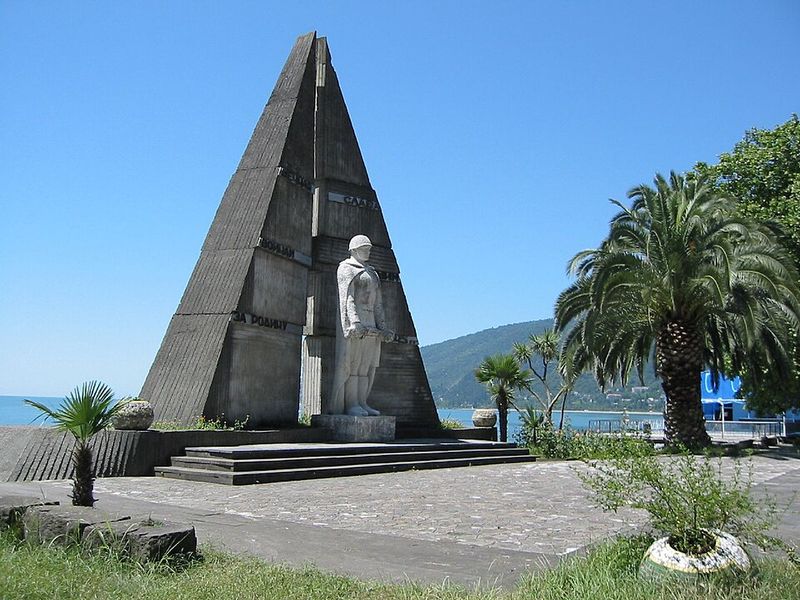
The Abkhaz coast carries a memory of the Soviet riviera, with Gagra and Sukhumi once humming through summer. Now you find stretches of ornate facades beside palm trees and quiet beaches. Conflicts and new travel routes left several grand hotels shuttered or only seasonally alive.
Walk the promenades and you will feel time wobble. Balconies curve with old optimism, while fresh paint stops mid story. Locals fish, children ride bikes, and somewhere a ballroom sleeps behind sealed doors.
This coastline makes you read architecture like a diary. Each wing tells of tours, vouchers, regimented holidays, and later improvisation. The sea remains generous, the mountains close, and the mood a gentle, slightly melancholy riviera that resists forgetting.
Jūrmala, Latvia
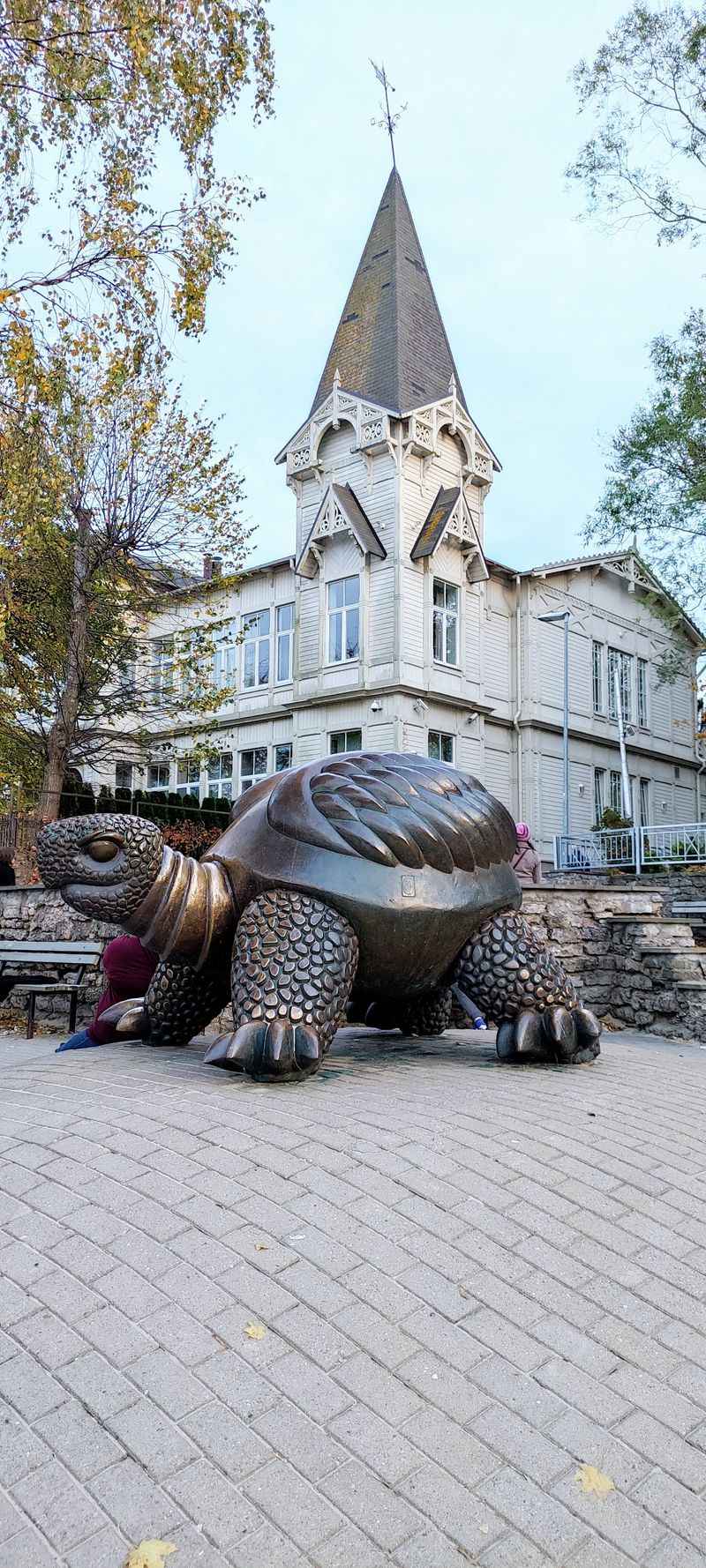
Jūrmala stretches across sandy beaches and pine groves, a Baltic spa necklace of towns. Wooden villas with lacework trim still stand, while blocky sanatoriums from later decades sit nearby. The result is a layered seaside that feels calm rather than flashy.
You can walk long boardwalks, breathe resin scented air, and pass entrances to therapy wings now re purposed or waiting. Some buildings are hotels, some clinics, some just quiet. Summer brings families and concerts, winter returns the hush.
Look for functional lines that meet whimsical woodwork. The contrast is the charm, revealing how planned health holidays once shaped the place. It is not ruined so much as patient, with change coming at a measured Baltic tempo you can match with your steps.
Sochi’s sanatorium corridor, Russia
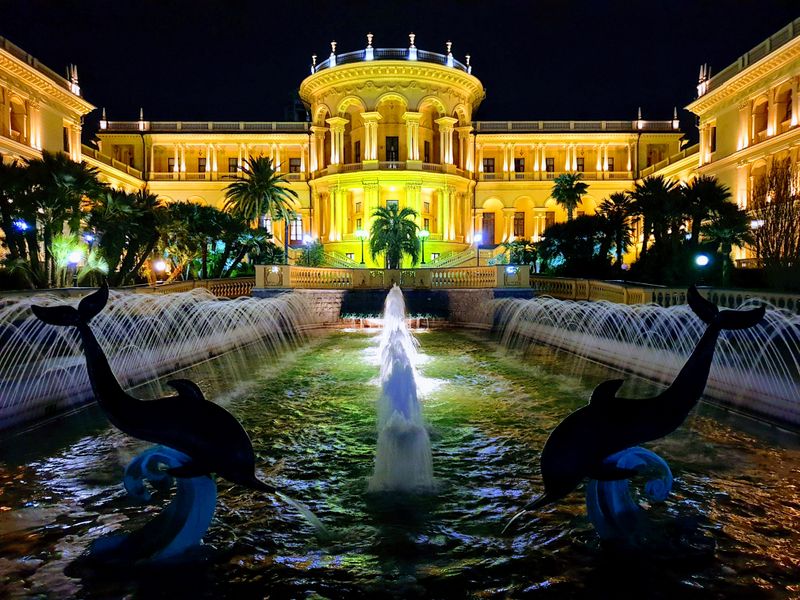
Sochi’s Kurortny Prospekt reads like an open air archive of resort ambitions. Interwar pavilions, monumental Soviet palaces, and newer hotels share the same boulevard. After the Soviet era, some sanatoria modernized, others drifted, and a few still bear yesterday’s routines.
Walking here, you pass gateways with grand staircases and colonnades built for health and spectacle. The mountain air and sea light frame terraces where state holidaymakers once queued for treatments. New signage meets old murals, and you feel the city negotiating between past glory and new audiences.
It is a corridor of continuities and edits. You can book a room in a refreshed wing or peer at a shuttered pool through railings. The narrative never stops, it simply overlaps, and you read it with every block.
Pärnu, Estonia
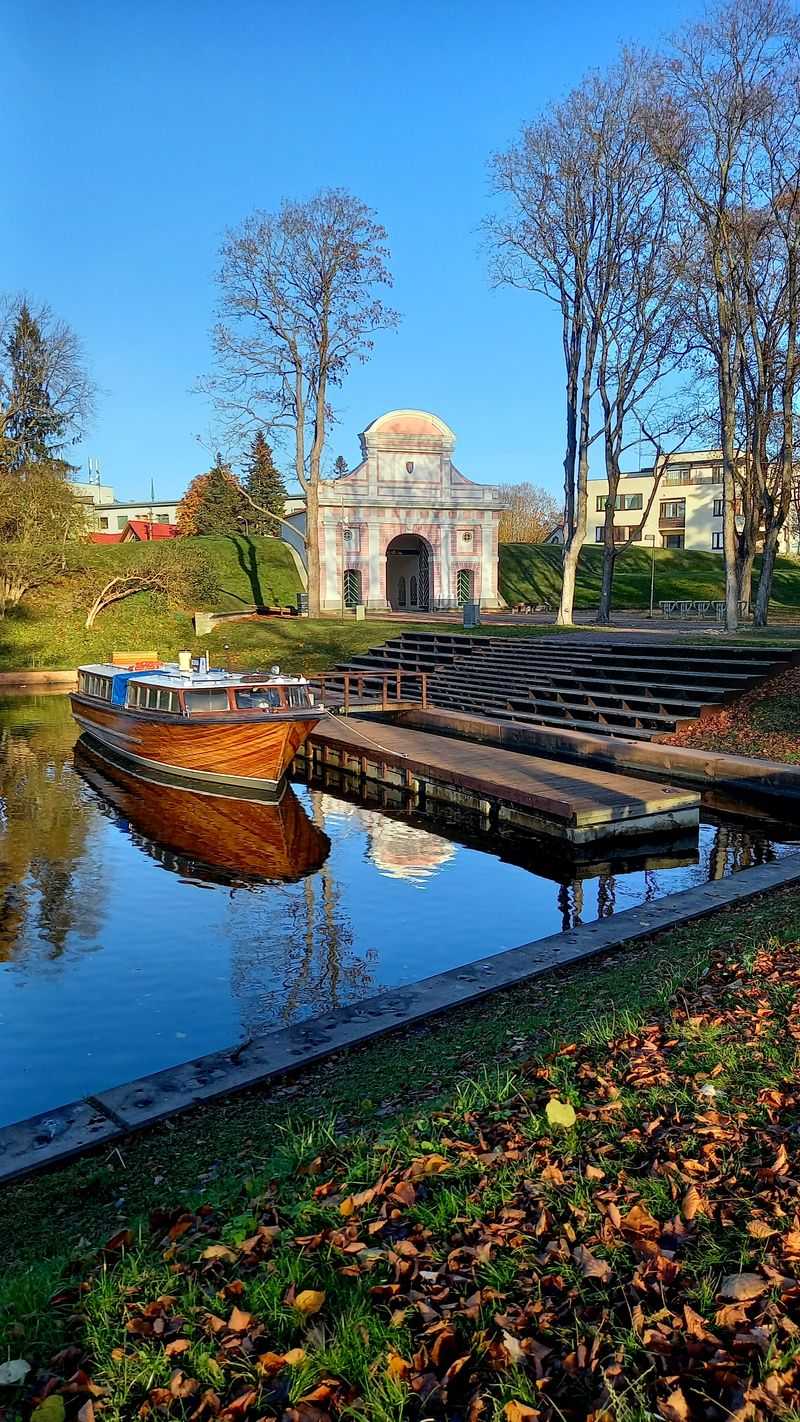
Pärnu feels like a postcard held carefully for decades. Wooden villas listen to the sea while mid century hotels stand matter of fact along the shore. The town grew as a spa and beach resort, and you can still see the plan in promenades and park paths.
Some Soviet era health centers now host modest hotels or clinics, their lines softened by new paint. Others keep a practical look that pairs strangely well with beach towels and bicycles. Summer lifts the tempo, winter folds it back down.
The mix creates a specific nostalgia, gentle rather than grand. You notice careful gardens, dunes, and concrete balconies that remember schedules and sun. It is easygoing, affordable, and quietly historic, a good place to slow down and read textures.
Former Yugoslav era Adriatic resorts
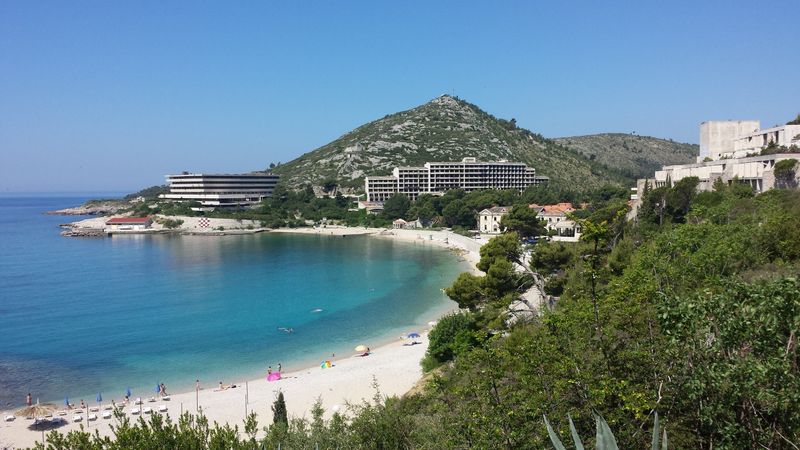
Along parts of the Adriatic, you will meet big state era hotels facing blue coves. Built for mass holidays, they now sit beside beautifully restored old towns and new marinas. Investment arrived unevenly, so some towers gleam while neighbors idle.
Walk a seaside path and watch the contrast unfold. Concrete balconies echo with gulls, then a few steps later baroque stones shine with gelato crowds. The juxtaposition says everything about shifting tourism economies.
Guides and locals know which complexes might reopen and which wait for a better season. You can swim under terraces where tour groups once lined up. It is a coastline of edits, with yesterday’s scale negotiating today’s taste in real time.
Baltic holiday hotels and Soviet guesthouses
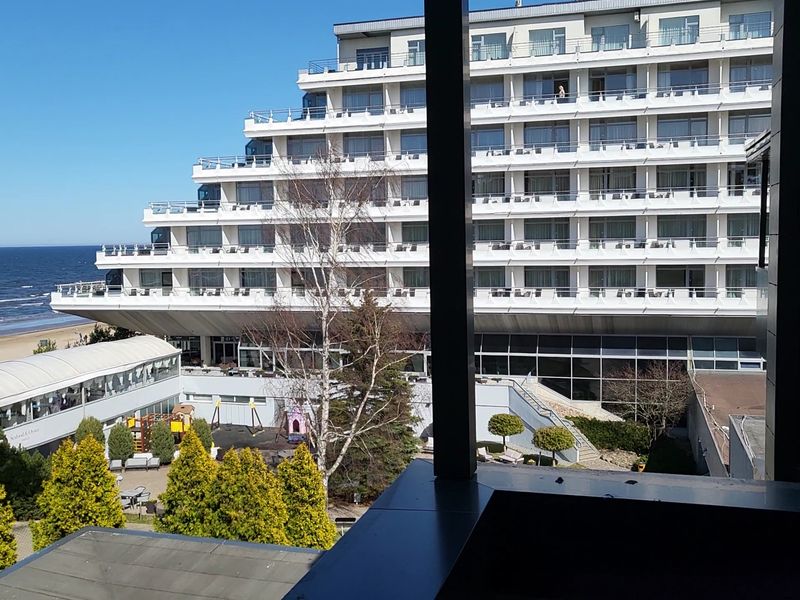
Across the Baltic states, smaller seaside towns still hold midcentury hotels and guesthouses that fell out of fashion after 1990. Their functional lines sit between dunes and pines, sometimes renovated, sometimes waiting. You can feel a pause, as if the season never quite starts.
Travelers notice strong geometries and big windows meant for organized rest. Wooden resort traditions stand nearby, charming and older, creating a visual dialogue on every block. Some properties now host camps, clinics, or budget stays that preserve the footprint.
Exploring becomes a pattern recognition game. Spot the standardized stairwells, the communal dining rooms, the pragmatic signage that refuses to give up. These buildings are not shouting for attention, but they quietly explain a regional holiday system that once ran on timetables and sea air.
Mountain sanatoria and winter resorts, Central and Eastern Europe
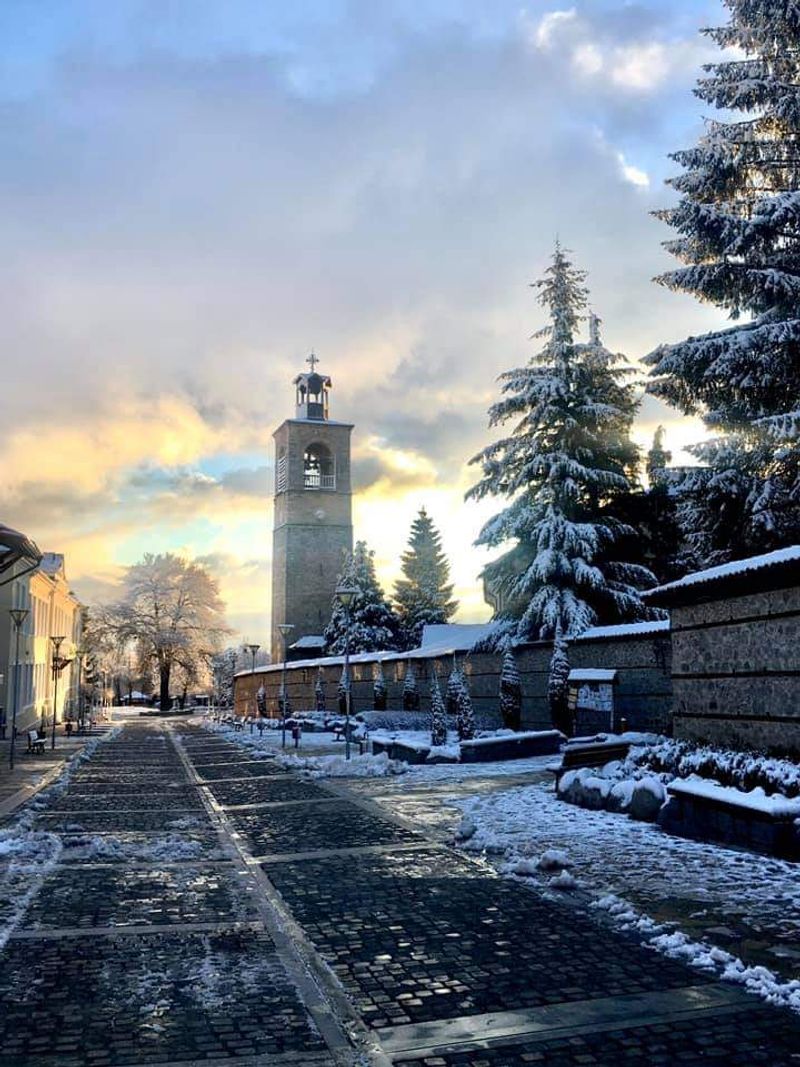
Head inland and you will find sanatoria perched in pine forests, once busy with state referrals. After subsidies thinned, some wings closed while smaller private operations took over. The result is a patchwork of warm lights and dark corridors.
Look for physiotherapy rooms with tiled floors and wall charts curling at the edges. Communal dining halls sit ready for a hundred trays, even if only a few tables fill now. Outside, ski lifts hum in winter and trails soften under summer moss.
These places teach reading by detail. A boot rack, a nurse’s station, a clock that stopped at an ordinary hour. You feel memory embedded in practical spaces, still sheltering visitors who prefer quiet to spectacle.
Cold War luxury that fell quiet: Haludovo, Belvedere, Varosha, Polissya
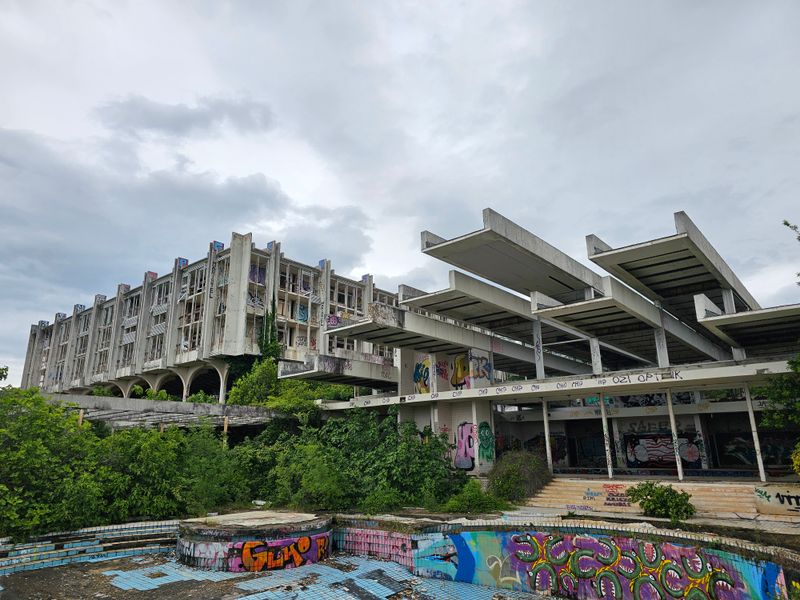
Some resorts were built for glamour rather than vouchers. Haludovo on Krk opened with lavish promises, then stumbled into bankruptcy and later war time abandonment. Dubrovnik’s Hotel Belvedere once offered helicopters and private docks, now it reads as a cliffside wound.
Farther east, Varosha in Famagusta still feels paused mid holiday, with hotels sealed and streets recently reopened in limited ways. Northward in Pripyat, Hotel Polissya stands over an empty square, a witness to a disaster that emptied a whole city. Each site carries a different silence, but the echo is equally clear.
Visiting means navigating rules, fences, and ethics. You balance curiosity with respect, watching how nature and memory re furnish lobbies. Luxury did not save these places from history, but it did leave striking stages you will not forget.
Karlovy Vary, Czech Republic
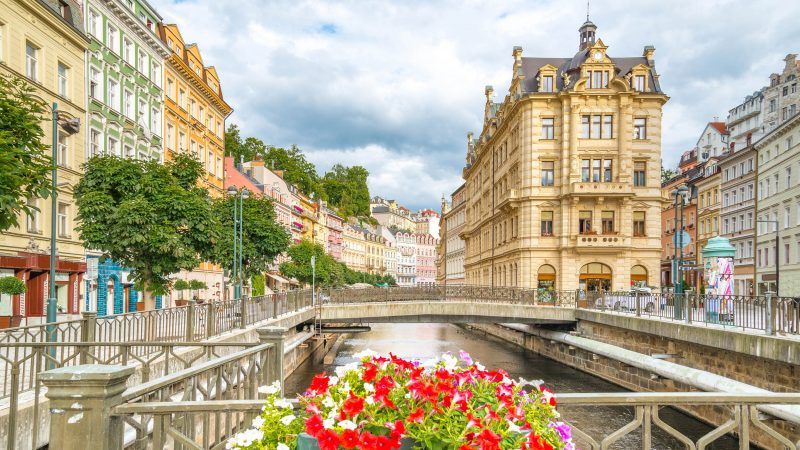
Karlovy Vary, once a jewel of relaxation, drew visitors with its healing mineral springs. The town’s elegant spa buildings, reminiscent of 19th-century grandeur, still echo with stories of aristocrats and secretive meetings.
Today, while it remains a charming town, the bustling energy of its prime has mellowed. The historic architecture and tranquil atmosphere invite nostalgia and reflection.
Famous for its international film festival, Karlovy Vary offers a unique blend of cultural vibrancy and historical depth, quietly enchanting those who wander its cobblestone streets.