Holiday capitals rise fast, glitter for a while, then quietly pass the crown to the next big thing. Yet their promenades, piers, and grand hotels still whisper how travel trends were invented in the first place. Walk these streets and you can feel old rituals under your feet, from spa circuits to neon nights. Come see where modern vacations learned their moves and where you can still trace the choreography today.
Biarritz, France
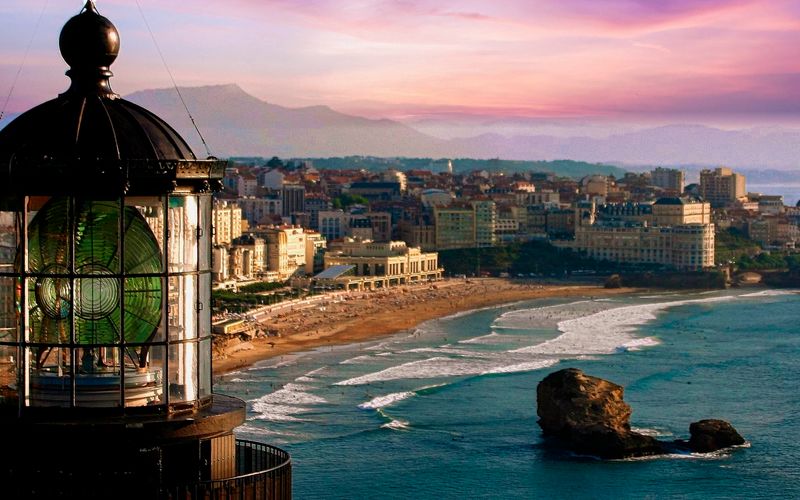
Biarritz began as a modest fishing village, but the 19th century recast it as Europe’s stylish shoreline salon. Royal visits sparked a cascade of villas, grand hotels, and rituals that turned simple bathing into a social performance. You can stand on La Grande Plage and read that story in the surf, parasols, and promenading silhouettes.
The Belle Epoque left its filigree on balconies and cornices, beside later towers that mark changing tastes and budgets. Hotels that once hosted crowned heads now welcome curious travelers chasing echoes rather than headlines. Walk the promenade and you feel how ceremony fused with leisure, where a beach day meant etiquette, introductions, and perfectly timed entrances.
The town still stages that old choreography, even as boards creak under flip flops and longboards. Look for period lobbies, mosaic floors, and salons where gossip once traveled faster than telegraphs. You will find Biarritz’s layered timeline in every facade pivot, from aristocratic retreats to democratic sunshine, an evolution written right beside the tide.
Brighton, England
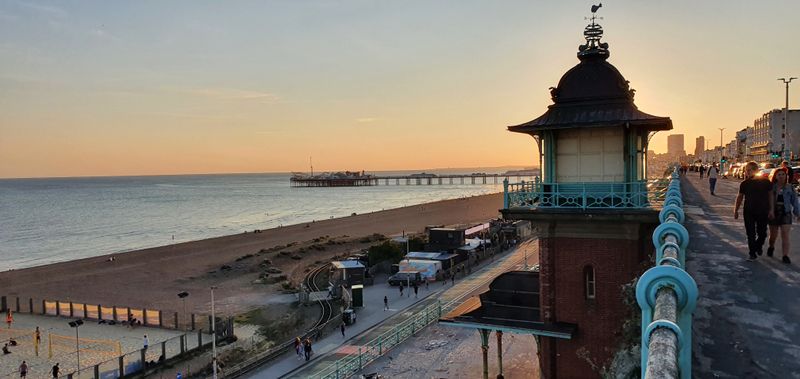
Brighton taught cities how to breathe out for a day, hitching Victorian rail timetables to the rhythm of sea air. Trains ferried crowds from London, and promenading became a shared ritual of fresh clothes, fresh gossip, and fresh salt spray. On the Palace Pier, arcades buzzed as music and gulls traded lines.
Walk The Lanes and you can still hear the shuffle of day trippers threading between tiny shops. The pier’s iron bones and playful frontage are an honest ledger of what people wanted, then and now. Seaside leisure here was democratic and immediate, the opposite of remote spa cures and aristocratic seclusion.
You can taste that spirit in hot chips and striped deckchairs, little luxuries within reach. The beach is pebbled but the mood is expansive, built for glances, strolls, and laughing detours. When the light hits the arcades just right, you see how Brighton turned weekend time into a habit that remade modern holidays.
Blackpool, England
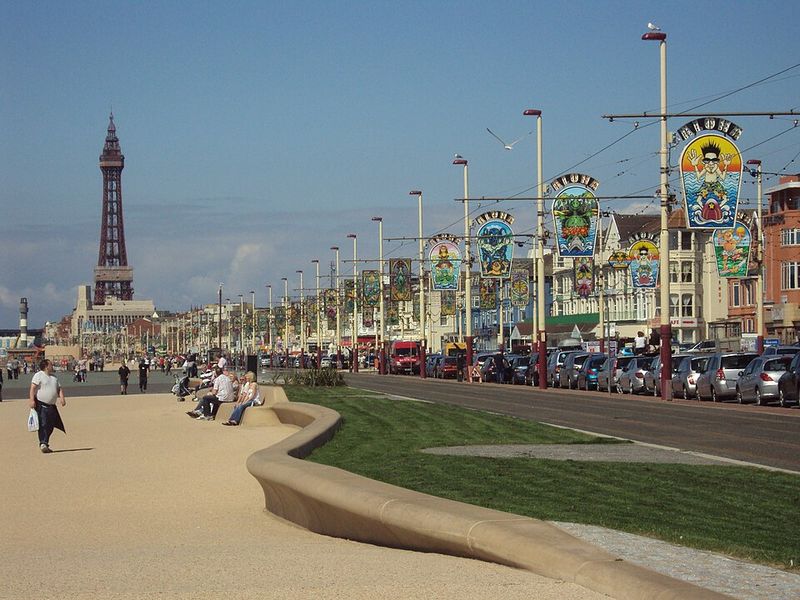
Blackpool was the industrial age finally taking a breath, a mass seaside built to hold a nation’s week off. Piers multiplied like promises, and the Illuminations stitched neon into autumn darkness so holidays could stretch longer. Entertainment halls turned rainy days into variety shows, a carnival for workers in their Sunday best.
Blackpool Tower rose as a vertical exclamation point, guiding trains and trams to the pleasure district’s bright frontier. The resort learned crowd science before the term existed, organizing flow with promenades, boarding houses, and endless amusements. Even now the seafront reads like a map of working class escape velocity.
You can ride the tram and watch history flicker in shopfronts and ride arches, storytelling in bulbs and steel. It was never subtle, and that was the point, a generous welcome scaled for multitudes. If you crave proof that holidays democratized joy, Blackpool’s glowing ribs still carry that beating heart.
Benidorm, Spain
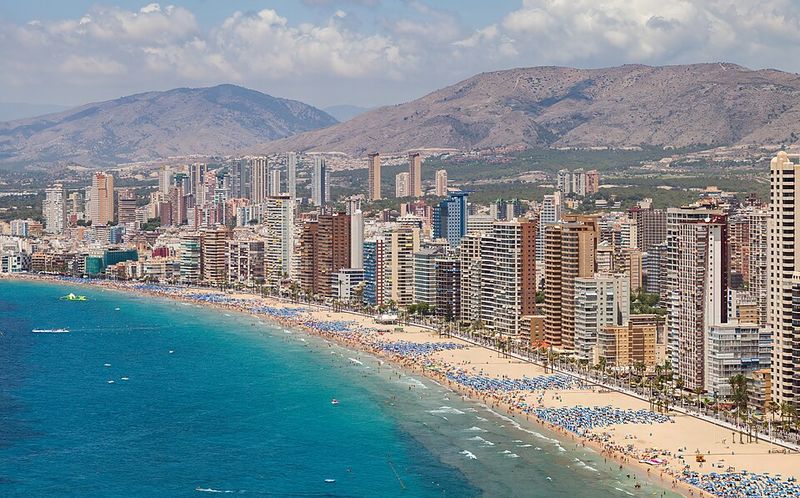
Benidorm transformed sun into a system, refining the package holiday into a predictable, affordable promise. What began as a fishing village became a skyline of efficient leisure, towers aligned with beach hours and flight schedules. Year round planning meant late season sun could be sold like clockwork.
Walk the beachfront and you can read the economics in concrete, glass, and neatly spaced loungers. Hotels stand shoulder to shoulder, a living diagram of supply meeting a dreamy demand for blue horizons. The city scaled intimacy into logistics while keeping the simple joy of warm sand and easy nights.
You will find tapas bars tucked beneath balconies, music drifting through pedestrian strips engineered for strolling. It is unapologetically built for vacation, and that clarity is oddly refreshing. Benidorm’s success became a template elsewhere, but here you can still see the original blueprint glowing in the Mediterranean sun.
Waikiki, Hawaii
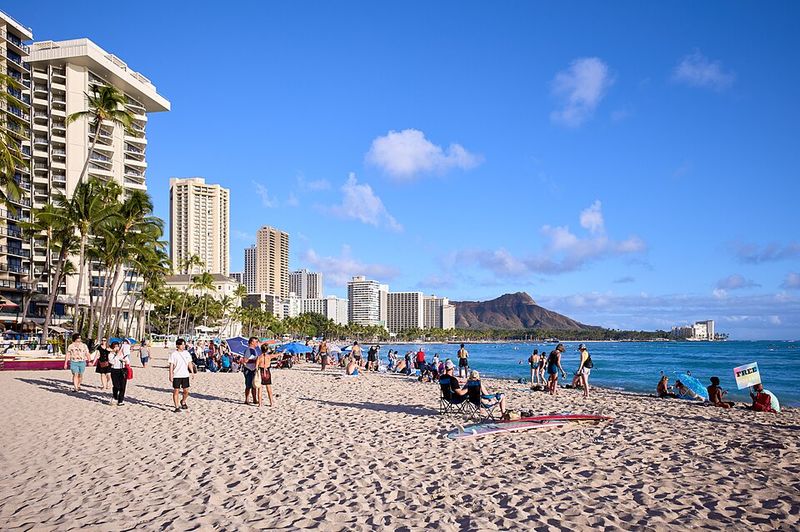
Waikiki turned a slim strand of sand into an international calling card, marrying surf culture with early 20th century hotel glamour. The Moana and other grand addresses framed the beach like a stage, while steamships and later flights expanded the audience. You can still feel the choreography of arrivals, leis, and sunset photographs.
Walk the promenade and the scent of plumeria slides between ukulele chords and ocean hush. Surf instructors carry a lineage that predates brochures, lending the water a living memory. Waikiki packaged paradise but also taught visitors how to meet it, from gentle rollers to carefully managed views.
Look for shaded lanais, colonnades, and palms that seem to pose with Diamond Head. The beach reads like a scrapbook where generations learned a first wave or a first hula. You will leave with sand in your shoes and a sense that modern tropical dreams were branded right here.
Cannes, France
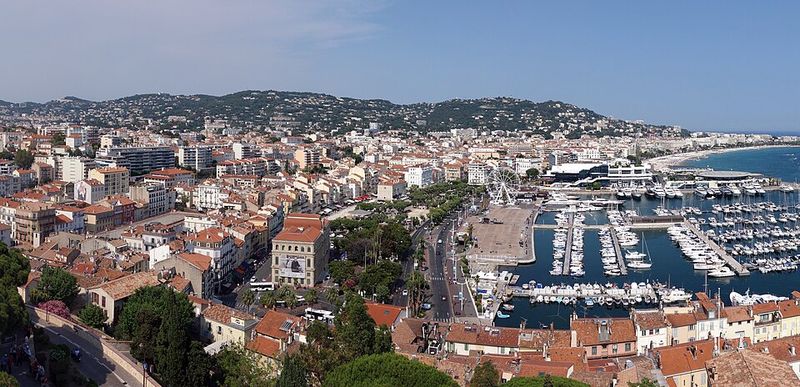
Cannes first thrived as a winter refuge for Europe’s well heeled, then reinvented itself under festival spotlights. The Croisette became both promenade and runway, with grand hotels staging arrivals like premieres before cinemas did. You can see the pivot from seasonal respite to year round spectacle in every balcony and banner.
Film culture reframed the resort, turning suites into meeting rooms and beaches into brand activations. Yet the old textures remain, Belle Epoque curves softening modern glass, a dialogue between languor and business. Stroll the marina and you will sense how leisure and publicity learned to hold hands.
Cannes taught destinations to perform for cameras without losing their seaside heartbeat. The result is a ritual of morning swims, afternoon deals, and evening flashes. If you want to watch glamour evolve in real time, the Croisette is still a masterclass written in sun and shadow.
Rimini, Italy
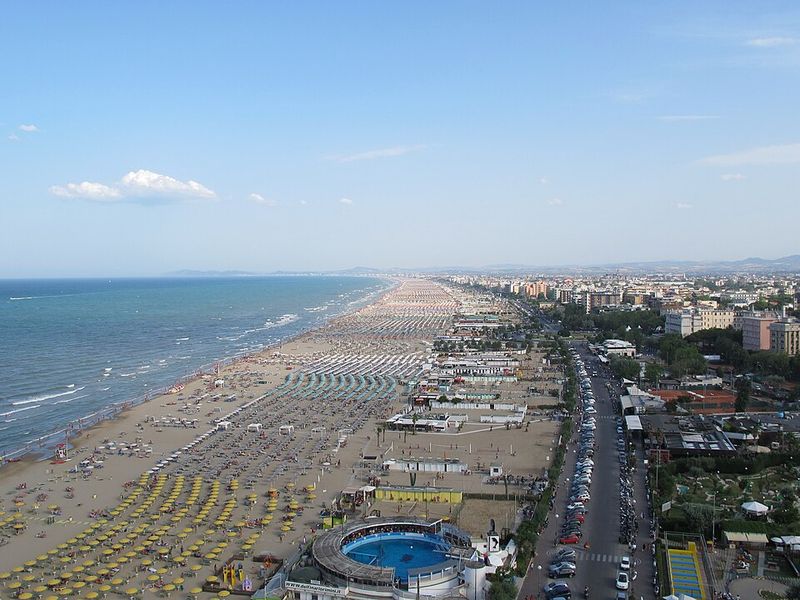
Rimini engineered a beachfront for generations, a long Adriatic stage where families found routine in sunshine. Umbrellas bloom in precise rows, a visual promise that every day will unfold comfortably. The promenade carries bicycles, strollers, and gelato drips, a moving ribbon of summer confidence.
Hotels line up with cheerful pragmatism, patterned facades announcing hospitality more than exclusivity. Markets hum with toys, sandals, and sizzling piadine, because the holiday here is thoroughly practical. You can chart Italy’s social change in Rimini’s postcards, from postwar hope to package ease.
It remains a machine for happiness, but a gentle one, tuned to early swims and late strolls. If you listen, waves mix with radio hits and distant laughter, a soundtrack refined over decades. Rimini proves that repetition is not dull when it is warm, sandy, and deliciously well organized.
Baden-Baden, Germany
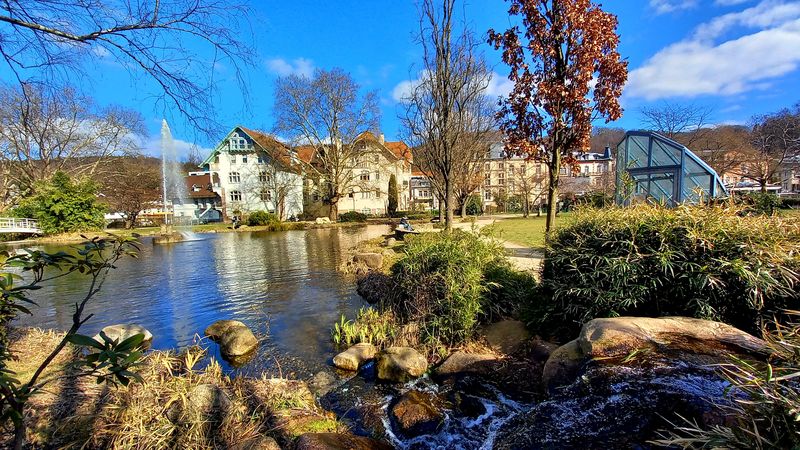
Baden Baden was where health met high society, a 19th century circuit of baths, promenades, and whispered wagers. The Kurhaus and casino framed leisure as ritual, with colonnades guiding footsteps toward conversation and recovery. You can almost time the day by the rhythms of bathing, strolling, and dining.
The town compresses elegance into short walks, fountains murmuring beside neatly trimmed gardens. Spa architecture announces calm with symmetry and pale stone, a promise of balance for travelers who sought cures and company. Even now, steam rises like a gentle thesis on why people travel together.
Slip into a public bath and you join an old story written in warmth and water. Step out and you find cafes where time loosens its belt. Baden Baden’s enduring charm is how therapy and pleasure share the same cup, sipped slowly under chandeliers and trees.
Sopot, Poland
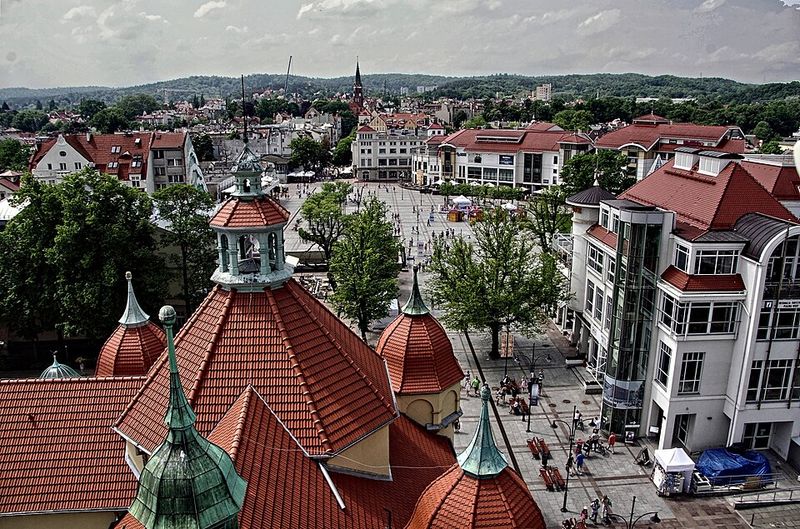
Sopot stretches a wooden finger into the Baltic, inviting unhurried walks where sea and sky meet in pale hues. The Molo pier turned strolling into ceremony, while spa era villas sheltered conversations wrapped in salt air. You can see Central European elegance softened by beach light and long afternoons.
The late 19th and early 20th centuries brought orchestras, sanatoria, and a confident summer calendar. Today, the Grand Hotel anchors a shoreline where nostalgia and dance music shake hands. The town still believes in gentle spectacle rather than loud distraction.
Walk from forest to sand in minutes and watch gulls circle like punctuation marks. Sopot’s architecture remembers aristocratic preferences, but the beach welcomes everyone. If your idea of escape is measured in steps and sighs, the pier’s wooden planks still speak your language.
Sochi, Russia
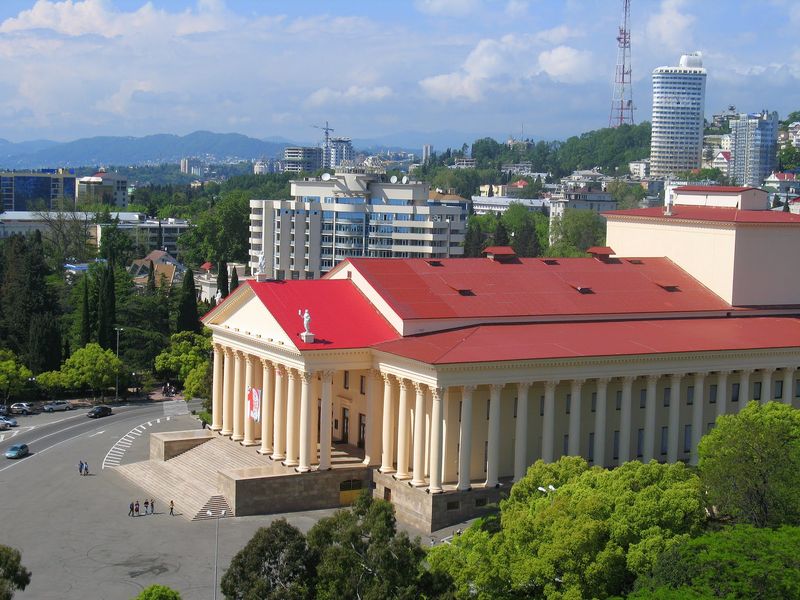
Sochi collected centuries of resort thinking and ran it through a state planner’s drafting table. Imperial villas gave way to Soviet sanatoria, where health holidays unfolded at infrastructural scale. You can walk the promenades and feel how schedules, treatments, and sunshine were integrated like public works.
Large blocks step down toward the sea, mixing classical motifs with socialist purpose. Gardens, colonnades, and resort avenues act as arteries for holiday traffic, designed for both rest and spectacle. The result is a coastline that reads like a catalog of ideological leisure.
Today the city holds that layered identity, with cafes tucked under monumental balconies and palm trees framing mountain views. You will see organized beaches that still suggest programs and plans, softened by casual strolls. Sochi’s narrative is not subtle, but it is compelling, a living museum of how the state imagined vacation.
Hvar, Croatia
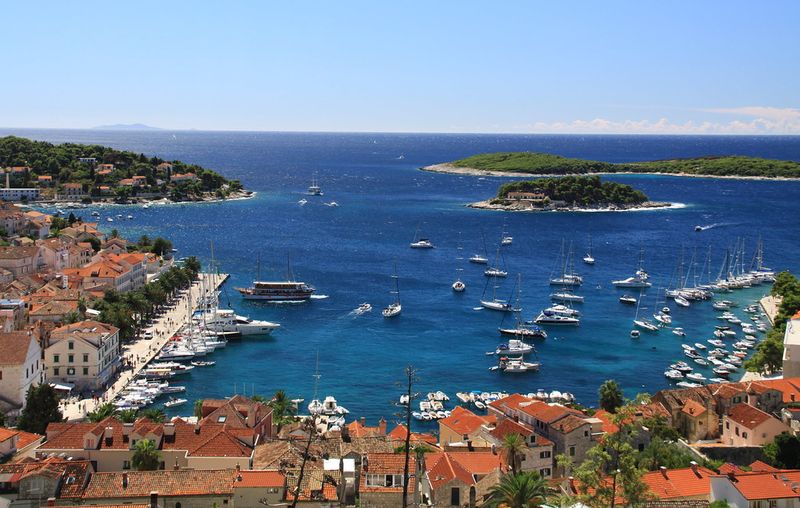
Hvar has long attracted people who love a good arrival, from Venetian fleets to 20th century style seekers. The harbor frames entrances beautifully, with stone facades and the hillside fortress choreographing every step ashore. You can sit at a cafe and watch the square fill like a theater set.
Over time, quiet commerce met seasonal buzz, and the island learned how to pace a glamorous summer. Courtyards and alleys catch conversations, while boats turn the harbor into a moving salon. The mix feels old and new at once, respectful of history but ready for a late night.
Look for worn thresholds, olive scent, and the confident clink of glasses after dusk. Hvar tells its story through light on limestone and a tidal exchange of visitors. If your compass points to stylish ease, this island still reads perfectly between tradition and flirtation.
Atlantic City, USA
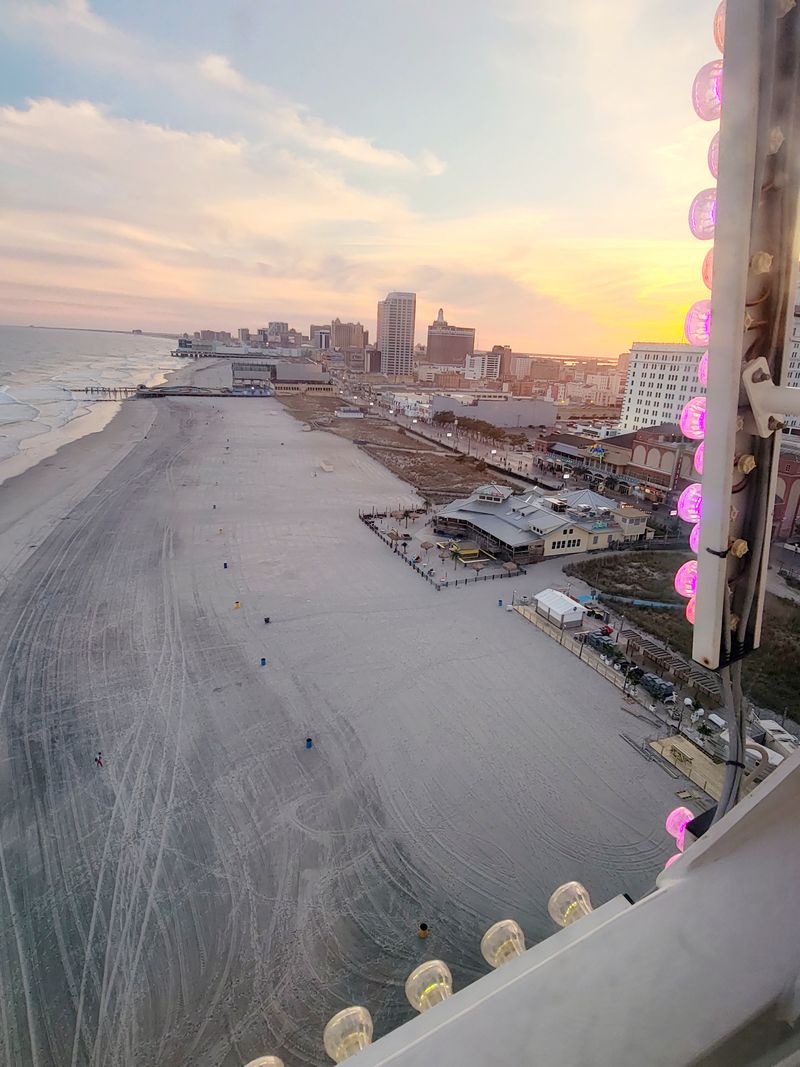
Atlantic City wrote early chapters of American leisure with a boardwalk that turned walking into entertainment. Hotels stood like theater sets while piers offered rides, music, and neon invitations. You can feel the prototype here, a blueprint that other beach towns traced for decades.
The boardwalk democratized spectacle, letting everyday visitors sample grand lobbies and ocean breezes without barriers. It was a carnival stitched to the shore, selling saltwater taffy memories that traveled home in paper bags. Even as fortunes shifted, the planks kept their rhythm and their view.
Today, echoes survive in vintage signage, restored facades, and lingering smells of popcorn and seawater. You will see ghosts of early amusements guiding how crowds still flow. Atlantic City remains a lesson in accessible wonder, proof that a simple walk can carry a nation’s vacation dreams.