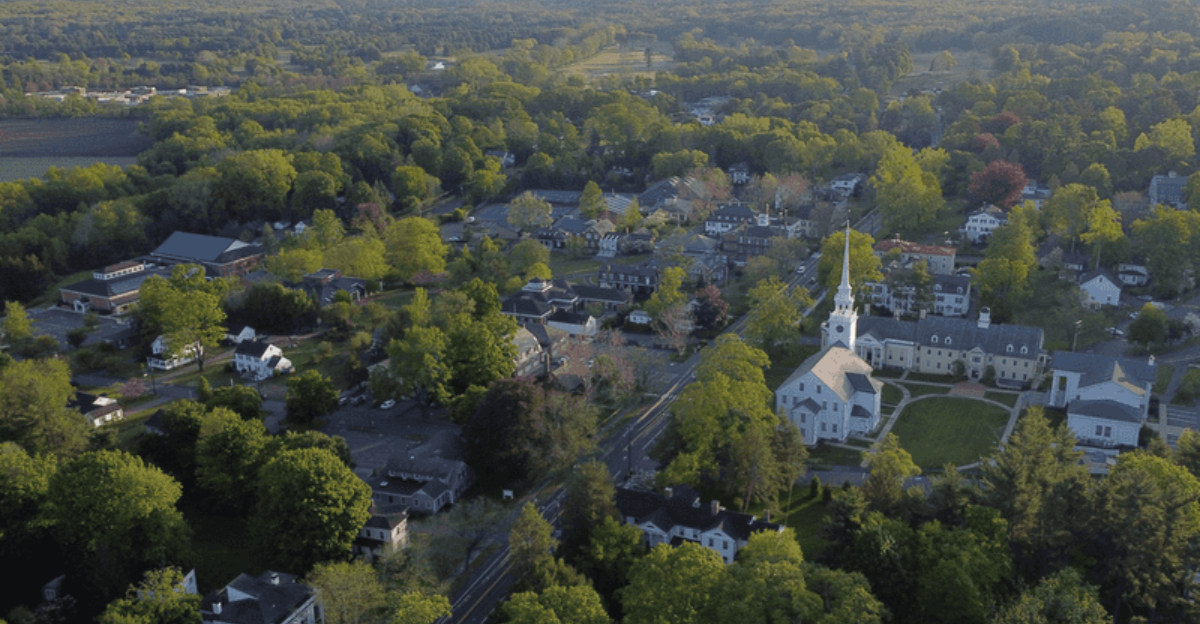
Some places invite you to slow down and let the day unfold, and Connecticut’s historic villages do exactly that.
Cobblestone lanes, clapboard homes, and river breezes set an easy rhythm you can fall into without planning.
Each stop reveals small details that reward lingering, from creaky general stores to shaded greens.
Bring comfortable shoes, a curious mood, and a readiness to wander at your own pace.
Essex Village
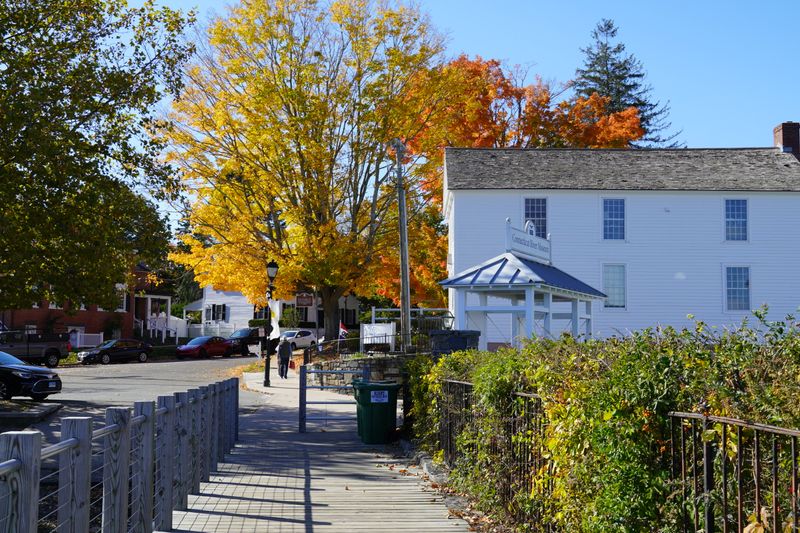
Essex Village makes it wonderfully simple to drift off schedule. You stroll past white clapboard facades and tidy picket fences, and the river air nudges you to take the long way around. Shops lean cozy rather than flashy, so you linger over maritime books and old maps until a bell chimes from the church green.
Down by the Connecticut River, the steam train whistles and time seems to fold. You can watch boats idle at the dock while gulls argue overhead, then follow the water to a bench that catches the sun. When you stand again, feet know where to go, toward the Griswold Inn for a peek at ship paintings and warm chatter.
There is a hush on side streets where lilacs lean over stone walls. If you pause, you hear porch talk and screen doors clicking, small sounds that give the village its heartbeat. A shortcut through an alley opens onto a bookstore that smells like cedar and rain, and you lose track of minutes without regret.
Essex rewards patience with tiny reveals. A brass doorplate glows like honey, a weather vane winks above the rooftops, and a window display changes as clouds travel the sun. Keep your pace easy, because the charm here is not a headline but a trail of footnotes waiting to be read slowly.
When the afternoon cools, Main Street takes on a lantern softness. You might treat yourself to ice cream, wander back toward the river, and watch the sky find its color. Leaving comes gently too, because roads out are leaf framed, and the village seems to wave rather than close the door. Return soon, or simply carry the Essex tempo with you.
Mystic
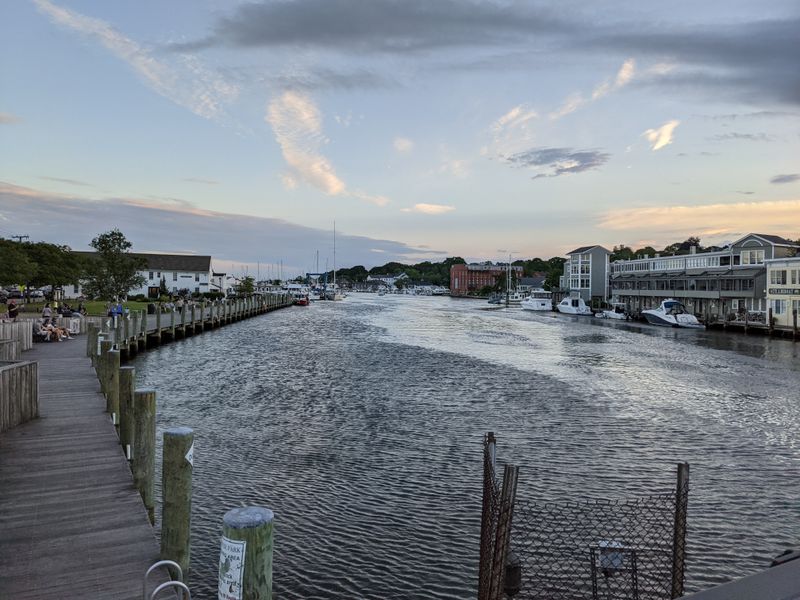
Mystic is easiest to love when you are not rushing. The drawbridge lifts, traffic stops, and you find yourself watching the river like everyone else, unbothered. Shops blend salt and wood, and the scent of chowder follows you from door to door, making every corner feel like a promise you can keep later.
At Mystic Seaport, wooden masts stitch the sky with quiet confidence. You trace decks polished by stories, then read the water for hints of older journeys. A shipwright’s hammer ticks like a metronome, nudging your footsteps along the boardwalk without ever hurrying your thoughts.
Side streets hide porches with geraniums and tidy steps. You can wander to the bookstore, let your fingertips slide along spines, and pick a sea tale to match the tide. The best part is the in between, those minutes spent gazing at river ripples under gull shadows while you consider the next turn.
Food tempts at every angle, but you do not have to make choices fast. Grab a buttery lobster roll, then follow painted signs toward quiet benches near the bridge. When the bells ring and gears clatter, people smile at each other, and for a few moments the whole town breathes in the same rhythm.
Evening gives Mystic a lantern glow, and windowpanes mirror the last light. You might trace the dock edges until the moon sketches the river in silver lines. The village never insists, it only invites, and that makes wandering here feel like aligning with the tide. You leave slower, lighter, and somehow more awake.
Old Wethersfield
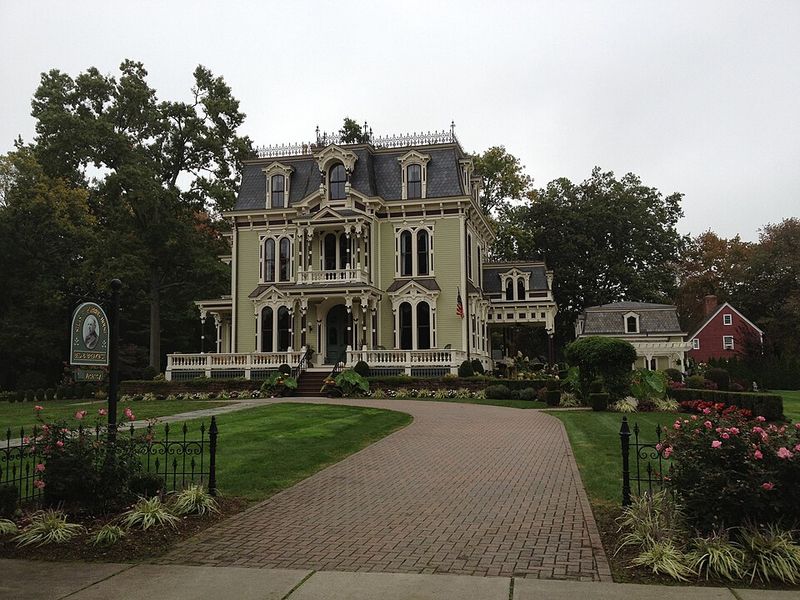
Old Wethersfield spreads out around a generous green that immediately resets your pace. Wide lawns and venerable elms encourage a slower step, the kind that notices a hand painted sign or a crooked latch. You pass tidy Colonial homes that glow like pages from a well kept journal, each doorway offering a quiet hello.
The Keeney Memorial and small museums keep history close but never heavy. You browse exhibits until you are ready to move again, then wander back into sunlight with new eyes. Farm stands pop up on corners with baskets of apples and jars of jam, and a simple taste test becomes a pleasant detour.
Along Main Street, shop windows lean personal rather than polished. A clock ticks in an antique store as if marking a friend’s heartbeat, not time to be spent. You find a shaded bench and watch kids pedal past, the squeak of a chain blending with far off church bells.
Side lanes reveal kitchen gardens and stone foundations that show their age proudly. Step closer and you will see wavy glass that softens reflections, turning the street into a watercolor. It is easy to wander without a map here, because every corner loops you back to the green like a gentle tether.
As afternoon slips to evening, porch lights flick on and the village seems to settle. You might carry a cup of cider and walk the perimeter once more, letting the day thin out. Leaving Old Wethersfield feels like closing a good book mid paragraph, knowing you will return to finish it slowly, savoring the lines you almost missed.
Litchfield
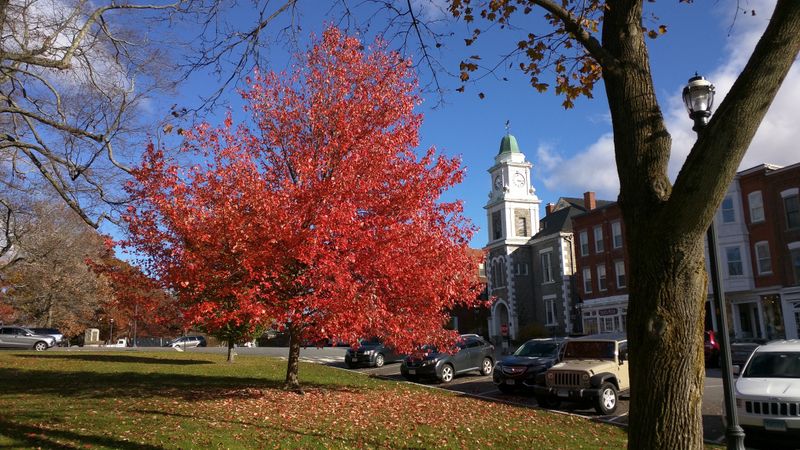
Litchfield sets a measured tempo the moment your shoes hit the green. White steeples, clean lines, and wide porches make space for long breaths and wandering thoughts. You can circle the square with no destination, letting shop signs and lilac hedges choose for you.
History speaks softly here, through plaques and patient brickwork. The Tapping Reeve House recalls early legal minds, yet the grounds feel open to daydreamers too. You linger because the village invites it, with benches placed as if someone who loved pausing arranged them.
Hungry? The bakeries answer with flaky crusts and coffee that smells like promise. From there, a stroll past tidy gardens becomes a ritual, almost like tracing a familiar prayer. Galleries open their doors with an easy nod, and you wander in without feeling watched or rushed.
Paths lead toward Bantam Lake and wooded edges if your feet ask for more. Stone walls line the roads like quiet companions, and birds stitch the air with brief silver notes. Every turn seems to balance scenery and story, so you can drift between them without effort.
Evening warmth pools on clapboards, and the green collects low sunlight in mellow tones. You might sit again, watch the rhythm of neighbors crossing, and let your plans dissolve to nothing. Litchfield does not demand attention, it rewards presence, which suits a wanderer perfectly. You leave centered, as if the village lent you its calm for the road.
Chester
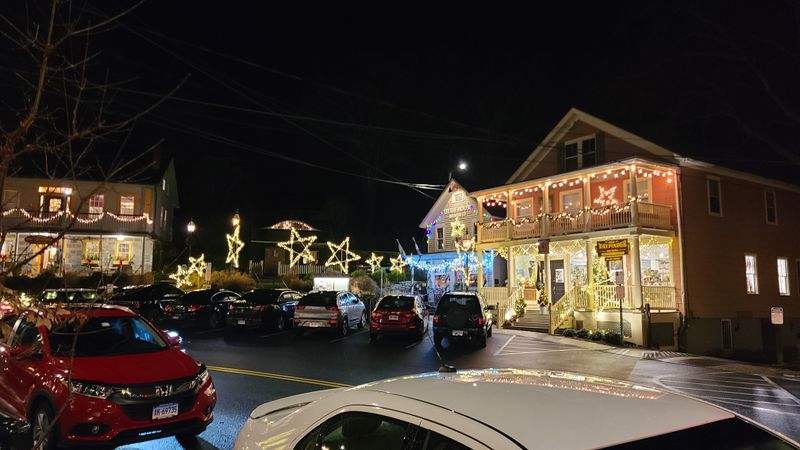
Chester feels handcrafted and pleasantly unhurried, the kind of place where a doorway bouquet makes you pause. Main Street bends gently, leading you past galleries and cafes that look stitched together by patient hands. You linger because textures invite touch, from rough beam ceilings to smooth pottery rims.
Art here lives on sidewalks as much as walls. A chalkboard menu becomes a tiny exhibition, and someone tunes a guitar near the brook while espresso drifts across the lane. It is easy to follow your senses instead of a plan, moving toward whatever detail glints first.
Old mill buildings frame the water with honest brick. Stand there and you will hear both past and present, a soft shuffle of footsteps layered over the creek’s steady voice. A small footbridge encourages a pause mid span, the perfect place to decide on dessert or a second lap.
Shops have a conversational rhythm. Owners remember faces, recommend a hike, or suggest a quiet corner you might have missed. You try on a scarf, flip through letterpress cards, and somehow an hour folds into itself until you only measure time by smiles.
As dusk arrives, string lights glow and conversations deepen. Tables spill onto the sidewalk, and the village hum settles into something cozy and sure. Chester suits wandering because it understands curiosity, and gives it room to breathe. You leave with pockets that jingle softly, not from coins, but from small stories gathered along the way.
Guilford
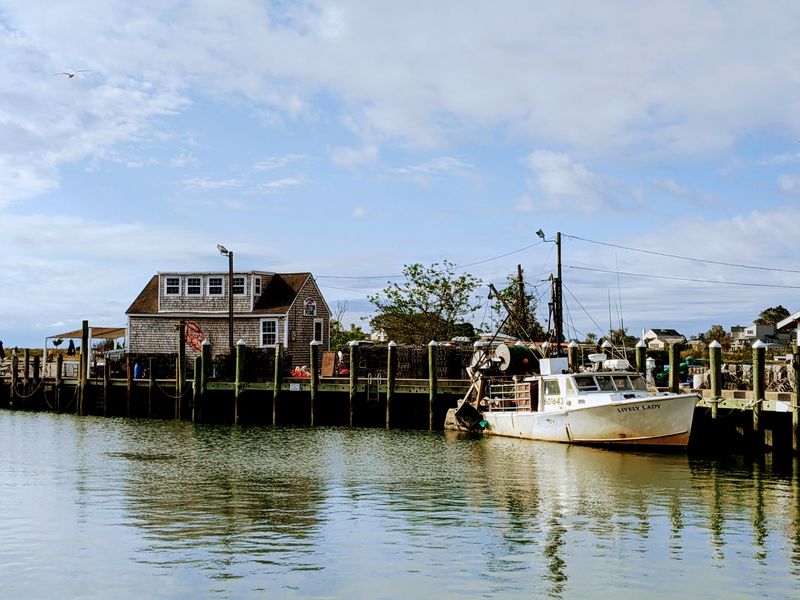
Guilford is anchored by a generous green that works like a living room for the whole village. You fall into an easy loop around its edges, noting white clapboards, brick chimneys, and generous porches that seem built for long conversations. The sound of kids playing drifts over grass, and you match your steps to the easy beat.
Historic homes like the Henry Whitfield House whisper stories without grandstanding. You step inside, then out again into bright air that makes the stone feel even older. Shops along Whitfield Street spill with books, woven throws, and seaside tokens, inviting lingering rather than quick decisions.
Food stops come with personality. Grab a flaky pastry, sit under a tree, and let the village pass by as if you were part of a gentle parade. A few blocks farther, the shoreline beckons, and you can trade town sounds for gull cries and salt on the breeze.
What makes Guilford special is the generous spacing of things. There is room to wander without bumping into the next must see, room to notice a wavy windowpane or a wrought iron hinge. Even the sidewalks seem to take their time, bending softly around roots and memories.
When light leans gold, the green glows and conversations lengthen. You might trace one last slow circle, then follow a side street just to see where it goes. Guilford keeps its pace even as the day closes, encouraging you to keep yours too. You leave refreshed, pockets scented with bakery sugar and sea air.
Stonington Borough
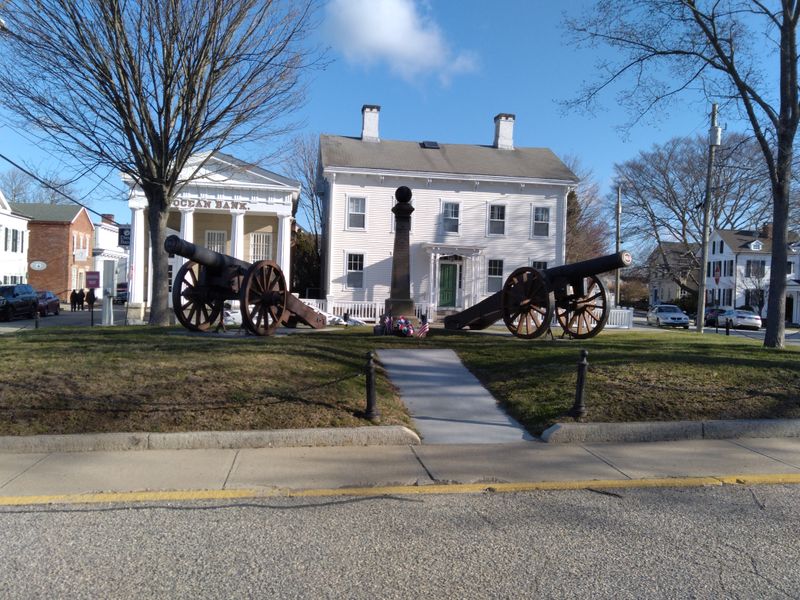
Stonington Borough is all about edges and water light. Streets stretch toward the harbor like ribbons, and every corner carries a hint of salt. You wander because the map looks simple but the mood keeps shifting, one minute sun bright, the next softened by a drifting cloud.
Pastel cottages lean companionably together, their window boxes staging quiet color shows. You can hear halyards tick against masts and shoes on shells near the curb. The old lighthouse sits with steady patience, a reminder that arrivals and departures have always mattered here.
Shops feel curated by neighbors, not algorithms. Step inside and a bowl catches your eye, or a linen shirt suggests a breezy afternoon you can almost feel. You exit slower than you entered, like a tide turning for a second look.
Follow Water Street and let the harbor decide your timing. A bench opens, a dog pauses, and the horizon widens as boats drift through the frame. You inhale, exhale, and the whole walk folds into a single long breath.
As evening gathers, house lamps flicker on and the village becomes a string of warm beads. Waves make a soft metronome against stone, steady and sure. Stonington Borough asks little and gives a lot: a quiet pocket of time, a handful of sea light, and the pleasure of wandering at exactly your speed.
Kent
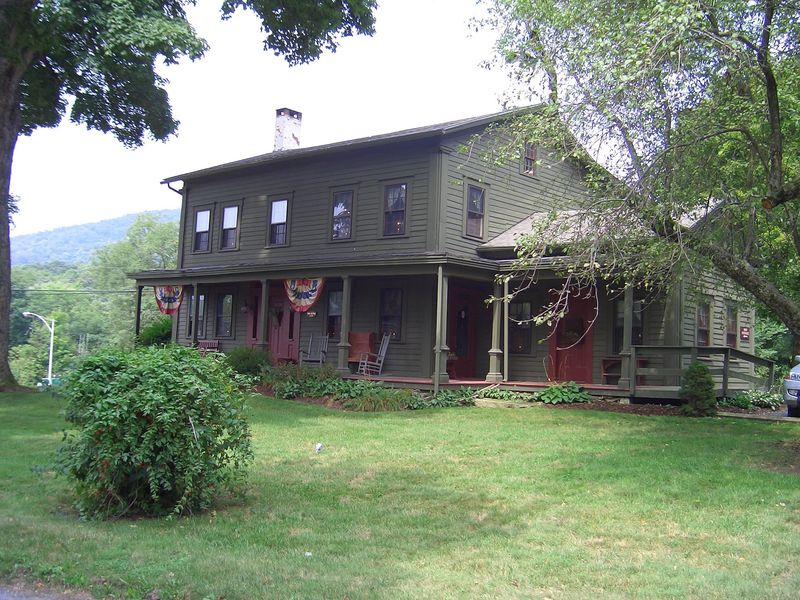
Kent sits between wooded hills like a book tucked on a shelf. The main street is simple, and that is the charm, with galleries, antique corners, and a bakery that perfumes the air. Your pace falls in with the leaves drifting down, and choices feel easy.
Kent Falls is close enough to tempt a side adventure. Water stair steps through the forest while the village keeps its voice low, ready for your return. Back in town, windows display pottery and paintings that feel grounded, as if made from local stone and sky.
A used bookstore anchors one end with creaky floors. You browse without aim, following whispering pages and the tap of rain on the awning if the weather turns. Even the coffee sips slowly here, warmer and rounder somehow.
Walk a block off the main road and you will find porches with rockers and tidy gardens. The hills fold the horizon close, making the village feel held. A short loop becomes a longer one because each turn offers another quiet view.
By late day, the light deepens to copper on clapboards and fallen leaves. You might tuck a cookie in your pocket for the ride, but there is no rush to leave. Kent has a way of balancing motion and rest so gently you barely notice. You end up carrying that balance home like a small, steady flame.
Old Saybrook
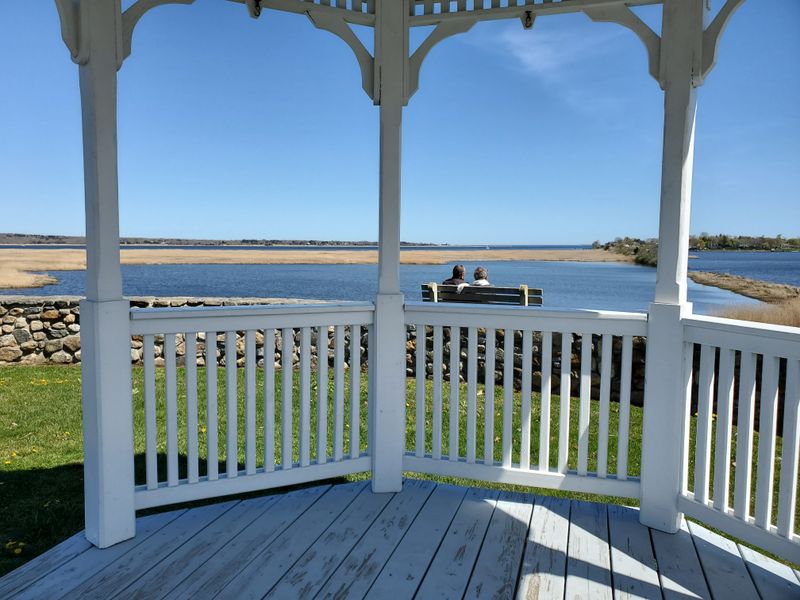
Old Saybrook moves to a shoreline rhythm that invites unhurried wandering. Main Street stretches with breezy confidence, lined with shops that feel neighborly rather than polished. You catch hints of salt in the air between coffee sips and window peeks.
Walk toward Saybrook Point and the world opens to sky and water. Marsh grasses bow with the wind, and the lighthouse steadies the scene like a calm hand. You sit a minute longer than planned, watching light skip across the river mouth.
Back in town, porches hold planters and friendly dogs. Antique corners reveal small treasures, and you consider how each would look by a sunny window at home. The day makes room for these thoughts, stretching generously without spilling over.
Side streets offer glimpses of gardens and tidy shingles that weather salt with grace. Footsteps sound softer here, padded by sand carried in from the shore. The village seems to practice hospitality by simply existing at an easy tilt.
When the sun leans low, storefronts catch a mellow gleam. Dinner can wait because the sky is doing something pretty, and you want to see how it ends. Old Saybrook keeps pace with you, never the other way around, and that is the gift you did not realize you needed until now.
Farmington
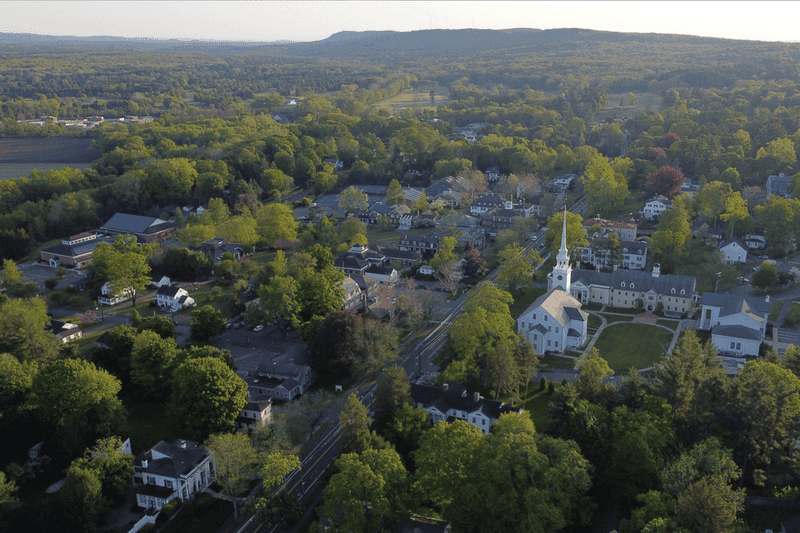
Farmington wears its history with understated confidence. The green is framed by graceful homes and tall maples that filter the light into calm patterns. You walk slowly because the shade encourages it, and because every plaque feels like a quiet invitation.
The Hill-Stead Museum sits nearby with Impressionist paintings and sweeping lawns. Even if you do not go in, the approach road and stone walls slow your thinking. Back in the village center, the river runs like a soft thread, tying places together without fuss.
Shops are modest, the kind where you swap two sentences and leave smiling. A bakery’s cinnamon note follows you past a tidy churchyard and toward a footbridge. Standing there, you can hear both birds and tires on distant pavement, two tempos that somehow suit each other.
Side streets lead to handsome doorways and wavy glass windows. You notice small brass numbers, a blue door with perfect wear, a garden cat that acknowledges you and returns to sun. It feels right to let your path meander because everything is close and gracious.
As daylight thins, the village settles into a readable hush. Porch lamps glow, and the maples frame a last look across the green. Farmington does not chase your attention, it earns it with steadiness, and you leave with shoulders dropped and breath even.
Hadlyme
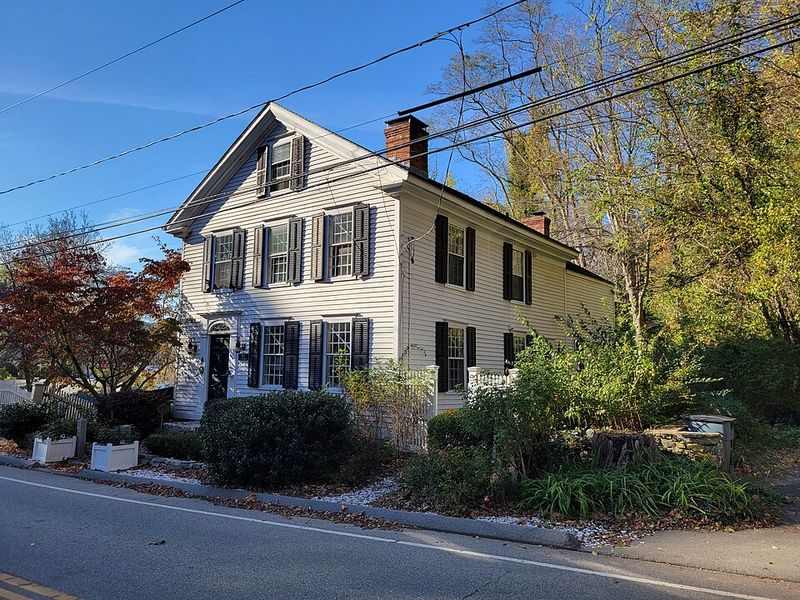
Hadlyme sits lightly on the river, more hamlet than headline, and that is the appeal. You arrive on a road lined with stone walls and maples, then notice a white steeple peeking between branches. Everything whispers here, even the air at the ferry landing.
The Chester Hadlyme Ferry is a gentle time machine. You drift across the Connecticut River while hills ruck up on both sides, as if tucking you in. On shore, Gillette Castle crowns the bluff, playful and solid, though the lanes below prefer to keep life small.
Walk a bit and you will find tidy clapboards, gardens with phlox, and porches staged for reading weather. A country store keeps hours that feel human, not algorithmic. You buy something simple, then sit on the steps and let the day slide by.
Here, wandering becomes noticing. The way sunlight lands on a weathered rail, the faint tang of river in the breeze, the soft shuffle of a cyclist passing with a nod. Paths do not announce themselves, they simply extend an option, and you take it.
Evening lifts a blue wash over the lane, and the ferry chains clink like a lullaby. You turn back toward the car and realize there is no rush inside your body. Hadlyme has edited away everything extra so you can move at your own pace, which somehow feels like enough and then some.
New Preston
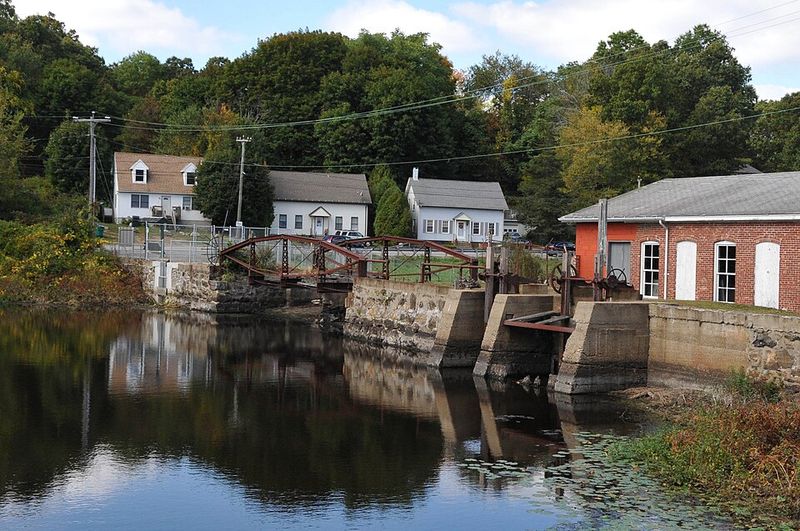
New Preston is small, stylish, and deliciously slow. Boutiques nestle into historic buildings that overlook a waterfall, and the sound sets a soothing beat for browsing. You move at the pace of water over stone, unhurried but steady.
Each shop feels curated with affection. Linen, ceramics, and art books share space without clamoring, inviting you to touch and imagine. Outside, flower boxes and careful signage keep the experience soft around the edges.
A short drive or meander takes you to Lake Waramaug, where the shoreline rounds into perfect pauses. You can circle back with a scoop of gelato and sit near the falls, letting mist lace your ankles. The village makes room for lingering small moments that stack into something memorable.
Architecture here whispers rather than shouts. Weathered shingles, polished brass, and deep window sills create gentle rhythms your eyes happily follow. A simple doorway can be the highlight of an hour if you let it.
As day dips, the waterfall steals the show again, wearing gold and then blue. Conversations soften, bags rustle, and the village slips into evening with grace. New Preston proves that tiny does not mean rushed, it means focused, and focus leads naturally to wandering at your own pace.