If you have been searching for a holiday getaway that feels unhurried and quietly magical, Old Mesilla might be your answer.
Picture a historic plaza where adobe walls hold the last warmth of the day and small paper lanterns guide your steps at dusk.
The season here is more about connection than spectacle, with handmade gifts, soft music, and candlelit moments.
Step into the plaza and you will feel the calm settle in like an old friend.
The Historic Heart of Old Mesilla Plaza
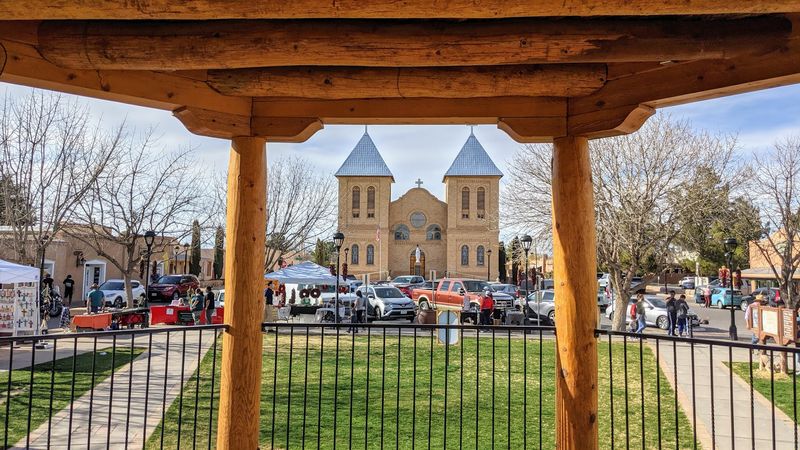
Stand in the center of Old Mesilla Plaza and you immediately sense how this space was built for gathering rather than passing through. Adobe buildings hug the square, their thick walls cooling the afternoon and holding the day’s quiet. Wooden portals cast striped shade that shifts as the sun slides west, giving you a reason to slow your steps and look again.
You can hear your own footsteps on the brick pathways and, if you listen closely, snippets of conversation from porches where neighbors trade news. The plaza’s layout invites lingering in a way modern streets rarely do, with benches aligned for conversation and wide corners that say, stay a little longer. Even the trees seem to know their role, rustling just enough to soften the edges of time.
As evening approaches, the square becomes a gentle theater for light and shadow. Shops glow softly from within, and the sky over the Organ Mountains fades to indigo behind the church. When luminarias are lit, the plaza reads like a handwritten letter, every flicker a line that connects past to present in a language you already understand.
Walk the perimeter and you will notice details that root you to place: hand hewn vigas, worn thresholds, iron latches that click with a satisfying honesty. Nothing screams for attention, which is why you give it so freely. You are not being entertained so much as welcomed into a rhythm that predates hurry.
In winter, that rhythm grows steadier and deeper. Cooler air wraps the square and makes the coffee taste richer, the chile warmer, the conversations closer. You will not find loudspeakers here, only the soft cadence of steps and occasional laughter.
By the time night settles, you understand that the plaza is not a backdrop but a host. It holds light, memory, and small rituals with uncommon care. And it invites you to carry that care into your own quiet holiday.
Luminarias and Farolitos: A Southwestern Holiday Tradition
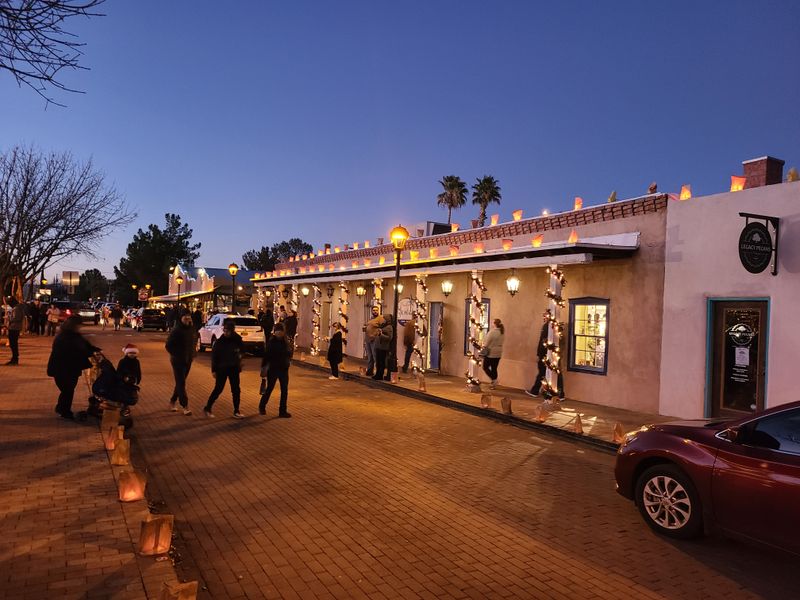
As dusk washes the plaza in blue, luminarias begin to glow like a careful whisper along rooftops and paths. Each paper bag, weighed with sand and holding a small candle, turns the streets into a soft constellation underfoot. You feel it in your shoulders first, that unclenching that happens when light is warm, simple, and close to the ground.
Locals will tell you the names trade places, luminarias here, farolitos there, but the intention is the same. These humble lanterns guide, honor, and gather, without neon bravado or flashing sound. They make space for conversation, for walking slowly, for noticing how adobe takes on a honeyed sheen under candlelight.
You will likely catch yourself whispering, even if there is no need. The flames ask for gentle steps and quieter thoughts, and you answer without thinking. If holiday lights elsewhere feel loud, these feel like a blessing you did not know you missed.
The beauty is in the restraint. No cords snake across the walk, no spectacle pulls your eyes away from the person beside you. Instead, the line of light threads through the square and stitches people together, neighbors and visitors alike.
When a breeze moves the bags, the tiny flames tremble and then steady, like hearts remembering their pace. Children point without shrieks, adults smile without performance, and time stretches kindly. You might circle the plaza twice, simply because the light invites one more lap.
If you pause near a doorway, you will notice how luminarias turn thresholds into promises. Inside, music may be drifting soft as cinnamon, and outside, the lanterns keep watch. It is a tradition that holds both welcome and wonder, and it leaves you walking lighter into the night.
Basilica of San Albino and Seasonal Stillness
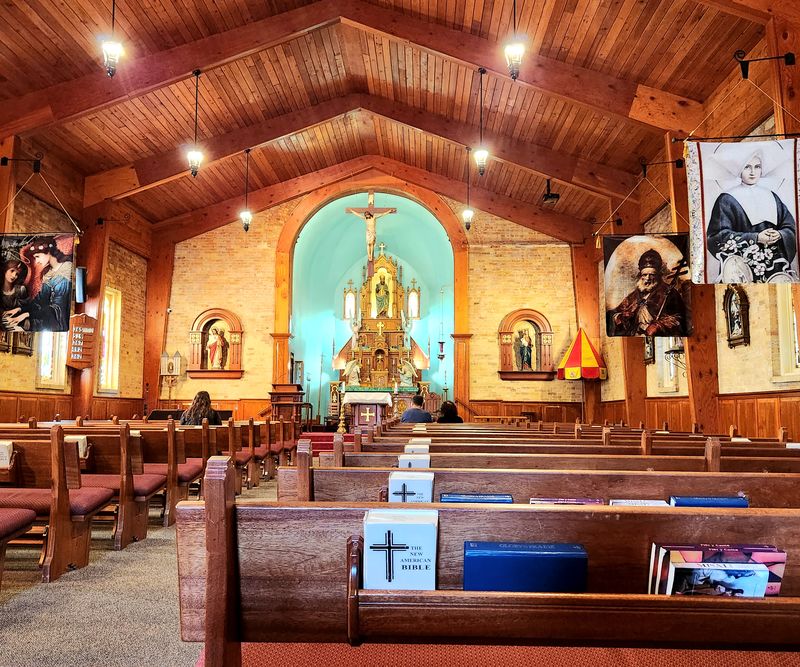
The Basilica of San Albino stands at the edge of the plaza like a steady breath, anchoring Old Mesilla with its warm adobe and twin towers. In December, candlelight gathers at its doors and spills softly onto the bricks, inviting you to slow down whether you plan to enter or simply linger. Bells ring with a round, human sound that settles into your chest.
You do not need a schedule to appreciate the church’s presence, though holiday services often thread through the week. Even from outside, you feel the quiet discipline of ritual, the kind that shapes a season without demanding attention. The facade carries sun and time in equal measure, wearing both with grace.
On candlelit evenings, the plaza hushes as if it remembers old stories. People move with care, voices soften, and even the smallest lights find their place along the edges of the walkway. If you wait a minute, the air seems to thicken with warmth despite the chill.
Inside, the low light makes wood and plaster glow like polished grain. You might not know the hymns, but you will recognize the cadence of comfort, the rise and rest that calls to something steady inside you. Faith or no faith, the moment offers a seat for your thoughts.
Back outside, the basilica’s silhouette holds the sky while luminarias stitch the ground. The space between the two becomes yours to walk, to consider, to breathe. It is a rare luxury to feel unhurried in a season that often forgets how to pause.
As you leave, notice how the steps teach your feet a gentler descent. There is a promise in the way the doors close softly and the bells fade without fanfare. You carry that stillness with you, and the plaza feels more like a sanctuary than a square.
Local Makers and Artisan Shops
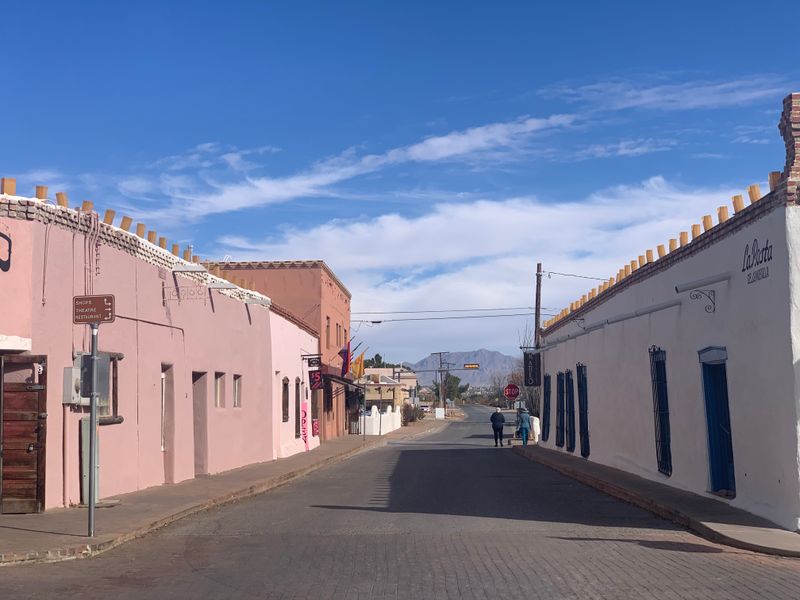
Step into the small galleries and you will feel the difference immediately. The shelves do not crowd you, and the pieces are chosen with a patient hand. Clay bowls show the soft thumbprints of their makers, and hammered tin catches candlelight like water.
Talk to a potter about the soil that gives the clay its color, and you will hear a story of weather and patience. Ask a jeweler about a turquoise inlay, and they will tell you where the stone slept before it met the saw. Every object here carries the plain miracle of hands learning a rhythm and then keeping it.
You will find woven textiles with colors you recognize from the evening sky, and carved wood that smells faintly of cedar. These are not souvenirs designed to shout your trip to the world. They are companions for a home that values texture, use, and care.
December brings a quiet layer of kindness to the shops. Makers look up from their benches and greet you by noticing, not hustling. They will wrap your gift in paper that crinkles reassuringly, and they will mean it when they wish you a peaceful evening.
If you ask for recommendations, you will get directions by landmark, not GPS. Turn left at the portal with the red ristras. Step across the threshold with the worn plank.
When you step back onto the plaza, the bag feels heavier in the good way, with a story tucked inside next to the receipt. You are carrying more than an object. You are carrying the pace that made it, and you will feel that every time you reach for it back home.
Unhurried December Evenings
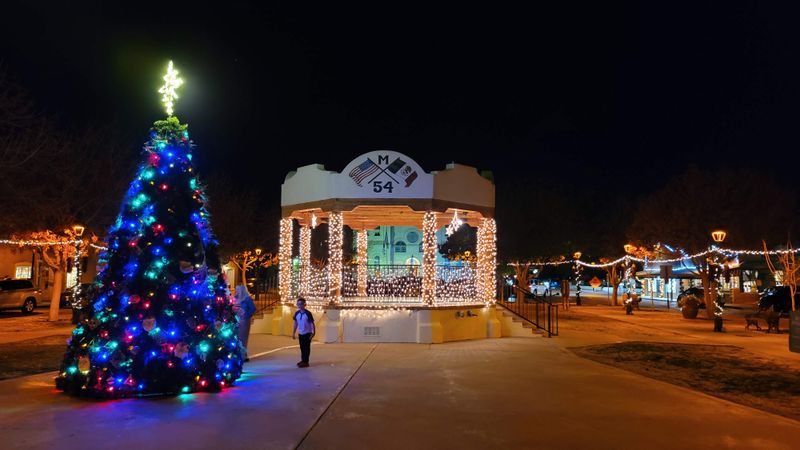
Evenings in December arrive gently in Old Mesilla, like a friend who knocks rather than rings. The air is cool enough for a scarf but kind enough for lingering. You will find yourself walking slower without deciding to, as if the bricks were set to a softer rhythm.
Street sounds fall into a hush that feels earned. Footsteps, a laugh from a doorway, the scrape of a chair on wood. The plaza does not perform; it invites, and you accept almost without noticing.
If you sit under a portal, time behaves differently. Minutes stretch into small pockets where you can actually finish a thought. Couples speak in low tones, and kids learn how quiet can be interesting.
Shops glow like lanterns, and you can see silhouettes moving calmly inside. There is no rush to buy, only a chance to look closely and enjoy looking. When you leave, owners often call goodnight as if you were neighbors.
As the sky deepens, luminarias pick up the quiet and carry it along the footpaths. The light pushes back the dark just enough to make the plaza feel held. You will notice your breath making small white puffs and feel oddly grateful for it.
By the time night gathers, there is nothing left to chase. The evening has done its work by asking less of you. You walk back across the square with a calm that fits exactly, and the day closes like a book you loved.
Traditional New Mexican Holiday Foods

Hunger in Old Mesilla is happily solved by tradition. You will smell chile before you see it, a red green decision that locals call Christmas with a smile. Tamales arrive wrapped like small gifts, steam escaping when you peel back the husk.
There is a comfort in food that tastes like a place and a season at once. Red chile warms slow and deep, while green wakes the tongue with bright, peppery light. Spoon by spoon, you can feel the day thaw in your hands.
Biscochitos finish the story with a whisper of anise and cinnamon. They are crisp without being brittle, sweet without shouting, and always a little nostalgic. Dip one in coffee and you will understand how simple can be perfect.
Plates come to the table with no pretense, only pride. Beans, rice, chile, maybe a sopaipilla that dares you to drizzle honey. You are not being dazzled so much as cared for, and that care tastes better than any garnish.
In December, cafes glow like kitchens after sunset. Servers remember faces, offer extra napkins, and ask about your evening as if it matters. You will leave warmer than you arrived, in every sense that counts.
If you want to take the flavors home, small markets around the plaza sell local chile, cookies by the dozen, and fresh masa when you time it right. Ask for cooking tips and you will get stories with the advice. By the last bite, you will be planning breakfast tomorrow.
Cultural Layers and Living History
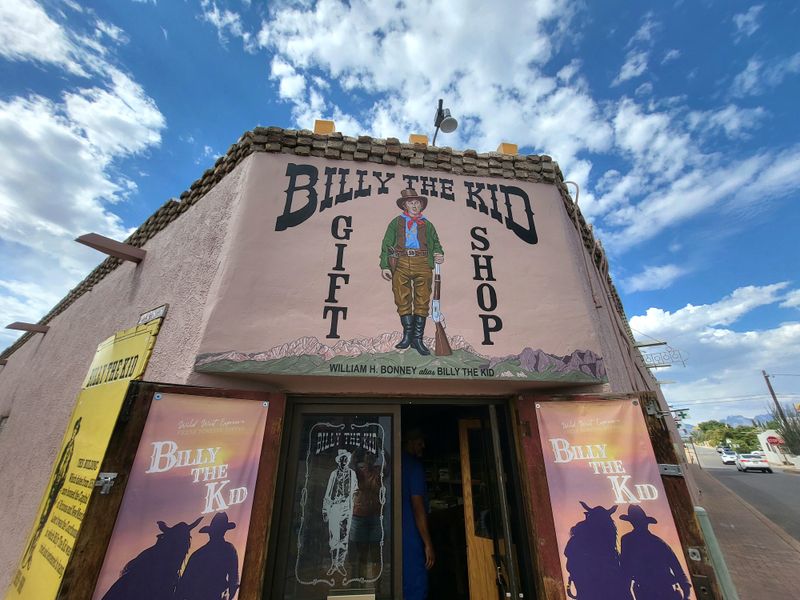
History in Old Mesilla does not shout. It rests in adobe walls that have learned to hold heat by day and release it slowly at night. Street names, plaques, and stories traded across porches stitch together moments from the Mexican American War era to quieter town days.
You might pass a storefront with a faded sign and feel a tug of curiosity. Step inside and find black and white photos, faces that look straight through time. The stories here do not rush; they take your hand and match your pace.
Billy the Kid shows up in the telling, but he does not dominate the room. Instead, you learn how market days felt, how dust rose after rain, how the plaza hosted both hard news and soft celebrations. The past leans in without leaning on you.
What makes it living history is the way daily life slides over old stones without wearing them down. A guitar note drifts from a doorway, a child learns to ride a bike along the same edge where soldiers once stood. You feel the braid of then and now in your own steps.
December adds a hush that lets details speak. Candlelight finds the textures in mud plaster, and luminarias outline rooflines set by hands you will never meet. Respect takes shape in small decisions, like reading before photographing, listening before asking.
By the time you circle back to the square, you are carrying stories the way you carry warmth from a cup. They do not demand to be told, but they change how you stand. And that is how Old Mesilla teaches history, by letting you belong to it for a while.
Respectful, Community-Centered Celebrations
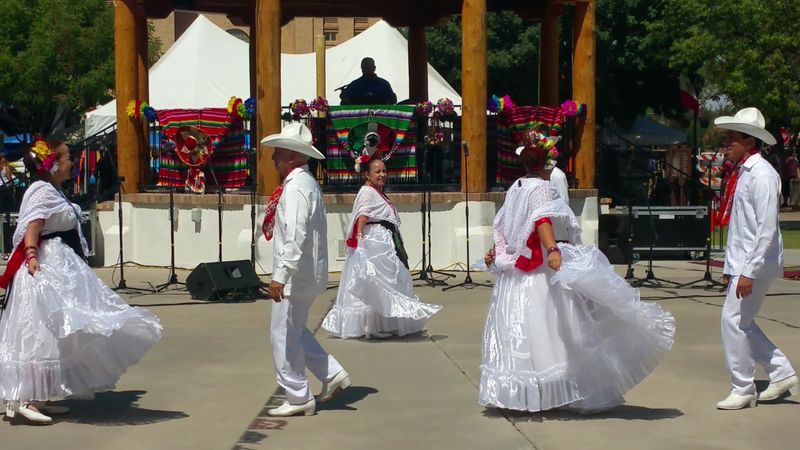
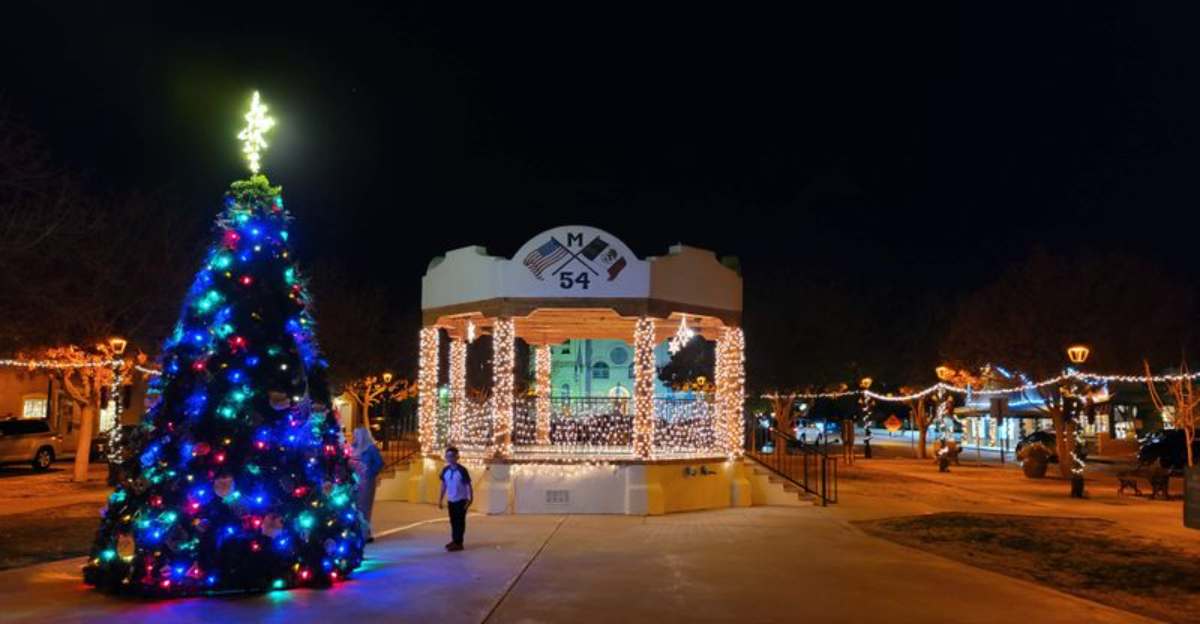
Holiday events in Old Mesilla feel like gatherings rather than shows. A small tree lighting draws neighbors who greet one another by name, and visitors are folded in as if expected. The music is local, the volume human, and the applause warm rather than loud.
You will not find giant stages or screens fighting for your attention. What you will find are kids wrapped in scarves, grandparents with folding chairs, and a volunteer handing out programs with a wink. The agenda fits on a half sheet of paper and somehow contains everything you need.
Faith communities host candlelit services that spill gentleness into the night. Musicians play songs you can hum even if you do not know the words. When the lights come on, people do not gasp; they smile at one another as though the glow belongs to them.
Vendors, when present, keep the spirit simple. Hot chocolate, tamales, maybe a tray of biscochitos disappearing one napkin at a time. Money exchanges hands, but the mood stays neighborly and calm.
What stands out is how respect anchors the choices. Space is made for elders, room is kept for strollers, and the schedule leaves margins for conversation. You are invited to be part of the evening, not just the audience.
As the event winds down, you will hear thank yous layered over goodnights. Luminarias trace a safe path home, and the plaza exhales with the crowd. It is celebration as care, and it lingers longer than fireworks ever could.
Why Old Mesilla Feels Different at the Holidays
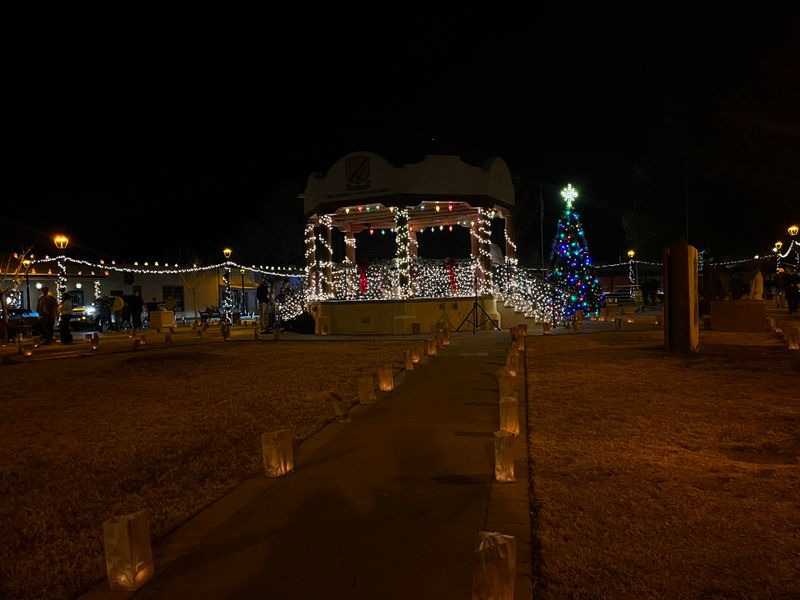
Old Mesilla does not try to dazzle you. It invites you to step into a holiday shaped by soft light, honest craft, and a pace that remembers how humans breathe. The difference shows up first in your shoulders, then in your voice.
Architecture does quiet work here. Adobe walls soften sound, portals shelter conversation, and the basilica keeps watch with a patient silhouette. Luminarias do the rest, sketching paths that are more about belonging than spectacle.
Local makers anchor the feeling with objects that carry time inside them. A mug, a woven runner, a pair of earrings set with care. These are gifts that teach the giver as much as they delight the receiver.
Food seals the memory in place. Red chile, green chile, tamales that unwrap like small ceremonies, and cookies that taste like someone’s grandmother nodded in approval. You eat, you warm, you share, and the night deepens kindly.
Events stay small on purpose, which leaves room for the sky to play its part. Stars arrive early in December, and the Organ Mountains hold the horizon like a promise. You walk, you listen, you let the plaza set the tempo.
By the time you leave, you realize the holiday you found is mostly made of attention. To each other, to light, to stories held in old walls. And that is why Old Mesilla feels different. It teaches peace by practicing it.