Step off the train in Dillsboro and you can feel the town’s rhythm sync with the rails.
Storefronts face the tracks like old friends, and the Tuckasegee River whispers the same currents that once guided engineers and freight.
You can trace the town’s story by listening for whistles, smelling creosote, and following the tight curve of Main Street.
If you have ever wondered how a railroad could build a place and never quite leave, this is your stop.
The Railroad’s Arrival Put Dillsboro on the Map
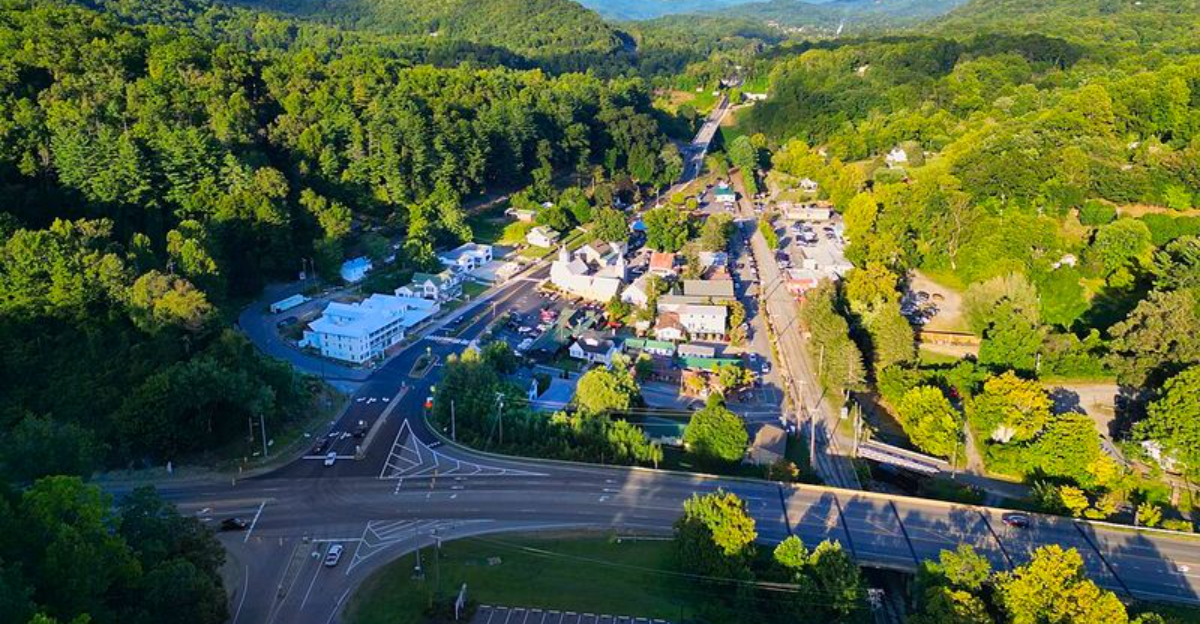
Picture a riverside clearing where wagons once bogged in mud and news traveled on foot. Then the Western North Carolina Railroad arrives with iron certainty, and suddenly Dillsboro is threaded to Asheville, Sylva, and points beyond. The rail line turns a quiet bend in the Tuckasegee River into a junction of possibilities, and you feel the town inhale.
Trains brought timetables, mail, and merchandise that once seemed out of reach, and almost overnight, a rural outpost learned the cadence of arrivals and departures. You could step down from a coach and find a hot meal, a hotel room, and a telegraph message waiting. Merchants shifted their doors toward the platform, knowing that every whistle might carry a paying customer.
What set Dillsboro apart was not size, but connection. The rails stitched it into the fabric of Western North Carolina commerce, letting farmers, loggers, and craftsmen ship outward and draw resources inward. Even now, when a locomotive rumbles through, the town’s origin story feels present tense.
Stand near the depot site and imagine the first plume of steam curling over the river. You hear metal on metal, see hats tilt toward the conductor, and smell the coal that powered momentum. The railroad did not just put Dillsboro on the map, it gave residents a new map of their lives.
Roads were seasonal, but rails were promise. With each scheduled stop, the community gained stability and ambition, a platform for growth that did not demand reinvention. If you listen closely, the town still speaks in railroad time.
Geography That Made Rail Expansion Possible
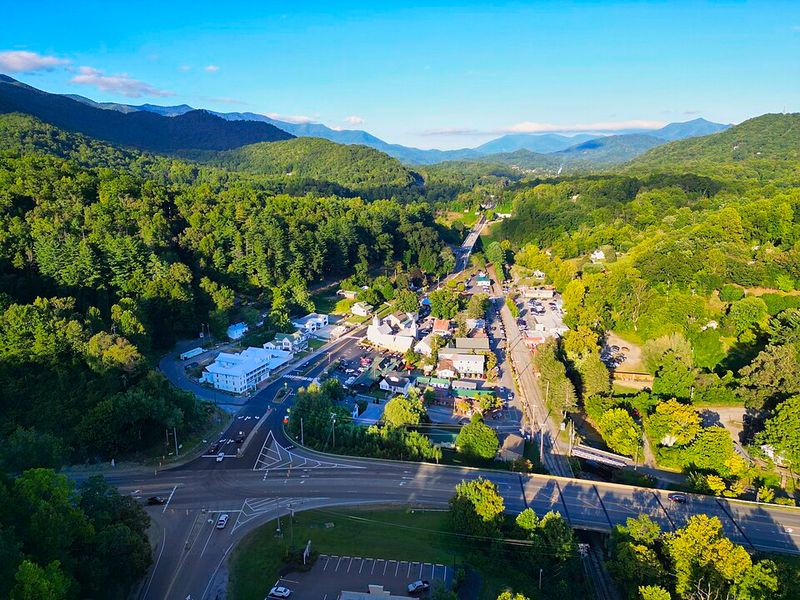
Dillsboro sits where the Tuckasegee River loosens the mountains just enough to let steel slip through. Those gentle bends, floodplains, and natural corridors seemed to offer a handshake to surveyors mapping hard country. If you have ever walked the riverbank, you know how the land itself guides your steps.
Rail builders hunted routes that would tame grades and avoid ruinous cuts, and Dillsboro’s geography offered a practical bargain. The river’s path, paired with a modest valley floor, allowed tracks to thread into Western North Carolina without constant blasting. It made sense to stop here, and towns grow where sense converges with necessity.
The selection was not just about today’s convenience but tomorrow’s expansion. From this hinge, rail could push toward Bryson City and the Smokies while still looping back to regional depots. You can see how the landscape became an ally, a quiet partner in every timetable.
Walk from the bridge toward Main Street and notice how the grade stays forgiving. Shops cluster where the ground is kind, and the rails hold the center like a spine. Geography did not decorate Dillsboro, it engineered it.
When trains still carry tourists through this curve, the sense of rightness returns. The river mirrors the cars, the mountains soften the horizon, and the tracks feel inevitable. Some towns fight their terrain, but Dillsboro flows with it.
The Depot as the Center of Daily Life
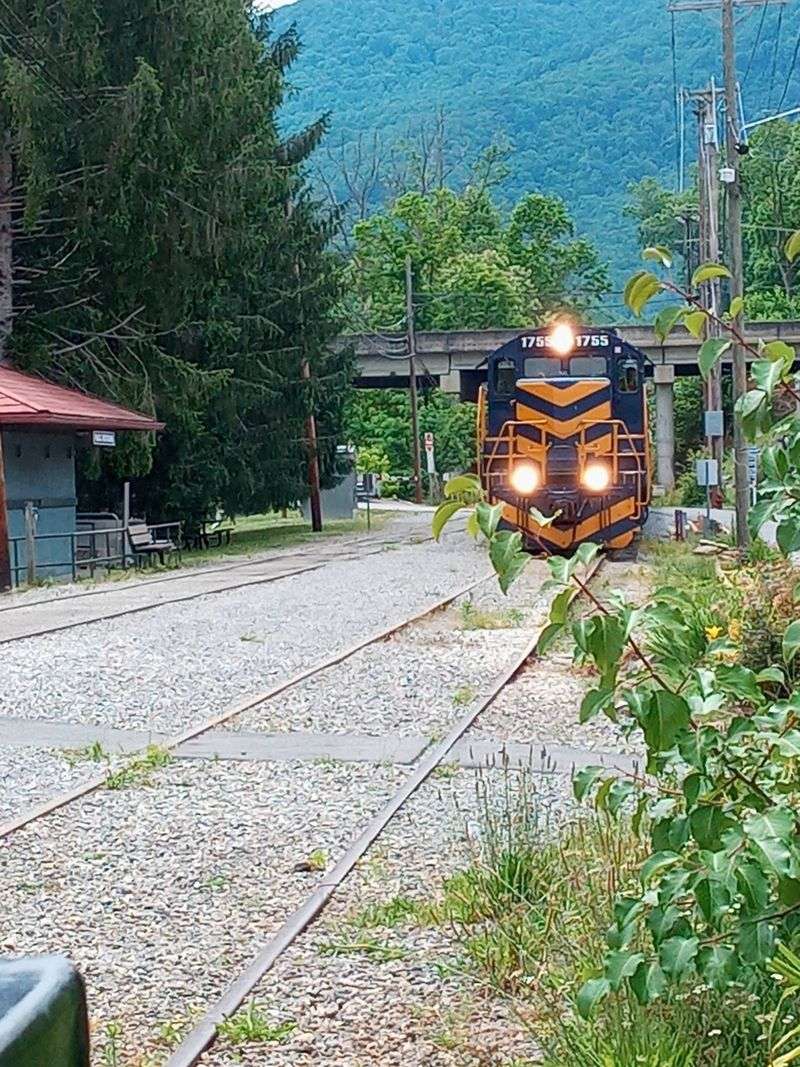
Imagine the town clock chiming in steel, not bells. The depot told you when to meet a cousin, when flour would arrive, and when a letter might change your day. People gathered here to trade news, buy tickets, and feel the hum of the wider world.
Inside, the telegraph clicked with distant conversations, and the freight agent knew everyone’s business by weight and waybill. Outside, porters rolled crates and luggage past benches worn smooth by waiting. Even if you were not traveling, you showed up to see who was.
The platform worked like a porch for the whole town. Courtships began, deals closed, and soldiers were embraced or sent off with handkerchiefs pressed tight. If you wanted to understand Dillsboro, you watched the depot door.
Layout followed function. Streets angled toward the tracks, and storefront windows framed the view of incoming cars. Schedules shaped meal times, church services, and shop hours until the town’s pulse matched the timetable.
Today, when excursion trains roll in, that social energy sparks again. Cameras replace telegraphs, but the instinct to gather remains. The depot made life legible, and Dillsboro still reads by that light.
A Main Street Designed for Train Traffic
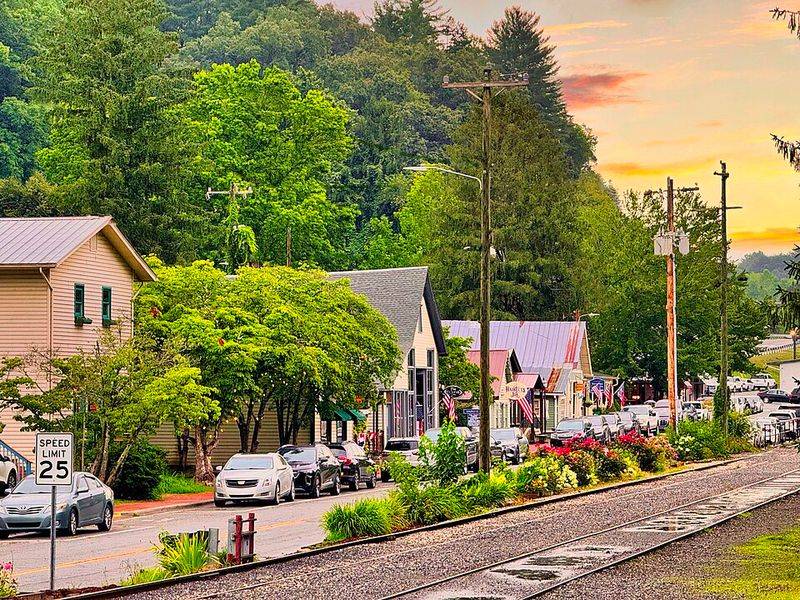
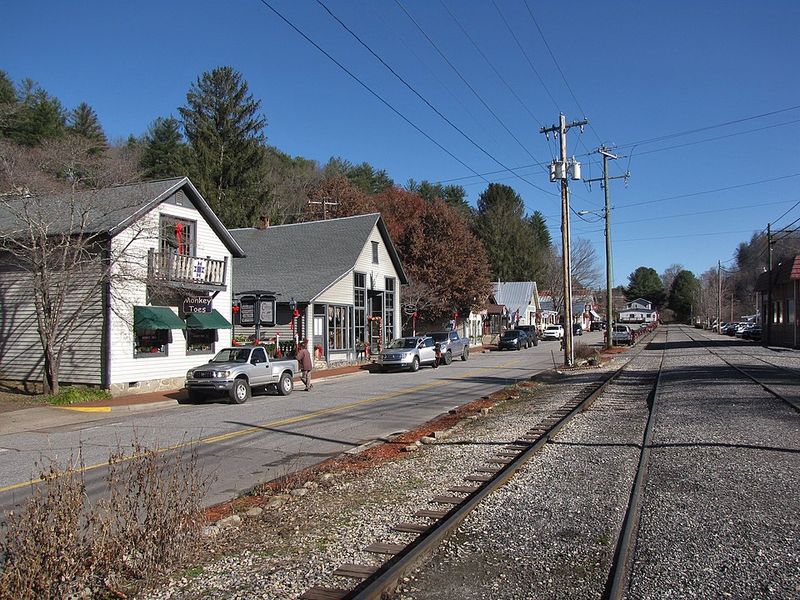
Main Street in Dillsboro does not sprawl, it hugs. Businesses crowd the shoulder of the rails because passengers meant footsteps and footsteps meant sales. You can stand mid-block and see why doors face the tracks like sunflowers.
Early on, shopkeepers timed window dressing to arrivals and stacked goods within arm’s reach of the platform. Hotels kept lamps burning for late trains and breakfasts hot for early ones. The street’s scale favors walkers and watchers over wagons and trucks.
Even today, the sidewalks feel conversational. You drift from candy shop to gallery without crossing oceans of parking, and the sightlines keep pulling you back to the tracks. It is a design born from momentum, not motorways.
The cluster effect made service quick and community tight. Blacksmith, grocer, and cafe stood within calling distance, ready to catch a traveler’s impulse before the conductor called all aboard. The town learned to turn minutes into money without losing its kindness.
When a train coasts in now, you can sense the choreography return. Doors open, bells jingle, and conversations bloom like steam. Main Street still reads the timetable like a favorite recipe.
Architecture Rooted in Railroad-Era Prosperity
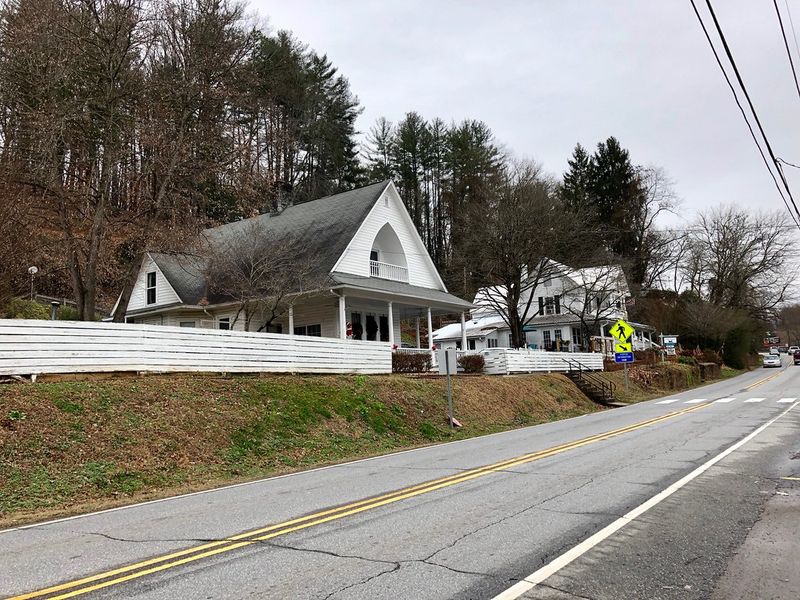
Brick arrived on flatcars, and prosperity followed the mortar lines. Dillsboro’s storefronts wear pressed tin, corbelled cornices, and sturdy lintels that speak of money made on schedules and freight. Walk close and you can trace chisel marks that outlasted the hands that made them.
Inside, floors creak with a century of boots and deliveries. Transom windows float light into narrow rooms built to maximize frontage, not depth. Architectural choices came from the railroad ledger: durability, visibility, and speed of construction.
Wooden structures lean friendly toward the street, painted in colors that feel both festive and hardworking. Porches shelter conversation, and signboards still tilt for a traveler’s glance from the car window. Even renovations tend to honor the rhythm of bays and brackets.
What you see is not a museum set, but lived-in heritage. Residents fix what breaks and polish what shines, keeping the bones from the boom years intact. The language of the town is brick and beam, spoken with Appalachian warmth.
Stand at a corner where iron once squealed and you will notice how sun hits the upper floors. Those second stories held boarding rooms, offices, and hope. The architecture is proof that a timetable can build beauty as surely as it moves freight.
Railroads Powering Local Industry
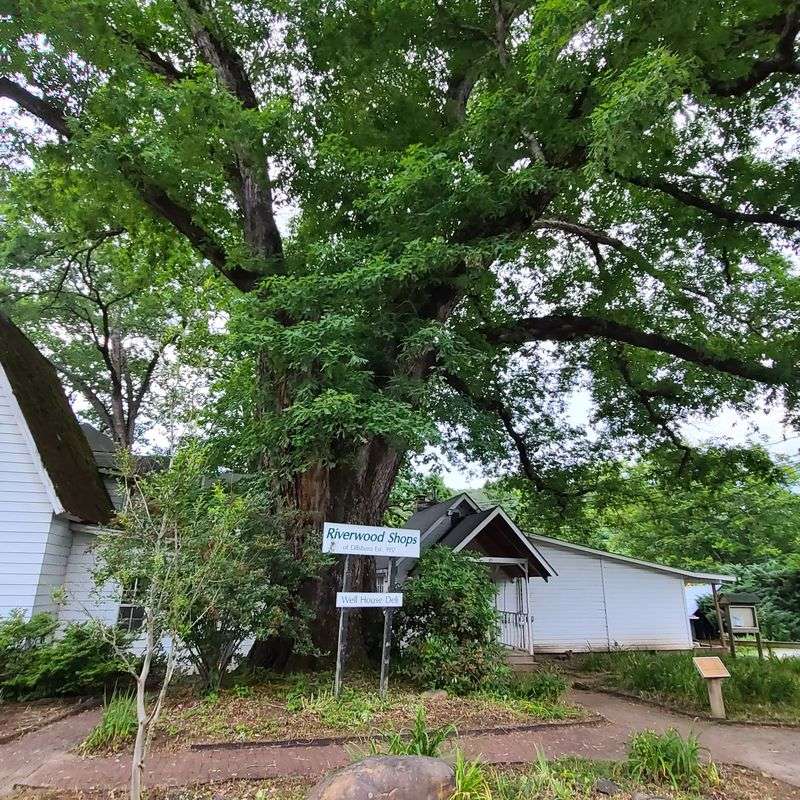
The tracks turned raw resources into livelihoods. Loggers cut deep in the hollows, then watched timber ride flatcars toward mills that could pay fairer prices. Farmers packed apples, corn, and canned goods bound for markets they would never see.
A small manufacturing heartbeat kept time with the freight schedule. Leather goods, textiles, and simple tools left town with the same reliability that brought fertilizer, glass, and machine parts in. You can imagine the relief of knowing a shipment would not rot on a muddy road.
Industry scaled to the rails, not beyond them. Dillsboro never bulged into smokestack sprawl, and that restraint preserved human proportions. The economy flowed like the river alongside it, steady and navigable.
Freight agents knew the town’s fortunes by weight totals and waybills. When cars filled, optimism rose; when empties lingered, people tightened belts and waited. The community learned resilience one manifest at a time.
Today, remnants survive in repurposed warehouses and stories told over coffee. The spirit remains practical: make, ship, repeat, with pride in honest work. The railroad did not just move goods, it moved confidence.
Everyday Life Shaped by the Tracks
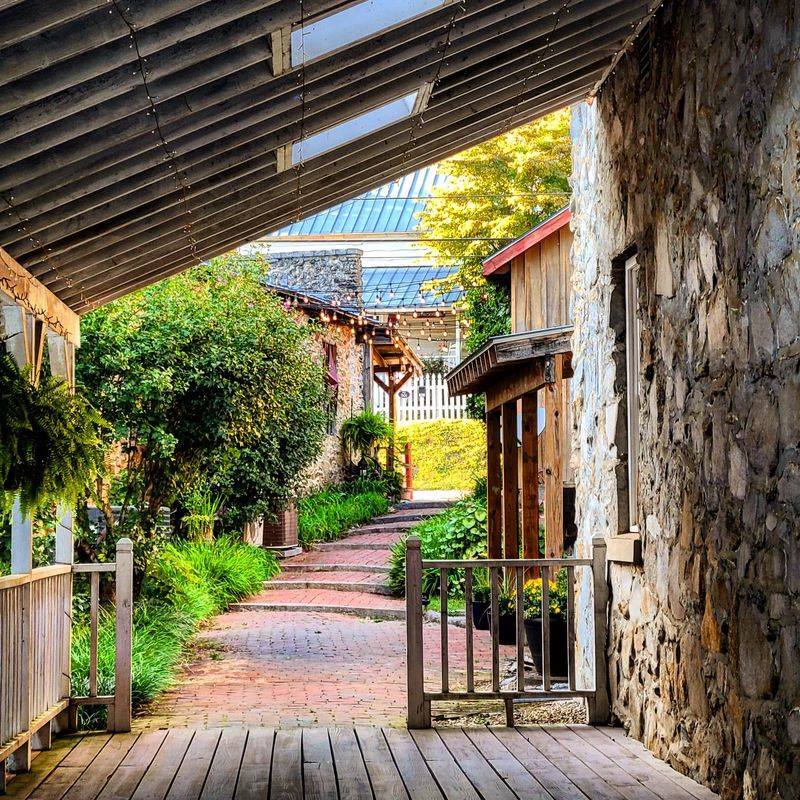
Trains once set alarms before clocks did. You cooked when the morning local cleared the bend and swept the porch when noon freight rattled the windows. Kids learned to count by boxcar, and dogs answered to whistles.
Shops opened to meet arrivals, then took breath during lulls when the town’s heartbeat slowed. The platform taught patience and anticipation in equal measure. Even church services danced between departures to keep families together at the farewell moment.
Senses tied it all together. Coal dust on cuffs, oil in the air, and the metallic taste that lingers after a long freight passes. Those textures seeped into stories and recipes like seasoning.
Walk the same sidewalks and you still time your stride to the crossing bells. A locomotive can pause conversation without offending anyone, as if the town grants right of way to its oldest voice. You feel included in a ritual older than your plans for the day.
When the night train blows, the sound threads houses like a lullaby with steel edges. It reminds you that Dillsboro belongs to a larger map, yet keeps its own scale. Life here still listens for rails.
The Decline of Freight and the Shift to Survival
Freight thinned as highways fattened. Trucks promised doorstep convenience, and factories followed four lanes to bigger towns. In Dillsboro, the timetable lost pages, but the town did not tear out its spine.
Instead of rebuilding for cars, people trimmed sails and held course. Shops stayed small, buildings stayed useful, and the map stayed walkable. You can sense the decision: survive by keeping what works, not by chasing size.
Some businesses closed, but the street never emptied. Families kept lights burning upstairs, and porch talk filled gaps left by departing boxcars. The town chose continuity over spectacle.
This slow adaptation preserved charm without freezing it. Repairs came as needed, not as grand gestures that erase memory. The result feels honest, a place that endured rather than rebranded.
Stand by the tracks at dusk and you will feel the quiet pride. Even with fewer freights, Dillsboro’s form still fits human hands and feet. Survival looks like stewardship here.
The Great Smoky Mountains Railroad’s Second Act
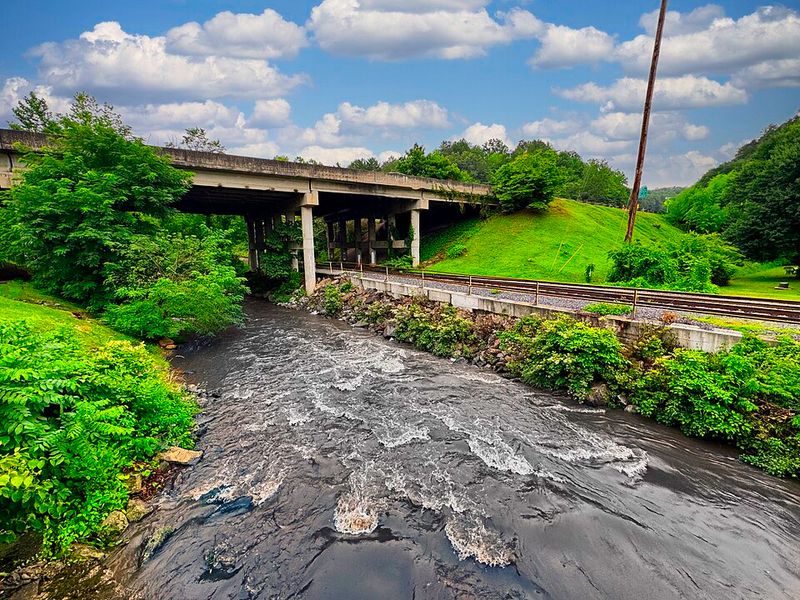
Then came the excursions, a fresh chapter written on old rails. The Great Smoky Mountains Railroad turned industry into experience, letting riders taste the curves and bridges that once carried commerce. You buy a ticket and inherit a century of momentum.
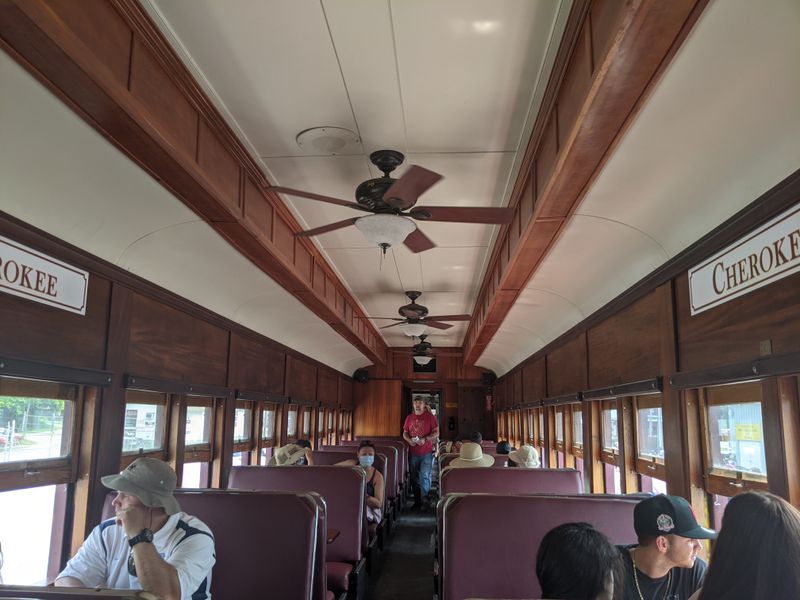
Restored cars gleam, but the route feels faithful, hugging the Tuckasegee like always. Conductors share stories where telegraphs once clicked, and windows frame the same ridgelines freight crews learned by heart. Tourism pays the bills while honoring the blueprint.
Shops time tastings and demos to match the excursion schedule, a familiar dance with new shoes. Families spill onto Main Street hungry for sweets, pottery, and river views. The economy hums without pretending to be something else.
What works is continuity. The town still uses trains to gather people, just for wonder instead of wheat. You step off and feel welcomed by a layout designed for your feet.
When the locomotive pulls away, echoes linger in brick and water. Dillsboro waves, then returns to its steady pace, grateful and grounded. Second acts can be true to the first.
A Railroad Town That Still Feels Real
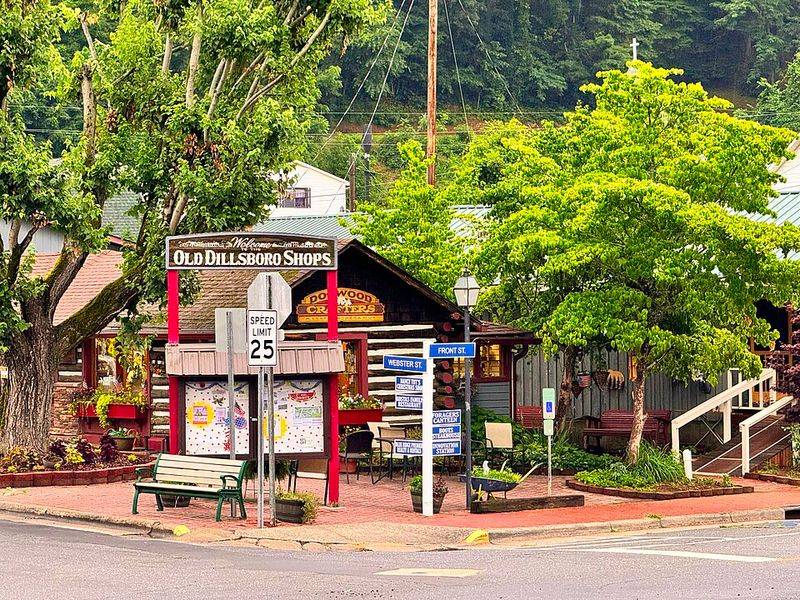
Some mountain towns feel curated, but Dillsboro feels lived-in. The train is not a backdrop, it is a neighbor that still borrows a cup of attention. You can tell by how people pause without posing when the horn sounds.
Authenticity shows up in small decisions. Signs are handmade because makers live here, and hours flex when the river runs high or a child has a game. The tracks cut through daily life, not a theme park wrapper.
Walk a block and you meet owners who can point to photos of their storefront from a century ago. They kept the bones and updated the hinges, trusting patina more than polish. The result is comfort wrapped in history, not history wrapped in velvet ropes.
Realness also comes from continuity of purpose. Trains connect people to this place the way they always did, even if the cargo is laughter and camera rolls. Your presence fits the schedule without forcing it.
When you leave, you carry the feeling that the town will continue at its pace. Rails will shine, doors will open, and the river will keep the beat. Dillsboro stays true by staying useful.