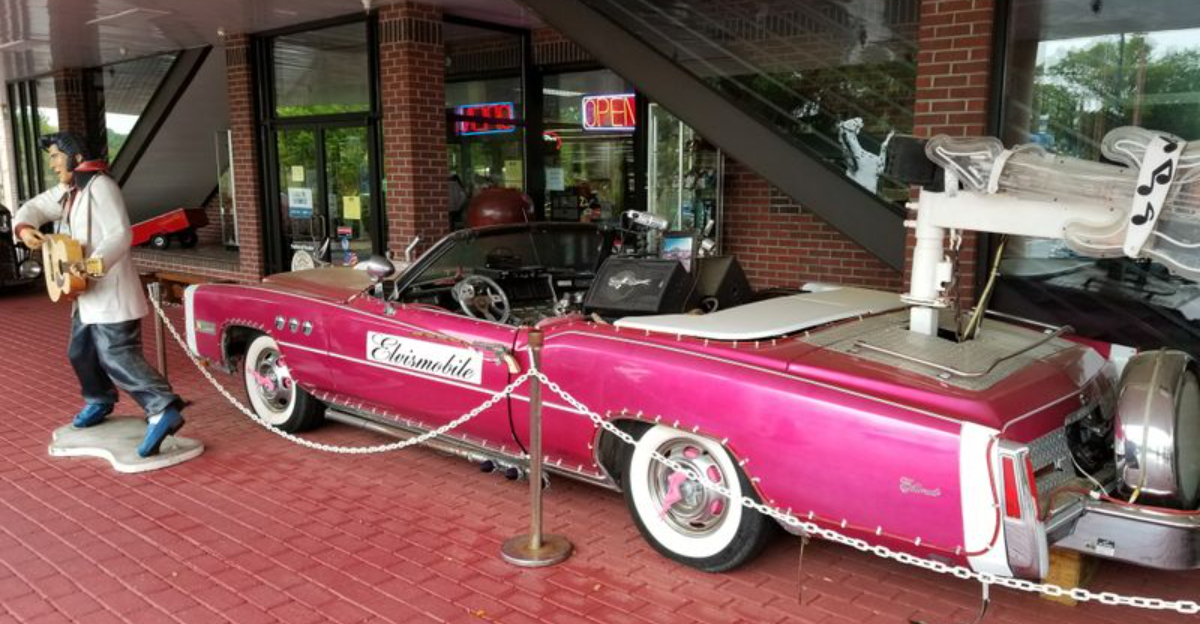
Tucked just off I-10, the Tallahassee Automobile Museum is the kind of hidden Florida gem you brag about discovering first.
With 160 classic and vintage cars under one roof, it feels like stepping into a living timeline where chrome, history, and pop culture all meet.
You will find Batmobiles parked near brass-era beauties and presidential artifacts that make the past feel close enough to touch.
If you love engines, design, or great road trip surprises, this spot deserves your next detour.
The Museum Overview
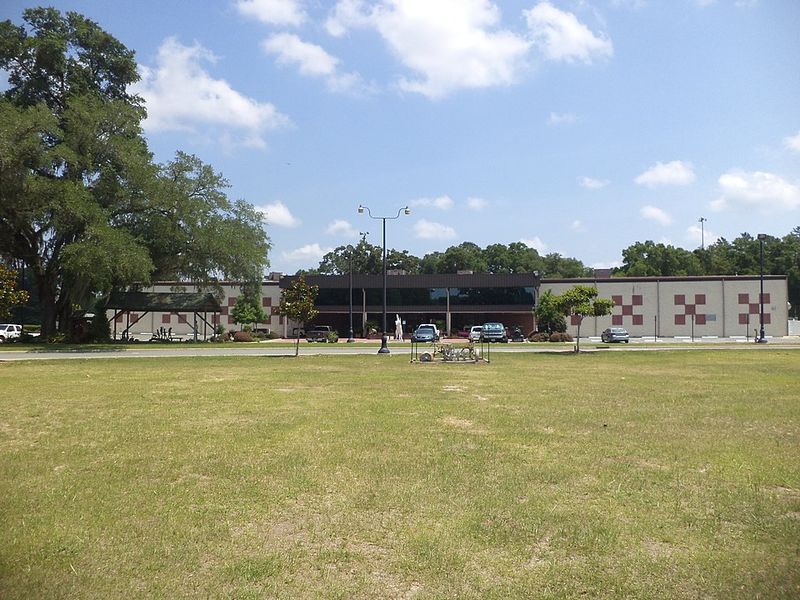
Walking into the Tallahassee Automobile Museum, you feel the pleasant hush of polished history. The collection stretches across expansive floors, neatly organized by era and type, yet never stuffy or overly formal. There is an immediate sense that you are on a guided tour through American ingenuity, with chrome and craftsmanship leading the way.
What strikes first is the range, from brass-era roadsters to muscle legends and quirky microcars. Each vehicle seems cared for with a curator’s devotion, shining under soft gallery lighting that makes colors pop. You are encouraged to linger, compare lines, and imagine the hands that built these machines one careful piece at a time.
Signage is clear without being heavy-handed, pointing you toward stories behind badges and dashboards. You can trace design changes as if flipping through a decade-by-decade photo album of mobility. Even non-car people get pulled in by the artistry, the nostalgia, and the quiet thrill of proximity to so much rolling history.
This museum also surprises with breadth beyond cars, with displays that connect the vehicles to culture and innovation. You will notice themed pockets that feel like chapters in a larger narrative. It is easy to wander for hours and still feel like there is more to uncover.
Staff and volunteers are approachable, often offering anecdotes that make the exhibits feel alive. The atmosphere encourages questions, photos, and slow appreciation rather than rushed checklists. It is an ideal stop for families, enthusiasts, and curious travelers alike.
Convenient hours and location make it a perfect road trip pause, especially with free parking and a comfortable layout. The experience balances wonder and learning without gimmicks. By the time you leave, you will have discovered a deeper appreciation for the stories tucked beneath every hood.
Abraham Lincoln’s Presidential Carriage
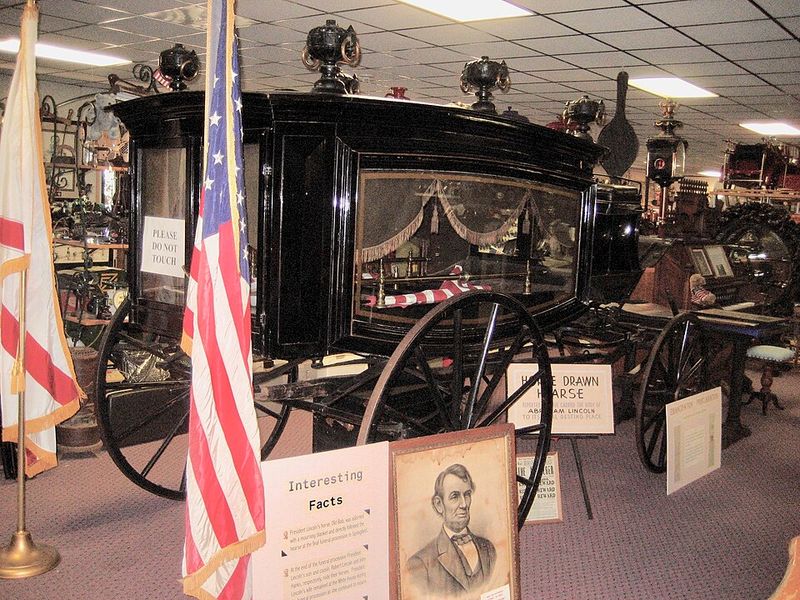
Few artifacts stop you in your tracks like Abraham Lincoln’s carriage at the Tallahassee Automobile Museum. Standing before it, you feel an instant bridge between transportation history and national memory. The woodwork and iron fittings invite quiet reflection, reminding you that mobility once meant horses, leather, and patience.
Display notes contextualize the carriage within mid-19th century travel, guiding your eyes to construction details and craftsmanship. You will notice the suspension, the coachbuilder’s lines, and accents that whisper of dignified journeys. It is less about speed and more about presence, status, and endurance on unforgiving roads.
What makes this carriage so moving is the sense of proximity to a pivotal era. You are not just looking at a vehicle, you are peering into the logistics of leadership during turbulent times. The exhibit deftly balances reverence with educational clarity so you feel welcome, not intimidated.
The museum’s lighting keeps reflections soft, preserving texture while allowing close study. This lets kids and adults alike appreciate details like the hardware and fabric. It is a tactile invitation, even without touching, to imagine sounds of hooves and wheels.
For car lovers, the carriage illuminates the pre-automobile lineage of design and ride comfort. You see origins of suspension thinking and passenger compartments. That lineage gives later innovations in steel and rubber a richer context.
In a collection filled with speed and horsepower, this artifact slows your heartbeat in the best way. It turns a museum visit into a meditation on progress and purpose. You walk away grateful for quieter halls that allow a moment with history.
The Batmobile Collection
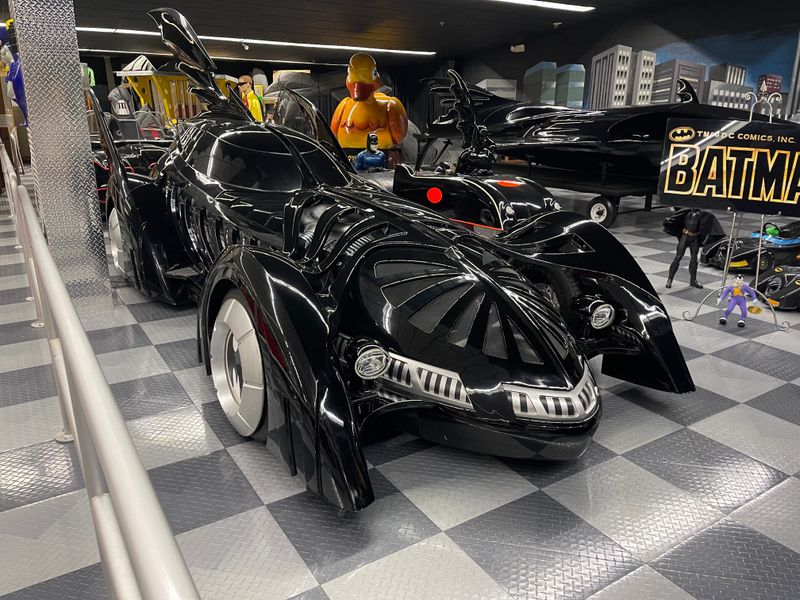
When you round the corner and see the Batmobile lineup, it feels like movie night just roared to life. These screen icons anchor a pop culture wing that lets you trace how fantasy vehicles evolved alongside film technology. You will find aggressive fins, turbine inspirations, and interiors that blend prop magic with plausible engineering.
Each Batmobile has its own personality, from classic camp to brooding modern muscle. Descriptive placards point out material choices, special effects tricks, and real driving capabilities. You are encouraged to compare silhouettes and notice how Gotham’s vibe shaped automotive design cues.
For kids and nostalgic adults, this area is pure delight. It bridges the gap between car collecting and storytelling, reminding you that machines often carry myths as passengers. Even if you are not a superhero fan, the craftsmanship commands respect.
The museum’s layout gives ample room for photos without crowding the vehicles. Strategic lighting sharpens angles and highlights matte finishes that absorb highlights like night itself. You will likely spot clever Easter eggs tucked into the displays.
What makes this collection special is how it reframes innovation. Fiberglass, foam, and practical rigs suddenly feel as important as pistons and gears. It is a reminder that imagination can be a legitimate design brief.
After exploring the Batmobiles, the rest of the collection reads differently. You start seeing theatrical flair in tailfins and scoops from decades past. It is a fun, cinematic gateway that makes the entire museum more approachable and unforgettable.
Early Brass-Era Classics
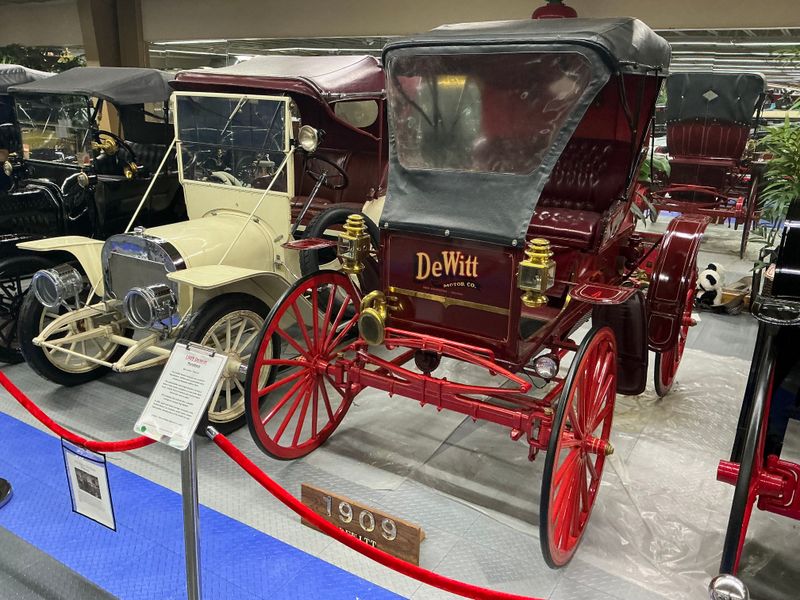
The brass-era gallery glows with warm metal and elegant restraint. You will see acetylene lamps, wooden artillery wheels, and coachbuilt bodies that blur the line between carriage and car. These machines invite slow admiration rather than quick thrills.
Informational panels explain the practical challenges of early motoring. Starting procedures, lubrication rituals, and fragile tires become part of the adventure. You get a feel for how bold those first drivers were, chasing freedom over rough roads.
Design cues here prefigure essentials we now take for granted. Steering placement, pedal conventions, and engine packaging were not settled yet, and you can watch experimentation unfold. It is like witnessing evolution in fast-forward, with brass as the shimmering connective tissue.
The museum’s care shines in the presentation and preservation. Finishes are immaculate, yet not over-restored, letting materials breathe. You will appreciate the honest patina where it remains, honoring the passage of time.
For photography lovers, the brass reflections create painterly scenes. Angled light kisses curved fenders and lanterns with equal grace. Take your time framing details like horn bulbs and intricate radiator caps.
Ultimately, this section gives you a renewed respect for persistence and problem-solving. Engineers balanced weight, cooling, and ride quality with minimal precedent. Leaving the gallery, modern cars feel miraculous, and early pioneers feel like familiar friends.
American Muscle Legends
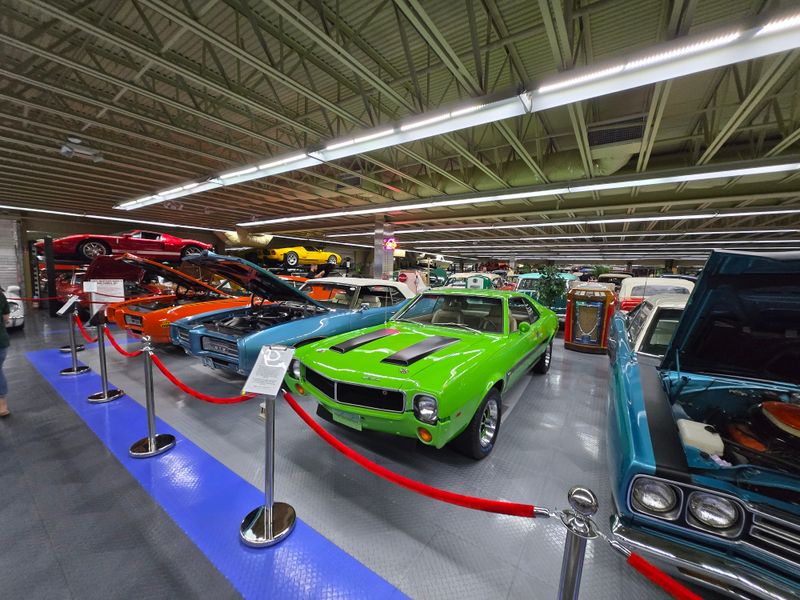
Step into the muscle row and everything shifts to thunder and swagger. Bright paint, bulging hoods, and racing stripes announce themselves before you read a single badge. You can almost hear big-block idle lopes echoing through the hall.
Placards outline horsepower wars, gearing, and the culture that made quarter-mile times dinner-table talk. You will find favorites that shaped high school parking lots and movie chase scenes. The museum presents them with pride but also context about fuel crises and emissions rules.
What stands out is variety within a shared mission of speed. Lightweight models sit near luxurious bruisers, each executed with distinct personalities. You will catch design cues like shaker scoops, cowl induction, and functional spoilers.
For the curious, it is easy to compare interiors and gauges, noticing ergonomics tailored to aggression. Seats hug tighter, tachometers take center stage, and shifters promise mechanical conversation. The details whisper about weekends spent wrenching and tuning.
Photography here is irresistible, with colors that pop against neutral walls. The arrangement gives breathing room so each car can flex its stance. You will leave with a favorite, even if you arrived undecided.
After soaking in muscle lore, other galleries feel calmer yet connected. You start recognizing how performance ambitions shaped safety, aerodynamics, and engineering discipline later on. It is a thrilling chapter in the museum’s story, one that revs both memory and imagination.
European Coachbuilt Elegance
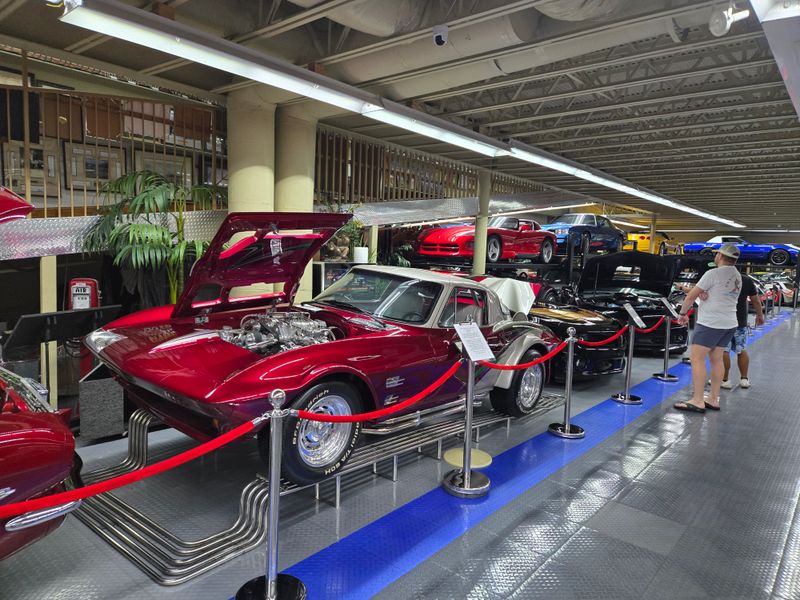
In the European corner, elegance takes the wheel. Coachbuilt bodies sweep like sculpture, with chrome accents placed like jewelry. You will find restrained power wrapped in impeccable tailoring that whispers rather than shouts.
Panels describe bespoke commissions and artisan workshops that crafted metal to measure. Each curve seems negotiated between aerodynamics and fashion. You get a glimpse of motoring as a couture experience.
These cars invite you to examine the subtle, from door shuts to stitching. Interiors smell of leather memory, where minimal ornamentation serves comfort and dignity. Even the dash layouts feel composed, with instruments treated like watch faces.
The museum’s lighting flatters these shapes without harsh glare. You can photograph mirror-finish paint without losing contour. It is a study in restraint that rewards patient looking.
Beyond beauty, engineering innovations hide under the surface. Lightweight alloys, independent suspensions, and early aero ideas appear as refined solutions. You appreciate how quiet sophistication can mask formidable competence.
Walking out, you carry a calmer heartbeat and sharper eye. The gallery proves that speed can wear a tuxedo and arrive without fuss. It is a reminder that luxury, when done right, amplifies purpose rather than overshadowing it.
Classic Americana Sedans

There is a friendly warmth in the row of mid-century American sedans. Two-tone paint, chrome grins, and whitewalls tell stories of family trips and drive-in dinners. You can almost feel the bench seats and hear AM radio drift.
The displays highlight postwar optimism and the push toward comfort and convenience. You will learn about automatic transmissions, air conditioning, and power steering changing daily life. These cars were living rooms on wheels, built for Main Street and Sunday errands.
Look closely at trim, taillight shapes, and badges that carried brand identities. Designers were building trust as much as cars, using style to suggest reliability and pride. The result is approachable elegance that still charms today.
Signage encourages you to compare dash layouts and materials. Bakelite, chrome, and textured fabrics meet in balanced harmony. Even the speedometers feel like friendly promises rather than threats.
Parents point out favorites that mirror family photos, while kids marvel at size and simplicity. It is an easy place to slow down and trade stories. You will catch yourself smiling at details like hood ornaments and door handles.
When you move on, the sedans act like a palate cleanser between wild performance and rare exotica. They remind you that most miles are made by everyday heroes. In that sense, the gallery honors the comfort that makes journeys possible.
Steinway Pianos and Cross-Collection Treasures
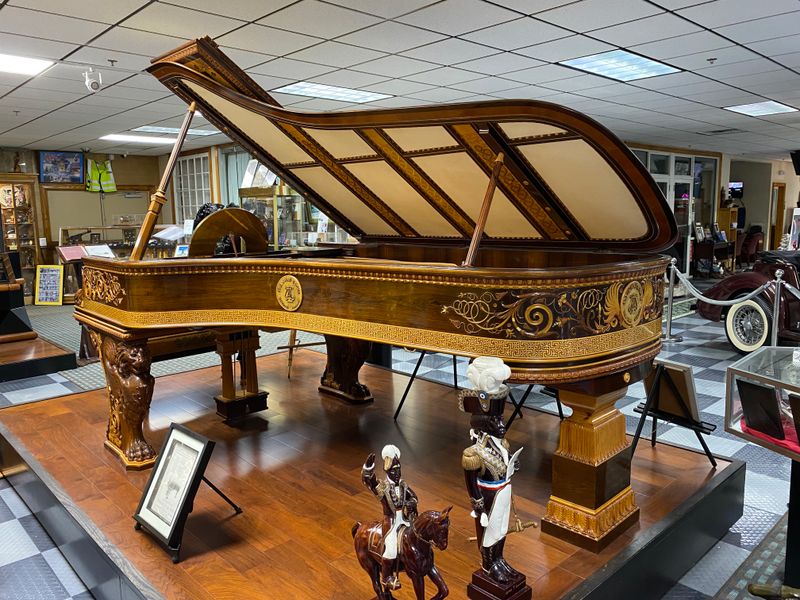
One of the museum’s joys is discovering treasures beyond sheet metal, like the Steinway pianos collection. At first it seems unexpected, but then the parallels appear. Precision, resonance, and finish quality link the crafts in surprisingly elegant ways.
You can study cabinetry, key action, and lacquer that echo coachbuilding discipline. The surfaces reflect light with the same pride you see on fenders. It nudges you to reconsider what craftsmanship really means across mediums.
The exhibit text frames pianos and cars as kindred achievements in human problem-solving. Soundboards and chassis both manage vibration and energy gracefully. You will walk away with a broader appreciation for engineering as an art.
For families, this area becomes a restful pause among roaring legends. Kids enjoy seeing how big instruments fit into a museum of motion. It is a reminder that culture and mechanics often share roots.
The layout keeps pianos safely distanced yet inviting. You can photograph reflections and grain patterns without disrupting flow. Staff are happy to answer questions about restoration care and history.
Leaving this corner, the rest of the museum feels richer. The cross-collection lens helps you spot craftsmanship themes everywhere. You realize the museum is not only about vehicles, it is about the human hands that make beauty work.
Microcars and Oddities
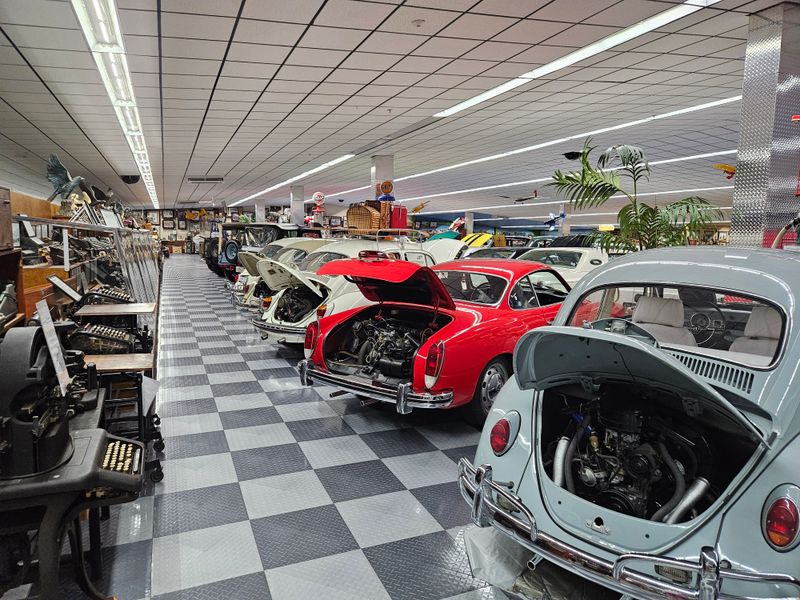
This quirky cluster of microcars and oddities delivers pure joy. Tiny dimensions, bubble canopies, and daring packaging turn constraints into charm. You will find yourself grinning at the audacity of fitting freedom into such small footprints.
Placards explain the economic and urban pressures that inspired micro-mobility. Fuel frugality, parking scarcity, and postwar recovery shaped these designs. It is fascinating to see how creativity thrives when space gets tight.
Engineering solutions here feel playful yet pragmatic. Narrow tracks, tandem seating, and minimal dashboards prioritize efficiency. You will marvel at how every centimeter earns its keep.
Photography options abound, with bright colors and unusual proportions. Kids love the toy-like vibe while adults appreciate the ingenuity. It is a breezy stop that lightens the overall tour.
Some vehicles push boundaries into experimental territory. You can spot rare concepts that hint at future EV thinking and city commuting logic. The conversation naturally turns to today’s compact solutions.
Stepping away, you may feel more open to unconventional answers in your own routines. These little machines remind you that delight and utility can share the same driveway. They prove that personality does not require horsepower.
Motorsports and Racing Heritage
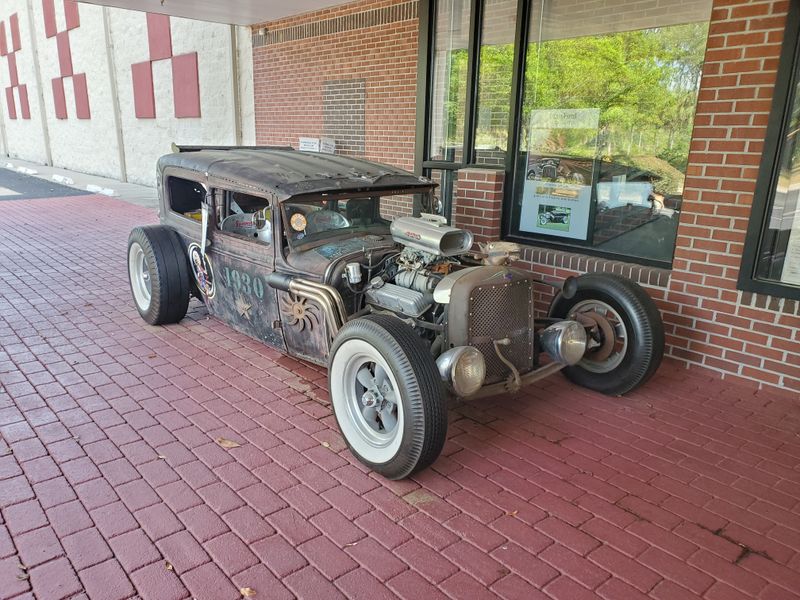
The racing corner crackles with purpose. Lightweight bodies, numbers on doors, and purposeful interiors signal business over comfort. You can almost smell pit lane fuel and hear the quick bark of cammed engines.
Display boards cover disciplines from oval tracks to road courses and drag strips. You will learn about safety innovations born from competition, from harnesses to better braking. Each car becomes a case study in shaving time without losing reliability.
What is striking is how racing lessons filter into everyday cars. Aerodynamic tweaks, tire technology, and gearbox durability trace straight lines to street models. The transfer of knowledge feels direct and compelling.
Photographs and trophies add a human heartbeat to the machinery. Names and dates anchor the feats to real people pushing limits. You get the sense that winning is part engineering and part psychology.
The museum’s arrangement encourages comparison across eras. Carburetors give way to fuel injection, steel yields to composites, and analog dials share space with data loggers. You will appreciate how relentless iteration shapes excellence.
By the time you exit, your pulse has quickened. The gallery makes speed feel like a disciplined craft rather than reckless impulse. It leaves you with a deeper respect for the science behind the spectacle.
Presidential and Political Memorabilia
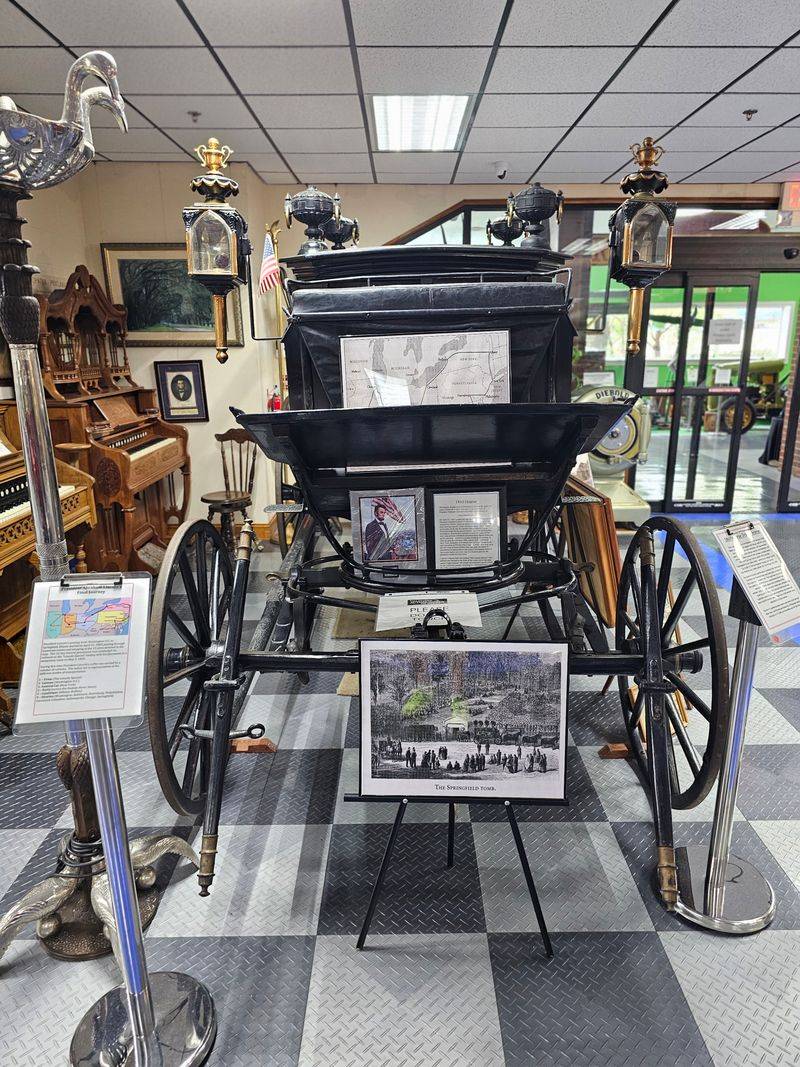
Beyond cars, the museum curates a thoughtful selection of presidential and political memorabilia. You will see documents, portraits, and artifacts that place vehicles in the stream of civic life. It is a respectful space where transportation meets leadership and ceremony.
Exhibit notes connect motorcades, official travel, and public appearances to evolving technology. Radios, tires, and armor all tell stories about trust and presence. The narrative is balanced and informative rather than partisan.
Standing among these items, you sense how logistics shape history. Timelines become tangible through vehicles that carried messages and people. It makes distant events feel startlingly immediate.
The display design is dignified, with flags and soft lighting that avoid spectacle. You can linger without feeling rushed or directed. Photos and captions provide context while inviting your own reflections.
For families, this area prompts great questions from kids about how leaders move and communicate. It pairs beautifully with the Lincoln carriage, creating a through line of civic mobility. You will leave better equipped to see the big picture.
As you step back into the car halls, the siren songs of chrome and horsepower sound different. They now echo with public purpose and collective memory. That added depth is part of the museum’s enduring charm.
Restoration Craft and Detailing
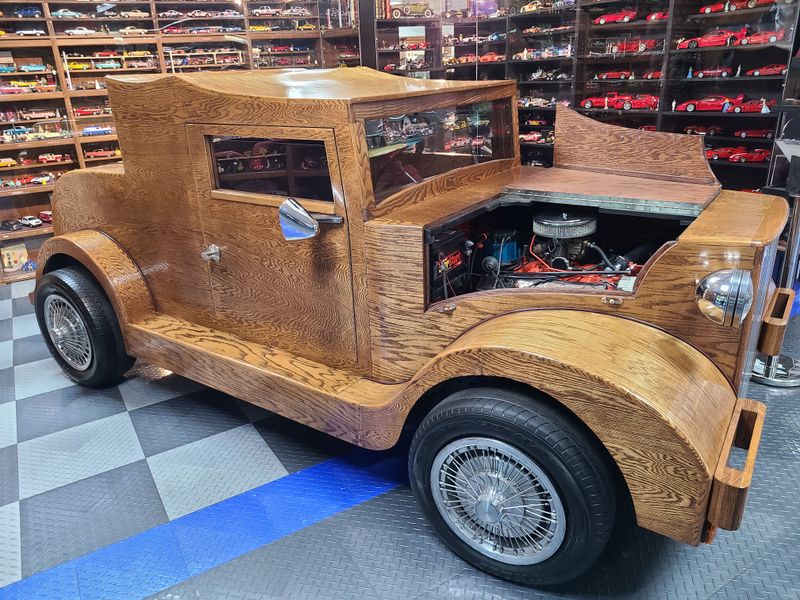
Behind every gleaming fender is hours of careful restoration, and this exhibit pulls back the curtain. You will see tools, paint layers, and upholstery samples that turn shine into a learned skill. It is satisfying to understand the craft instead of just admiring the results.
Panels explain rust repair, panel alignment, and the art of matching period-correct finishes. You learn why patina sometimes stays and when full refinish makes sense. The decisions reveal a philosophy of stewardship rather than mere sparkle.
Cutaway parts and in-progress panels show the bones beneath beauty. Welds, primers, and seam sealers earn respect as unsung heroes. You will never look at a restored car the same way again.
The museum’s careful presentation keeps the workspace vibe without clutter. Lighting helps you catch texture in leather grains and paint orange peel. Photography has a satisfying documentary feel here.
Staff insights, when available, add warmth and practical wisdom. You might pick up tips about storage, humidity, and gentle cleaning. It is a gift for hobbyists and a revelation for casual visitors.
Leaving this area, you carry a new gratitude for the invisible hours. The shine on the floor now reads as a promise kept to history. That understanding elevates every other gallery you step into.
Family-Friendly Highlights
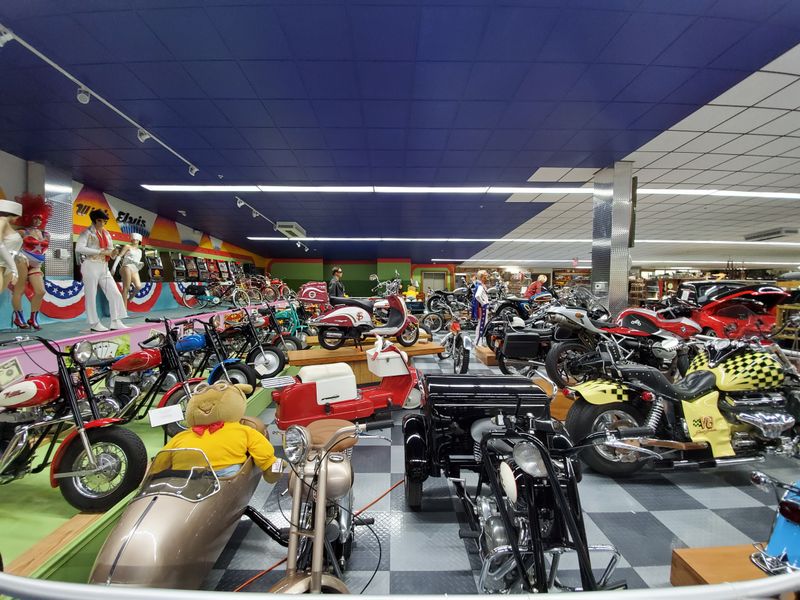
The Tallahassee Automobile Museum is wonderfully family-friendly, and you feel it right away. Wide aisles, clear signage, and thoughtful pacing make it easy to explore with kids. There is room for strollers and space to step aside for photos without blocking views.
Children light up at the Batmobiles and microcars while parents appreciate the educational panels. You will find gentle prompts that spark questions and conversations across generations. The mix keeps energy high without overwhelming attention spans.
Quiet seating nooks give you breaks between galleries. These pauses help younger visitors reset and older ones reflect. It is a considerate touch that extends visit stamina in a natural way.
Staff members welcome curiosity and keep the tone warm. You can ask about favorites, photo tips, and best paths through the exhibits. That guidance turns a good visit into a great one.
Practical comforts matter, and the museum delivers with clean facilities and easy parking. Hours are straightforward, with weekends well covered and weekday flexibility. You can plan a stop without scrambling your schedule.
By the time you leave, the day feels well spent. Kids head to the car with new favorites, and adults carry fresh appreciation. It is a rare museum that balances depth with approachability so gracefully.
Photography Tips Inside the Museum
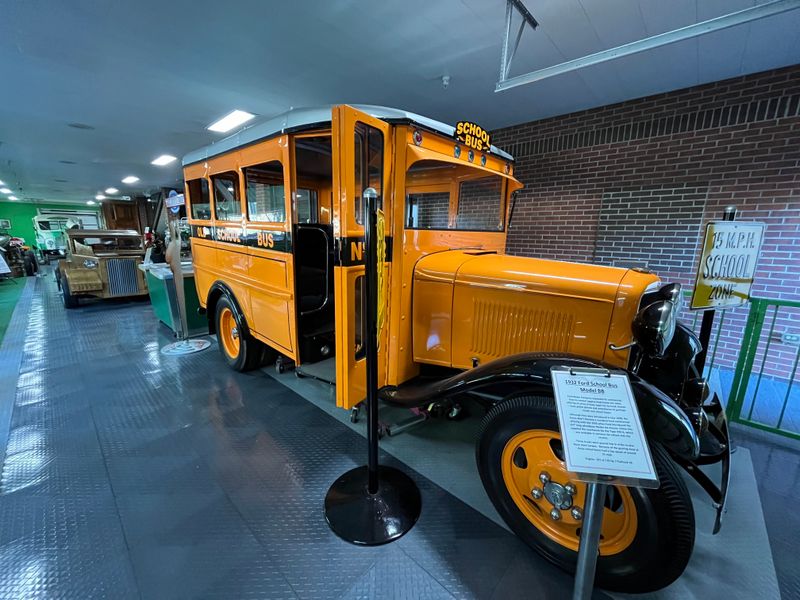
Indoor car photography can be tricky, but this museum sets you up for success. Soft lighting reduces harsh glare, and cars are spaced for clean compositions. You will find sightlines that let you isolate details without distractions.
Start with three angles per car: front quarter, profile, and interior detail. Tap to focus on badges or headlights to control exposure on shiny chrome. Move your feet rather than zoom to keep images crisp and natural.
Reflections are part of the fun here. Use them to frame shapes or capture layered scenes in curved fenders. You will learn quickly where to stand to avoid your own silhouette sneaking in.
For phone shooters, lower ISO and hold steady against a railing for sharpness. For cameras, a fast prime around 35 to 50mm works beautifully indoors. Avoid flash so colors stay true and surfaces remain flattering.
Think in stories, not just trophies. Capture a sequence: wide establishing shot, detail of instrumentation, and a human interaction. That trio turns a pretty car into a memory you can share.
Before you leave, revisit earlier galleries with fresh eyes. As your confidence grows, compositions get cleaner and bolder. You will walk out with photos that feel as polished as the cars themselves.
Visitor Essentials and Planning
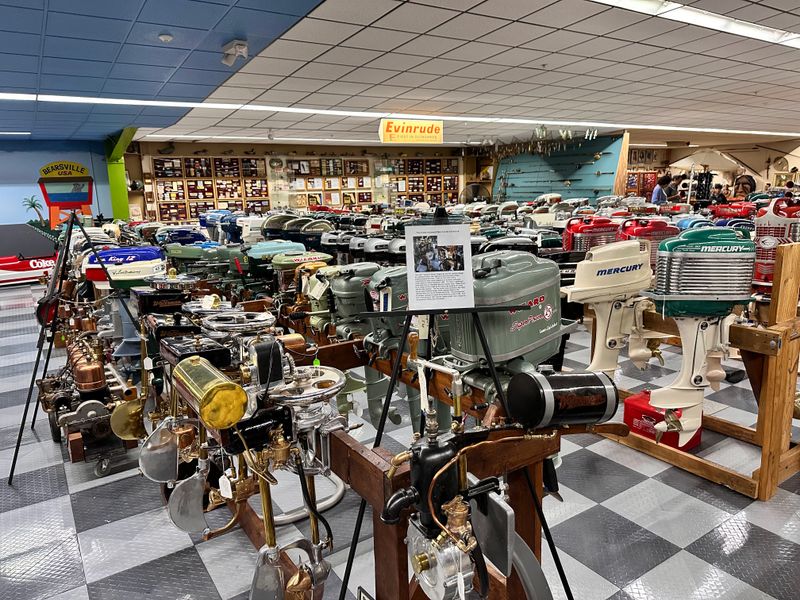
Planning your visit is easy, and a little prep makes it great. The Tallahassee Automobile Museum sits at 6800 Mahan Dr, minutes from I-10, with plenty of parking. Hours run most days 8 AM to 5 PM, with later weekend openings.
Check the website for updates and occasional special events that can enrich your visit. A comfortable pair of shoes is your best friend because the collection sprawls. You will want time to slow down, compare, and soak in details.
Phone-friendly signage makes self-guided exploration smooth. Snap a quick photo of your favorite placards to remember key specs later. It is a simple hack that keeps your memory fresh after you leave.
Consider visiting earlier in the day for calmer halls and clean photos. Families might prefer mid-morning when energy is high and crowds are light. You can easily spend two to three hours without feeling rushed.
Respect ropes and boundaries so exhibits stay immaculate for everyone. Staff are approachable if you need directions or recommendations. Do not hesitate to ask about must-see highlights that match your interests.
When you roll back onto the highway, you will feel satisfied, not spent. The museum delivers depth without fatigue, a rare travel sweet spot. It is the kind of stop that anchors a Florida road trip in memory.
Hidden Gems Within the Collection
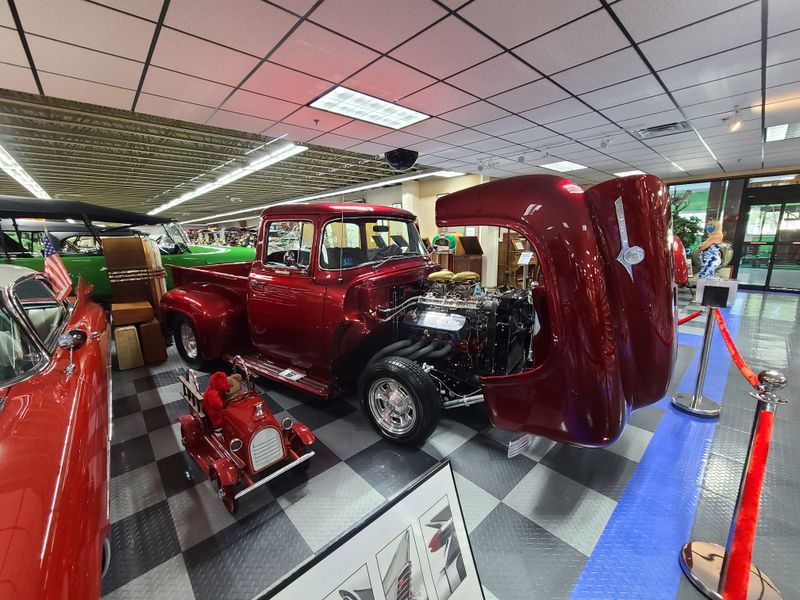
Beyond headliners, this museum shines with delightful hidden gems. Tucked between big names are quirky badges, rare options, and one-off prototypes. You will find yourself drawn to details that reward a patient eye.
Spend time with hood ornaments and mascots that feel like tiny sculptures. They hint at brand values and era-specific tastes. Each piece is a miniature manifesto riding at the bow.
Look for unusual interiors, period accessories, and dealer literature that survived by luck. These artifacts flesh out stories that a full car alone cannot tell. You start piecing together ownership lives and road rituals.
Staff occasionally share background tales that bring these sleepers alive. Production numbers, barn-find origins, and restoration surprises land like plot twists. You leave with favorite underdogs you never expected to meet.
Photography fans can create a personal scavenger hunt of emblems and textures. Chrome scripts, knurled knobs, and cloth weaves become a private gallery. It is a satisfying way to pace a long visit.
In the end, the hidden gems stitch the collection together. They add texture that makes the museum feel curated rather than crowded. Discovering them turns you from visitor into explorer.
Gift Shop and Takeaways
The visit wraps up perfectly in a gift shop that understands car lovers. Shelves hold scale models, books, and tasteful apparel that avoids gimmicks. You can pick a souvenir that actually fits your style and shelf space.
Books range from marque histories to design retrospectives, great for deep dives after your trip. Kids gravitate toward die-cast models that keep enthusiasm rolling at home. You will appreciate postcards for quick thank you notes to trip hosts.
Merch quality feels considered rather than generic. Soft tees, well-printed posters, and classic signage replicas make choosing enjoyable. Prices are fair, making it easy to grab something memorable without regret.
If you collect museum patches or pins, check the counter displays. They add a tidy touch to jackets, backpacks, or tool bags. It is a small way to carry the visit into daily life.
Staff offer friendly suggestions if you want gifts tied to specific exhibits. Batmobile fans, piano admirers, and muscle heads each have options. You will leave with items that spark conversations later.
Walking out with a small bag feels like sealing a great day. The takeaways extend the experience beyond the parking lot. They become keepsakes that remind you to plan the next visit sooner than later.