Tucked into the rolling pines of Petit Jean Mountain, the Museum of Automobiles feels like a secret you cannot wait to share.
From brass era beauties to tailfin cruisers, every gallery whispers stories of grit, glamour, and the American open road.
It is easy to drive past the turnoff, but the moment you step inside, time slows and chrome memories shine.
If you love authentic places that reward curiosity, this one is a keeper.
Finding the hidden gem on Petit Jean Mountain
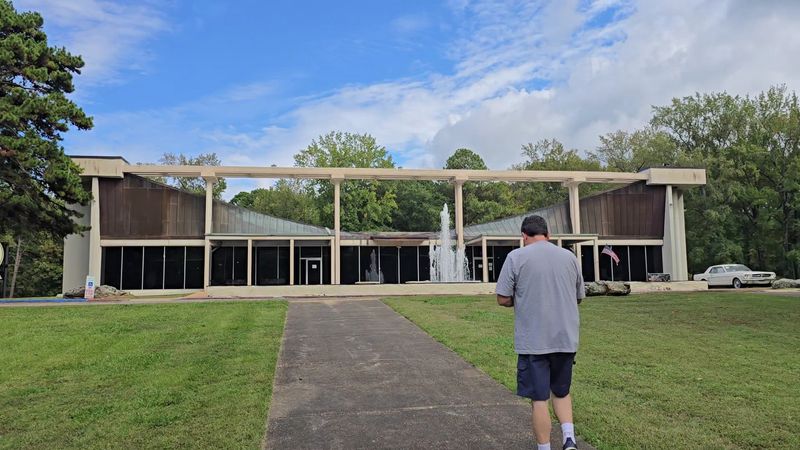
You know that moment when a quiet road delivers a surprise you will talk about for years. That is the first turn toward the Museum of Automobiles at 8 Jones Ln, perched on Petit Jean Mountain outside Morrilton. The approach is unhurried, framed by pines and sky, and it sets your pulse for discoveries inside.
Before going, check the hours because they are old school and wonderfully human. Wednesday through Friday runs 12 to 4 PM, while Saturday and Sunday run 10 AM to 5 PM, and Monday and Tuesday are closed. It is a rhythm that nudges you to slow down, plan a little, and savor more.
Parking is easy, and the pace is friendly enough to make conversations happen naturally. Step through the doors and the scent of waxed paint and well kept rubber hits like a postcard from yesterday. It feels personal, like a family album, only the photos are full size and gleaming.
Right away, staff will point you to highlights so you do not miss rare marques tucked into corners. The 4.7 star reputation with hundreds of reviews did not happen by accident. People feel seen here, and the stories stick because they are told with care.
If you are road tripping, bring a light jacket since mountain weather can shift and the building keeps a cool museum climate. Give yourself at least an hour, two if you like reading placards and peeking into cabins. The museum leaves space to breathe, which is a gift in a world that hurries everything.
Walk in curious and you will leave with a favorite era or a single car that steals your heart. Do not rush the last room, where sunlight catches chrome and turns it into jewelry. You might miss the turn driving up, but you will never forget the way out.
The brass era glow and early motoring
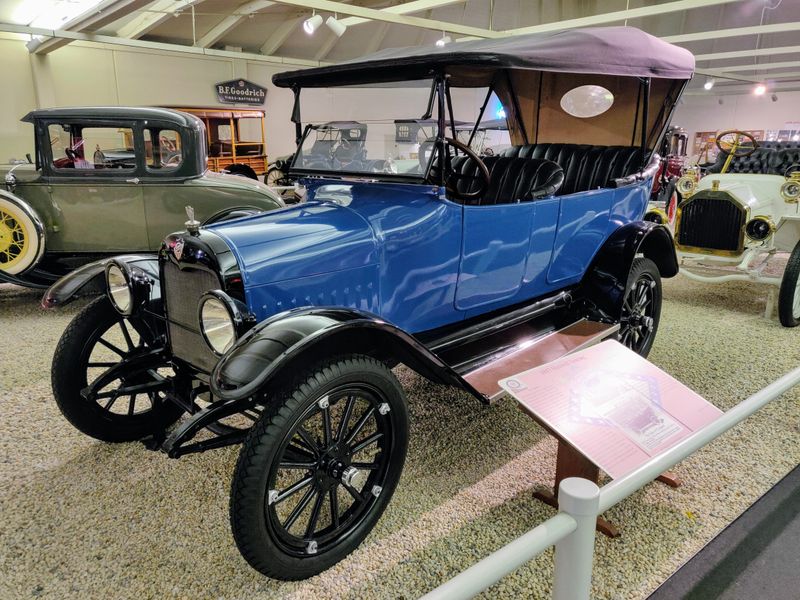
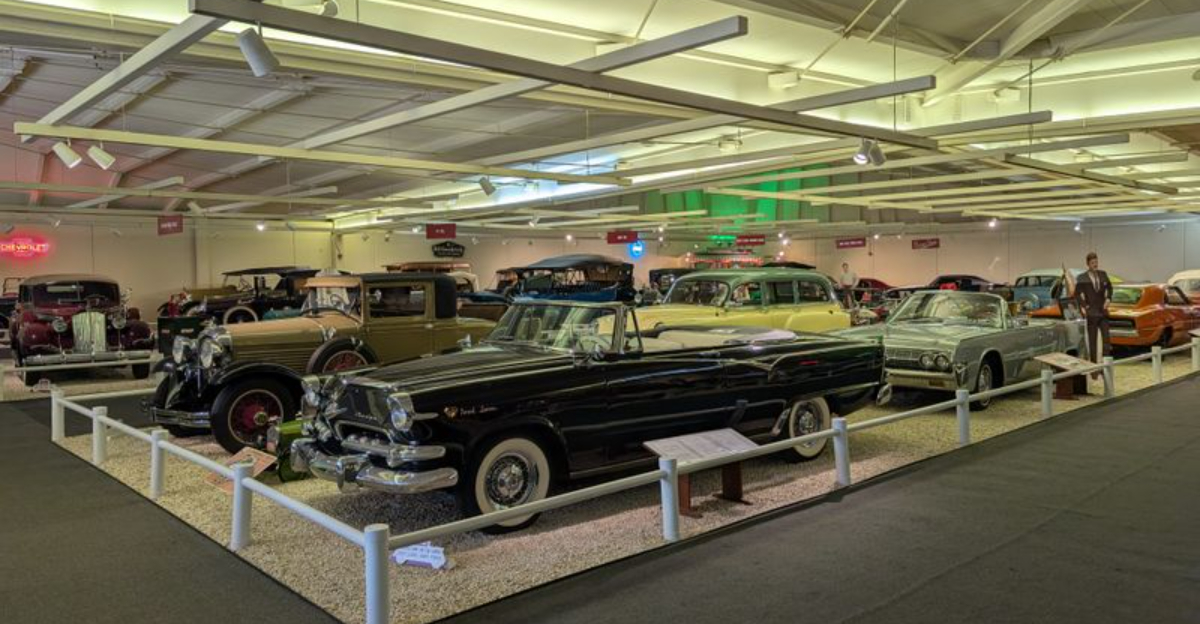
Step into the first gallery and brass fittings wink like campfire sparks. Early motoring was ingenious, mechanical, and surprisingly delicate, and you can feel it the moment you see those lantern headlights. The bodies are upright, the wheels are spoked, and every lever suggests traveling by courage and map.
Spend time with the placards because the dates tell a story of audacity. These cars were built when roads were mostly suggestions and gas stations were dreams. You will notice wood framing beneath coachwork and hand hammered panels that make modern cars seem anonymous.
Stand a little left of center and the angles will line up perfectly for photos without glare. The staff will share restoration notes if you ask, including the way brass needs regular polishing to keep that golden glow. It is a quiet ritual that keeps the room alive with history.
Listen closely and you may catch a subtle tick from a display clock, a rhythm that suits these pioneers. Imagine cranking a starter on a chilly Ozark morning or bouncing along gravel toward a river crossing. Travel was not convenient, but it was vivid, and you feel that vividness here.
Comparing tire widths and suspension designs becomes a game after a few minutes. You will begin to see why speed once meant twenty miles per hour and bravery meant pushing thirty. The ride height alone tells you the road was a character in every journey.
Before moving on, trace the evolution from carriage roots to automobile confidence. The museum arranges the narrative with just enough space to let your eyes breathe. By the time you step into the next room, you will carry a new respect for the first spark that set America rolling.
Chrome dreams and the age of fins
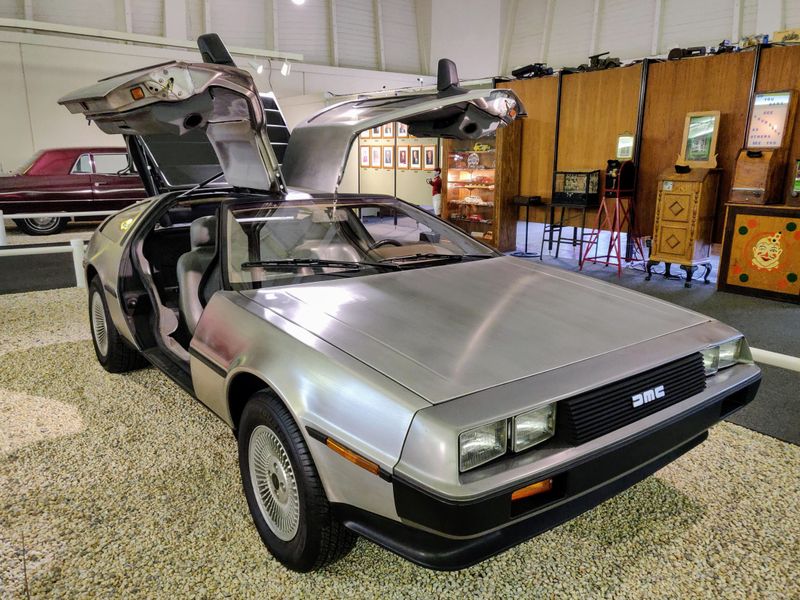
If your heart beats faster for midcentury swagger, this room will catch you grinning. Chrome arcs across fenders, tailfins tilt like wings, and two tone paint splits the air like a jukebox chord. You can almost hear doo wop harmonies tumbling through the vents.
Walk the line slowly and look for the way light rides each crease. Designers chased motion even when cars stood still, and these shapes prove it. The museum displays them with generous spacing, letting reflections ripple like water.
Notice the interiors, where color and texture had equal billing with horsepower. Bench seats invite conversation, and steering wheels are wide, thin, and elegant. Dashboards look like rocket consoles because America was dreaming upward.
Ask about the regional stories connecting Arkansas roads to these cruisers. Families packed them for lake weekends, VFW dances, and long routes past cotton fields. The miles left echoes that still hang in the trim.
The best photo spot sits near a corner where fins overlap at slightly different heights. Step back a few feet, crouch, and let the lines stack into a chorus. You will leave with a postcard shot without needing filters.
There is glamour here, but also approachability. These cars wanted to be seen in town squares and drive ins, and they still wear that friendliness. Give yourself time to daydream and the chrome will return the favor, glowing like a promise kept.
Engines, craftsmanship, and restoration stories
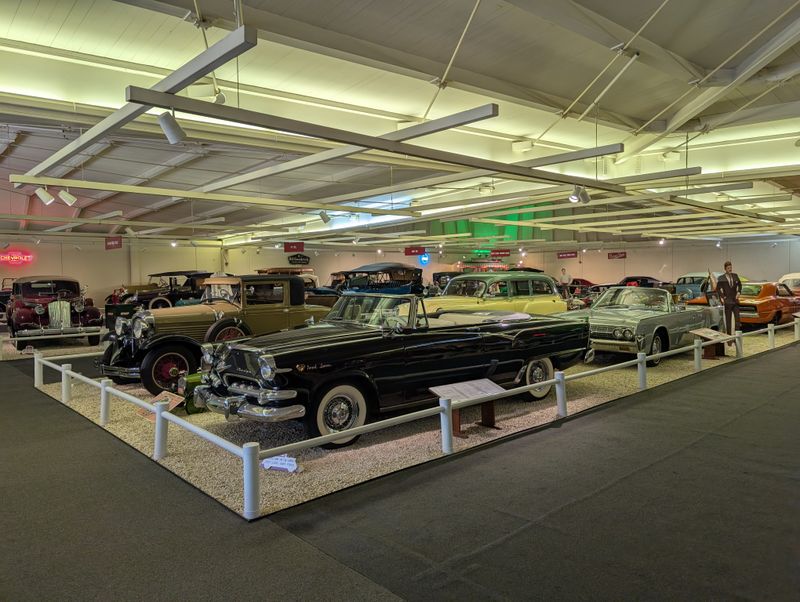
Behind every gleaming hood is a heartbeat, and this museum treats engines like living history. You will see straight sixes, flatheads, and V8s represented across decades, each with a distinct personality. The placards explain design choices that shaped how families traveled and how racers chased glory.
Ask a staffer about restoration timelines and you will get real talk, not marketing gloss. Rebuilding carburetors, chasing parts, and aligning body panels is patient work that rewards steady hands. There is pride in making a survivor run smoothly without erasing its age.
Some displays highlight cutaway components so you can peek into the lungs and veins. It is satisfying to match a sound in your memory to a mechanism on the stand. Suddenly that sputter or purr you remember from childhood makes mechanical sense.
The museum favors authenticity, which shows in finishes that avoid over polishing. Cars should look cared for, not plastic, and these examples feel comfortable in their skin. Patina reads like a diary, line by line, mile by mile.
If you love tools, watch for the subtle nods to period techniques. You will spot hand stitching, lead work, and careful trim alignments that modern shops rarely attempt. It reminds you restoration is as much art as science.
Before you move on, take a breath and listen to the quiet hum of the space. A museum that respects the craft gives the machines room to speak. Here, they speak clearly, and you walk away hearing more than noise, you hear intention.
Planning your visit like a pro
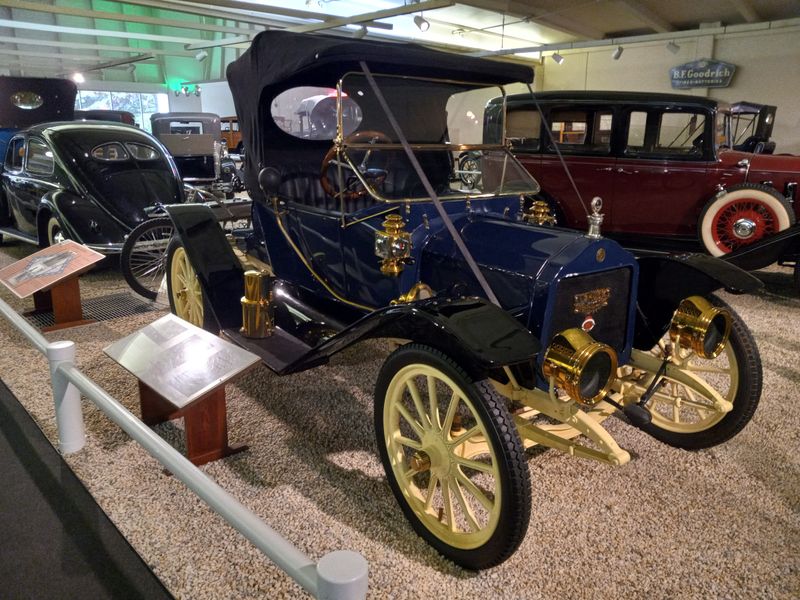
Good trips start with good timing, and the Museum of Automobiles rewards a little planning. Hours are simple: Wednesday through Friday 12 to 4 PM, Saturday and Sunday 10 AM to 5 PM, Monday and Tuesday closed. Call +1 501-727-5427 if you want to confirm a detail or ask about group visits.
The drive up Petit Jean Mountain is part of the charm, so bring a camera and leave wiggle room in your schedule. Weather can shift, but the museum stays comfortable, which makes it an easy stop year round. If you are pairing it with state park hiking, stash clean shoes so you do not track trail dust across polished floors.
Tickets are affordable, and the experience feels unrushed. Expect to spend 60 to 90 minutes if you are skimming, two hours if you love storylines. Families do well here because displays sit at eye level for curious kids.
Photography is welcome, just be mindful of reflections and keep a respectful distance. Polarizing filters can help if you are serious about glare. Most cars photograph best from slightly off center angles.
There is a small gift area with tasteful souvenirs and helpful books. If a title catches your eye, snag it, because the selection rotates. Maps and postcards make easy keepsakes that actually get used.
Finally, bookmark the official site at museumofautos.com for updates, and check Google before you drive for any hour changes. Reviews sit around 4.7 stars for good reason, and fresh comments often include tips. With a little prep, your visit will glide like fresh oil on warm gears.
Local roots and the Petit Jean connection
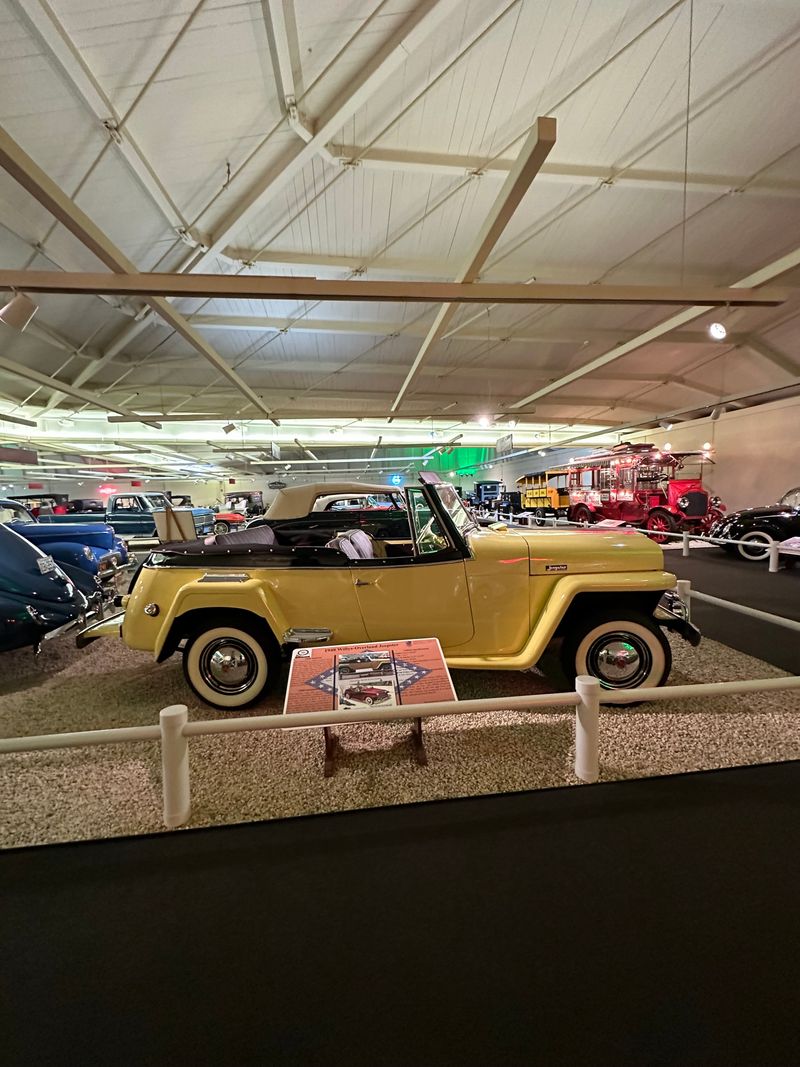
Places matter, and this museum belongs to its mountain. Petit Jean is not just a backdrop, it is the setting that shapes the mood the moment you arrive. Pines whisper outside while polished steel tells its own rust free stories inside.
Ask about community ties and you will hear about events, enthusiasts, and families who return across generations. The museum feels like a handshake between Arkansas road culture and national automotive heritage. It carries hometown warmth without losing its curatorial edge.
Because the drive up is scenic, many visitors pair the museum with overlooks and trails. That pairing works beautifully, giving you a balance of nature and design in a single day. You can start with a sunrise view, then walk into a gallery that captures America in motion.
Local volunteers and staff share details that online blurbs miss. They will point out an emblem with a backstory or a console that marks a design turning point. Those extra threads weave the collection into the place itself.
When you look out the windows, remember these roads broke in many of the cars you are admiring. The curves and climbs of the mountain are part of the local automotive DNA. It transforms the museum from a vault into a living chapter.
By the time you head down the mountain, the connection clicks. Machines capture dreams, and landscapes give those dreams a route. Here, both meet, and you feel lucky to have been part of the intersection for an afternoon.
Family friendly fun without rush or fuss
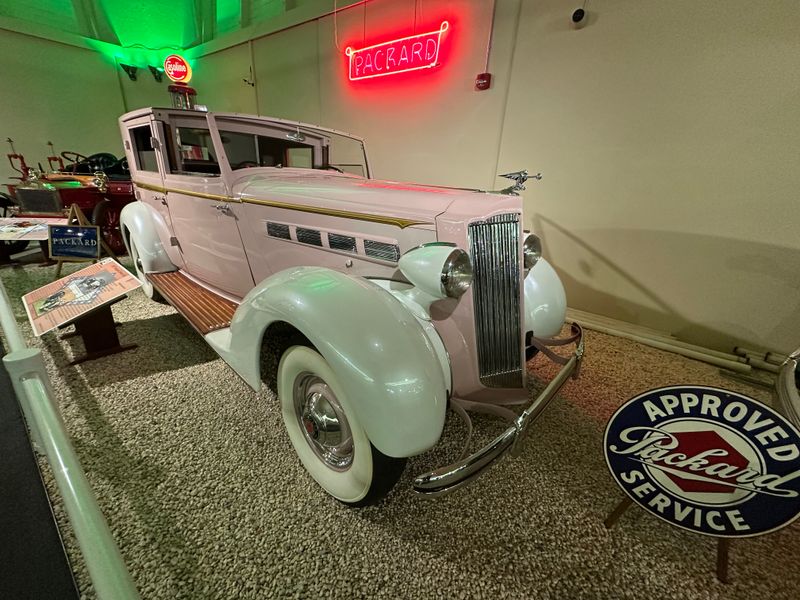
Some museums tire kids out before curiosity kicks in, but this place flips the script. The layout is open, the aisles are generous, and the cars are close enough to spark questions without inviting fingerprints. You can move at a family pace without feeling you are blocking anyone.
Start by picking a decade and letting everyone choose a favorite. Turning the search into a game keeps energy high and arguments low. Ask which car looks best for a beach day and which one would be perfect for a snowy drive.
Staff are patient with wide eyed questions, and they seem to enjoy helping with photo ops. If you want a shot with chrome reflections, crouch to kid height and angle slightly to the side. The images pop, and the smiles come easy.
Restrooms and small seating spots make quick breaks painless. A short pause keeps moods steady and helps little ones last longer. Snacks belong in the car, but water bottles are handy before and after the visit.
Because hours are limited on weekdays, weekends are your best bet for a relaxed visit. Arrive earlier in the day and you will glide through the galleries. Later afternoons can be cozy rather than crowded, which still feels fine.
On the drive home, ask everyone to name the sound they imagine each car makes. The answers are hilarious and oddly accurate. It is a simple way to stretch the museum magic a few more miles.
Before you go: quick facts and contacts
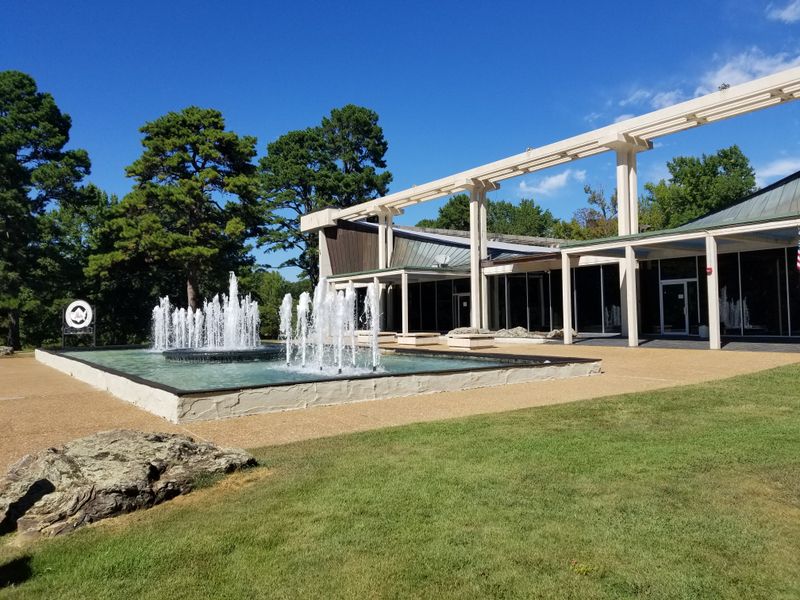
Keep the essentials handy so the trip runs smooth. Address is 8 Jones Ln, Morrilton, AR 72110, on the crest of Petit Jean Mountain. Official site is https://www.museumofautos.com/ and the phone is +1 501-727-5427.
Hours are simple but specific: Tuesday closed, Wednesday to Friday 12 to 4 PM, Saturday and Sunday 10 AM to 5 PM, Monday closed. It is worth checking Google the morning of your visit in case hours shift for weather or special events. The rating hovers around 4.7 stars across hundreds of reviews, which tracks with the welcoming vibe.
Plan 60 to 120 minutes, depending on how much you like reading placards and photographing details. The museum is a single stop but pairs perfectly with nearby overlooks and trails. Bring comfortable shoes and a light layer for the mountain breeze.
There is ample parking and a smooth pathway to the entrance. Accessibility is thoughtful, with displays at comfortable viewing heights. Friendly staff round out the experience with local tips and historical context.
Photography is allowed, so charge your phone and consider a microfiber cloth for quick lens wipes. Avoid flash on reflective surfaces to keep colors rich. Angled shots beat straight ons for reducing glare.
With these quick notes, you will arrive ready to enjoy without guesswork. It is the kind of place that respects your time and rewards attention. Easy to miss on the map, unforgettable once you are inside.