Across the South, Civil Rights landmarks tell stories of struggle, courage, and transformation that shaped the nation. From historic churches to pivotal protest sites, each location embodies moments that feel powerful, humbling, and deeply moving. Visiting them offers insight into the people, events, and movements that fought for justice.
These landmarks highlight both triumphs and tragedies, providing context for ongoing conversations about equality. Museums, memorials, and preserved streetscapes allow visitors to witness history in a tangible way. The atmosphere is reflective, educational, and emotionally resonant.
16th Street Baptist Church (Birmingham, AL)
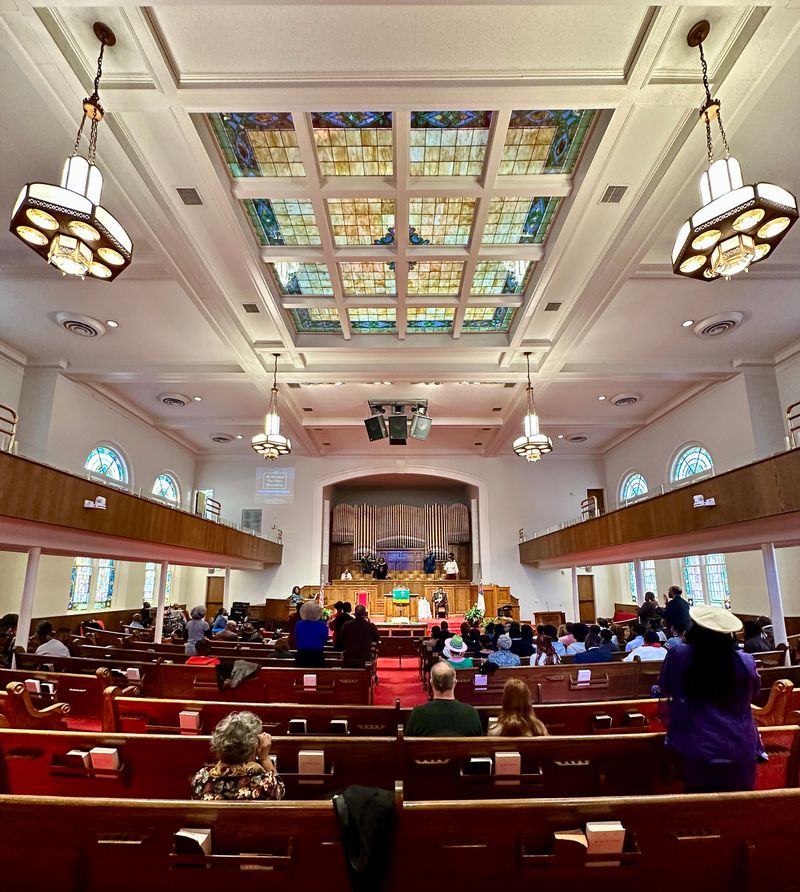
In the heart of Birmingham, Alabama, a church became the epicenter of a nation’s conscience. Known for its pivotal role in the Civil Rights Movement, it was the site of a tragic bombing in 1963 that claimed the lives of four young girls. This event galvanized support for the movement, shining a light on the brutal realities of racial violence.
Inside, the church’s stained glass and serene atmosphere stand in contrast to its turbulent past. Today, it serves as a poignant reminder of the cost of justice. Visitors come to reflect on the ongoing struggle for equality and the resilience of those who paved the way.
Little Rock Central High School (Little Rock, AR)
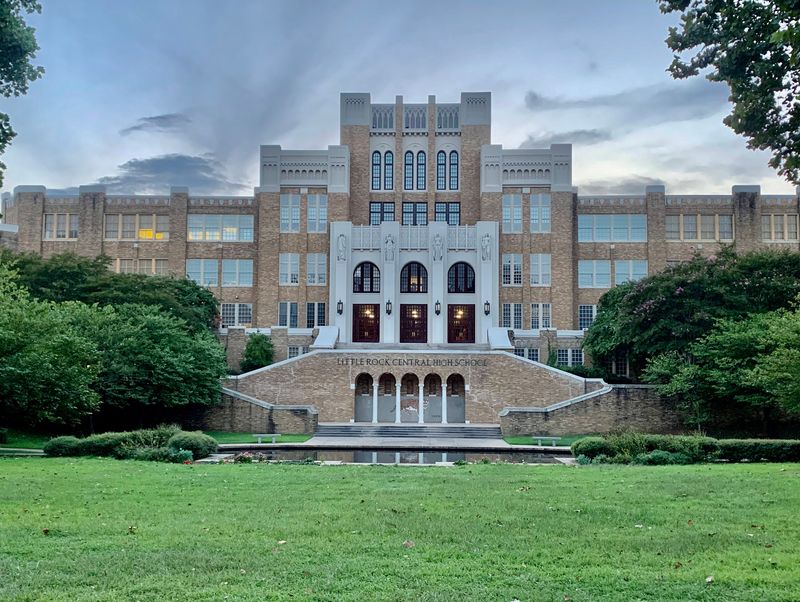
A monumental school in Little Rock made headlines worldwide in 1957 when nine courageous African American students bravely integrated its halls. This pivotal moment marked a significant step forward in the fight against segregation. The courage of these students, known as the Little Rock Nine, sparked nationwide attention and support.
Today, the school remains an active educational institution, with a visitor center dedicated to its storied past. Walking its corridors, one can’t help but feel the weight of history and the enduring impact of the students’ bravery. It stands as a symbol of the ongoing struggle for educational equality.
Harry T. & Harriette V. Moore Memorial Park (Mims, FL)
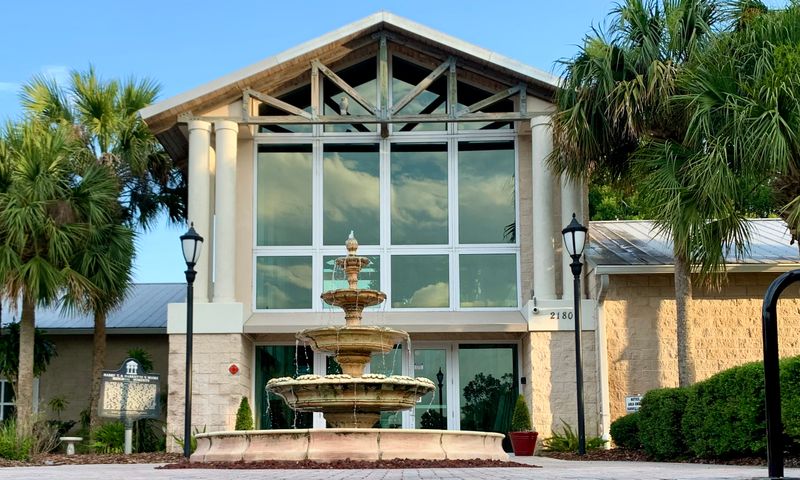
In Mims, Florida, a park honors two trailblazers of the Civil Rights Movement, Harry and Harriette Moore. They were early fighters for racial equality and paid the ultimate price when their home was bombed in 1951. Their activism laid the groundwork for future generations in the struggle for justice.
Visitors to the park can explore a museum dedicated to their legacy, featuring exhibits that bring their story to life. The tranquil surroundings offer a place for reflection on their contributions and sacrifices. This site preserves the memory of two individuals whose efforts were pivotal yet often overlooked.
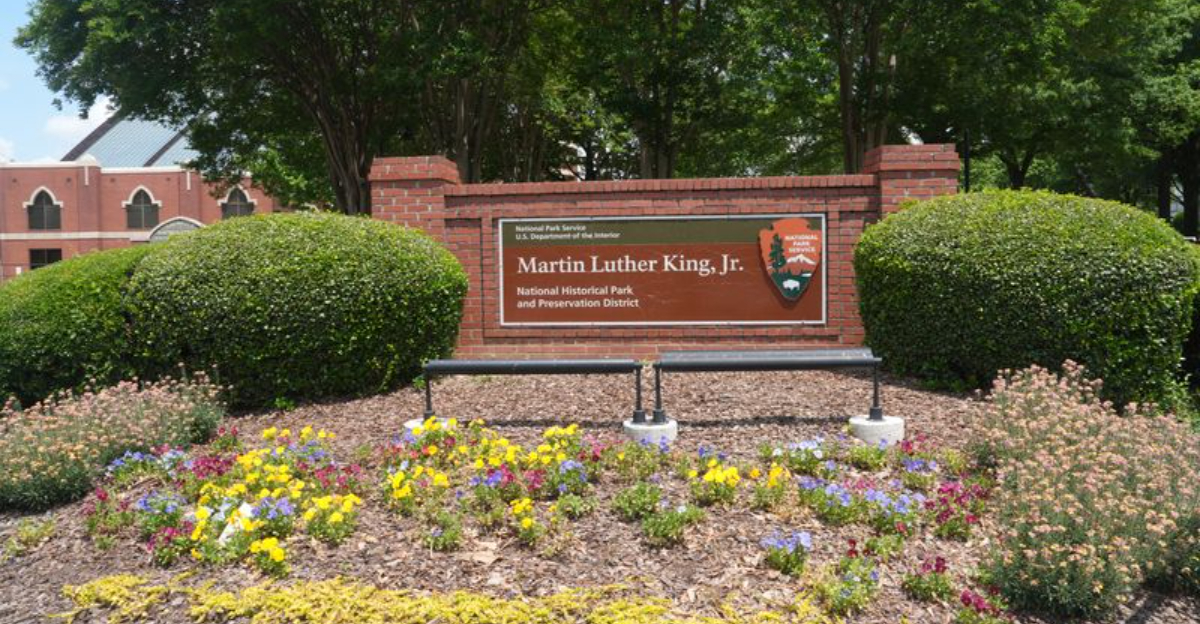
Martin Luther King Jr. National Historical Park (Atlanta, GA)
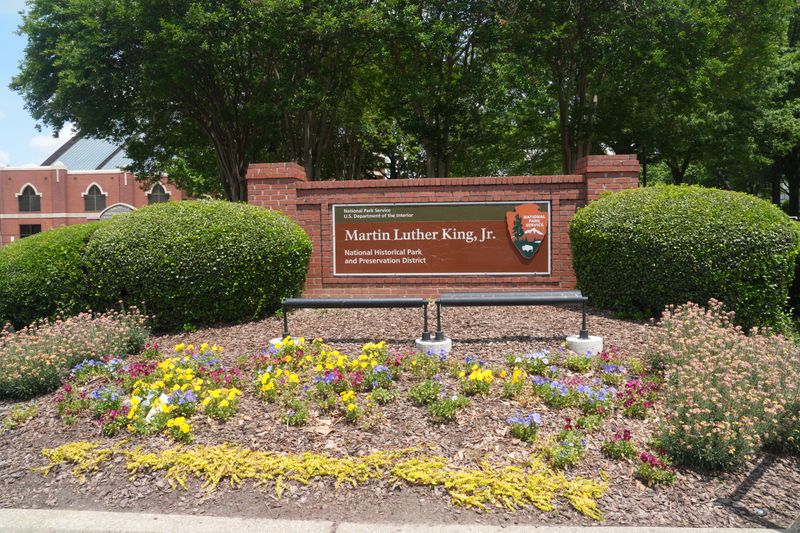
Atlanta’s connection to Dr. Martin Luther King Jr. is undeniable, and his childhood home, church, and final resting place are preserved within a national historical park. These sites offer insight into his early life and the values that shaped his vision.
Visitors can tour his home and the Ebenezer Baptist Church, where he preached. The park is a comprehensive tribute to his contributions, with exhibits detailing his profound impact. A visit here is both an educational experience and a chance to walk in the footsteps of one of history’s most influential figures.
Muhammad Ali Center (Louisville, KY)
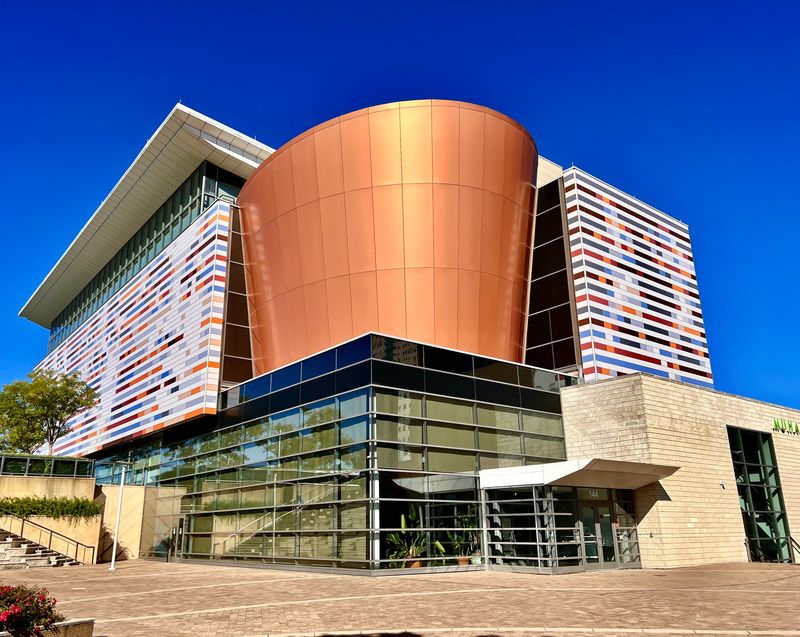
In Louisville, the Muhammad Ali Center celebrates the life and legacy of a man known for his prowess both in and out of the boxing ring. Ali’s commitment to civil rights and social justice is a central theme here, with exhibits that explore his activism.
The center features interactive displays and memorabilia that highlight Ali’s journey from a young boxer to a global icon. Each exhibit tells part of the story of a man who used his fame to fight for equality. It’s a place where sports and social change intersect, honoring Ali’s indomitable spirit.
New Orleans African American Museum (New Orleans, LA)
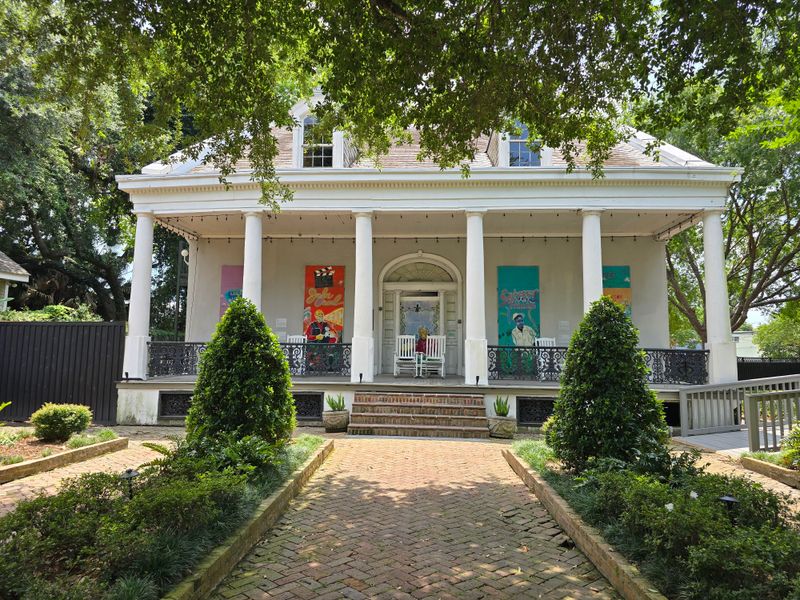
Nestled in the historic Treme neighborhood, the New Orleans African American Museum presents the rich tapestry of African American culture. Through art, music, and storytelling, it encapsulates the vibrant history of a community that has long been a hub for cultural expression.
The museum’s exhibits delve into topics such as the African diaspora and the Civil Rights Movement, offering a deep understanding of past struggles and triumphs. Visitors are immersed in a celebration of resilience and creativity, making it an essential stop for those wanting to understand the spirit of New Orleans.
Medgar Evers Home Museum (Jackson, MS)
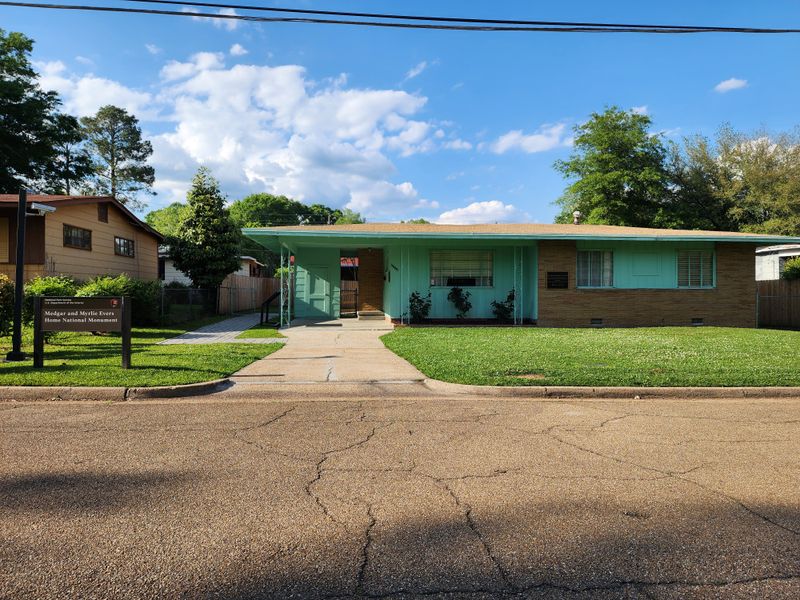
In Jackson, Mississippi, Medgar Evers’ home offers a glimpse into the life of a man whose activism made him a target during the Civil Rights era. Evers was a vocal advocate for change, and his assassination in 1963 was a turning point in the movement.
The home has been preserved to reflect the time period, providing a window into Evers’ daily life and the dangers he faced. Touring the museum, visitors gain an appreciation for his bravery and commitment to equality. It’s a stark reminder of the personal sacrifices made in the battle for civil rights.
Bennett College (Greensboro, NC)
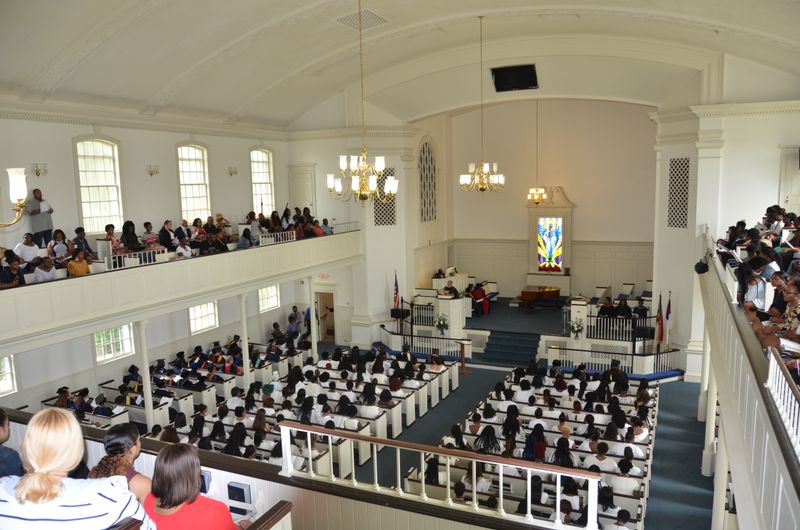
Bennett College holds a special place in the history of civil rights as a haven for African American women pursuing higher education. Its students were leaders in the Greensboro sit-ins, showing that activism knows no age limits.
The college’s legacy is intertwined with the larger movement for equality, and its campus serves as a living tribute to those who fought for change from within its walls. Here, education was a powerful tool for social advancement, making Bennett College a beacon of progress and empowerment.
Avery Research Center for African American History (Charleston, SC)
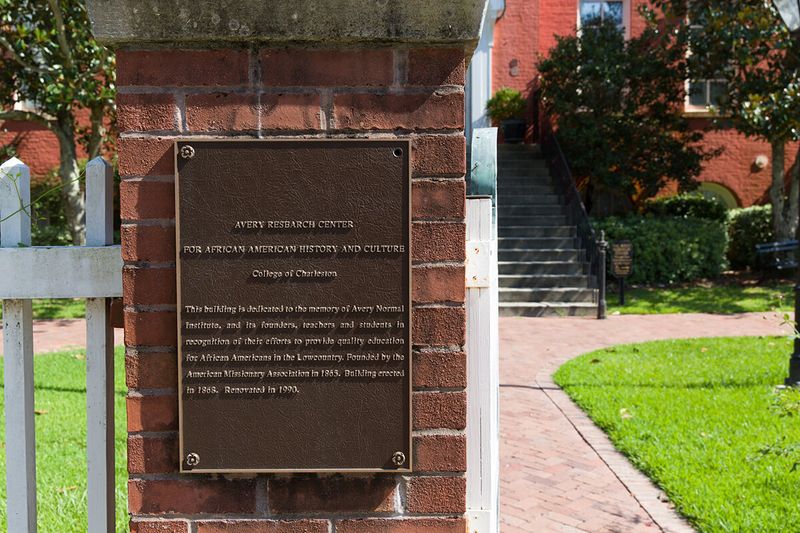
Charleston’s Avery Research Center offers a deep dive into the African American experience through its extensive archives and exhibits. Located in a city steeped in history, the center preserves stories that might otherwise be forgotten.
The center’s collections cover a wide range of topics, from slavery to modern-day civil rights struggles. Visitors are invited to explore the rich cultural heritage and ongoing challenges faced by African Americans. It’s a space dedicated to education and preservation, ensuring that these important narratives are accessible to all.
National Civil Rights Museum (Memphis, TN)
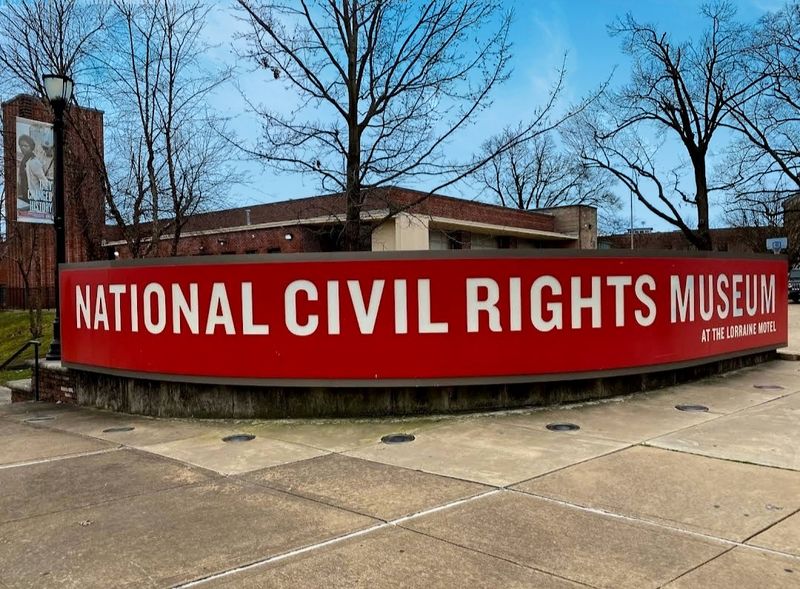
Housed in the former Lorraine Motel, the National Civil Rights Museum in Memphis stands as a powerful testament to the fight for justice. Dr. Martin Luther King Jr. spent his final hours here before his assassination in 1968.
The museum’s exhibits tell the broader story of the Civil Rights Movement, connecting personal stories with national history. Visitors are taken on a journey through the struggles and victories that shaped the nation. A visit here is both moving and educational, highlighting the ongoing pursuit of equality.
Lyndon B. Johnson National Historical Park (Stonewall, TX)
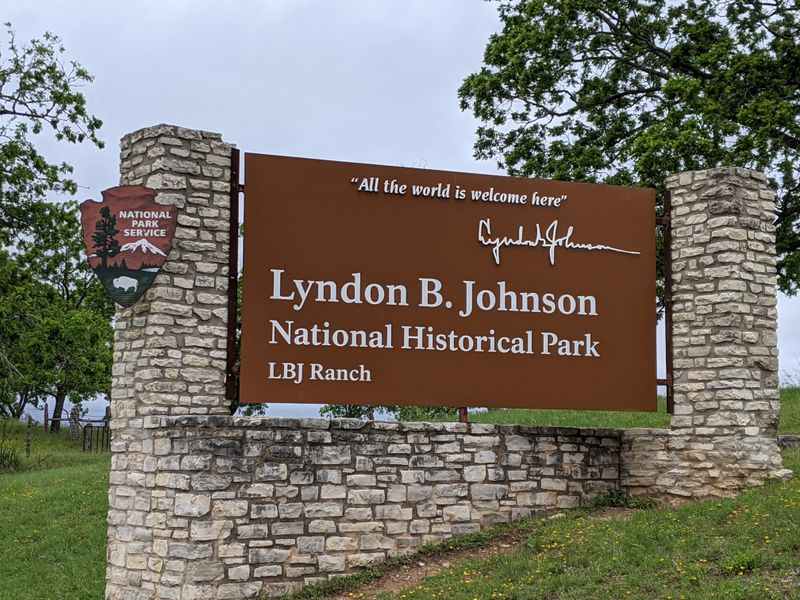
Nestled in Texas Hill Country, this historical park offers insight into the life and legacy of President Lyndon B. Johnson, who signed the Civil Rights Act of 1964. The park includes his boyhood home and the ranch known as the Texas White House.
Visitors can explore exhibits detailing Johnson’s presidency and his commitment to civil rights legislation. The sprawling landscape offers a serene backdrop for understanding the complexities of a leader who shaped modern America. This park is a testament to the power of political will in advancing human rights.