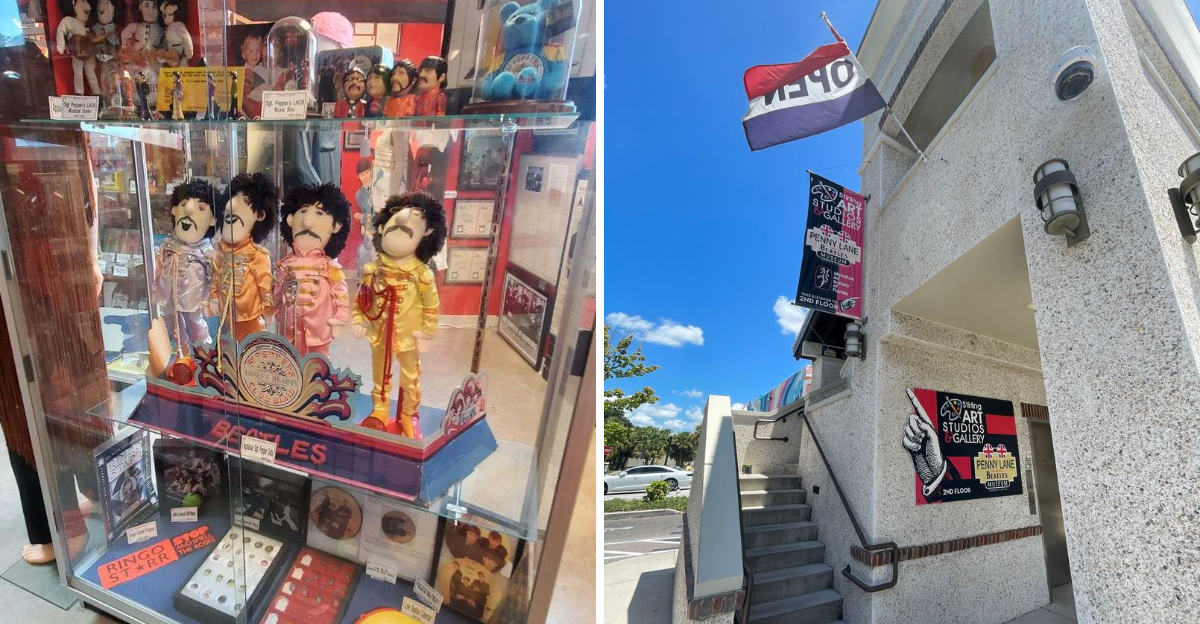
If you think you know the Beatles, this Dunedin gem will make you rethink everything.
Tucked upstairs on Broadway, Penny Lane Beatles Museum packs decades of stories, sounds, and artifacts into an intimate space that feels like stepping backstage. You will find meticulous curation, unexpected deep cuts, and personal touches that make history feel close enough to touch.
It is the kind of place you plan for an hour and end up lingering all afternoon.
A welcoming upstairs hideaway with serious Beatles cred
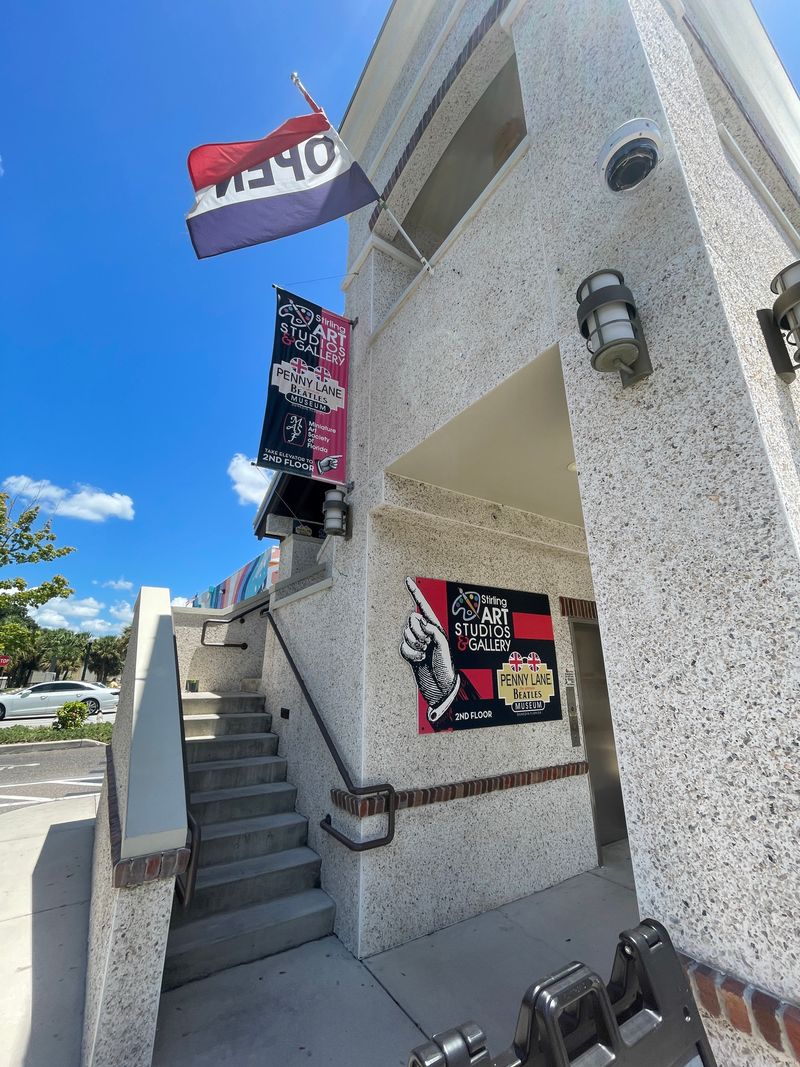
Before you even spot the guitars and glossy sleeves, the museum’s second floor perch sets the tone. Climbing the stairs, you sense you are stepping away from beach bustle into a focused, lovingly crafted space. It feels personal, like a friend’s impeccably organized collection, yet polished enough to rival bigger institutions.
Inside, the layout is purposeful, flowing from early Liverpool roots to late studio wizardry without feeling crammed. You can linger at each case without pressure, which is rare in popular attractions. The lighting is gentle, casting warm highlights over signatures, ticket stubs, and annotated photos.
What strikes you first is how much context the exhibits provide. Wall labels are conversational, not academic, so you feel included rather than lectured. Dates, venues, and people interlock, helping you place moments within the band’s whirlwind timeline.
Because the hours are limited, the crowd stays manageable, making conversations with staff easy. Ask a question and you will get a thoughtful story or a pointer to a detail you might have missed. That approachable vibe makes the museum feel like a living memory bank, not just a display.
Rare memorabilia that tells human sized stories
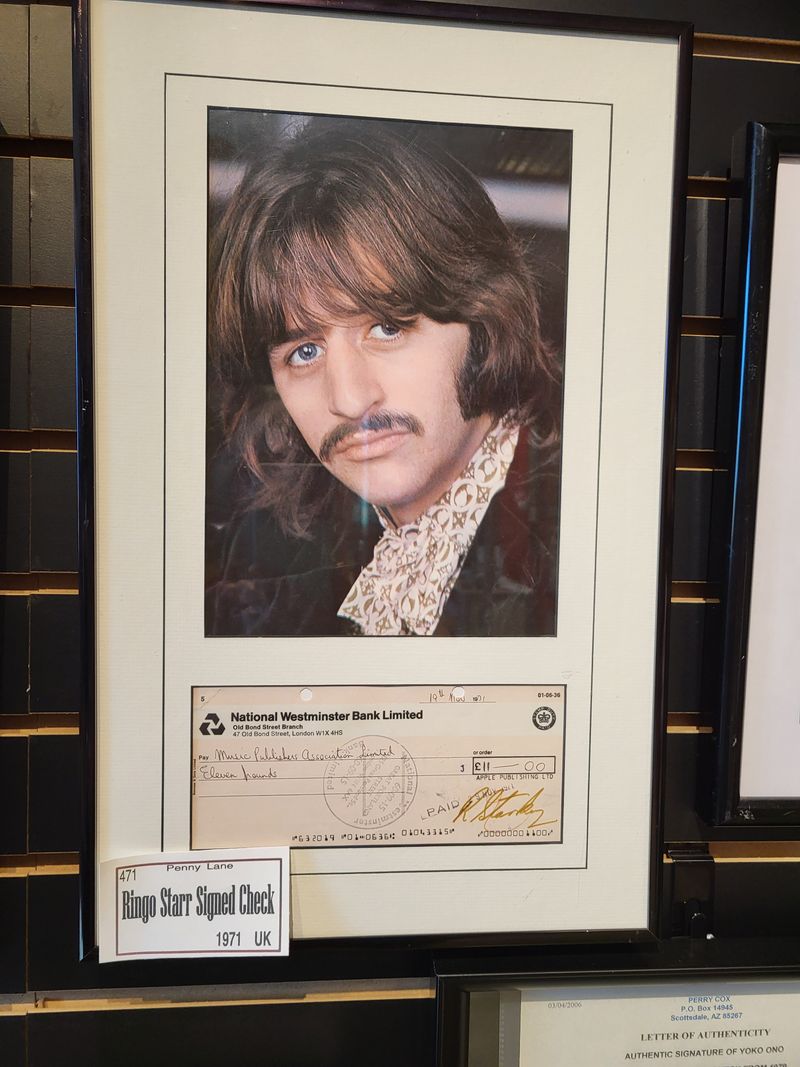
Artifacts here are not just rare, they are revealing. A tour program shows creases from someone’s pocket, a reminder that these nights were lived, not just archived. Ticket stubs tell you where screaming started, where security faltered, and how a city greeted the band.
Signed sleeves sit beside period press clippings, so you can read how critics shifted from curiosity to awe. You watch the Beatles evolve in real time through fonts, paper stock, and photography. These small details are the museum’s secret superpower.
Handwritten notes and backstage passes add texture without overwhelming you. The curation makes space for breath, allowing each artifact to speak. Labels often include little nudges to notice stitching, ink, or printer marks.
You feel closer to the people behind the myths. It becomes easier to imagine the fatigue of touring and the adrenaline of fresh studio breakthroughs. By the time you finish a case, you have met the band again, one scuff and scribble at a time.
Audio touchpoints that bring the timeline to life
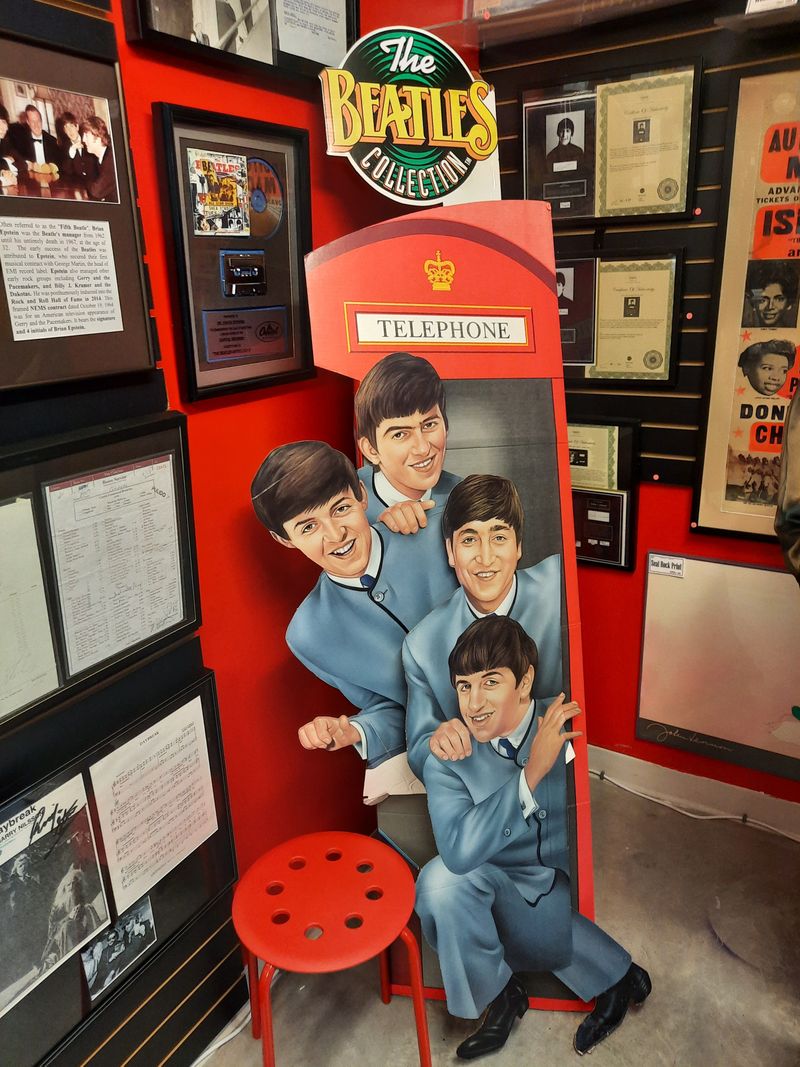
Hearing the Beatles in context changes everything. Listening stations and guided audio snippets let you jump from Hamburg grit to Abbey Road polish in seconds. You catch the studio’s learning curve through guitar tones, room mics, and harmony stacks.
The staff encourages you to compare mixes, paying attention to tambourine placement or a snare’s ring. Suddenly, recordings you know by heart feel new, like hearing the bones of a song rehearse itself into shape. The museum makes ear training fun, not fussy.
Short clips keep the flow moving, so you never feel stuck wearing headphones for too long. Notes nearby prompt you to watch for lyrical pivots, tape edits, or gear changes. It turns passive listening into an engaging little scavenger hunt.
Even if audio tech is not your thing, you will appreciate the way sound anchors the displays. Music becomes the glue that ties the photographs and artifacts together. You walk away with a deeper sense that the Beatles were tireless experimenters, not just hit makers.
Staff stories and insider details you will not get elsewhere
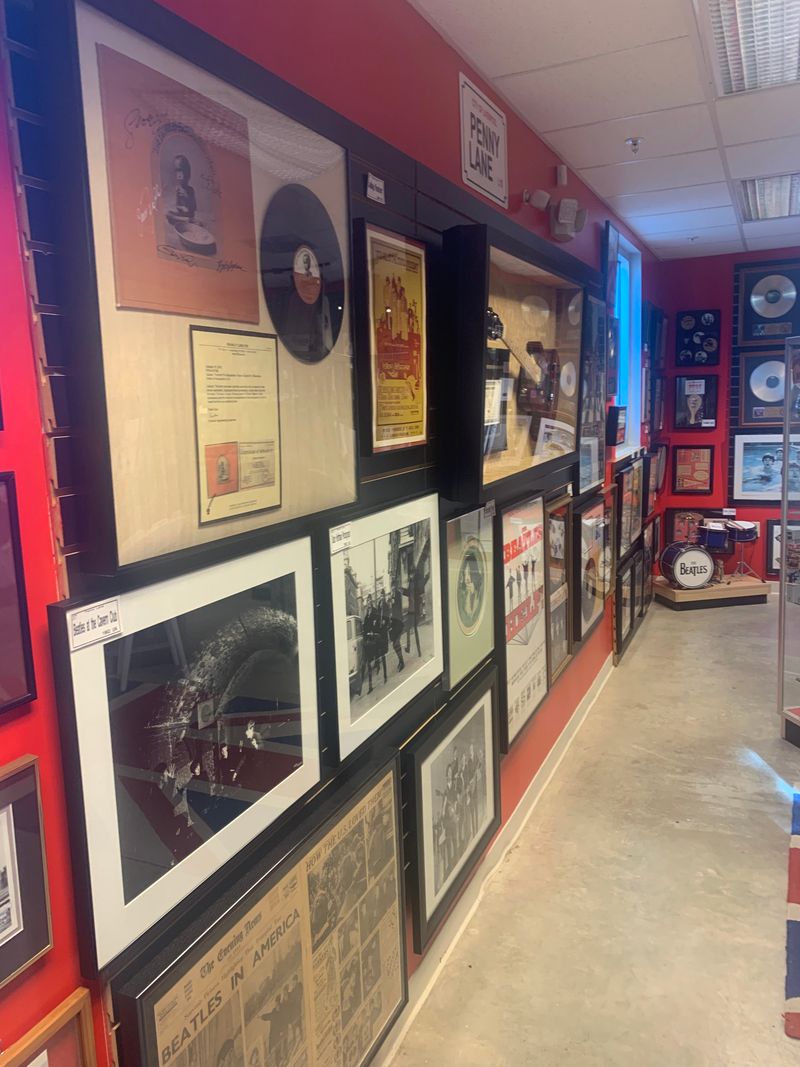
One of the museum’s biggest strengths is conversation. Staff are genuine fans who have done the homework, and it shows. Ask about a signature’s provenance or a photo’s photographer, and you get context layered with dates and places.
They will often share how a piece was acquired, who owned it, and what care went into preserving it. You hear about auctions, attic finds, and careful restorations. That behind the scenes transparency builds trust and makes the collection feel alive.
There is an infectious excitement in these chats, the kind that makes even casual fans lean in. You pick up side stories about opening acts, stage mishaps, and venues that no longer exist. It is oral history with a friendly Florida accent.
Because the museum’s hours keep traffic steady, you rarely compete for attention. That means more time to ask follow ups and connect dots across displays. You leave with details you will bring up at dinner, the kind that turn a visit into a memory.
Planning your visit: hours, location, and timing tips
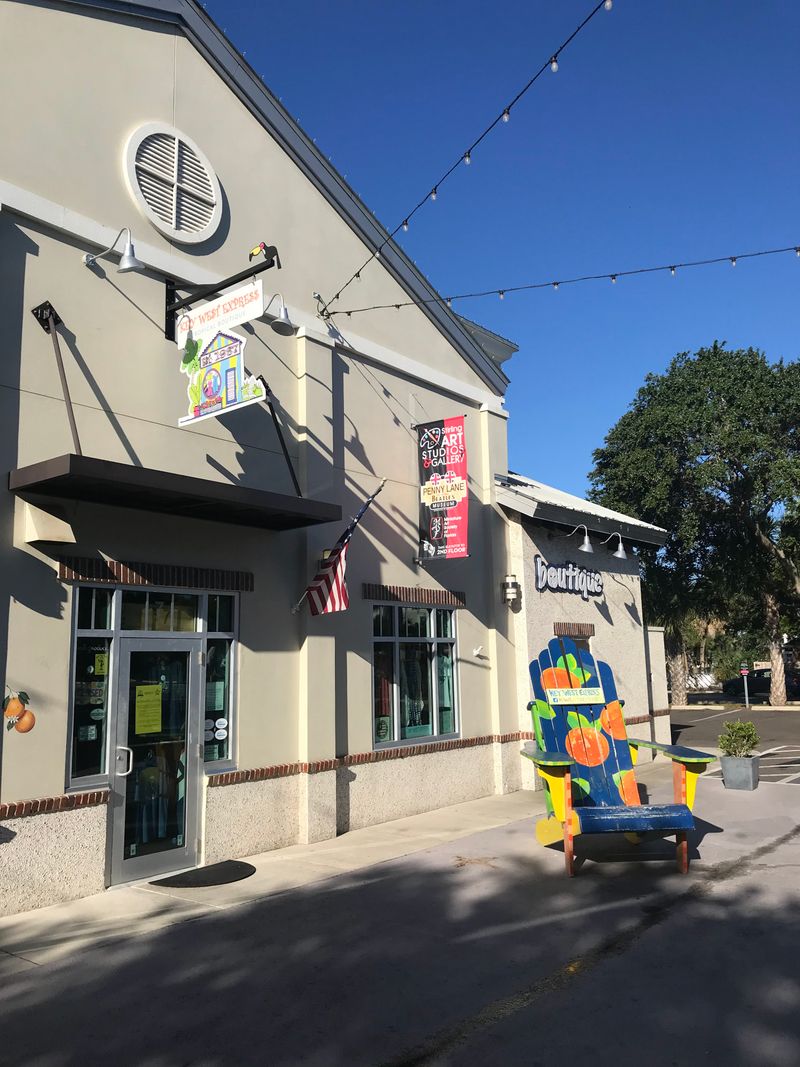
The museum sits at 730 Broadway, second floor, in walkable downtown Dunedin. Official hours run 11 AM to 3 PM Thursday through Sunday, with Monday to Wednesday closed. It is wise to double check the website or call ahead before you go.
Arrive close to opening for the calmest experience. That first hour lets you explore the early exhibits with space to breathe. Later, it is still comfortable, but you might queue briefly at popular display cases.
Parking is manageable in nearby public lots, and the stroll through downtown adds charm to the trip. Plan about 60 to 90 minutes, more if you love reading labels and chatting with staff. Shoes for stairs are helpful since the museum is upstairs.
Pin the location on your map and note the phone number: +1 727-281-8130. If you are traveling with kids, bring curiosity and snack plans for after. Dunedin’s cafes nearby make it easy to wrap the visit with a treat and a debrief.
Why Beatles beginners and super fans both love it
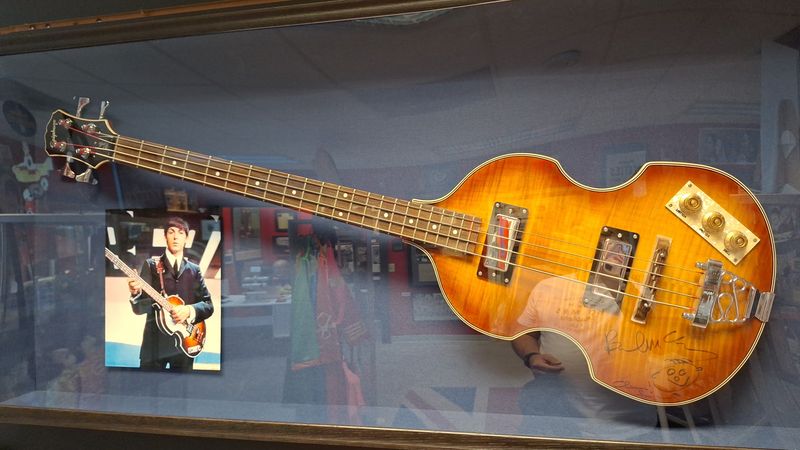
This museum is cleverly layered for different levels of fandom. Newer listeners get a clear timeline and recognizable hits, framed in friendly, concise labels. Veterans will spot deep cuts, alternate photos, and nerdy production notes that reward careful looking.
Displays avoid clutter, which helps beginners follow the story from Hamburg to studio mastery. Meanwhile, super fans can dive into matrix numbers, tour routing, and gear quirks. It is a balancing act that rarely works, but it works here.
The vibe is welcoming, not gatekeepy. You are invited to share your favorite track and compare memories. If you bring someone who is only Beatles curious, the museum does the heavy lifting with context and charm.
By the end, everyone leaves with at least one new favorite detail. Maybe it is the design of a ticket, a scribbled lyric, or a mixing trick. That universal appeal explains the high ratings and the steady word of mouth in Dunedin.
Local flavor: how Dunedin shapes the experience
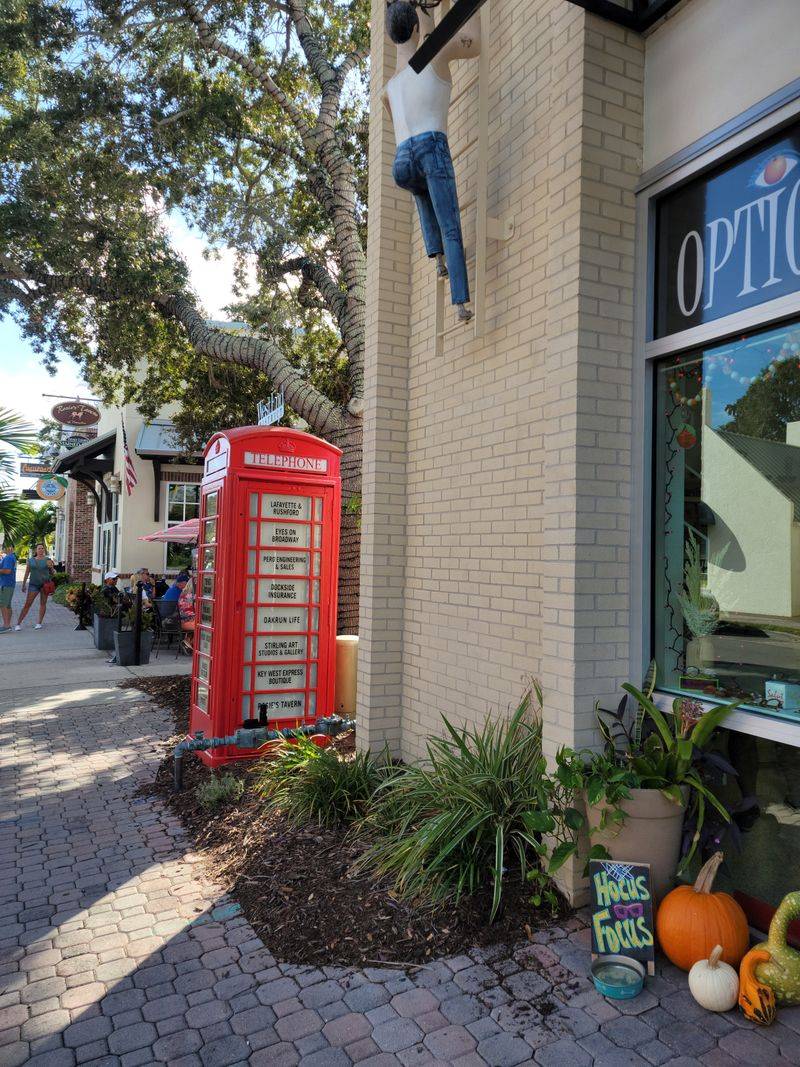
Part of the magic is the setting. Dunedin’s pedestrian friendly downtown makes the museum feel like a discovery during an easygoing day out. You can wander from coffee to culture to the waterfront without a car heavy itinerary.
The sunlit streets and colorful storefronts make an upbeat prelude to the music inside. There is a breezy Florida warmth that complements the Beatles’ optimistic eras. After visiting, you can take your conversations to a patio and keep the nostalgia going.
Local businesses sometimes nod to the museum with playlists and themed decor. It creates a casual neighborhood ecosystem that celebrates music without turning it into kitsch. You feel like the collection belongs to the town, not just a building.
Because the museum opens in a midday window, it anchors your plans neatly. Brunch, museum, stroll, done. That rhythm helps you slow down and actually absorb what you see, rather than rushing to the next thing.
Photography etiquette and what to notice in photos
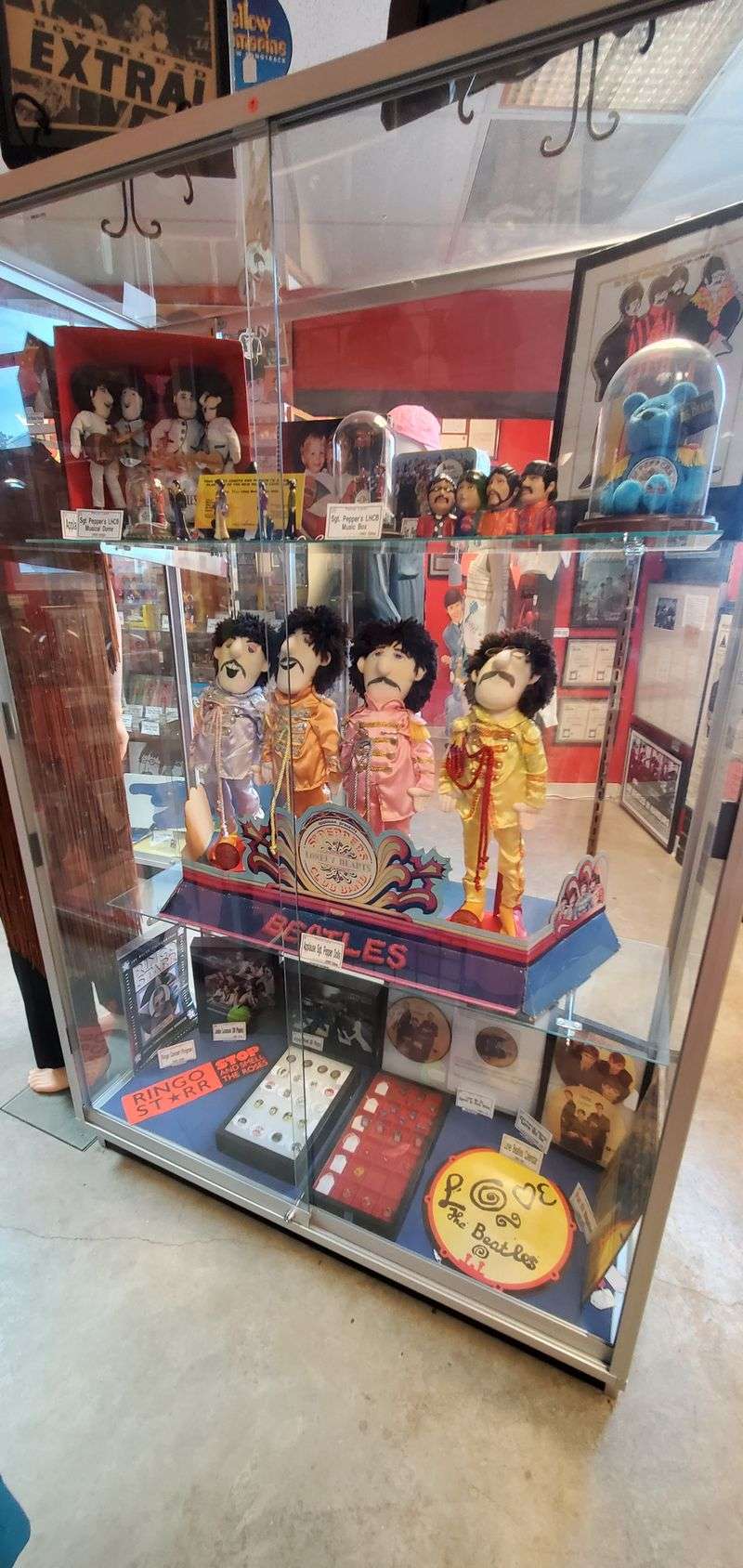
You can usually take photos, but be respectful of reflections and other guests. No flash keeps artifacts safe and prevents glare on glass. Step slightly sideways to angle past reflections and grab cleaner shots.
Photograph labels alongside objects so you can remember context later. Snap wide, then detail: a full case, then a signature or stitching. If a staff member shares a story, note the case number to find it again.
In the photos themselves, look for design clues. Typeface changes, paper weight, and printing flaws reveal era and origin. Close ups of corners and edges often hold the most useful evidence.
When posting, tag the museum and credit photographers if listed on labels. That small courtesy supports the community keeping these items preserved. You will also help future visitors find the details that made your visit special.
Make it a perfect afternoon: simple itinerary
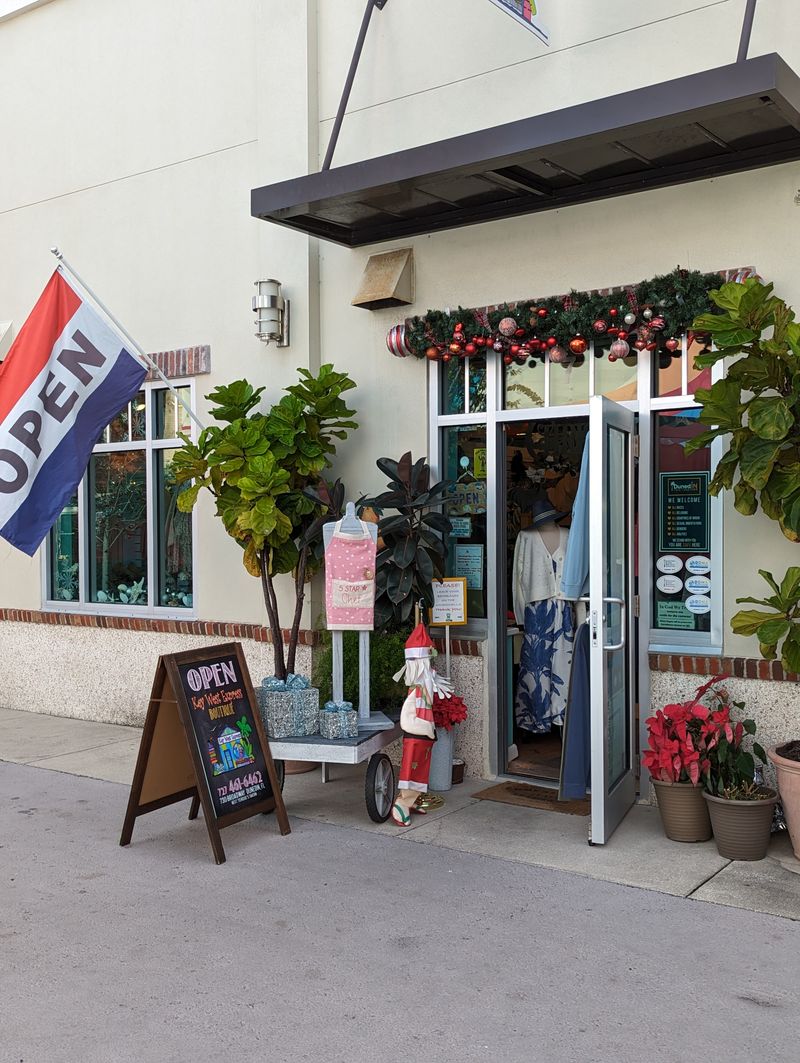
Start with a late morning coffee in downtown Dunedin, then head to the museum right at 11 AM. Spend your first thirty minutes walking the full circuit to get the lay of the land. On your second pass, slow down and listen to the audio touchpoints.
At the midpoint, chat with staff about a favorite era. Ask for one detail you should not miss, and you will get a gem. Take a few photos of labels and corners to review later.
Wrap by 12:30 or 1 PM and wander to a nearby cafe for lunch. Compare notes, cue up a playlist, and identify which albums you want to revisit tonight. If you are with kids, pick one artifact each to sketch while waiting for food.
Finish with a slow stroll down Broadway toward the water. Let the sun and songs blend, and plan a return visit with friends. Simple, relaxed, and surprisingly rich, it turns a few hours into a mini memory.