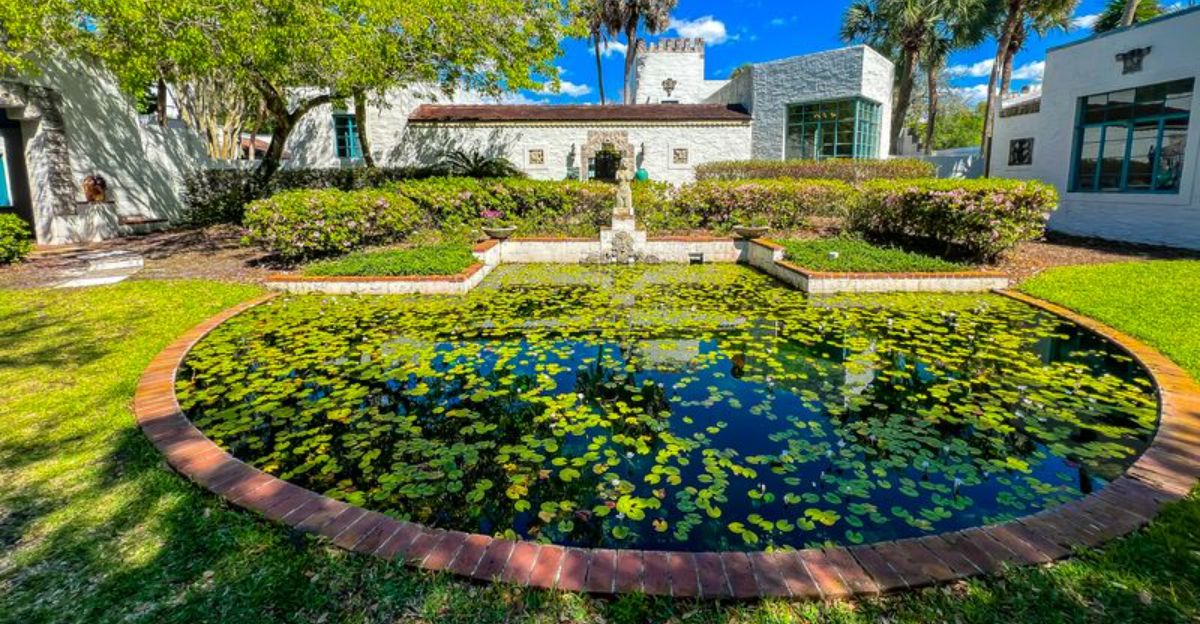
Tucked into leafy Maitland, this museum complex feels like discovering a secret garden just off the everyday map.
Peaceful courtyards open onto galleries where carved Mayan-inspired reliefs glow in soft Florida light, creating a hush that invites lingering.
You can wander cloistered walkways, hear a fountain murmur, then step into studios where creativity still hums.
If you crave art, history, and a place to breathe, this is your next unhurried afternoon.
Sculpture Gardens and Quiet Courtyards
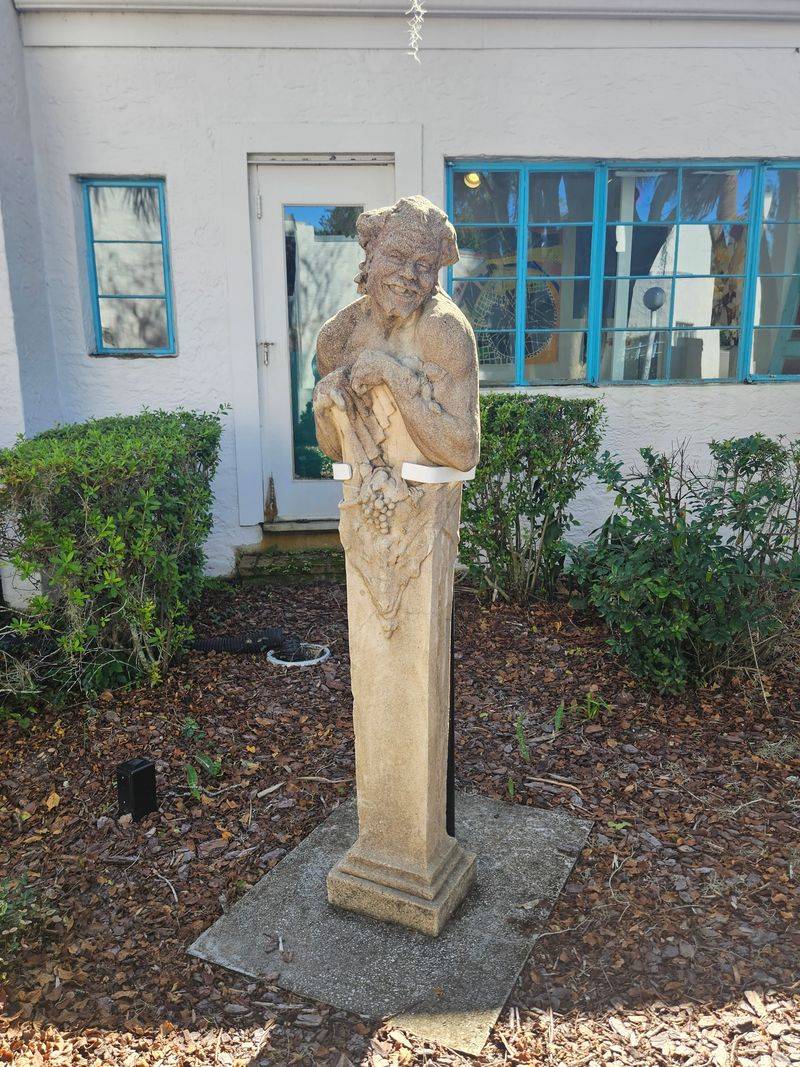
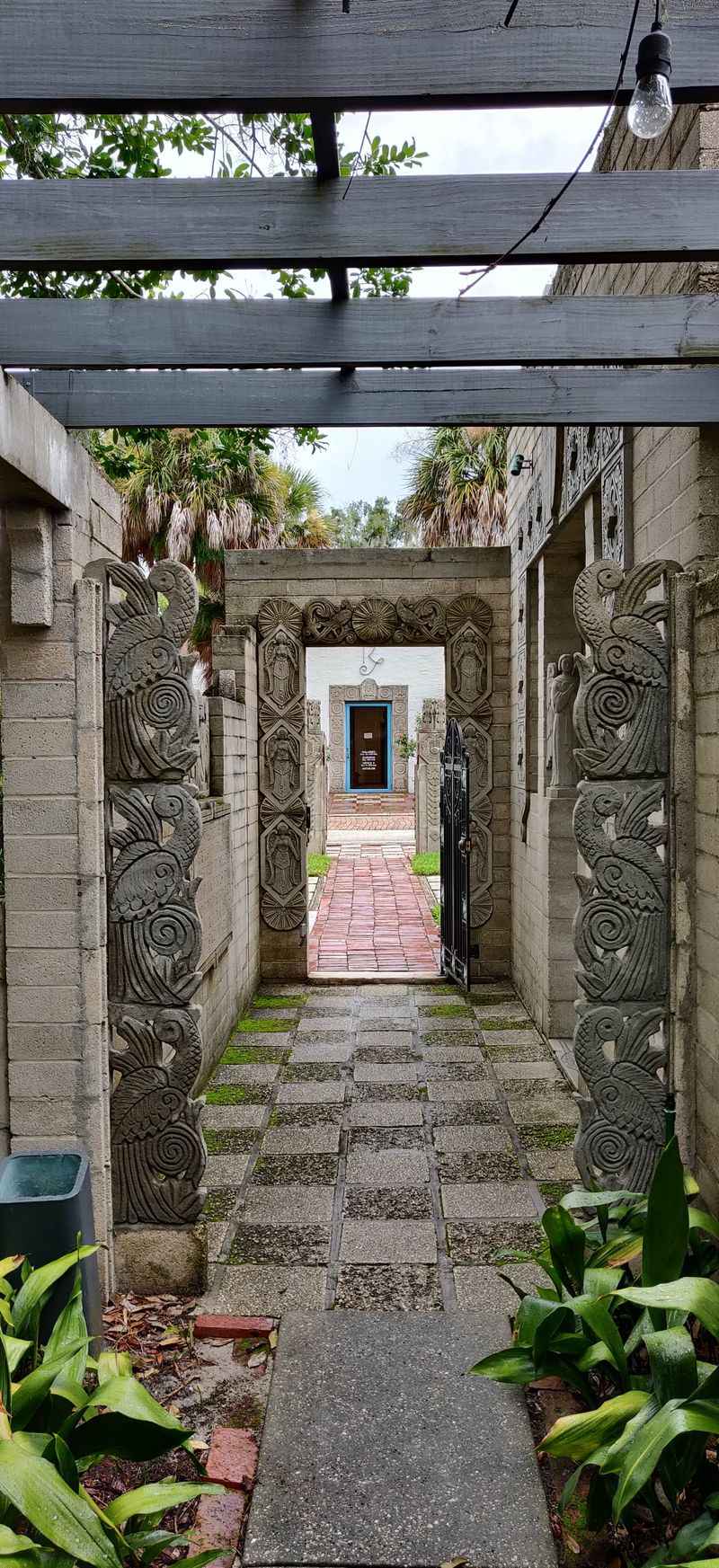
Step through the gates and the city’s buzz fades to a soft whisper under the leaves. The courtyards unfold like a series of calm breaths, terracotta tiles warm beneath your steps as fountains hush the air. You will notice Mayan-inspired bas reliefs along the stucco walls, their rhythmic patterns catching sunlight like secrets you are about to learn.
Pause on a bench and watch dragonflies skim the water, then trace the lines carved into stone as if reading a poem written in shadow. The greenery frames every scene so you feel gently guided rather than ushered, free to wander or sit without apology. Even on a busy day, the layout diffuses sound, and you find yourself listening to the breeze edit your thoughts.
These gardens invite unhurried looking, the kind that changes what you see. You can move from arch to arch, letting the architecture crop the sky into beautiful fragments. When the afternoon sun slants low, reliefs deepen, telling a new story in strong contours and cool shade.
It is all incredibly photogenic, but give yourself moments without your phone, too. Let your eyes adjust to the small revelations, the moss edging, the hairline crack that makes a pattern feel alive. You leave steadier than you arrived, as if the place lent you its rhythm to carry home.
André Smith’s Mayan Revival Details
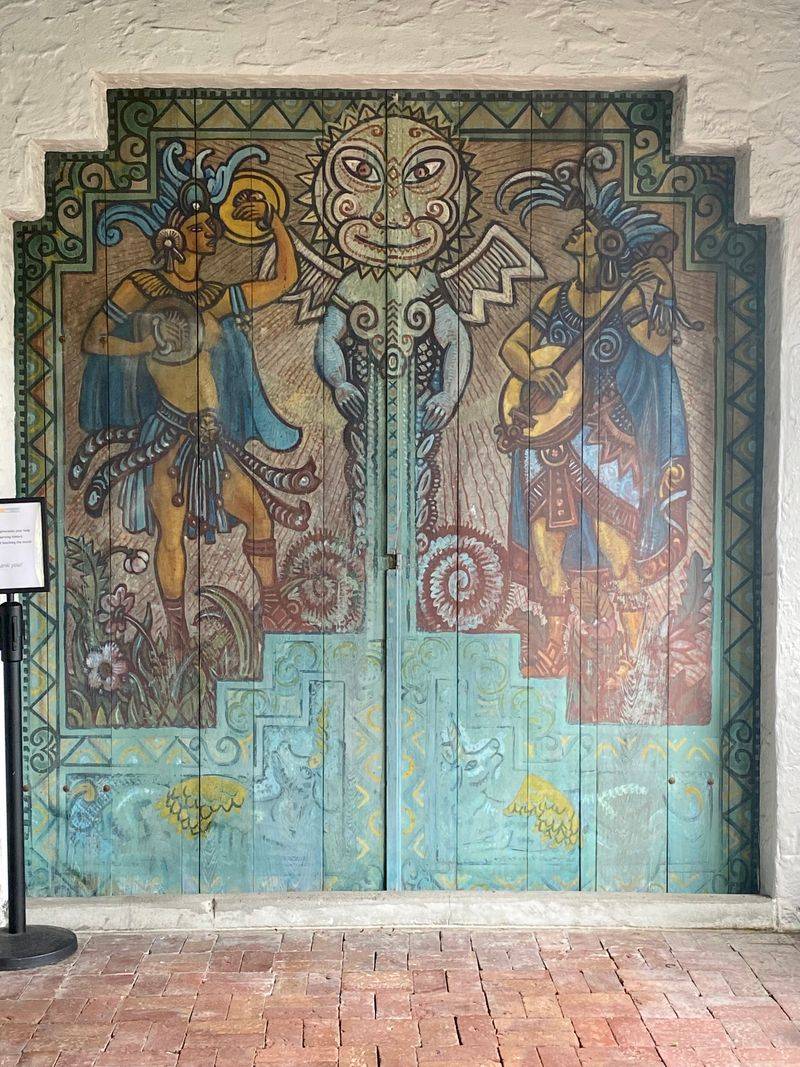
The moment you look closely, the details pull you in. Stylized figures and stepped patterns march across the stucco, blending Mayan motifs with Mediterranean Revival curves. You feel the hand of André Smith in the way symbols repeat and mutate, a language of edges and shadows that becomes clearer as the light shifts.
Stand at an angle and the carving suddenly pops, transforming flat wall into layered story. Move a few feet and a new rhythm appears, proof that these reliefs are meant to be walked with, not simply glanced at. You notice how negative space holds as much authority as the lines themselves, teaching you to read the pauses.
There is history in this hybrid style, but also a lively modern pulse. The motifs suggest temples and cosmologies, yet the setting is distinctly Floridian, all sun and stucco and quiet breezes. Your eye keeps toggling between ancient reference and contemporary design, creating a pleasant mental click.
Take your time with these surfaces and you will start hearing the design decisions behind them. Repetition is never lazy here; it is musical, with rests placed just so. By the time you leave, you may catch yourself noticing patterns on sidewalks and shadows, newly tuned to the world’s graphic grammar.
Chapel and Cloister Walkways
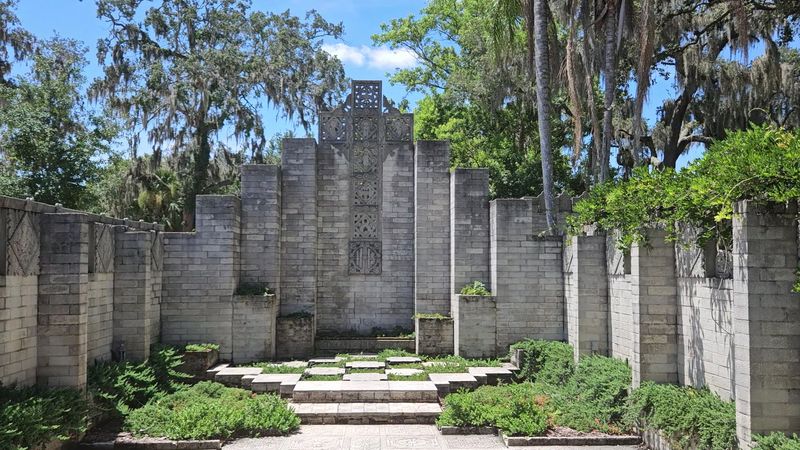
Slip into the cloister and your footsteps instantly soften. Arches throw tidy shadows across terracotta, a gentle metronome that slows your pace. The small chapel nearby feels like a promise of quiet, its door inviting but never insistent.
Here, scale matters. The architecture keeps you close to the walls, encouraging you to run a hand along cool stucco and listen for your breath. You will notice potted plants stationed like companions, their leaves catching light with theatrical modesty.
When you step inside the chapel, time seems to fold. It is not grand for grandeur’s sake; it is precise, proportioned to prompt reflection. A seat, a window, a slice of sky, and suddenly your thoughts line up without struggle.
Back outside, the cloister becomes a transitional ritual. Move, pause, look, repeat, and the day recalibrates. By the end, you may realize the walkways taught you how to arrive, not just at galleries, but at your own attention.
Maitland Art Center Galleries
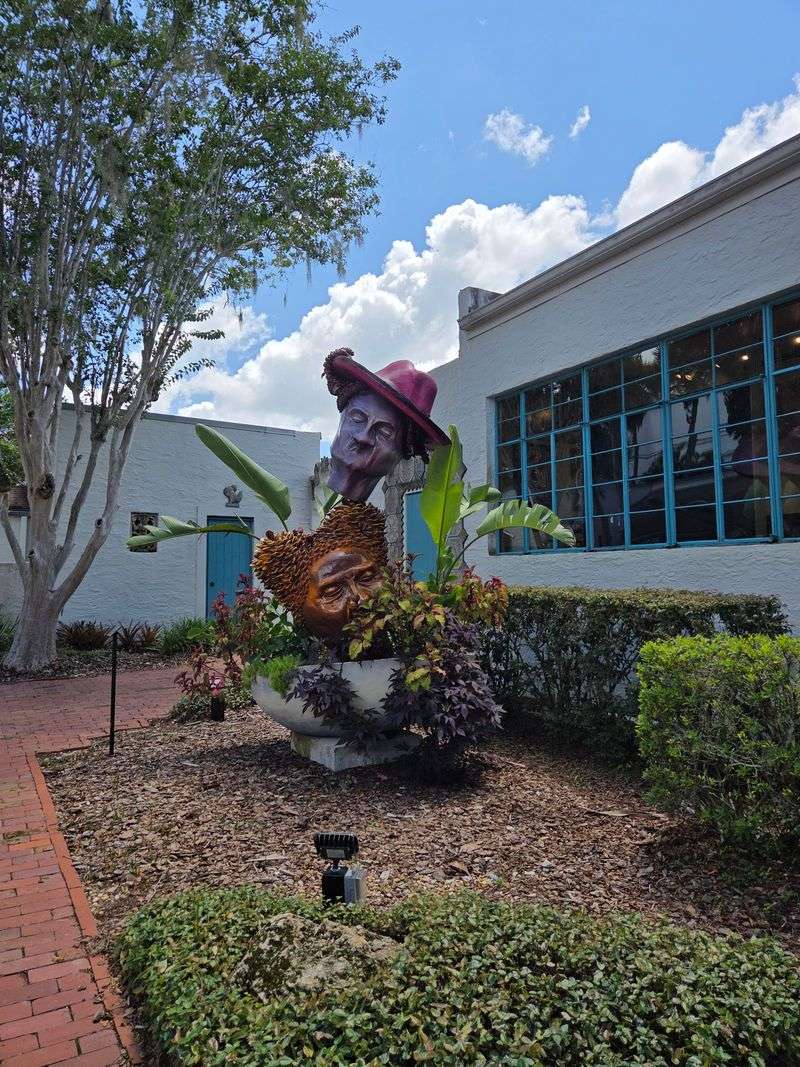
Step from sun to soft light and the galleries greet you with calm restraint. Works are spaced so your eyes can breathe, and wall texts keep a light touch. You feel guided, not lectured, which makes lingering near a piece feel natural.
Expect a thoughtful blend of contemporary voices and historical context, often nodding to the site’s Mayan Revival DNA. Sometimes you will catch a fragment of relief echoed in a modern print or sculpture, creating a conversation across decades. That dialogue lets you connect the courtyard’s textures to what hangs on the walls.
Because the rooms are modest in scale, you can actually see everything without museum fatigue. Your senses stay fresh, and you notice color relationships and material choices you might rush past elsewhere. It is all tuned to human tempo, not spectacle.
Before leaving, stand in the threshold and glance back. The door frames both art and garden, reminding you that this place treats transitions as part of the experience. It feels cohesive, like a well-composed sentence that ends exactly where it should.
Water Features and Soundscape
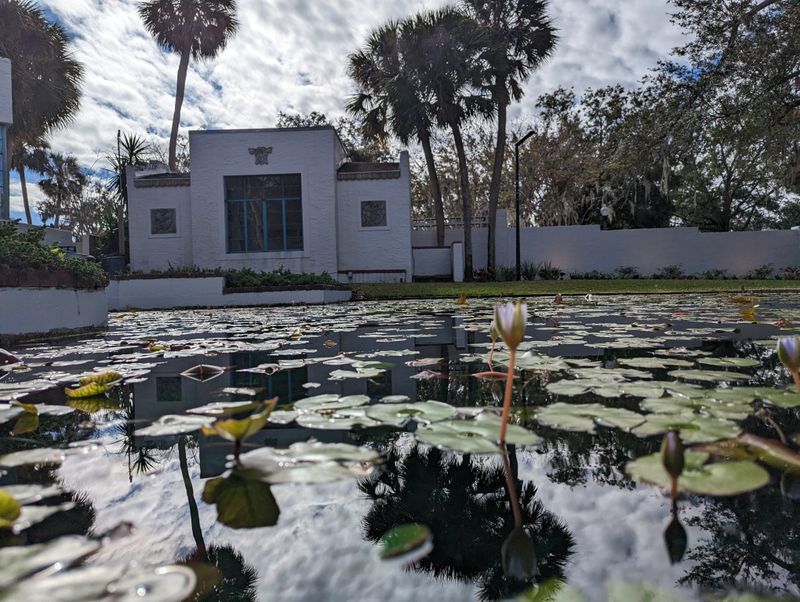
The fountains do more than decorate; they tune the entire museum to a slower key. Water lightly scrapes stone and sends a shimmer up the walls, scattering light into lively fragments. You can sit within that hush and feel your shoulders drop without trying.
Sound moves differently here, weaving through arches and plants. A few conversations float by, softened by water’s steady metronome. You will notice how the museum’s layout lets ripples and breezes collaborate on a gentle soundtrack that asks you to stay a little longer.
Look closely and you will find small dramas: lily pads shifting, a dragonfly hovering, a stray leaf spinning in quiet orbit. These details stitch you to the present moment, the way good art does. It is a sensory alignment, not just a pretty view.
When you finally stand, the world outside feels louder but also friendlier. Carry the cadence with you as you move to the next courtyard or gallery. It is a simple gift, given freely and remembered with every slow deep breath afterward.
Studios and Creative Workshops
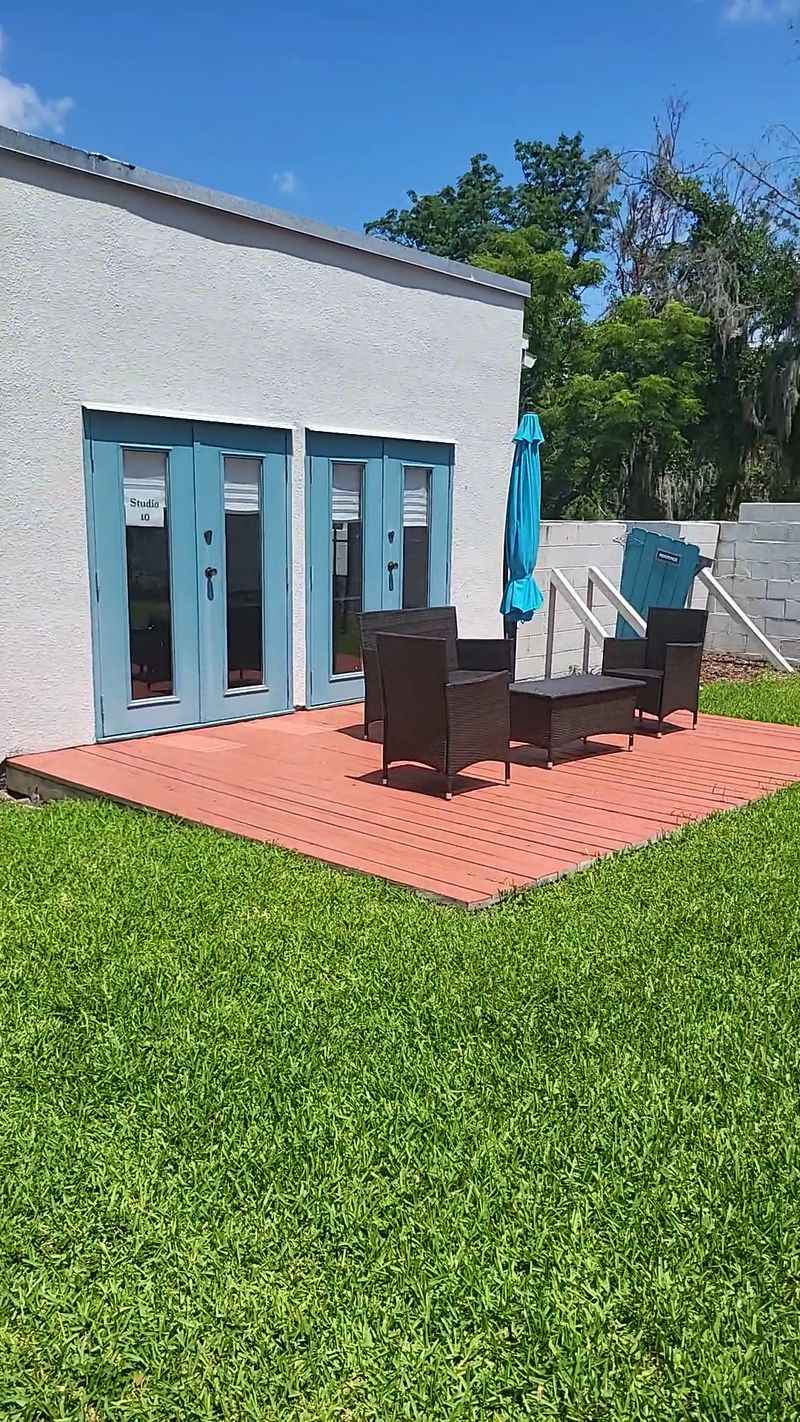
There is something energizing about seeing a space built for making rather than only viewing. The studios feel honest, with scuffed tables, clean light, and tools that invite your hands to wake up. You sense possibility pooling in corners like extra daylight.
Workshops here honor the site’s history without turning it into a museum piece. You might explore printmaking, ceramics, or drawing, picking up techniques that mesh with the center’s decorative vocabulary. It is approachable, taught by people who remember how it feels to be new at something.
The atmosphere nudges you to take creative risks. You will notice how instructors frame mistakes as information rather than failure, a habit worth stealing for life outside the studio. By the end, you carry home not just a piece of work, but a clearer way of seeing.
Even if you do not sign up, peeking into the studios enriches the visit. The buzz of making connects the past to the present and prevents the place from feeling static. It reminds you that art is a verb here, not a display.
Photography Tips and Best Light
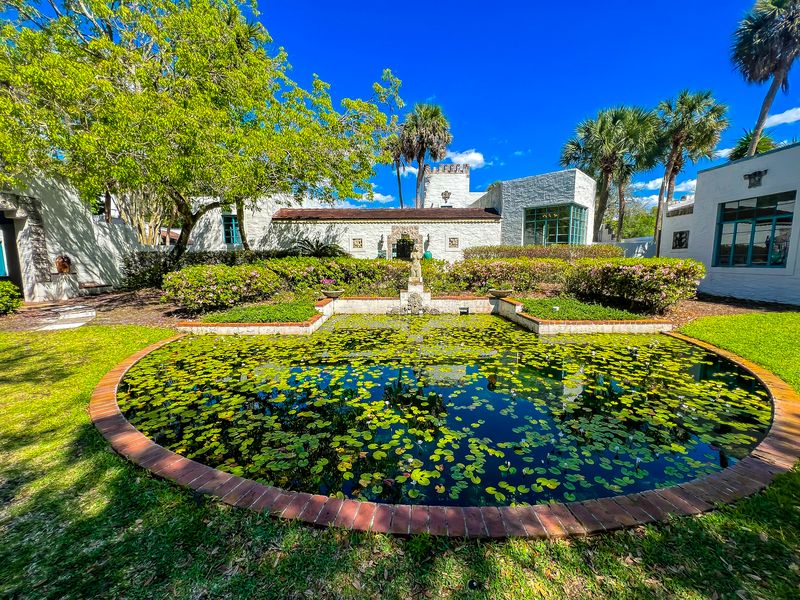
Bring your camera, but pack patience first. The reliefs reward side light, so aim for late morning or golden hour when shadows articulate every groove. Step off axis to avoid flatness and let angles do the sculpting for you.
Think in layers. Frame arches inside arches, or use foliage to vignette a fountain, creating depth without heavy editing. You will get cleaner images by exposing for highlights on stucco, then letting shadows fall where they may.
Keep people small in the frame for scale, or let a single hand grazing a wall become the subject. Reflections off water can add a gentle shimmer to otherwise quiet compositions. If you shoot on a phone, tap to focus on midtones to avoid blown edges.
Before you leave, switch to observation mode. Put the camera away for one slow lap, giving your eyes the last word. The pictures will be better if you experienced the place first and photographed it second.
Planning Your Visit
Set your day to the museum’s rhythm and you will enjoy it more. The complex opens 11 AM to 4 PM from Tuesday through Sunday, and Monday rests, so plan accordingly. Arrive close to opening for quieter courtyards, or lean into late afternoon for sculptural shadows.
Parking is straightforward nearby, and the address is 231 W Packwood Ave in Maitland, easy to pin on your map. Check the website for rotating exhibitions and workshops, since schedules evolve and you will want to catch what speaks to you. If you have questions, the staff at +1 407-539-2181 are gracious and helpful.
Wear comfortable shoes because the pleasure here is in wandering and pausing often. Bring water, a small sketchbook, or a camera with room to breathe, not just to collect shots. You will probably spend one to two hours, longer if a class or special event tempts you to linger.
As you leave, consider one last loop through the garden-like paths. The place changes hour by hour, and a second glance always pays off. You will step back into the world steadier, with the museum’s calm tucked into your pocket.