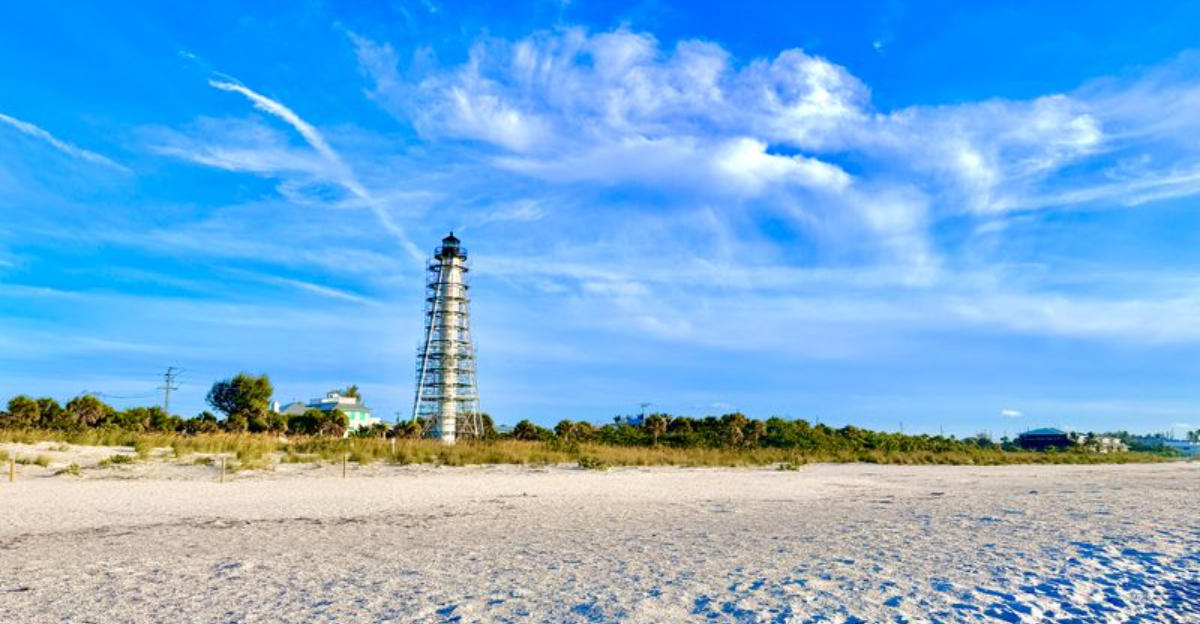
On a sunlit sliver of Boca Grande, the Gasparilla Island Lighthouse rises like a quiet sentinel, surprising visitors with its delicate grace and storied past. You come for the beach, but you stay for the lighthouse’s calm presence and the feeling that time slows beside its iron frame. Every angle tells a different story, from the Gulf’s shimmer to the winds shaping the dunes.
If you have ever wondered how history can feel both intimate and grand, this is where it clicks.
A brief history and restoration timeline
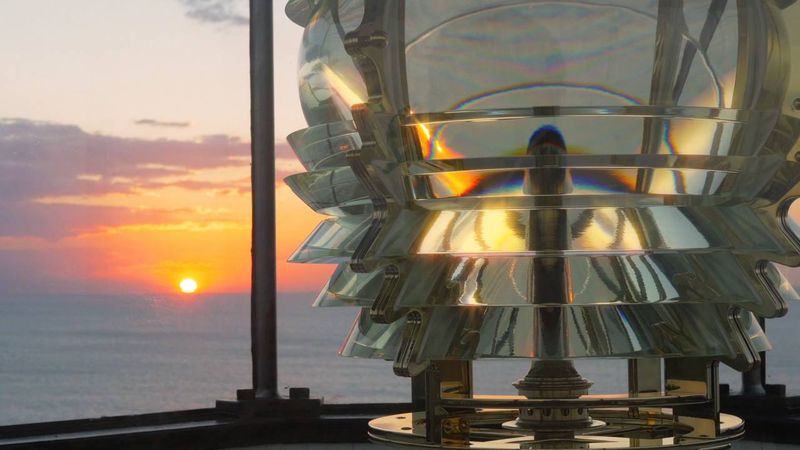
The Gasparilla Island Lighthouse began service guiding mariners along Florida’s west coast, its skeletal iron frame chosen for resilience and coastal practicality. You can almost hear the metallic past in the breeze, a reminder of storms weathered and ships safely steered. Over decades, corrosion and neglect dimmed its presence, but community resolve kept the lantern’s legacy alive. Locals rallied, proving a lighthouse is as much about people as light.
Restoration unfolded in careful phases, each step balancing authenticity with safety. Craftspeople cleaned iron components, replaced compromised bolts, and stabilized foundations threatened by salt and shifting sands. The lantern room received meticulous attention, ensuring its silhouette remained faithful to the original profile. As scaffolding rose and fell, the structure’s lines sharpened back into view.
Interpretive markers now outline the timeline with dates and thank yous. You walk the path and trace the milestones with your eyes, seeing how funding, permits, and craftsmanship intertwined. The story reads like a coastal diary, paced by seasons and tides. It is the kind of progress you feel underfoot.
Today, the tower’s restored stature honors grit and generosity in equal measure. You leave understanding that preservation is a verb. Here, history breathes. And the light, even at rest, still guides.
Architecture and design details
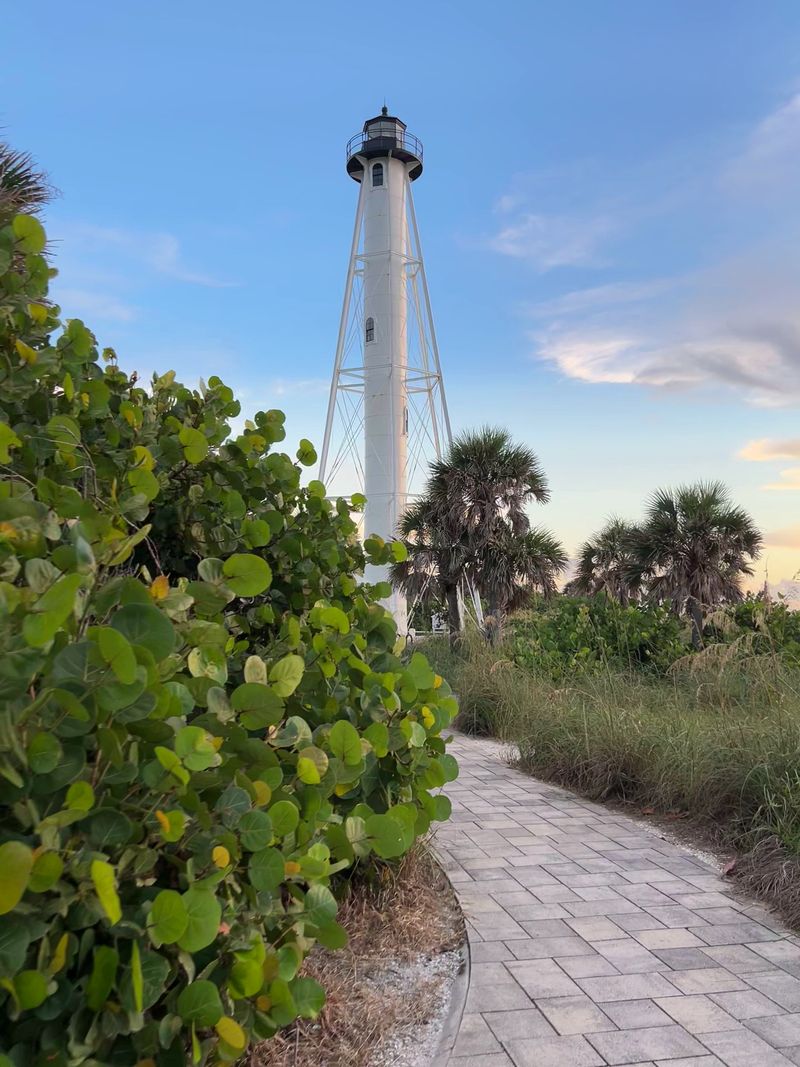
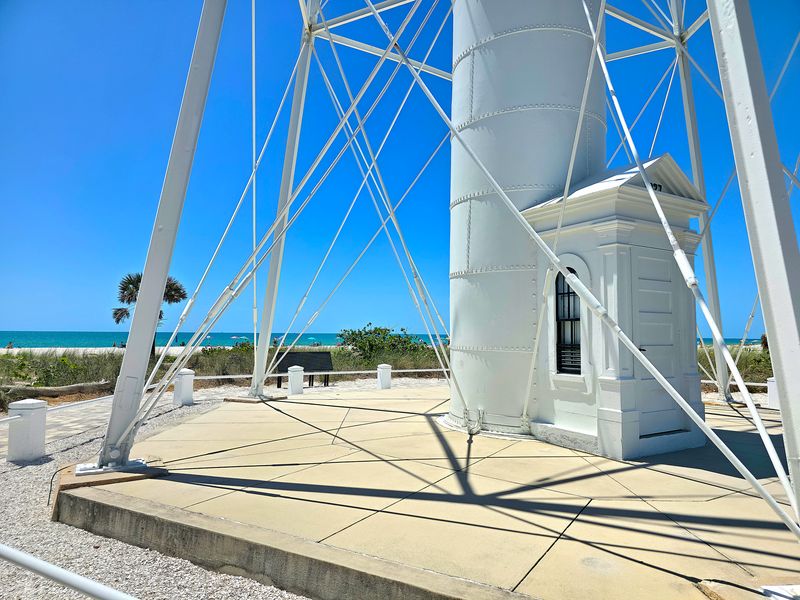
At first glance, the Gasparilla Island Lighthouse looks spare and almost delicate, a latticed iron tower rising above dune grass. Step closer and the design’s intelligence reveals itself. Rivets, cross braces, and anchored legs distribute wind loads across the frame. The result is a coastal athlete, lean and strong, made for Gulf weather.
The lantern room crowns the composition with quiet elegance. Clear panes and carefully restored metalwork create a jewel box for the beacon’s heart. You notice subtle curves and tidy seams that catch late afternoon light. Each angle turns shadow into pattern, a geometry lesson written in salt air.
Inside, the spiral ascent rewards patient feet. Treads echo with sandy steps, and handrails feel worn smooth by stories. Openwork construction means sea breezes slip through, cooling the climb and framing pockets of horizon. It is architecture that breathes with the coast.
Look for base plates anchored in stabilized ground, a reminder of the island’s shifting nature. The tower’s coloring nods to tradition without overpowering the landscape. Everything feels intentional, balanced between sky and sea. You leave reading the structure like a poem about resilience.
Planning your visit: hours, access, and etiquette
Before you go, check the official website for the most current hours and tour dates. Access varies, and special events can shift schedules quickly. Parking fills on beautiful days, so plan a bit of padding and bring patience. You will be grateful for comfortable shoes on sandy paths.
When visiting, respect the dunes and sea oats that protect the shoreline. Stay on designated walkways to help prevent erosion and preserve turtle habitat. Keep voices low near wildlife and fellow visitors. The lighthouse setting rewards quiet attention.
Photography is welcome, but be considerate of others lining up for that perfect angle. Avoid blocking pathways and be mindful with tripods. Drones are often restricted near nesting birds and sensitive areas, so confirm rules before flying. A little courtesy magnifies everyone’s experience.
Carry water, sun protection, and a small bag for your trash. If tours are open, arrive early to secure a spot and listen closely to docents. Their insights add depth you cannot get from signs alone. You will leave with both photos and perspective.
What makes its setting unforgettable
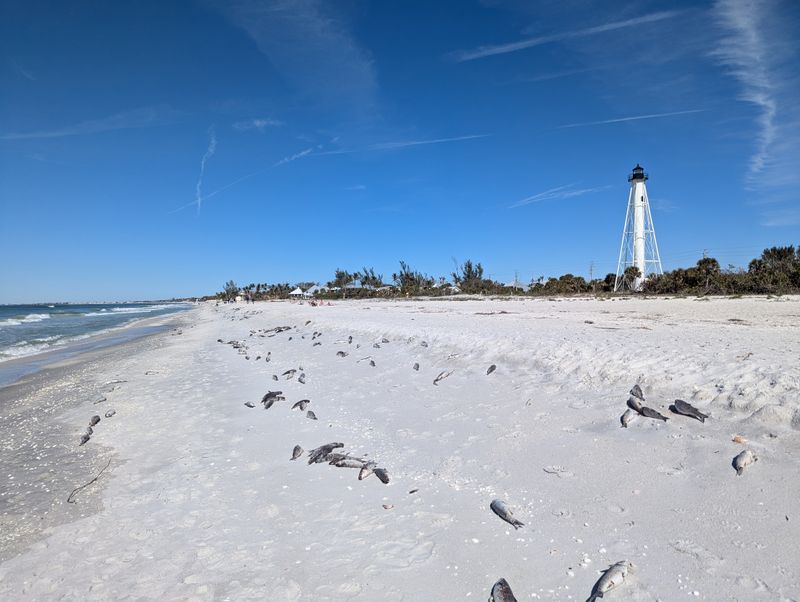
The setting steals your breath before the tower even comes into frame. White sand sweeps toward a watercolor line where the Gulf eases onto shore. Sea oats rustle like whispers, framing the lighthouse with living gold. Pelicans trace low arcs that mirror the coastline.
As you move, the composition keeps changing, each step a new postcard. The light shifts from bright silver to warm honey as the sun drops. You feel time stretching as shadows lengthen across the dunes. Even the wind seems to slow, respectful of the scene.
This landscape is uncluttered, so the lighthouse reads as both focal point and companion. It never shouts, it simply belongs. The balance makes your shoulders drop and your breath deepen. Beauty works quietly here.
Even on busy days, space opens if you wander a little. Shells click underfoot, and the sky provides endless ceiling. You sense the past hovering in the salt air, softened but present. The place stays with you long after you go.
Best times for photography and light
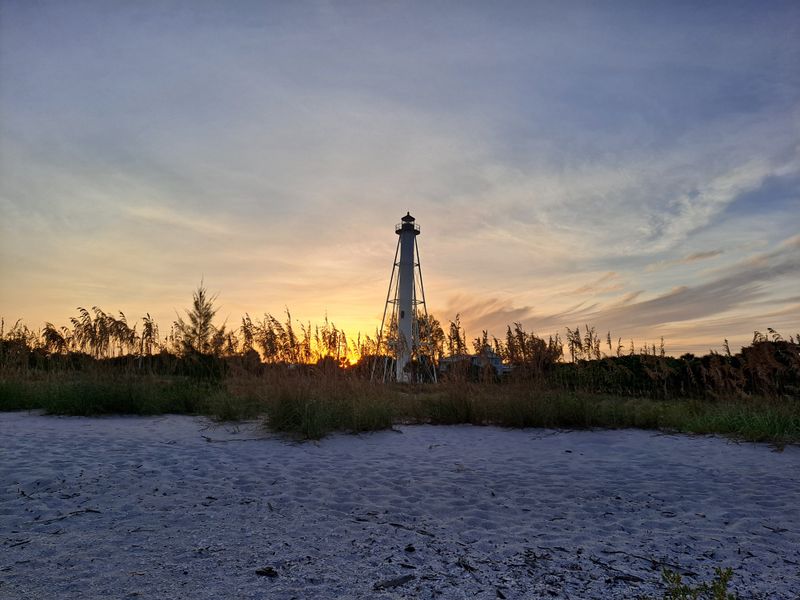
Morning brings soft pinks and forgiving contrast, perfect for your first wide shots. The Gulf often lies calmer, and footprints are few. You can work low angles near the dunes without harsh glare. Birds become moving brushstrokes at the edge of the frame.
Golden hour flatters the iron lattice with warm edges and long shadows. Position yourself slightly south for clean horizons and minimal clutter. Backlighting turns sea oats into filigree. Reflections ripple in tidal seams, giving you texture to play with.
Blue hour tightens the palette, letting the tower silhouette shine. A steady tripod helps in the dim, and bracketing guards your highlights. If conditions allow, linger for nautical twilight and watch colors slip to deep cobalt. Patience pays off in gradients.
Midday can still work if you chase graphic shapes. Use polarizers to tame glare and emphasize Gulf blues. Cloud cover acts like a giant softbox, so do not pack up when skies turn hazy. Every light has a story here, and you get to write it.
Local ecology and responsible enjoyment
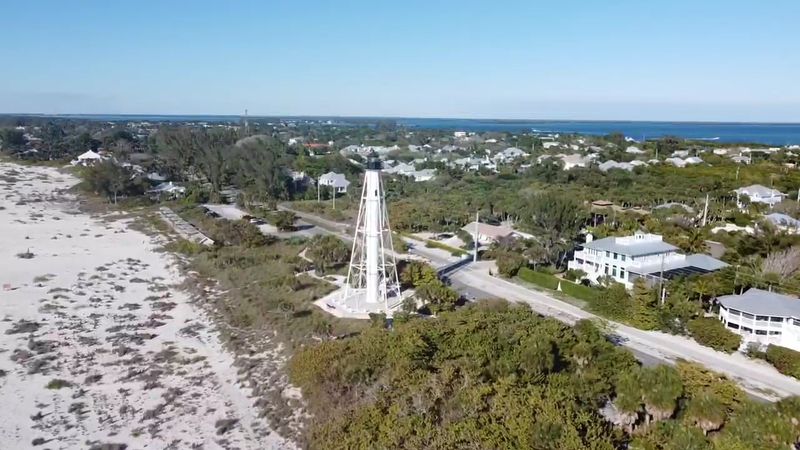
The dunes are alive, even if they look simple at first glance. Sea oats knit the sand together, shielding the island during storms. Gopher tortoises and shorebirds share these spaces with seasonal sea turtles. You are a guest in a busy neighborhood.
Respect posted ropes and stay on paths to protect fragile root systems. Night lights can disorient hatchlings during nesting season, so dim yours and shield your beam. Keep a gentle buffer from birds resting near the waterline. Your presence should be quiet and light.
Pack out every scrap, even the tiny wrappers that vanish into sand. Reef friendly sunscreen helps the water stay clear for longer. Refillable bottles reduce litter and weight in your bag. Small choices add up along the tide line.
Listen for docents or signs that highlight ongoing conservation. Learning the why behind rules makes them easier to follow. You will start noticing details others miss, like tracks, burrows, and native blooms. Stewardship turns a visit into a gift back.
Connecting with local history and community
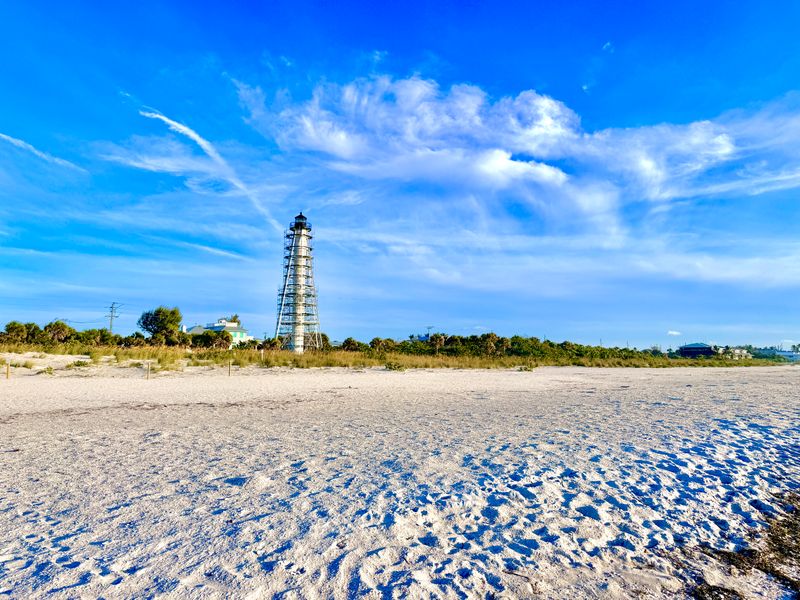
This lighthouse stands because a community chose to care. Volunteers raised funds, organized workdays, and told the story until it stuck. When you visit, you are stepping into that living circle. Gratitude hums through the railings and signs.
Docent talks weave shipping lanes, storms, and restoration milestones into a clear timeline. You can ask questions that guidebooks skip. Kids lean closer when a volunteer points to a rivet and explains why it matters. History becomes something you touch, not just read.
Local businesses echo the effort with quiet support. Cafes share flyers about events and tours, and guests bring curiosity back to the grounds. Your ticket or donation helps keep maintenance steady. It feels good to be part of momentum.
Carry that connection forward by sharing respectful photos and accurate info. Recommend patience and care to friends planning trips. The more people experience the lighthouse thoughtfully, the stronger its future. Community is the real beacon here.
Practical tips: parking, amenities, and nearby pauses
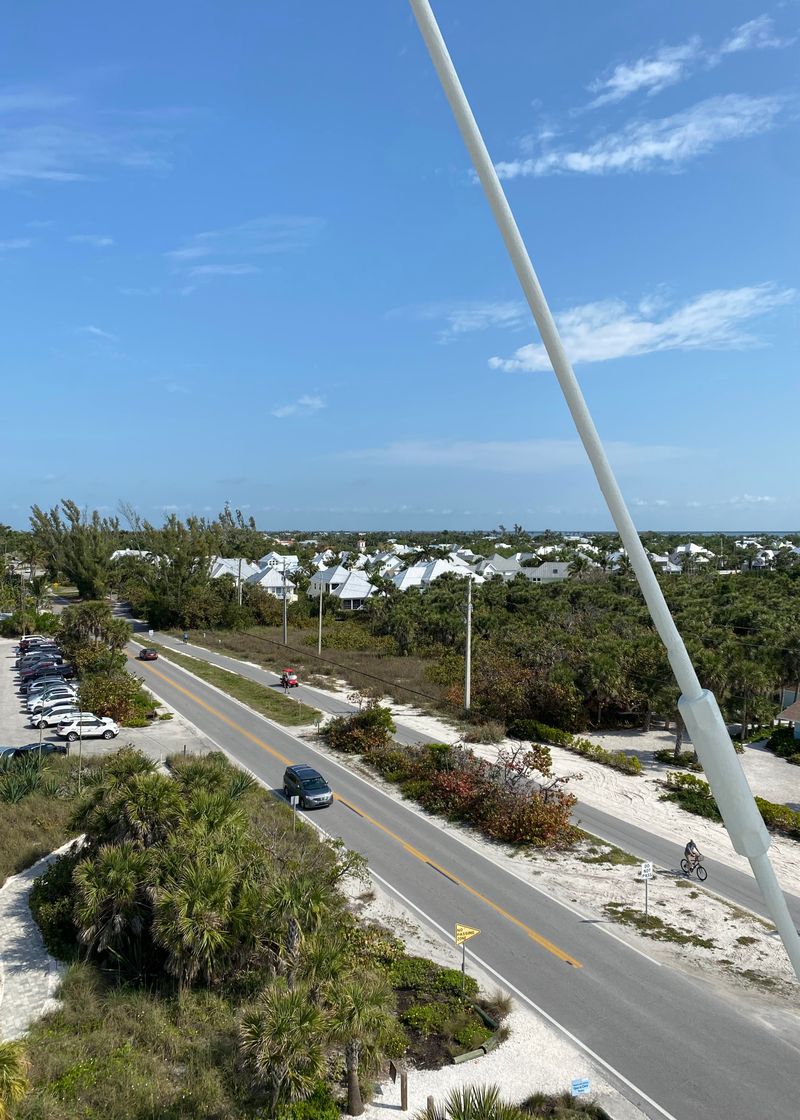
Parking near the lighthouse can be limited, especially on bright weekends and holidays. Arrive early or time your visit for late afternoon calm. Keep some cash or a card handy for local parking rules. A short walk may be part of the plan.
Bring water, a hat, and light layers for shifting Gulf breezes. Restrooms may be limited, so plan stops in town before you stroll the dunes. Simple snacks keep energy up without leaving crumbs behind. Pack a small bag for trash and shells you will not collect.
In Boca Grande, nearby cafes offer an easy breather before or after your visit. A cool drink tastes better after sea air and sun. Browse a few local shops and carry that slowed down rhythm with you. The lighthouse sets the pace.
Check the official site for special openings or closures before you drive. Weather can change quickly along the coast, and advisories matter. If you keep plans flexible, the day usually rewards you. You will leave refreshed, sandy, and satisfied.