Tucked beside the Wabash River, New Harmony feels like a quiet revelation that you will want to linger in.
The streets are walkable, the air is calm, and the layers of history unfold with every turn.
You come for a small town, but you find a big, thoughtful story told through architecture, gardens, and ideas.
Keep going, and you will see why this place gently exceeds expectations.
An Unexpected Gem in Southwestern Indiana
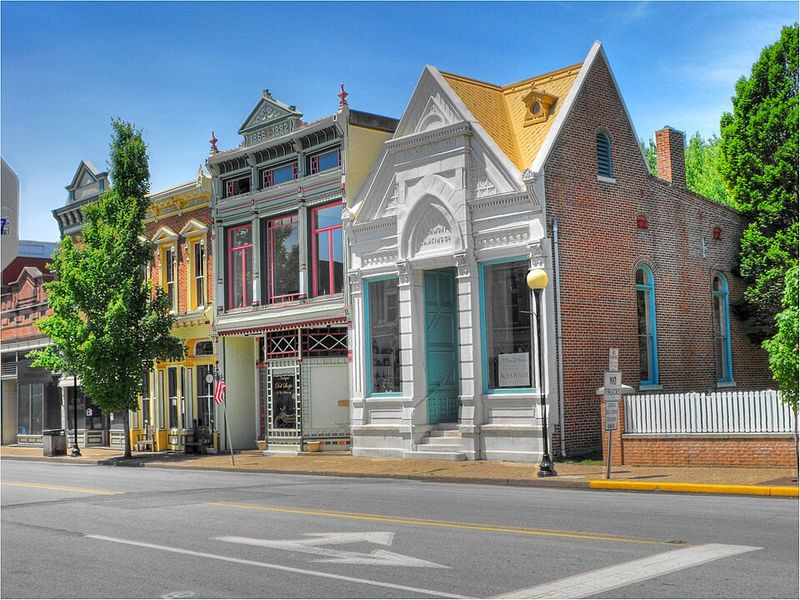
New Harmony feels like a discovery you make without a brochure, the kind of place that quietly invites you to slow down. You notice the brick streets first, then the way the light hits the old facades, and suddenly your shoulders drop. The town is tiny, yet it has a layered presence that belongs to bigger cultural centers.
Time moves differently here, with walking as the default pace and conversation encouraged by the scale of the streets. You can leave your car and let curiosity be a compass, wandering from gardens to galleries to river views. The beauty is not flashy, but it is persistent, and that subtlety is part of the charm.
What surprises most visitors is how complete the experience feels for a town of fewer than 800 residents. There is enough to fill a day or two, with room to breathe and reflect in between. Every corner seems to whisper a story about intention, community, and the value of silence.
Spend a morning listening to birds near the Wabash River, then drift toward a museum or the labyrinth without urgency. You will find benches in the right places and shaded paths that guide your feet. It is a rare alignment of simplicity and richness that makes lingering feel natural.
Even if you arrive without plans, the town arranges itself around you. Shops are friendly, gardens are open, and the sense of welcome is unforced. This unexpected gem proves that small does not have to mean simple, and quiet does not have to mean dull.
A Town Built on Idealism and Big Ideas
New Harmony began as a bold experiment, where religious separatists and later social reformers imagined a community shaped by equality and learning. Walk the streets and you can sense the ambition that once pulsed through every workshop and meeting hall. The idea was not just to live together, but to live better through shared purpose.
Education sat at the center, entwined with questions of labor, science, and ethics. You see this spirit in preserved structures and archival stories that still find their way into tours and talks. It is striking how a small settlement carried such large intellectual dreams.
The town invites you to consider what it means to design a life around values rather than convenience. There is a clarity to that vision that still feels modern, even urgent. You are not just looking at old buildings, but at a blueprint for societal experimentation.
Failures are part of the narrative, and New Harmony does not hide them. Communal living demanded compromise and resilience that proved hard to sustain. Yet the residue of trying remains a powerful teacher.
When you step into a garden or a hall here, you are stepping into a conversation that never really ended. The questions about fairness, learning, and community still apply to daily life. New Harmony makes those questions feel approachable, which might be the most radical legacy of all.
Remarkable Historical Significance for Such a Small Place
Despite its modest size, New Harmony shaped early American thought in science and social reform. You will find references to education initiatives that rippled far beyond Indiana, rooting ideas in classrooms and lecture halls nationwide. It is a lesson in scale, proving influence does not require a metropolis.
Museums and interpretive centers highlight figures who used the town as a launching pad for research and public discourse. Exhibits present artifacts and diagrams that make complex movements feel human and accessible. You come away with timelines that connect this quiet grid of streets to national change.
The people who gathered here treated knowledge as a communal resource, not a private stash. That mindset fostered collaboration across disciplines, from natural sciences to social theory. It is easy to imagine lively debates spilling out of meeting rooms and into gardens.
Walking between sites, you realize the distance between past and present is only a few blocks. The continuity is strengthened by careful preservation and thoughtful curation. Even casual visitors can trace these intellectual threads without getting lost in jargon.
For a small town, the historical gravity is surprisingly gentle, never overbearing. You can absorb big ideas at your own pace, with room to pause by the river. It is that blend of significance and serenity that makes New Harmony unforgettable.
Preserved Architecture That Feels Frozen in Time
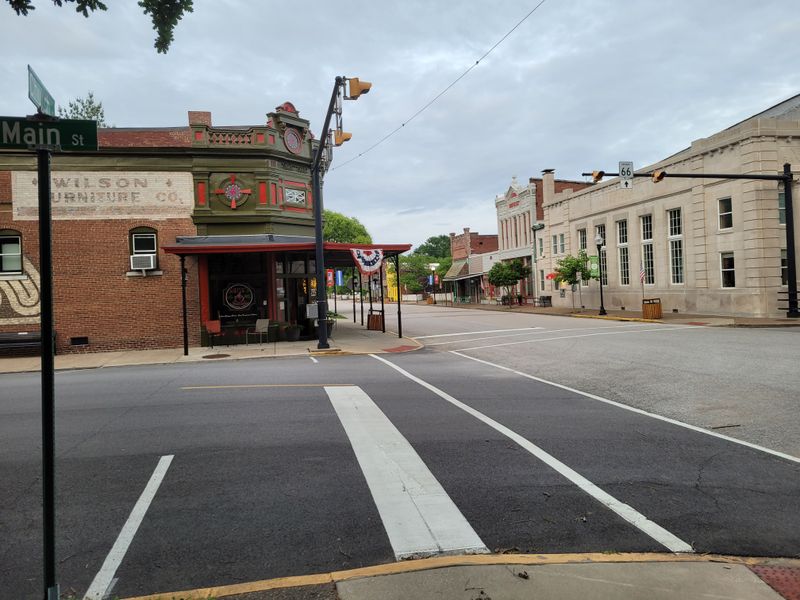
New Harmony’s buildings hold their age with grace, offering facades that look comfortably settled rather than staged. Brick, wood, and thoughtful restoration choices create a streetscape that feels authentic. You sense care in every eave and doorway, like the town is maintaining a conversation with its own past.
As you stroll, the continuity of materials ties separate eras together. It is not a theme park, and that restraint makes the atmosphere believable. Even the imperfections have charm, reminding you that people, not algorithms, built these places.
Step closer and details emerge: hand wrought hardware, period glass, and subtle color palettes that sit quietly under Indiana light. The scale encourages eye level engagement, so you notice textures you would miss in a larger city. It is a tactile kind of history you can almost feel under your fingertips.
The preservation is not just cosmetic. It supports storytelling, orienting you within the town’s evolving ideals. Each corner hints at choices about community, work, and hospitality that still resonate.
Photographers love this, of course, but anyone with a phone can capture something lovely without trying too hard. The architecture frames your experience and slows your steps in the best way. Before long, the pace of the past feels like the right pace for today.
The Harmonist Labyrinth: A Symbolic Centerpiece
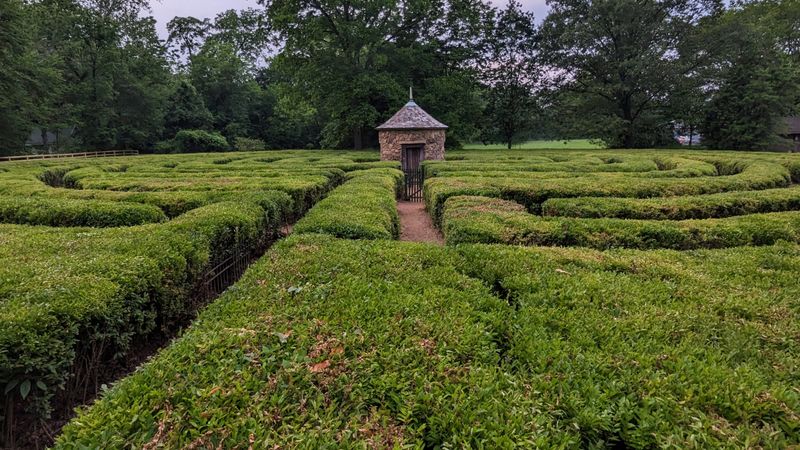
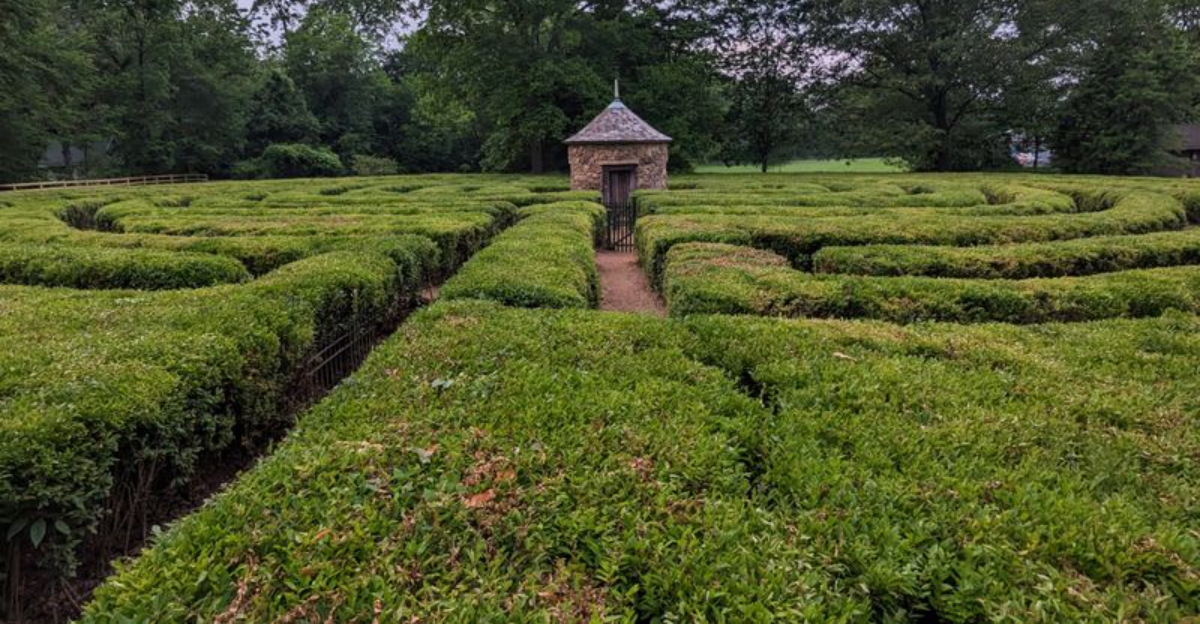
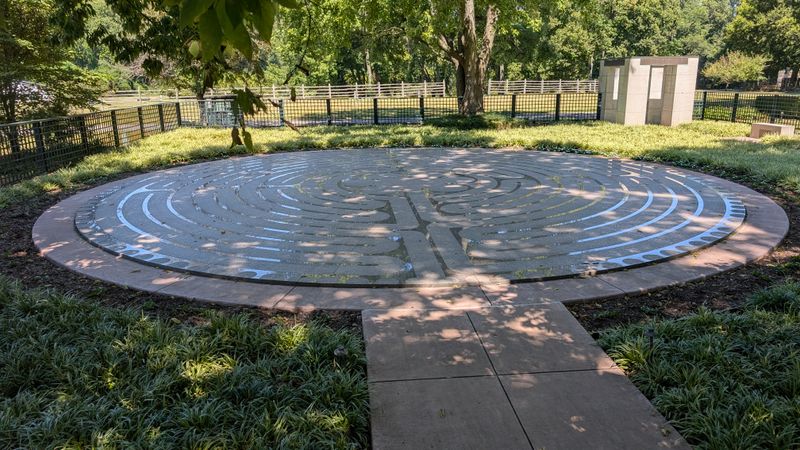
The Harmonist Labyrinth might be the most quietly powerful experience in New Harmony. You enter with a simple goal to reach the center, but the path demands patience. It is a physical metaphor for thought, a practice in attention that pays off with calm.
Hedges guide you through spirals that feel both deliberate and forgiving. Children take delight in the twists, while adults rediscover the joy of moving slowly. The design nods to philosophy without requiring footnotes or lectures.
At the center, you pause and listen, and the town’s hush becomes audible. Birds, leaves, maybe a distant bicycle create a gentle soundtrack. You carry that stillness back into the streets when you leave.
Visit in late afternoon for soft light tracing the green geometry. The shadows lengthen, and the labyrinth reads like a living drawing. It is perfect for a reset between museums and dinner.
Even if you do not usually seek meditative spaces, this one feels easy to enter. There is no script, just the nudge to wander and notice. New Harmony’s mind and heart meet here, and you will feel it.
An Artistic and Intellectual Haven in Rural Indiana
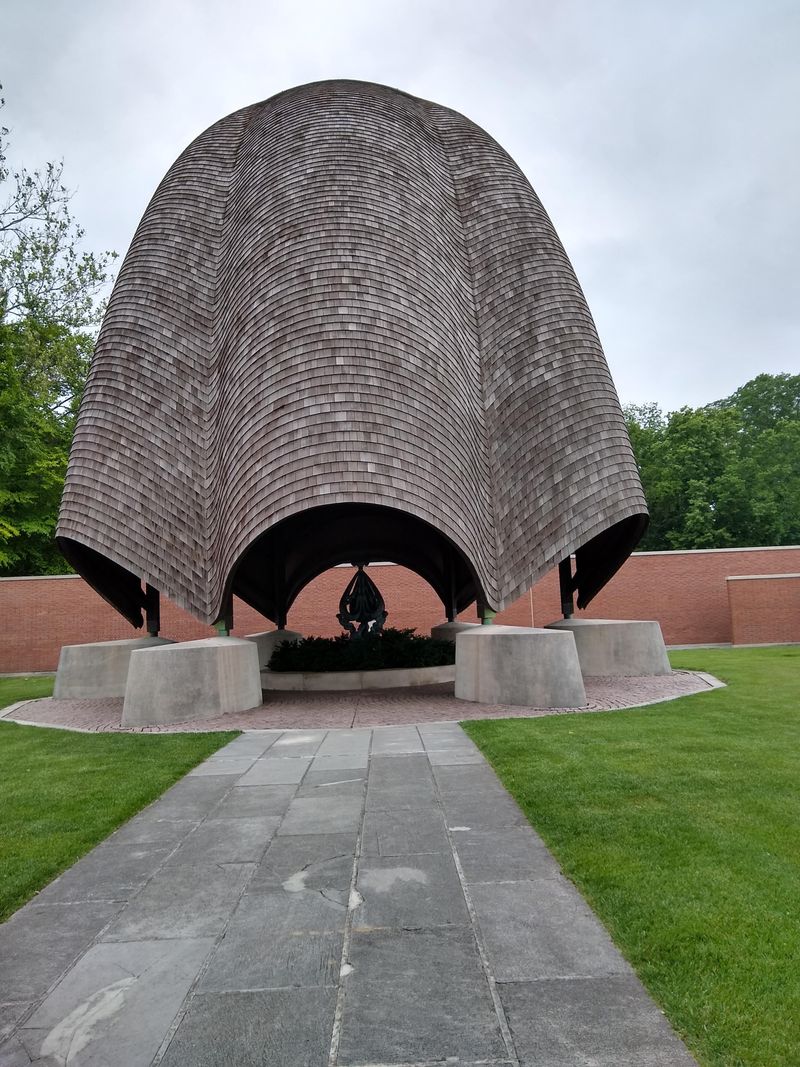
New Harmony attracts artists and thinkers who appreciate quiet places that take ideas seriously. Galleries, studios, and programs extend a long tradition of residency and reflection. You can browse contemporary work steps from buildings rooted in early utopian thought.
The mix of past and present is energizing rather than contradictory. Exhibitions often speak to the town’s themes of community and inquiry, adding new layers to old conversations. A morning of art pairs naturally with an afternoon walk to the river.
Workshops and talks make it easy to engage without pretense. You can ask questions, meet makers, and leave with a sense of participation. It is approachable, the opposite of gatekeeping.
Because the town is compact, chance encounters happen often. A chat on a porch can lead to a gallery recommendation or a studio visit. Ideas drift in the air like pollen, and you will likely catch a few.
If you need a reset, sit with a notebook under a tree and watch the light change. Inspiration here is not loud, but it is steady. New Harmony proves that rural and intellectual are not opposites at all.
Walkability and Slow Paced Charm
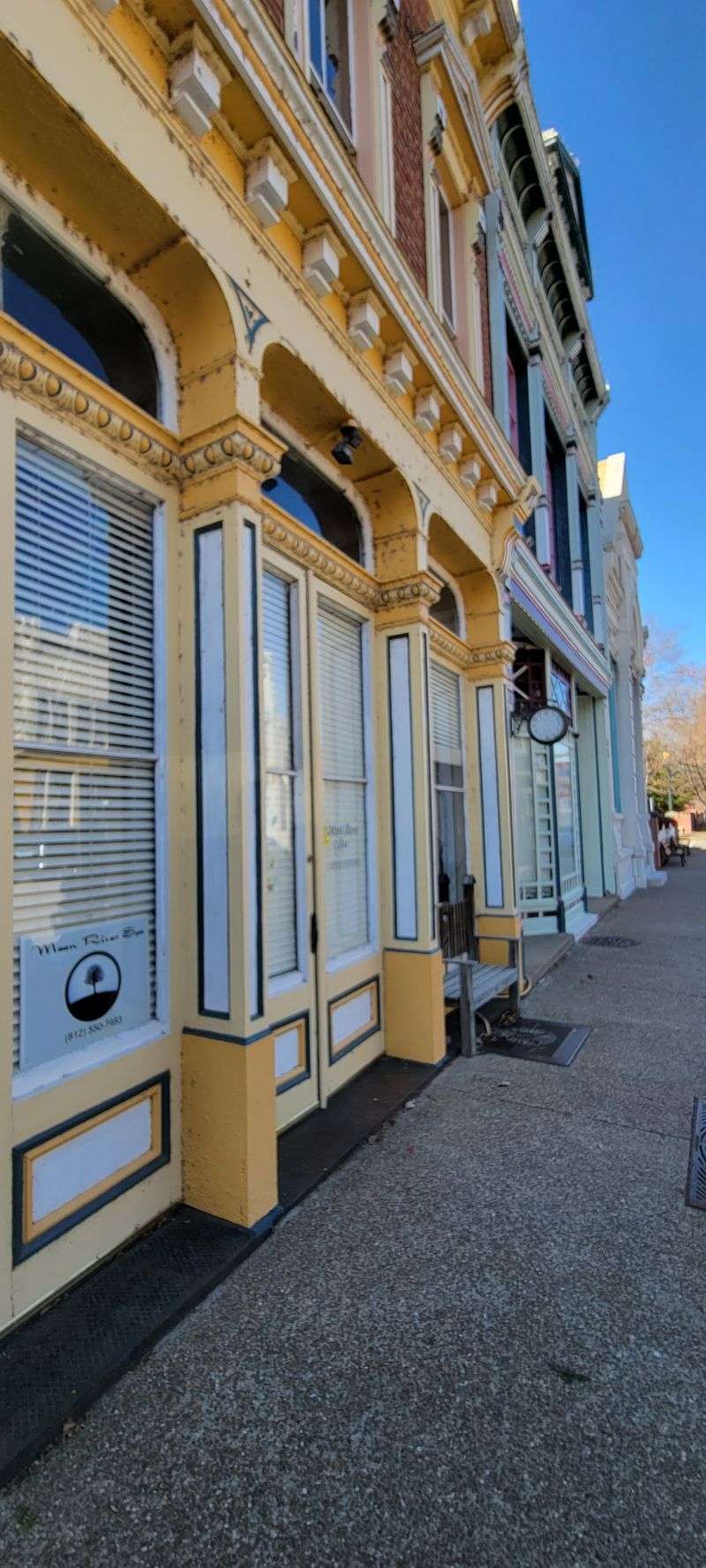
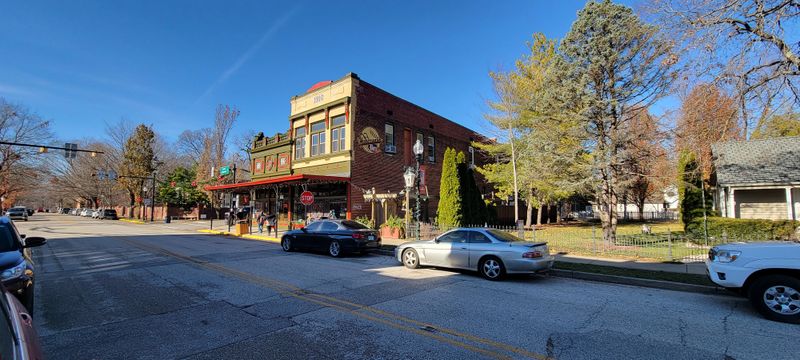
The best way to know New Harmony is on foot, where distances shrink and details grow. Sidewalks knit together gardens, museums, shops, and river overlooks with effortless ease. You can cover a day’s worth of experiences without touching your car keys.
Walking here changes how you interact with time. Instead of deadlines, you follow curiosity to the next quiet corner. The town’s scale encourages spontaneous detours that always seem to pay off.
Cafes and benches appear right when you want them, like the place has anticipated your needs. Shade trees soften summer heat while brick paths keep you grounded. Even a quick errand becomes a tiny pilgrimage.
Cyclists fit comfortably into the rhythm, gliding past with a nod. There is no hurry, no honking chorus, just the steady cadence of footsteps. The absence of noise makes conversations feel richer.
By day’s end, you will have a mental map built from sensory moments rather than street names. That is how New Harmony leaves its mark, through lived texture. Slow pace here is not a lack, it is a gift.
Unique Museums and Cultural Sites
New Harmony blends old and new through museums that feel tailored to curious minds. The Atheneum’s striking modern architecture introduces the town with clean lines and thoughtful exhibits. From there, smaller specialty spaces deepen the narrative with focused collections.
What stands out is how accessible the information feels. Displays invite you to touch, listen, and connect with the people behind the artifacts. It is education shaped like a conversation rather than a lecture.
Docents add personal color, steering you toward details you might otherwise miss. Their stories link buildings to broader movements in science and social reform. You leave with context that sticks long after the visit.
Pair a museum hour with a walk to a historic house, then loop back for a film or talk. The scale makes it easy to weave culture into a relaxed schedule. You never feel rushed, yet you cover impressive ground.
By sunset, exhibits start to echo in the quiet streets, turning the whole town into an open air archive. That synthesis is rare and memorable. New Harmony’s cultural sites make learning feel like leisure.
A Peaceful Escape from Modern Noise
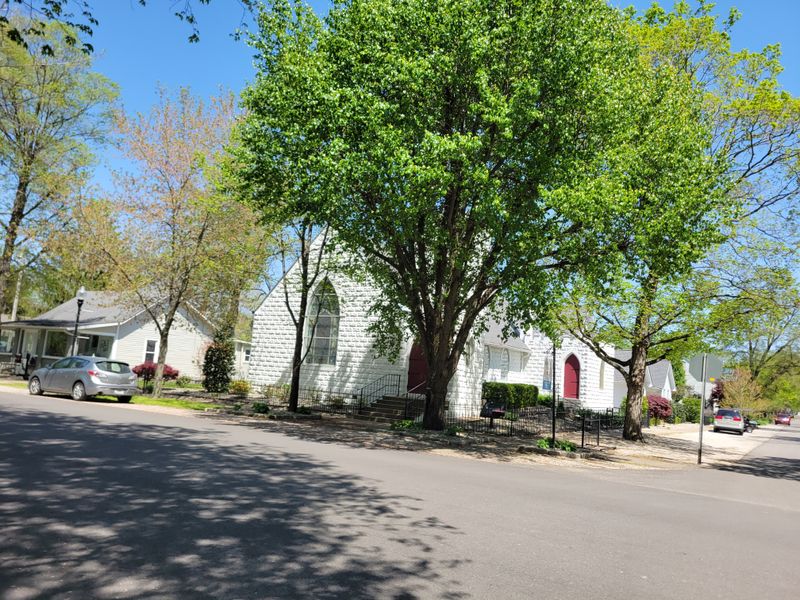
If you crave quiet, New Harmony delivers it without pretense. Traffic is light, sirens are rare, and the soundtrack leans toward wind and birds. You feel your attention unspool in the best possible way.
Green spaces thread through town, offering easy pockets of calm. Sit with a book or simply look up at sky framed by leaves. Even a few minutes can soften the edges of a busy week.
The absence of big box clutter keeps visual noise low. Architecture and landscape share the stage, giving your eyes room to rest. It is remarkable how quickly your breathing finds a slower rhythm.
Evenings are especially soothing, with porch lights flicking on like small constellations. Conversations drift, never competing with engines or screens. You are reminded that stillness is a human need, not a luxury.
Leave with a lighter mind and a gentler step. The peace here is portable, and you can carry it home. New Harmony proves quiet can be one of the most memorable amenities.
Seasonal Beauty Along the Wabash River

The Wabash River shapes New Harmony’s edges with a calm, reflective presence. Trails and overlooks give you shifting views that change with the seasons. It is a simple pleasure to watch water carry the light away.
Fall is the showstopper, when maples and oaks set the banks ablaze. Even a brief walk becomes a painterly sequence of golds and reds. Bring a camera, or just let your memory do the work.
Spring brings wildflowers and a soft green haze that feels brand new. Summer offers long evenings and cicadas, while winter pares back the view to elegant lines. Each season reveals a different rhythm to the same steady river.
Birdwatchers will find reward in patient pauses. Herons, eagles, and migratory flocks use this corridor like a highway. You might spot them while sipping coffee on a quiet bench.
Stay long enough and the river sets your internal metronome. Its pace is forgiving, its lessons unhurried. You leave with color in your mind and calm in your bones.
Why New Harmony Feels Different from Other Small Towns
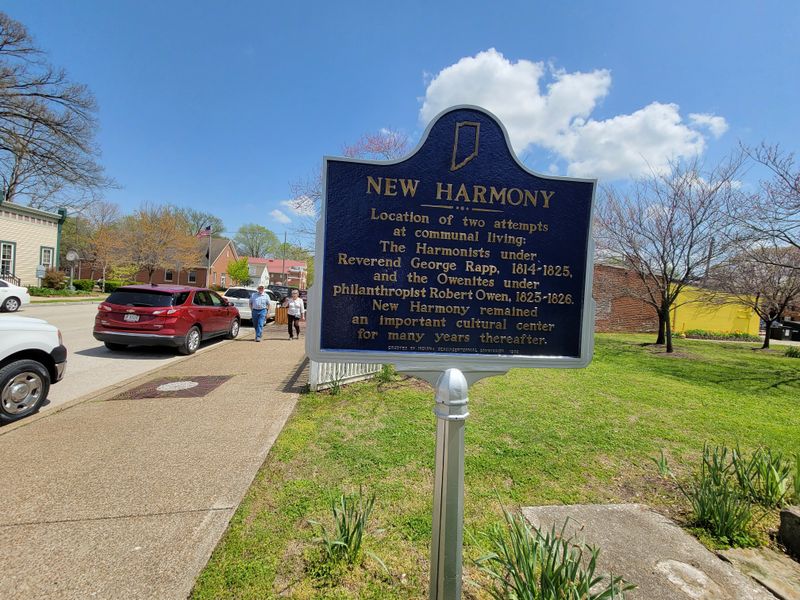
Many small towns lean on industry, festivals, or retail to define themselves. New Harmony leans on ideas and reflection, and that center of gravity changes everything. You feel it in the programming, the architecture, and the gentle cadence of daily life.
The town invites participation rather than consumption. You are encouraged to think, not just buy, and to wander, not just check off sights. That shift leaves space for personal meaning to surface.
Because the narrative is layered, repeat visits reveal new threads. One trip might be all history, the next all gardens, another about art and conversation. The flexibility makes the experience deeply yours.
There is also honesty in how the town handles its utopian past. It celebrates ambition while acknowledging friction and failure. That maturity builds trust with visitors and residents alike.
In the end, the difference is how you feel when you leave. Instead of a bag of souvenirs, you take questions, clarity, and a calmer pace. New Harmony lingers in thought, not just in photos.
Conclusion: A Town That Quietly Exceeds Expectations

New Harmony does not shout for your attention, and that restraint is part of its magic. You arrive curious and leave grounded, surprised by how much a small place can hold. The town’s gifts are cumulative, building gently from site to site.
History, art, gardens, and the river braid into an experience that feels whole. Nothing is forced, and yet everything connects. You notice the difference only after you slow down enough to feel it.
The memory that follows is quiet but persistent. It shows up in how you walk, how you listen, how you plan the next day. You keep thinking about what a community can be when it values ideas.
If you are lucky, you will return in another season and find the town new again. The same streets will offer different light and different questions. That is the reward for paying attention.
New Harmony may be lesser known, but it is not lesser at all. Give it time, and it will exceed expectations with grace. You will carry a piece of it long after you go.