Some towns flirt with nostalgia, but Winthrop marries it with conviction.
Wooden boardwalks, cowboy signage, and big-sky horizons make every step feel like a film still you accidentally walked into.
You look up from a scoop of huckleberry ice cream and the North Cascades frame the moment like a director planned it.
If you have ever wished a movie set could be real, this place quietly proves it can be.
A Real-Life Old West Movie Set
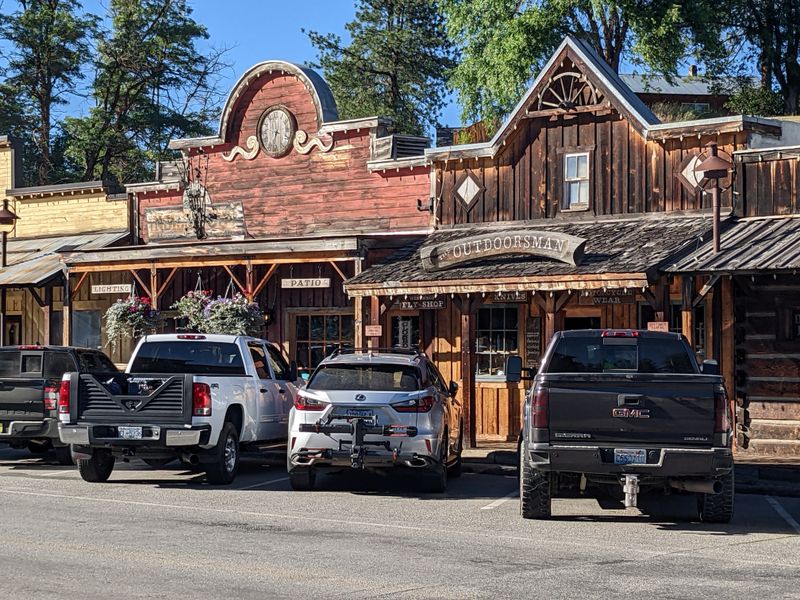
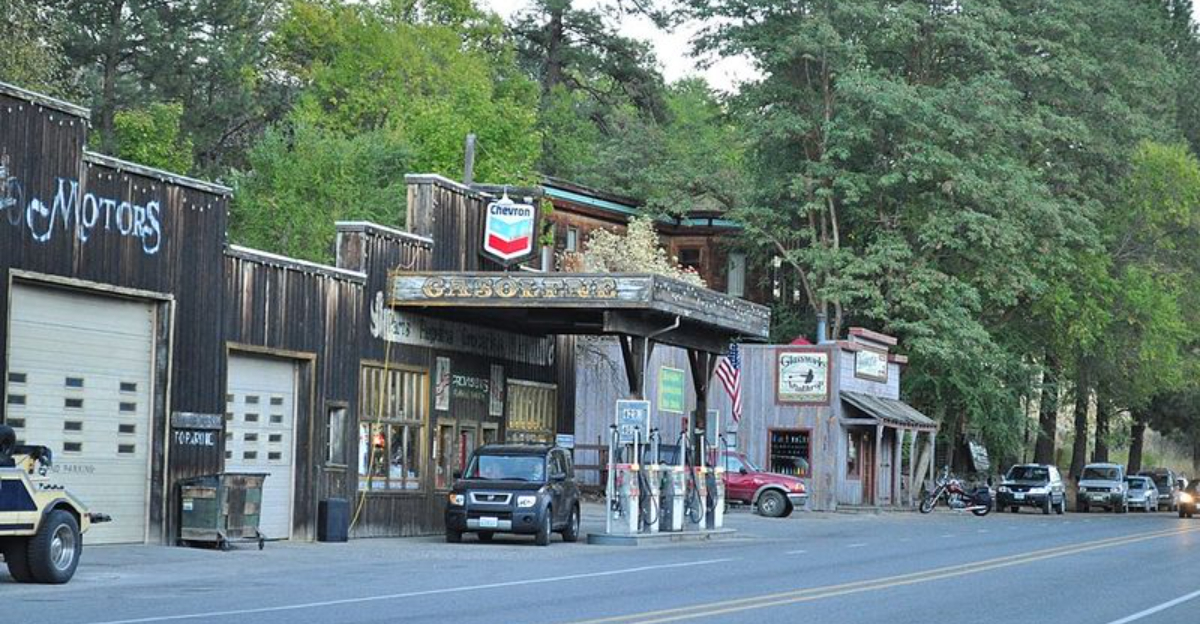
Walk down Riverside Avenue and you immediately notice how your pace naturally slows to match the timber creak of the boardwalks. False-front facades cast layered shadows that feel deliberately lit, like a set designer dialed in the contrasts just for you. The clap of a swinging saloon door turns heads, and suddenly you are listening for spurs that may or may not exist.
What makes it so convincing is how ordinary it all feels once you settle in. You grab a coffee in a building that could have been a livery stable, then browse shelves of local art in a shop with hand-hewn beams. The smell of pine, leather, and fresh pastry mingles in the air, and you realize authenticity is not a prop here.
Details stack up in quiet ways. Street signs lean into Western typography without feeling like a parody, while window displays showcase modern goods behind wavy old glass. Mountains shoulder the scene like matte paintings brought to life, reminding you that this is not a set, just a town with excellent instincts.
You will notice how cameras come out instinctively, even for people who swear they are not photo people. Corners line up into natural frames, and every storefront suggests a character backstory. If you have ever wanted to step into an establishing shot, Winthrop hands you one with every block.
As daylight shifts, the wood warms to amber and the sky slips toward lilac, and the entire street feels gently rehearsed. Music drifts from a porch, the boardwalk hum softens, and time blurs between eras. You leave with dusty boot soles and a head full of scenes, wondering how a place can be so cinematic without trying too hard.
A Town That Chose Story Over Modernization
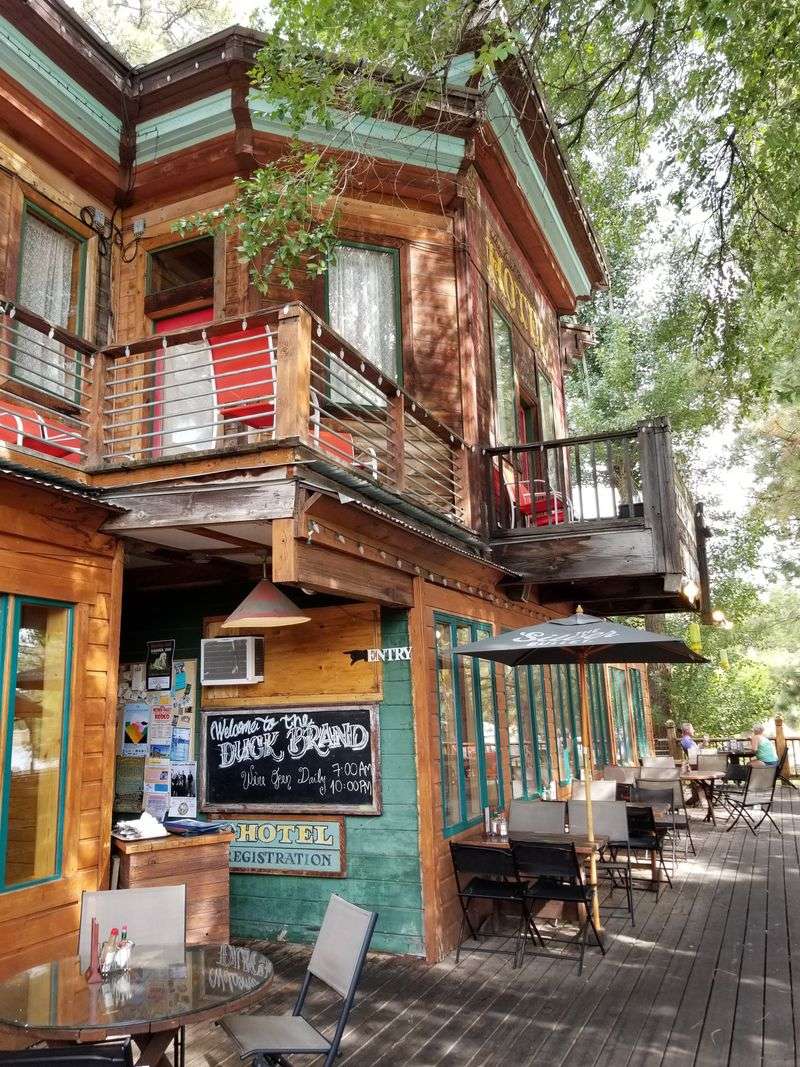
Winthrop did not stumble into its look; it chose a narrative and stuck to it. After economic hardship and rebuilding, locals doubled down on an Old West identity with astonishing discipline. That decision reads everywhere, from signage standards to the way colors and materials thread a continuous mood through town.
Instead of chasing a shiny, interchangeable main street, Winthrop took the long view and made character the currency. You see it in the absence of jarring neon and the presence of painted timber, iron hardware, and era-appropriate trim. Even modern businesses respect the costume, quietly integrating current comforts behind the scenes.
There is a sense of collaboration baked into the streetscape. It feels like the entire community agreed on a script and keeps delivering it, one building permit at a time. That unity gives the town a cinematic cohesion most places lose to convenience and speed.
When you pause to read a plaque, you are reminded how deliberate choices become tradition. The 1970s preservation push is not just nostalgia; it is strategy that keeps visitors returning and residents proud. You can feel the relief in a place that knows what it wants to be.
Walk long enough and the lesson sinks in. Story beats shortcuts. You leave appreciating how design guidelines, of all things, can make a place warmer and more human, like someone curated the world just enough for you to relax into it.
Surrounded by Jaw-Dropping Scenery
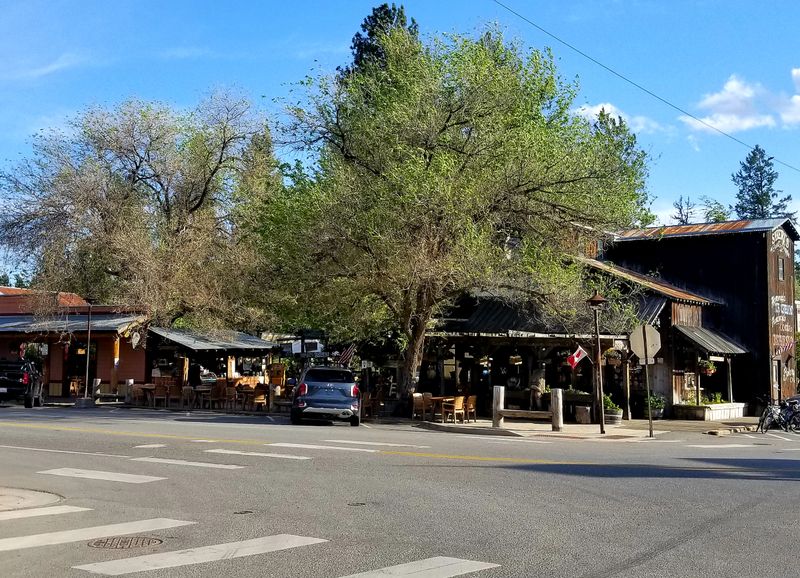
Stand anywhere near Winthrop and the landscape composes itself. The Methow Valley rolls out in soft greens and golds while the North Cascades rise like a rugged proscenium. Even roadside pullouts feel like camera dolly spots waiting for the cue.
Morning brings alpenglow that brushes peaks with blush tones, and the river moves like a steady tracking shot beside cottonwoods. You catch yourself whispering without meaning to, as if any loud noise might break the spell. The scale is generous, but the details invite you closer with birdsong and moving grass.
Afternoons stretch wide under high, painterly clouds. Hills fold in sunlit layers and distant ridges look almost painted, the edges softened by heat and haze. You frame shots with your eyes and realize you are not even holding a camera yet.
At sunset, everything goes cinematic. The sky throws peach and violet bands while barns and fence lines step into silhouette, and the river gathers color like a mirror. You keep thinking this would be the perfect closing scene, except the next bend keeps revealing another.
The beauty is not only in the big vistas. It is in the hush of pine, the flash of a trout, the way dust hangs ember-bright in a slant of light. You leave with pockets of quiet that feel like souvenirs you cannot misplace.
Seasonal Magic That Feels Scripted
Winter in Winthrop looks like a snow globe that learned restraint. Frost trims the boardwalk rails, breath clouds the air, and the rink downtown fills with soft laughter and careful glides. The hush after a storm turns streets into quiet sets where every footstep writes a line.
Spring unpacks slowly with creek chatter and shy wildflowers. Shops put out benches, and hikers reappear with trail dust and smiles. You start planning early mornings and golden-hour dinners because light here is part of the season.
Summer plays the adventure reel. Rivers glitter for paddles and fly lines, and long evenings refuse to end until stars turn on, one by one. Heat shimmers above the road while the mountains hold their cool composure in the distance.
Then fall arrives in a soft swoop of gold. Cottonwoods go luminous, apples pop in bins, and harvest weekends spin up with live music and pie. Every corner feels like a postcard that already knows your favorite colors.
The best part is how each change feels intentional without being staged. You keep discovering that the town has perfect timing: a festival just when you need it, a quiet lane when you want to think. It is the kind of rhythm that convinces you to stay one more day.
A Slower Pace That Feels Like Another Era
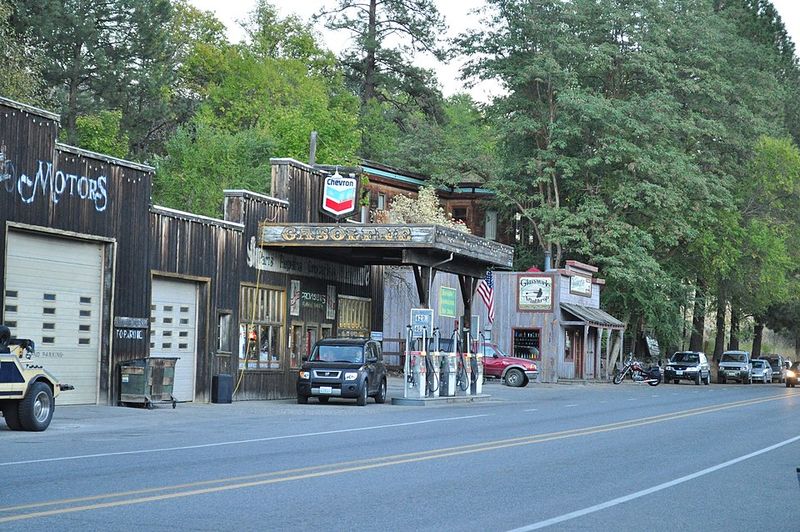
There is a quiet agreement in Winthrop that life should be lived at a human speed. Shops close before the sky goes fully dark, and nobody seems offended by a handwritten sign that says back at 10. You find yourself matching the rhythm without being asked.
Mornings start with coffee steam and unhurried greetings. Someone waves from a porch, and a dog naps beside a hitching rail that is more history than necessity. If you are used to constant urgency, the change feels like removing a weight you forgot you were carrying.
Afternoons wander. You browse, chat, step outside for a breath of resin-scented air, then walk nowhere in particular just to feel board planks underfoot. Time stretches in a kind way rather than a bored one.
By evening, conversations drift into the street while light spills from windows in warm rectangles. Dinner feels like a long scene with plenty of closeups and no rush to cut. You realize that in this pace, small talk becomes real talk.
The gift of slowness here is not empty. It is filled with the texture of place: footsteps, creek noise, a bell somewhere, laughter from a side door. You leave with the steady conviction that not everything needs to hurry to matter.
Quirky Shops and Saloon-Style Dining
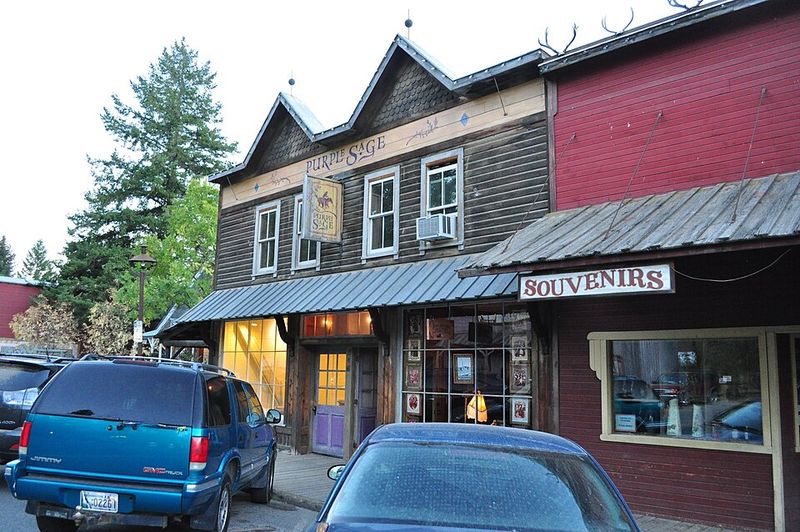
The storefronts in Winthrop are playful without tipping into kitsch. A candy shop lines glass jars like a rainbow, and you feel eight again as the scoop clinks against the jar rim. Next door, a Western outfitter sells hats that somehow fit even the hat-averse.
By lunch, you are sliding into a saloon booth with a view of the street and a menu that mixes comfort with local pride. The steak is honest, the burger leans tall, and the pie reminds you that butter and time solve most problems. Clinks from the bar mingle with friendly talk like uncredited background music.
Shops reveal modern surprises behind the period facades. You might find espresso pulled with precision, a gallery with bold contemporary pieces, or a gear shop that will tune your skis while sharing trail lore. The contrast is charming, not jarring, because the outer story holds steady.
Every door you open carries the cozy whoosh of wood and history. Staff greet you like a regular by the second visit, and you start recommending places to people you just met. It is the kind of loop that makes a traveler feel briefly local.
Evenings return you to the saloon glow for a final round. Plates land with satisfying heft, and outside, boots knock boardwalk dust free. You leave savoring a town that respects its costume while feeding you very well.
A Favorite Stand-In for Somewhere Else
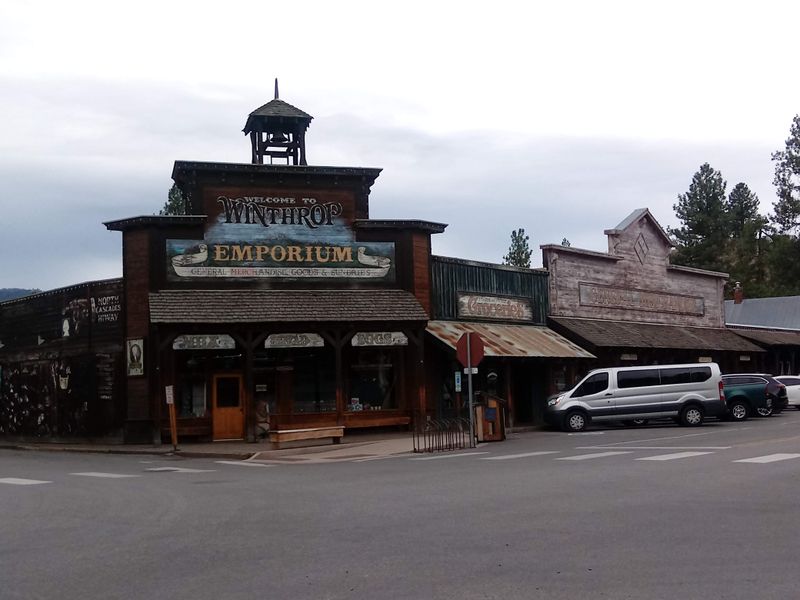
Even when there is no production in sight, Winthrop reads camera-ready. The architecture delivers the shorthand of time and place with a clarity that directors dream about. You could point a lens in any direction and capture continuity without dressing the scene.
Locals barely blink when a photo crew appears at dawn to chase that perfect boardwalk glow. The town understands the compliment inherent in being a stand-in: it looks like the idea of the West without feeling fake. That balance makes it useful, beautiful, and strangely intimate.
For travelers, the filmability translates into effortless pictures. Candid moments become portraits, and signage behaves like a cooperative co-star. Even your phone seems to take a deeper breath before snapping.
You might overhear talk of a shoot, or catch a model horse tied where bikes usually lean. Nothing stops, but the day gains a playful energy, like an unscripted cameo. People help each other find the good light because the good light is everywhere.
The best part is realizing that Winthrop does not need the camera to be itself. It attracts lenses because it feels coherent and lived-in. You leave with images that look intentional because the place already is.
Outdoor Adventures Straight Out of a Montage
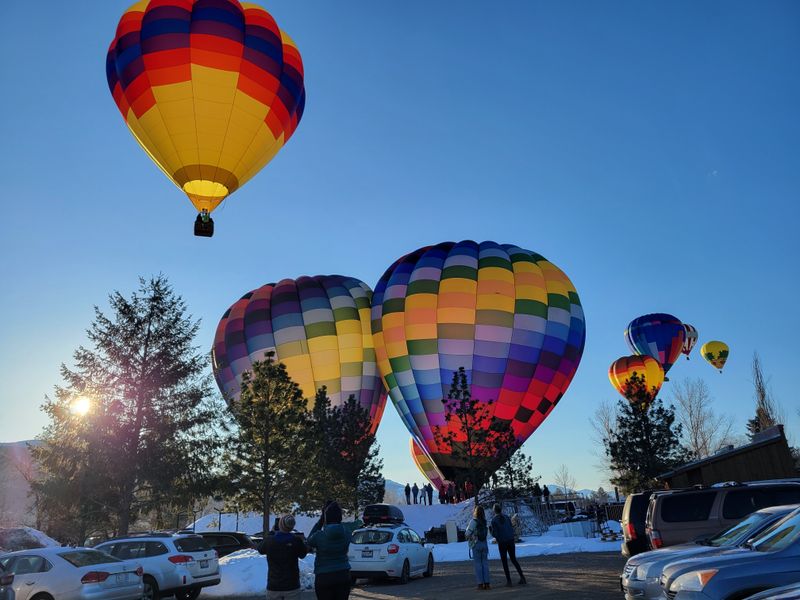
If your dream sequence includes lacing boots and disappearing toward a ridge, Winthrop will happily oblige. Trails spool out from town into sage, pine, and rock, with views that reward even short efforts. You get that montage feeling when scenes stack: creek crossing, switchback, ridge reveal.
On horseback, the tempo changes and the land speaks in hoofbeats. Guides share stories about old trails and wildlife, and the saddle rhythm settles you into a different kind of focus. Dust lifts in sun shafts like glitter you are allowed to enjoy.
Rivers add their own music. Fly lines arc cleanly under cottonwoods while trout flash like quick edits, and you forget everything except the current and the next cast. Even if you are just watching, it is soothing in a way that sticks.
Winter re-slices the montage into soft sequences. The Nordic trails are famously groomed, and the glide is addictive, especially when you hit a sunlit meadow. Breath fogs, skis whisper, and you feel perfectly placed in the frame.
Back in town, your legs are pleasantly used and the boardwalk feels like a victory lap. Food tastes better, beds feel kinder, and tomorrow’s plan writes itself. It is the kind of outdoor access that turns weekends into mini epics.
Nights That Feel Like the Closing Scene
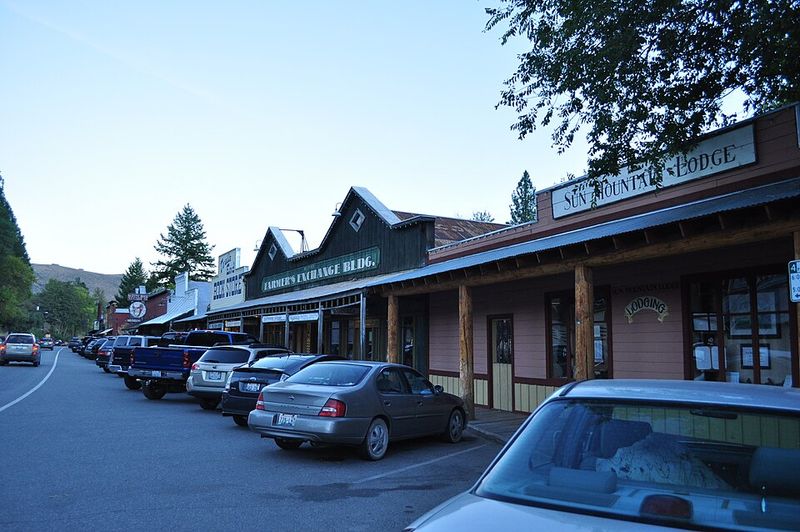
When evening settles in, Winthrop shifts from bright Western to gentle epilogue. String lights trace the eaves, and windows glow like campfires contained behind glass. Conversations soften, shoes slow, and even cars seem to whisper by.
Blue hour is especially tender here. The mountains cut clean shapes against a deepening sky, and the air carries woodsmoke and a little sweetness from someone’s dessert. You look up and think, this is the final shot, then remember there is still dessert for you too.
Music may float from a porch or a back room, the kind that does not demand but invites. People linger in doorways, and you feel like you could step into any frame and belong. It is a quietly generous mood, unhurried and grateful.
Walk back to your room and the boardwalk hums underfoot like a subtle score. The day edits itself, keeping only the good parts, and the rest falls away. You promise to remember the color of the sky exactly, knowing you will not.
Later, when you think of Winthrop, this is what returns first. The hush, the silhouettes, the sense that the credits are rolling but the story is not over. It is a closing scene that opens a door.
Why Winthrop Feels Too Perfect to Be Real
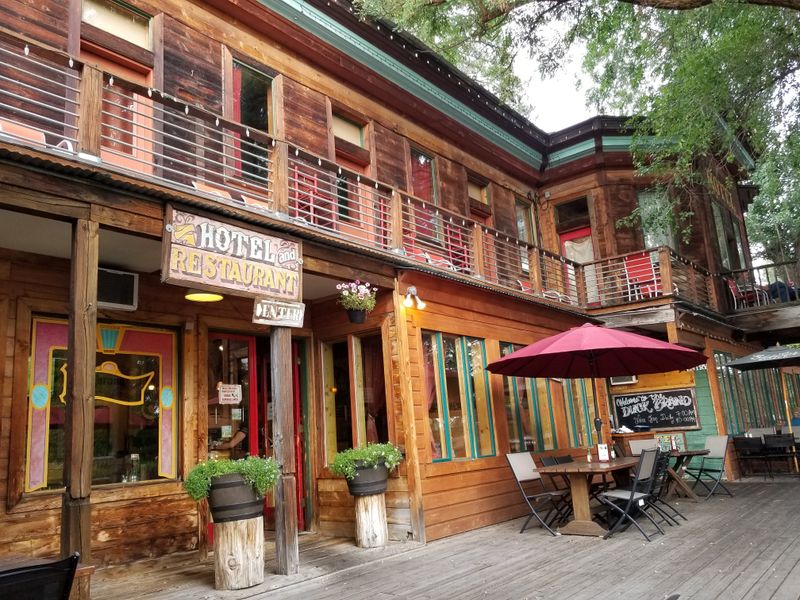
Perfection usually feels sterile, but Winthrop’s flavor is warm and lived-in. The illusion holds because it is not an illusion, just a commitment carried out with care. You notice scuffs on the wood and dust on boots and think, yes, this is how a story breathes.
What reads as movie magic is really a thousand small choices. Businesses choose signs that match the tone, builders choose materials that weather gracefully, and events are scheduled to catch the light right. The effect is cohesive without turning rigid.
Community threads through everything. People greet the day like a team showing up for rehearsal, happy to hit their marks and improvise where it matters. Visitors are welcomed into the scene, not treated as an audience held at arm’s length.
Nature keeps the edges honest. Weather scuffs plans and seasons repaint the set, reminding everyone who the real director is. That partnership between place and people delivers something more durable than charm.
In the end, Winthrop works because it chooses story over shortcuts, presence over pace, and care over convenience. You walk through town feeling both transported and grounded, like the best films leave you. It is not pretending; it is practicing its character every day, and you get to step into the role of delighted witness.