Craving an unforgettable omakase without flying to the usual coastal capitals?
These standout counters across the country deliver masterful fish, precise technique, and atmospheric drama that feel every bit as special.
You will find serene temples of Edomae discipline, buzzy speakeasy hideaways, and chef-driven menus that bend tradition just enough to thrill.
Book early, come hungry, and let the chefs lead the way.
Kōsen – Tampa, Florida
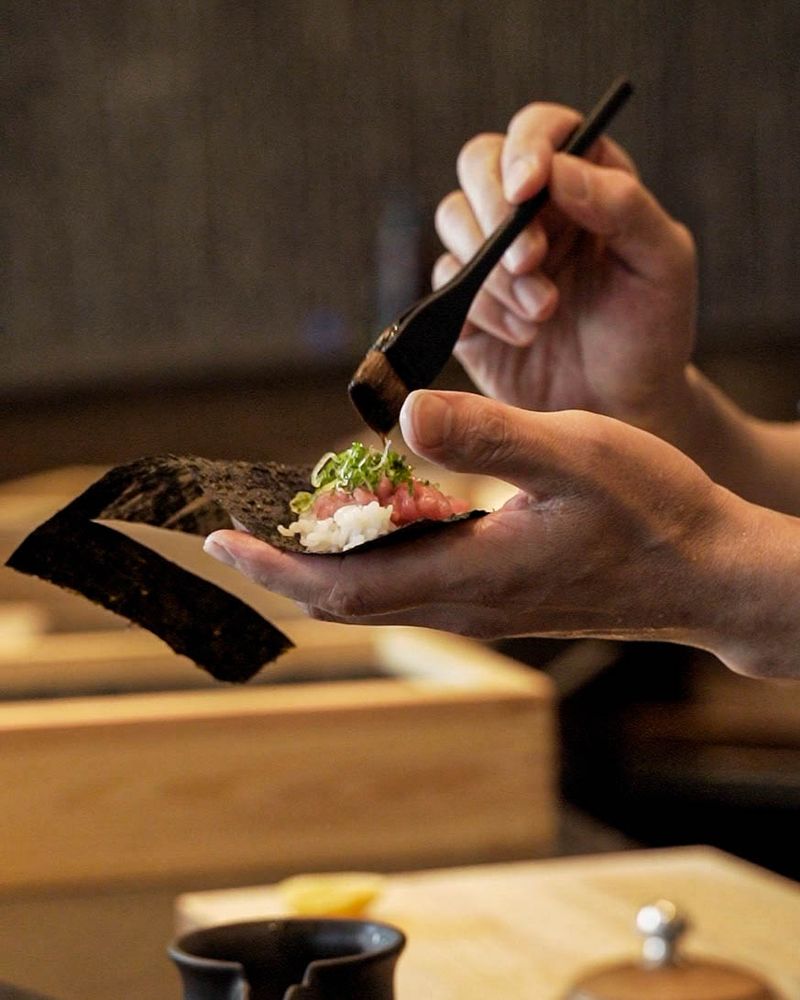
Kōsen delivers an elegant, measured omakase where the pacing feels almost meditative, and each course arrives with quiet confidence. You notice the rice first, warm and delicately seasoned, supporting glistening cuts that are aged to peak flavor rather than flashiness. The room stays hushed and calm, letting you focus on texture transitions, from buttery toro to clean, mineral-driven hirame.
Expect a classic Edomae backbone with subtle modern nudges. A brush of nikiri, a whisper of citrus, and precise knife work keep flavors bright without stealing from the fish. Seasonal flights of nigiri are interwoven with composed bites, like a barely warmed shellfish course that lands sweet and briny at once.
The chef’s restraint is the story, and it rewards attentive diners. You will get moments of richness balanced by pickled counterpoints, and a final arc that leaves you satisfied instead of overwhelmed. If you are new to high-level omakase, this is an approachable benchmark for what proper balance tastes like.
Service moves with gentle choreography, offering sake pairings that emphasize umami and clean finishes. The team explains sourcing without turning the night into a lecture, and you will feel cared for rather than managed. By the time tamago appears, it reads like a signature, light and custardy.
What stands out most is the clarity of purpose: nothing is added that does not belong. Tampa may surprise you with a counter this composed, but Kōsen does not chase trends. It simply refines classic technique until the details glow, and you leave measuring future omakase against its calm, confident standard.
The Omakase Room – Chicago, Illinois
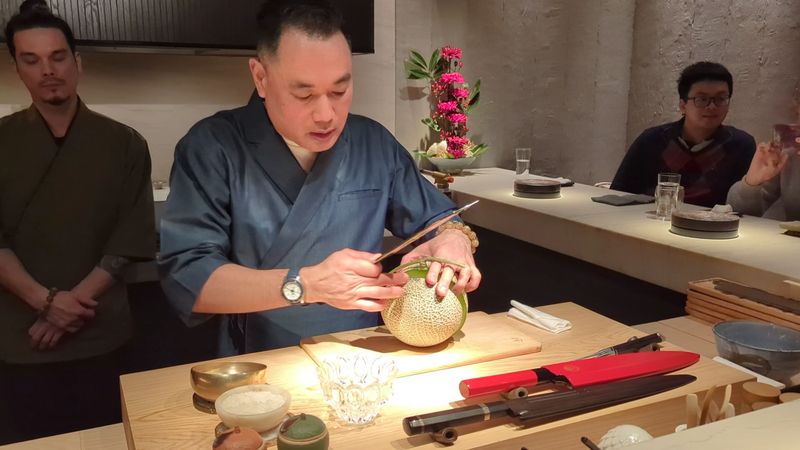
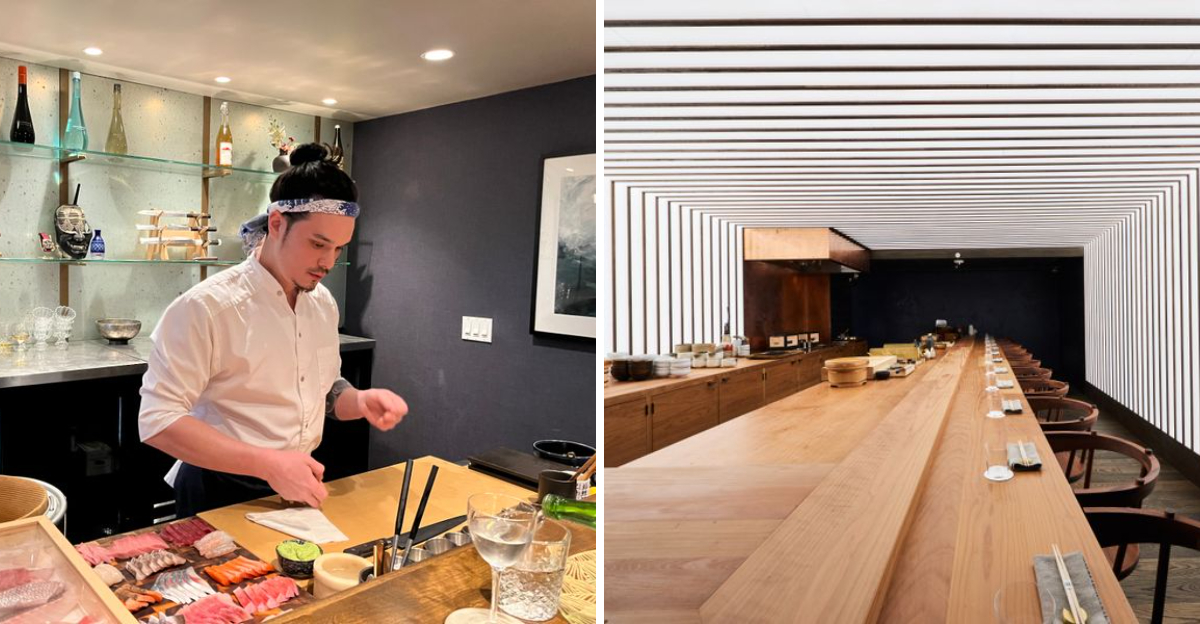
The Omakase Room is a master class in control, where every movement feels deliberate and each bite lands with quiet authority. You sit inches from a chef whose focus never wavers, and the room falls into a hush that reads as reverence rather than formality. The counter is small, the lighting is theatrical, and you feel the rhythm build course by course.
Fish here is pristine and often flown in within a rigid sourcing window, but the rice temperature and seasoning seal the deal. You taste subtle differences between cuts, noticing how aging lifts sweetness or tames sharpness. Saucing is minimal and exact, with nikiri and shoyu applied like punctuation, never like exclamation.
As the sequence unfolds, the chef threads in textural contrasts that keep you leaning forward. A crisp nori moment resets the palate, then a velvety bite arrives with a perfume of yuzu that fades quickly. Nothing lingers longer than it should, and that restraint creates momentum.
Sake pairings lean clean and mineral, sliding alongside umami-rich courses without crowding them. The staff is buttoned-up but warm, answering questions with specificity while respecting the performance unfolding behind the board. You will leave with a mental map of the tasting, remembering how each transition felt.
By the time tamago lands, the arc has resolved with satisfying symmetry. It is not a showy omakase, but it is one of the Midwest’s most serious counters for people who chase precision. If you appreciate faultless knife work and disciplined flavors, this room will recalibrate your expectations for what a 10-seat experience can be.
Sushi Suite 202 – Chicago, Illinois
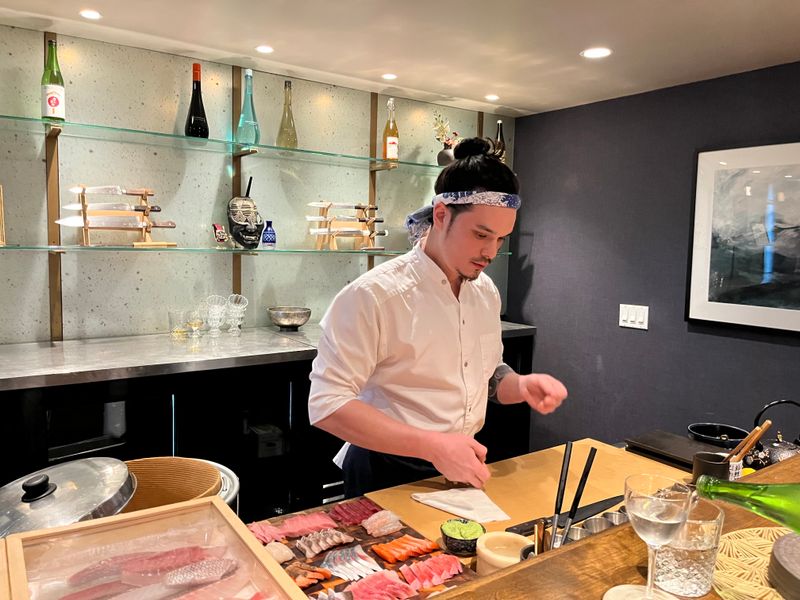
Sushi Suite 202 turns omakase into a secret you get to join, tucked behind unmarked doors with a wink and a nod. The room is small enough that the chef remembers your preferences by course three, and you will feel the menu flex to your curiosity. It is traditional at heart, but there is room for seasonal improvisation that makes the experience feel personal.
Expect a thoughtful mix of nigiri and tiny composed bites that let the chef gauge your palate. If you light up at a certain texture, you might see a follow-up course that deepens that note. The rice is gently warm, the nori crisp, and the fish selection sharp without leaning solely on imports.
The vibe is intimate rather than hushed, so you can ask questions, compare favorites, and lean into the casual luxury of the setting. Think dim, flattering lighting and playful details, more date-night polish than temple-of-sushi formality. You get the craft without the stiffness.
Sake and cocktail pairings go beyond the usual, with pours that invite conversation and loosen up the pacing in a good way. The chef talks you through technique when you want it and glides past when you would rather stay in the moment. That responsiveness is the Suite’s quiet superpower.
By the end, you will feel like the menu was shaped with you in mind. It is ideal for anyone curious about omakase but not ready for absolute austerity, and equally great for seasoned diners who enjoy direct interaction. Leave room for a final sweet bite, because the finish lands with a playful nod that fits the space perfectly.
Kappo DC – Washington, D.C.
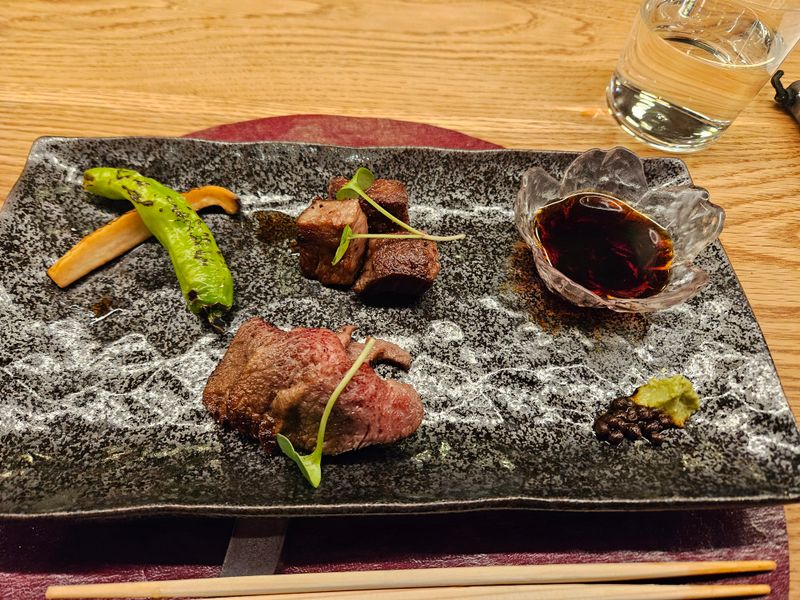
Kappo DC widens the lens on omakase by layering sushi with kappo-style cooking, giving you a fuller picture of seasonality and technique. You will move from chilled delicacy to a whisper of smoke, from pristine sashimi to a small simmered course that lingers with savory depth. The pacing feels like a story with clear chapters rather than a single line of nigiri.
Rice and fish still take center stage, but the supporting acts matter just as much. A hot bite arrives when your palate needs a reset, and a pickled accent clears the runway for the next sequence. This choreography lets each piece shine without crowding the senses.
Expect exacting knife work and careful restraint, with sauces brushed rather than poured. Textures are the point: silken, snap, gentle chew, then a soft finish. You will notice how temperature is used deliberately, especially when a warm broth amplifies sweetness in seafood.
The counter setup invites conversation, and the team’s knowledge helps deepen appreciation without slowing things down. Sake pairings are chosen to echo umami and lift aromatics, while a light-bodied red or chilled white may appear with a cooked dish for contrast. It feels expansive but focused.
For diners who love sushi yet crave dimension, Kappo DC delivers a complete, satisfying arc. The experience respects tradition while giving the chef room to express season and place. You leave with a sense that omakase can be both disciplined and generous, a broader palette painted with precise strokes.
Sushi by Bou – Washington, D.C.
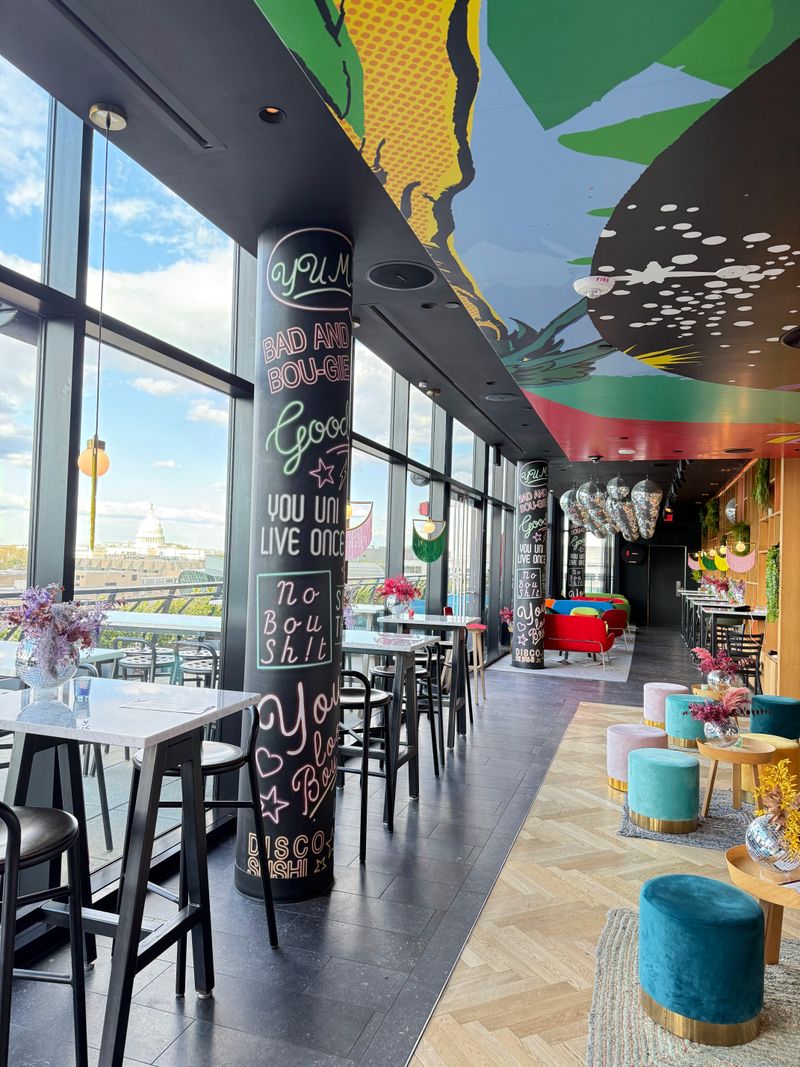
Sushi by Bou makes omakase feel accessible and fun, a fast-paced tasting that still respects quality and technique. You get a set number of bites within a defined window, and the energy stays high from the first piece to the last. It is a great way to dip your toes into omakase without a long, formal ceremony.
The fish selection is sharp, and the rice lands warm with clean seasoning. There may be a torched moment and a saucy flourish, but the flavors stay balanced rather than heavy. You will appreciate how the team keeps the line moving while still answering questions and guiding expectations.
The room leans modern with neon and beats that keep things lively. It is social, it is quick, and it is surprisingly polished given the tempo. If you have friends who think sushi counters are stuffy, bring them here and watch them light up.
Pairing options are streamlined, focusing on a few sake styles and cocktails that hit refresh without complicating the experience. The friendliness of the staff makes the format feel inviting, and you can relax knowing the timing is all handled for you. It turns the ritual into a tight, satisfying edit.
For newcomers or busy nights, this is an ideal entry point that never talks down to you. Seasoned diners will still find enough craft to appreciate, especially in the consistency of rice and the calibration of sauces. You leave energized, pleasantly full, and ready to plan a return when the next seasonal rotation arrives.
KAWA OMAKASE HANDROLL BAR – Dallas, Texas
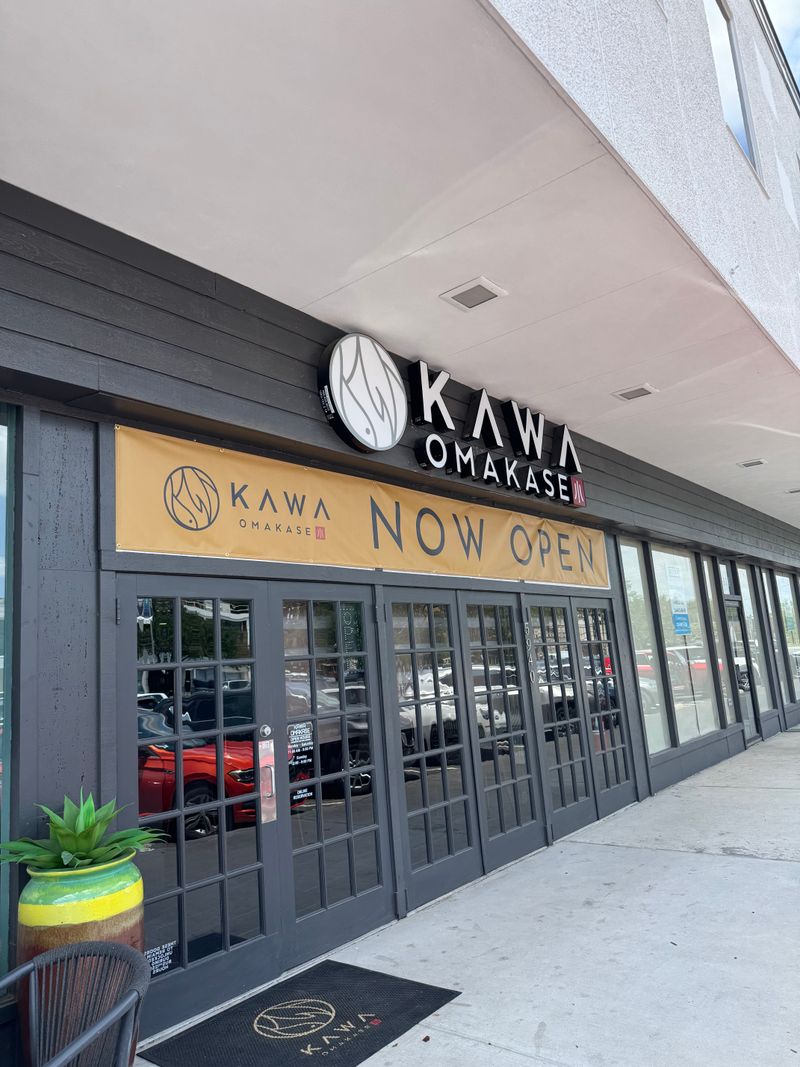
KAWA OMAKASE HANDROLL BAR is a Dallas favorite for a reason, balancing precision with a relaxed Texas-kind-of-warmth. The counter focuses on a thoughtful progression that flips between crisp, just-rolled handrolls and classic nigiri, keeping your palate engaged. You will notice how temperature and texture are tuned for satisfaction, not theatrics.
Nori crackles when it should, and the rice carries a gentle, steady seasoning that supports rather than dominates. Fish quality is high, with a mix of imports and carefully sourced domestic selections that change with the market. Creative twists appear, but they read as respectful nods to tradition, not detours.
The vibe is welcoming, so you can chat with the chef, learn about cuts, or simply enjoy the flow. Handroll segments provide a fun contrast to plated nigiri, letting you feel the immediacy of the craft. It is interactive without becoming performative.
Sake and beer pairings lean refreshing, and the staff keeps the pacing tidy so the nori stays crisp. If a certain bite hits the spot, the chef may suggest a variation to emphasize sweetness, fat, or brine. That flexibility helps both newcomers and enthusiasts find their perfect lane.
By the end, you will have tasted a wide arc of texture, from silky to crunchy, with a final piece that ties the progression together. KAWA shows that a handroll-forward menu can still deliver depth and polish at omakase level. It is one of the Central United States standouts for diners who crave both precision and a bit of playful momentum.
KEN – San Francisco, California
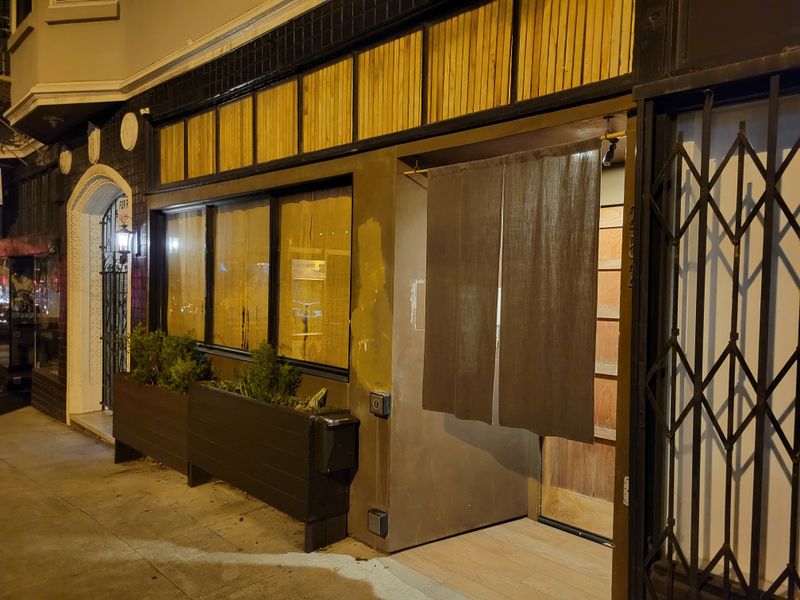
KEN is a haven for purists who crave Edomae discipline and the quiet thrill of perfect rice. The chef’s knife work is exacting, the fish is aged to clarity, and the room speaks in soft tones that put the craft in sharp relief. You sit close enough to feel the intention in each motion.
The progression emphasizes temperature, texture, and timing. Shari is warm and gently vinegared, acting like a tuning fork for sweetness, acid, and umami within every cut. Saucing is restrained, with nikiri or salt used like fine print that guides your reading of each piece.
Aging techniques deepen flavor without dragging the palate. You will taste subtle shifts the moment fish hits warmth and the grain of rice loosens, releasing aroma. It is the kind of detail that rewards attention and punishes distraction.
Composed bites appear sparingly, always in service of the arc rather than novelty. The chef’s explanations are succinct, anchoring choices in tradition and season. Nothing feels random, and nothing arrives before you are ready for it.
By the final tamago, the experience resolves with refined balance rather than fireworks. If your idea of luxury is clarity and proportion, KEN will feel like home. It is a standard-bearer for classic technique on the West Coast, proof that quiet confidence travels farther than ornament.
Sushi Kashiba – Seattle, Washington
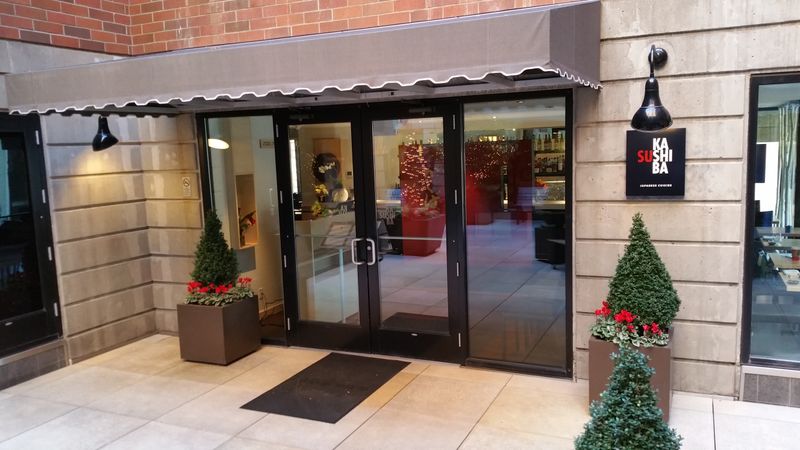
Sushi Kashiba is a pilgrimage for many, a counter where an influential master connects Tokyo-style technique to Pacific Northwest abundance. You will taste the sea as it is right now, with local spot prawns, salmon, and uni joining immaculate imports. The rice is textbook, warm and articulate, carrying each cut with gentle conviction.
The progression favors clarity, so sauces stay minimal and seasoning precise. A squeeze of citrus, a brush of soy, a sprinkle of salt, and the fish speaks in full sentences. You will find yourself comparing textures and finishes as the chef calibrates temperature course by course.
What makes it special is the bridge between regions. Local catch gets the same respect as prized imports, and the result feels rooted rather than trend chasing. There is a sense of continuity that long-time fans cherish and first-timers feel immediately.
The room buzzes with anticipation, but the counter remains focused and serene. Staff navigates both enthusiasts and newcomers gracefully, meeting curiosity with warmth. Sake pairings lean classic, with crisp, food-friendly profiles that highlight umami.
By the time tamago lands, you will have traced a clear arc through the Pacific Northwest and back to Tokyo sensibilities. It is a destination for anyone who values tradition and place in equal measure. Leave feeling connected to a lineage that keeps evolving while honoring its roots.
Otoko – Austin, Texas
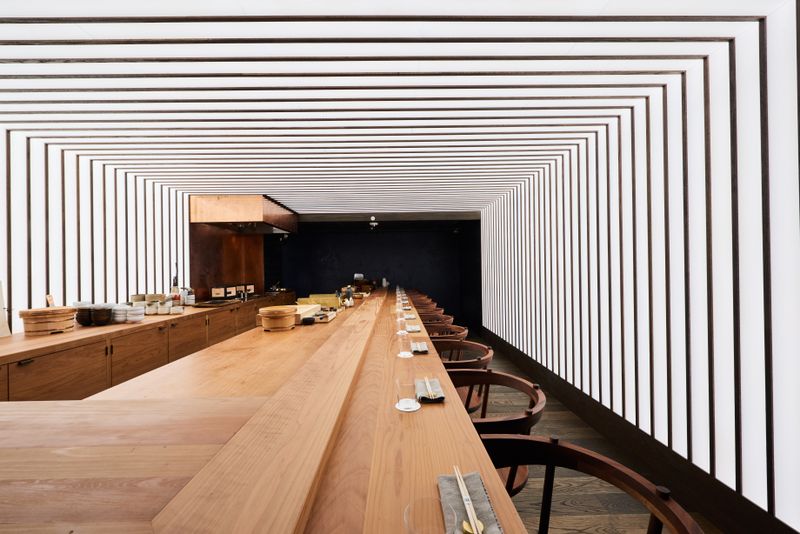
Otoko folds Texas ingredients into a kaiseki-informed omakase, creating a sense of place without losing Japanese discipline. You might see wagyu kissed by smoke next to delicate sashimi, or a vegetable course that tastes like Hill Country in peak season. The counter is intimate, the lighting soft, and the pacing carefully tuned.
Each sequence balances temperature and texture, moving from clean and cool to warm and savory before drifting back to bright. Sauces are nuanced, supporting rather than starring, and you will notice how citrus, dashi, and herbs draw lines between courses. It is a conversation between regions that feels harmonious instead of forced.
The chef’s storytelling is present but not heavy. You get enough context to appreciate the choices, then space to experience the bites. Rice is polished in both senses: technically excellent and restrained in seasoning to frame the fish.
Pairings traverse sake, natural-leaning wines, and the occasional cocktail, each selected to keep the palate lively. Service is attentive, crisp, and genuinely warm, guiding you through transitions as if choreographed. You will leave feeling both grounded and a little dazzled.
For diners who want omakase with breadth, Otoko is a standout. It honors technique while celebrating the pantry around it, reminding you that tradition thrives through adaptation. The result is personal, place-driven, and quietly thrilling from start to finish.
O Ya – Boston, Massachusetts
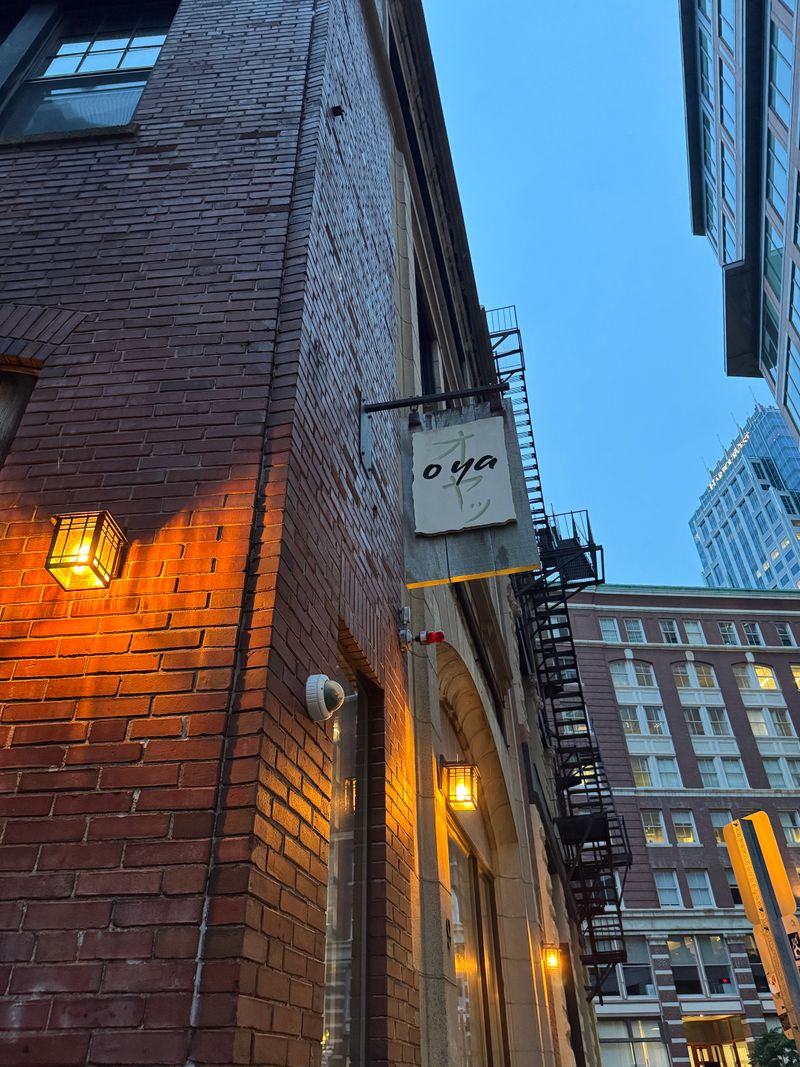
O Ya is omakase for diners who love high-wire creativity, a boundary-pushing tasting that marries sushi with composed, cooked courses. Luxurious ingredients show up with swagger, but finesse keeps the menu from tipping into excess. You can expect torches, rare cuts, and unexpected pairings that still land clean.
The chefs layer flavor like a score: acid, fat, umami, then lift. A touch of truffle or smoke appears, but the fish remains legible, not buried. Textures ping-pong between crisp, silky, and melting, keeping your attention locked in.
It is not a temple of austerity, and that is the point. You get color, aroma, and drama, anchored by rice that stays disciplined even when toppings go bold. If you enjoy risk and reward, this counter will feel like a playground built by perfectionists.
Sake and wine pairings are adventurous yet precise, often keying into aromatic lift or savory depth. Service is polished and enthusiastic, helping you navigate a menu that shifts gears with confidence. You will find courses that feel like signature moments, the kind you talk about for weeks.
By the end, O Ya proves that avant-garde does not have to mean chaotic. The arc resolves with care, leaving you satisfied rather than stunned. For anyone seeking an omakase that challenges and delights in equal measure, this Boston icon remains essential.