If the scent of fresh-cut cedar and the rumble of vintage logging engines spark your curiosity, you are in the right place.
The Pacific Northwest is packed with museums that bring forest history to life through rugged tools, towering machinery, and unforgettable human stories.
This guide spotlights the best places to see locomotives up close, wander recreated logging camps, and discover how timber built the region.
Ready to plan a road trip that feels equal parts history lesson and outdoor adventure?
BC Forest Discovery Centre — North Cowichan, British Columbia
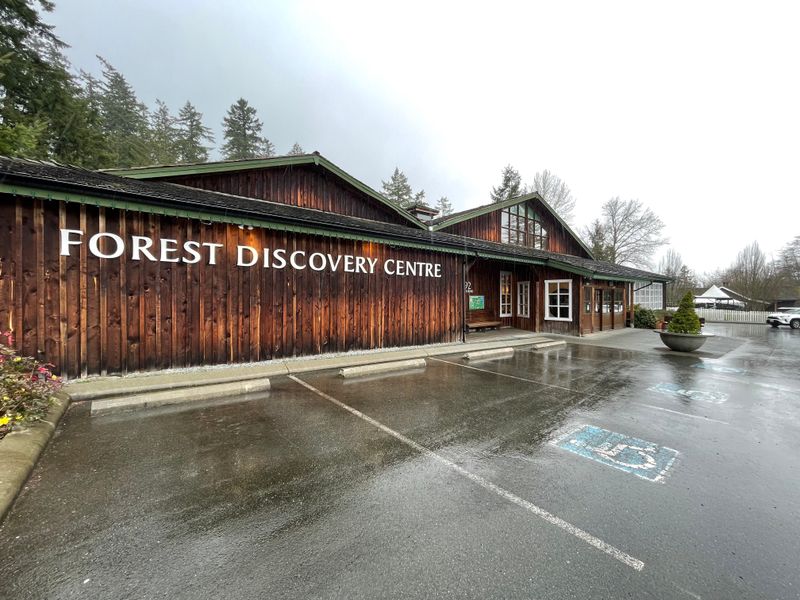
At the BC Forest Discovery Centre, you feel the heartbeat of British Columbia’s timber story the moment a heritage locomotive exhales steam along the rails. Trails wind through towering cedars toward open-air displays where yarders, spar trees, and donkey engines sit like sleeping giants. You can climb aboard restored train cars, peer into a recreated logging camp, and imagine the thrum of cables pulling logs down steep hillsides.
Inside, curated exhibits connect machinery to people, using photographs, oral histories, and hands-on displays that invite you to touch, turn, and explore. Young visitors can follow activity stations that explain how forests grow, why selective harvesting matters, and how communities depended on mills. The mix of indoor galleries and sprawling outdoor grounds gives you time to slow down, read the details, and then step out to see full-scale equipment.
What stands out is how the museum balances nostalgia with sustainability. Interpretive panels trace the arc from early hand-felling to mechanized systems and modern reforestation, emphasizing lessons learned along the way. Seasonal events, like steam days and sawmill demonstrations, add a kinetic jolt that brings static artifacts roaring back to life.
Plan for a few hours so you can ride the train loop and walk the forested paths without rushing. Bring questions for volunteers, many with firsthand experience in mills or on logging crews, who share stories that textbooks miss. Whether you love locomotives, engineering, or the simple craft of working wood, the Centre delivers a grounded, authentic look at B.C.’s forest heritage.
Practical tip: check the event calendar for train operations and special demonstrations. If you are traveling with kids, pack snacks and make time for the outdoor playground and picnic spots. The gift shop stocks locally themed books and woodcrafts that make meaningful souvenirs and support ongoing preservation work.
Forks Timber Museum — Forks, Washington
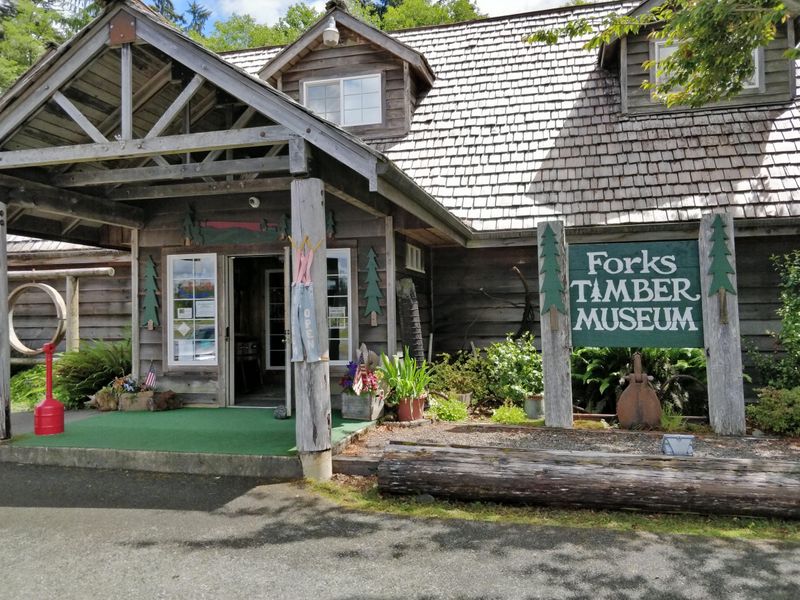
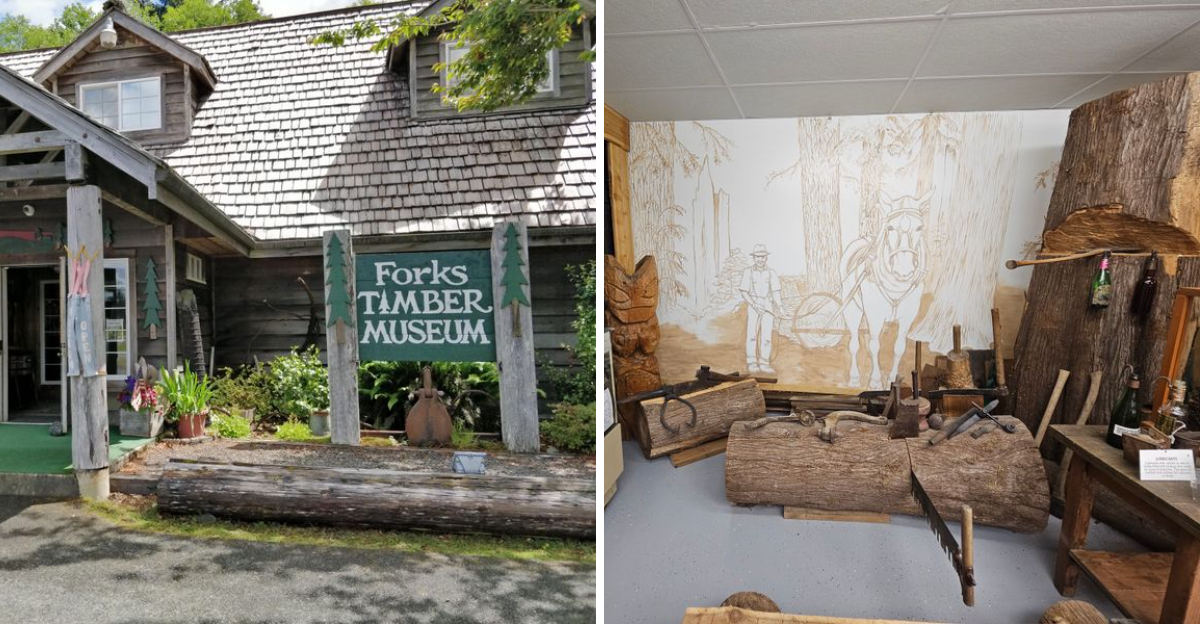
Forks Timber Museum captures the grit and pride of the Olympic Peninsula’s logging roots in a compact, story-dense space. You step into rooms lined with crosscut saws, peaveys, chokers, and hard hats, each tool nicked by real work. Outside, a classic logging truck and spar pole frame the museum like exclamation points, signaling that this is a place where timber history still feels close to the surface.
Photos line the walls with candid faces from bunkhouses and landing sites, documenting the boom years when timber checks sustained families and small businesses. Panels explain how rail spurs and later logging roads widened access, and how safety practices evolved from wool pants and spike boots to modern PPE. You can trace the industry’s shifts as forests were re-seeded, regulations tightened, and multipurpose land use took hold.
Because the museum is community-run, you get personal stories from volunteers who know the names behind the faces in the photographs. That local texture makes the exhibits feel lived-in rather than distant. The displays also highlight the interconnectedness of mills, fishing, and tourism, showing how a timber town adapted while honoring its roots.
If you are traveling the Olympic Peninsula loop, the museum is an easy stop that rewards a careful look. Kids gravitate toward the large tools and truck outside, while history buffs linger over handwriting in old ledgers and maps. The scale is approachable, so nothing feels overwhelming, yet you walk out with a fuller sense of place.
Before you go, check seasonal hours and consider pairing your visit with a walk in nearby rain forests to see the living context of the stories inside. The gift nook often carries locally authored books and handmade wood items. Leave with fresh respect for the people who worked the woods, and a clearer view of how Forks carries that heritage forward today.
Polson Museum — Hoquiam, Washington
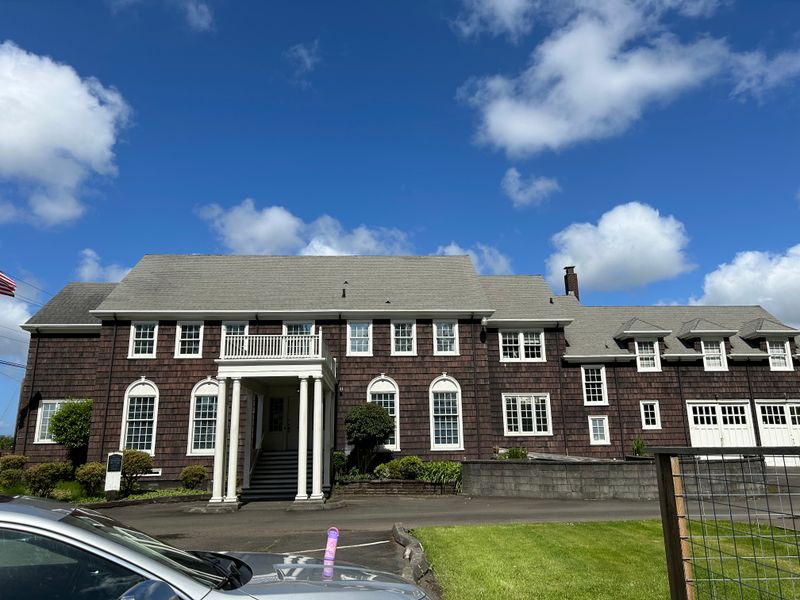
Polson Museum occupies a stately mansion that contrasts beautifully with the raw machinery of Grays Harbor’s logging past. Inside, polished woodwork and curated rooms display photographs, ledgers, and artifacts that track the rise of timber fortunes. Step outside and you meet the muscle: yarders, loaders, and engines that powered one of the most productive logging regions in the world.
The dual setting captures both sides of the industry. In the mansion, you read about merchant families, union struggles, and boom-bust cycles across the harbor towns. On the grounds, hulking machines and rail elements give a sense of scale, reminding you that behind the elegance were crews working long days in rain-soaked forests.
Exhibits explore everything from camp life to mill innovations that sped up production and changed safety norms. Archival photos show river drives, splash dams, and early railroad logging that opened remote stands. The museum staff do a fine job threading labor history through the narrative, giving voice to loggers, cooks, rigging crews, and office staff alike.
Polson is also a community hub, hosting rotating shows that highlight maritime ties, local crafts, and regional artists inspired by the woods. If you like to connect dots, pair a visit with tours of neighboring towns to see surviving mills, piers, and rail traces. The museum grounds invite lingering, with plenty of space to photograph equipment details and read interpretive signs.
Plan at least an hour or two, more if you enjoy combing through historical documents and detailed captions. Ask volunteers about their favorite artifacts; they will point you to easy-to-miss gems tucked into side rooms. You will leave with a richer understanding of how timber shaped Grays Harbor’s prosperity and identity, and how that legacy continues to echo through the region’s culture and economy.
Old Hastings Mill Store Museum — Vancouver, British Columbia
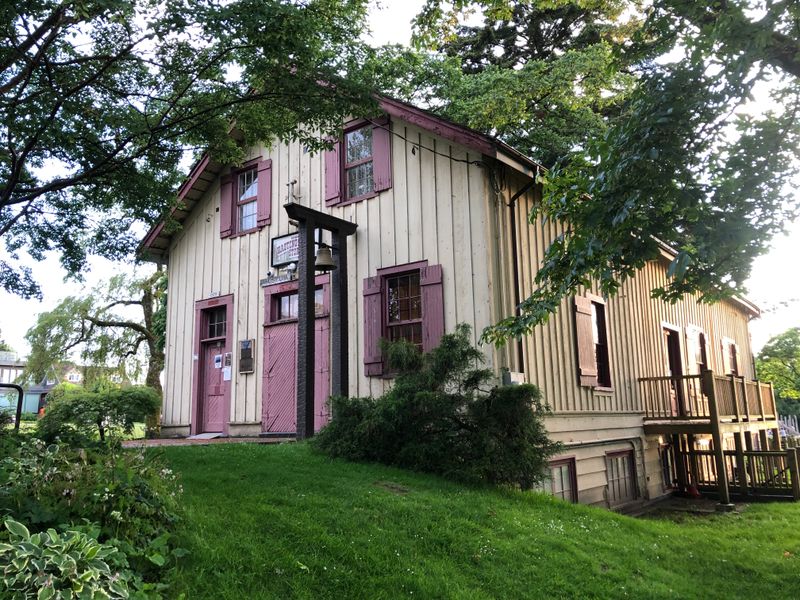
Old Hastings Mill Store Museum feels like stepping into a preserved pocket of early Vancouver, when the mill ruled the shoreline and supplies arrived by skiff. The building itself is the artifact, creaking floors and all, with exhibits that blend logging history, pioneer life, and early community stories. You can browse cases of tools, household items, and photographs that show how the city took shape around timber.
Instead of massive machines, this museum leans into intimate details. You see trade goods, mill tokens, and hand tools that supported loggers and settlers who navigated tides, mudflats, and towering forests. Panels connect the old mill store to neighborhoods that would eventually expand into today’s Vancouver, with nods to Indigenous presence and changing land use along Burrard Inlet.
The museum’s small scale invites close reading of labels and affectionate discovery of oddities. Volunteers share anecdotes that humanize the archival images: a rainy delivery day, a ledger entry, a child’s toy carved from scrap wood. That proximity makes the past feel personal rather than abstract, which is perfect if you prefer stories over steel.
It is easy to fit the museum into a broader day on the waterfront. Stop by after a seawall walk, then compare the quiet store interior to the bustle outside and imagine the shoreline a century ago. The contrast between delicate artifacts and the robust industrial origins of the city lands with a satisfying thud.
Check current hours and consider making a small donation to support preservation in a city where history can disappear quickly. If you love old wood buildings, linger on the porch and admire the clapboard textures and original hardware. You will leave with a deeper sense of Vancouver’s roots and how a simple mill store anchored community life in a town built on timber, trade, and grit.
Concrete Heritage Museum — Concrete, Washington
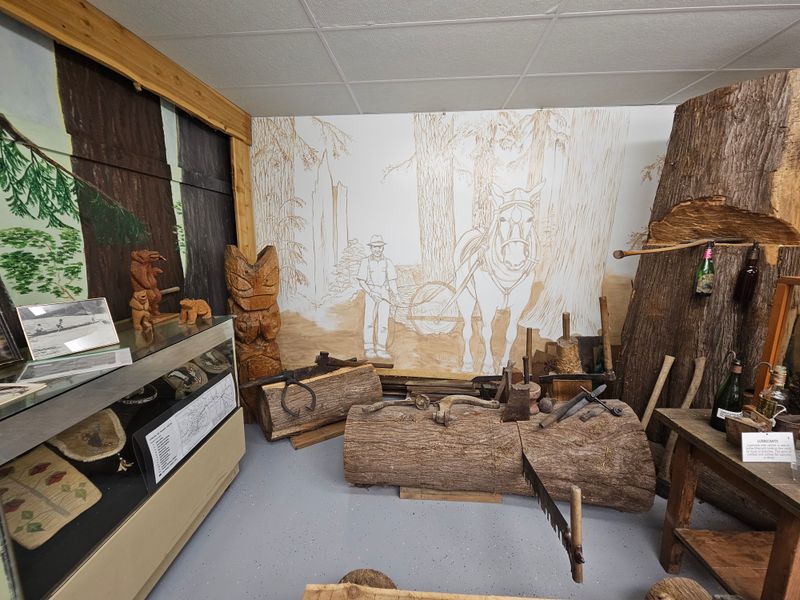
Concrete Heritage Museum surprises with how much story it packs into a modest footprint. Though Concrete is known for cement, the museum brilliantly weaves logging into a broader industrial tapestry. You see how rail lines, dams, and mills linked the upper Skagit communities, and how logging camps provided livelihoods that fed local shops and schools.
Exhibits include saws, scale models, and photographs of hillside landings where cables crisscrossed the air. The captions highlight everyday logistics: bunkhouse life, cookhouse routines, and transport challenges in steep, rainy terrain. You can trace how logging methods shifted and how reforestation slowly reshaped hillsides once stripped for lumber and power infrastructure.
Because it is a community archive, the museum captures voices that larger institutions sometimes miss. Volunteers point out relatives in photos, share stories about mill whistles, and explain how floods and booms set the town’s rhythm. That personal dimension helps you connect the dots between artifacts and the living town outside the door.
Pair a visit with a walk through Concrete’s historic district to spot surviving industrial architecture. The contrast between quiet streets and the roaring past makes the exhibits resonate more strongly. If you enjoy industrial archaeology, bring a camera and keep an eye out for rail remnants and foundations along the river corridor.
Hours can be seasonal, so check before driving out. Expect to spend 45 to 90 minutes depending on your curiosity for captions and local lore. You will leave with a refreshed appreciation for how timber, power, and small-town ingenuity braided together to build community in a valley where industry met wilderness.
World Forestry Center Discovery Museum — Portland, Oregon
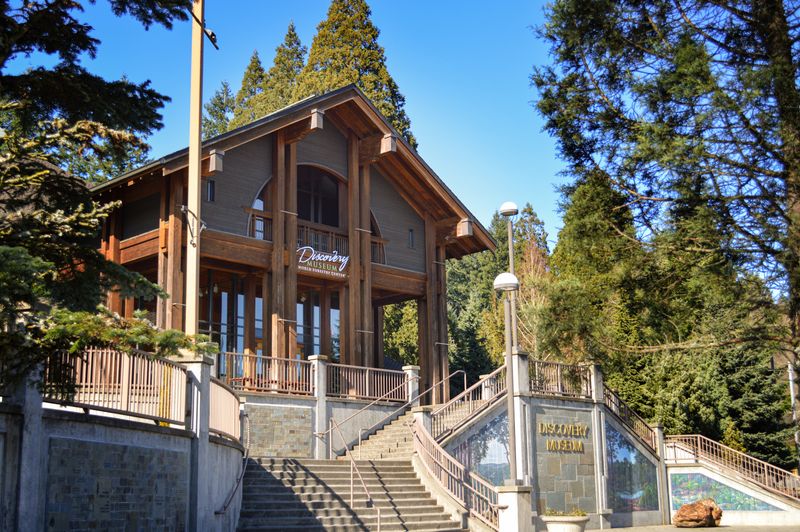
The World Forestry Center Discovery Museum invites you to look at forests as living systems, not just sources of timber. Its soaring wood architecture sets the tone, and interactive exhibits help you explore tree biology, forest management, and how communities rely on wood products. You can pilot a simulated harvester, compare global forestry practices, and learn how climate, fire, and policy shape forest futures.
While it celebrates history, the museum is strongest at connecting past and present, showing how early logging evolved into science-driven stewardship. Displays frame tough tradeoffs: habitat protection, wildfire resilience, and the economics of rural jobs. Kids get hands-on science while adults dig into case studies, maps, and data that make policy debates feel tangible.
It is a perfect urban stop if you want a broad overview before visiting more specialized logging museums. The staff and docents do an excellent job translating jargon into approachable insights. Temporary exhibits often spotlight innovations in mass timber, urban forestry, and Indigenous land stewardship, keeping return visits fresh.
Outside, Washington Park beckons, so you can pair your museum time with gardens, trails, and the nearby zoo. The building itself is a love letter to Pacific Northwest wood, so linger to admire joinery, beams, and textures. If you are curious about how your home or city intersects with forests, this museum gives you the context and vocabulary.
Plan for 60 to 120 minutes depending on your appetite for interactivity and reading panels. Check for workshops and talks that deepen the experience, especially if you are considering a career in natural resources. You will leave with a nuanced sense of how forests sustain people, economies, and ecosystems, and how smart choices today can shape the canopy for generations.
Coos County Logging Museum — Myrtle Point, Oregon
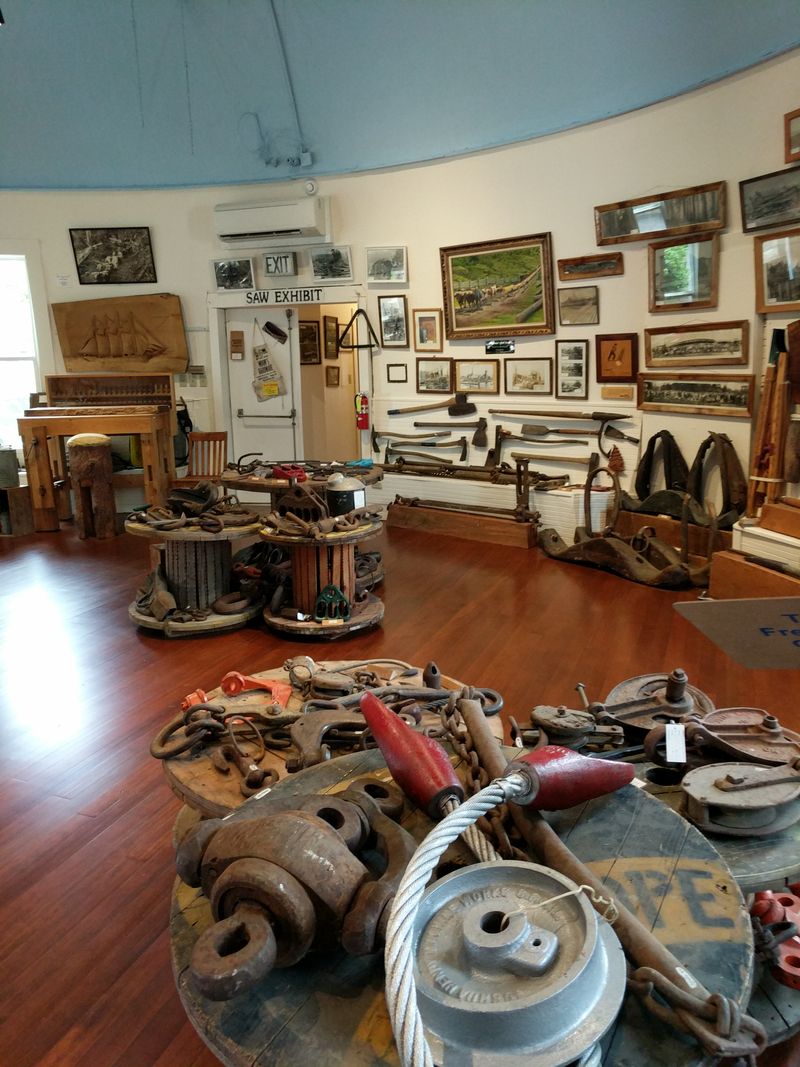
Coos County Logging Museum is a purpose-built temple to timber, instantly recognizable by its round-domed exterior. Inside, galleries circle displays of crosscut saws, axes, chokers, photos, and mill memorabilia that tell the story of logging in the Coquille River valleys. You will trace how crews moved from hand-felling giants to mechanized systems that fed booming coastal mills.
What makes this museum special is its focus on local families and camps. Captions connect artifacts to real people, mapping who worked where and when, and how wages flowed into ranches, stores, and schools. The result feels like a living ledger of community, with wood at the center.
Exhibits explain everything from springboards and undercuts to steam donkeys and high-lead systems. Models and diagrams help you visualize yarding patterns on steep terrain, and the dangers crews faced balancing speed and safety. You can sense the pride in craftsmanship, from perfectly filed saw teeth to hand-forged hardware.
Allow time to chat with volunteers, who often bring multi-generational knowledge. They will point you toward standout photos and quirky items that hide in plain sight. The museum’s parklike surroundings invite a quiet stroll before or after you dive into the displays, giving you space to absorb what you learned.
Check seasonal hours and consider planning around local festivals or timber-themed events. If you are traveling the southern coast, pair the museum with coastal hikes or a detour to nearby historic mills and bridges. Expect to come away with a deeper respect for the labor that shaped Coos County, and a clearer sense of how forests and people remain intertwined in this corner of Oregon.
Powerland Heritage Park – Salem, Oregon
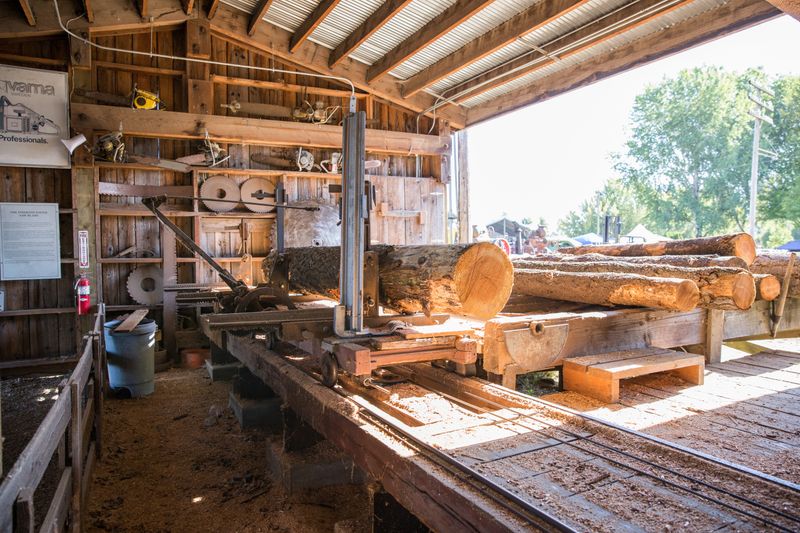
Powerland Heritage Park is a dream for anyone who loves power equipment, including the logging machines that worked alongside farm and rail gear. The campus hosts multiple museums and clubs, so you can stroll past vintage trucks, tractors, steam equipment, and specialized logging rigs. Annual shows bring engines to life, filling the air with the satisfying chuff of pistons and the scent of hot oil.
While not solely a logging museum, Powerland’s breadth paints a fuller picture of how industries interlocked. You can see how trucks replaced horses, how loaders evolved, and how power transmission changed workflows across fields and forests. Static displays become dynamic when volunteers fire up engines and explain the mechanics in friendly, plain language.
Expect hands-on moments: clambering up close to rigs, watching belt-driven equipment spin, and studying cutaway engines. The logging displays pair nicely with rail exhibits, showing how timber rode the rails before roads dominated. If you enjoy problem-solving, the site rewards close inspection of linkages, control levers, and cable systems.
Because Powerland is a collection of independent museums, every visit feels a little different. Some buildings focus on trucks, others on trolleys or construction equipment, and a few spotlight logging gear and sawmilling. Check the calendar for the Steam-Up event, when the entire park hums and you can see machines working as intended.
Wear comfortable shoes and bring water; the grounds are large and the pace is yours to set. Families appreciate the open spaces and the informal, friendly vibe that encourages questions. You will leave with grease under your fingernails metaphorically, and a wide-angle appreciation for the power technologies that transformed timber, transport, and daily life across the Pacific Northwest.
Western Forest Industries Museum — Mineral, Washington
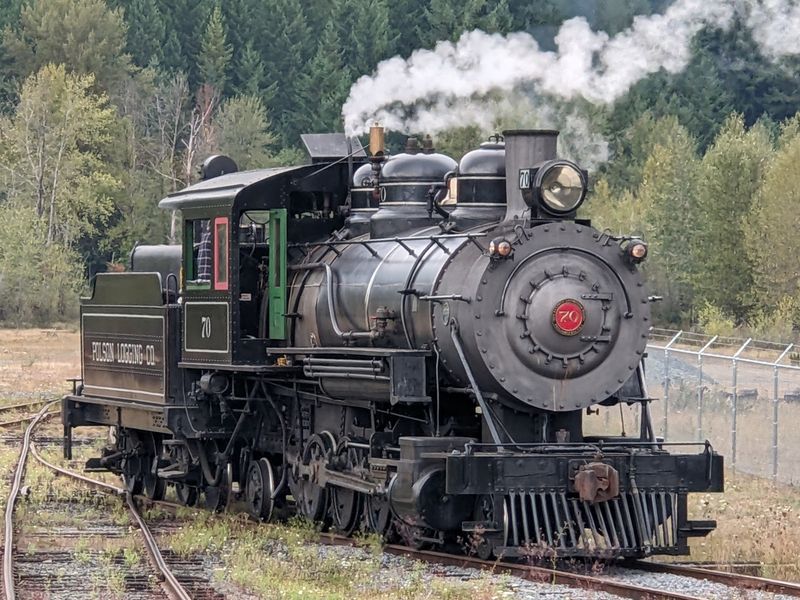
The Western Forest Industries Museum celebrates the marriage of logging and railroading in a setting that feels straight out of a timber camp. Steam locomotives sit beneath tall conifers, their boilers quiet but imposing. You can trace tracks past sleds, loaders, and cable systems that once hauled logs from deep forest to hungry mills.
This museum excels at context, explaining why rail logging opened terrain that ox teams could not manage and how steam power reshaped timelines and safety. Interpretive signs walk you through locomotive classes, geared engines, and the rigging that made steep grades workable. The equipment tells its own story, scarred by heat, pressure, and years of heavy service.
Because the site is outdoorsy and photogenic, it invites slow wandering and close-up inspection of rods, valves, and brake gear. If you are a photographer or rail fan, the textures alone are worth the trip. The setting also highlights how weather and terrain defined every decision crews made in the Cascades.
Volunteers are generous with knowledge, often sharing restoration updates and plans. When special events roll around, engines move, whistles echo, and the place springs to life in a way that words cannot fully capture. It is an experience that clarifies why railroads were the backbone of early industrial logging here.
Check schedules carefully, especially for operating days and seasonal closures. Bring layers, because mountain weather can change quickly and dampen gear. You will depart with a renewed respect for the engineering that bridged forest and marketplace, and for the people who kept iron, steam, and timber in precarious balance.
Oregon Forest History Center — Salem, Oregon
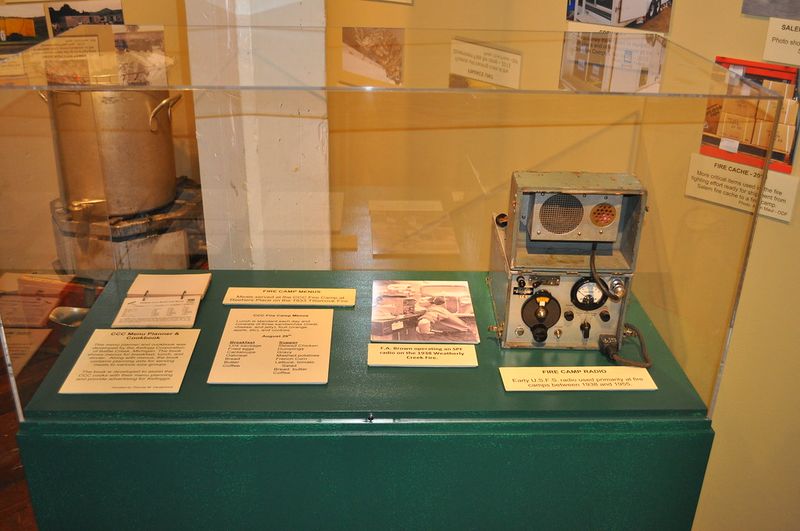
The Oregon Forest History Center offers a reflective dive into the people, policies, and practices that shaped the state’s timber story. Rather than crowds and roaring engines, you get calm galleries, archives, and interpretive panels that reward patient reading. Tools, maps, and photographs chart the path from crosscut crews to modern silviculture and wildfire strategy.
What you gain here is nuance. Exhibits tackle labor history, environmental law, and the science behind reforestation, supercharged by primary documents and oral histories. You can compare historic logging methods with today’s selective harvesting and restoration goals, sharpening your understanding of tradeoffs.
Researchers and curious travelers alike will appreciate the collection depth. Staff help you navigate archives, point to relevant case studies, and connect dots between legislation, economics, and field practice. The result is a clearer picture of how policies ripple through forests and communities over decades.
If you are road-tripping the Willamette Valley, the Center pairs well with more kinetic museums for a well-rounded itinerary. Expect fewer photo ops and more thoughtful conversations about stewardship, habitat, mills, and fire. The careful curation makes complex topics approachable without dumbing them down.
Before visiting, check appointment requirements for archival access and note any rotating exhibits or talks. Plan time to sit with materials and let the stories sink in. You will leave with sharper questions about how Oregon manages its forests, and a toolkit of ideas for engaging in respectful, informed conversations about the future of timber, communities, and conservation.