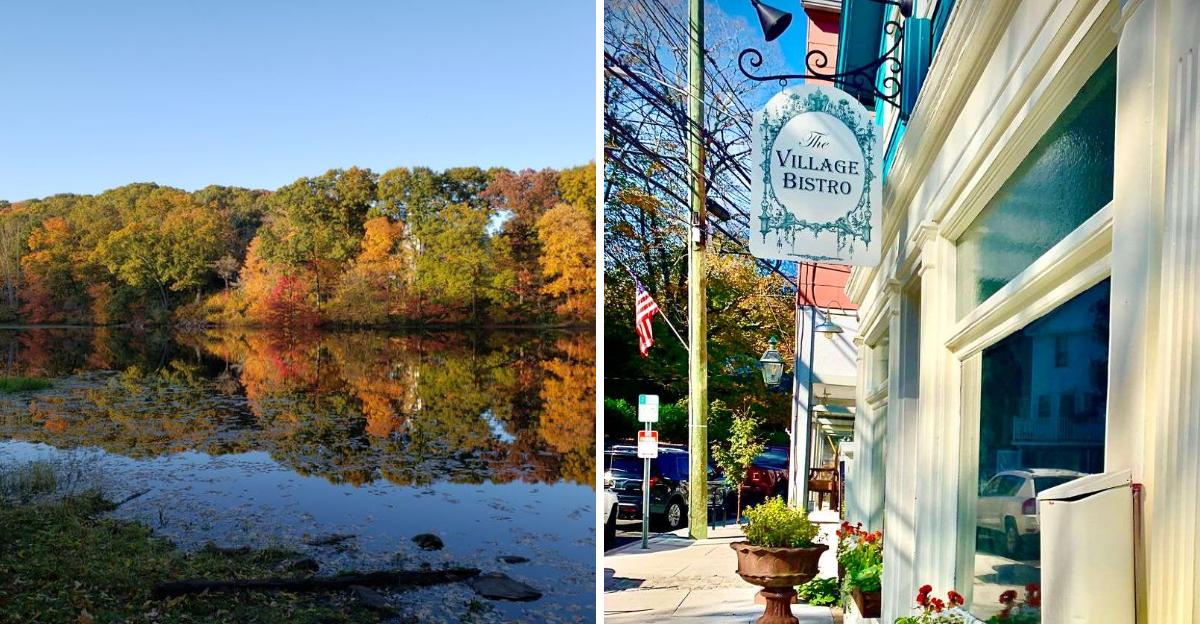
Some towns announce themselves with neon signs and crowded attractions, but Chester slips into view like a quiet secret.
You follow the river, the road narrows, and suddenly there is a main street that looks lived in rather than staged.
It feels like a happy wrong turn, the kind that changes your plans without asking permission.
If you crave places that whisper instead of shout, Chester will stay with you long after you leave.
An unassuming arrival along the Connecticut River
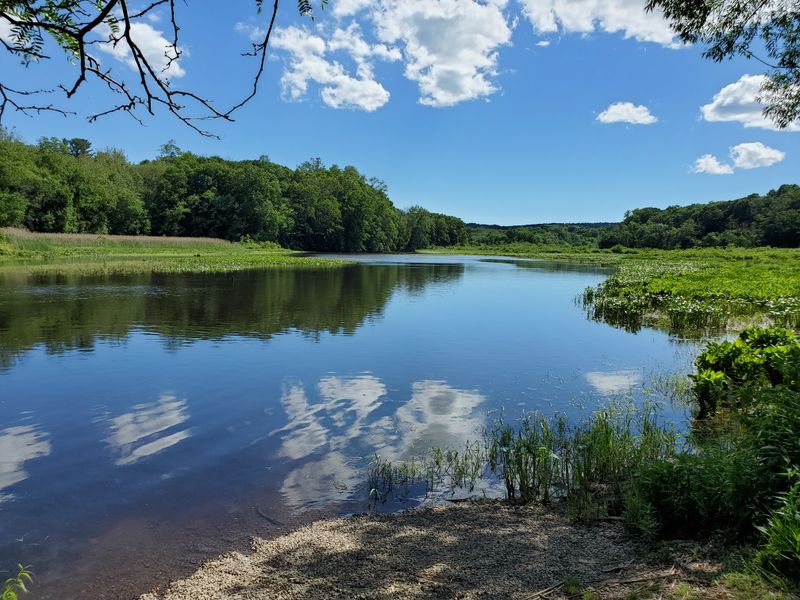
You do not crash into Chester so much as drift toward it, carried by a ribbon of road that traces the Connecticut River. The trees lean in, the light softens, and the world feels like it has turned the volume down just for you. There are no billboards or souvenir barns, only water glimpses through leaves and the hum of your own steady pace.
Compared to Essex with its polished maritime glow or Mystic with busy, camera ready moments, this approach feels private, unadvertised, and refreshingly quiet. You notice hand painted signs instead of glossy banners, and a side street that seems to shrug and say, Sure, if you know, you know. It reads like an invitation slipped under the door rather than a grand entrance.
Arriving this way resets expectations before you even park. You begin to move slower, measuring time in bends of the river and small decisions like where to pause and breathe. The town reveals itself the way a friend tells a story, one calm sentence at a time, never rushing the good parts.
The drive feels almost accidental, a pleasant detour that becomes the whole point. You might pull over just to listen to the water, or to watch a skiff crease the surface without urgency. Those moments, unplanned and honest, set the tone for everything that follows.
By the time the road loosens into town, your shoulders have dropped and your eyes are tuned to details. You are ready to notice a painted doorway, a window box, a slate step worn into a shallow smile. Chester does not try to impress you on arrival, and that restraint is its first, best welcome.
A storybook Main Street that is lived in, not curated
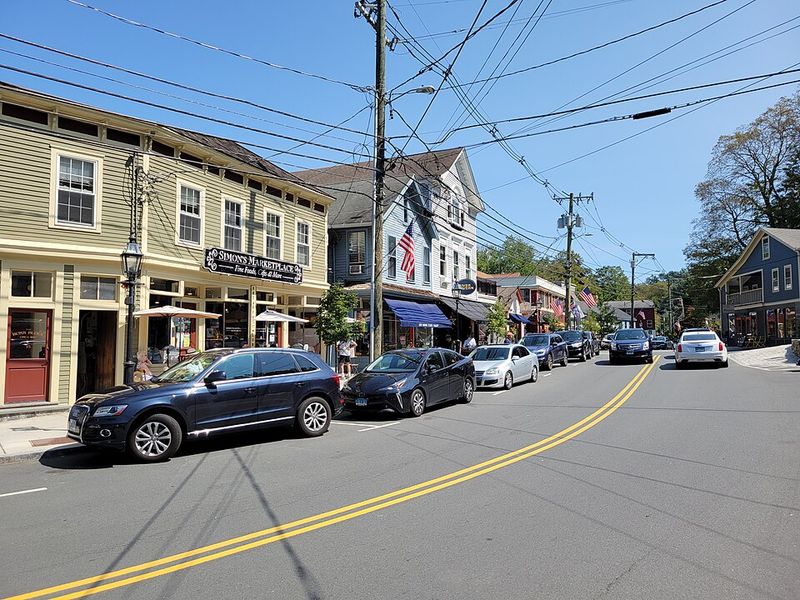
Main Street in Chester feels like someone kept the best chapters and let the margins smudge a little. The buildings carry their years proudly, clapboard and brick with a touch of stoop creak and paint that is not trying too hard. You can tell people actually live and work here because the details are useful, not just pretty.
Instead of chains you find names you have never heard of yet immediately trust. A bookstore that curates like a favorite friend, a clothier with a rack of perfect sweaters, a cafe where the mug feels right in your hand. The spaces are small enough to feel personal and large enough to breathe.
Walking is the thing, not shopping as sport. You wander past planters and bicycles and little dogs who know the route by heart. There is no pressure to perform town cuteness, only an easy rhythm that invites lingering.
Many of these buildings date to the 18th and 19th centuries, but they are not museum pieces. Their bones are old while their lives are current, alive with deliveries, neighboring hellos, and the clink of glassware from somewhere down the block. It is the opposite of curated perfection and better for it.
You will notice scuffed thresholds and thoughtful window dressing, a balance of everyday use and gentle pride. It feels like a storybook that still gets read nightly, pages softened by hands, not curators. By the time you reach the end of the street, you will probably turn around and do it again, slower, because this is a place that rewards second looks.
Art that is woven into daily life
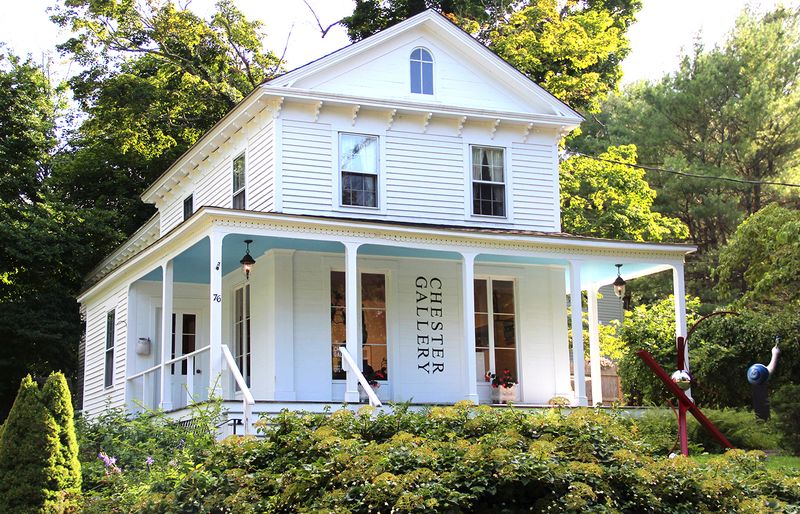
In Chester, art does not stand on a pedestal. It hangs above the espresso machine, sits on a shelf near the register, and fills the windows of small galleries where conversations linger. You stumble into creativity the way you might catch a melody while walking past an open door.
There are studios tucked behind storefronts, ceramics next to letterpress prints, and paintings that look like they borrowed their color from the river. Gallery owners greet you like neighbors, gauging your eye rather than your wallet. It feels welcoming because it is, grounded in relationships instead of spectacle.
The Norma Terris Theatre hums with the energy of new work, the kind of place where ideas stretch their legs before the world decides what they are worth. Seeing a show here feels intimate, like being let in on a secret. It is proof that small towns can punch well above their weight when care meets craft.
What you notice is how art is not scheduled but present, woven into the daily weave of town life. A sculpture peers out from a courtyard, a poster invites you to an opening that will probably include pie. The scale encourages you to ask questions and linger in the answers.
You do not need insider status to feel included. Curiosity is the only ticket, and even that is gently suggested rather than required. Leave space in your bag, because something handmade will almost certainly ask to go home with you.
Dining that feels intentionally personal
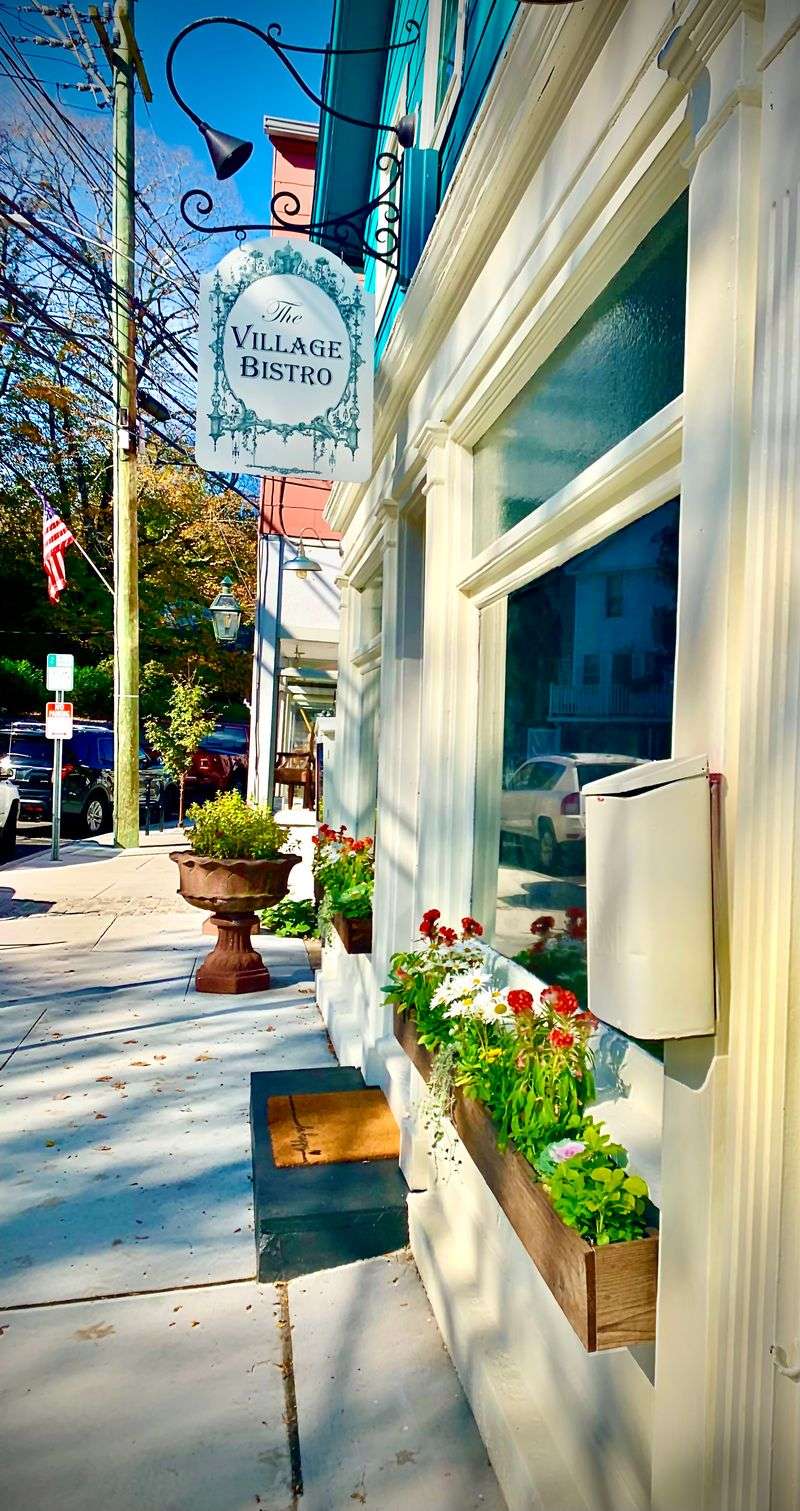
Dining in Chester carries a hush, not of formality, but of attention. Menus read like letters from nearby farms, seasonal without shouting about it. You can taste the decisions, from the char on the greens to the lemon that arrives already thinking about dessert.
Rooms are small, lights warm, and conversations unhurried. There might be an open kitchen or a chef stepping out to pour a taste of something they are excited about. It feels like cooking meant for a community first, with visitors welcome to pull up a chair.
The dishes lean thoughtful rather than flashy. Bread arrives with butter that understands salt, pastas hold their shape, and salads have stories about where they were grown. Nothing tries to chase trends, and that restraint tastes like confidence.
Reservations are helpful, but spontaneity can reward you with a bar seat and a conversation you will remember. Servers speak like translators between you and the kitchen, suggesting a pairing that unlocks a quiet harmony. You leave feeling fed in more ways than one.
This is the sweet spot where hospitality feels handcrafted. It is intimate without being precious, personal without turning precious. If you listen closely, the town seems to say, We cook the way we live: with care, simplicity, and room for surprise.
A human pace that invites lingering
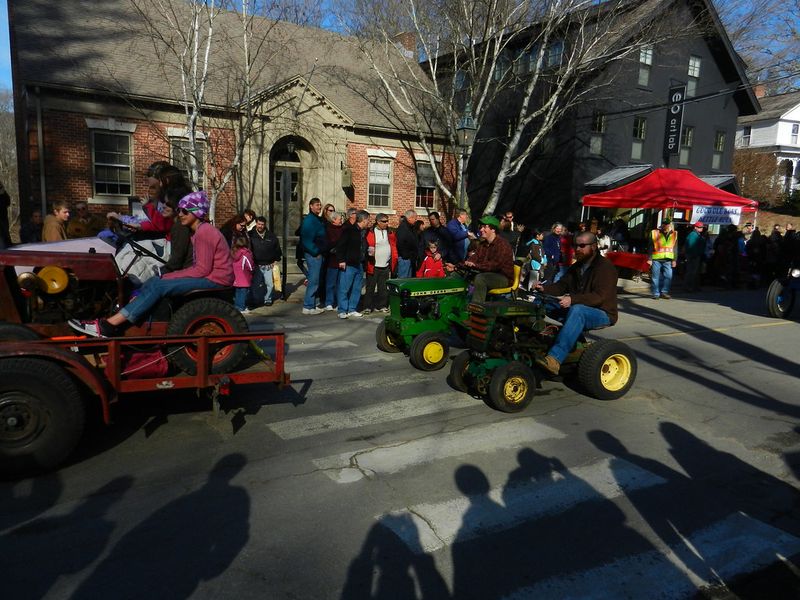
Chester keeps time with people, not attractions. Stores close when it makes sense for lives, not for bus tour timetables. You learn to arrive with curiosity and leave the agenda in the glove box.
There is pleasure in the in between moments: a bench under a maple, a newspaper folded and shared, a conversation that spills past the sidewalk edge. You might wait for a shop to reopen after lunch and discover that the waiting is the day. This town rewards anyone willing to let minutes stretch.
Without a checklist, you notice textures you usually rush by. The sound of a latch, the tilt of a sign, the choreography of neighbors greeting each other across the street. Time thins into transparency, and you can see your own breath in it.
Evenings settle early, and that is part of the charm. You might trade nightlife for starlight and call it even. The lack of urgency is not a drawback here, it is the point.
By the time you return to your car, you may realize you have done almost nothing and somehow experienced a lot. Chester is a practice in attention disguised as a town. Come for an hour and learn how long that hour can be when it is given fully.
Nature as a gentle backdrop

Nature in Chester is the quiet friend who shows up and sits beside you. The river is always nearby, silver and unbothered, with marinas that look like a handful of punctuation marks. You do not need gear to enjoy it, only a pocket of time and a willingness to stand still.
Wooded hills tuck around town, offering trails that do not demand expertise. A short walk yields views that feel earned by attention more than effort. You might catch ospreys working their route or listen to wind scribbling in the leaves.
Kayaks slip from shore like thoughts, and even the busiest day seems to move at half speed by the water. The air changes character, salt less and leaf more, and your breathing syncs to the rhythm of small waves. It is easy to feel both held and free.
This is not a capital O Outdoors destination. It is the kind of place where nature sits comfortably with human life, each giving the other space. The scenery frames your day without stealing it.
When you head back into town, the smell of coffee pairs nicely with the river breeze caught in your sweater. You carry the calm without trying. The backdrop becomes the main memory, not for drama, but for its gentle, steady company.
A town locals guard gently
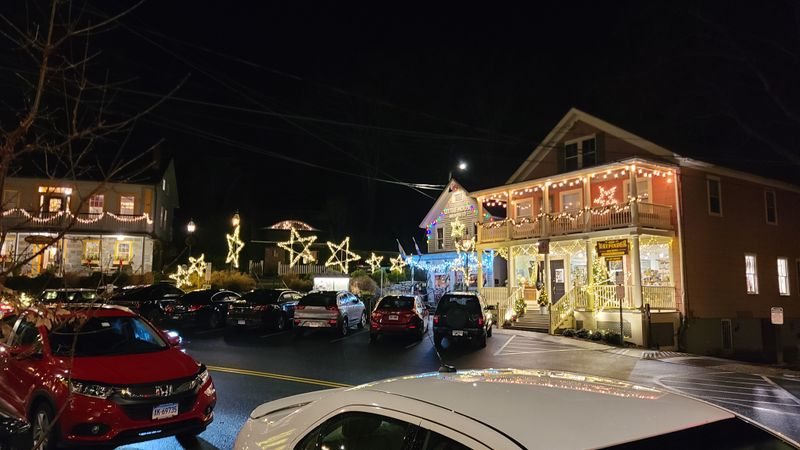
Chester wears its pride like a soft sweater, warm but not showy. Locals greet each other by name, and you feel the subtle choreography of a community that knows how to be itself. There is friendliness without performance, welcome without a sales pitch.
What stands out is the absence of aggressive packaging. No megaphone marketing, no souvenir overload, just thoughtful businesses that reflect the people who run them. You are invited to participate rather than consume.
Compared with neighbors that court attention, Chester seems content to let discovery happen organically. It is a confidence that reads as grace. If you are paying attention, you will notice how carefully the edges are tended.
Signs are modest, events are shared by word of mouth or a bulletin board with curling corners. The pace is deliberate because the people making decisions live with the outcomes. It is stewardship more than strategy.
As a visitor, the best thing you can do is meet the town on its terms. Buy thoughtfully, say thanks, and keep the secret by sharing it quietly. That is the code here, and it is what makes returning feel like coming back to something real.
The way Chester lingers after you leave

Some places fill a camera roll, but Chester fills the quiet after. Days later you will remember the way a doorway framed the street or how the river looked like a page turning. The town keeps echoing, small and clear.
It is not spectacle that stays with you, but texture. The humility of a sign hand painted, the weight of a ceramic mug, the pause before a theater curtain lifts. Memory holds onto those honest edges because they feel like yours.
Even the wrong turn that brought you there becomes part of the story. You start recommending it softly, like sharing a favorite bench. The secret feels safe in other careful hands.
Back home, your pace might slow a notch without your consent. You notice the light in your kitchen, the way conversation takes shape when it is not rushed. Chester seems to teach by example, a minor key lesson about attention.
When the urge to hurry returns, you will think of that road skirting the river and consider taking the longer way. That is the town’s lasting trick. It rewires what counts as worthwhile and leaves you missing something you never meant to find.
Who will love Chester, and who might not
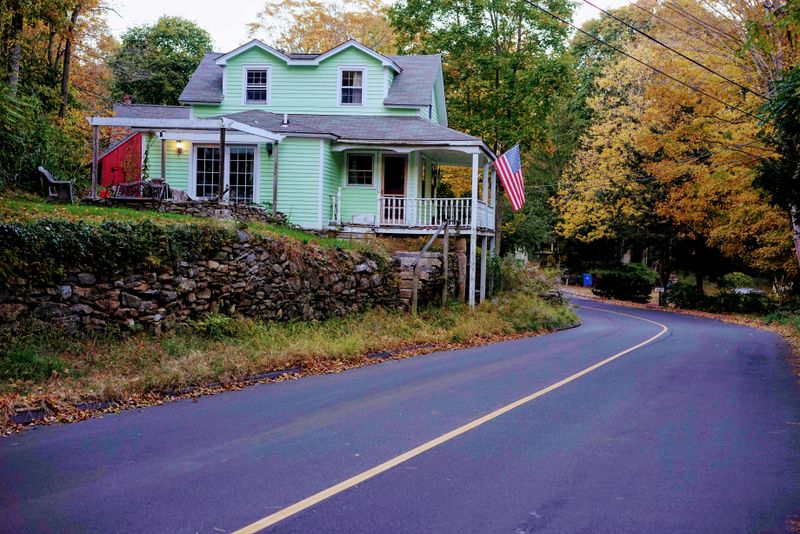
If you love slow travel, Chester fits like a well worn sweater. Couples, creatives, and weekend wanderers will find the scale just right and the pace reassuring. It is a place for people who collect moods and meals rather than attractions.
Nightlife seekers will not find much after dark beyond conversation, starlight, and the last pour. Large groups may feel the town buckle under the weight of their logistics. Checklist travelers might leave puzzled that the best moments were the unscheduled ones.
For everyone else, the charm lies in the unforced rhythm. You will enjoy browsing galleries, sitting with a drink, and letting the river set your internal metronome. Days open like windows rather than itineraries.
If you are comfortable letting the town lead, it will. If you need constant stimulation, you may grow restless. The surprise is how deeply satisfying it is to do less, better.
Consider Chester a gentle filter. It invites the kind of traveler who listens before speaking and lingers before leaving. If that sounds like you, this will feel like finding something you were already missing.
The magic of not trying too hard
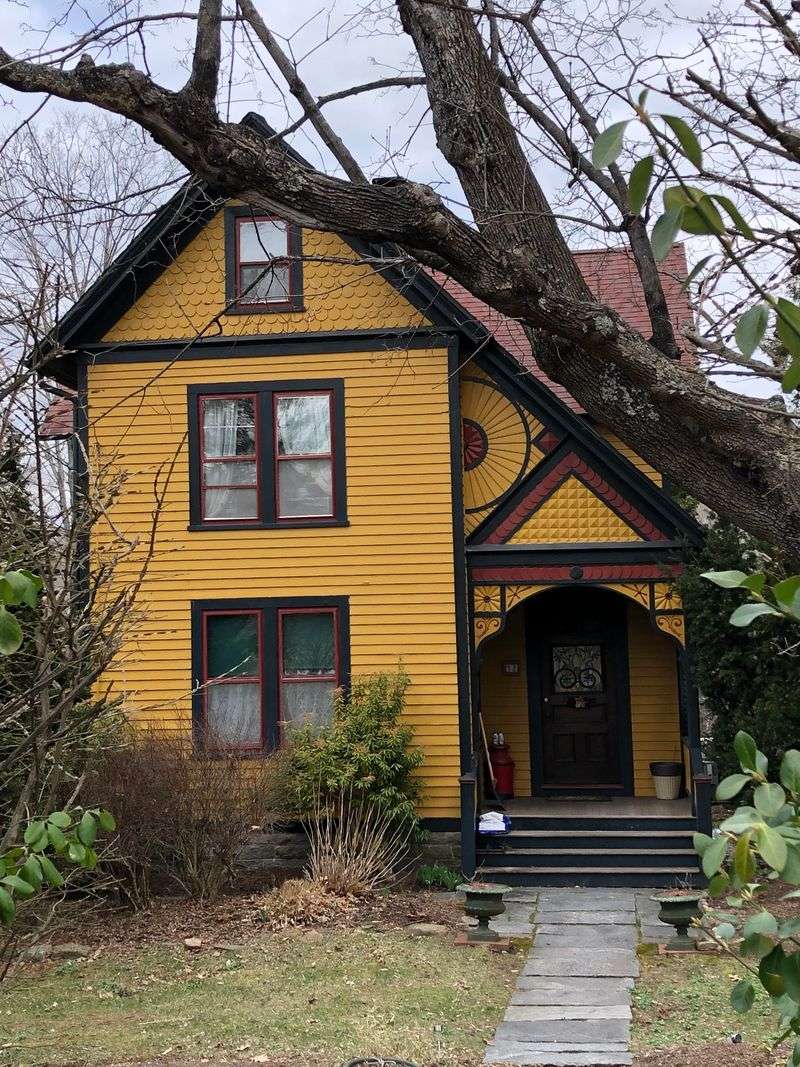
Chester’s secret is that it does not chase you. It stays itself and trusts you will notice. That restraint reads as confidence, and confidence feels like welcome.
The town works because nothing is over polished. History is present but not posed, creativity flows without a megaphone, and dinner tastes like someone cooked with attention. The result is a place that feels whole, not curated.
When you leave, you realize how rare that is. Many destinations perform; Chester simply is. The difference is the reason you keep thinking about it.
It also explains why arrival matters so much. The gentle road, the river in the corner of your eye, the modest sign that does not insist. From the first mile, you are taught what kind of beauty this is.
Call it the magic of not trying too hard. A reminder that small towns matter because they hold space for the ordinary done well. If you find yourself here by accident, consider it the best kind.