Step into a world where time slows, and the rhythm of daily life is guided by tradition, craftsmanship, and community.
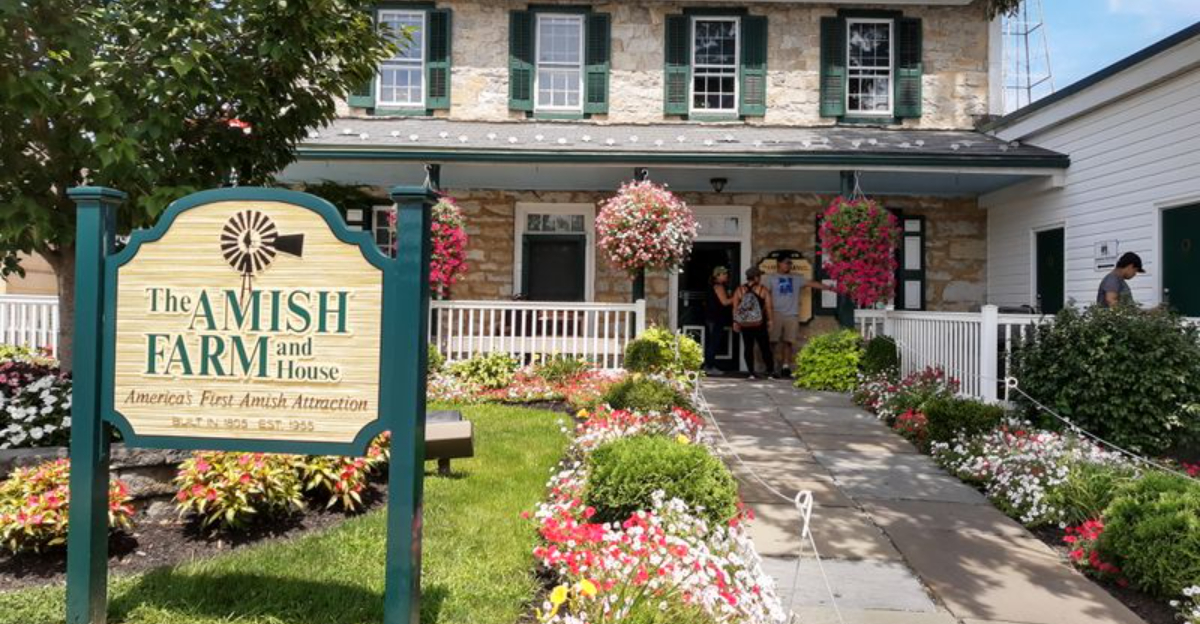
At Amish Farm and House in Lancaster, you can explore America’s oldest Amish settlement with honest, up close storytelling. From horse drawn buggies to hand stitched quilts, every detail reveals a living culture that still thrives today.
Ready to experience it for yourself and see what simplicity can teach you?
Guided House Tour: Everyday Amish Life Inside
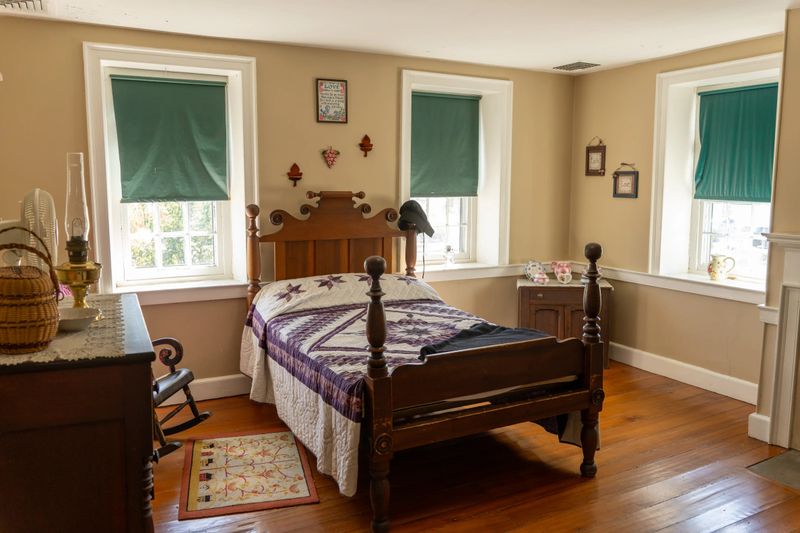
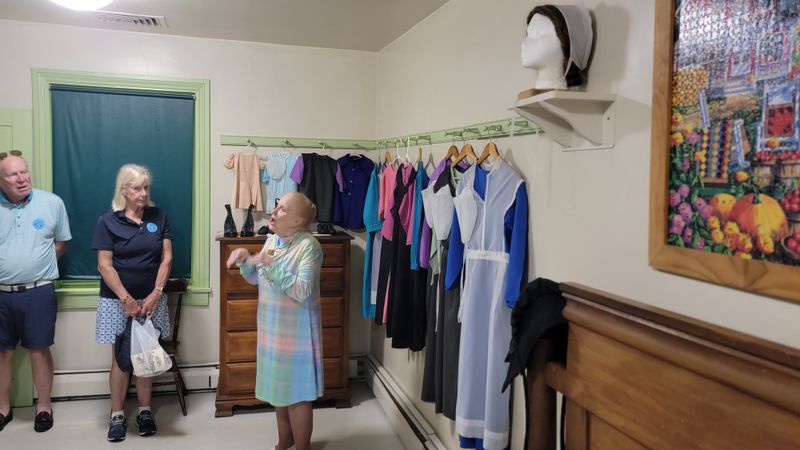
Step through the farmhouse door and you immediately sense a lived in quiet, the kind that makes you listen closer. The guided house tour walks you room to room, explaining plain furnishings, oil lamps, and the practical layout that puts function first. You will hear how faith influences everything from clothing choices to family routines.
Docents share how Sunday worship rotates through homes instead of churches, and why technology is carefully chosen rather than rejected. You can ask questions about schooling, electricity alternatives, and the Ordnung, the community guidelines. The tone is respectful and candid, helping you understand the reasoning behind traditions.
Details make the experience vivid, like a butter churn by the window or hooks for bonnets near the entry. You might notice a treadle sewing machine ready for quilts and a wood stove that warms the kitchen. Each object reveals purpose and restraint without feeling austere.
By tour’s end, you have a clearer picture of how modern pressures are filtered through values that prize humility, family, and work. It is not reenactment theater. It is a real home, set up to teach, preserve, and welcome your curiosity.
Bus Tour Through Amish Farmland
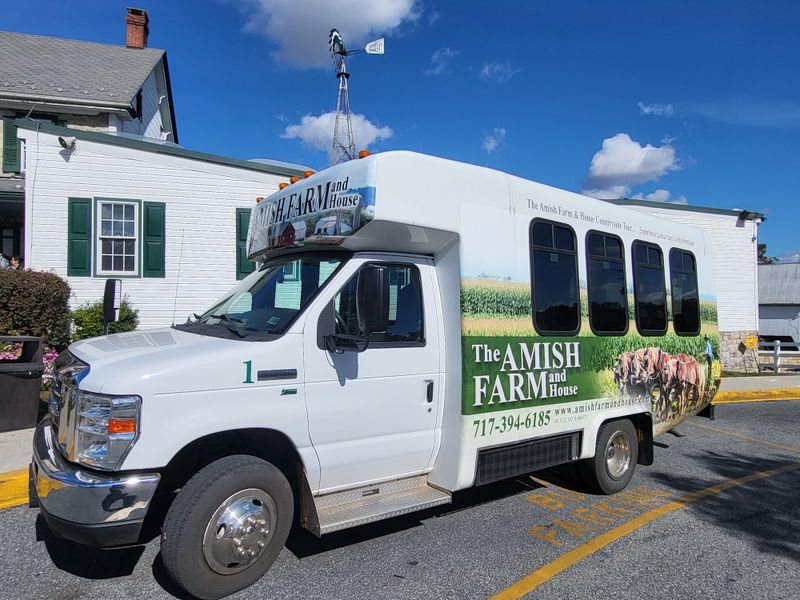
The bus tour rolls out past cornfields, laundry lines, and one room schoolhouses, while your guide explains customs you are seeing in real time. You will pass horse drawn buggies and farms with windmills, noting how Amish communities balance tradition and practicality. Scenic backroads reveal covered bridges, roadside stands, and long vistas of Lancaster County.
Guides share respectful photography etiquette and point out businesses where you can buy baked goods or quilts. You will learn how districts are organized and why farm sizes differ. Seasonal changes add texture, from spring planting rhythms to fall harvest wagons stacked high.
The narration avoids stereotypes and gives context to choices about technology, church membership, and education. When you drive by a school, you may hear how teachers are often former students. Passing a harness shop, you will understand the craftsmanship behind every leather strap.
It is comfortable and unrushed, ideal if mobility is a concern or you want a broad overview before diving deeper. The route adapts to traffic and farm life, keeping things authentic rather than staged. By the time you return, the landscape feels less like scenery and more like a living neighborhood.
Historic Schoolhouse Experience
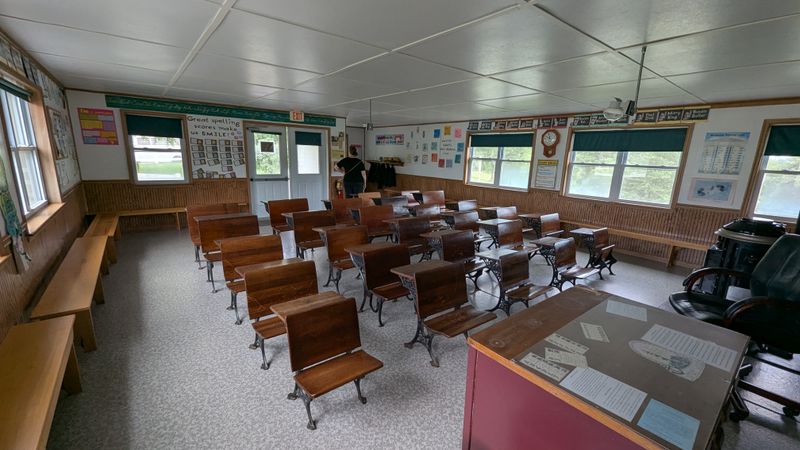
Step into the restored one room schoolhouse and picture the day beginning with slate boards and simple recitations. Benches, maps, and a potbelly stove set the scene, while a guide explains how grades share lessons and older students mentor younger ones. You will learn why schooling typically ends after eighth grade and how that supports apprenticeship and community life.
The atmosphere encourages questions about curriculum, textbooks, and language. Pennsylvania Dutch phrases might pop up as you hear stories about recess games and winter routines. You will leave with a sense of how learning stays practical, grounded in reading, arithmetic, and moral instruction.
Artifacts make everything tangible: chalk ledgers, copybooks, and lunch pails. You may notice how the room is free of distractions, focused on attention and memory rather than screens. Seasonal displays sometimes highlight harvest themes or scripture verses used for penmanship.
For families, the schoolhouse offers a balanced way to discuss choices around education and career paths. It feels intimate and honest rather than romanticized. If you are traveling with kids, the hands on feel turns history into something they can visualize, not just read about.
Farm Animals and Everyday Chores
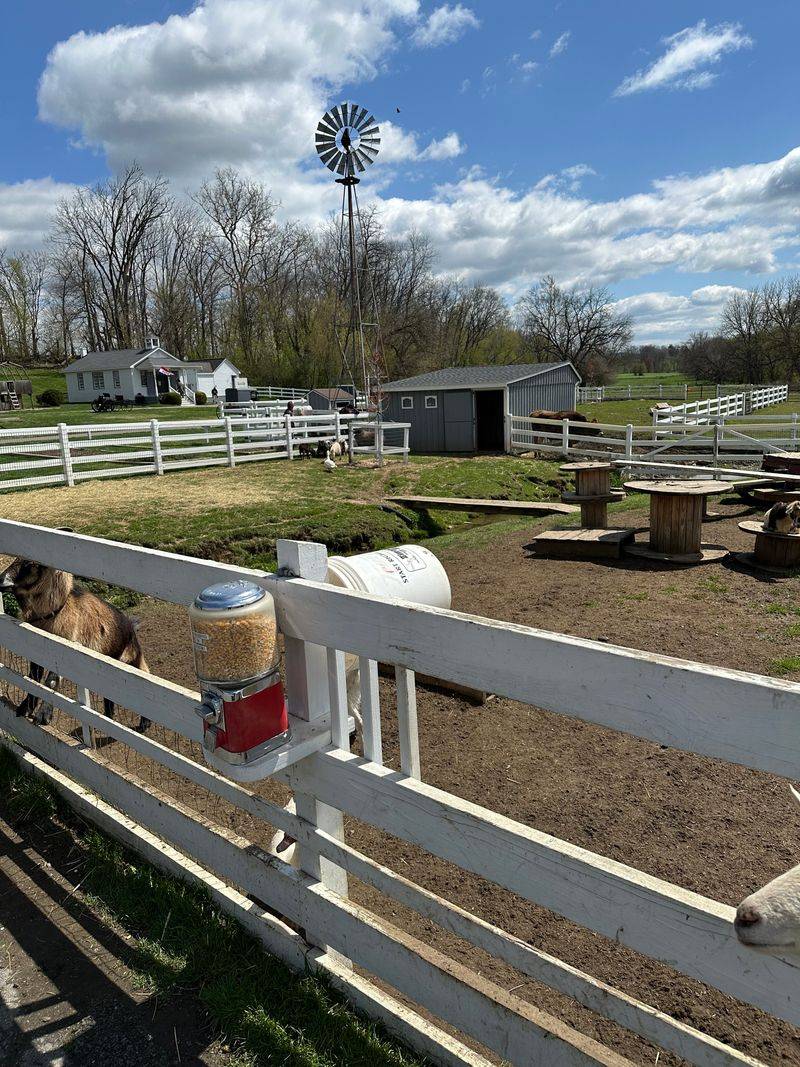
Out on the farm, you will meet goats, chickens, cows, and maybe a friendly barn cat sunning on a windowsill. Guides explain how chores are split between children and adults, tying daily routines to stewardship and self sufficiency. You will see how animal care supports gardens, dairy, and homemade goods.
Feeding times show practical methods that replace heavy machinery with simple tools. You might learn how milk becomes butter, or why certain breeds are favored for temperament and yield. The barn smells and textures make it tactile, also a hit with younger visitors who love to say hello.
Seasonality shapes everything from breeding cycles to hay storage. You may hear about pasture rotation and how manure enriches fields naturally. The approach is hands on and respectful to animals, reinforcing a sense of responsibility rather than novelty entertainment.
Bring comfortable shoes because gravel paths and grass are part of the experience. If mobility is limited, staff can point out accessible viewing areas. By the end, chores feel less like tasks and more like threads in a sustainable routine you can understand and appreciate.
Covered Bridge and Scenic Grounds Walk
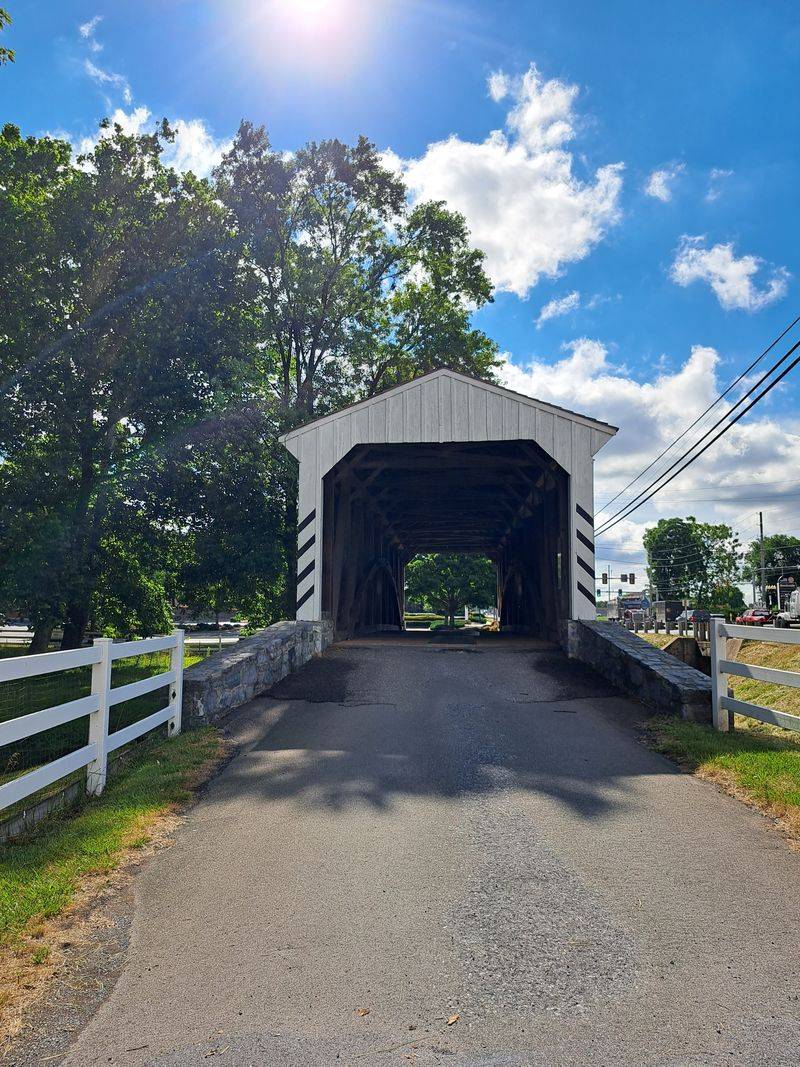
Stroll the grounds to find a picture perfect covered bridge and pastoral views that beg for a slow pause. Wayfinding signs keep you oriented while you wander between barns, gardens, and viewpoints. There is room to breathe and absorb how the landscape supports a working farm rather than a stage set.
Along the way, you may spot herb beds, quilting displays, or handmade tools. Interpretive panels add context about architecture and settlement history, turning a simple walk into an outdoor classroom. Benches invite you to sit, listen to birds, and take in wagon wheels crunching on gravel.
Photography is welcome with courtesy toward neighbors. Early morning or late afternoon light gives warm tones on wood siding and bridge timbers. The rhythm of footsteps and distant hooves becomes part of the memory you carry home.
Wear season appropriate layers since Lancaster weather shifts quickly. Comfortable shoes make the difference on unpaved paths. A loop around the grounds pairs nicely with a tour, helping you slow down and connect small details into a bigger story of continuity.
Hands On Craft Demonstrations
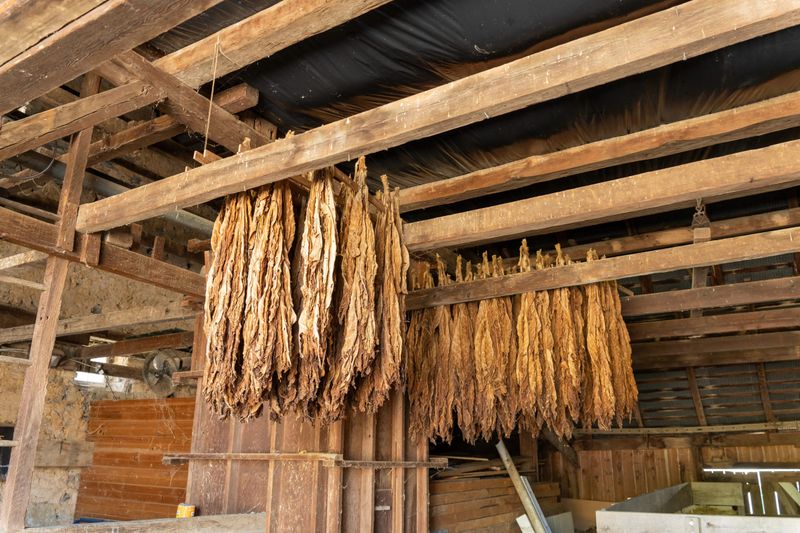
Throughout the day, you can watch artisans demonstrate quilting, blacksmithing, leatherwork, or woodworking. The emphasis is on practical objects built to last, not souvenir trinkets. You will see tools that rely on foot power or hand strength, guided by skill built over years.
Demonstrators often share family stories and explain how apprenticeships support steady quality. They are happy to answer questions about fabrics, stitches, or finishes. If you are curious about patterns, you will learn how designs pass through generations and why modesty shapes color choices.
These sessions are hands on when appropriate, like feeling different quilt battings or testing a hand plane’s curl of wood. Safety comes first, so close up work happens with supervision. The result is a deeper appreciation for costs, time, and materials behind simple objects.
Plan to linger and observe rather than rush. Watching a piece emerge step by step makes you notice patience in a new way. When you leave, you will carry more than a purchase. You will carry the memory of craft as a conversation between maker, material, and purpose.
Buggy Culture and Road Etiquette
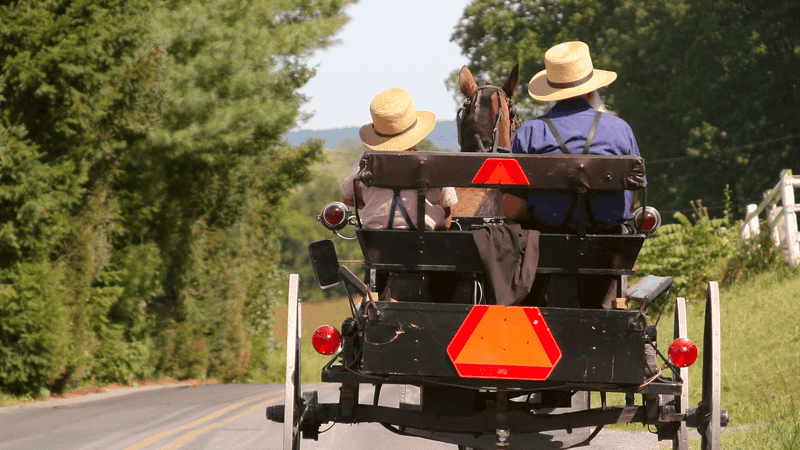
Horse drawn buggies remain everyday transportation, and you will likely see them pass while touring. Guides explain how reflectors, lanterns, and slow moving triangle signs keep families safe on Lancaster roads. You will learn how seasons affect routes and why rain can change wheel decisions.
Understanding etiquette helps everyone share the road. Give buggies space, avoid honking, and pass only when safe and lawful. Photography should respect privacy, especially when families are present or worship is underway.
Exhibits highlight harness making, wheel construction, and maintenance rituals. You might handle a piece of tack and feel the craftsmanship in every stitch. Details like storm fronts, open buggies, and carriage house storage paint a full picture of daily logistics.
By absorbing these practices, you gain respect for a community moving at a human pace. It is not about nostalgia. It is about continuity, safety, and dignity on shared roads that connect farms, schools, and markets throughout the county.
Seasonal Events and Harvest Rhythms
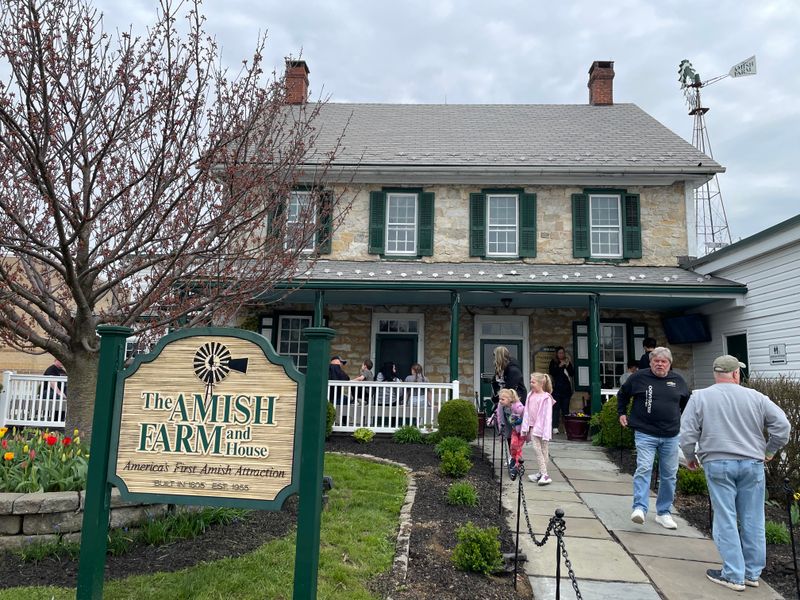
Time your visit to catch seasonal rhythms that shape farm life. Spring planting brings seed catalogs and turned soil, while summer means haymaking and bustling produce stands. Autumn harvest adds cider, pumpkins, and quilt colors that match the fields.
Amish Farm and House shares event calendars that align with these cycles. You might find special tours, craft days, or tasting demonstrations that emphasize what is in season. Staff can point you toward local markets where neighbors sell bread, jams, and handmade goods.
These moments deliver texture beyond a standard tour. You will smell fresh cut hay, hear the thunk of apples in baskets, and watch careful stacking in barns. Each detail reinforces patient timing and teamwork that keeps the community steady.
Dress for weather and check availability since events shift with farm demands. The beauty lies in authenticity rather than spectacle. When you leave, the calendar in your head will start to include the slow markers of planting, tending, and gathering.
Visitor Tips: Respectful, Ready, Relaxed
A thoughtful visit starts with simple preparation. Book popular tours ahead, particularly on weekends and holidays. Arrive a little early so you can settle in, use restrooms, and glance at the map before groups assemble.
Dress modestly and comfortably, and bring cash for roadside stands that may not accept cards. Ask before photographing people and private property. If you have questions, staff are approachable and honest, happy to clarify customs without turning them into curiosities.
Accessibility matters here, with a mix of paved, gravel, and grass surfaces. If mobility is a concern, call ahead for the best routes and timing. Weather changes quickly, so layers and a water bottle help you focus on enjoying the experience.
Most of all, treat the day as a conversation rather than a checklist. Listen, observe, and resist rushing. The slower you go, the more you notice the values that shape every choice you see.
Planning Basics: Hours, Tickets, and Location
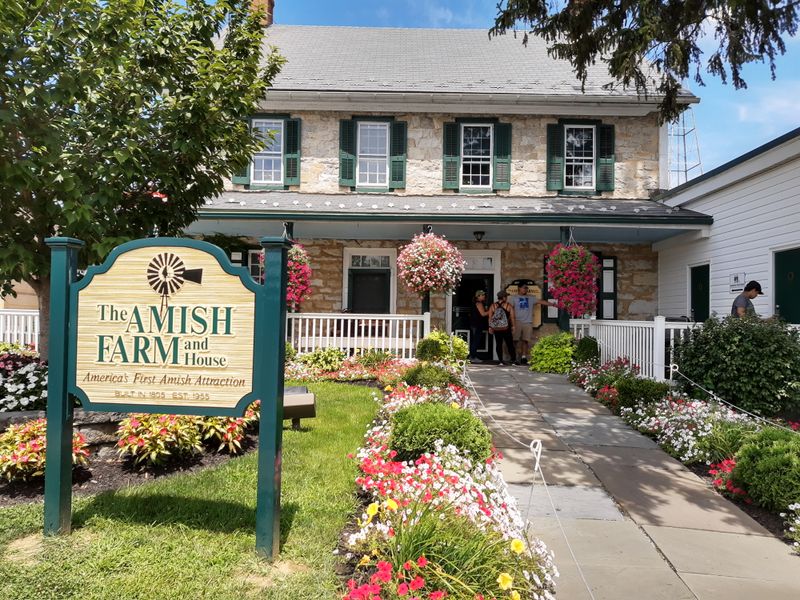
Amish Farm and House sits at 2395 Covered Bridge Dr, Lancaster, PA, close to major routes yet tucked into peaceful fields. It is easy to pair with other county attractions, but you will want to protect a few unhurried hours. Parking is straightforward, and staff greet you with clear next steps.
Check the official website for current hours, combined tour options, and seasonal closures. Phone lines help with group bookings or special accessibility needs. Ratings reflect consistent hospitality, and you will notice smooth operations the moment you step inside.
Tickets are available online or on site, with packages that bundle house, bus, and farm access. Consider weekdays for quieter pacing. If traveling with kids, snacks, sunscreen, and curiosity go a long way.
Use respectful navigation on country roads and give buggies plenty of room. Plan buffer time in your itinerary because conversations have a way of drawing you in. You will leave oriented and grateful for a place that makes learning feel calm, grounded, and genuinely welcoming.