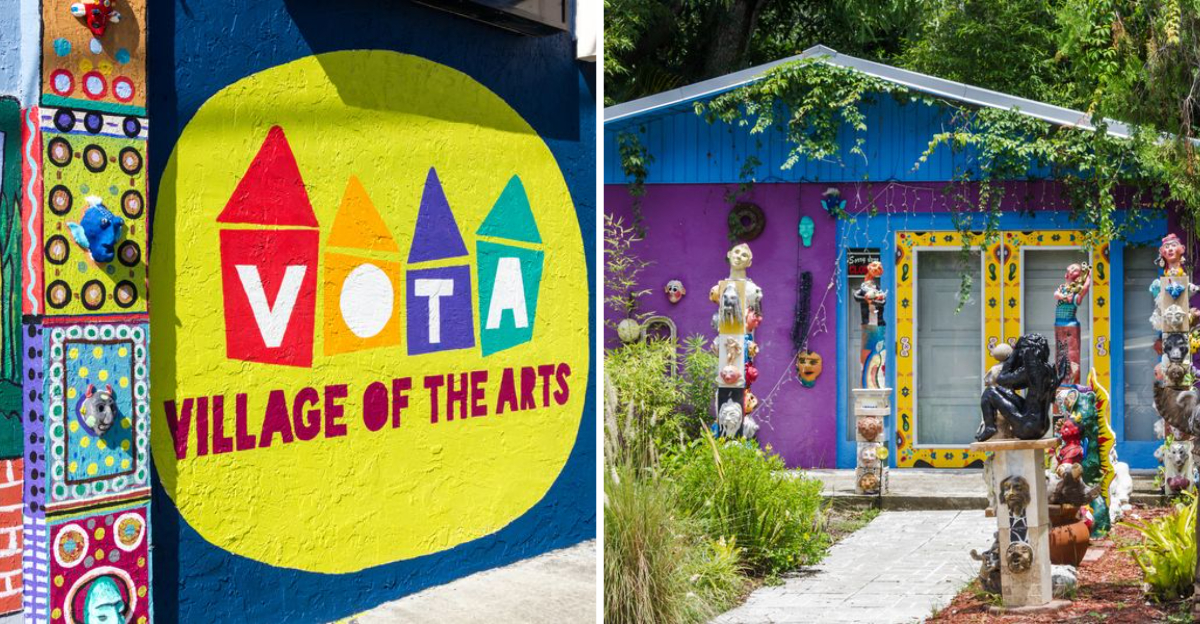
Color splashes across cottage walls, music drifts from porches, and studio doors swing open like invitations. At the Village of the Arts in Bradenton, Florida, creativity is not just displayed, it is lived and shared.
You stroll streets lined with 1920s and 1930s homes reborn as galleries, bakeries, and workshops. Stay curious, because every corner promises another surprise you did not know you needed.
First Friday Artwalk Strategy
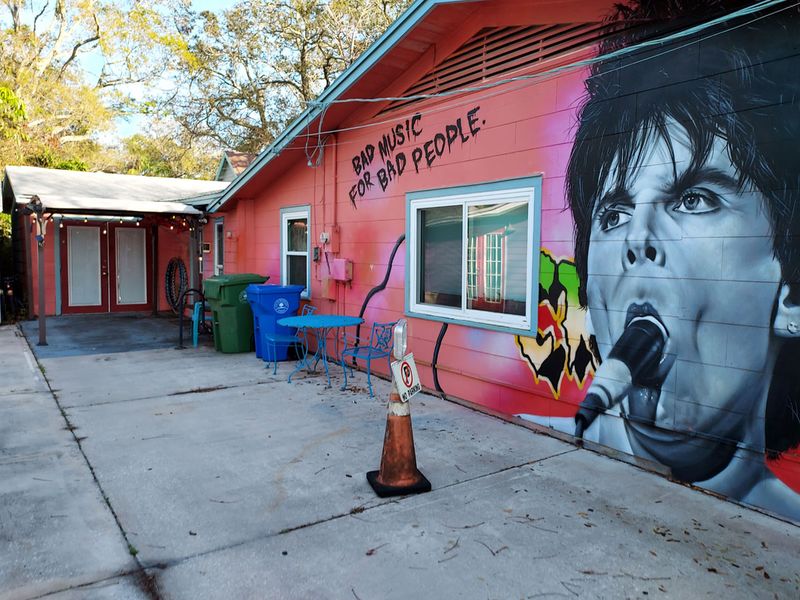
Those First Friday hours, stretching late into the night, are a gift if you plan well. Arrive a bit before 6 to park nearby and map a loop that hits both 12th St W and the side lanes. Start with smaller studios when energy and attention are fresh, then swing to the busier anchors once the buzz fully blooms.
Food lines grow fast, so grab a bite early or reserve a table. Ask artists about process, not just prices, and you will get memorable stories. Snap photos of porch installations, noting addresses for a Saturday return when crowds thin.
If you buy, arrange pick up Sunday to avoid carrying bags. Comfortable shoes and a light tote change everything. Hydrate, then linger where music spills.
Hidden Courtyard Studios
Behind some of the brightest facades, small courtyards hide patient work. Listen for clinks of tools, faint radio, or kiln hum to spot them. Courtyard studios often showcase works in progress, so you catch the messy middle and understand pricing and time.
Ask permission, then step gently around drying canvases. You will notice patterns: buckets of brushes, glaze charts, boxes of frames in transit. These details help you gauge authenticity and care, useful when deciding on a commission.
Bring cash for small pieces like hand-built ceramics or block prints. Many artists prefer quick, low-fee transactions for under-100 purchases. Before leaving, jot names in your notes app so you can return during weekday hours.
Cottage Architecture With Character
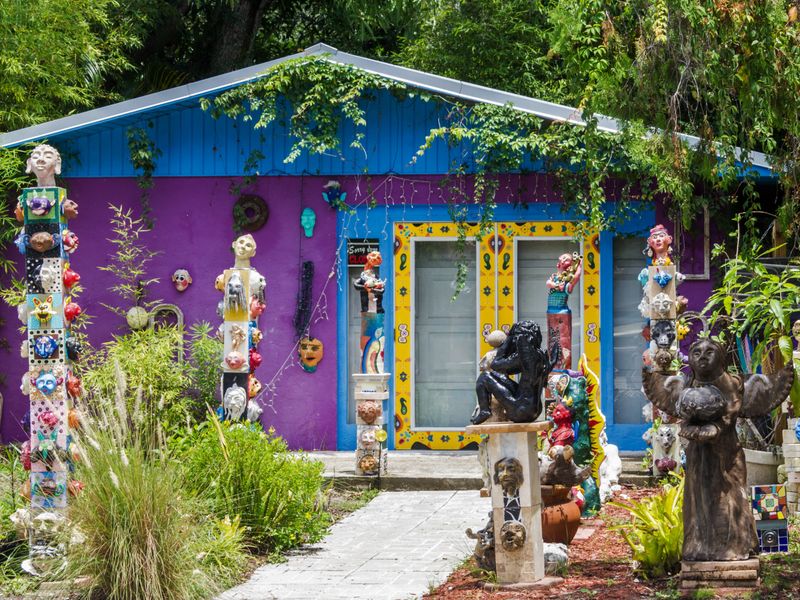
Those 1920s and 1930s cottages are stories in wood and stucco. Look for original clapboard, porch columns, and patched tin roofs next to fresh murals. The contrast creates a living timeline, where craft shows through every repair and flourish.
If you appreciate design, ask about setbacks, zoning variances, and how artists balance studio ventilation with historic windows. Many will share unexpected solutions like screen inserts or salvaged shutters. Photograph house numbers and trim details to remember which style grabbed you.
Respect thresholds and posted rules, since some areas remain private residences. You are visiting homes that also function as galleries. A quick compliment on restoration work often opens doors to deeper conversations.
Weekend Hours And Smart Timing
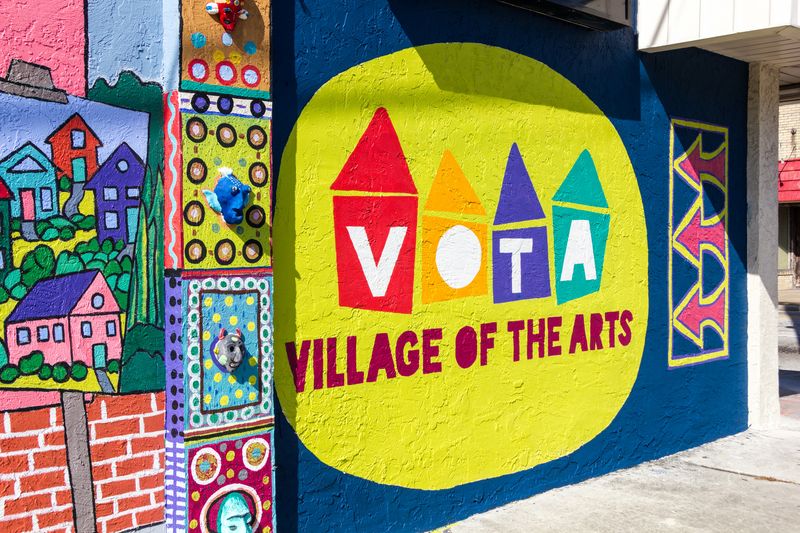
Hours shift through the week, and timing shapes your visit. On Fridays and Saturdays, late openings give the district a nighttime sparkle, perfect for music and porch chatter. Sundays bring softer crowds and better browsing for thoughtful purchases.
Check the website before you go since individual studios keep their own rhythms. If a door is closed, phone numbers are often posted, and a quick call may unlock a private look. For weekday visits, aim for early afternoon when light fills rooms and artists are settled.
Parking is usually manageable on side streets, but watch signage. Keep small bills for donation boxes and pop-up vendors. When you slow down, conversations deepen and the art feels personal.
Mural Safari On Foot
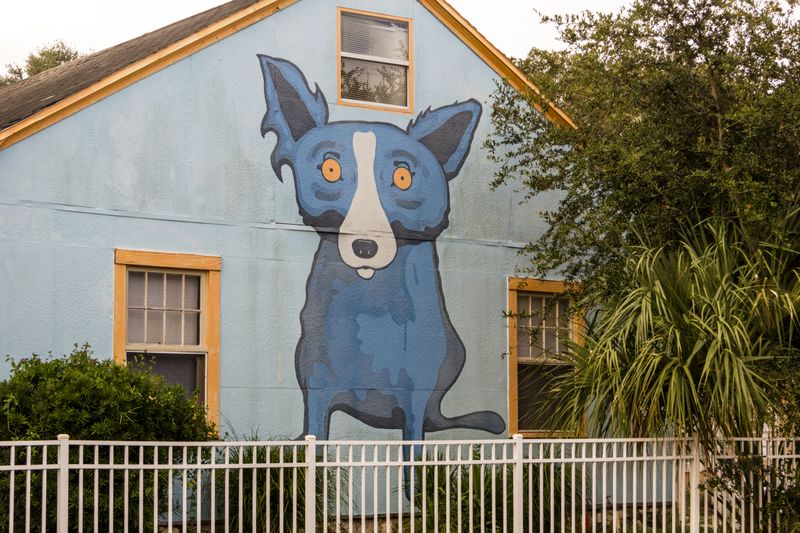
Start by following the loudest colors. Murals sprawl across stucco walls, layering flamingos, citrus slices, and surreal sea creatures in playful conversation. You will keep spotting tiny details, like hand painted tiles tucked near doorframes.
Pause where artists are touching up outlines. Ask questions, because most welcome quick chats while their paint dries. Bring water and a curious eye, and you will feel the neighborhood guide you block by block.
If the sun bites, duck under a vine trellis and listen for brushes clinking. This walk is slow, immersive, and wonderfully unscripted.
Street Music And Pop Up Jams

Listen for a sax warming up near a doorway. Pop up jams are the village heartbeat, mixing sax, cajon, and fiddle with scooter chatter and gulls. You will naturally fall into the rhythm, clapping along without planning to.
Musicians rotate mid song, like neighbors swapping recipes. Tip jars sit beside chalk setlists. Ask for a beachy standard, and someone might riff it in a new key.
Bring patience, because magic ignores strict timing. Stay long enough to catch the moment a stranger harmonizes perfectly. That is when the alley turns into a tiny stage.
Hands On Workshop Nook
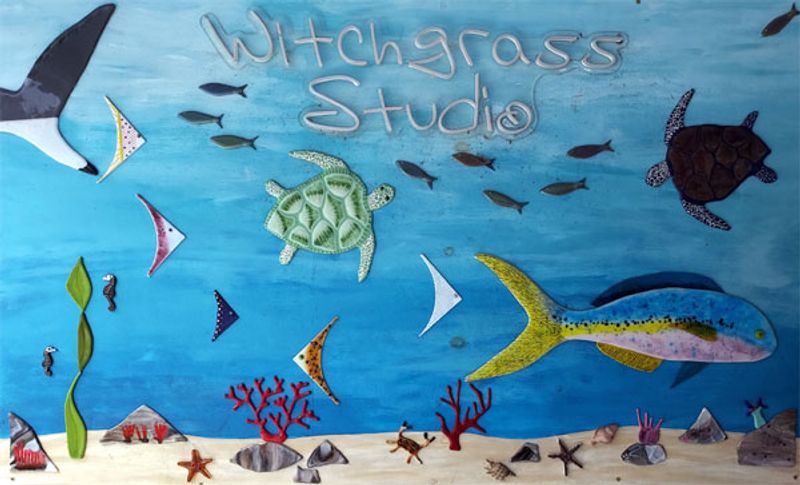
Roll up your sleeves and try a bite sized workshop. Linocut printing, watercolor postcards, or quick clay pinch pots are common, and supplies are usually included. You will leave with inky fingerprints and something proudly imperfect.
Instructors keep things low pressure. Ask how to fix a mistake, and you will learn three new techniques. The room hums with encouragement, plus the pleasant scrape of carving tools.
Photograph your progress, then tag the studio if you share. Many offer return discounts, so keep the flyer. Learning here feels like a souvenir that grows with practice.
Tropical Palette Snack Stops
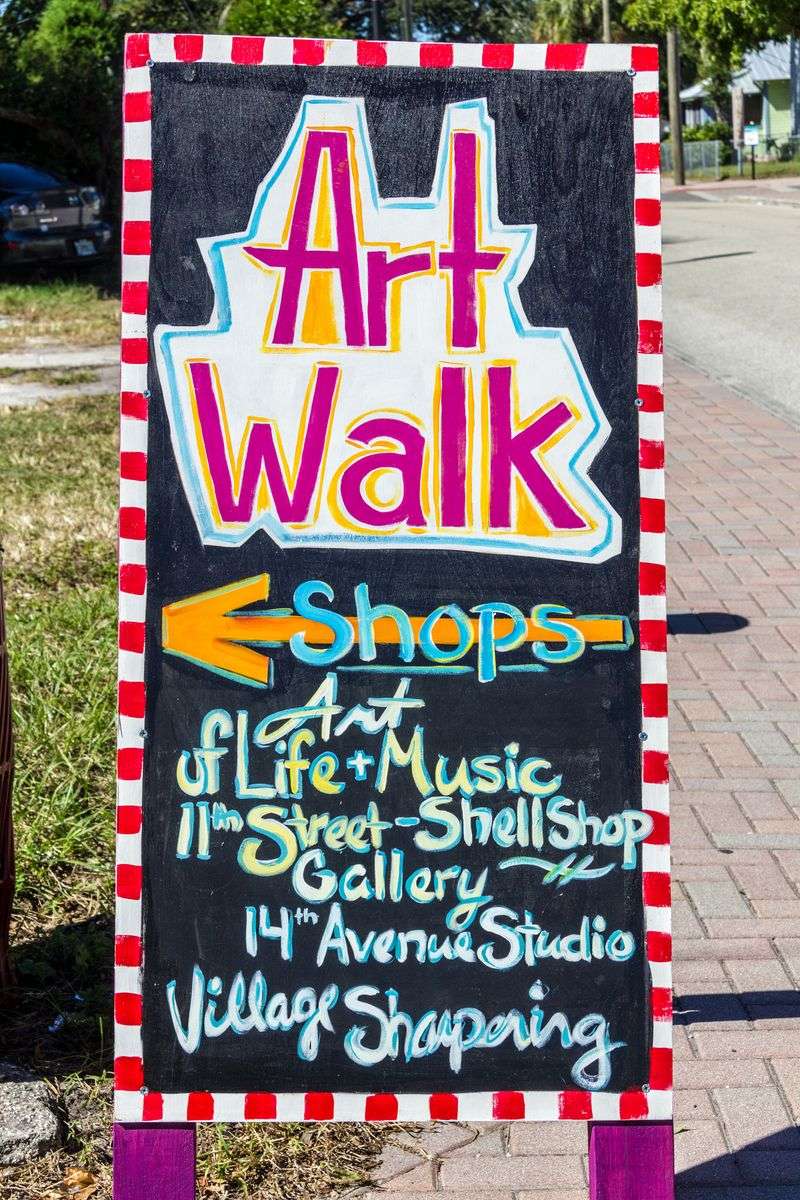
You will get hungry wandering all that color. Snack carts serve key lime paletas, guava pastries, and iced cold brew with coconut milk. Flavors match the murals, bright and cheeky.
Ask about seasonal specials, because small vendors experiment constantly. Bring a reusable cup if you can. Compost bins are labeled with painted fruit icons, making cleanup easy.
Grab a sunny bench and people watch. Artists barter treats for sketches, and you might score a doodle on your napkin. The snack break becomes part of your art tour.