Tucked into western Indiana, Turkey Run State Park feels like it belongs in a different landscape entirely. Deep sandstone gorges, ladder climbs, and creek-woven trails create a sense of adventure you will not expect from the Midwest. With 3,000 acres of forest, ravines, and historic sites, it rewards curiosity at every turn.
If you love under-the-radar places that surprise you, this park belongs at the top of your list.
Trail 3 and the Ladders: Iconic Gorge Adventure
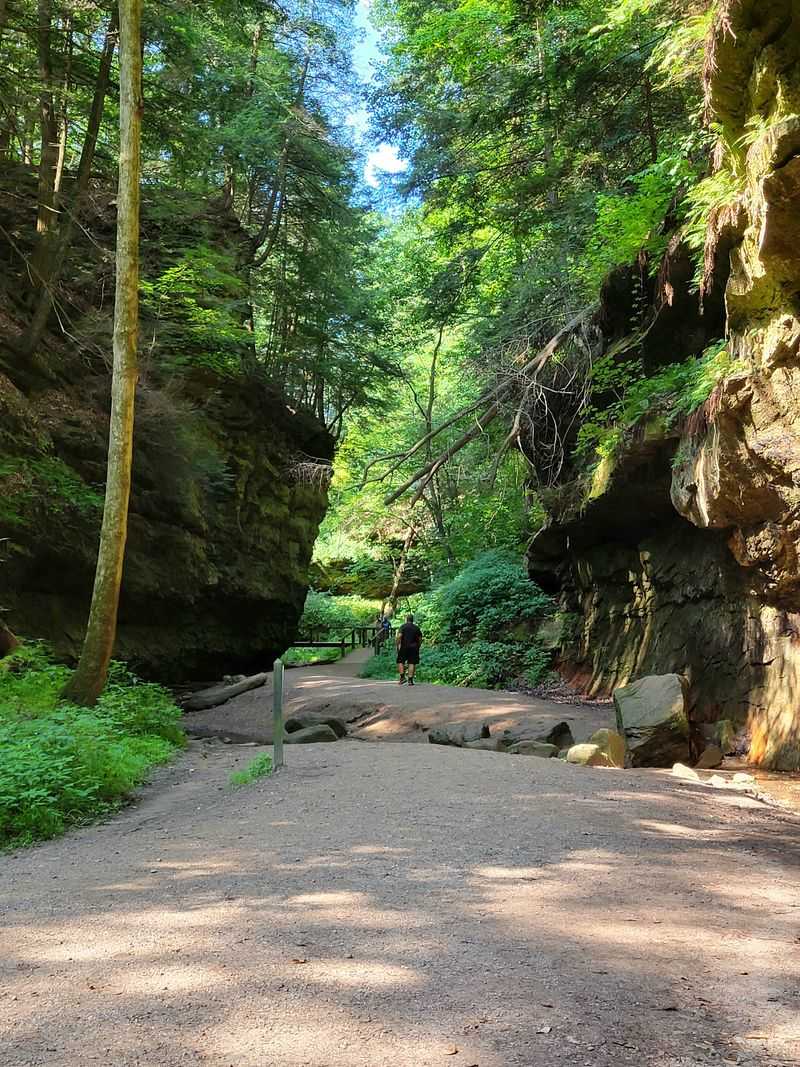
Trail 3 is the park’s signature challenge, mixing canyon squeezes, creek crossings, and the famous ladders that spark equal parts nerves and giddy excitement. You will descend into a cool, shadowy world where water sculpts the rock and the air feels a few degrees calmer. Wear shoes that grip well, because slick rock and shallow water are part of the fun.
The ladders demand focus but reward you with views that look like Indiana traded cornfields for cliffs. Pause at the landings to notice the cross-bedded sandstone layers, a geologic time capsule under your fingertips. When the creek is flowing, expect to step-stone or splash across, which turns a hike into a playful obstacle course.
Start early on weekends to beat crowds and to catch soft light filtering through hemlocks. Pack a small daypack, leave hands free for steel rungs, and bring a dry bag for your phone. You will appreciate trekking poles for balance, but stow them before the ladders.
If water levels surge after heavy rain, consider alternate routes or return later in the day. Trail maps are posted at junctions, yet a paper map helps decisions at tricky forks. This loop proves Turkey Run’s reputation instantly.
Suspension Bridge over Sugar Creek
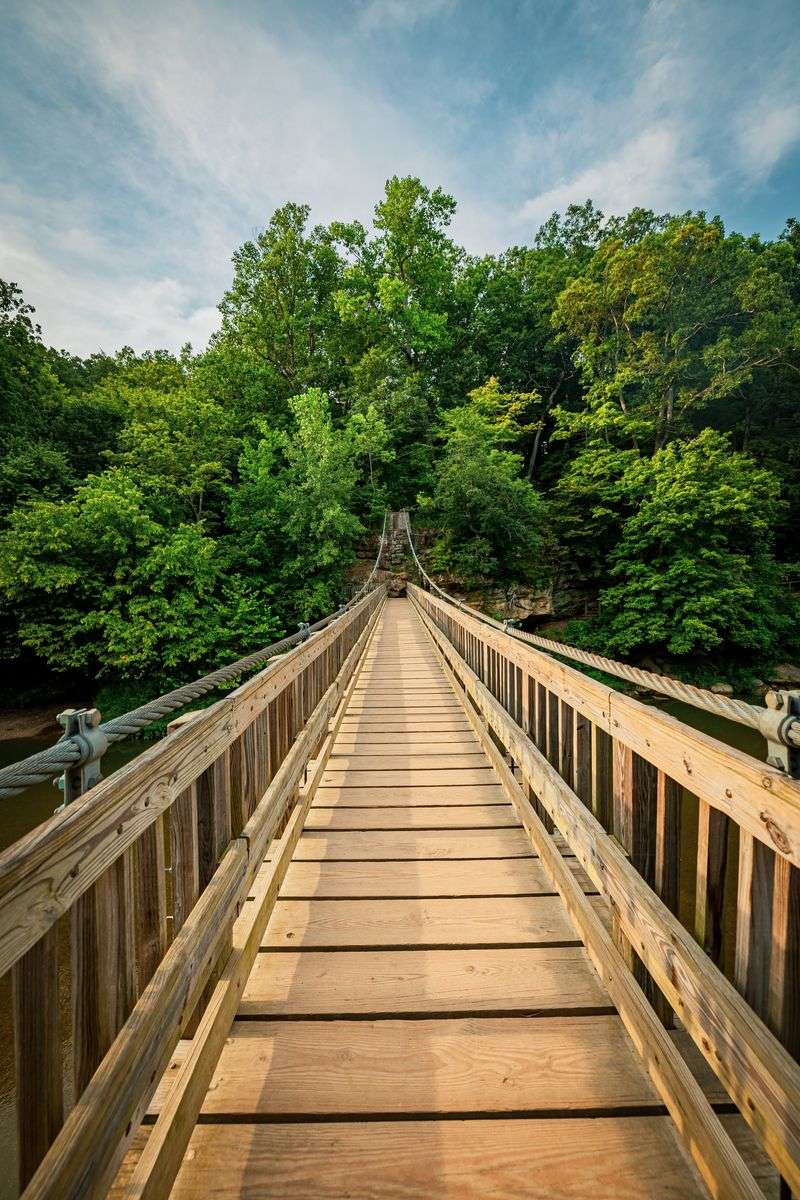
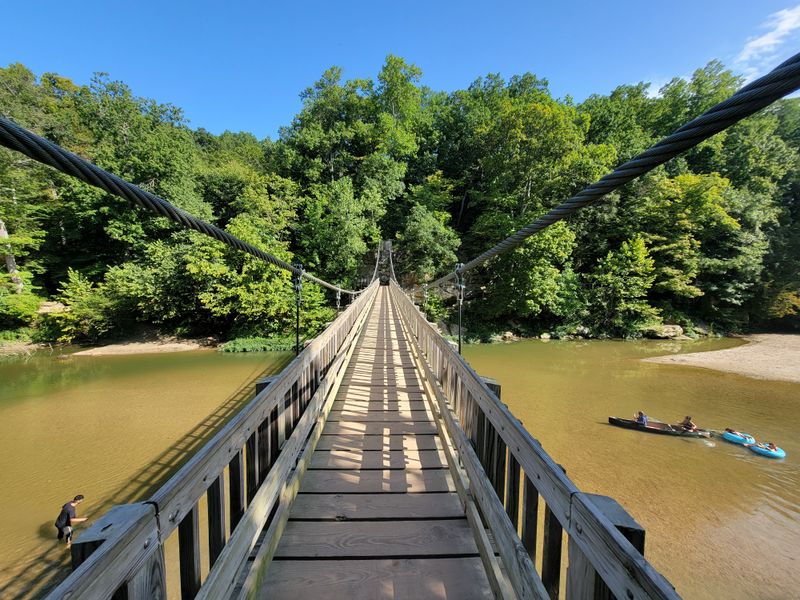
The suspension bridge is Turkey Run’s postcard moment, swaying gently over Sugar Creek with forest unfolding on both banks. Step onto the planks and feel a playful bounce that heightens the river’s shimmer below. It is the park’s main connector, opening access to the rugged trail network north of the water.
Arrive at golden hour to see the bridge framed by sycamores and reflected ripples. You can linger to watch paddlers drift underneath, their voices echoing off the gorge walls. Photographers love the symmetrical lines, but a low angle at the entrance creates the most dramatic depth.
Weekends bring lines, so walk across, then return for photos when the crowd thins. Hold onto the rail if it is breezy and let others pass at the wider points. Kids usually adore the gentle sway, though it can spook nervous walkers.
In winter, boards may be frosty and footing slick, so take careful steps. Summer brings thick green canopies that cool the crossing significantly. Whether you are starting a long gorge hike or just savoring the view, this bridge makes every route feel like an adventure.
Rock Formations and Sandstone Canyons
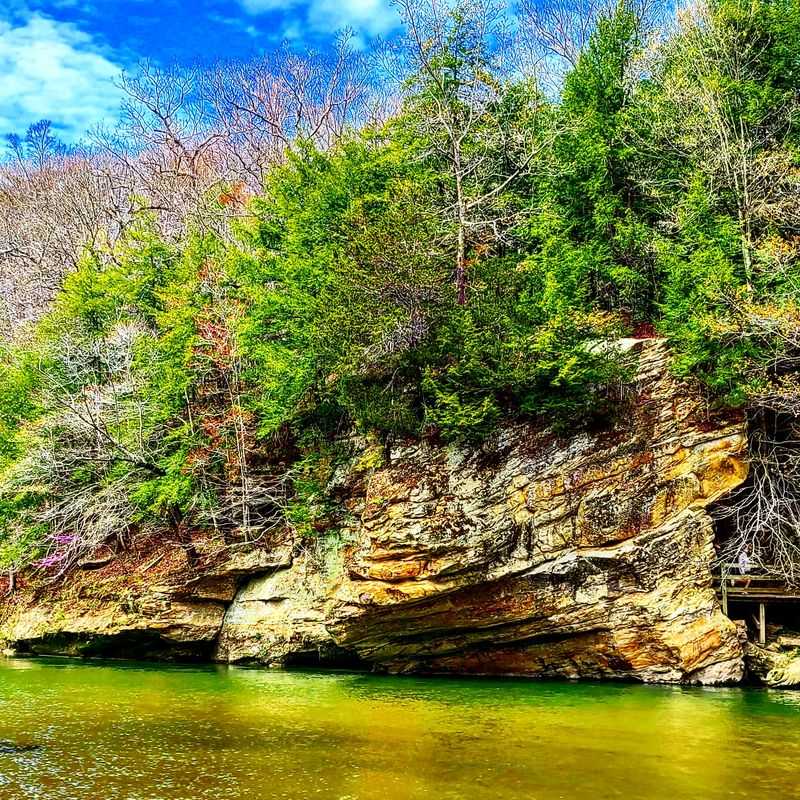
Turkey Run’s canyons are sculpted from Mansfield sandstone, carved by water into ledges, alcoves, and tight corridors that feel almost cave-like. As you wander, look for honeycomb weathering and ripple marks hinting at ancient riverbeds. The rock glows warm amber in sun, then cool gray under shade, changing mood by the minute.
Popular spots include Bear Hollow, Boulder Canyon, and Gypsy Gulch, each delivering a slightly different texture and scale. Trails weave between cliff faces and creekbeds, so expect a mix of dry tread and splashy steps. Moss and ferns stud the walls, signaling cool microclimates even on hot days.
Geology lovers should bring a small field notebook to sketch bedding planes and joint patterns. You will notice fallen blocks creating natural stair steps and playful scrambles. Stay on marked routes to protect fragile banks and to avoid undercut edges after heavy rain.
Photographing these formations works best under overcast skies that smooth harsh shadows. A polarizing filter helps tame glare on wet rock and water pools. With patience, you will capture angles that suggest the West, yet you are firmly rooted in Indiana’s heartland.
Sugar Creek Paddling: Kayaks and Canoes
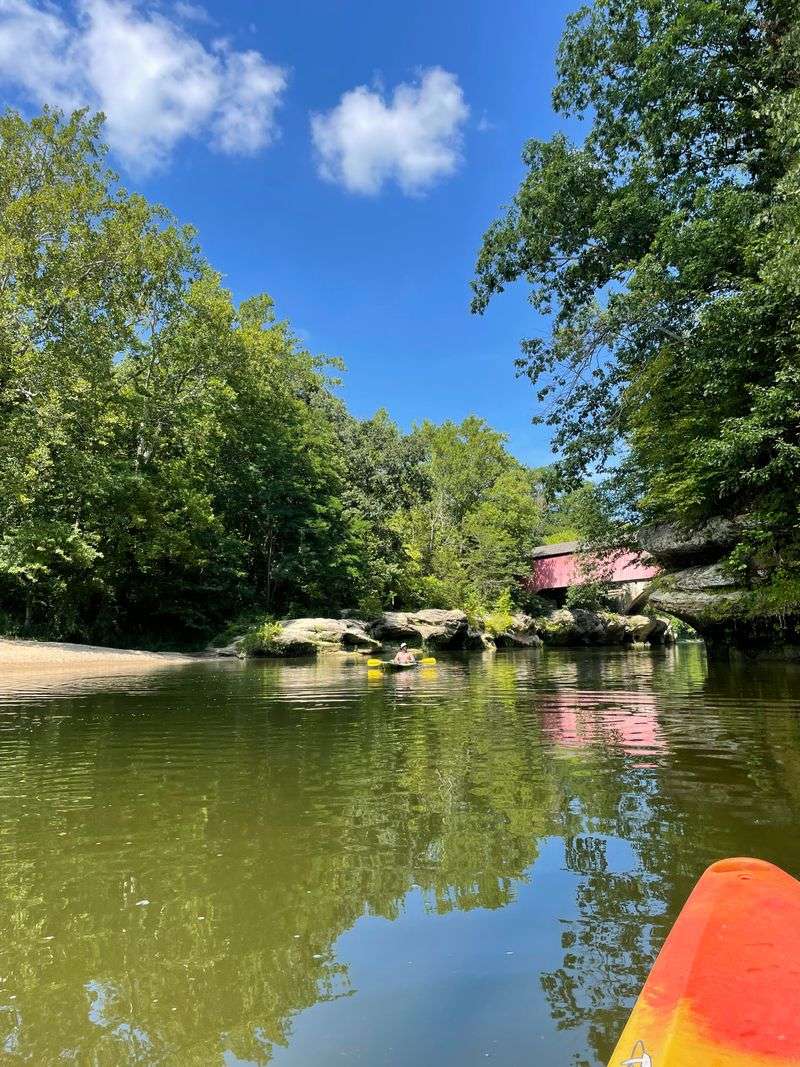
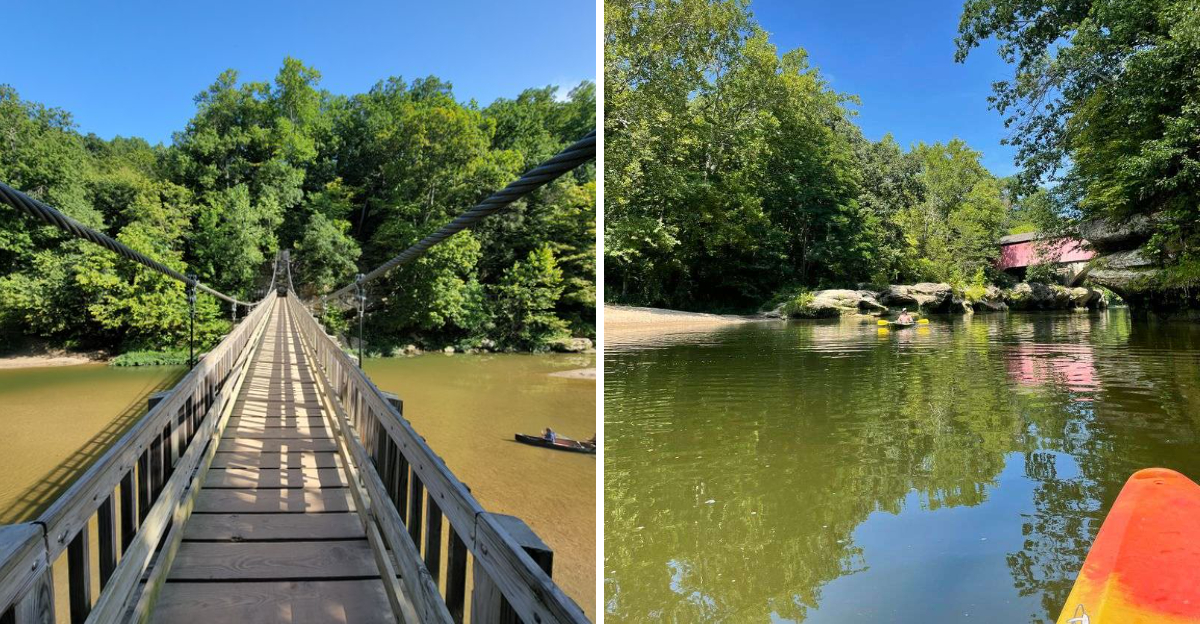
Sugar Creek threads the park with gentle riffles and calm stretches perfect for beginners and relaxed paddlers. Outfitters upstream can shuttle you to put-ins so you glide beneath sycamores and under the suspension bridge. In late spring and early summer, levels are friendliest, though trips run through warm months.
Bring a dry bag, quick-dry layers, and a brimmed hat for long sunlit bends. Turtles slip from logs as kingfishers rattle overhead, and you might spot herons fishing the shallows. Keep your phone leashed since eddies can spin a kayak unexpectedly near gravel bars.
Plan a two to four hour float depending on water level and stops. Pull off on sandy banks for snacks and to admire fossil-like ripples in nearby rocks. If storms are forecast, reschedule because the creek can rise fast and turn pushy.
Always wear a life jacket and consider closed-toe water shoes for rocky entries. Respect private property along the banks and pack out every wrapper. When you drift under the park’s cliffs, the water perspective reveals how deeply the gorge defines this landscape.
Historic Lusk Home and Mill Site
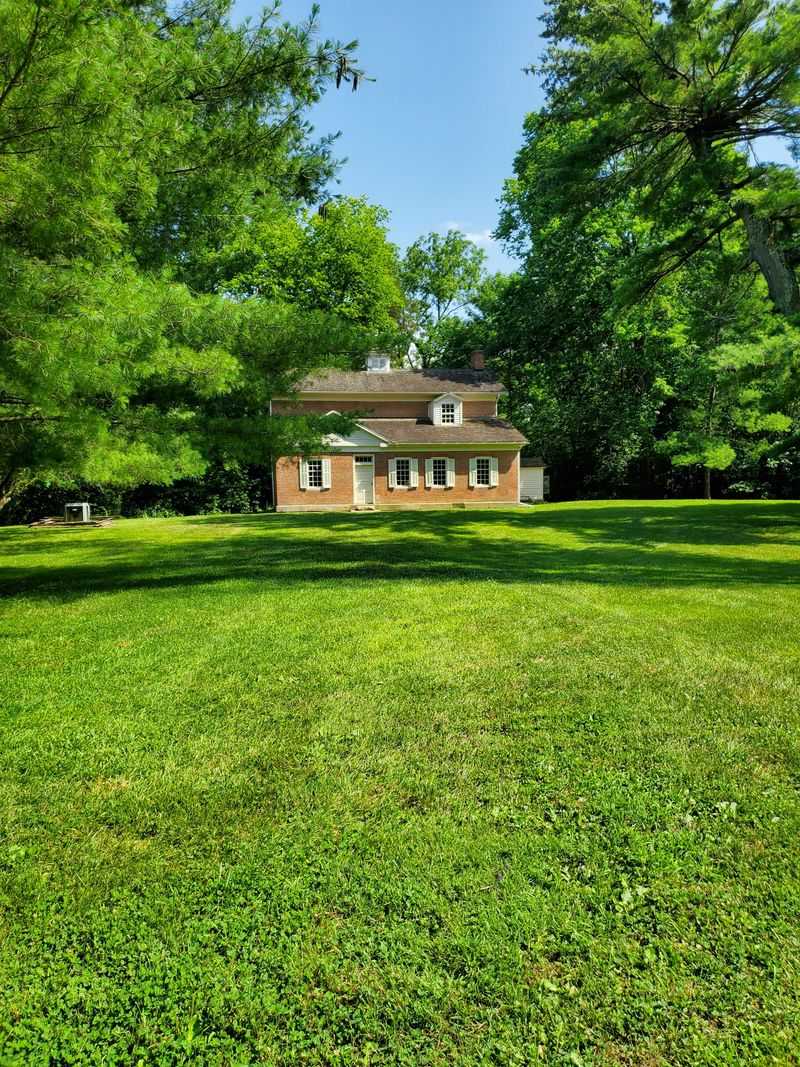
The Lusk Home stands as a tangible link to pioneer-era life along Sugar Creek, with Greek Revival details and sturdy brickwork. Nearby, the mill site tells stories of industry powered by the creek’s flow. Walking the grounds adds a human layer to a landscape otherwise shaped by stone and water.
Interpretive signs explain the Lusk family’s role in early settlement and conservation. Tours run seasonally, so check the park website or call ahead for times. Even from outside, you can appreciate craftsmanship and the strategic placement above flood-prone banks.
Pair a visit with a gentle stroll along the adjacent trails for a change of pace from ladders and scrambles. The house photographs beautifully in soft morning light when shadows reveal brick textures. It is a restful interlude that deepens your sense of place.
Respect roped-off areas and tread carefully on uneven historic surfaces. Kids often enjoy imagining life with candlelight, cisterns, and hand tools. You will leave with a fuller picture of Turkey Run’s layered past and the people who anchored it.
Nature Center and Wildlife Spotting
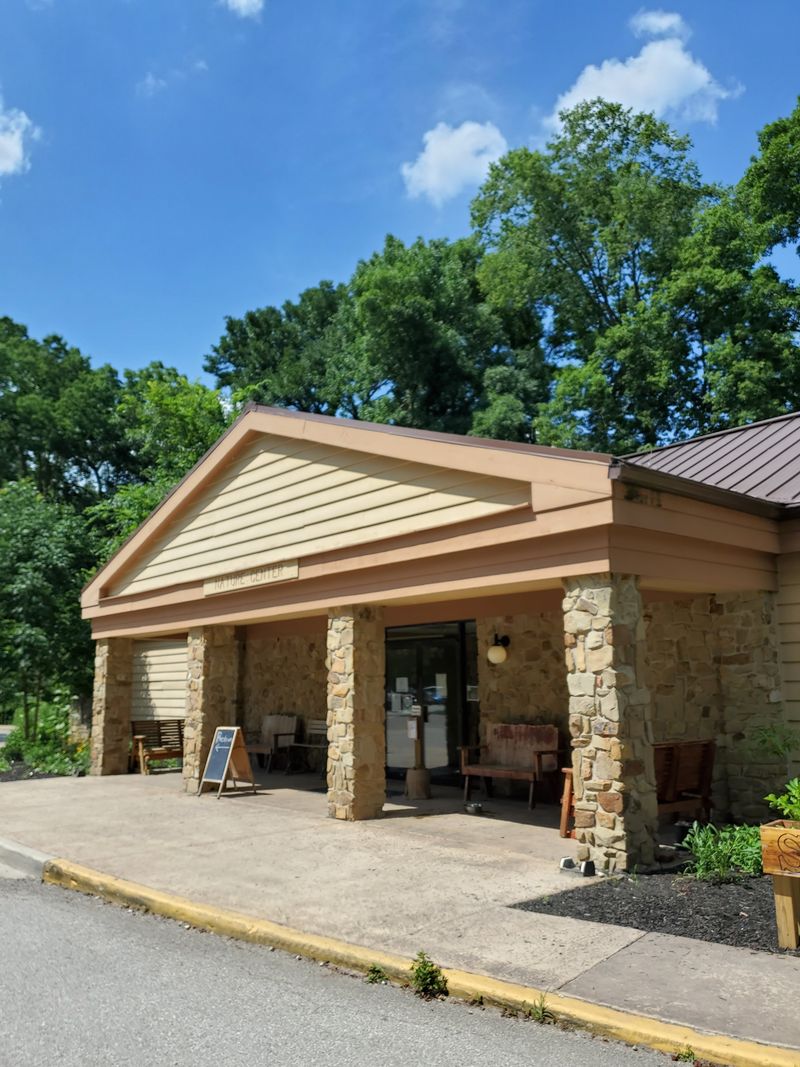
The Nature Center is your launchpad for understanding Turkey Run’s ecosystems, from sandstone geology to hardwood forests. Exhibits are hands-on and kid-friendly, with skulls, tracks, and live animal displays that invite curiosity. Staff post trail conditions and seasonal highlights so you can plan smart.
Step outside and you might spot white-tailed deer browsing, or hear pileated woodpeckers hammering deep in the woods. Spring brings wildflowers like trout lily and bloodroot along damp ravine edges. In fall, migrating warblers flick through the canopy, rewarding patient observers.
Pick up a bird checklist and borrow binoculars if available. Short interpretive paths nearby let you ease into the day before tackling rugged routes. This stop also offers air conditioning on sweltering afternoons, which feels glorious after humid hikes.
Ask rangers about recent owl sightings and where water levels sit for creek crossings. Respect wildlife by keeping distance and packing out snacks that attract scavengers. With a few insights in pocket, every trail becomes richer and more intentional.
Camping and Turkey Run Inn Stays
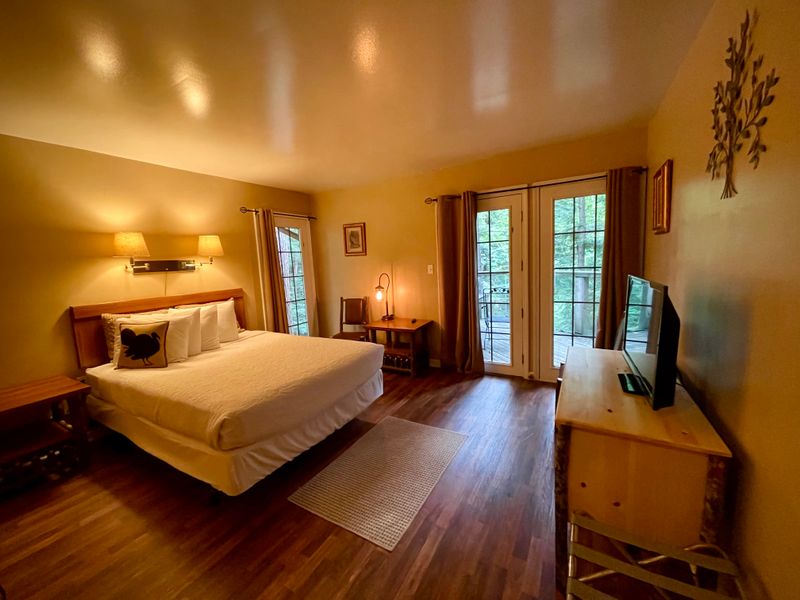
Staying overnight transforms the park from a day trip into a full immersion. The campground offers electric sites, modern restrooms, and wooded privacy within walking distance of trails. For a roof and comfort, Turkey Run Inn delivers cozy rooms and classic lodge vibes steps from the action.
Reserve early for peak weekends and fall color, when sites go quickly. Quiet hours keep nights peaceful, so you can hear insects and owls instead of generators. Morning fog drifting through ravines is your reward for sleeping close to the trailheads.
Bring a tarp or footprint for tents since ground can be damp near creek bottoms. A simple camp kitchen makes breakfasts easy before you hit the ladders. If rain arrives, the Inn’s indoor spaces offer relaxed reading nooks and hot coffee.
Check firewood rules to avoid transporting pests, and store food securely to deter raccoons. The blend of convenience and wild atmosphere makes lingering feel effortless. You will leave rested, with extra time banked for the park’s best hikes.
Seasonal Tips: Spring Wildflowers to Fall Color
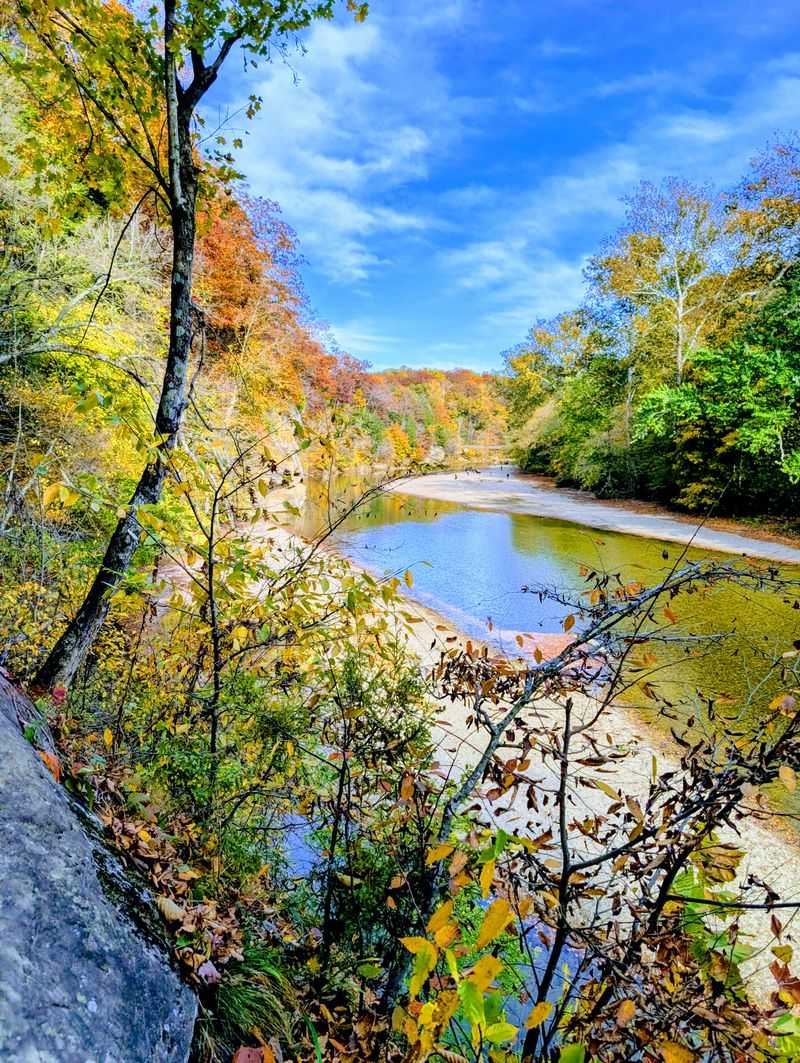
Turkey Run shines year-round, but each season gives the gorges a distinct personality. Spring pushes wildflowers through leaf litter while creeks run lively and cool. Summer offers deep shade and swimming-hole vibes along calm Sugar Creek bends.
Fall steals the show with maples and oaks painting ravines in fire tones. Trails feel brand new when leaves crunch underfoot and light turns honeyed. Winter brings quiet beauty, icy drips, and wide-open views when foliage retreats.
Time your visit to match your comfort with water levels and temperatures. After heavy rains, expect muddier crossings and slick rock, which can be exciting with proper footwear. Dry spells make footing easier but soften the drama of cascades.
Pack layers, microspikes for icy spells, and a rain shell in shoulder seasons. Shoulder weekdays provide solitude when parking lots brim on sunny Saturdays. With timing dialed, you will see why repeat visits feel completely different.
Practical Guide: Maps, Safety, and Hours
Turkey Run State Park keeps consistent hours, typically open 8 AM to 11 PM daily, giving you long windows for adventure. Start at 8121 Park Rd, Marshall, where the entrance gate and maps set the tone. Cell service can be spotty in gorges, so download offline maps before arrival.
Wear shoes with real tread, pack water, and expect wet feet on gorge trails. A small first aid kit and headlamp are smart even for day hikes. Tell someone your route if you plan solo, especially after rain when crossings change quickly.
The official website posts alerts and trail closures, and staff at the Nature Center can update conditions. Parking fills fast near the suspension bridge, so arrive early or aim for late afternoon. Restrooms are strategically placed but not at every junction, so plan accordingly.
Respect trail etiquette by yielding on ladders and letting faster hikers pass at narrow spots. Keep dogs leashed and avoid shortcutting switchbacks that erode delicate banks. With basic prep, you will hike safer and enjoy every canyon curve.