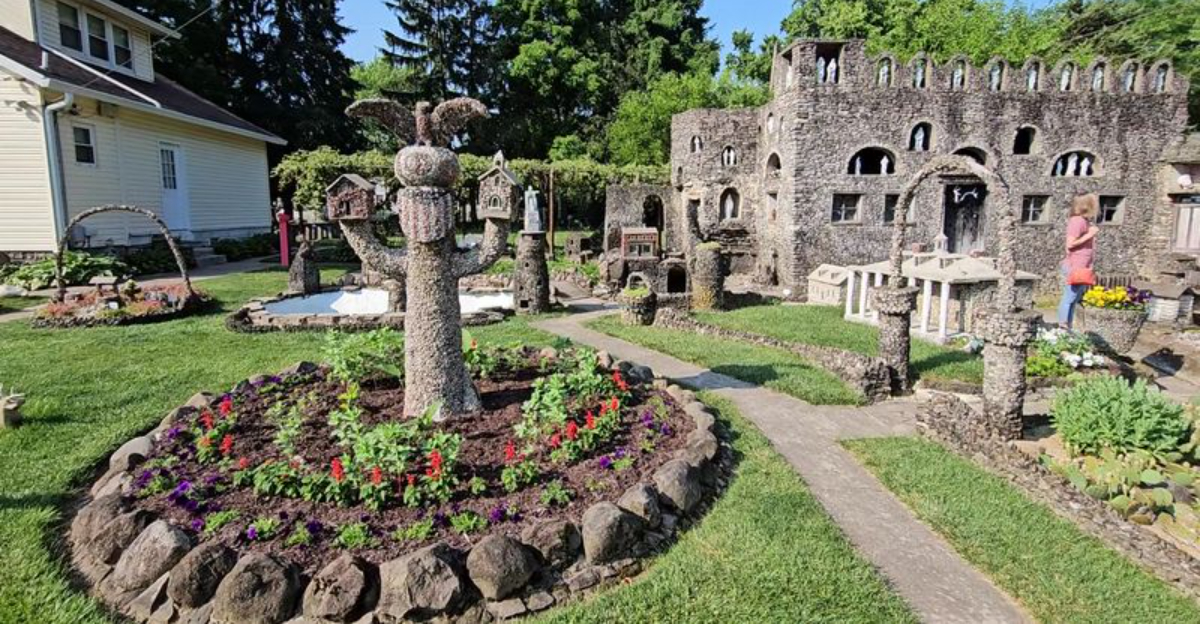
Tucked into a quiet Springfield neighborhood, Hartman Rock Garden feels like stepping into a carefully crafted daydream.
Stones stack into castles, mosaics shimmer with color, and every turn reveals another unexpected detail that makes you pause.
Built by a self-taught artist with relentless dedication, this folk-art landmark proves imagination can transform ordinary materials into magic.
If you think you have seen every roadside wonder, this surreal backyard masterpiece will change your mind.
The Origins of Hartman Rock Garden
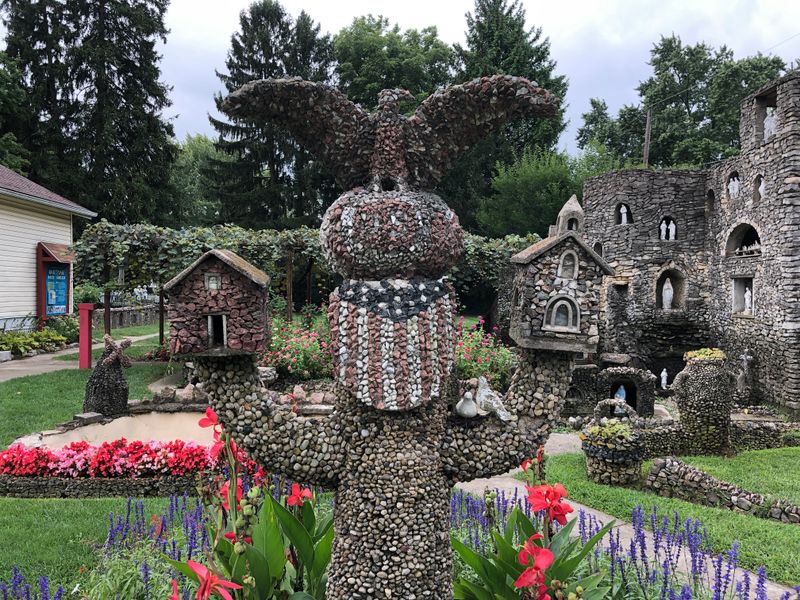
Hartman Rock Garden began as a backyard experiment that grew into a life’s work, created by self-taught artist Samuel D. Hartman between 1932 and 1944. Using simple tools, salvaged materials, and an uncanny eye for composition, he transformed ordinary stones into enduring art. You can feel the persistence behind every carefully set piece, the way patience became a design principle.
Hartman was not a trained architect or sculptor, yet his intuition guided the garden’s thoughtful layout. He assembled miniature buildings, biblical scenes, patriotic motifs, and whimsical forms that read like a visual diary. Each placement hints at how one person’s vision can unfold slowly, turning a lawn into a layered cultural statement.
What makes the origin story compelling is how accessible it feels. You stand a few feet from the very spot where everyday labor met imagination, and you begin to notice the tiny decisions built into the stonework. It invites curiosity, nudging you to consider how creativity thrives when resources are limited but resolve is abundant.
The garden’s construction years coincided with the Great Depression and World War II, giving the work a sense of grit and hope. Hartman’s ingenuity repurposed materials in a way that was practical and poetic. Walking through today, you glimpse not only art but a timeline of frugal invention.
There is a homemade rhythm to the garden’s origin that feels deeply American. It echoes the folk tradition of making do, elevating the humble into something cherished. In Springfield, Ohio, this origin story still resonates, reminding you that grand results can grow from modest starts and steady hands.
Samuel D. Hartman’s Vision and Story
Samuel D. Hartman imagined a world where stones could speak, and then patiently taught them how. Working after long days, he shaped stories from pebbles and concrete, inviting neighbors to witness his evolving landscape. You sense a personal mission, not to impress, but to share wonder piece by piece.
His vision stretched beyond decoration into narrative. He built patriotic symbols, religious tableaus, and miniature civic landmarks, stitching themes of community, devotion, and perseverance into the garden. The result feels like a scrapbook translated into stone, intimate yet open to interpretation.
Hartman’s process emphasized repetition, balance, and found beauty. He sourced materials locally, turning castoffs into central features that reward close looking. As you trace a mosaic line or roofline, you can imagine his hands returning to the same gesture, refining forms until they felt right.
The story is also about resilience. During austere times, he invested in creativity as a daily practice, proving that art can grow in quiet corners. That persistence gives the garden its emotional weight, a steady heartbeat beneath the whimsical details.
Standing in the garden today, you meet Hartman’s vision in the round. It is not a museum behind glass but a lived environment that still breathes with his intentions. If you listen closely, the rhythm of his work ethic and warmth still echoes through each stone.
Unique Stone Sculptures and Mosaics
Hartman Rock Garden dazzles with intricate stone sculptures and mosaics that seem to hum with energy. Hundreds of hand-placed stones form vibrant patterns that guide your eye across paths, walls, and tiny facades. You find yourself leaning in to decipher designs made from pebbles, pottery shards, and glass.
The mosaics play with rhythm and color, creating borders that twist like musical phrases. Repeating motifs tie the garden together while unexpected shapes keep the experience lively. It is an environment that rewards attention, revealing new details every time you look again.
The sculptures range from miniature monuments to imaginative figures that feel both playful and deeply intentional. Some pieces reference history or faith, others celebrate daily life and local pride. Each work serves as a page in a sprawling storybook written in mineral and light.
What strikes you is the tactility of the craft. Surfaces are textured, edges are softened by time, and the compositions feel hand-choreographed. The result is a living mosaic, where every stone supports the next and the whole becomes greater than its parts.
In Springfield, this richness feels almost surreal, as if the garden distilled decades of attention into a visual chorus. You move from panel to panel, sculpture to sculpture, always discovering. The effect is part puzzle, part poem, entirely unforgettable.
Architectural Curiosities and Miniature Buildings
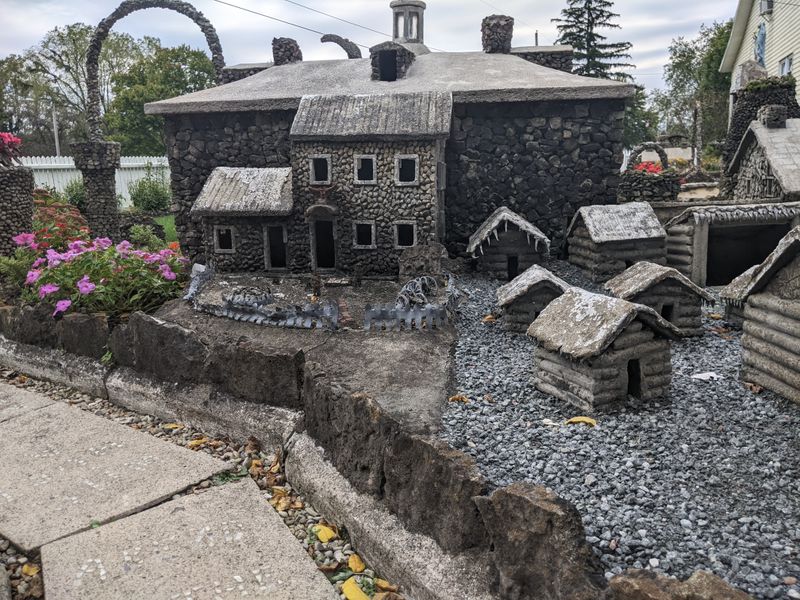
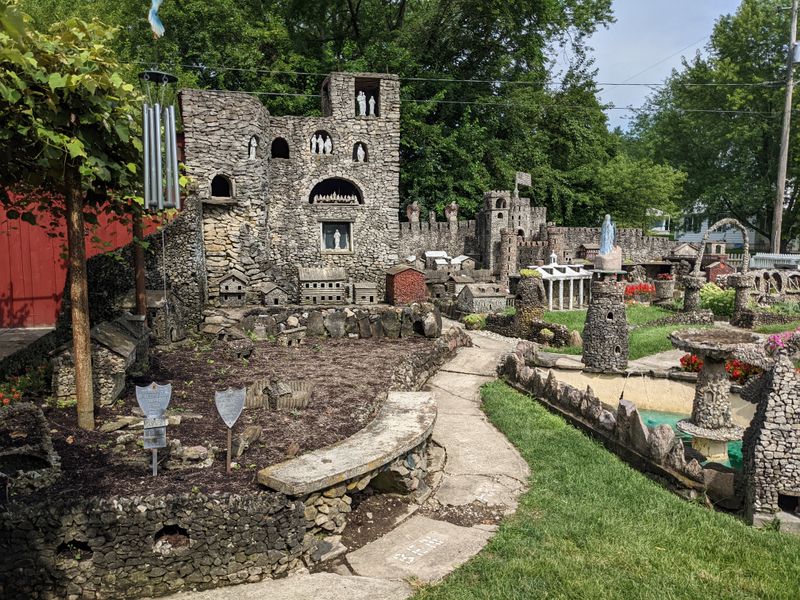
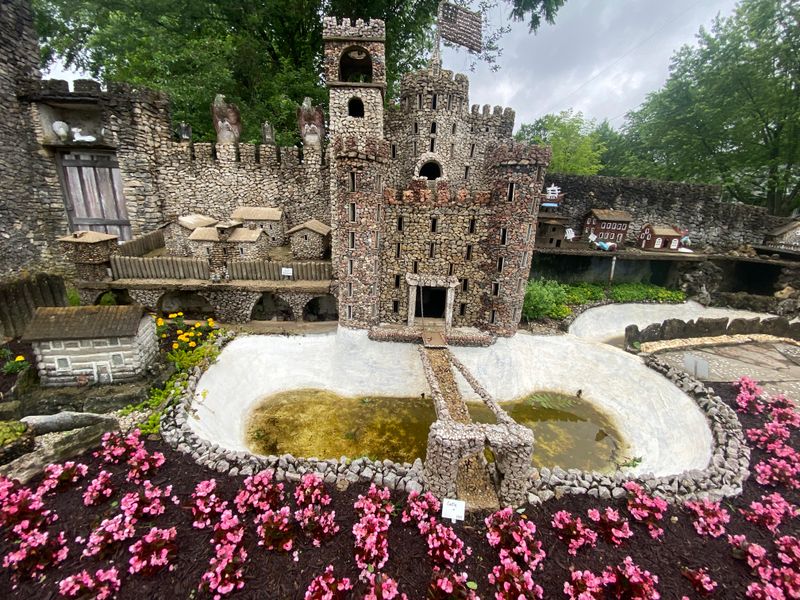
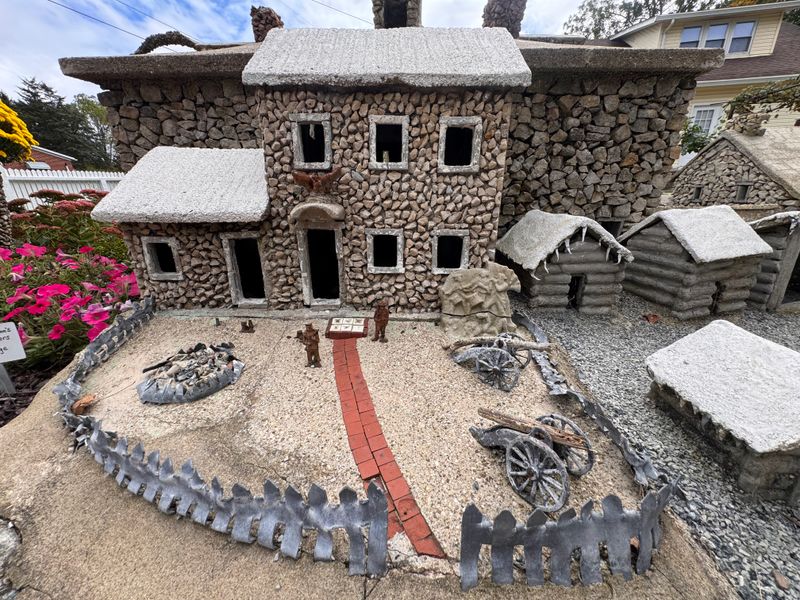
Hartman Rock Garden includes whimsical stone architecture that turns a backyard into a miniature cityscape. Arches, bridges, and tiny buildings cluster together like a neighborhood built by imagination. You wander among castellated walls, chapel-like forms, and patriotic monuments that feel surprisingly complete.
These structures use scale cleverly, compressing grand ideas into hand-held dimensions. Windows and doorways appear in just the right places, giving each piece a sense of function, even if purely symbolic. The craftsmanship makes you forget the modest materials and focus on proportion and rhythm.
Miniature buildings invite playful interaction. You peer inside, trace rooflines, and notice how pebbles mimic shingles and bricks. The garden becomes a city you can stroll in minutes, where each turn brings another measurable surprise.
Arches span paths with satisfying geometry, anchoring sightlines that lead you deeper into the layout. Bridges cross tiny streams of gravel, and towers punctuate corners like exclamation points. The effect is architectural theater, performed outdoors with stone as the cast.
It all feels like a gentle invitation to reimagine built space. In Springfield, Ohio, this pocket universe proves architecture can be curious and joyful without losing clarity. You leave seeing your own surroundings differently, ready to notice possibility in overlooked materials.
The Surreal Atmosphere of the Garden
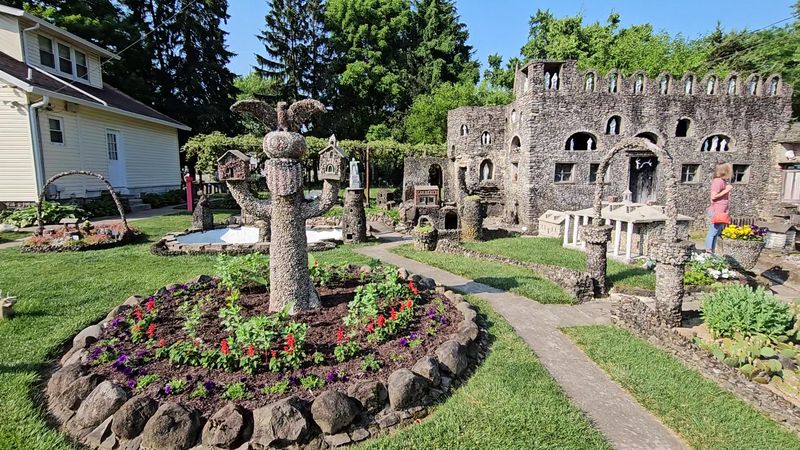
There is a dreamlike quality at Hartman Rock Garden that settles in the moment you arrive. Shapes repeat like echoes, and paths curve in ways that gently disorient time. You step through arches and feel the world soften at the edges.
Textures drive the sense of unreality. Rough stones meet smooth glass shards, and light flickers across mosaics like water. The combination of patterns creates a visual hum that makes ordinary moments feel cinematic.
Scale shifts keep you guessing. Small buildings read as grand monuments when viewed at a low angle, while modest arches frame scenes with surprising drama. You start to realize perception is part of the artwork, and your movement completes each composition.
Sounds change too. Footsteps crunch on gravel, birds thread their notes through open space, and you hear the quiet of focus. This sensory blend turns a backyard into a sanctuary where imagination takes the lead.
By the time you loop back to the entrance, the surreal feeling has done its work. The city outside feels sharper, and you carry a calm, inspired awareness. That lingering glow is the garden’s quiet magic.
Historical and Cultural Significance
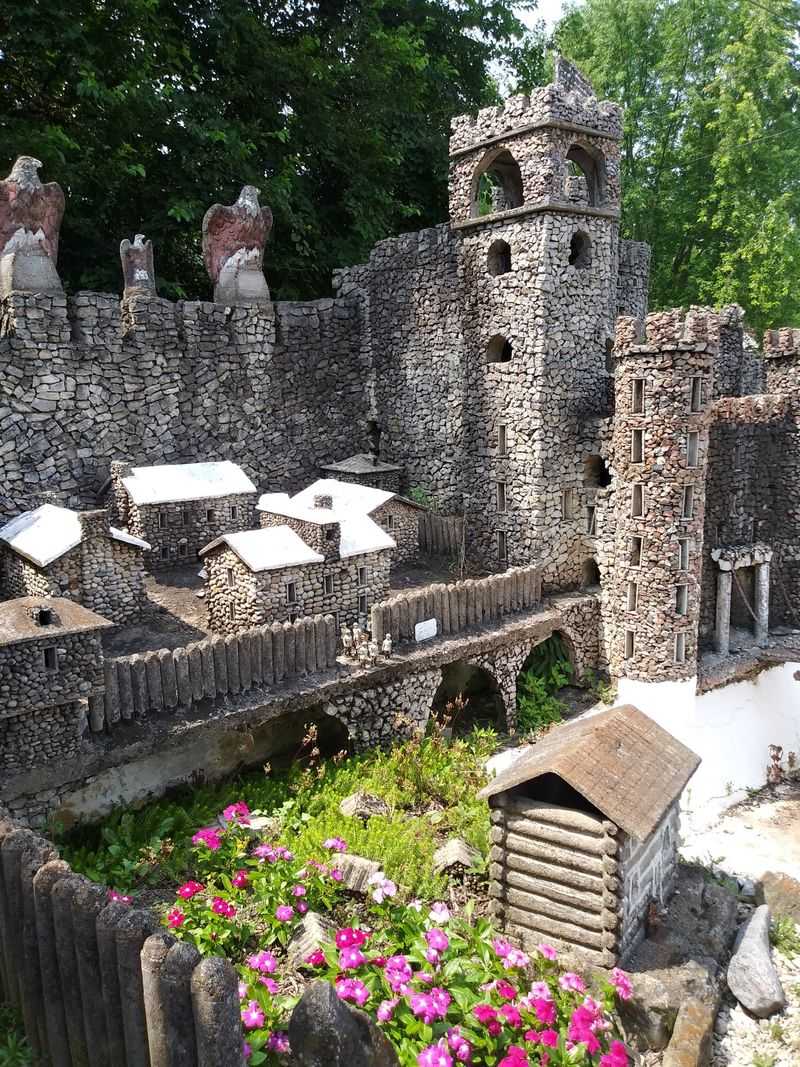
Hartman Rock Garden stands as a cornerstone of outsider and folk art in the Midwest. Built between 1932 and 1944, it reflects an era when resourcefulness and personal conviction shaped cultural expression. You can read history in the materials and themes, from patriotic symbols to community-minded scenes.
The garden’s significance lies in its authorship and endurance. One person’s devotion created a lasting environment that now serves as a public treasure. It bridges private creativity and shared heritage, offering a tangible link to mid 20th century American spirit.
As an example of vernacular architecture and sculpture, it challenges hierarchies about what counts as art. The work is not institutional, yet it commands attention through craft, scale, and consistency. You leave with a broadened sense of artistic value and voice.
Culturally, the garden invites dialogue about labor, belief, and belonging. Its tableaus capture ideals and anxieties of the time while remaining open to new interpretations. That adaptability keeps it relevant, generation after generation.
In Springfield, Ohio, the site deepens local identity and draws visitors into a conversation about place. It proves that remarkable art can grow from humble roots and still resonate widely. The garden’s legacy is not just preserved stones, but a living invitation to make meaning.
Visiting Tips and Best Times
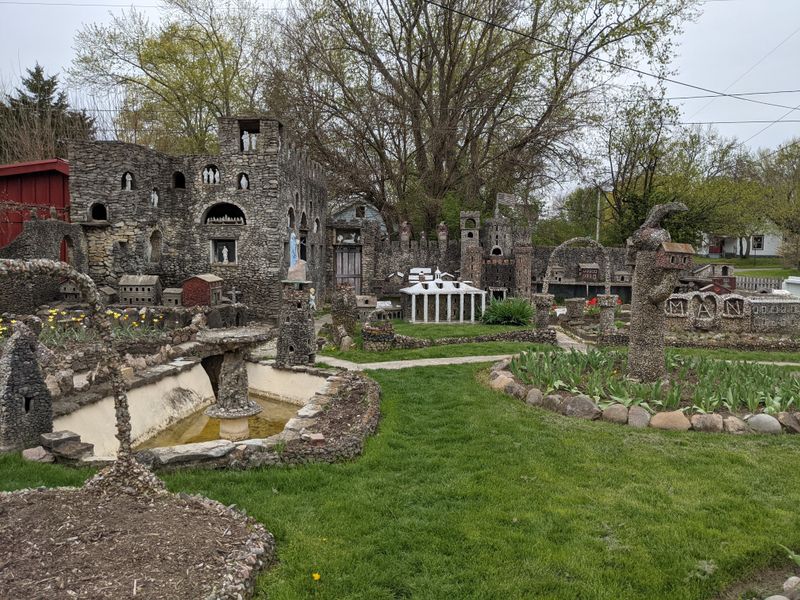
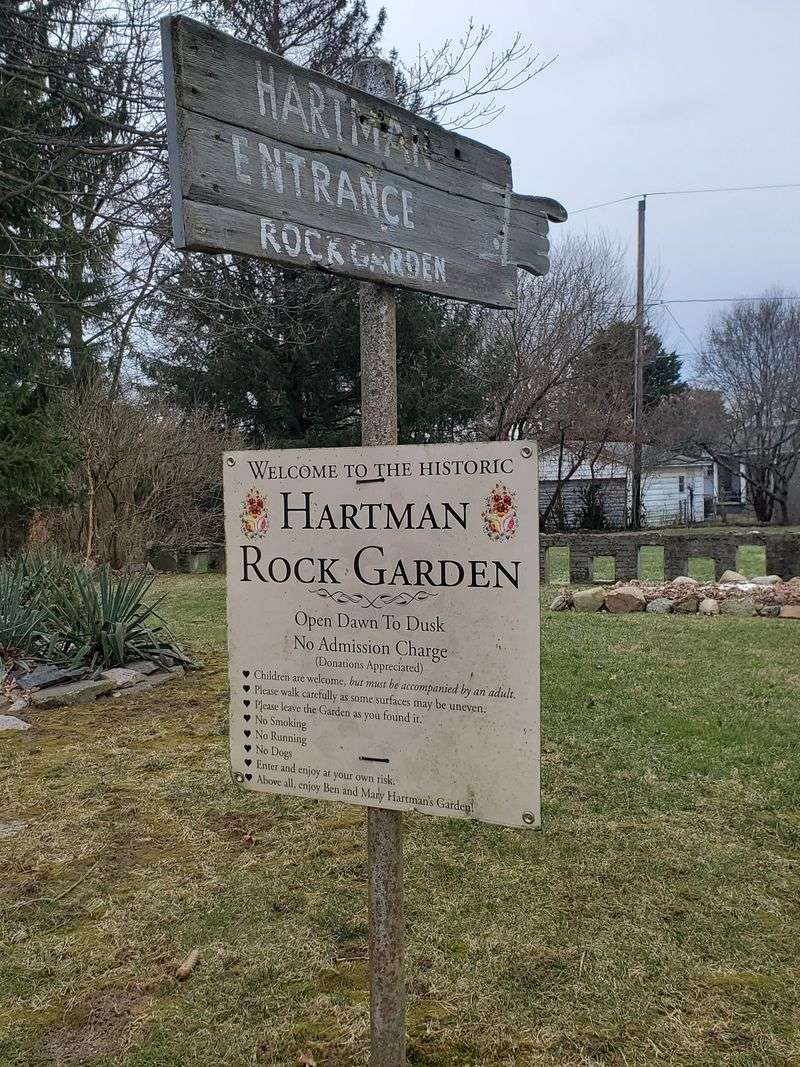
Hartman Rock Garden is located at 1905 Russell Ave, Springfield, OH 45506, and welcomes visitors during daylight hours. Official hours list 8 AM to 6 PM daily, so plan to arrive with enough time to wander. You will want unhurried minutes to notice small details tucked into corners.
Bring a camera or phone because textures and angles photograph beautifully. Morning and late afternoon light produce gentle shadows that emphasize relief and pattern. Comfortable shoes help on gravel and uneven surfaces, keeping your focus on discovery.
Self guided exploration works well here. Move slowly, change your perspective often, and kneel for miniature views that make the buildings feel monumental. If you enjoy reading context, check the website for background materials before you go.
Respect the space by staying on paths and avoiding contact with delicate surfaces. Outdoor art ages gracefully when handled with care. A small donation, if available, supports ongoing maintenance and shows appreciation.
Weekdays can be quieter, offering a more reflective experience. If you visit on a busy day, start at the edges and spiral inward to avoid clusters. Give yourself permission to linger where the stones whisper.
Preserving a Hidden Gem
Preservation at Hartman Rock Garden balances respect for original work with the realities of weather and time. Local caretakers and supporters focus on gentle repairs, careful cleaning, and monitoring structural stability. You can sense the stewardship in how tidy paths and intact mosaics feel.
Outdoor folk art faces challenges from moisture, freeze-thaw cycles, and plant growth. Materials expand and contract, mortar weathers, and colors shift under sun. Sustaining the garden means ongoing attention rather than one big fix.
Community involvement makes a difference. Donations, volunteer days, and awareness keep momentum steady and tools funded. When visitors follow guidelines, they become part of the preservation story too.
Documentation helps future care. Photos, condition notes, and historical research guide decisions so repairs remain faithful to Hartman’s intent. That approach treats the garden like a living document instead of a static relic.
In Springfield, preserving this hidden gem protects more than objects. It safeguards a spirit of resourceful creativity that continues to inspire. Your visit and care help the stones tell their story tomorrow.
Why Hartman Rock Garden Is Worth the Trip
Hartman Rock Garden feels unreal in the best possible way, a backyard epic that rewrites what a park can be. Stones become storytellers, mosaics hum, and miniature buildings bend your sense of scale. You leave feeling both grounded and lifted.
The visit delivers art, history, and a meditative walk in one compact space. It is approachable, family friendly, and rich enough for repeat visits. Every viewing angle offers a new revelation, especially in gentle natural light.
There is also a human warmth that lingers. Knowing one person made this invites you to consider your own creative projects, however small. Inspiration becomes practical, like a spark you can pocket and take home.
Located in Springfield, Ohio, the site is easy to reach and free to enjoy, with self guided exploration that fits any schedule. Bring curiosity and a camera, and give yourself time to wander without a plan. The garden will do the rest, guiding you gently from detail to detail.
If you love folk art, architecture, or simply beautiful surprises, this place belongs on your list. You will remember the textures, the quiet, and the way the stones seem to listen back. That memory is the souvenir you were hoping to find.