Hidden above a bluff in Oregon, Illinois, a 48-foot Native American figure looks across the Rock River and most travelers drive by without ever seeing it.
If you crave roadside wonders with real cultural weight, this landmark rewards a slow walk and curious eyes. The setting feels timeless, the craftsmanship is bold, and the story behind it is richer than any quick snapshot.
Stick around and you will know exactly how to experience the Black Hawk Statue like a local who loves it.
Overview and Why the Black Hawk Statue Matters
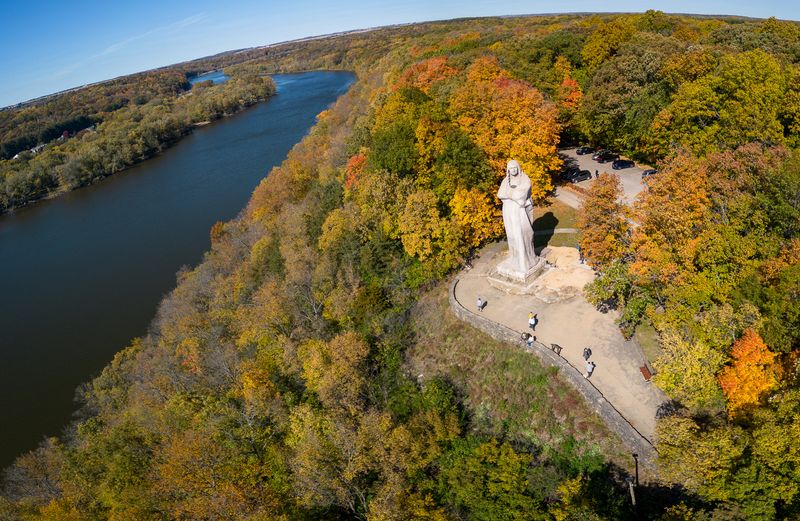
Rising above the Rock River in Oregon, Illinois, the 48-foot Black Hawk Statue commands attention from the moment you step into Lowden State Park. Designed by sculptor Lorado Taft and unveiled in 1911, the figure is not a literal portrait of Chief Black Hawk, but a symbolic tribute to Native peoples. The pose is steady, arms crossed, gaze long, offering a quiet sense of guardianship over the valley. You feel the shift from busy roads to something slower and more reflective.
The statue’s concrete aggregate surface catches changing light, revealing a surprisingly warm texture. Stand below and you notice how the massive form still feels human scaled, almost conversational. It was cast on site, a feat of early twentieth century engineering and artistry. Even with nearby park chatter, the bluff carries a hush that encourages careful observation.
Visitors often arrive for a quick picture but leave with a deeper curiosity. The statue anchors questions about memory, representation, and connection to place. That is why it matters here, beyond size and spectacle. It invites you to consider who lived along this river long before highways and picnic shelters.
There is a reason reviews hover near five stars. People feel seen by places that hold stories honestly. When art meets landscape like this, you remember both. And you carry that feeling into your next stop.
Exact Location and How to Get There
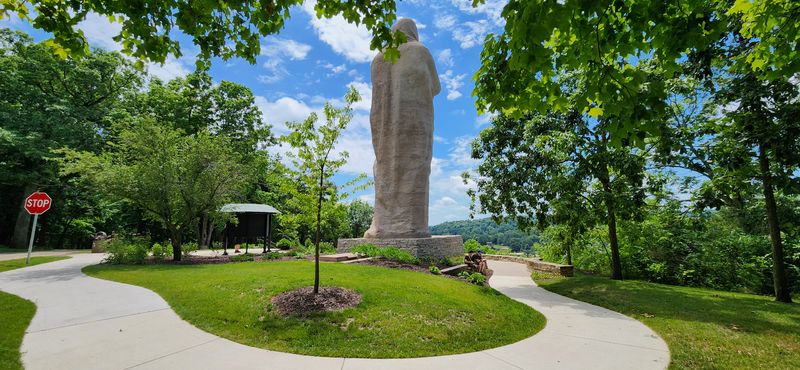
You will find the Black Hawk Statue at 1411 N River Rd, Oregon, IL 61061, inside Lowden State Park. The coordinates 42.0341729, -89.3332179 guide you straight to the bluff that overlooks the Rock River. Coming from Chicago, take I-90 west, then Route 64 to Oregon, or follow Route 2 along the river if you prefer a scenic drive. The turn onto North River Road is well signed.
Parking is available within the park, with a short walk up to the overlook. The path is straightforward, though slight inclines may make you pace yourself. If your phone is spotty, download maps before arriving. The river and treeline help with orientation if you like old school landmarks.
Weekends can be busy, so arrive earlier in the day for easier parking. If you are road tripping, pair this stop with a stroll through downtown Oregon. Adding a few extra minutes lets you slow down and arrive present. The last half mile is worth savoring.
Call the park at +1 815-732-6828 if you need updated conditions or guidance. Staff know about closures, trail work, or seasonal changes. With the address locked in, the journey becomes part of the experience. The bluff will do the rest.
History and Lorado Taft’s Vision
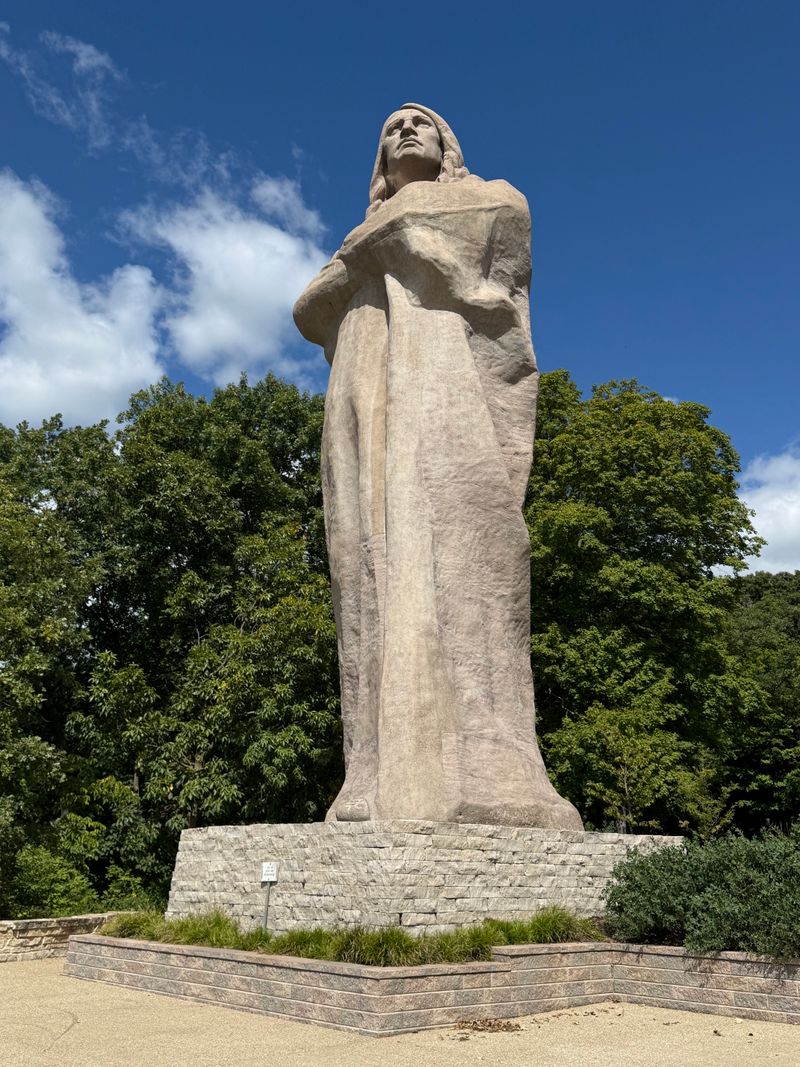
Artist Lorado Taft envisioned a monumental figure to honor Native peoples and the spirit of the Rock River valley. Completed in 1911, the Black Hawk Statue is not a replica of Chief Black Hawk, but a symbolic guardian inspired by him. Taft chose a pose with arms crossed to convey strength and contemplation. The site itself became part of the sculpture’s meaning.
Taft worked with students and craftsmen, casting the figure in concrete aggregate on site. It was a daring material choice for the era, enabling scale without a foundry. The river bluff gave the statue a natural pedestal, lifting the gaze above treetops. From the start, it drew crowds for dedication ceremonies and quiet returns.
Interpretations have evolved over time, reflecting changing conversations about representation. Still, Taft’s intent to honor remains evident in the form’s restraint and dignity. You sense it when wind rides the valley and the figure holds steady. The history feels both specific and open.
Local stewardship has kept the story alive through research, tours, and interpretive signage. When you stand there today, you stand inside Taft’s composition. The landscape, the material, and the memory meet. That is the artist’s lasting vision.
Cultural Context and Respectful Visiting
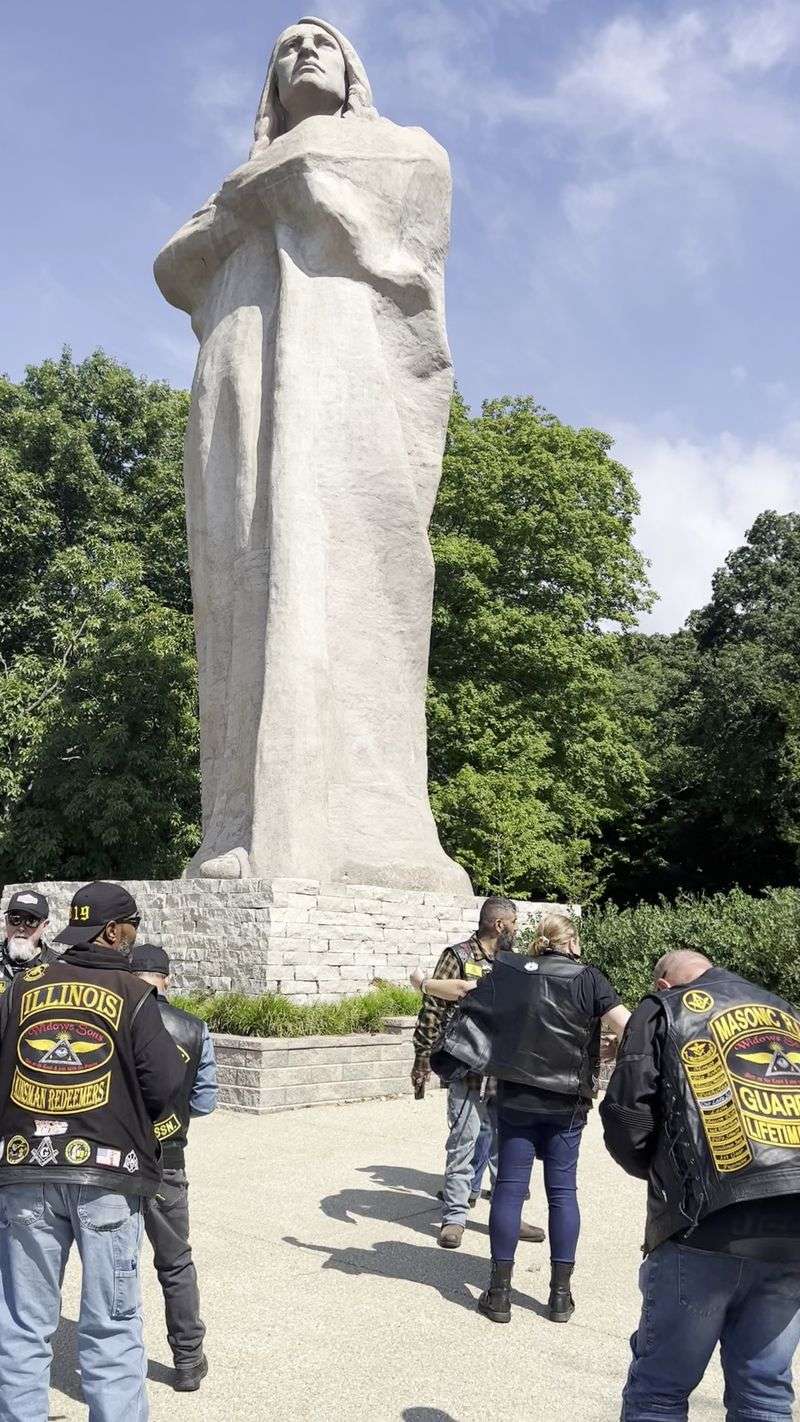
Visiting the Black Hawk Statue means engaging with Native history respectfully. The figure evokes Sauk leader Black Hawk and honors Indigenous presence in the Rock River region. It also reflects how early twentieth century artists interpreted Native identity. You can acknowledge that complexity while appreciating the site’s power.
Start by reading any posted signage and seeking Native-authored sources. Avoid stereotypes when discussing the statue with others. Do not climb or touch the sculpture, both for preservation and respect. Leave the space as you found it.
Let the view spark curiosity about tribal histories connected to Illinois. Learn how displacement shaped communities along the river banks. Ask yourself what it means for a monument to speak for many peoples. Listening first keeps the experience honest.
Bring kids into the conversation with simple, clear context. Encourage questions and admit when you need to look something up. The best souvenirs here are understanding and empathy. Carry those with you well beyond the park.
Best Time to Visit and Seasonal Tips
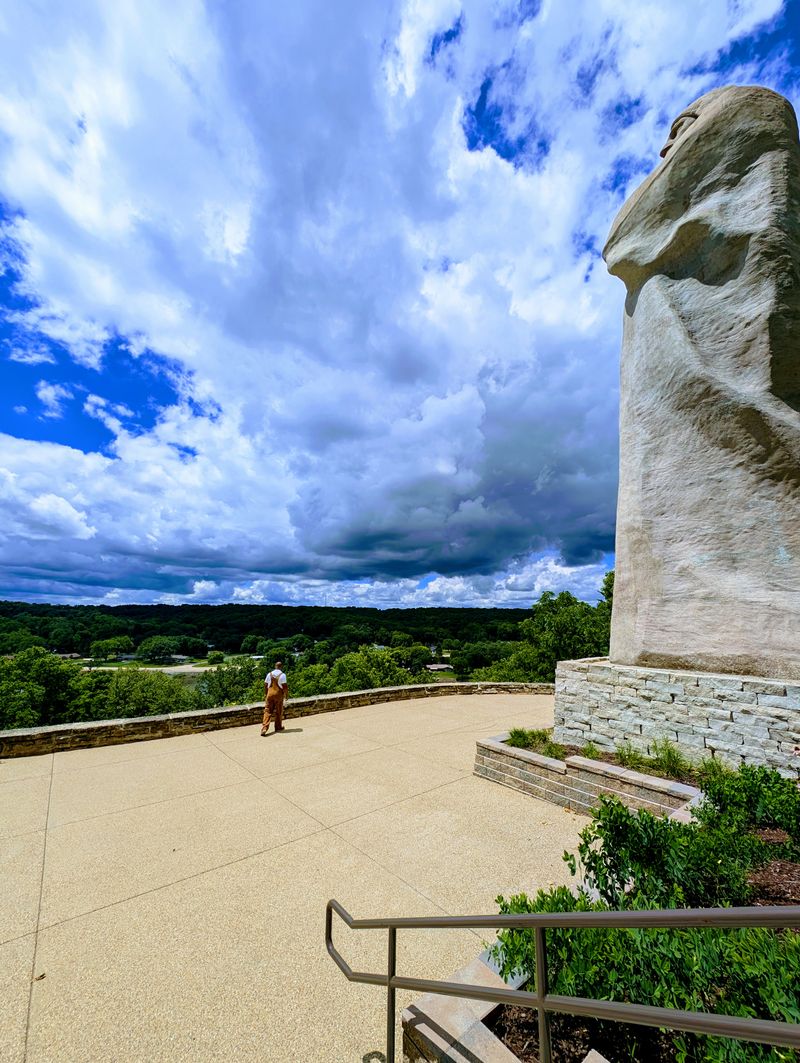
Morning light makes the concrete glow and crowds thin, so aim for an early visit if you can. Spring brings soft greens and birdsong along the bluff. Summer has lush shade, useful on warm afternoons, though weekends can be busy. Autumn steals the show with fire colored trees framing the figure.
Winter offers crisp visibility when leaves are down, revealing more river views. Dress for wind on the bluff, as it can feel colder than town. After fresh snow, footprints carve simple paths and the statue reads differently. Silence becomes part of the design.
Check conditions before you go, especially after heavy rain or ice. Trails can be slick and parking fills during peak leaf season. If you want solitude, weekday evenings can be lovely. Sunset adds drama without rushing daylight.
Bring water and a small snack if you plan to linger. Keep an eye on park hours and any seasonal closures. A flexible plan pays off if weather shifts quickly. The statue rewards patience in every season.
Photography Spots and Angles
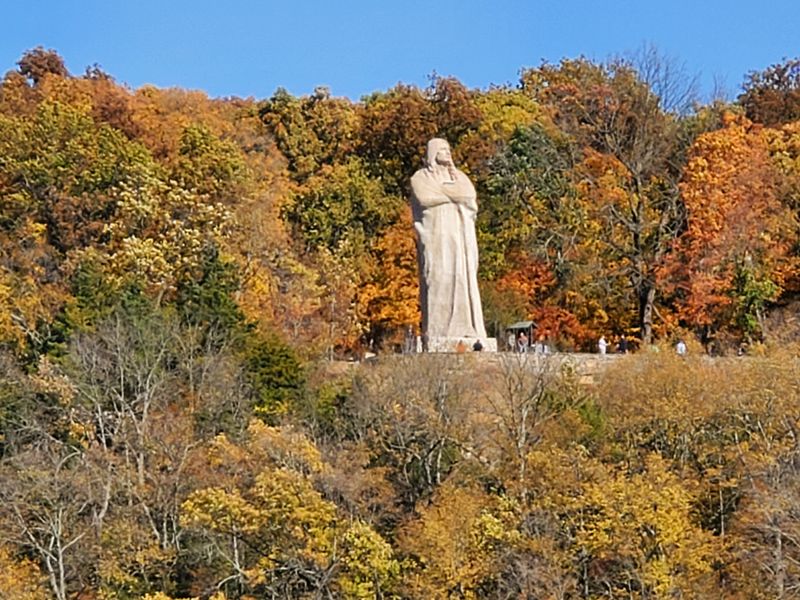
For a classic composition, stand slightly downhill and frame the statue left of center with the river valley stretching beyond. This lets the gaze line lead viewers outward. Step a bit closer to catch the coarse aggregate texture that pops in side light. Early or late sun helps the surface read beautifully.
Walk around the viewing area to change backgrounds from dense trees to open sky. Keep respectful distance and avoid climbing for angles. A low perspective near ground level can add scale without distortion. Silhouettes at sunset are simple and strong.
On cloudy days, lean into even light for portrait style details. The mood turns meditative and color distractions fade. Try a vertical frame to emphasize height against treetops. Small shifts in foot placement make big differences.
Bring a lens cloth for the bluff breeze and dust. If you shoot on a phone, tap to expose for highlights on the statue. Bracketing a few shots gives editing flexibility later. The best image often arrives after slowing down.
Accessibility and On-Site Amenities
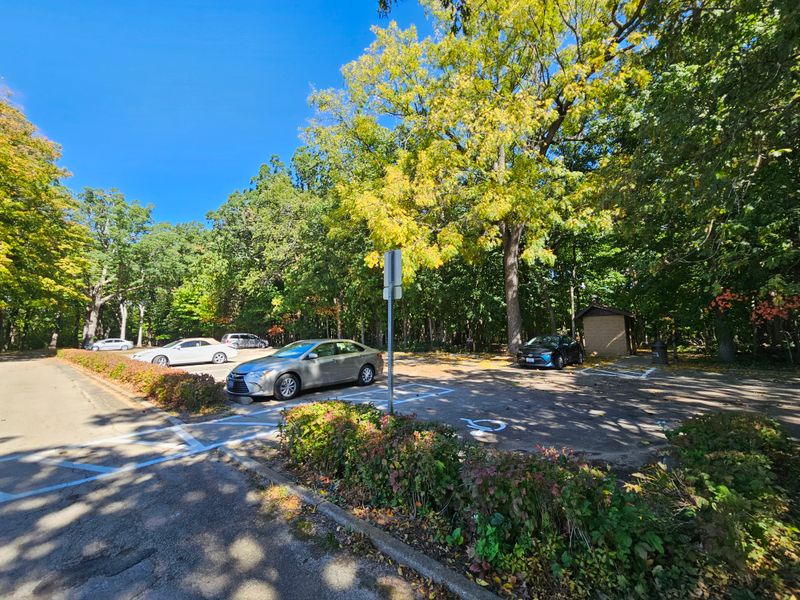
Lowden State Park offers parking areas within a short walk of the statue, though surfaces vary. Some paths are packed dirt or gravel, with slight grades that may require assistance. Check latest park updates for accessibility notes or route changes. If mobility is a concern, call +1 815-732-6828 ahead.
Restrooms and picnic areas are located within the park, typically open seasonally. Bring water, since vending options are limited. Benches near the overlook come and go with maintenance cycles. Shade shifts with the time of day.
Service can be spotty for cell phones, so download maps and any interpretive materials beforehand. Wayfinding signs are clear, but take a photo of the trailhead map as backup. If you are traveling with kids or older adults, plan a relaxed pace. The bluff rewards unhurried steps.
Pack out what you bring in to keep the area clean. Pets should be leashed and under control. Give everyone space at the overlook during busy hours. Simple courtesy keeps the experience welcoming for all.
Preservation Efforts and Responsible Tourism
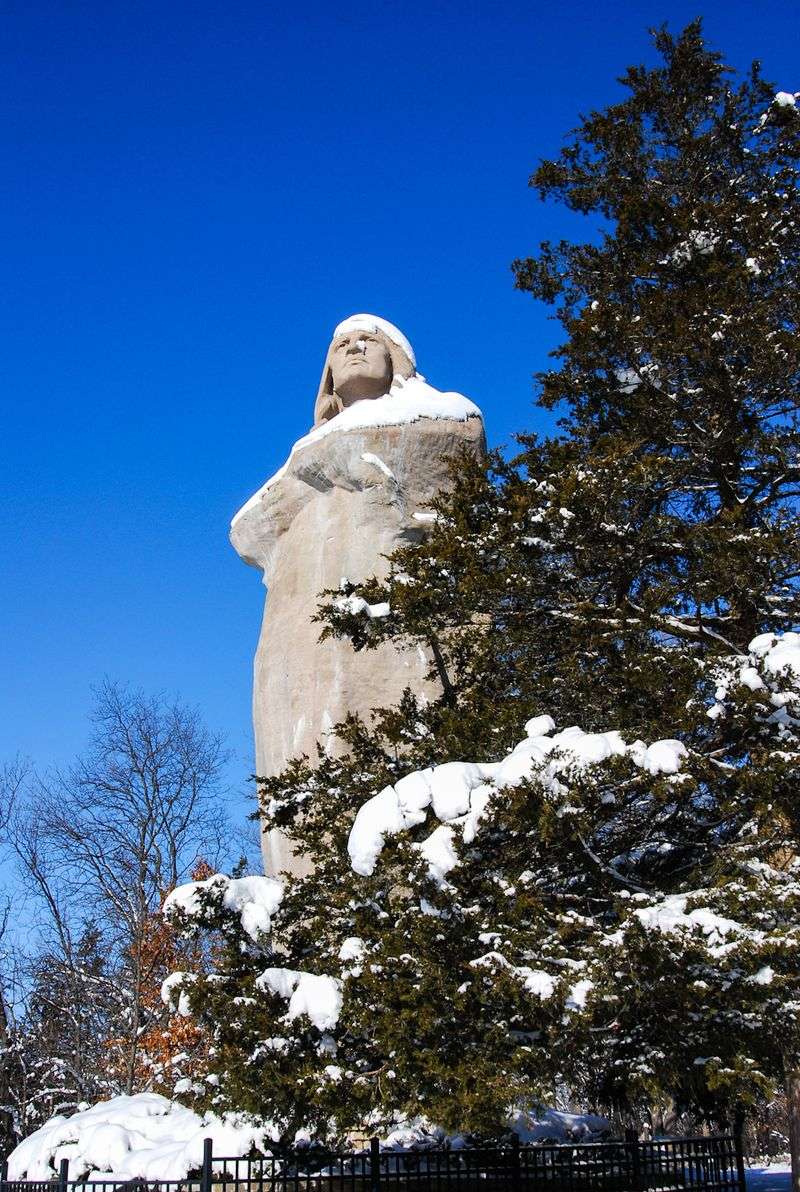
Over a century of weather means ongoing care for the Black Hawk Statue. Preservation work has addressed cracks, surface wear, and water infiltration in the concrete. These efforts require patience, funding, and specialized expertise. When you visit, you become part of that story.
Follow posted guidance to protect the sculpture and surrounding habitat. Keep hands off the surface and stay on designated paths. Small choices add up over decades. They also save resources for focused conservation.
If a donation box or friends group link is available, consider giving. Support helps maintain signage, trails, and restoration planning. Sharing accurate information online also matters. It points visitors toward respectful behavior.
Nearby Views and Complementary Stops in the Park
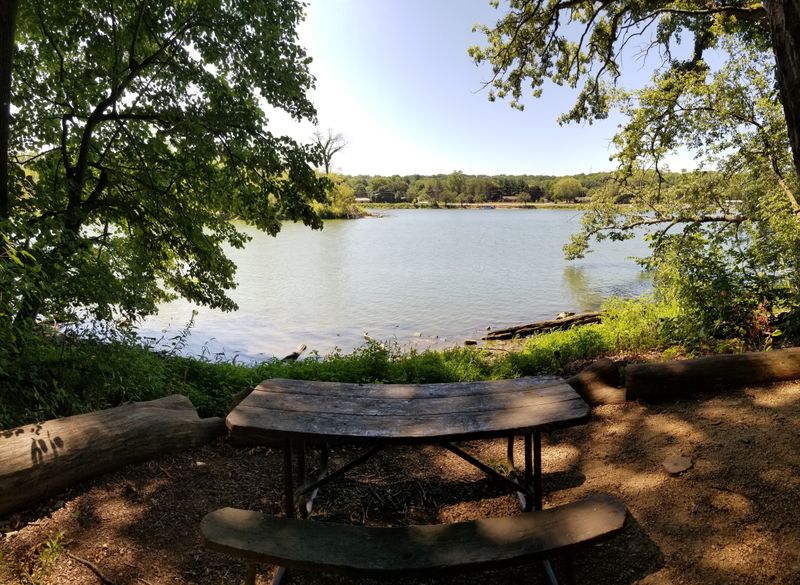
After seeing the statue, take a few minutes to explore other viewpoints along the bluff. The Rock River bends gently, catching sunlight and shadow between oaks and pines. Short paths lead to quieter edges where you can watch birds and kayakers. The statue feels like a companion rather than a destination.
Picnic tables make it easy to linger, especially on mild afternoons. Bring a simple lunch and let conversation drift with the breeze. Trails vary from easy strolls to slightly more rugged steps. You can keep things flexible and follow your curiosity.
Listen for woodpeckers in the canopy and riverboats below. Even casual observers spot interesting textures in bark and stone. The park’s mix of open and wooded areas suits different moods. I like to pause where tree trunks frame the water.
Before leaving, glance back toward the bluff. The figure stands steady, anchoring the day. Those last minutes often become your favorite memory. Simple views can be the most lasting.
Essential Tips, Safety, and Contact Info
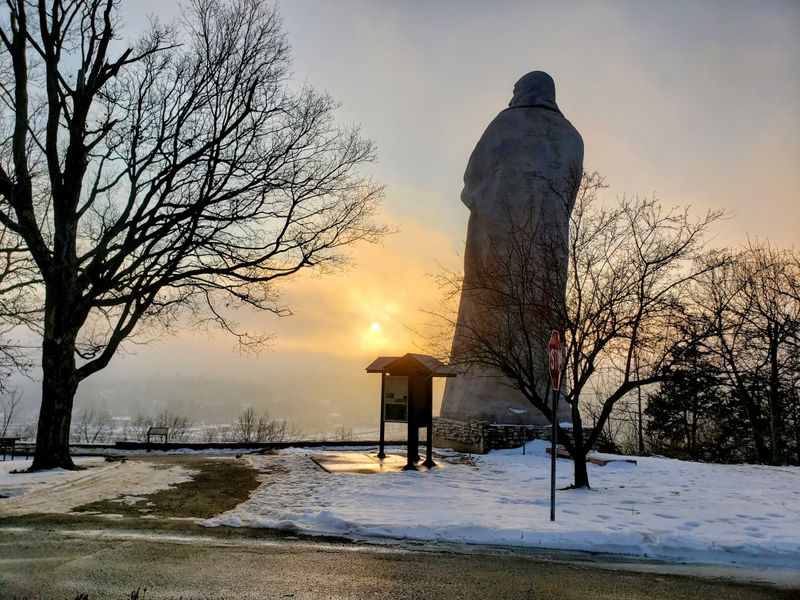
Start with the basics: the Black Hawk Statue is at 1411 N River Rd, Oregon, IL 61061, rated 4.7 stars across hundreds of reviews. It is a cultural landmark inside Lowden State Park, perched above the Rock River. The park phone is +1 815-732-6828 for updates. Save it before you drive.
Wear sturdy shoes and bring water, sunscreen, and a light layer for wind. Stay on marked paths and keep a respectful distance from edges. If storms roll in, retreat to your car and wait it out. Safety keeps the day relaxed.
Plan for limited cell service and download maps. Share your route with someone if traveling solo. Weekdays offer a calmer vibe, while weekends buzz with families. Both have their charm.
Leave no trace and treat this place like a living gallery. Offer others space to take in the view. With a little prep, your visit will be smooth and meaningful. The statue will meet you halfway.