Arizona wears its Old West stories on its sleeve, and you can still feel the grit of trail dust on a weekend drive. These towns echo with saloon doors, mining booms, train whistles, and frontier legends that shaped the state.
Plan a route that strings together living museums, spirited main streets, and starkly beautiful desert backdrops. You will come away with photos, tall tales, and a new respect for the people who carved lives from rock and sun.
Tombstone
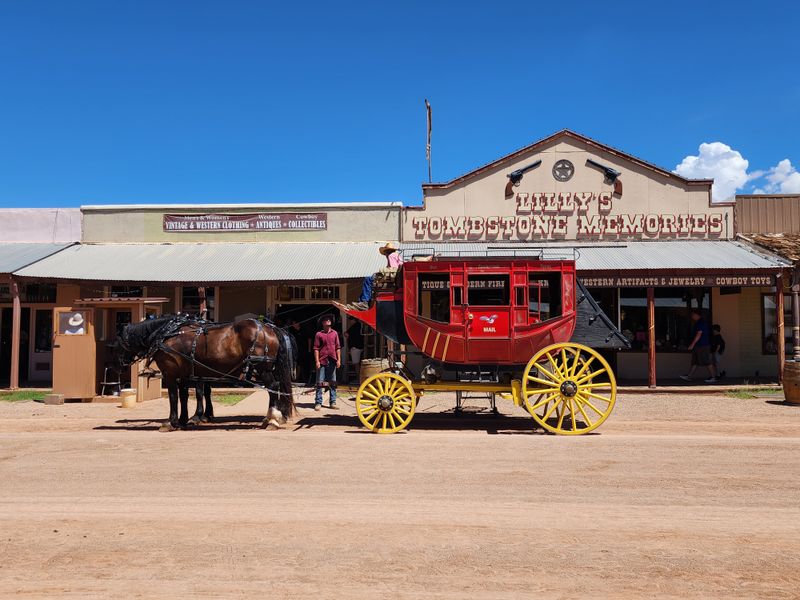
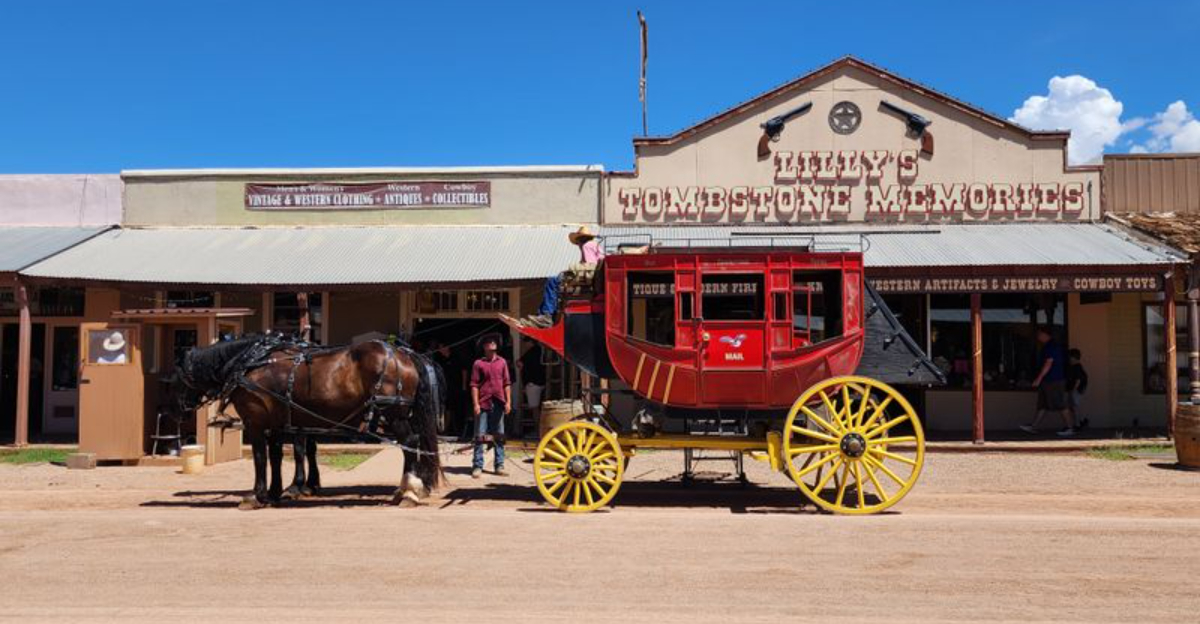
Tombstone leans into its legend, and for good reason. You can stand steps from where the Earp brothers and Doc Holliday faced the Cowboys at the O.K. Corral and feel the weight of every shouted word. Wooden boardwalks creak, spurs jingle, and stagecoaches roll past storefronts that look almost unchanged.
Spend time at the courthouse museum for context, then catch a gunfight reenactment if you enjoy theatrical history. The Bird Cage Theatre, once wild and raucous, now whispers with artifacts and a few rumored spirits. You will find small eateries pouring prickly pear lemonade alongside hearty plates that feel right after a dusty walk.
Outside Allen Street, take detours to Boothill Graveyard and the Good Enough Mine for tours through the veins that created the boom. Guides balance humor with hard truths about mining life and violence. You will leave with images that feel like film stills, backed by that giant Arizona sky.
Drive in from Tucson for an easy weekend loop that can include Bisbee and Sonoita wineries. Park once and wander, because the town core is compact and walkable. Tombstone might be touristy, but the bones are authentic and the storytelling rings true.
Bisbee
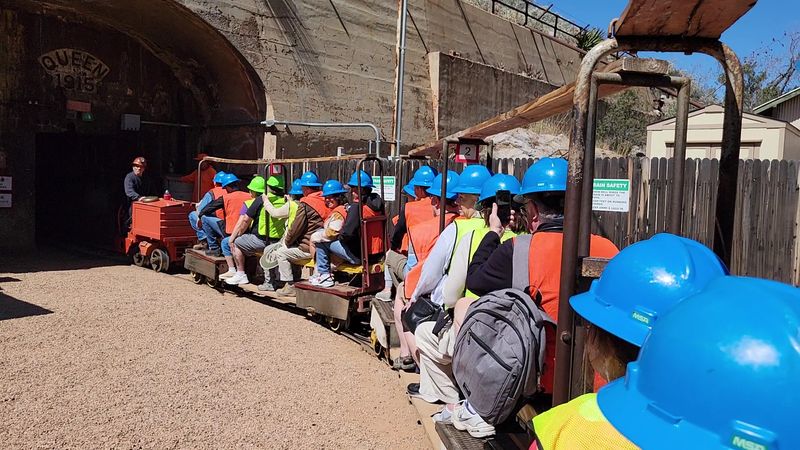
Bisbee pairs Old West grit with artsy soul, making it perfect for a weekend. The Copper Queen Mine tour takes you underground on a miner’s train where you can feel the cool air and hear stories of shifts, pay scales, and danger. Above ground, steep staircases climb past painted houses that once held mining families.
Downtown, the Queen Hotel anchors a row of saloons, galleries, and cafes serving strong coffee and pies. It is easy to imagine miners stepping out onto the sidewalks after a long night shift. The local museum frames the boom, bust, and reinvention with maps, ore samples, and candid photos.
Walk Brewery Gulch at sunset to watch the light rake across corrugated rooftops. There is music most weekends, and the bars still hum with that happy small town cadence. Ghost tours add a playful chill without drowning out the real stories.
Base here to explore the Mule Mountains, then swing to Tombstone the next day. You will love how Bisbee mixes frontier textures with modern, quirky energy. Bring good shoes, because the steps are no joke, and bring curiosity, because every alley holds a tale.
Jerome
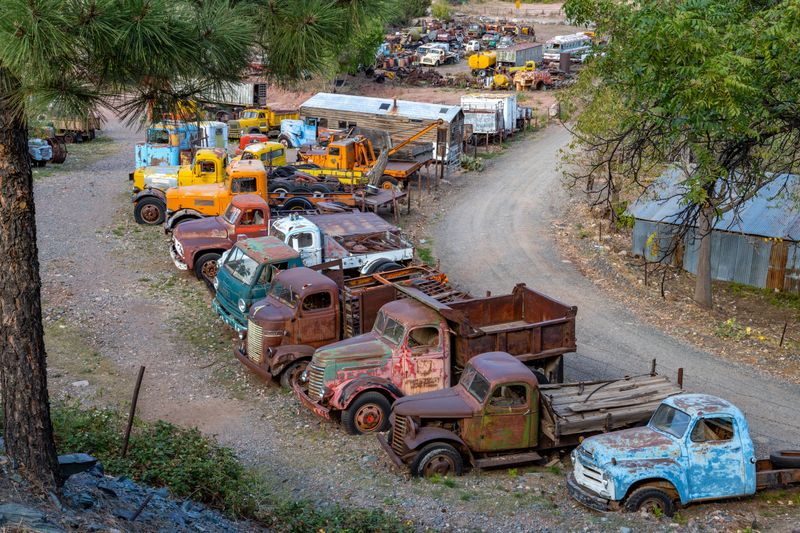
Jerome clings to the mountainside like a stubborn memory of copper days. Buildings tilt and creak, and you will hear locals joke that the town is sliding inch by inch. The state historic park at the old Douglas Mansion explains the engineering, fortunes, and collapses that defined life here.
Stroll Main Street for art studios tucked inside former company offices and saloons. The Jerome Grand Hotel, once a hospital, sets the tone with squeaky elevators and whispers. If haunted lore is your thing, evening tours wrap history inside eerie fun.
By day, the Verde Valley spreads out below in a vast panorama that glows at sunset. Try the museum for ore carts, drills, and miner testimonies that feel immediate and human. You can sip Arizona wines while reading plaques about strikes, unions, and cave-ins.
Jerome pairs easily with Cottonwood and Clarkdale on a weekend loop. Ride the Verde Canyon Railroad nearby for a leisurely, scenic add-on that still nods to railroading heritage. The town’s resilience, creative spark, and raw geology make it a favorite when you want Old West bones with present-day color.
Prescott
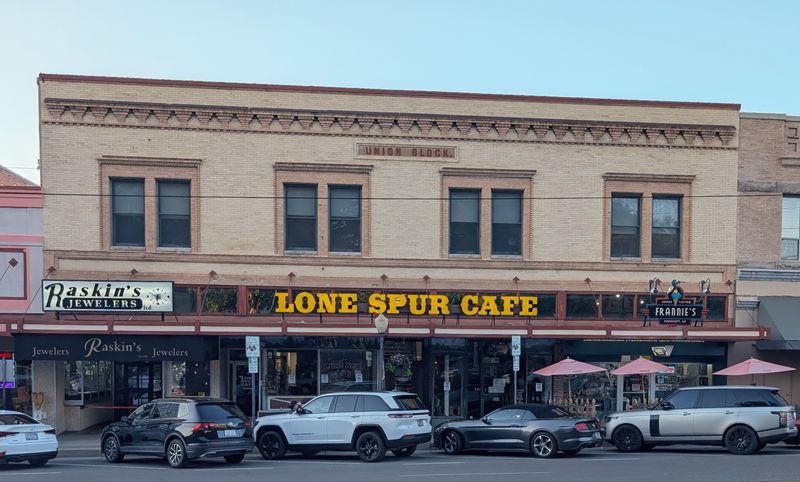
Prescott calls itself Arizona’s frontier capital, and its courthouse plaza proves the point every weekend. Whiskey Row packs saloons where cowboys once blew paychecks and where music still spills onto the sidewalk. The Sharlot Hall Museum stitches the region’s stories together with cabins, archives, and living history days.
Walk the square under big shade trees, duck into galleries, then circle back for a plate of barbecue. Photographers love the brickwork, neon, and polished wood that makes everything feel like a stage set. It is family friendly without losing its rowdy lineage.
For context, check Fort Whipple, where army presence shaped settlement, treaties, and conflict. Trails ring the town, so you can pair history with hikes around Granite Dells’ sculpted boulders. If you are lucky, a rodeo weekend will add dust, cheers, and classic pageantry.
Prescott anchors a northern Arizona circuit with Jerome and Wickenburg. Stay in a historic inn and stroll after dark when lights warm the facades. You will leave with a sense that this was more than a boomtown, it was a cultural hinge for ranchers, soldiers, and merchants alike.
Wickenburg
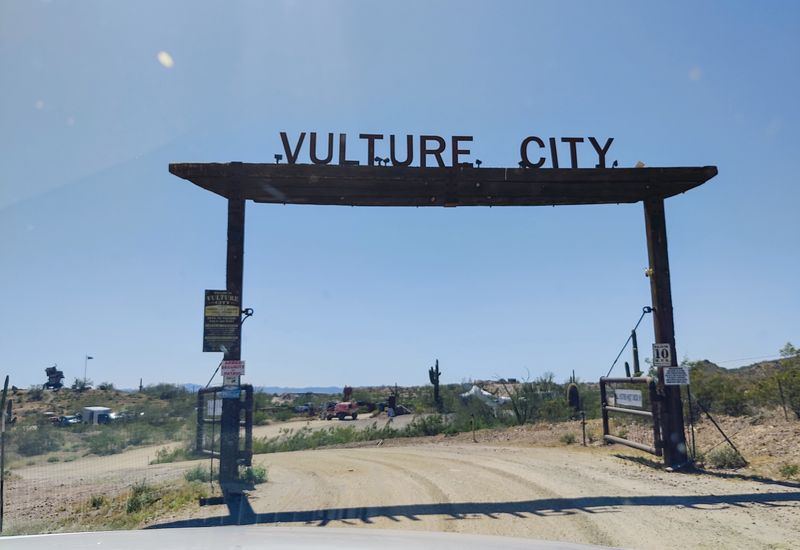
Wickenburg earned its stripes on ranching and the Vulture Mine, and it wears both with pride. The Desert Caballeros Western Museum is a gem, mixing fine art with ranch tools, saddles, and women’s histories that often get sidelined. You can sense the bridge between cowhand life and contemporary western culture.
Stroll past bronze cowboy sculptures and feed-store signage that still feels useful. The Vulture City Ghost Town tour offers mining ruins, stamp mill relics, and stories about boom money flowing through saloons. You will get a nuanced picture of frontier risk and reward.
Many visitors book a guest ranch for riding and campfire nights. That makes Wickenburg a great base when you want hands-on experiences, not just plaques and photos. The sunsets paint Vulture Peak, and the stars are a quiet kind of theater.
On a weekend drive, pair Wickenburg with Prescott or Phoenix-area sites. Keep time for brunch and a museum lap because the curation is excellent. Wickenburg balances approachable small town charm with authentic cowboy roots, leaving you with the sound of spurs and the smell of creosote after rain.
Oatman

Oatman feels like a movie set that never wrapped, complete with burros that wander the street like entitled locals. Route 66 road trippers pile in for photos, but there is real mining history under the novelty. Old shafts, hotel lore, and rough terrain tell you why fortunes flickered here.
Daily gunfight shows are pure kitsch, yet they channel that rowdy saloon energy with a wink. Grab a soda in a creaky bar plastered with dollar bills and let the burros nudge for snacks. Kids light up, and you will too, if you lean into the fun.
The Black Mountains rise sharply, framing town in rugged drama that glows at sunset. Read the plaques about strikes, the fire, and rebuilds to ground the spectacle in reality. Side roads reveal rusting machinery baked to copper hues by the desert.
Oatman pairs naturally with Kingman and Hackberry for a nostalgic stretch of the Mother Road. Drive carefully, because the curves are tight and views distracting. Come for the burros, stay for the stories, and leave with dust on your boots and grins in your photos.
Globe
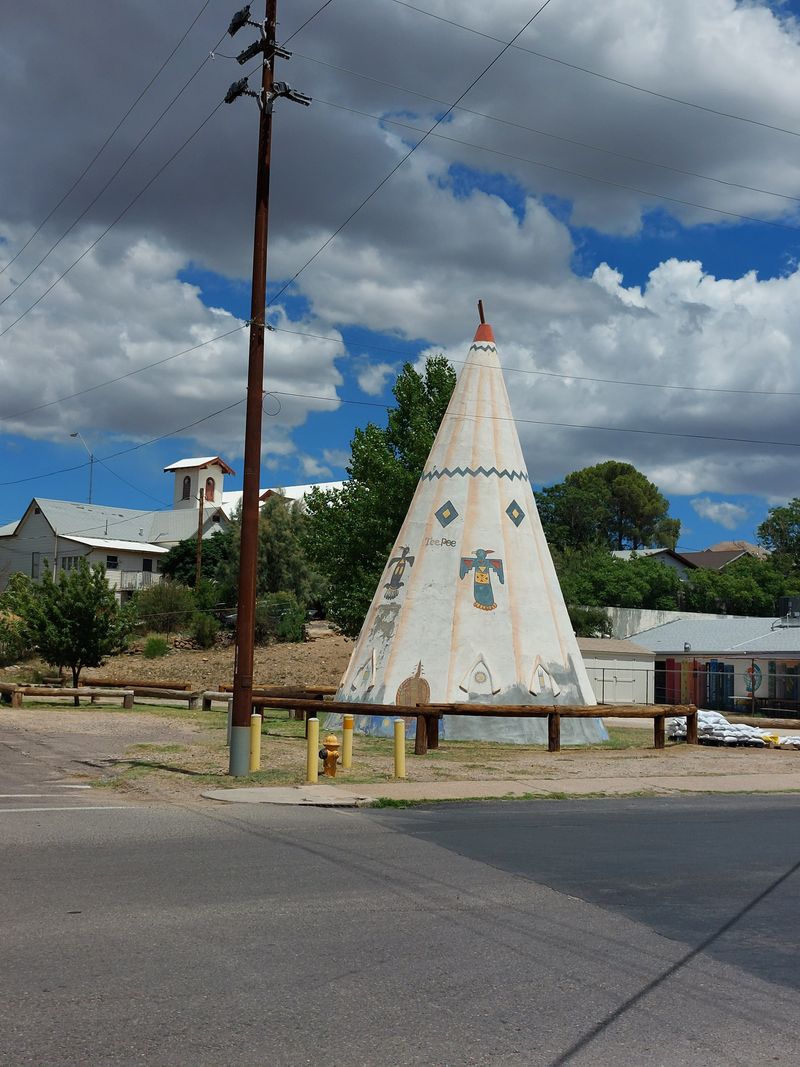
Globe is a working town where copper still shapes life, and that keeps the history honest. The downtown grid lines up brick storefronts, a proud courthouse, and vintage neon. Museums and murals give quick hits on Apache relations, mining booms, and the railroad’s relentless march.
Stop by Besh Ba Gowah Archaeological Park to widen the timeline beyond the frontier narrative. Walking those reconstructed Salado dwellings reframes the story you will see downtown. You will carry that context back into every artifact and alley.
Eat Sonoran fare, because the food scene quietly excels at hearty plates and green chile warmth. Window shop antiques, then swing to the Old Dominion Park for family friendly mining exhibits on the hillside. The blend of present-day industry and preserved heritage feels refreshingly unvarnished.
Globe pairs with Miami, Superior, and the scenic drive through the Pinals. It is a perfect pivot on a weekend route linking Phoenix to the high country. Expect friendly chats, practical history, and the sense that the Old West is still evolving, one shift and shift change at a time.
Florence
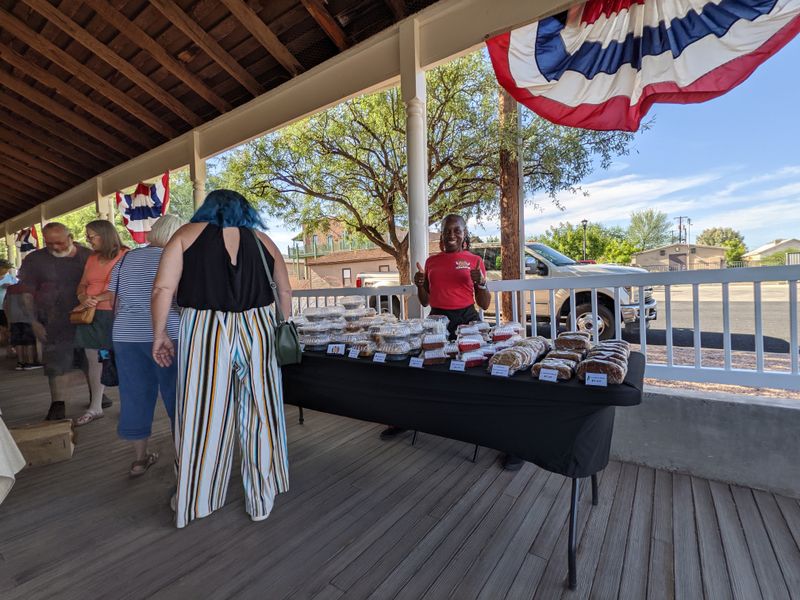
Florence carries deep territorial roots, and the architecture tells the story as you walk. Adobe homes, Victorian brick, and a handsome courthouse sketch a timeline before your eyes. The local museum and self-guided walking tour map make it easy to connect names to facades.
Frontier life here meant irrigation battles, lawmen, and ranching ties that still echo in town events. You will see how the Gila River shaped settlement and trade routes. It is quieter than the flashier mining towns, but the details reward patient wandering.
Grab coffee near the square and circle past historic churches and mercantile structures. Interpretive signs explain floods, rebuilds, and the civic pride that kept preservation on track. The result feels genuine, lived-in, and grounded in everyday history.
Florence sits neatly between Phoenix and Tucson, making it a smart add-on to broader loops. Pair it with nearby Coolidge to see Casa Grande Ruins for a much older story. You will leave understanding not just the Old West’s headlines but the everyday footnotes that made communities endure.
Camp Verde
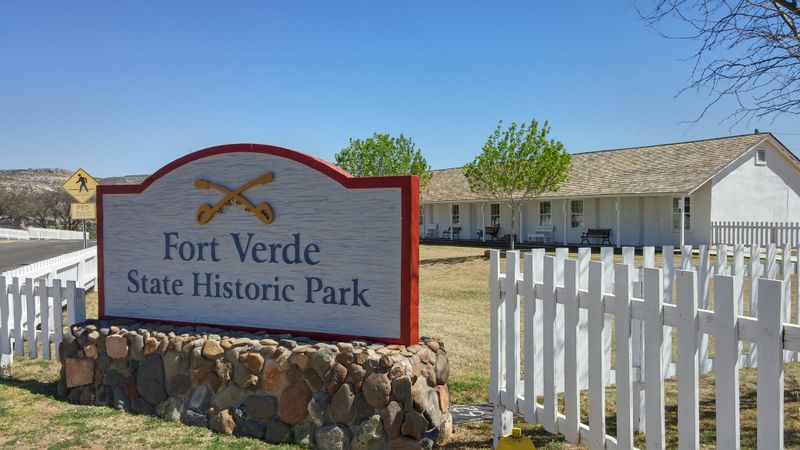
Camp Verde centers on Fort Verde State Historic Park, where the parade ground pulls you straight into the 1870s. Officer quarters display uniforms, maps, and letters that reveal negotiations and conflicts with Yavapai and Apache peoples. You will get a fuller, more sober picture than the dime novel version.
Walk between buildings as wind moves the flags and imagine drills under the same sun. Rangers tell nuanced stories that connect to larger regional shifts. The exhibits are compact, so you can absorb a lot without losing your weekend rhythm.
Outside the fort, the Verde River adds green relief to the desert palette. Nearby, Montezuma Castle and Tuzigoot broaden the timeline through ancestral puebloan architecture. That crossfade of eras gives your road trip depth and variety.
Camp Verde pairs well with Cottonwood wineries or a loop to Jerome and Clarkdale. Build in time for a picnic under cottonwoods after the museum rooms. You will leave with respect for the complexities of frontier-soldier life and a sharper lens for every other stop on your route.
Yuma
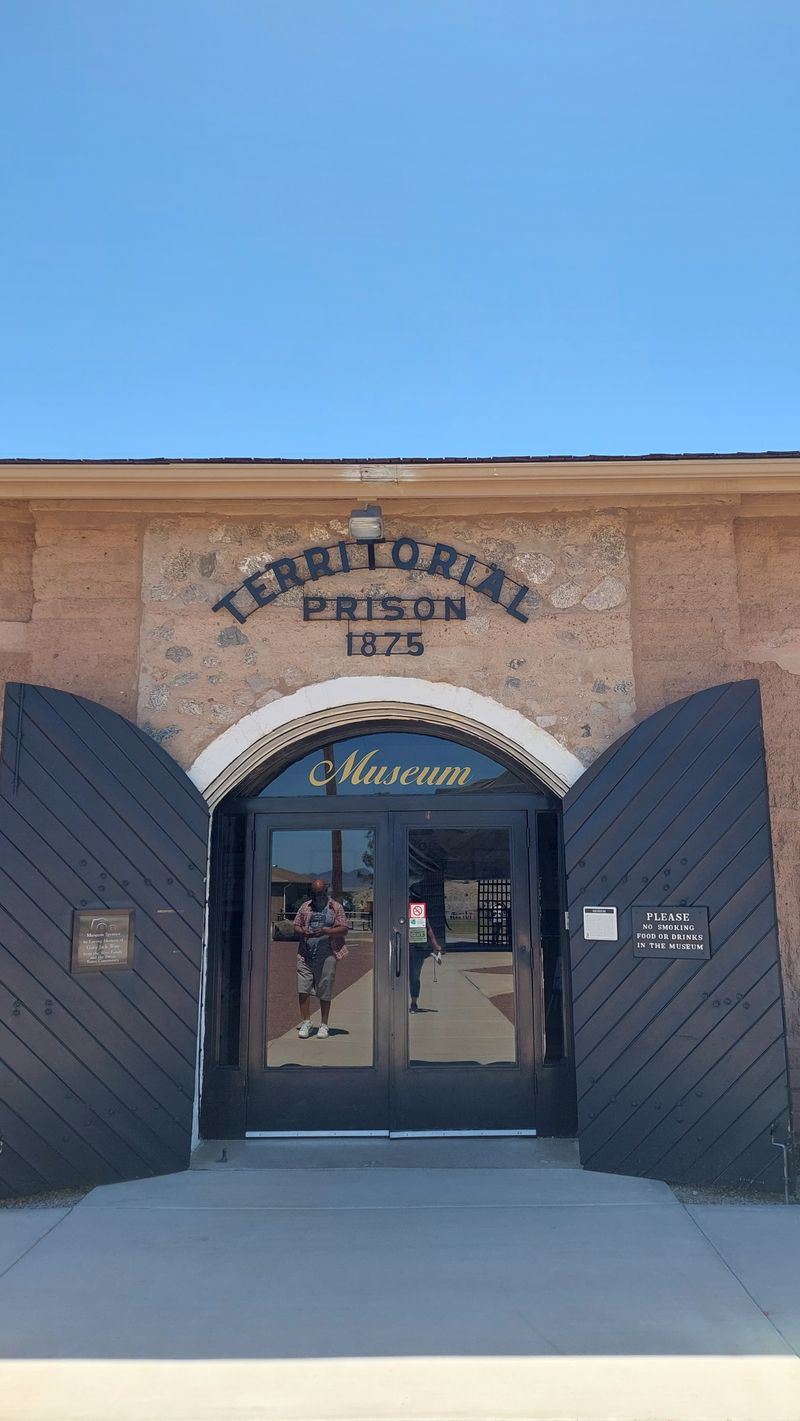
Yuma holds the keys to one of the West’s most evocative sites: the Territorial Prison. Walk through stone cells, step into the yard, and feel the river breeze that mocked inmates just beyond reach. The museum deftly balances punishment, reform, and raw survival stories.
Across town, the Quartermaster Depot ties supply chains to frontier expansion. Together, the sites trace how authority, trade, and geography shaped the region. You will see why the Colorado River crossing made Yuma strategic long before highways.
Downtown, restored buildings frame a lively food scene that keeps evenings easy. Desert light turns everything cinematic, especially along the river path. Plan for an hour or two at each site so nothing feels rushed.
Yuma works as a winter-friendly weekend, pairing with Dateland or Imperial Sand Dunes. The contrast between river greenery and hard desert underscores every story you hear. Expect to leave with strong images and an appreciation for how logistics powered the Old West as much as legends did.
Williams
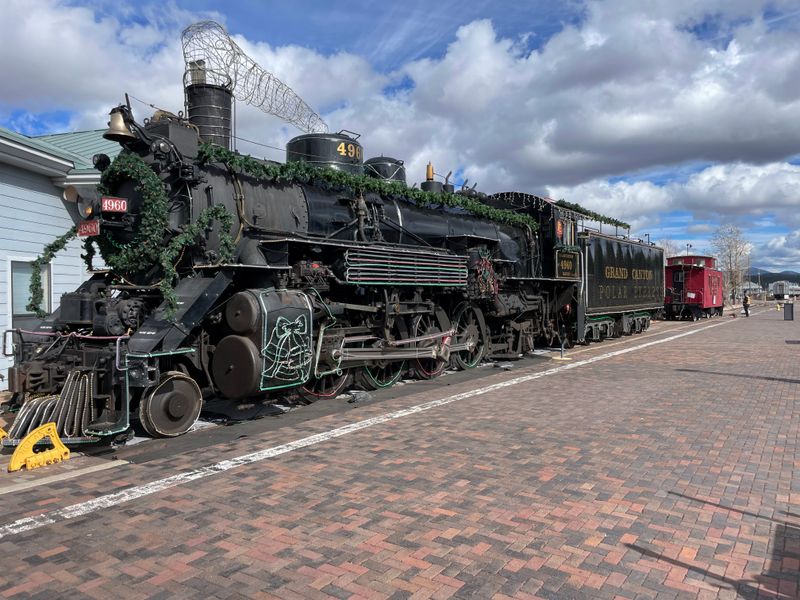
Williams blends Route 66 nostalgia with a frontier vibe and an active railroad depot. The Grand Canyon Railway turns the platform into living history, complete with staged train robbers and costumed crew. Downtown neon and wood-front saloons nod to cattle and logging eras that fed the tracks.
Walk both sides of Main Street for diners, trading posts, and murals that honor the highway’s heyday. You will hear classic tunes and smell burgers, but look closer for plaques about early ranchers and merchants. The small museum near the depot fills in the gaps with tidy displays.
Evenings glow under pine silhouettes, and the air smells like campfire stories. Wildlife parks nearby add family stops, but the heart remains that rail-to-cattle frontier economy. Ride the train if you can, because the narration layers history over sweeping views.
Williams is a simple add to a northern loop with Prescott and Flagstaff. Stay where you can walk to the depot for sunrise photos of steam and steel. It is a polished package, yet the bones are authentic enough to satisfy history lovers.
Tucson: Barrio Viejo and Presidio District
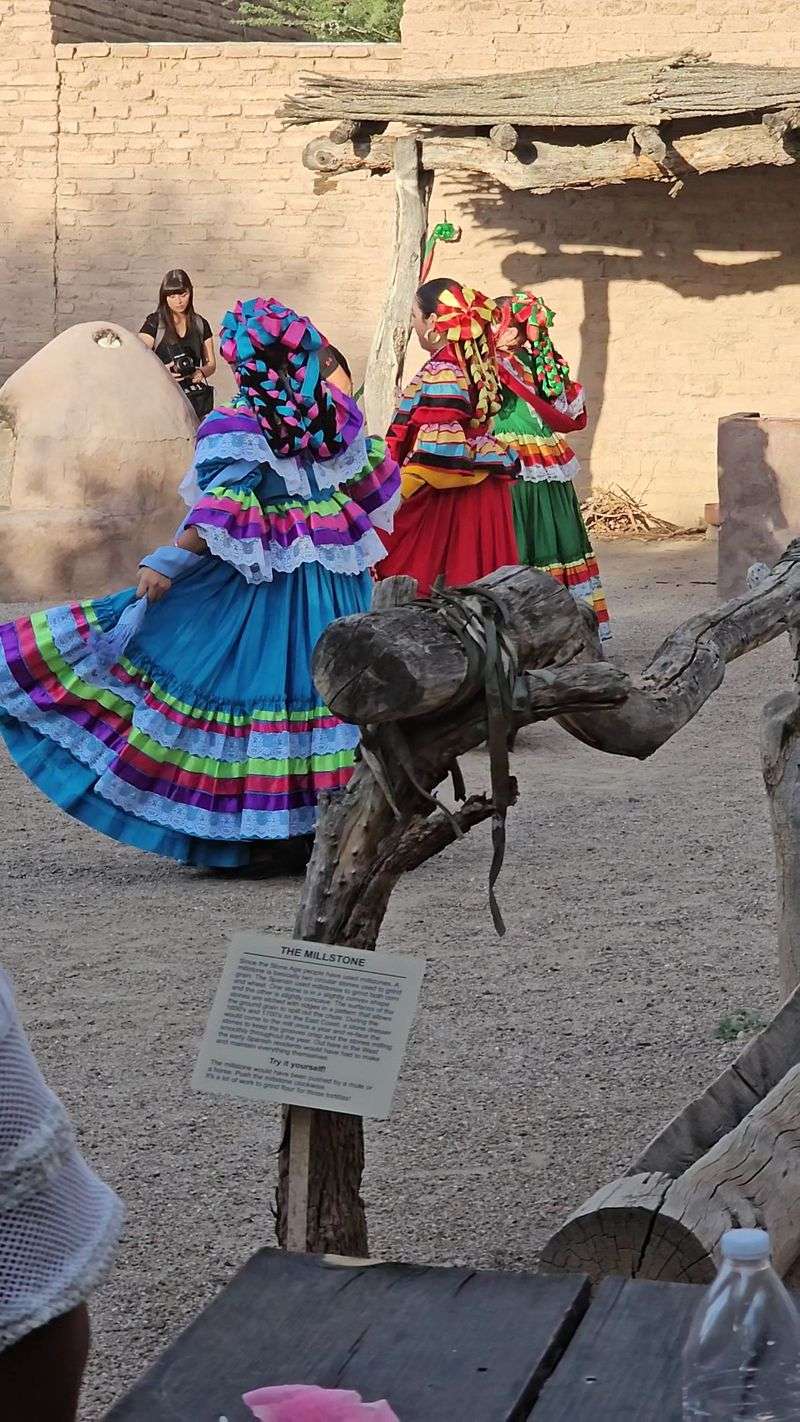
Tucson’s Old West threads run through Barrio Viejo and the Presidio District, where adobe textures meet frontier politics. The reconstructed Presidio San Agustin anchors the Spanish-Mexican foundation that framed later American territorial drama. You will feel the continuity in streetlines, courtyards, and church bells.
Walk Barrio Viejo for color-washed adobe homes and carved doors that photograph beautifully. Interpretive stops explain families, floods, and preservation fights that saved these blocks. Cafes and taquerias keep energy high without breaking the historic spell.
Nearby museums layer on Native, Mexican, and American stories that refuse simple categories. That mix helps reframe the classic cowboy narrative into something broader and truer. You will notice how trade, water, and border politics shaped who thrived and who suffered.
Tucson makes a great weekend hub with Saguaro National Park for sunrise saguaros. Add Mission San Xavier del Bac for baroque beauty that predates statehood. Expect to leave with deeper context and photos that glow with adobe sunlight and mountain shadows.